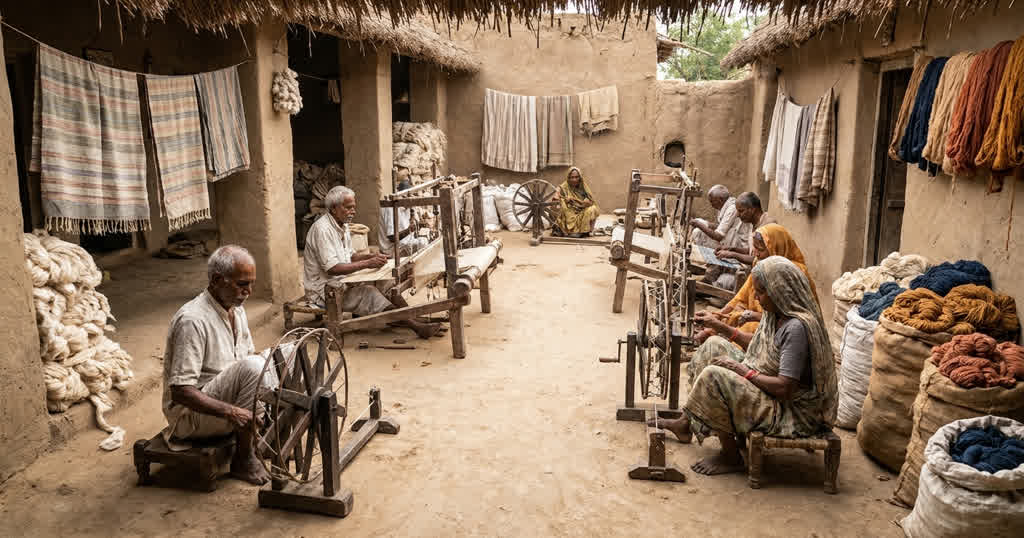
Textile Wholesale Suppliers in India: A Guide to Ethical Fabric Sourcing

Finding reliable textile wholesale suppliers often means choosing between opaque mass-production facilities and fragmented local vendors. A designer looking for authentic handwoven cotton or crisp Matka silk frequently encounters suppliers who cannot verify their environmental claims or trace the yarn back to its origin. This lack of transparency forces brands to compromise on their ESG goals just to secure consistent yardage.
The shift toward decentralized artisan supply chains offers a verifiable alternative to industrialized power-looms. Sourcing from ethical fabric wholesalers in India allows brands to reduce Scope 3 carbon emissions while securing textiles with superior breathability and unique structural integrity. Understanding how these rural clusters operate is essential for securing authentic materials that meet strict global compliance standards.
Understanding the Textile Industry of India: Power-loom vs. Decentralized Artisan Networks
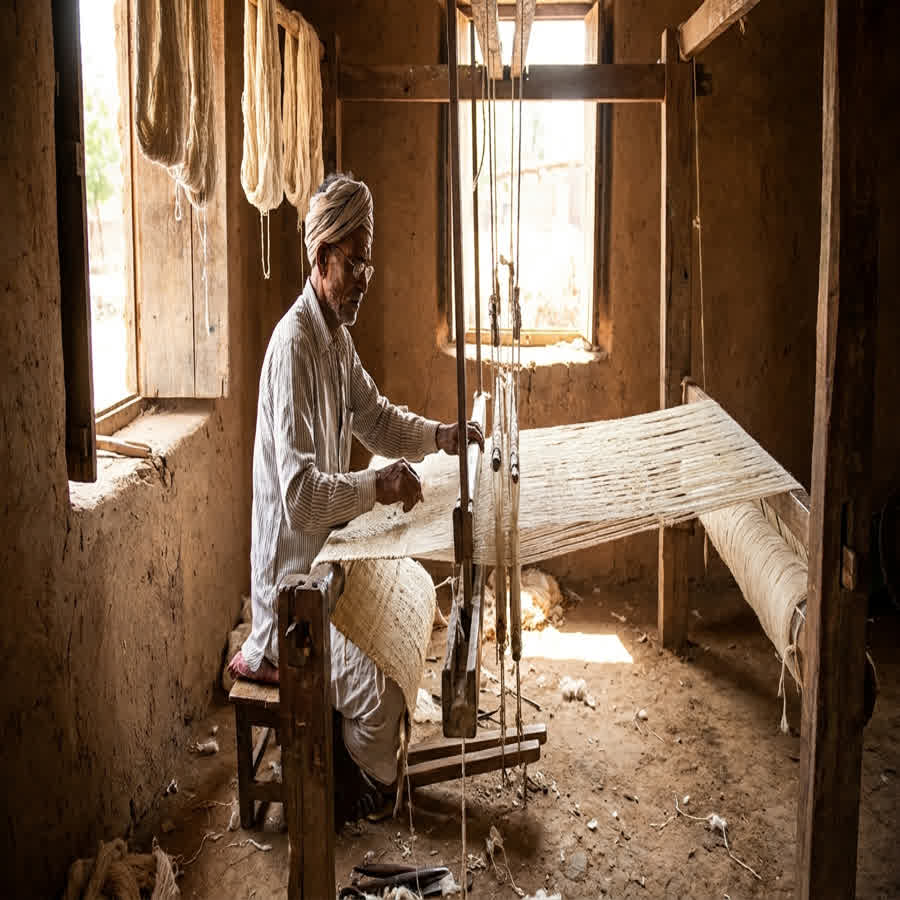
The textile industry of India is divided between high-volume, industrialized power-looms and decentralized, zero-carbon artisan networks. Choosing the latter ensures fair wage distribution and significantly lowers a brand's environmental footprint. India's textile heritage is deeply rooted in cluster-based weaving, producing legendary fabrics like Bengal Muslin and Khadi. Today, this legacy provides a modern B2B alternative to centralized textile companies of India, offering materials that meet strict global compliance standards without relying on heavy machinery.
The Environmental Cost of Centralized Production
Conventional textile manufacturers in India rely on high-tension power-looms that consume massive amounts of electricity and water. These centralized facilities prioritize speed over sustainability, often resulting in high carbon emissions and opaque labor practices. The mechanical force required to operate these looms demands synthetic interventions that degrade the natural fiber.
- High-tension weaving: Stresses the yarn continuously, requiring synthetic sizing agents that pollute local waterways during the washing phase.
- Opaque supply chains: Makes it difficult for B2B buyers to verify fair wage compliance or safe working conditions on the factory floor.
- Standardized output: Erases the tactile uniqueness and natural slubs that conscious consumers seek in premium, high-value garments.
- Resource depletion: Consumes vast quantities of groundwater for cooling and chemical processing, straining local ecological systems.
The Decentralized Artisan Advantage
Working with a decentralized artisan supply chain like Anuprerna shifts production to rural clusters across Bengal and beyond. This model relies entirely on human-powered handlooms, offering a zero-carbon weaving process that directly supports local economies. By bypassing the industrial factory model, brands can source authentic materials while meeting their internal sustainability targets.
- Energy efficiency: Hand-spinning and hand-weaving require zero electricity, drastically reducing a brand's Scope 3 emissions.
- Skill preservation: Sustains generational knowledge in specific districts, such as the intricate Jamdani weaving techniques found in rural Bengal.
- Transparent economics: Ensures direct payment to artisans, ensuring long-term stability within the wholesale textile market in India.
- Chemical reduction: Eliminates the need for heavy synthetic sizing, allowing the natural fiber integrity to remain intact from loom to garment.
By partnering with ethical wholesale fabric suppliers, brands secure materials that align with stringent sustainability targets while preserving centuries of technical mastery.
How to Vet Wholesale Fabric Suppliers for True Ethical Compliance
Vetting wholesale fabric suppliers requires a strict technical checklist focusing on supply chain traceability, certified non-toxic dyeing, and verifiable fair labor practices. Buyers must demand cluster-level transparency rather than accepting vague sustainability claims. The wholesale textile market in India is highly fragmented, making it easy for middlemen to pass off power-loom fabrics as handwoven. To secure authentic materials, sourcing leads must implement rigorous verification protocols that trace the fabric back to its exact origin.
Verifying Traceability and Labor Standards
Ethical fabric manufacturers in India operate with complete transparency, naming the specific villages and clusters where production occurs. Buyers should request documentation that proves direct engagement with the weavers, ensuring that the supply chain is free from exploitative subcontracting.
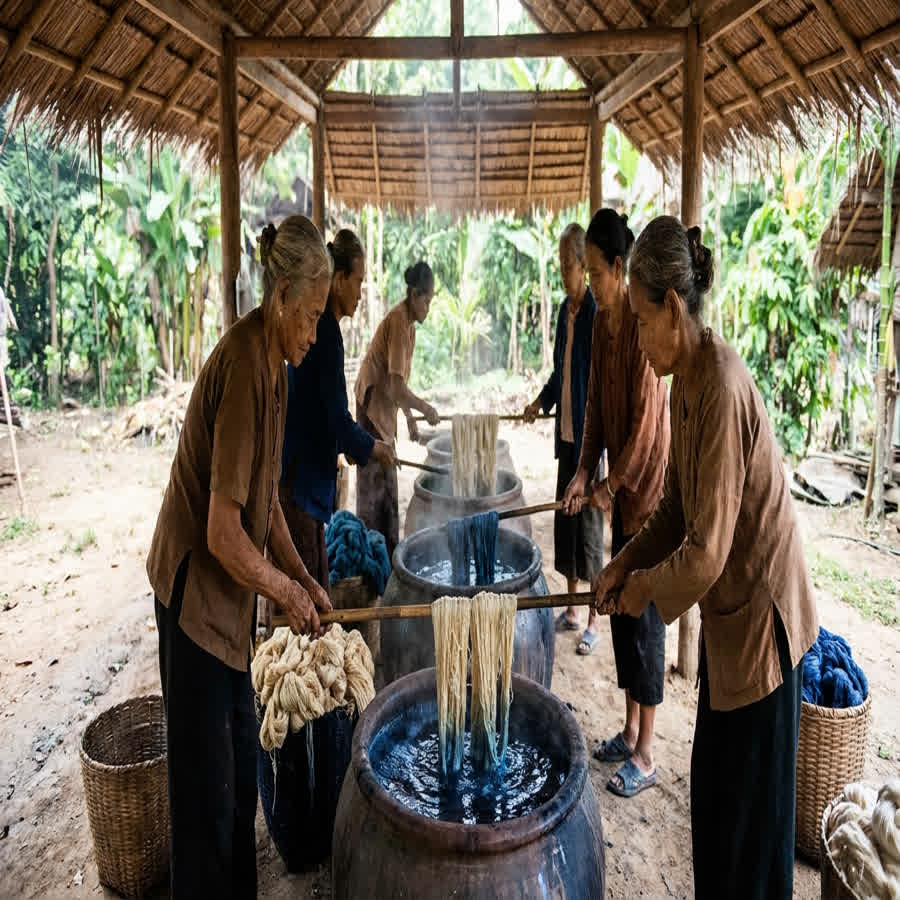
- Cluster identification: Ask suppliers to name the specific regions, such as Murshidabad or Burdwan, where the yarn spinning and weaving take place.
- Fair wage documentation: Ensure the supplier can demonstrate equitable payment structures that exceed local minimums, supporting rural economic development.
- Third-party audits: Look for alignment with recognized standards that monitor social compliance and working conditions across textile companies of India.
- Direct communication: Verify that the supplier maintains direct relationships with the master weavers, eliminating unnecessary middlemen who dilute artisan wages.
Chemical Compliance and Dyeing Protocols
The dyeing process is a critical area where conventional wholesale textile fabric suppliers often fail environmental audits. Ethical sourcing requires strict adherence to safe chemical management and a preference for low-impact coloring techniques.
- Azo-free certifications: Mandate proof that all synthetic dyes are free from harmful Azo compounds, ensuring skin-safe textiles for the end consumer.
- Natural dye capabilities: Seek suppliers experienced in botanical dyes like indigo and madder, which require specialized mordanting techniques to achieve colorfastness.
- Effluent treatment: Verify that the dyeing facilities use proper water filtration systems to prevent local groundwater contamination.
- Bleach alternatives: Ensure the supplier uses hydrogen peroxide or natural sun-bleaching methods instead of harsh chlorine treatments.
By enforcing these technical checks, brands can confidently partner with textile wholesale suppliers who meet global ESG requirements and deliver sustainable materials.
Material Capabilities of Indian Handloom: GSM, Tensile Strength, and Dyeing
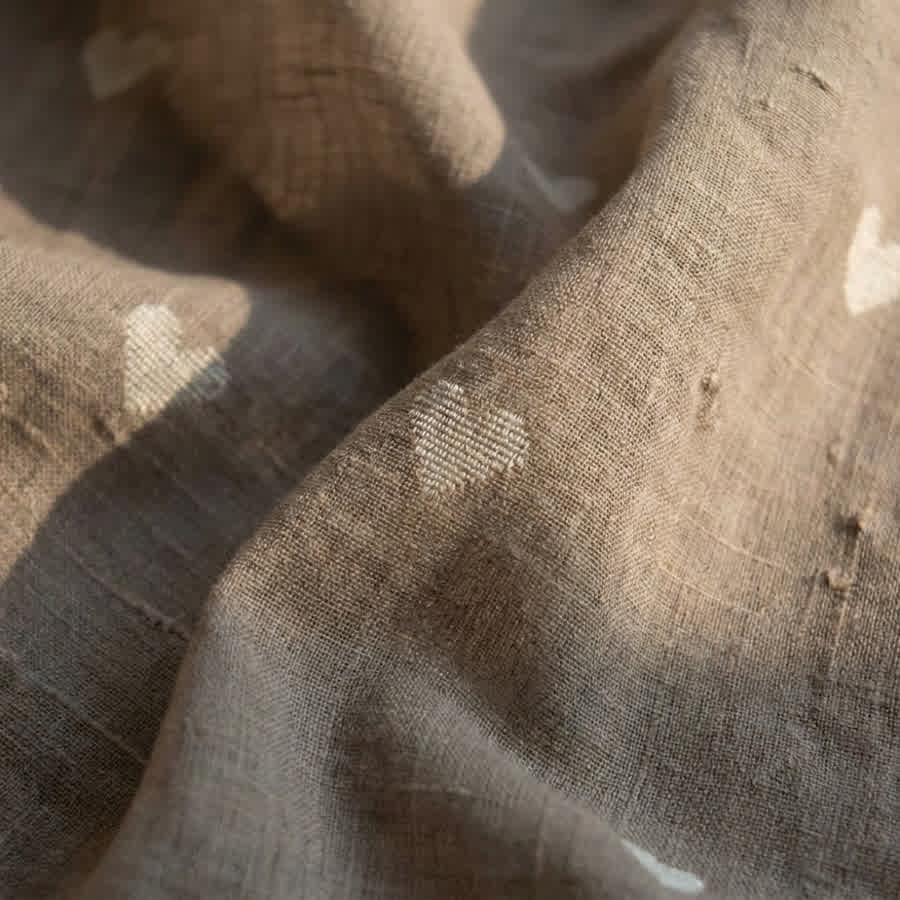
Fabrics sourced from ethical textile wholesale suppliers offer distinct structural advantages, including superior breathability, unique textural slubs, and excellent dye uptake. These properties stem directly from the low-tension weaving process inherent to human-powered looms. The technical specifications of handloom textiles differ significantly from those produced by mass-market fabric wholesalers in India. Understanding these differences helps designers select the right material for their specific garment requirements, balancing aesthetics with physical performance.
Weight, Drape, and Structural Integrity
Handloom fabrics cover a wide spectrum of weights, from ultra-lightweight sheer materials to heavy, structured textiles. The gentle handling of the yarn preserves its natural elasticity and tensile strength, resulting in a fabric that moves naturally with the body.
- 30-50 GSM range: Includes delicate fabrics like Bengal Muslin and fine Jamdani, offering distinctive drape and a soft, airy feel suitable for summer collections.
- 150-250 GSM range: Encompasses durable materials like Khadi cotton and Matka silk, ideal for structured jackets, trousers, and transitional outerwear.
- Low-tension weaving: Creates microscopic gaps between the threads, resulting in higher breathability and superior moisture-wicking properties compared to tight power-loom weaves.
- Selvedge quality: Handwoven fabrics feature a distinct, tightly bound selvedge that prevents unraveling and signifies authentic artisanal construction.
Fiber Blends and Dye Absorption
Ethical textile manufacturers in India frequently work with premium natural fibers that respond exceptionally well to artisanal dyeing methods. The absence of harsh chemical sizing allows for deeper, more vibrant color penetration and a softer hand-feel.
- Ahinsa silk: Also known as peace silk, this fiber retains its natural sericin coating, resulting in a dry, crisp hand-feel and excellent thermal regulation.
- Organic cotton blends: Combining indigenous cotton varieties with bast fibers like hemp increases the fabric's overall abrasion resistance and longevity.
- Dye affinity: The porous nature of hand-spun yarn allows natural and Azo-free dyes to bond securely, ensuring long-lasting colorfastness without toxic fixatives.
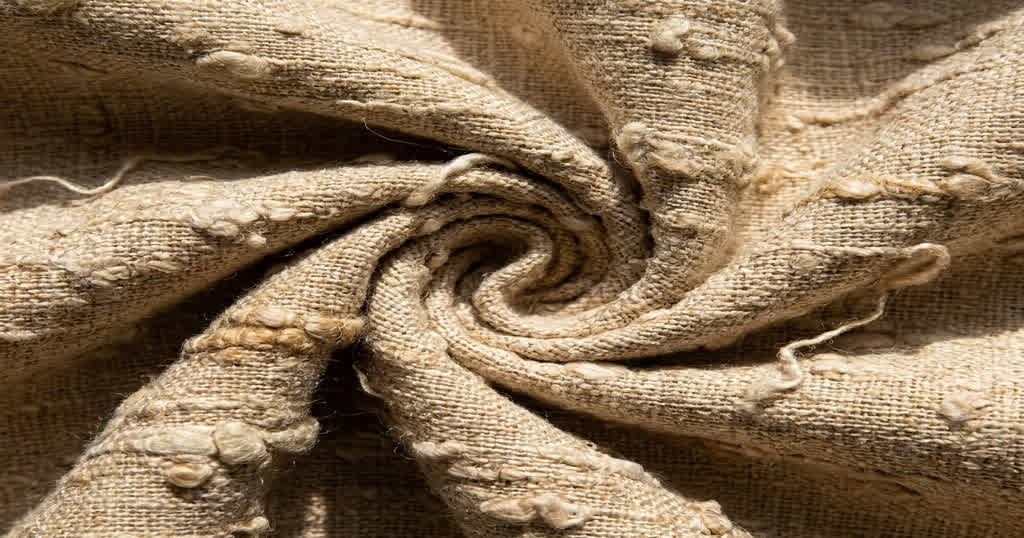
- Textural slubs: Natural variations in the hand-spun yarn create a rich, uneven surface that adds visual depth to the final garment design.
These material capabilities make decentralized textile companies of India invaluable partners for high-end fashion production focused on quality and longevity.
Overcoming MOQ and Lead Time Challenges in the Wholesale Textile Market in India
Decentralized textile wholesale suppliers solve traditional MOQ barriers by distributing production across multiple artisan clusters, allowing for flexible minimums starting at 50 meters. This structure ensures reliable delivery timelines while maintaining strict quality control standards. Mid-sized brands often struggle to meet the massive volume requirements demanded by conventional fabric manufacturers in India. A structured artisan network provides the scalability needed without forcing brands into overproduction, aligning perfectly with modern sustainable business models.
Flexible Production for Sustainable Inventory
Mass-manufacturing textile companies of India typically require thousands of meters per run, which contradicts the principles of slow fashion and lean inventory. Artisan networks offer a more adaptable approach to inventory management, allowing brands to test new styles with minimal financial risk.
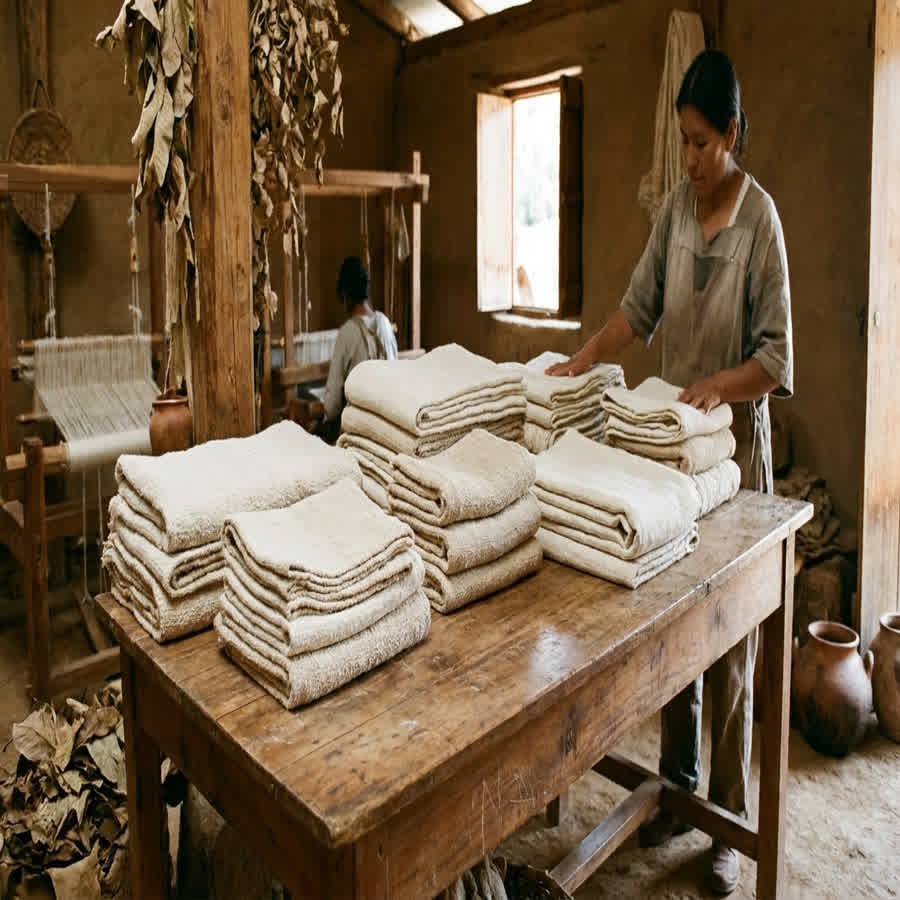
- Low minimums: Ethical suppliers often accommodate orders of 50 to 100 meters per style, reducing deadstock risk for independent designers and boutique brands.
- Custom development: Smaller runs allow brands to experiment with custom weave structures, unique yarn blends, and bespoke dye formulations.
- Scalable output: By engaging multiple weaving clusters simultaneously, suppliers can scale production to meet growing B2B volume demands as a brand expands.
- Iterative sampling: Designers can request small sample yardages to test garment drape and shrinkage before committing to bulk production.
Managing Lead Times and Quality Assurance
Sourcing fabrics wholesale from decentralized suppliers requires careful timeline planning, as hand-weaving is inherently slower than machine production. However, structured networks implement rigorous oversight to ensure consistency and prevent unexpected delays.
- Transparent timelines: Reliable suppliers provide clear schedules for yarn procurement, dyeing, and weaving phases, keeping buyers informed at every step.
- In-line inspections: Quality control teams monitor the fabric directly at the loom, checking for consistent pick density and selvedge integrity to minimize defects.
- Buffer planning: Factoring in monsoon seasons and local festivals ensures that delivery dates remain realistic and supply chain disruptions are minimized.
- Defect mapping: Advanced suppliers provide detailed reports on any minor weaving variations, allowing cutters to optimize their pattern placement.
Partnering with organized wholesale textile fabric suppliers allows brands to secure premium artisanal fabrics without compromising on operational reliability or production schedules.
frequently asked questions
What is the typical MOQ when working with ethical textile wholesale suppliers in India?
Unlike conventional textile manufacturers in India that require thousands of meters per run, decentralized artisan networks like Anuprerna often offer flexible MOQs starting from 50 to 100 meters per style. This lower threshold accommodates the inventory needs of sustainable brands, preventing deadstock accumulation. By distributing the work across rural clusters, these suppliers balance artisanal capabilities with practical B2B sourcing requirements.
How do I ensure the fabrics from wholesale textile fabric suppliers are handwoven?
Look for the Handloom Mark certification, request transparency regarding the specific weaving clusters, and check for the characteristic selvedge and minor textural slubs inherent to low-tension hand-weaving. Power-looms cannot perfectly replicate the *soft, irregular* texture created by human-powered weaving. A reliable textile wholesale supplier will always provide detailed origin data for every yard produced.
Can artisanal fabric manufacturers in India scale production for mid-sized B2B orders?
Yes, by utilizing a decentralized supply chain model, production is distributed across multiple skilled weaving clusters. This allows ethical textile companies of India to scale output to thousands of meters while maintaining zero-carbon, handwoven integrity. Rigorous quality control protocols ensure that the fabric remains consistent across different loom stations.
What certifications should I look for in the textile industry of India for sustainable sourcing?
B2B buyers should look for GOTS (Global Organic Textile Standard) for organic yarns, Fair Trade certifications for labor practices, and the India Handloom Brand (IHB) to verify authenticity. These credentials confirm that the fabric wholesalers in India adhere to strict environmental standards, including Azo-free dyeing and ethical production methods.
Why do handloom fabrics from textile wholesale suppliers feature textural slubs?
Textural slubs occur naturally due to the low-tension weaving process and the use of hand-spun yarns, which have slight variations in thickness. Rather than being defects, these irregularities increase the fabric's breathability and give it a unique *tactile character*. Ethical wholesale textile fabric suppliers celebrate these variations as proof of authentic, human-led manufacturing.
More Blogs
indian fabric wholesale: traditional techniques & modern textile design
textile export wholesale: everything buyers need to know
what is french terry material? a deep dive into loop-back cotton
how to sew with raw silk: tips for textile designers
designing with honeycomb material: best uses for waffle weave textiles
raschel knit vs warp knit: understanding the differences