Wholesale Cotton Fabric: How to Choose the Right Supplier

Sourcing wholesale cotton fabric often forces a difficult compromise between consistent quality and ethical production. Designers frequently receive yardage that lacks the tactile character promised by initial swatches, or they face opaque supply chains that make verifying environmental claims impossible. The search for a reliable partner requires looking past standard mill catalogs to find textiles with verifiable origins. The shift toward sustainable fashion demands a new approach to material procurement.
Choosing the right supplier means evaluating ESG compliance, understanding the structural benefits of hand-spun yarns, and securing a transparent narrative that resonates with conscious consumers. A decentralized artisan model offers a clear alternative to high-carbon mass manufacturing, providing both traceable origins and superior textile performance.
Beyond the Mill: Why Decentralized Sourcing is the Future of Wholesale Cotton Fabric
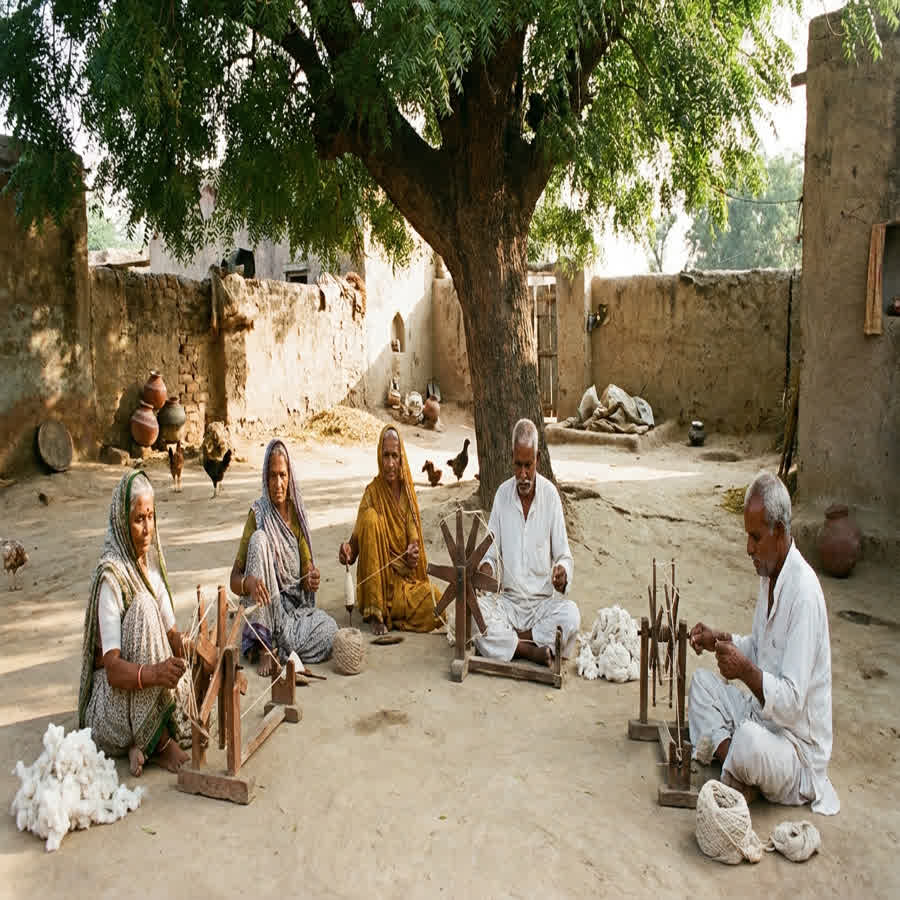
Decentralized sourcing is the future of wholesale cotton fabric because it replaces opaque, high-carbon mass manufacturing with transparent, artisan-led supply chains. This model distributes production across rural weaving clusters, ensuring verifiable ESG compliance and direct community impact. By choosing this route, brands secure materials that align with strict environmental standards while supporting traditional craftsmanship.
The Legacy of Rural Handloom Clusters
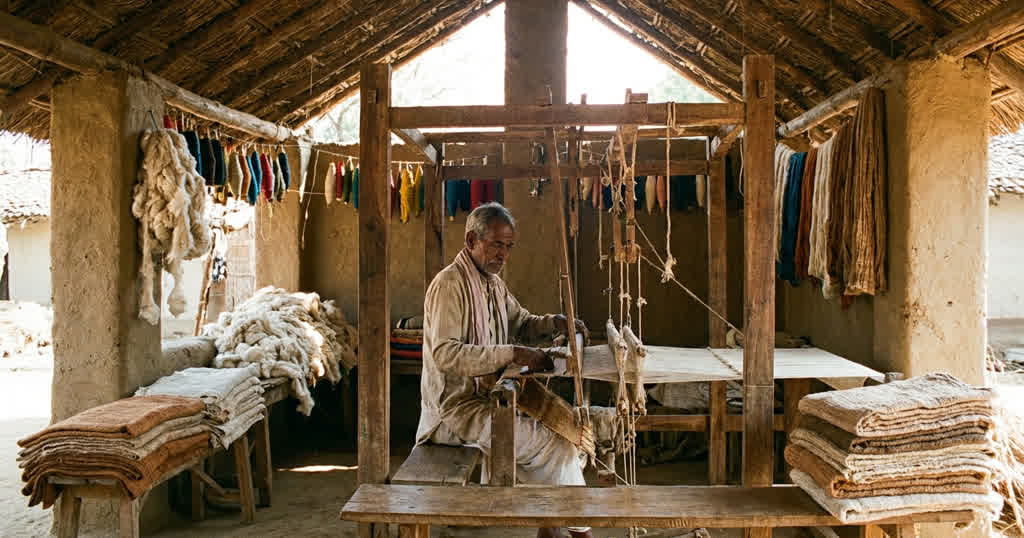
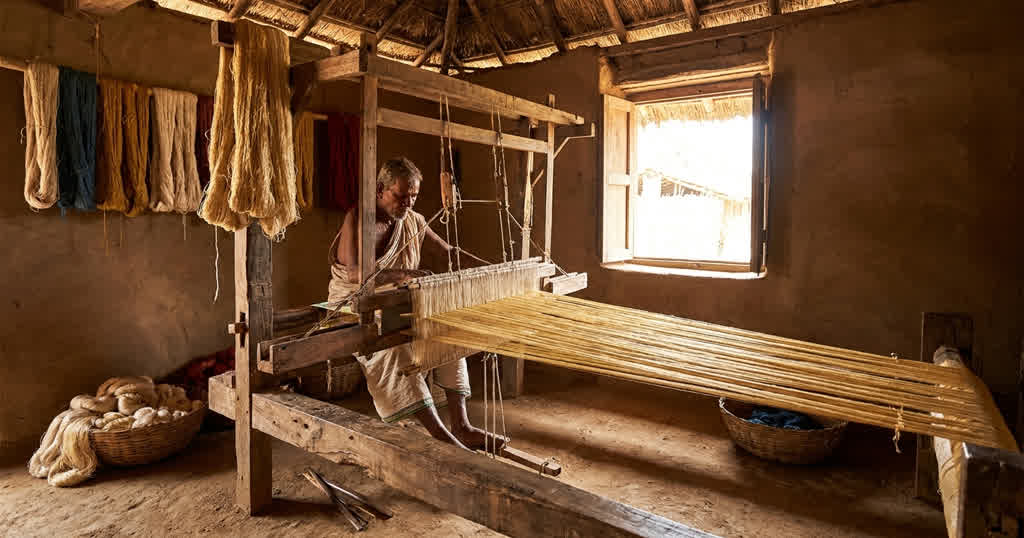
India's cotton weaving heritage dates back millennia, with Khadi cotton fabric emerging in the 20th century as a powerful symbol of self-reliance. This artisan-led model continues to sustain weaving communities across Bengal and rural India today. By operating outside centralized factories, these clusters maintain a decentralized rural economy that keeps wealth within local villages.
We currently work with numerous artisan groups who preserve this heritage while meeting modern production standards. The contrast with centralized mills is stark and highly relevant to modern procurement. Traditional factories prioritize speed and uniformity, often at the expense of the environment and worker autonomy.
In a decentralized system, artisans control their own schedules and work from their homes or small community centers. This structure provides a dignified livelihood that mass manufacturing rarely matches. Supporting this system ensures the survival of specialized weaving techniques that machines cannot replicate.
Environmental Benefits of Decentralized Production
Moving away from conventional factory production significantly reduces the carbon footprint of your textiles. Wholesale cotton fabric suppliers operating on a decentralized model rely heavily on human energy and manual looms rather than fossil-fuel-powered machinery. This approach offers distinct ecological advantages for brands building a sustainable portfolio.
- Zero-carbon weaving: Handlooms operate entirely without electricity, drastically lowering the overall energy consumption per meter of fabric produced.
- Minimal water waste: Small-batch dyeing and washing processes in rural clusters often utilize natural or low-impact dyes with careful, localized water management.
- Reduced transit emissions: Localized processing from spinning to weaving minimizes the need to ship raw materials across vast distances before final assembly.
These environmental metrics are not just marketing points; they are measurable reductions in your supply chain impact. Sourcing from these clusters provides the concrete data required for rigorous sustainability reporting.
Decoding Quality: Handwoven vs. Mill-Made Cotton Fabric
Handwoven cotton fabric offers superior thermal regulation and a unique textural profile compared to the uniform, high-tension finish of mill-made textiles. The manual spinning and weaving processes create microscopic structural variations that enhance both breathability and drape. These physical properties make hand-spun textiles functionally distinct from their industrial counterparts.
The Science of Hand-Spun Yarn
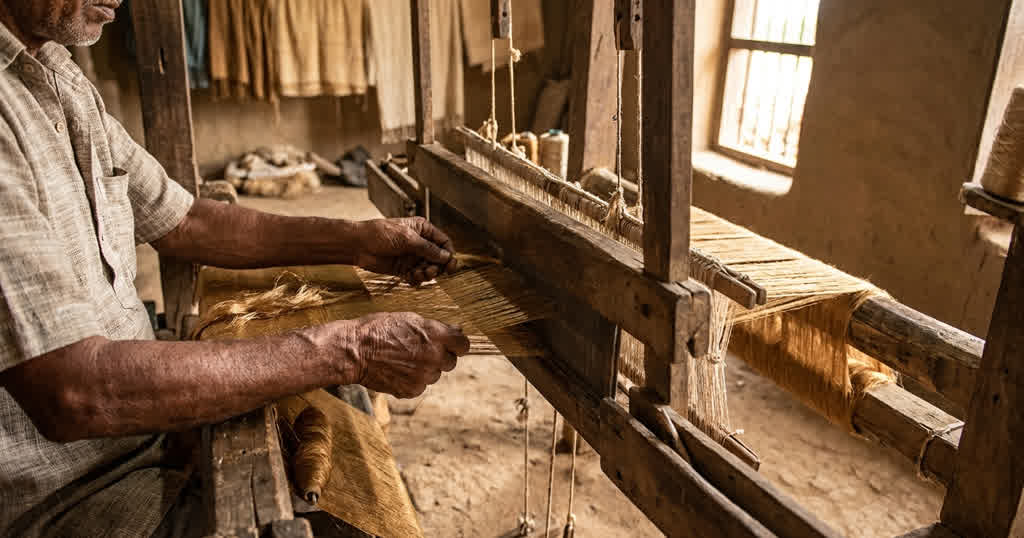
The fundamental difference begins at the spinning wheel. The hand-spinning process creates yarn with variable twist levels, unlike the rigid consistency of machine-spun fibers. This irregularity is not a defect but a critical structural advantage that defines the performance of the textile.
These variations form microscopic air pockets within the yarn itself. Because of these pockets, handwoven cotton fabric provides superior moisture-wicking properties. The fabric breathes exceptionally well in summer while offering surprising insulation during cooler months.
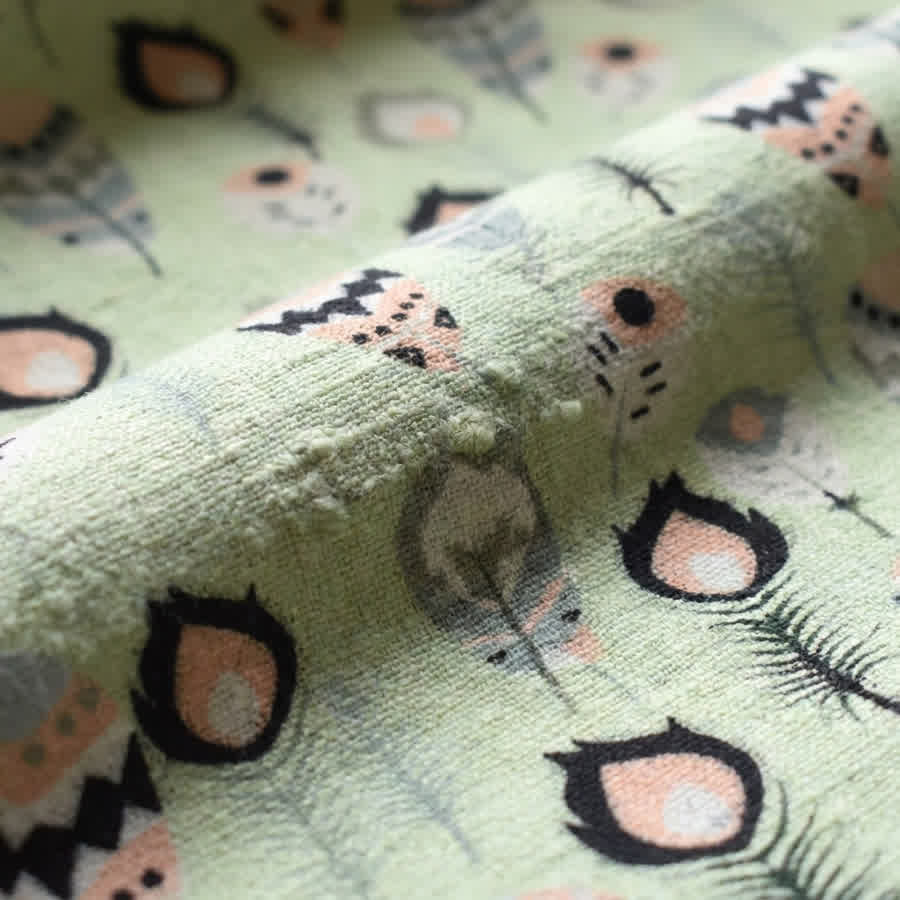
This natural climate control is a direct result of the low-tension manual process that commercial mills cannot replicate. Machine spinning applies high tension to the fibers, compacting them and eliminating the spaces that allow air to circulate. Hand-spinning preserves the natural loft of the cotton fiber.
GSM Variations and Structural Integrity
Understanding weight and density is crucial when sourcing indian fabric wholesale. Handwoven textiles offer a broad spectrum of weights suitable for diverse applications, from delicate overlays to structured outerwear. The natural tensile strength of the fiber is preserved through gentle manual processing.
- 60 to 80 GSM: Sheer, highly breathable muslins ideal for summer collections, scarves, and lightweight linings.
- 120 to 150 GSM: Medium-weight fabrics offering a crisp hand-feel, well suited for standard shirting, dresses, and everyday apparel.
- 180 to 200 GSM: Heavier, densely woven textiles designed for structured garments, light jackets, and durable bottom weights.
Mill-made cotton often relies on chemical finishes to achieve a specific texture, which washes out over time. In contrast, the soft, organic drape of handwoven cotton improves with every wash. The low-stress weaving environment prevents the fibers from becoming brittle, ensuring excellent longevity even in the lighter weight categories.
Key Criteria for Evaluating Cotton Fabric Suppliers in India
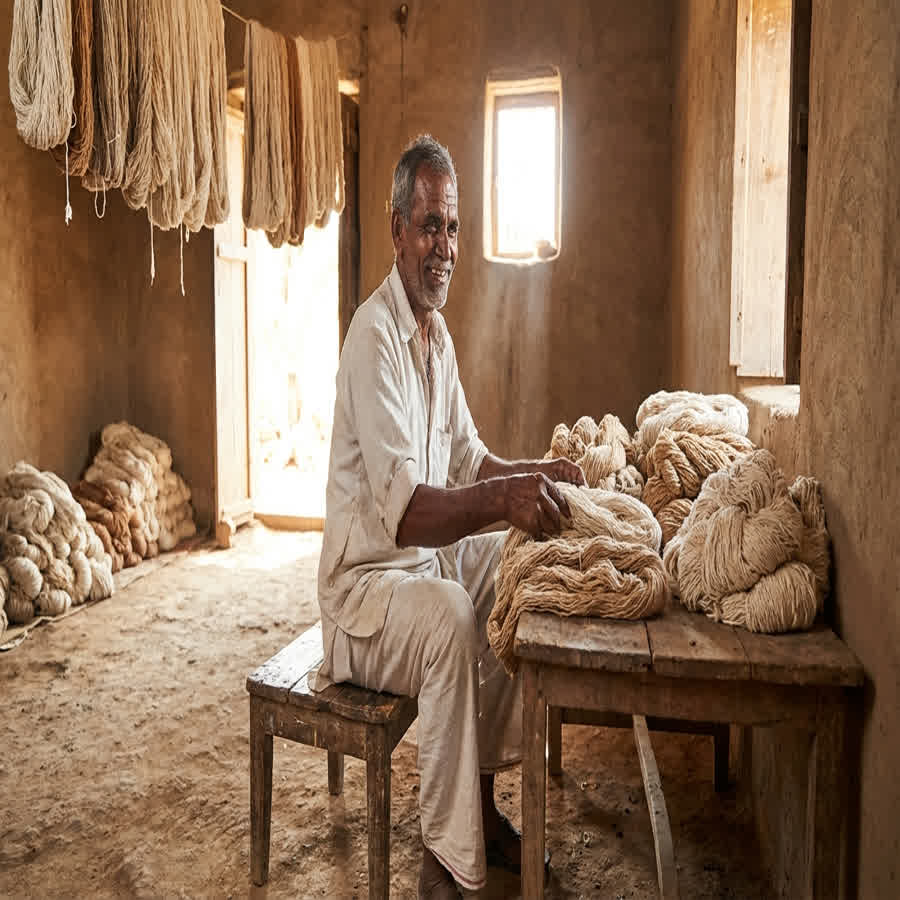
Evaluating cotton fabric suppliers in India requires a strict assessment of their supply chain transparency, fair trade practices, and ability to deliver consistent quality. A reliable partner must provide verifiable proof of origin and demonstrate a clear commitment to artisan empowerment. Securing this data upfront prevents logistical headaches and protects your brand reputation.
Verifying Supply Chain Traceability
The Indian textile market is vast, making it easy for intermediaries to obscure the true origins of their materials. True supply chain transparency means the supplier can identify the exact district, village, and artisan cluster where the fabric was woven. You should demand clear documentation that maps the journey from raw fiber to finished yardage.
Partnering with ethical wholesale cotton fabric suppliers also means verifying their labor practices. Look for suppliers who prioritize artisan empowerment through fair wages and safe working conditions. A transparent supplier will openly share their impact reports and the direct economic benefits provided to the weaving communities.
Without this level of detail, claims of sustainability remain unverified. We encourage designers to ask specific questions about the weaving clusters, such as the number of artisans involved and the specific regional techniques employed.
Assessing Production Flexibility and Quality
Beyond ethics, technical reliability is paramount for B2B designers. You need a partner who can balance the inherent variations of handcraft with strict quality assurance protocols. This ensures that the textural character of the fabric remains consistent across different production batches.
- Manageable MOQs: Look for suppliers who offer lower minimum order quantities, allowing for small-batch testing before committing to large volumes.
- Dye uptake consistency: Ensure the supplier uses standardized dyeing processes that yield predictable colors on natural handwoven cotton fabric.
- Defect mapping: A professional supplier will flag and document any structural anomalies in the yardage before shipping, reducing waste on your cutting table.
Establishing these criteria early prevents costly production delays. By demanding both ethical transparency and technical precision, you secure a sourcing partner capable of supporting your brand's long-term growth.
The ESG Advantage: Integrating Khadi Cotton Fabric into Your Supply Chain
Integrating Khadi cotton fabric into your supply chain directly strengthens your brand's ESG (Environmental, Social, and Governance) profile by reducing carbon emissions and supporting equitable labor practices. Sourcing these zero-carbon textiles provides concrete data for sustainability reporting and appeals directly to conscious consumers. This strategic choice transforms procurement into a core pillar of your corporate responsibility.
Strengthening Environmental and Social Metrics
Modern regulatory frameworks and consumer expectations demand rigorous sustainability metrics. By sourcing from decentralized clusters, brands can report significant reductions in their Scope 3 emissions. The zero-waste credentials of hand-spun cotton provide a measurable advantage over conventional synthetic blends or industrially farmed cotton.

The social component of ESG is equally critical for modern fashion brands. Working with rural artisans supports equitable wealth distribution and preserves indigenous craft knowledge. This commitment to fair trade practices transforms your procurement strategy into a direct investment in community development.
Industry consensus shows that verifiable social impact is becoming just as important as environmental footprint in corporate reporting. Documenting the fair wages and safe working conditions of your wholesale cotton fabric supply chain provides a shield against accusations of unethical sourcing.
Crafting a Verifiable Brand Narrative
Today's premium consumers expect more than just a beautiful garment; they demand a verifiable story. The unique tactile narrative of handwoven textiles serves as a powerful marketing asset. When you purchase materials from authentic sources, you acquire the right to share the history of its creation.
- Documented origins: Share the specific names of the Bengal or Karnataka weaving clusters with your customers to build trust.
- Material education: Highlight the microscopic air pockets and natural thermal regulation as premium technical features.
- Impact transparency: Publish the direct social and environmental benefits of your sourcing choices in your annual sustainability reports.
This level of detail separates authentic sustainable brands from those relying on vague greenwashing. By embedding these verifiable facts into your marketing, you justify premium pricing and build deep brand loyalty.
Explore Our Collection
Anuprerna works directly with handloom artisan clusters to weave wholesale cotton fabric for designers and brands building considered collections. To source it for your next line, explore the range below.
frequently asked questions
What is the typical MOQ for wholesale handwoven cotton fabric from artisan clusters?
The typical MOQ for wholesale handwoven cotton from artisan clusters ranges from 100 to 500 meters. Unlike mill-made fabrics that require minimums in the thousands of meters, decentralized artisan clusters can easily accommodate these lower volumes. This flexibility is ideal for sustainable brands producing small-batch or capsule collections.
How does Khadi cotton differ structurally from standard wholesale cotton fabric?
Khadi cotton differs structurally by featuring natural variations in thickness and twist due to its hand-spun and handwoven creation. This structure forms microscopic air pockets within the fabric, offering superior breathability in summer and insulation in winter. This is a stark contrast to tightly packed, uniform mill-spun cotton.
How can I verify the traceability of cotton fabric suppliers in India?
You can verify traceability by demanding cluster-level transparency that details the specific rural regions and artisan communities involved. Authentic cotton fabric suppliers in India will provide decentralized supply chains that offer impact reports, artisan stories, and adherence to fair trade principles rather than opaque factory sourcing.
What GSM ranges are available for Indian handwoven cotton?
Indian handwoven cotton is available in a wide range of weights, typically spanning from 60 GSM to 200 GSM. It ranges from sheer, lightweight muslins at around 60-80 GSM (ideal for summer overlays) to medium-weight fabrics at 120-150 GSM, up to heavier 200 GSM weaves for structured garments.
What types of dyes are best suited for handwoven cotton fabric?
Handwoven cotton fabric accepts both natural and low-impact azo-free reactive dyes exceptionally well. The natural variable twist levels of the hand-spun yarn allow the dye to penetrate deeply, resulting in rich, enduring colors that resist fading. We recommend testing dye uptake on small swatches, as the *organic texture* can create beautiful, subtle variations in shade.
More Blogs
how indian fabric exporters meet global quality standards
jacquard vs embroidery: what's the difference?
buy hemp fabric in bulk: what fashion brands need to know
khadi online shopping: what fabric details should you check?
a designer’s guide to sourcing silk from indian manufacturers
tussar silk fabric: characteristics, texture & a guide for designers