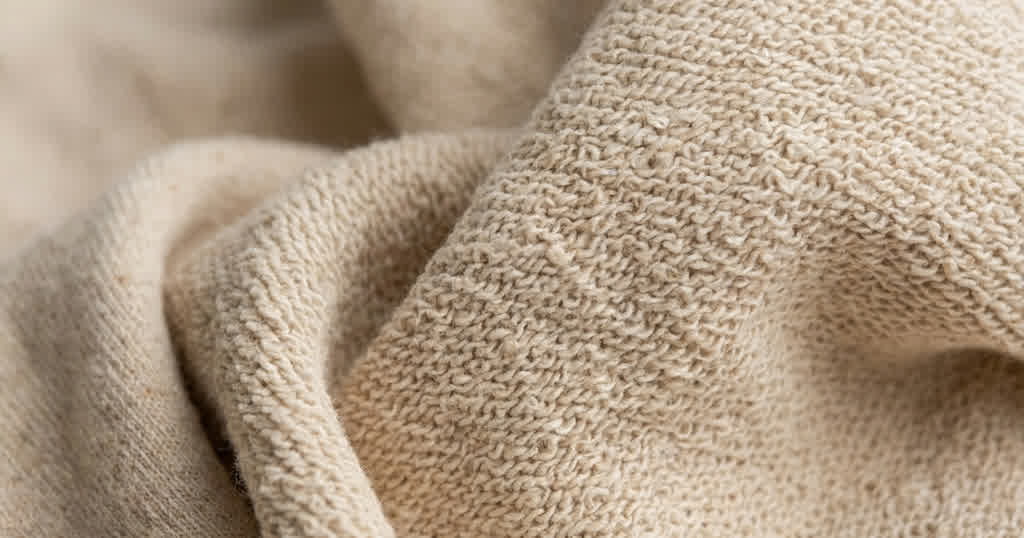
What Is French Terry Material? A Deep Dive Into Loop-Back Cotton

Designers building trans-seasonal collections face a constant tension between structural integrity and breathability. A heavy winter fleece causes overheating during transitional months, while a standard jersey lacks the drape required for oversized silhouettes. This is where french terry material steps in as a foundational textile. Emerging in the 1980s as an evolution of traditional toweling, this fabric bridges the gap between lightweight summer knits and heavy winter layers.
Sourcing the right loop-back cotton directly impacts a brand's inventory risk. By utilizing a fabric that performs across multiple climates, independent designers reduce their reliance on highly seasonal drops. For a sustainable supply chain, choosing an artisan-finished textile crafted from organic fibers ensures that the final garment delivers both exceptional moisture management and a verifiable, low-impact origin story.
The Architecture of Loop-Back Cotton: How French Terry Material Works
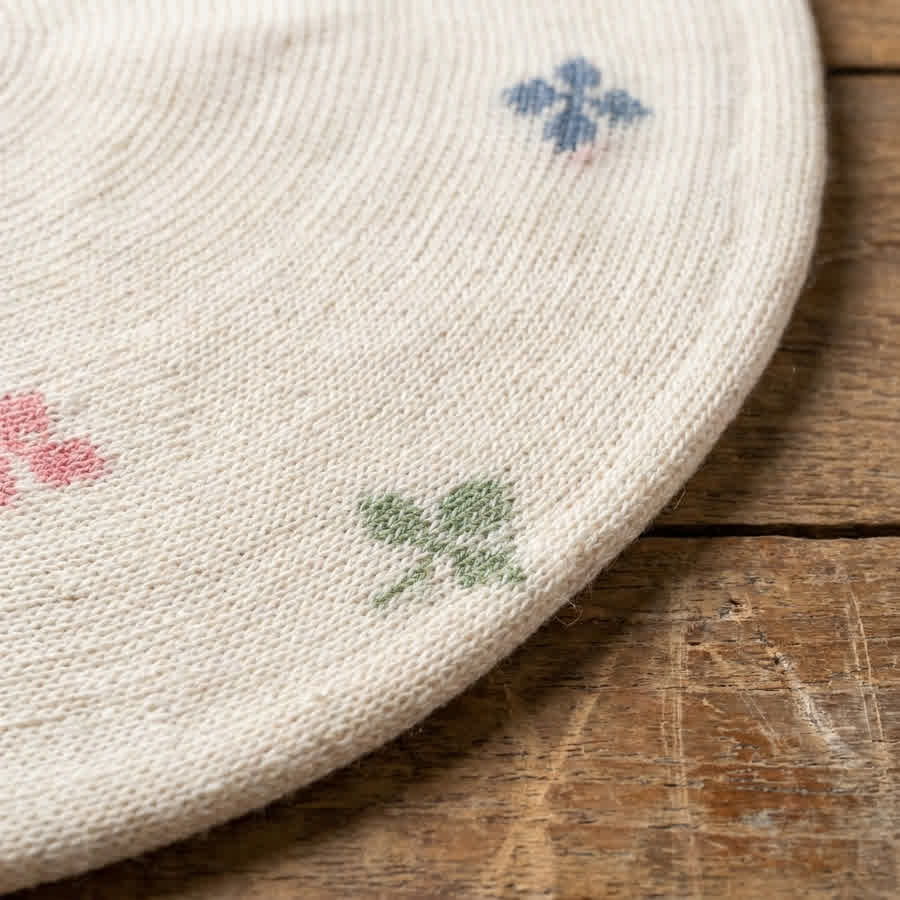
French terry material works by utilizing a circular knit construction that creates a smooth, flat jersey face on the outside and a dense network of uncut loops on the inside. This dual-surface architecture maximizes internal surface area to wick moisture while maintaining a clean external drape.
The Mechanics of the Loop-Back Pile
The defining characteristic of this textile is its uncut pile. Unlike traditional terry cloth which features loops on both sides for maximum water absorption, this fabric restricts the loops entirely to the back. The manufacturing process requires precise tension control on the circular knitting machines to ensure the flat-knit surface remains entirely smooth. This specific construction technique revolutionized the activewear market in the 1980s by offering a lighter alternative to heavy toweling.
When evaluating the construction, the density of these loops determines the fabric's performance. A tightly packed loop structure prevents the fabric from sagging over time. This structural integrity is essential for streetwear brands designing oversized hoodies or drop-shoulder garments that require a crisp, structured drape. A loose pile will quickly lose its shape after repeated wear.
To achieve optimal recovery, mills often blend the 100% cotton base with a small percentage of stretch fibers. Common construction specifications include:
- Pure cotton construction: Relies entirely on the natural mechanical stretch of the knit for a vintage drape.
- Elastane integration: Blending 2-5% elastane improves shape retention at the cuffs, collars, and hems.
- Consistent loop height: Ensures the fabric feels uniform against the skin without abrasive high spots.
Moisture Management and Micro-Climates
The internal loops do more than just provide a soft, tactile hand-feel. They actively engineer a micro-climate between the wearer's skin and the garment. Because the loops are uncut, they create tiny pockets of air that facilitate continuous airflow. This prevents the heavy, suffocating feeling associated with dense winter knits.
This increased internal surface area acts as a natural capillary system. When the wearer sweats, the loops absorb the moisture and pull it away from the body. The moisture then travels to the smooth outer layer, where it spreads out and evaporates rapidly into the surrounding air.
This mechanism provides high moisture-wicking capacity without trapping excess heat. For eco-activewear brands, this natural breathability offers a compelling alternative to synthetic performance fabrics. The wearer stays dry during physical exertion, making the textile highly functional for both athletic use and daily commuting.
French Terry vs. Fleece: A B2B Guide to Trans-Seasonal Sourcing
The primary difference between these textiles is thermal retention; french terry material maintains uncut loops for high breathability, whereas fleece undergoes a brushing process that shreds those loops to trap body heat. Buyers must choose based on whether the collection requires year-round versatility or strict winter insulation.
Understanding the Brushing Process
Both fabrics often begin their life on the exact same circular knitting machines. The divergence happens during the finishing stage at the mill. To create fleece, manufacturers pass the loop-back fabric through fine metal brushes. This aggressive process breaks the cotton yarn loops, creating a fuzzy, dense pile that excels at thermal retention.
While fleece is exceptionally warm, this brushing process destroys the capillary action of the loops. The resulting fabric traps heat but loses its rapid moisture-wicking capabilities. For activewear, this can lead to a stifling, clammy feel during periods of high exertion or unexpected temperature spikes.
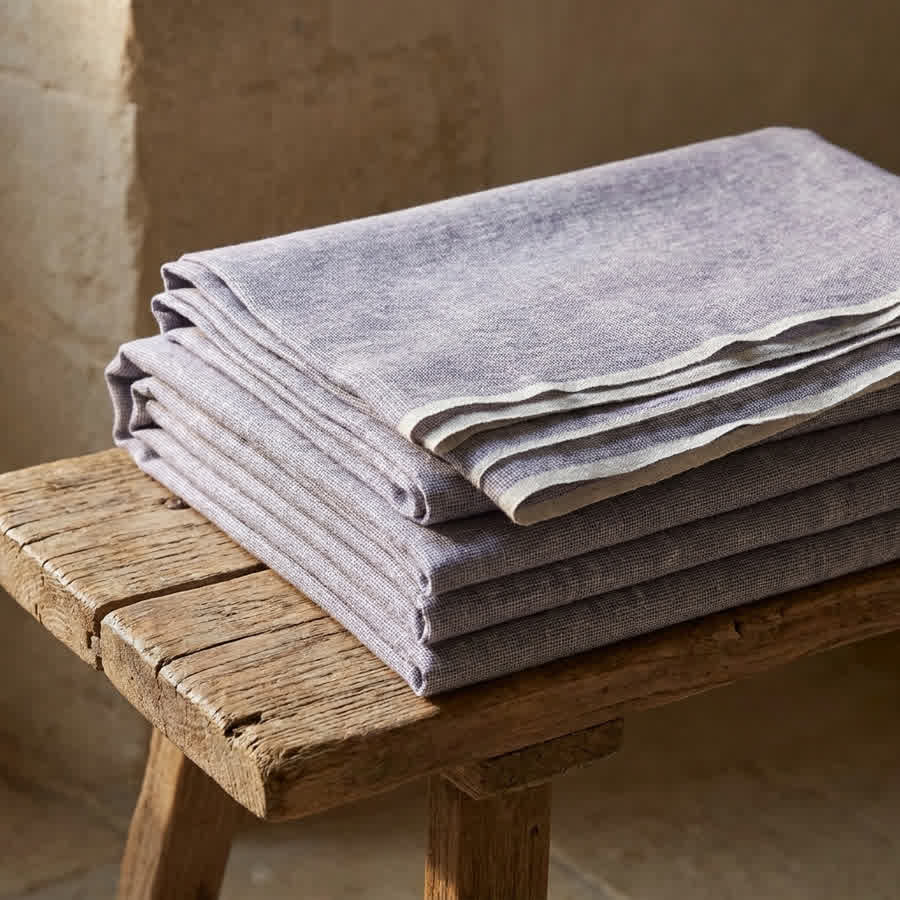
By leaving the loops intact, the unbrushed alternative retains its natural breathability. The fabric breathes efficiently, allowing excess body heat to escape through the knit. This makes it a superior choice for garments intended for indoor lounging, spring transitions, or cool summer evenings.
Mitigating Inventory Risk with Versatile Weights
For independent designers, committing to heavy winter fleece carries significant inventory risk. If a winter collection underperforms, those heavy garments cannot be sold easily in the spring. Sourcing a trans-seasonal fabric provides a financial buffer against unpredictable weather patterns and shifting consumer demand. A heavy fleece dies on the rack in March, but a breathable loop-back sells year-round.
A mid-weight loop-back cotton typically ranges from 200 to 400 GSM. This specific weight class offers enough substance to feel premium while remaining light enough for versatile wear. Brands can utilize this single fabrication across multiple product categories, simplifying their entire production schedule.
Strategic sourcing of this textile allows brands to streamline their supply chain efficiently. Key benefits of standardizing around this core fabric include:
- Cross-seasonal appeal: Sells consistently from early autumn through late spring without heavy discounting.
- Simplified tech packs: Allows designers to use the same base fabric for shorts, hoodies, and joggers.
- Reduced deadstock: Unsold blank garments can be easily garment-dyed and repurposed for the following season.
Why Organic Cotton Improve French Terry Material
Sure — I’ve added the three exact keywords organic cotton clothes, organic cotton material, and organic cotton dress naturally, while keeping them bolded for easy identification.
Utilizing organic cotton improves french terry material by preserving the long-staple fibers, which results in a smoother face that resists pilling and stronger internal loops that maintain their shape. This choice directly supports decentralized rural production while ensuring a durable, low-impact final garment. The resulting organic cotton material is well suited for brands developing comfortable, responsible organic cotton clothes for everyday and premium collections.
The Technical Advantage of Long-Staple Fibers
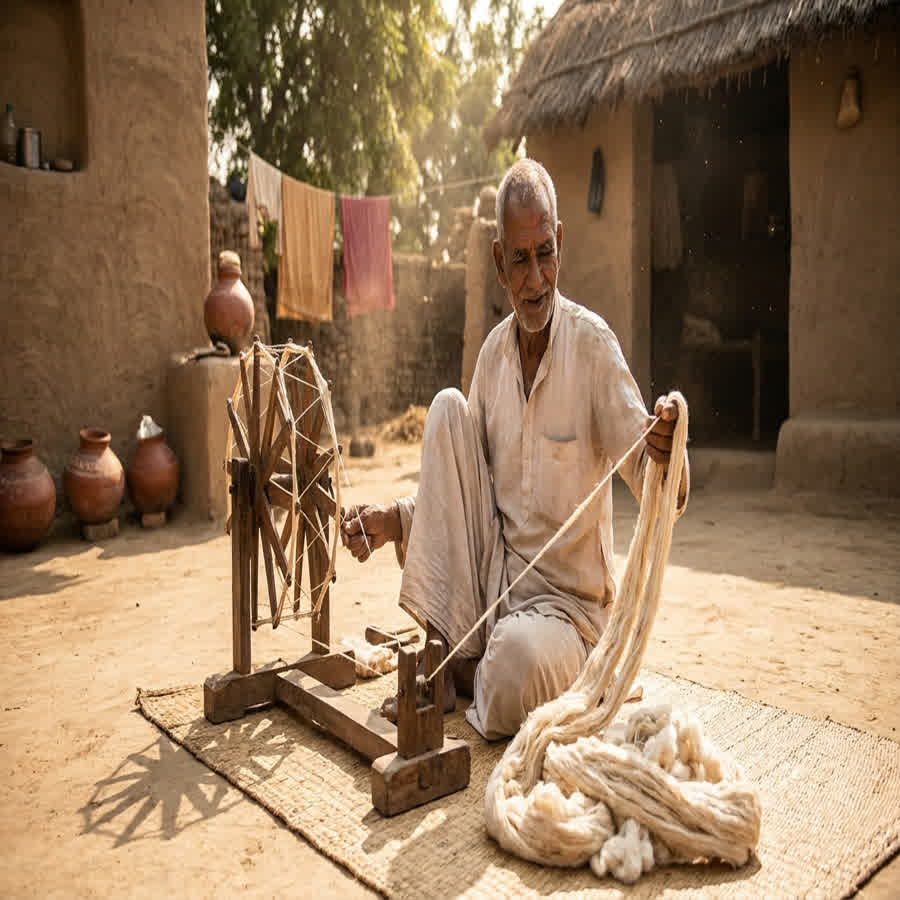
Conventional cotton harvesting often relies on aggressive machinery that breaks and damages the natural fibers. In contrast, organic cotton is frequently hand-picked by skilled agricultural workers. This gentle harvesting method preserves the length and inherent strength of the fiber, creating a superior raw material for the spinning process.
When these long-staple fibers are spun into yarn, they require significantly fewer connection points. A yarn with fewer splices produces a noticeably smoother flat jersey face. This smooth surface is crucial for high-quality screen printing and intricate embroidery, as it provides a stable, uniform canvas that holds fine details.
Additionally, longer fibers drastically reduce the fabric's tendency to pill over time. When the garment undergoes friction during wear or washing, the stronger yarn structure holds the individual fibers securely in place. The internal loops also benefit, maintaining their plush, resilient texture rather than flattening out into a matted surface.
Supporting Decentralized Artisan Supply Chains
Sourcing organic fibers is not just a technical decision; it is a strict commitment to ethical textile manufacturing. By moving away from water-intensive conventional cotton, brands can reduce their environmental footprint. This shift aligns with the growing consumer demand for verifiable, eco-conscious apparel that respects both the planet and the producer.
For brands creating organic cotton clothes, selecting the right organic cotton material is an important part of maintaining both product quality and a credible sustainability story. For example, an organic cotton dress can combine the natural comfort of cotton with responsible sourcing when the fabric, processing, and manufacturing practices are carefully considered.
At Anuprerna, we focus on integrating these sustainable fibers into a decentralized artisan network. Working with rural Indian handloom weavers and ethical knitting clusters ensures that the financial value of production remains within local communities. This approach provides fair, reliable wages and helps preserve generations of traditional textile craftsmanship.
For a B2B sourcing manager, this transparent origin story is a highly valuable marketing asset. Key advantages of sourcing through an artisan supply chain include:
- Traceable origins: Every yard of fabric can be traced back to specific farming regions and knitting clusters.
- Low-impact processing: Artisanal finishing often utilizes natural dyes and consumes significantly less water.
- Authentic brand narrative: Provides independent designers with a compelling, fact-based sustainability story to share with their retail buyers.
The Technical Advantage of Long-Staple Fibers
Conventional cotton harvesting often relies on aggressive machinery that breaks and damages the natural fibers. In contrast, organic cotton is frequently hand-picked by skilled agricultural workers. This gentle harvesting method preserves the length and inherent strength of the fiber, creating a superior raw material for the spinning process.
When these long-staple fibers are spun into yarn, they require significantly fewer connection points. A yarn with fewer splices produces a noticeably smoother flat jersey face. This smooth surface is crucial for high-quality screen printing and intricate embroidery, as it provides a stable, uniform canvas that holds fine details.
Additionally, longer fibers drastically reduce the fabric's tendency to pill over time. When the garment undergoes friction during wear or washing, the stronger yarn structure holds the individual fibers securely in place. The internal loops also benefit, maintaining their plush, resilient texture rather than flattening out into a matted surface.
Supporting Decentralized Artisan Supply Chains
Sourcing organic fibers is not just a technical decision; it is a strict commitment to ethical textile manufacturing. By moving away from water-intensive conventional cotton, brands drastically reduce their environmental footprint. This shift aligns perfectly with the growing consumer demand for verifiable, eco-conscious apparel that respects both the planet and the producer.
At Anuprerna, we focus on integrating these sustainable fibers into a decentralized artisan network. Working with rural Indian handloom weavers and ethical knitting clusters ensures that the financial value of production remains within local communities. This approach provides fair, reliable wages and helps preserve generations of traditional textile craftsmanship.
For a B2B sourcing manager, this transparent origin story is a highly valuable marketing asset. Key advantages of sourcing through an artisan supply chain include:
- Traceable origins: Every yard of fabric can be traced back to specific farming regions and knitting clusters.
- Low-impact processing: Artisanal finishing often utilizes natural dyes and consumes significantly less water.
- Authentic brand narrative: Provides independent designers with a compelling, fact-based sustainability story to share with their retail buyers.
Sourcing French Terry: Quality Indicators for Apparel Manufacturers
Apparel manufacturers must evaluate french terry material by inspecting loop density, yarn twist, tension consistency, and accurate GSM to ensure the fabric meets premium standards. Verifying these specific metrics during supplier audits prevents costly manufacturing defects like torqueing or excessive shrinkage.
Evaluating Loop Density and Yarn Twist
The first physical check during a fabric audit should focus entirely on the back of the textile. A high-quality fabric will display a tight, uniform loop density across the entire roll. If the loops appear sparse, uneven, or easily snagged, the fabric will lack the necessary structural integrity and will likely degrade quickly after washing.
Equally important to the construction is the yarn twist. The level of twist applied to the cotton yarn dictates both the physical durability and the tactile hand-feel of the finished garment. A high-twist yarn creates a dry, crisp hand-feel that is highly sought after in premium, structured streetwear collections.
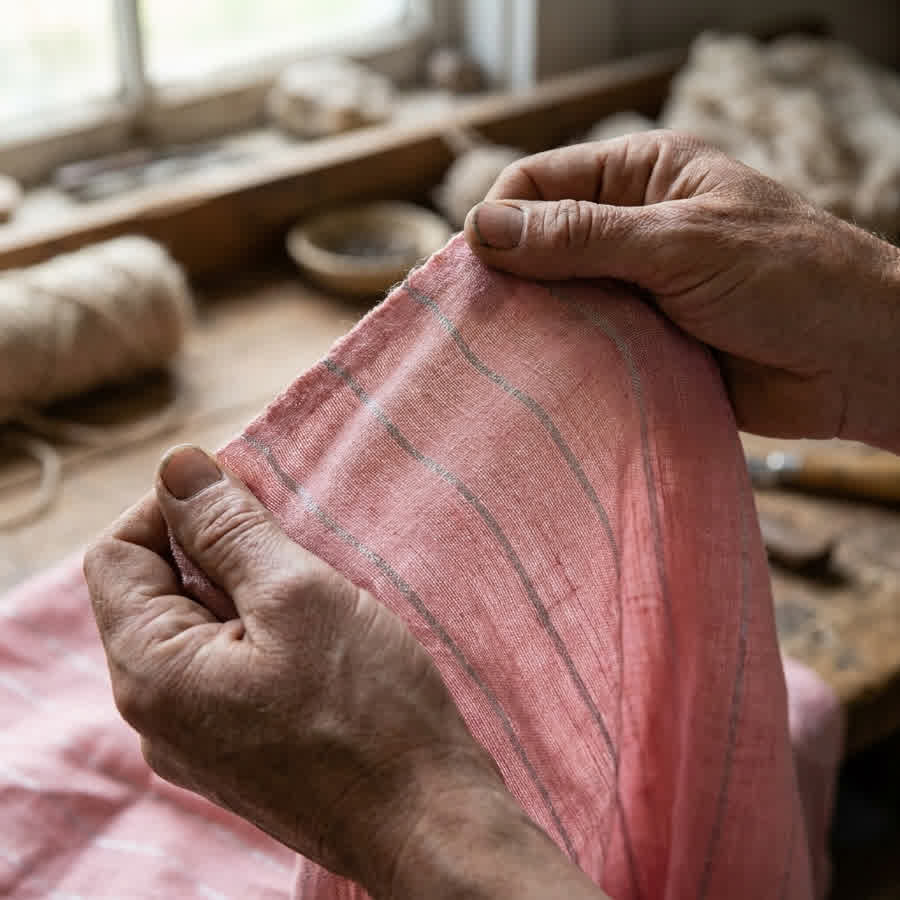
Conversely, a low-twist yarn yields a softer, more relaxed drape suitable for casual loungewear. Sourcing managers must carefully align the yarn specifications with their intended product category. Mismatched yarn twist can result in garments that either feel uncomfortably rigid or lose their intended silhouette entirely.
Tension Consistency and GSM Accuracy
During the circular knitting process, maintaining perfectly even tension is critical. If the knitting machines pull the yarn unevenly, the resulting fabric will suffer from torqueing or spirality. This severe defect causes the side seams of a finished hoodie or jogger to twist awkwardly around the wearer's body after the very first wash.
Buyers must also verify the GSM accuracy of the bulk production against the approved pre-production sample. Using a circular GSM cutter, auditors should check multiple points across the fabric roll. A variance of more than 5% in weight indicates poor quality control at the mill and can disrupt the entire manufacturing process.
To secure reliable production, sourcing leads should mandate specific, documented testing protocols. Essential quality checks include:
- Dimensional stability testing: Measures the exact percentage of shrinkage after a standard industrial wash cycle.
- Spirality tolerance: Ensures the fabric will not twist beyond an acceptable 3-5% margin during consumer use.
- Colorfastness evaluation: Confirms that the dye will not bleed or fade prematurely, which is especially crucial for deep, saturated tones.
frequently asked questions
What is the ideal GSM for French terry material in premium streetwear?
Premium streetwear typically utilizes a heavier french terry material ranging from 300 to 400 GSM. This specific weight provides the necessary structural integrity for oversized silhouettes and drop-shoulder designs. By utilizing a denser knit, designers ensure the garment holds its shape while maintaining the fabric's inherent breathability.
Does 100% cotton French terry shrink during manufacturing?
Yes, untreated 100% cotton french terry material can experience a shrinkage rate of 3-5% upon its first wash. B2B buyers should source pre-shrunk, compacted fabric to mitigate this issue. Alternatively, designers must ensure their tech packs factor this expected shrinkage into the pattern grading and garment dyeing processes.
How does the loop-back construction affect moisture management?
The uncut loops on the inside of the fabric drastically increase the surface area against the skin, allowing the textile to absorb sweat efficiently and wick it toward the smooth outer layer for rapid evaporation. This unique loop-back construction creates a highly breathable micro-climate. It prevents the clammy feeling often associated with synthetic activewear or heavily brushed fleece.
How does organic cotton impact the longevity of French terry?
Organic cotton is typically hand-picked, which preserves the length and strength of the fibers, resulting in a smoother face that resists pilling and stronger loops that maintain their shape over repeated washes. When spun into yarn, these long-staple fibers require fewer splices. This creates a highly durable textile that withstands heavy wear without degrading.
Can French terry material be naturally dyed by artisan clusters?
Yes, 100% cotton french terry material possesses excellent dye uptake properties, making it highly compatible with natural and azo-free artisanal dyeing processes. The natural cellulose fibers absorb plant-based pigments deeply and evenly. This allows decentralized artisan networks to produce rich, sustainable colorways without relying on toxic chemical fixatives.
More Blogs
indian fabric wholesale: traditional techniques & modern textile design
textile export wholesale: everything buyers need to know
how to sew with raw silk: tips for textile designers
designing with honeycomb material: best uses for waffle weave textiles
raschel knit vs warp knit: understanding the differences
jamdani fabric online: what it is, how to identify authentic jamdani from bengal & how to buy