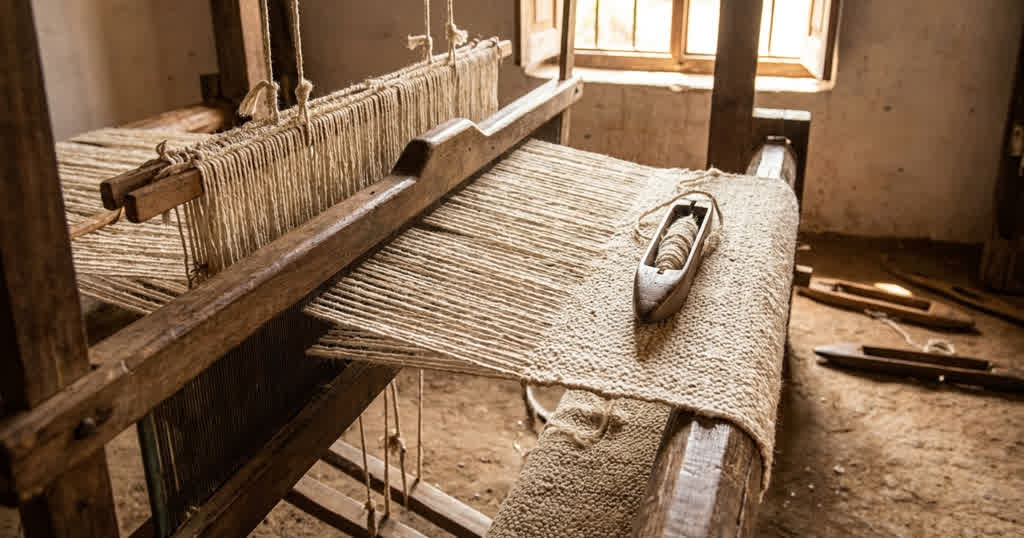
Raschel Knit Vs Warp Knit: Understanding The Differences

A designer reviewing a factory sample often spots a critical error when the requested lace trim arrives with the wrong stretch profile. This common sourcing mistake stems from confusing raschel knit vs warp knit terminology on the initial tech pack. Specifying the exact machinery required for a fabric dictates not only the visual pattern but the structural integrity of the final garment. Understanding these mechanical distinctions prevents costly sampling delays and wasted raw materials.
As brands shift toward sustainable spun yarns, knowing which knitting technology can handle organic cotton or linen without breaking under tension is a necessary technical skill. The choice between these methods directly impacts garment longevity, dye uptake, and the sustainability narrative a brand brings to market.
The Hierarchy of Knits: Why Raschel is Actually a Warp Knit
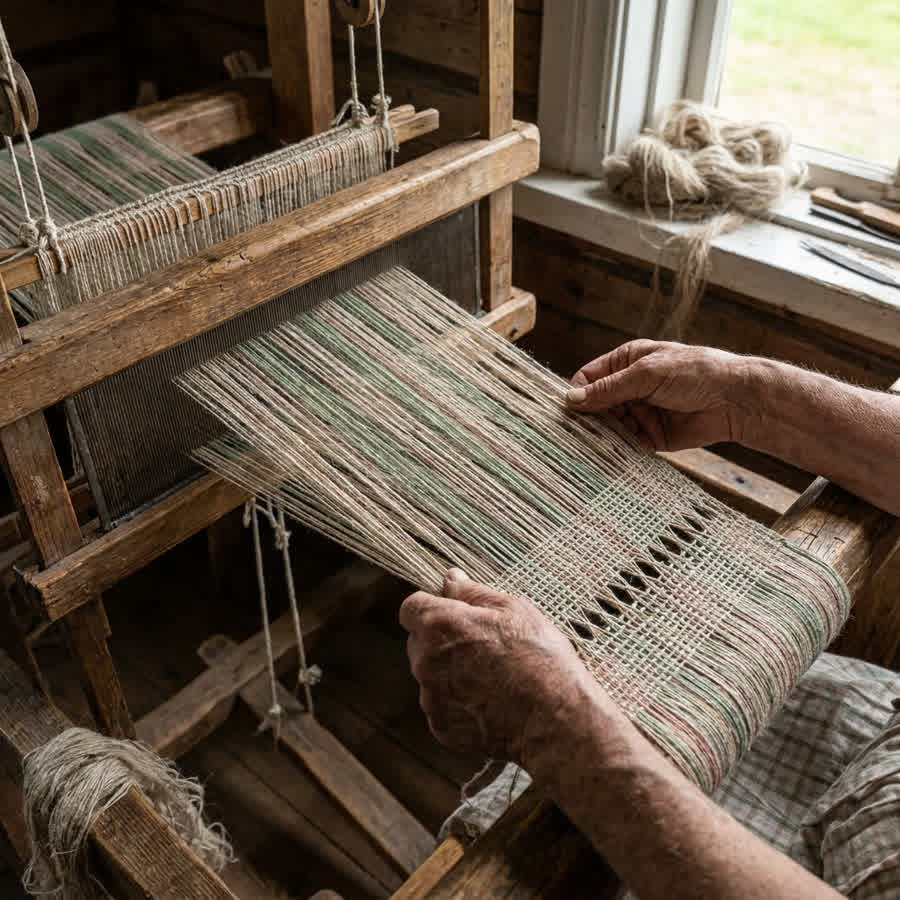
Raschel is not a separate category from warp knitting; it is a specialized subset of it. While all Raschel fabrics are warp knits, not all warp knits are Raschel. The broader category of warp knitting involves yarns zigzagging lengthwise along the fabric, creating a highly stable structure that resists unravelling.
The Origins of Lengthwise Looping
The foundation of this technology began with the invention of the mechanical tricot machine in 1775. This early industrial equipment established the principle of feeding parallel yarns from a warp beam to form interconnected loops. The resulting fabric offered exceptional run-resistance, meaning it would not easily unravel if snagged during wear. This mechanical innovation fundamentally changed how textiles were produced for high-stress applications.
The Origins of Lengthwise Looping (continued)
Later, the Raschel machine was developed to mimic the intricate, open-work patterns of hand-made lace. Named after the 19th-century French actress Élisabeth Félice Rachel, this equipment bridged the gap between industrial efficiency and artisanal complexity. It allowed manufacturers to produce complex structural designs that previously required slow, manual techniques, offering a new level of scale to boutique designers.
Categorizing the Machine Families
To specify fabrics accurately, a designer must understand the two primary branches of the warp knitting family. Each branch serves distinct functional requirements and utilizes different yarn types to achieve specific garment drapes.
- Tricot knitting: Produces fine, smooth, and dense fabrics using continuous filament yarns for lightweight applications.
- Raschel knitting: Creates open-work, lace, or mesh structures using heavier, spun, or textured yarns for structural panels.
- Crochet knitting: A smaller sub-category often used for narrow bands, specialized trims, and decorative edging.
By recognizing that Raschel operates under the warp knit umbrella, sourcing teams evaluating raschel knit vs warp knit options can better communicate with mills. This clarity ensures the factory selects the correct machinery for the desired fabric drape and structural stability. A precise tech pack eliminates the guesswork that often leads to rejected prototypes and wasted sampling budgets.
Mechanical Anatomy: Latch Needles vs. Compound Needles
The primary mechanical difference lies in the needle type: Raschel machines use latch needles for heavier yarns, while standard Tricot machines use compound needles for high-speed, fine-yarn production. This hardware distinction dictates the fabric's final texture, weight, and suitability for specific garment applications.
The Role of Latch Needles in Coarser Yarns
Raschel machines are engineered to handle significant mechanical stress during the production cycle. They utilize latch needles, which feature a small swinging hook that closes to pull the yarn through the previous loop. This specific needle design is highly effective at processing heavier, spun yarns without causing excessive friction or fiber breakage.
Because the latch mechanism can accommodate thicker materials, these machines excel at creating complex open-work patterns. The needles move independently in a way that allows for intricate yarn manipulation across multiple axes. This is why designers specify this machinery for heavy lace, structural mesh, and textured outerwear trims that require a dry, crisp hand-feel.
Fabric Take-Down Angles and Tension
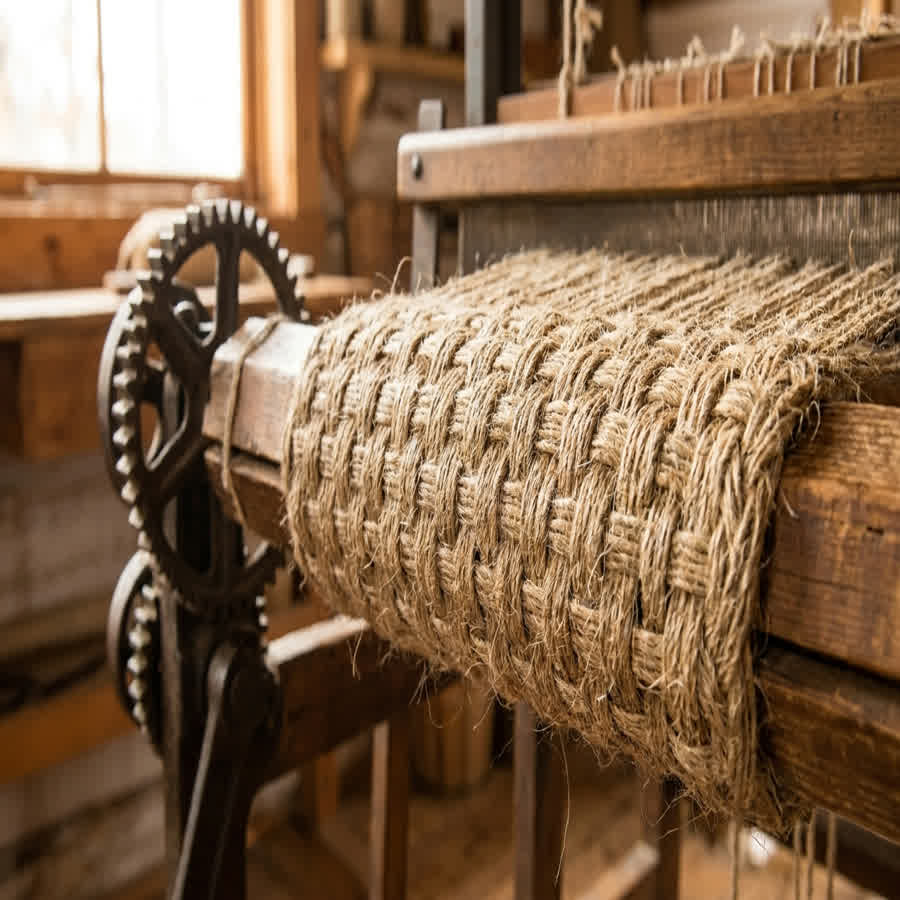
Another critical distinction is how the machine pulls the newly formed fabric away from the knitting zone. The fabric take-down angle directly influences the tension applied to the yarns during production, which impacts the final dimensional stability.
- Steeper take-down angle: Raschel machines pull the fabric down at roughly 160 degrees, keeping heavy yarns taut and preventing loop distortion.
- Shallower take-down angle: Tricot machines pull fabric at about 90 degrees, which is gentler on fine filament yarns and allows for higher operating speeds.
- Guide bar positioning: Raschel equipment often features more guide bars, allowing for complex, multi-layered pattern generation and engineered mesh designs.
When analyzing raschel knit vs warp knit hardware, understanding these mechanical realities helps a sourcing lead evaluate a factory's technical capabilities. If a brand wants a heavy, textured organic cotton lace, a mill equipped only with high-speed Tricot machines will fail to produce it. Matching the yarn specifications to the correct needle and tension system is a fundamental step in building a reliable supply chain.
Material Science & GSM: Matching Construction to Garment Function
Standard Tricot knits typically range from 40 to 150 GSM for smooth, lightweight applications, whereas Raschel knits weigh between 100 and 300+ GSM to support structural, lace-like stability. Selecting the right construction depends entirely on the garment's required durability, drape, and the specific performance metrics outlined in the tech pack.
Weight and Dimensional Stability
The physical properties of these textiles dictate their end-use in sustainable fashion collections. A standard Tricot fabric utilizes fine filament yarns to create a dense, lightweight surface that drapes fluidly. These textiles generally fall between 40-150 GSM, making them ideal for intimates, internal linings, and lightweight activewear where a smooth finish is mandatory.
Conversely, Raschel constructions are built for substance, durability, and visual depth. By incorporating heavier spun yarns, these fabrics easily reach 100-300+ GSM without feeling overly bulky. This added weight provides exceptional dimensional stability, meaning the fabric holds its shape under physical stress rather than stretching out of proportion over time.
Surface Texture and Run-Resistance
Both methods produce fabrics that resist unravelling, but their tactile qualities differ significantly upon physical inspection. A designer must evaluate the surface texture against the functional needs of the garment to ensure consumer satisfaction.
- Smooth, dense surfaces: Tricot provides a flat, uniform face that feels cool and sleek against the skin, ideal for base layers.
- Open-work structures: Raschel creates breathable mesh, intricate lace, and highly textured surfaces with a structured, tactile grip.
- Lower multi-directional stretch: Raschel fabrics offer less elasticity than standard weft knits, providing rigid support for tailored panels.
When a sourcing manager evaluates raschel knit vs warp knit options, they are constantly balancing fabric weight against flexibility. A heavy mesh requires the rigid interlocking loops of a latch-needle system to maintain its open pores during washing and wear. Specifying the correct GSM and stretch profile ensures the final textile performs exactly as the technical design requires, reducing return rates.
Sustainable Sourcing: Adapting Eco-Yarns to Warp Knitting Machinery
Integrating eco-friendly spun yarns into warp knitting requires matching the high tensile strength of natural fibers to the intense mechanical tension of the machines. When executed correctly, this approach replaces virgin synthetics with sustainable materials like organic cotton or peace silk, offering fashion brands a unique intersection of high-density performance and verifiable social impact.
Tensile Strength in Natural Fibers
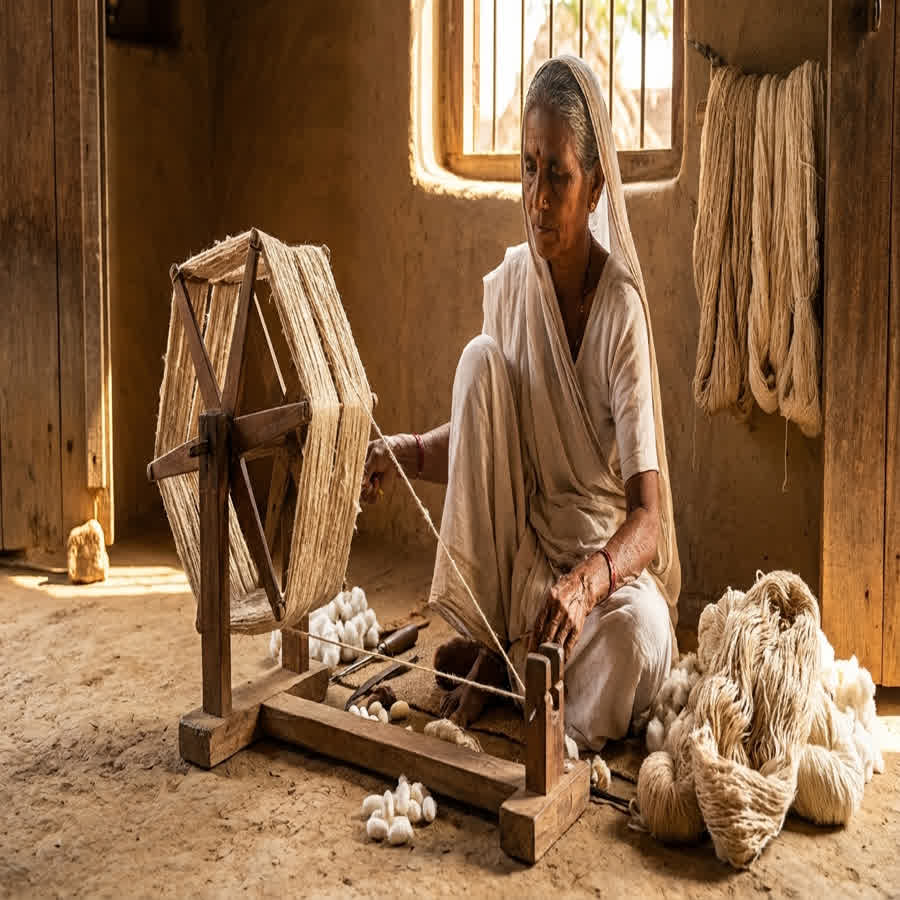
Historically, industrial knitting machines relied heavily on synthetic filaments because they easily withstand high-speed tension without snapping. However, modern sustainable brands are demanding natural alternatives to reduce microplastic shedding. To run organic cotton or linen through these machines, the yarn must possess exceptional tensile strength and structural uniformity.
Tensile Strength in Natural Fibers (continued)
If a spun yarn is too weak or uneven, it will snap under the steep take-down angle of the machinery, causing costly production halts. We frequently see designers successfully specify sustainable viscose or long-staple cotton for intricate lace patterns. The key is ensuring the raw material is spun tightly enough to survive the latch needle friction without shedding excessive lint into the machine bed.
Bridging Industrial Efficiency with Artisanal Values
At Anuprerna, we understand the intersection of high-density performance and ethical sourcing. While warp knitting is inherently an industrial process, the yarns feeding the machines can originate from decentralized, rural artisan clusters. This hybrid approach allows brands to scale their production while maintaining a transparent supply chain.
- Traceable raw materials: Sourcing bast fibers or organic cotton from specific farming districts ensures transparency and supports rural economies.
- Reduced synthetic reliance: Replacing virgin polyester with fine recycled synthetics or strong natural spun yarns directly lowers the garment's environmental footprint.
- Durable garment lifecycles: The inherent run-resistance of these textiles means the final product lasts longer, supporting a slow-fashion ethos.
By mastering the technical requirements of these machines, a brand can push the boundaries of sustainable textile design. Specifying the right eco-friendly spun yarns for complex textures allows a designer to achieve an artisanal aesthetic with the reliability of industrial durability.
Explore Our Collection
Anuprerna works directly with handloom artisan clusters to weave raschel knit vs warp knit for designers and brands building considered collections. To source it for your next line, explore the range below.
frequently asked questions
Is Raschel knit the same as warp knit?
Raschel is a specific type of warp knit. Warp knitting is the broad category where yarns run lengthwise down the fabric, which is divided primarily into Raschel (coarser yarns, complex lace/mesh patterns) and Tricot (finer yarns, smoother, denser fabrics). Understanding this hierarchy helps sourcing teams specify the exact machinery needed for their tech packs.
Which is more durable: Raschel or standard Tricot warp knits?
Both are highly run-resistant and do not unravel easily. However, Raschel knits generally offer higher dimensional stability and can handle heavier, coarser yarns, making them more durable for structural applications like mesh, lace, and outerwear trims. Tricot remains highly durable for lightweight, high-stretch applications like activewear.
Can we use natural, sustainable fibers in Raschel knitting?
Yes. While historically dominated by synthetics due to the high tension of warp knitting machines, modern Raschel machines can process strong natural spun yarns like organic cotton, linen, and sustainable viscose, provided the yarn has adequate tensile strength and uniformity. This allows brands to create eco-friendly lace and mesh without relying on virgin polyester.
Why do suppliers quote higher MOQs for Raschel knits compared to standard warp knits?
Raschel machines are highly complex and require significant setup time to program and thread intricate patterns (like jacquard lace or engineered mesh). This extensive setup cost necessitates higher Minimum Order Quantities (MOQs) compared to simpler, high-speed Tricot production. Brands must factor these MOQs into their seasonal sourcing budgets.
How does the stretch of Raschel knit compare to weft knits?
Raschel knits have significantly lower multi-directional stretch than standard weft knits. Because the yarns run lengthwise and interlock tightly, the resulting fabric offers high dimensional stability, making it ideal for structured garments rather than highly elastic activewear. This rigidity is what allows open-work lace patterns to hold their shape over time.
More Blogs
indian fabric wholesale: traditional techniques & modern textile design
textile export wholesale: everything buyers need to know
what is french terry material? a deep dive into loop-back cotton
how to sew with raw silk: tips for textile designers
designing with honeycomb material: best uses for waffle weave textiles
jamdani fabric online: what it is, how to identify authentic jamdani from bengal & how to buy