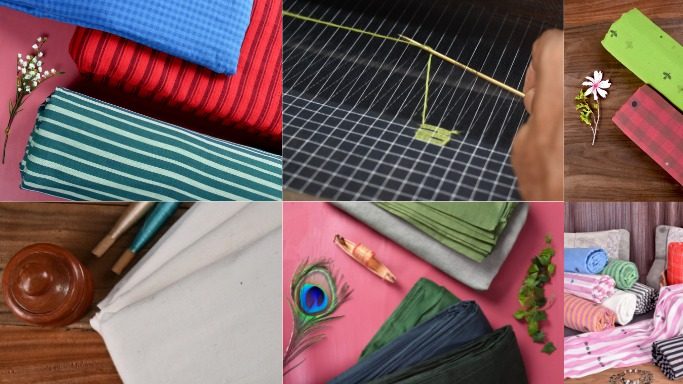
Underrated sustainble fabrics.

Sustainable fabrics are the cornerstone of modern collections that prioritize environmental responsibility alongside structural integrity. By choosing handwoven textiles over mass-produced synthetics, designers gain access to unique textural profiles and high tensile strength. Consumers now seek quiet luxury, where the value of a garment is found in its material quality and the transparency of its origin. This shift requires sourcing leads to identify decentralized supply chains that meet strict ESG goals without compromising on the drape and durability required for bespoke tailoring.
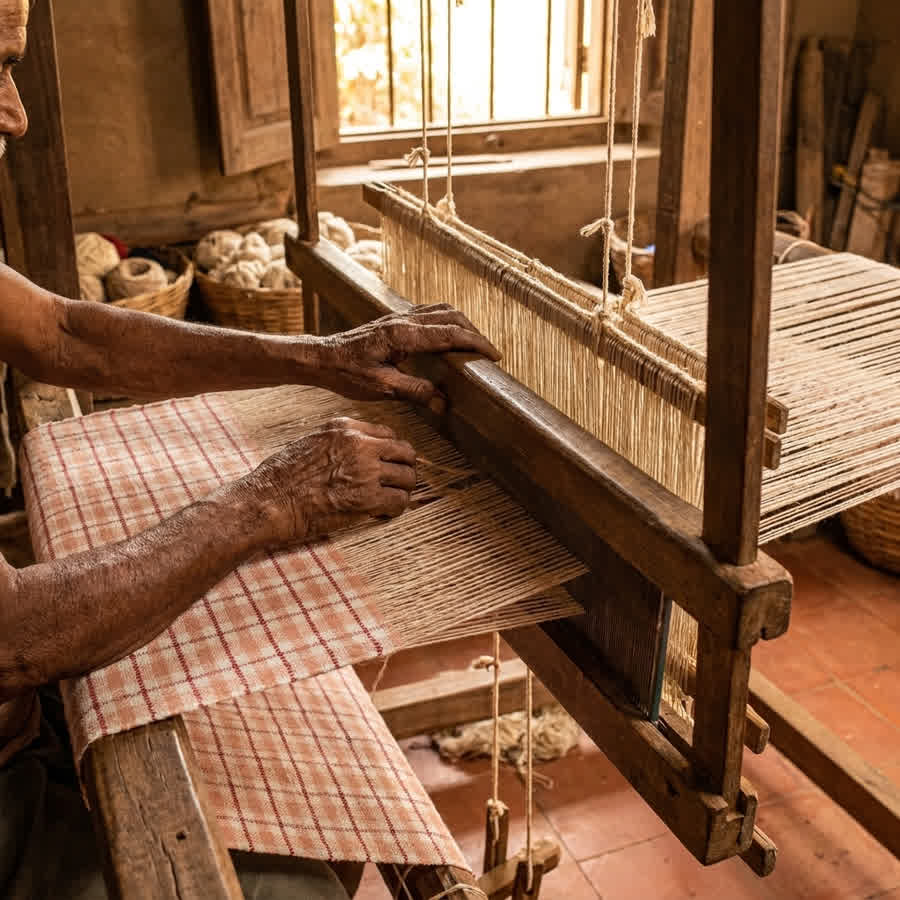
Decoding Sustainable Fabrics for Modern Menswear
Sourcing artisanal menswear requires moving past generic cottons to secure sustainable fabrics that offer structural integrity, unique textural depth, and a verifiable heritage narrative. The modern approach focuses on identifying specific regional weaves that align with the technical demands of tailored garments. Brands are replacing flat, synthetic materials with natural fibers that possess inherent character and superior breathability. This transition supports a broader industry movement toward ethical production models.
The Shift to Quiet Luxury
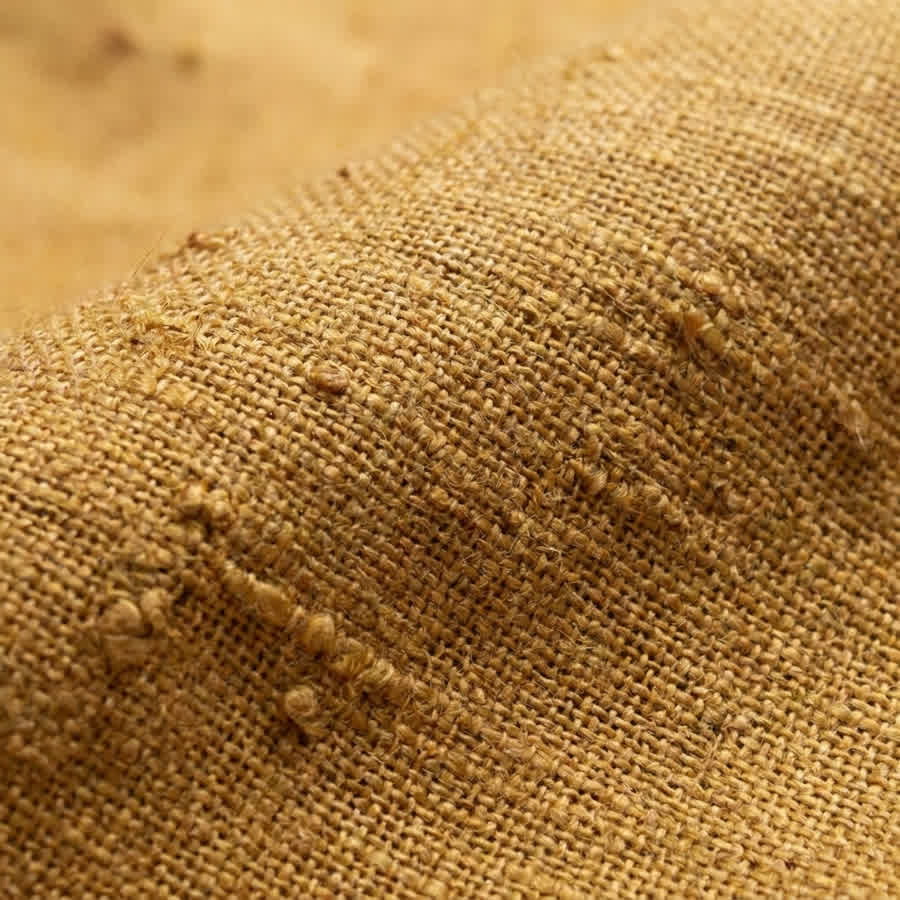
The concept of quiet luxury relies on the intrinsic quality of raw materials rather than overt branding. Menswear designers require fabrics that speak through their texture, weight, and drape. Hand-spun and handwoven cotton naturally exhibit slight variations, known as slubs, which add a distinct visual depth to shirts and jackets. These subtle irregularities are markers of authenticity that discerning consumers actively seek out.
Meeting this demand involves partnering with decentralized artisan networks rather than centralized industrial mills. We work directly with rural Indian handloom weavers to produce textiles that carry a clear origin story. This direct relationship ensures that the fabrics retain their artisanal character while meeting commercial standards for colorfastness and shrinkage.
Heritage Weaves in Modern Tailoring
The foundation of these premium textiles is rooted in centuries-old weaving clusters across Bengal. Historically, these regions produced fine Khadi, intricate Jamdani, and textured Matka silk for royal menswear. Today, these heritage weaves are engineered to meet the precise specifications of modern tailoring houses. By adapting traditional weaving techniques to contemporary GSM requirements, we provide designers with materials that bridge historical craftsmanship and modern utility.
Material Science of Sustainable Fabrics and Fibers
The ideal sustainable fabrics balance tensile strength with breathability, relying on specific GSM ranges like 110 to 150 for shirting and 150 to 220 for tailoring. Understanding the material science behind these textiles is critical for designers who need to predict how a garment will perform over time. Different fibers and weave structures dictate the dye uptake, resistance to pilling, and overall longevity of the final piece. Selecting the correct specification ensures the garment maintains its structure through repeated wear and washing.
Khadi and Linen Blends for Shirting
For menswear shirting, breathability and a crisp drape are non-negotiable requirements. Khadi cotton, hand-spun and handwoven, offers exceptional air circulation due to the porous nature of the hand-spun yarn. We typically recommend a GSM of 110 to 150 for shirting applications. This weight provides sufficient opacity while maintaining the lightweight feel necessary for warmer climates.
Linen-cotton blends are another highly effective option for shirting and lightweight trousers. Linen, a bast fiber derived from the inner bark of the flax plant, provides high tensile strength and excellent moisture-wicking properties. Blending it with cotton softens the fabric, reduces wrinkling, and improves the consistency of the weave.
- High tensile strength prevents tearing at stress points like elbows and shoulders.
- Moisture-wicking properties keep the wearer comfortable in humid conditions.
- Resistance to pilling ensures the fabric surface remains smooth over time.
Matka Silk for Structured Jackets
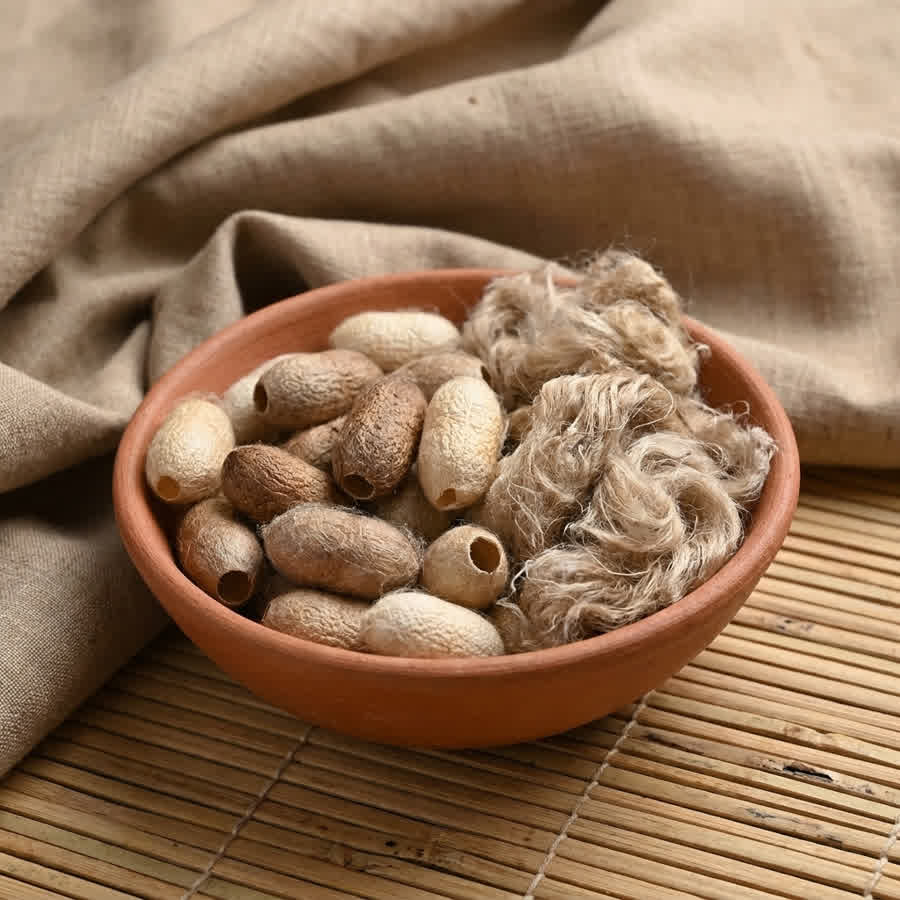
Tailored jackets and bespoke suits require a heavier fabric with significant structural stability. Matka silk is an ideal candidate for these applications, typically woven at a heavier 150 to 220 GSM. This fabric is created using thick yarn spun from the pierced cocoons of the Bombyx mori moth, resulting in a dense, tweed-like texture. The natural sericin, a protein coating left on the silk fibers during the spinning process, gives Matka its characteristic stiffness and durability.
Managing the Supply Chain for Sustainable Handloom Fabrics
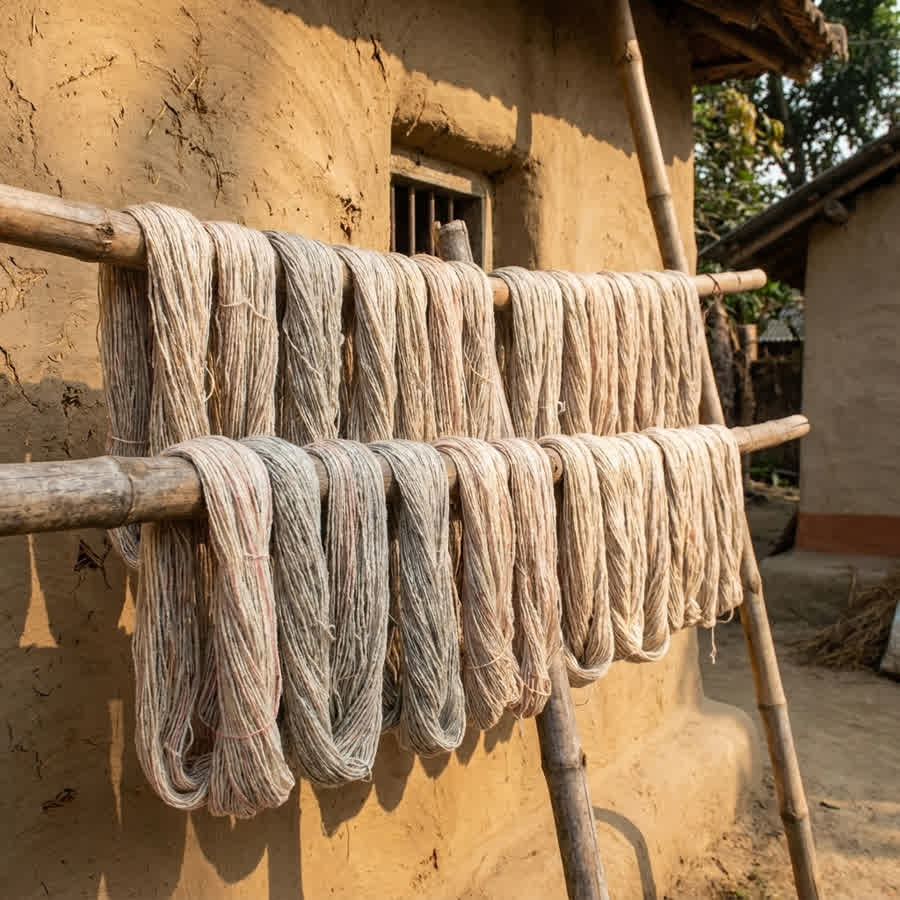
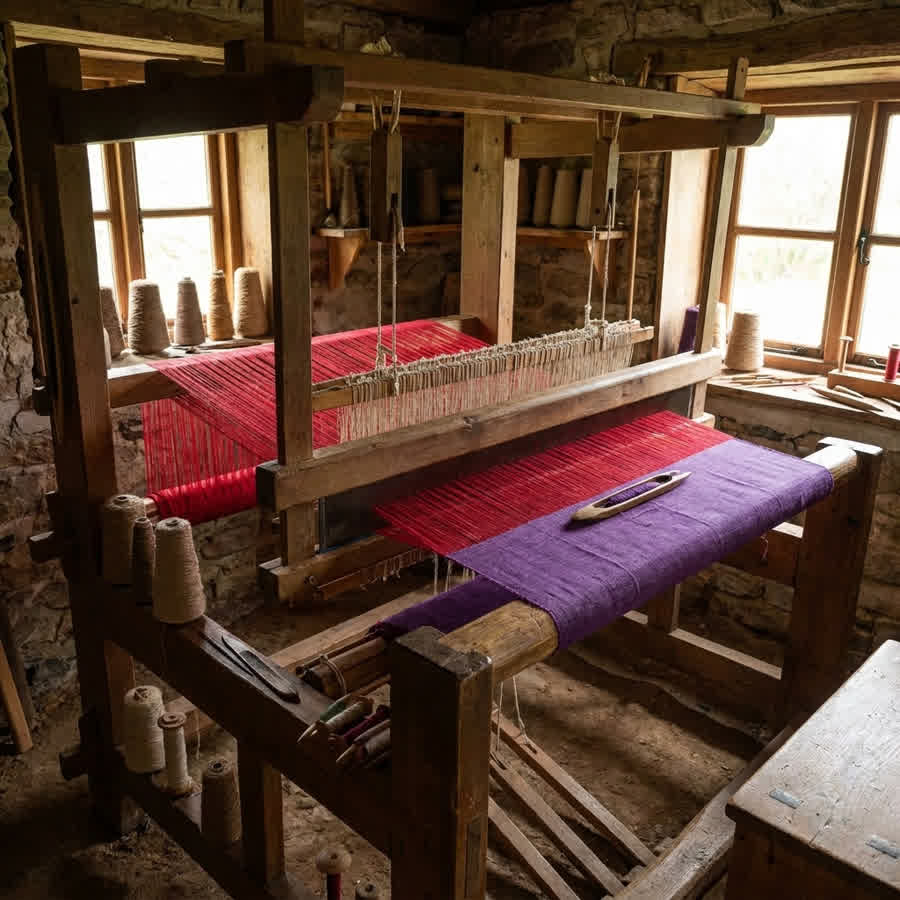
Managing a supply chain for sustainable handloom fabrics involves standardizing yarn procurement, implementing strict quality checks at the cluster level, and coordinating directly with rural weavers to ensure commercial consistency. Unlike centralized factories, handloom production is distributed across multiple rural households and small community sheds. This structure requires a highly organized approach to quality control and timeline management. Sourcing managers must understand how to operate within this framework to secure reliable deliveries for their seasonal collections.
Cluster-Level Quality Control
Ensuring uniformity across hundreds of independent looms starts with standardized raw materials. We supply pre-tested, high-quality yarn and standardized dye recipes to our weaving clusters in Bengal. This prevents the variations in base materials that often plague unmanaged handloom sourcing.
Quality control happens directly at the village level rather than waiting for the final product to reach a central warehouse. Master weavers oversee the drafting and denting processes, ensuring the warp threads are correctly aligned through the reed before weaving begins.
- Visual inspections are conducted at the loom stage to catch dropped picks or uneven tension.
- Spectrophotometer checks ensure dye batches match the approved lab dips.
- Fabric is measured for consistent width and selvedge integrity during the weaving process.
Lead Times and Production Consistency
Hand-weaving is an inherently slow process, which directly impacts production planning for menswear brands. A single artisan typically weaves between three and five meters of fabric per day, depending on the complexity of the pattern and the thickness of the yarn. Buyers must factor these physical limitations into their critical paths.
Custom menswear handloom fabric sourcing generally requires a lead time of 60 to 90 days. This window accommodates yarn procurement, custom dyeing, loom setup, and the actual weaving. By planning collections with these timelines in mind, brands can secure consistent, high-quality artisanal textiles without rushing the traditional process.
Scaling Sustainable Handloom Fabrics for Boutique Brands
Brands can overcome minimum order quantity constraints by partnering with decentralized networks that support small-batch loom setups for sustainable handloom fabrics, allowing for flexible capsule collections before scaling. Industrial mills often require minimum orders of thousands of meters, which excludes boutique designers and independent tailoring houses. The handloom sector offers a distinct advantage here, as individual looms can be prepared for much smaller runs. This flexibility is crucial for testing new textures and colors in the market without committing to massive inventory overhead.
Structuring Small-Batch Production
Boutique menswear designers frequently struggle to find consistent, high-quality textured handlooms in low volumes. Because handloom weaving does not rely on massive automated machinery, the setup costs and minimums are inherently lower. We can initiate custom weaving projects with significantly lower MOQs, often starting around 100 to 200 meters per style.
This low-barrier entry allows designers to experiment with specialized fabrics like heavy Matka silk or custom-dyed Khadi cotton for limited-edition releases.
- Small batches reduce deadstock and align with slow fashion principles.
- Designers can iterate on fabric weights and finishes between seasons.
- Bespoke tailoring houses can order exclusive yardage for specific clients.
Scaling Ethical Menswear Lines
As a brand grows, the supply chain must be able to increase output without losing the artisanal quality of the fabric. Scaling in a decentralized model means activating more looms across different households rather than speeding up a single machine. We currently work with multiple weaving clusters, allowing us to distribute larger orders across a wider network of artisans.
This method of scaling ensures that the physical stress on individual weavers does not increase. It also spreads economic benefits across more rural families, reinforcing the social sustainability of the project. Careful coordination by our cluster managers ensures that the sourcing of sustainable handloom fabrics remains consistent in GSM, color, and drape across different households.
Traceability and ESG in Sustainable Handloom Fabrics
Achieving ESG compliance in sustainable handloom fabrics requires direct-to-artisan relationships that provide transparent data on fair wages, low-impact dyeing, and carbon-neutral weaving processes. Sustainable apparel sourcing managers face increasing pressure to prove the ethical origins of their materials. Vague claims of sustainability are no longer sufficient for corporate reporting or consumer trust. Brands need verifiable data points regarding environmental impact and labor conditions to meet strict international standards.
Documenting the Supply Chain
Transparency begins at the fiber stage and continues through every step of production. We track the journey of our materials from the cotton farms and silk rearing facilities directly to the weaving clusters in Bengal. This farm-to-fabric traceability allows brands to confidently market the origin story of their menswear collections.
Every meter of fabric can be traced back to the specific cluster where it was woven.
- We document the use of AZO-free and natural dyes to ensure chemical compliance.
- Fair wage distribution is monitored and recorded at the village level.
- The zero-electricity nature of hand-weaving provides a measurable reduction in carbon emissions.
Meeting Corporate Sustainability Goals
Integrating artisanal textiles into a larger supply chain helps brands hit specific environmental, social, and governance targets. The handloom sector inherently supports the social aspect of ESG by providing decentralized employment to rural artisans, preventing forced urban migration. The environmental benefits are equally clear, as hand-weaving consumes a fraction of the water and energy required by industrial mills.
By choosing sustainable handloom fabrics, sourcing managers can directly improve their company's sustainability metrics. The resulting garments carry a narrative of ethical production that resonates strongly with the modern menswear market. This data-backed approach to sourcing ensures that brands remain compliant with increasing regulatory demands while supporting traditional craft.
frequently asked questions
What is the ideal GSM for handloom menswear shirting?
For menswear shirting, a GSM of 110 to 150 is ideal. Fabrics like fine Khadi cotton or linen-cotton blends in this range offer the perfect balance of opacity, breathability, and structural integrity for tailored shirts.
How do you ensure color consistency in artisanal hand-dyed fabrics?
While slight variations are inherent to artisanal processes, we achieve commercial consistency by using standardized AZO-free or natural dye recipes, dyeing in controlled yarn batches, and implementing strict visual and spectrophotometer checks before weaving.
Can handloom fabrics like Matka silk be used for structured menswear jackets?
Yes. Matka silk, typically woven at 150-220 GSM, possesses a natural slub texture and excellent structural stability. When properly fused and tailored, it performs exceptionally well for bespoke jackets and lightweight summer suits.
What are the typical lead times for custom menswear handloom fabric sourcing in India?
Custom handloom development typically requires 60 to 90 days. This includes yarn procurement, dyeing, loom setup, and the hand-weaving process, which yields about 3-5 meters per artisan per day.
Why are linen-cotton blends recommended for sustainable menswear?
Linen-cotton blends are recommended because they combine the high tensile strength and moisture-wicking properties of bast fibers with the soft drape of cotton. This specific combination reduces pilling and wrinkling, making it highly durable and suitable for long-lasting, low-impact menswear collections.
How does organic cotton sourcing differ in the handloom sector?
Organic cotton sourcing for handlooms prioritizes non-GMO seeds and the elimination of synthetic pesticides. By working directly with farming collectives, we ensure the fiber quality is high enough for hand-spinning, which preserves the natural strength of the cotton staple.
Are sustainable handloom fabrics suitable for large-scale production?
Yes, by utilizing a decentralized model, we can scale production across multiple weaving clusters. This allows brands to maintain high volume without sacrificing the artisanal quality or ethical standards of the fabric.
What defines a fabric as sustainable in the handloom industry?
A fabric is considered sustainable when it is produced using natural fibers, low-impact or natural dyes, and a manufacturing process that minimizes energy consumption, such as hand-weaving, which requires no electricity.
Can I request custom patterns for handwoven cotton fabrics?
Yes, we work with brands to develop custom patterns and weaves. Because handloom production is decentralized, we can accommodate specific design requirements for small-batch projects, provided there is sufficient lead time for loom setup.