10 Non-Governmental Organization Working For Conservation & Sustainability

An Environmental Non-Governmental Organization (NGO) is an organization that operates independently of government control and focuses on environmental issues. These organizations are typically non-profit and work to address various environmental concerns through advocacy, research, education, and on-the-ground conservation efforts.
Environmental NGOs may focus on specific issues such as climate change, wildlife conservation, marine protection, forest conservation, clean energy, sustainable agriculture, or water conservation. They often work collaboratively with governments, businesses, other NGOs, and local communities to achieve their goals and promote sustainable development.
GreenPeace
Headquarters: Amsterdam, Netherlands
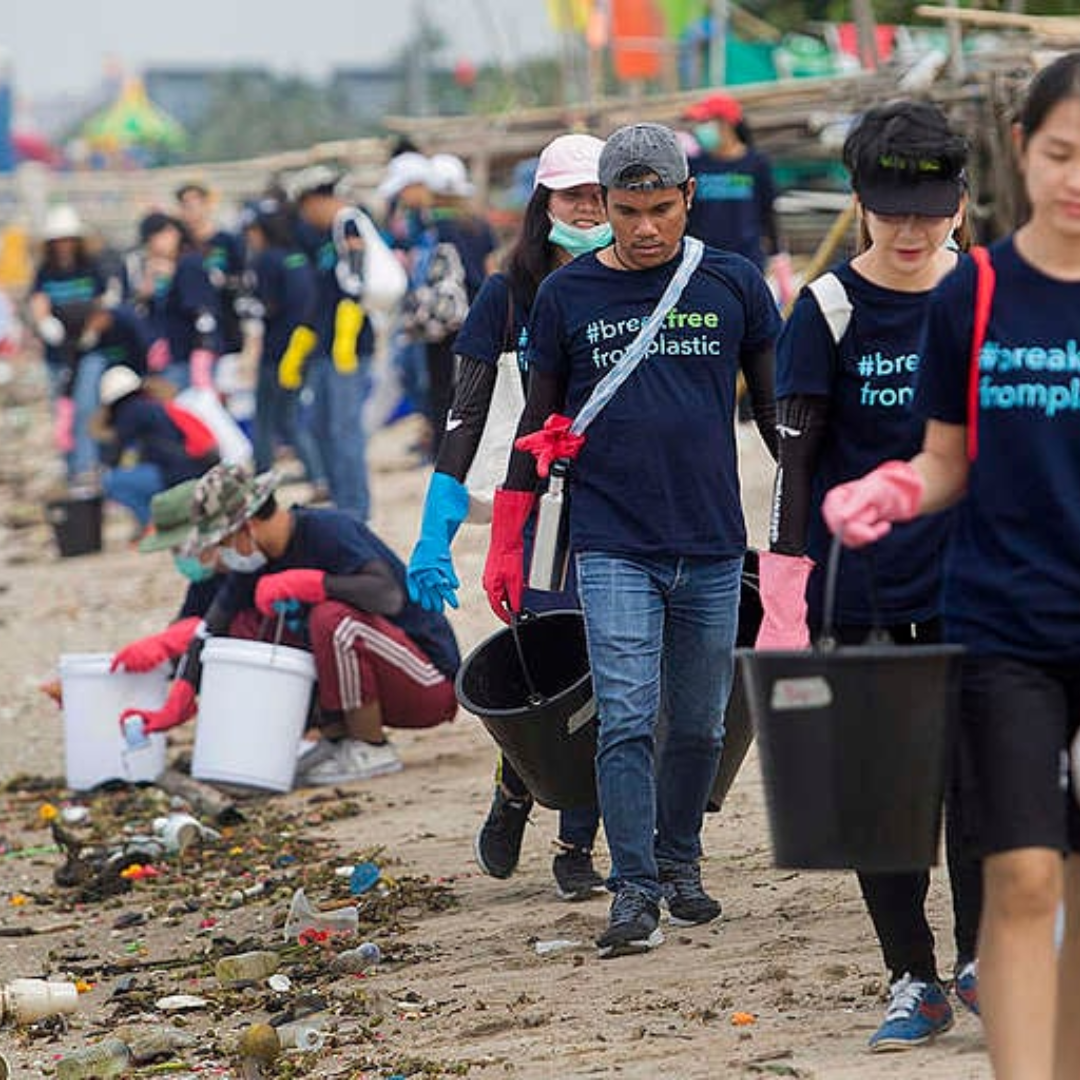
As one of the world’s most influential movements, Greenpeace is passionate about defending the natural world from destruction, with a vision of a greener, healthier and more peaceful planet, one that can sustain life for generations to come.
Greenpeace is completely independent of government, corporate or political funding, enabling the organisation to push for real change. This is achieved through investigations, documentation and exposing the causes of environmental destruction.
From its founding in 1971, Greenpeace has become a fierce organisation, present in over 40 countries around the world, with a movement which is growing every day.
United Nations
Headquarter- New York
Founded at the end of the Second World War, the United Nations is an international organisation made up of 193 Member States committed to maintaining international peace and security.
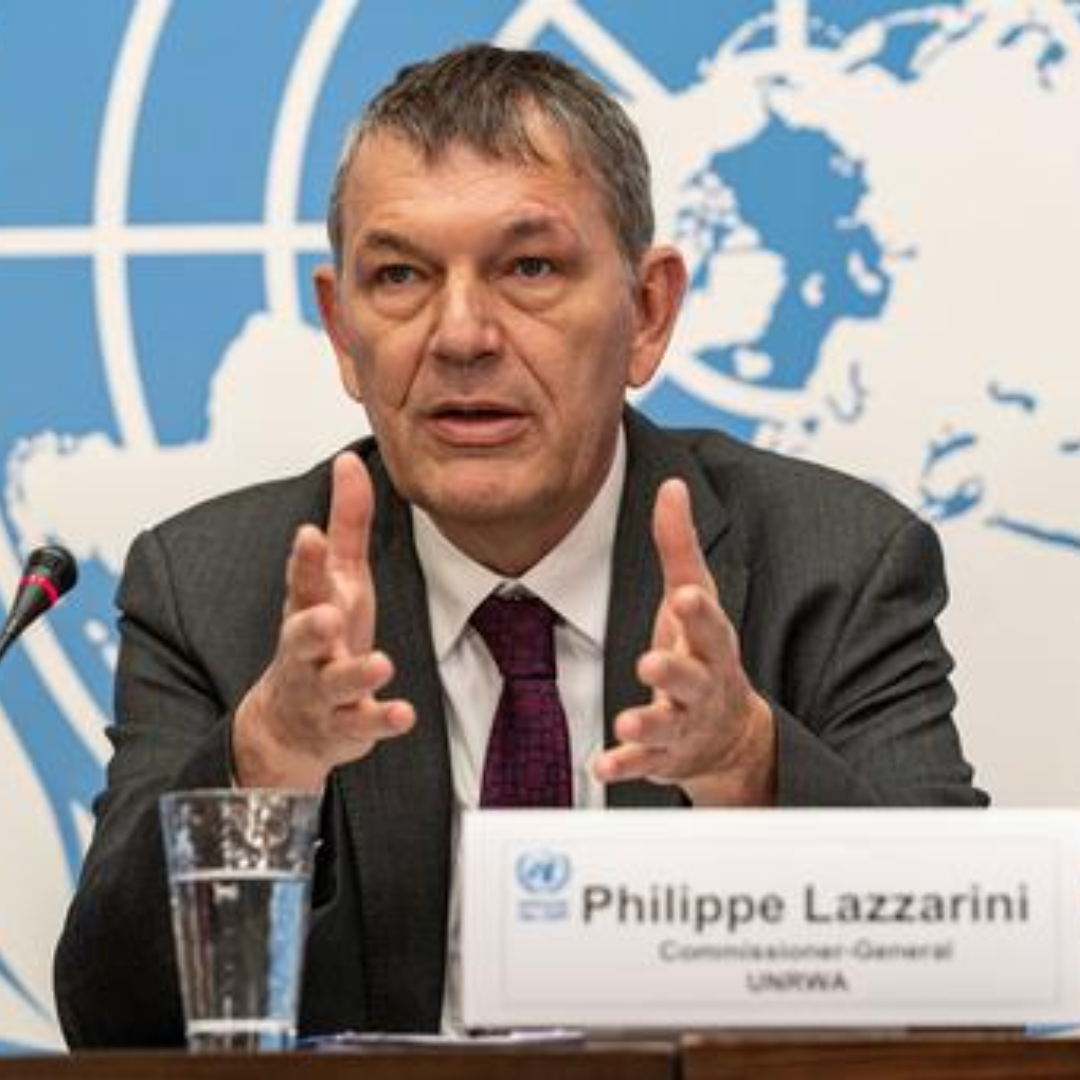
The UN works to tackle global challenges and deliver results for those most in need, giving life-saving support to populations hit by humanitarian crises and helping build and keep the peace in conflict-ridden areas. The UN also supports governments and citizens to advance development and fight poverty, by promoting human rights worldwide.
World Health Organisation
Headquarters: Geneva, Switzerland
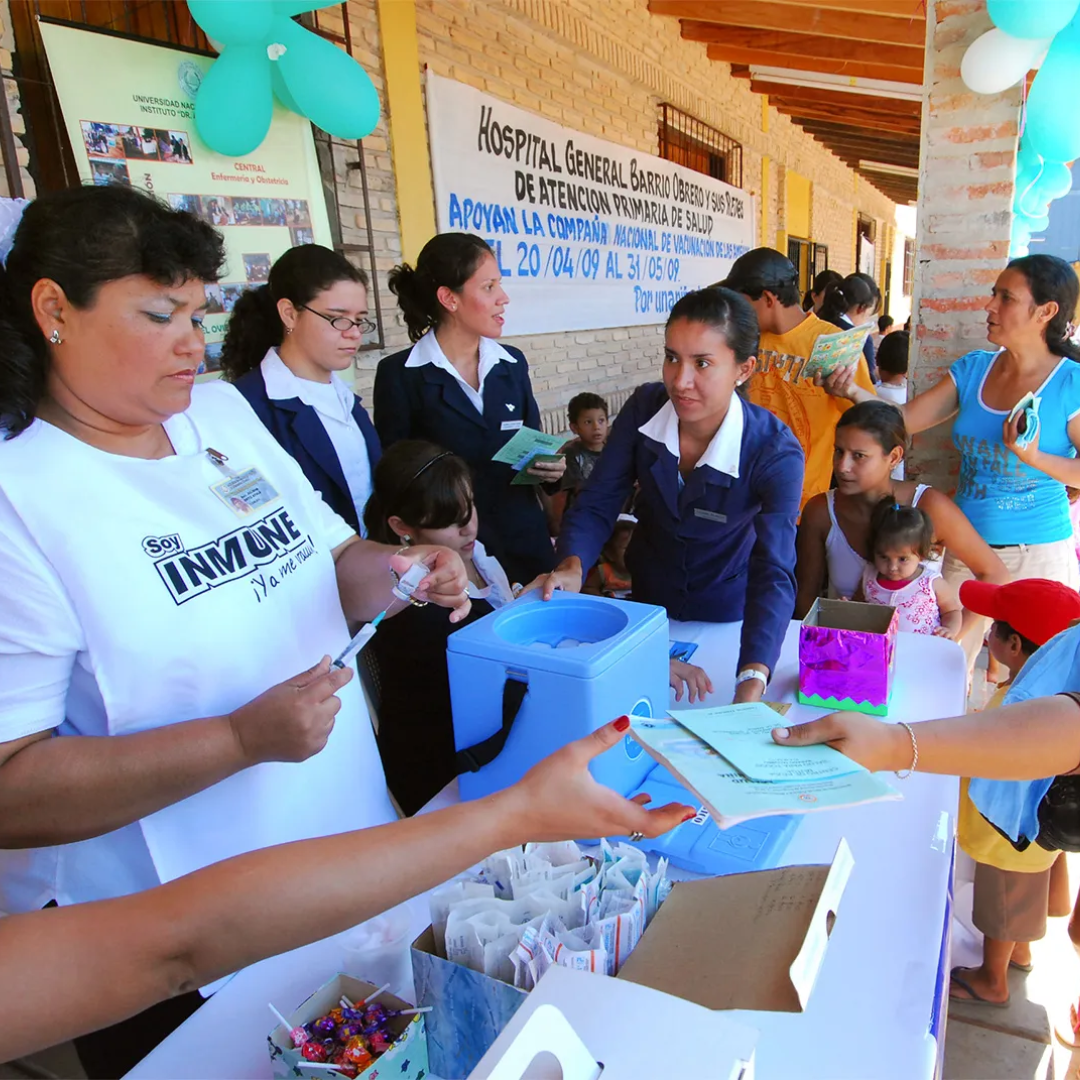
With a team of more than 8,000 professionals, including world-leading public health experts, the World Health Organisation (WHO) coordinates the responses to health emergencies, promoting wellbeing, preventing disease and expanding access to health care. By connecting nations, people and partners to scientific evidence they can rely on, WHO strives to give everyone an equal chance at a safe and healthy life. The organisation is committed to integrity and excellence in health, boasting a spirit of collaboration and a steadfast commitment to science.
Rainforest Alliance
Headquarters: New York, US
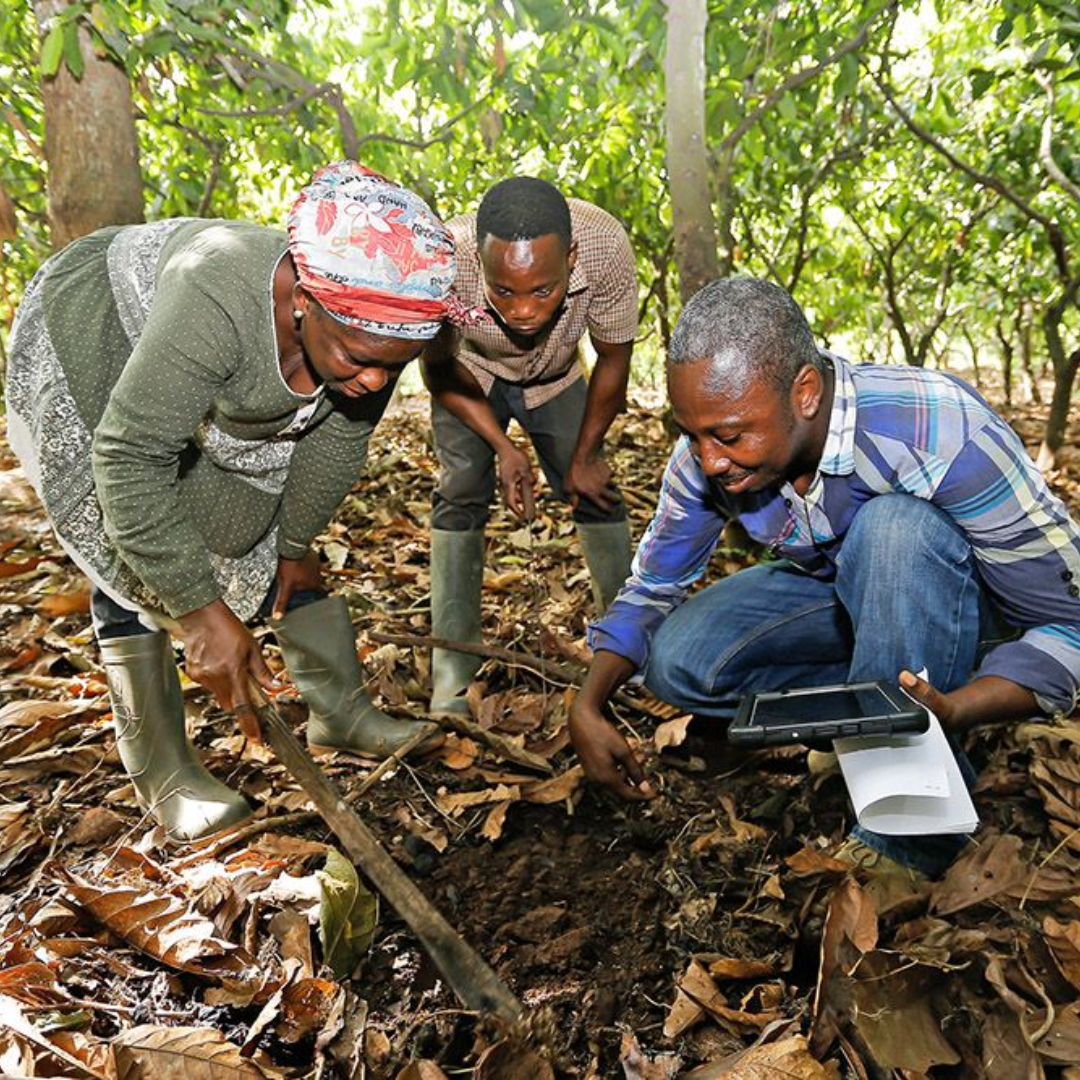
The Rainforest Alliance is an international non-profit organisation working in more than 60 countries at the intersection of business, agriculture and forests. The business is an alliance to create a better future for people and nature by making responsible business the new normal.
350.org
Headquarters: New York, US
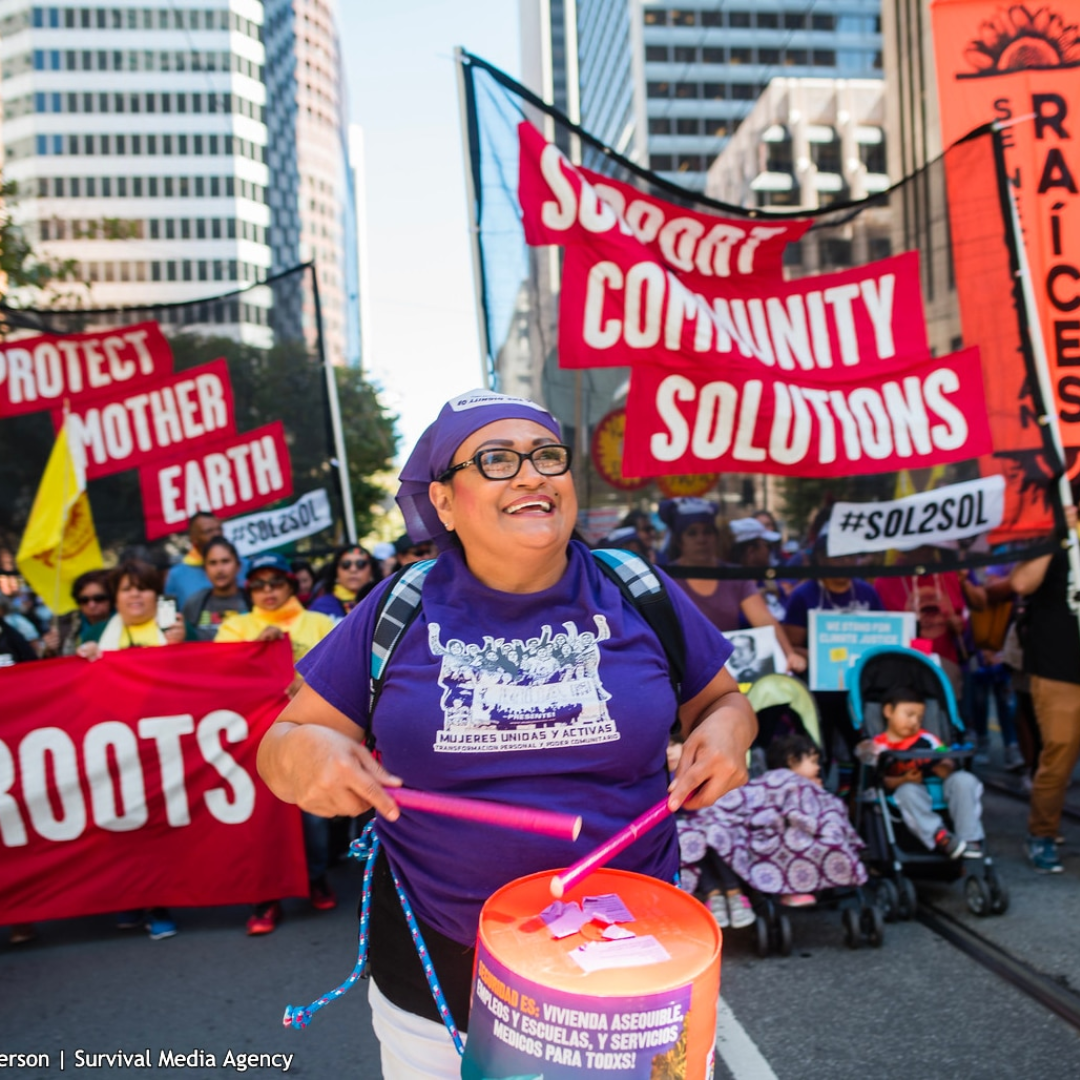
As a global grassroots movement, 350.org is on a mission to solve the climate crisis. With online campaigns and mass public actions, the association leads from the bottom up by thousands of volunteer organisers in over 188 countries.
350.org works hard to organise in a new way – everywhere at once, using online tools to facilitate strategic offline action. Currently, 350.org has staff working in 23 countries around the globe. It is also on a rapid growth trajectory, having grown its budget 400% since it was incorporated in 2011.
Sea Shepherd Conservation Society
Headquarters: Washington, US
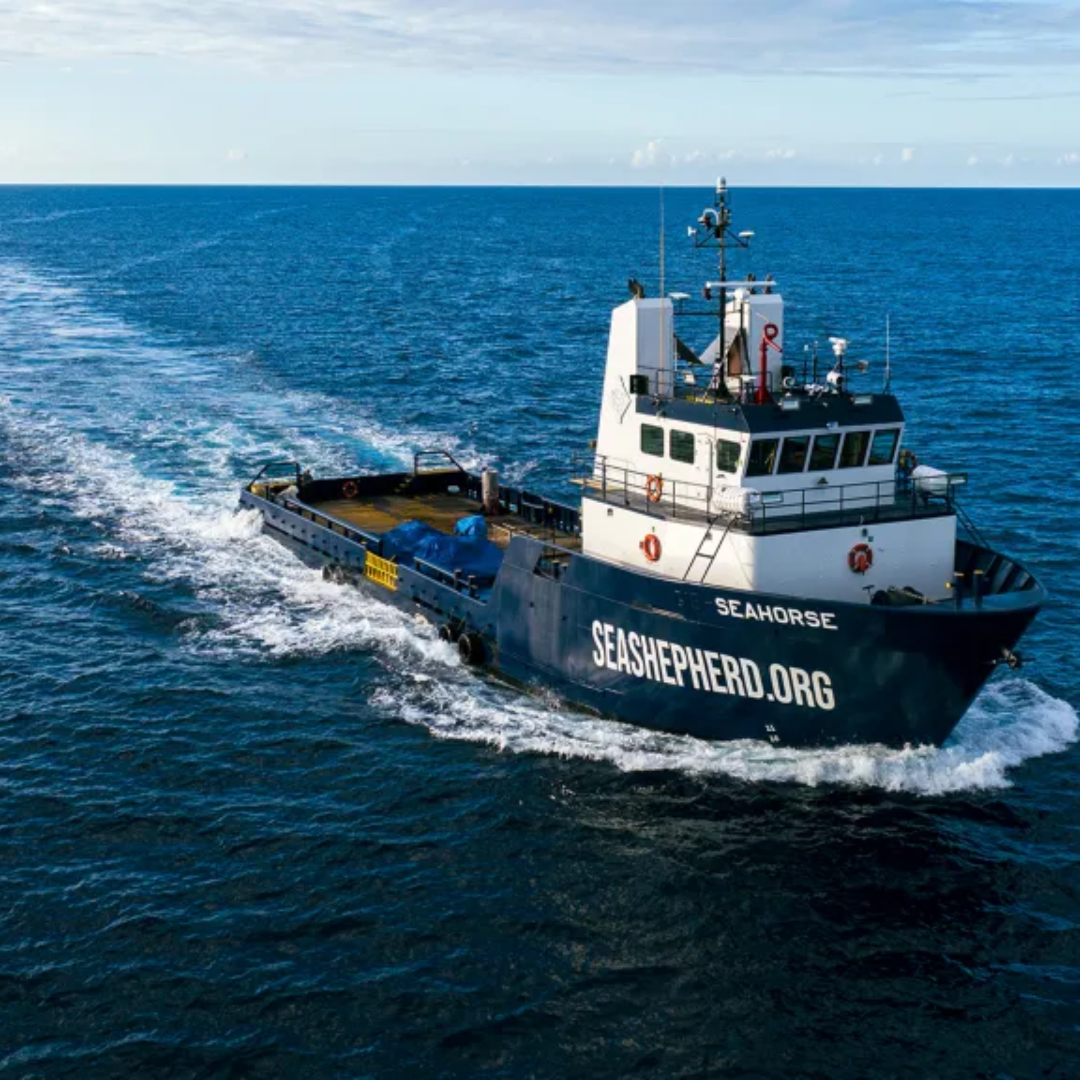
Established in 1977, Sea Shepherd Conservation Society (SSCS) is an international non-profit, marine wildlife conservation organisation. SSCS has the mission of ending the destruction of habitat and slaughter of wildlife in the world's oceans, in order to conserve and protect ecosystems and species. Sea Shepherd uses innovative direct-action tactics to investigate, document and take action when necessary to expose and confront illegal activities on the high seas.
World Wide Fund for Nature
Headquarters: Gland, Switzerland
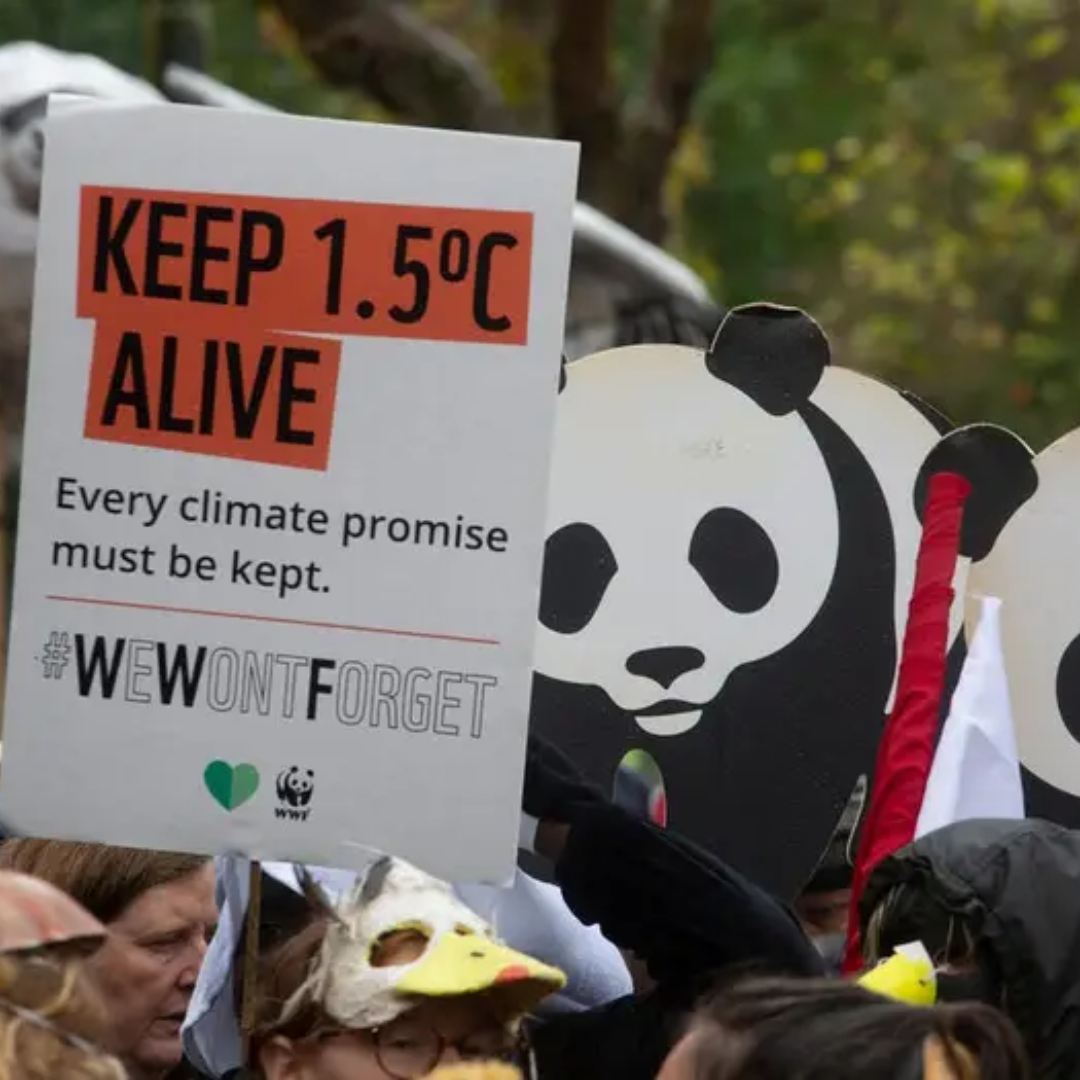
World Wide Fund for Nature (WWF) works to help local communities conserve the natural resources they depend upon; transform markets and policies toward sustainability; and protect and restore species and their habitats. WWF’s efforts ensure that the value of nature is reflected in decision-making from a local to a global scale while connecting cutting-edge conservation science with the collective power of more than 1.3m supporters in the US and 5m.
One Tree Planted
Headquarters: Vermont, United States
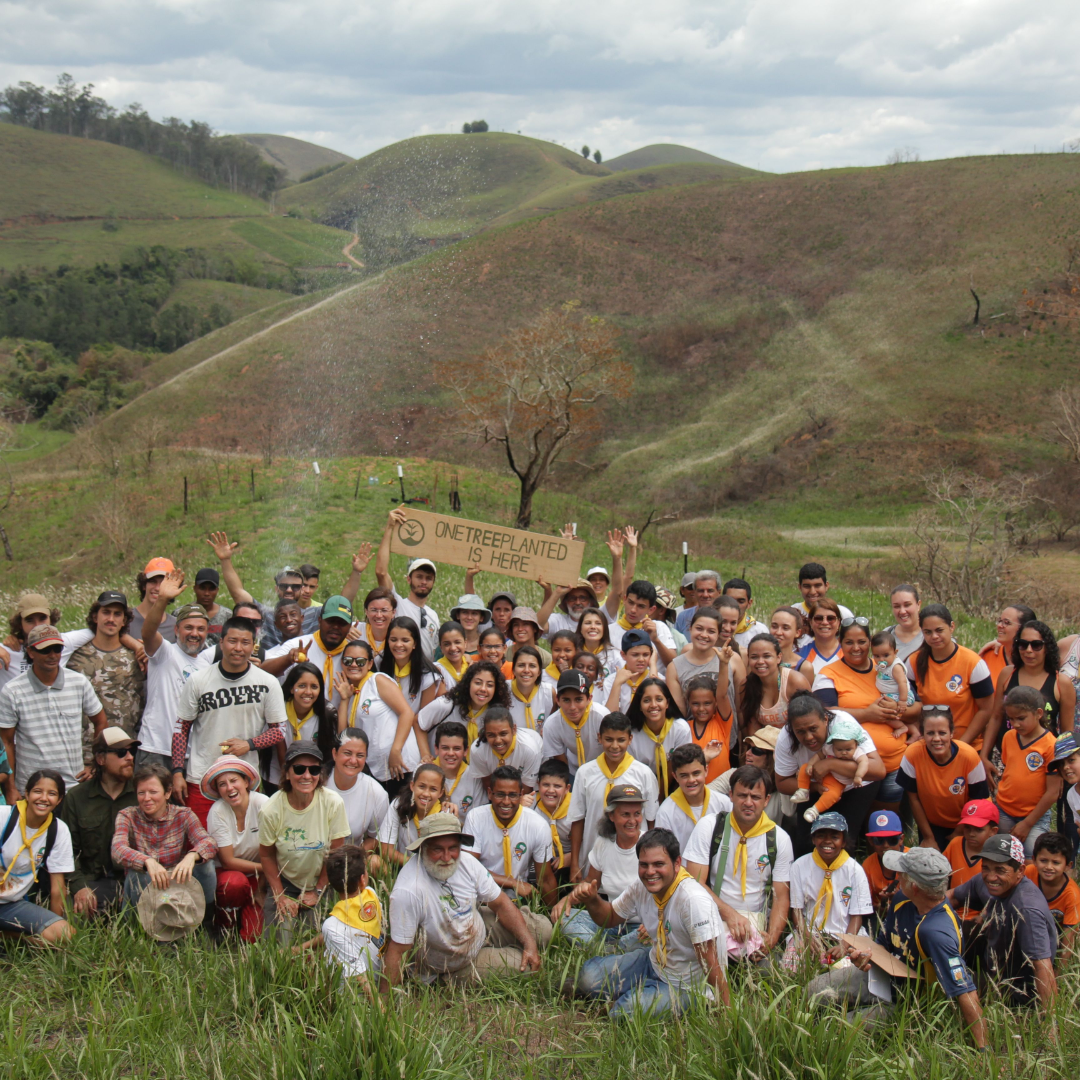
Since its establishment, One Tree Planted has been dedicated to making it easier for both individuals and businesses to give back to the environment, creating a healthier climate, protecting biodiversity, and helping reforestation efforts. So far, the organisation has planted over 92.2m trees in more than 80 countries across the globe since 2014. And in 2022, One Tree Planted doubled its impact, by planting more than 52.7m trees.
Sierra Club
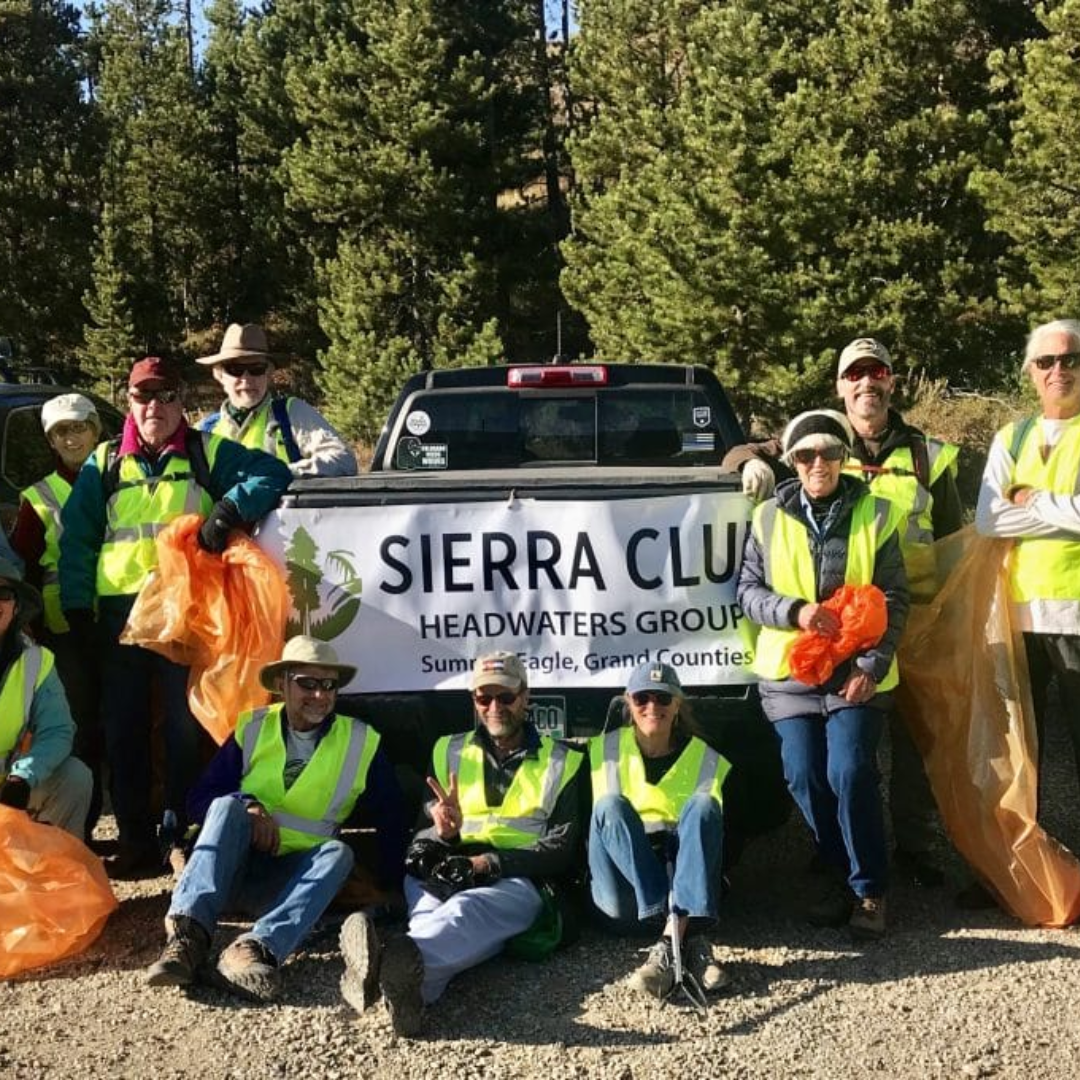
Headquarters: California, US
The world currently faces unprecedented issues, including global warming, increasing levels of pollution, and deforestation, to name a few. Sierra Club has therefore made it their mission to provide new solutions to these issues while bringing people together to build the most powerful and influential environmental movement the world has ever seen.
Fashion Revolution
Headquarters: London, UK
Founded in 2014, Fashion Revolution is a global movement campaigning for a fashion industry that conserves and restores the environment, valuing people over profit. Spanning 90 countries worldwide, the organisation aims to shift the culture of fashion production and consumption, incentivising fashion brands and retailers to improve their practices and advocating for policies which hold the industry accountable for its impact.

related questions
What is an Environmental NGO?
An Environmental NGO is a non-profit organization that operates independently of government control and focuses on addressing environmental issues through advocacy, research, education, and conservation efforts.
How do Environmental NGOs differ from government agencies?
Environmental NGOs are independent and non-profit, while government agencies are part of the government and operate under its authority. NGOs often have more flexibility in their advocacy and actions.
What are some common focus areas for Environmental NGOs?
Common areas include climate change, wildlife conservation, marine protection, forest conservation, clean energy, sustainable agriculture, and water conservation.