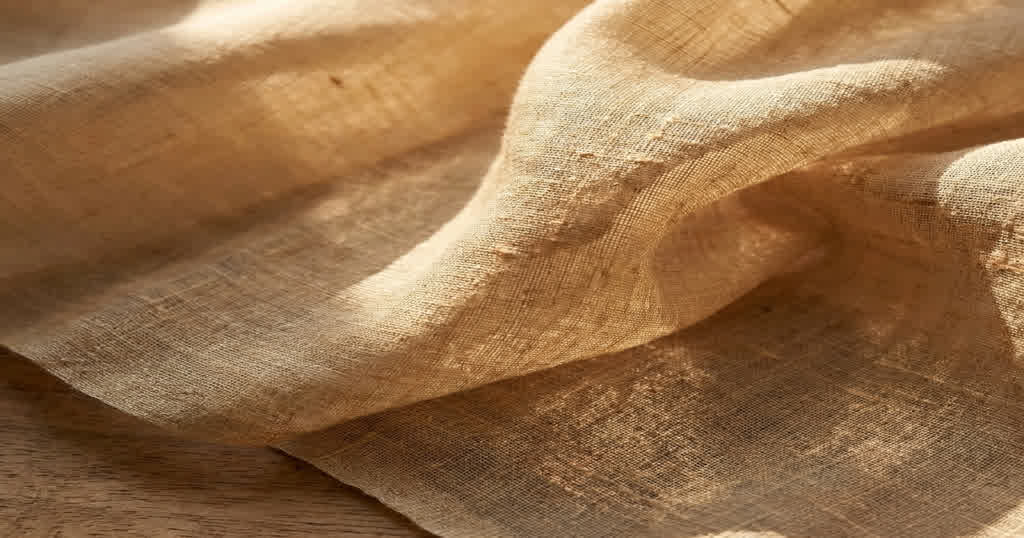
Silk Fabric Suppliers in India: A Guide to Lightweight & Breathable Silks

Designers building trans-seasonal collections face a recurring physical challenge: finding textiles that drape elegantly without trapping heat. As global temperatures rise, the search for reliable silk fabric suppliers becomes less about securing basic yardage and more about sourcing climate-adaptive materials. The historical silk clusters of Bengal, particularly Murshidabad, have spent centuries perfecting ultra-fine Mulberry silks on traditional pit looms, creating textiles specifically engineered for hot, humid environments. The shift away from tightly woven synthetic blends requires a return to these heritage techniques.
Selecting the right breathable silk fabric dictates a garment's longevity, its dye uptake, and the brand's overall sustainability narrative. Understanding the technical properties of these handwoven textiles allows designers to make informed decisions that align with both aesthetic goals and strict ESG requirements.
The Anatomy of Breathable Silk Fabric: Weave Porosity, Yarn Twist, and GSM
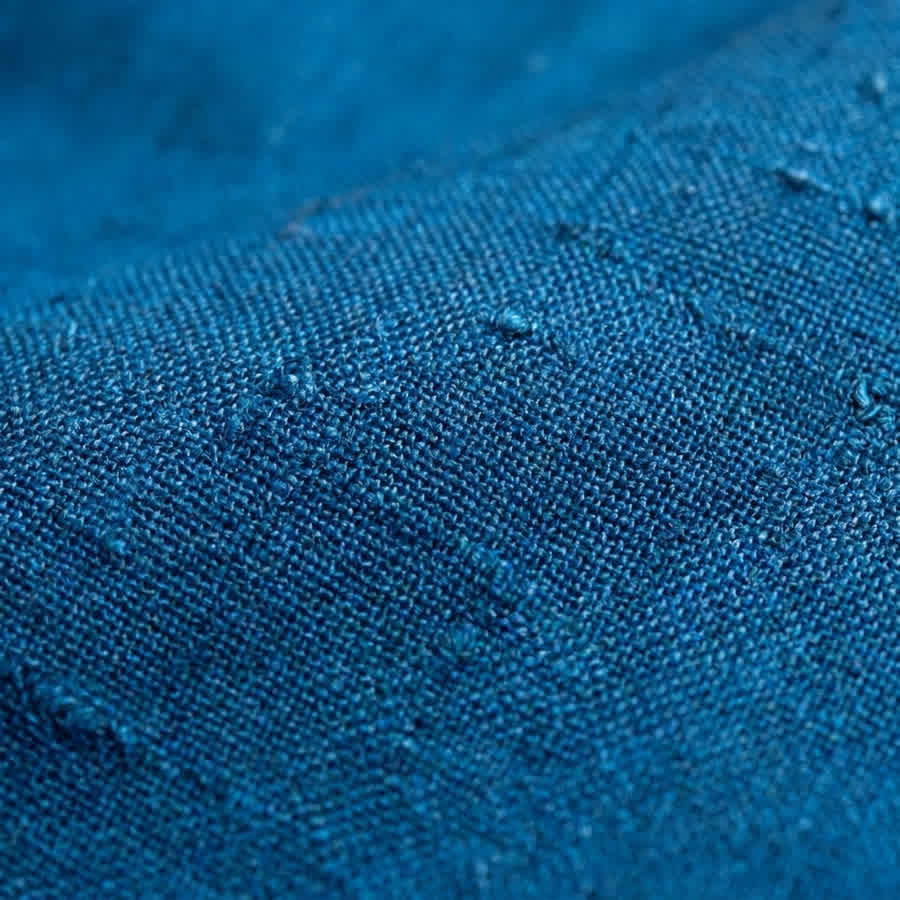
A highly breathable silk fabric relies on a low GSM (20-60), a gentle yarn twist, and the natural micro-irregularities of handloom weaving to maximize air permeability. Unlike synthetic alternatives, natural silk possesses an inherent ability to regulate temperature, but this property is heavily influenced by how the yarn is spun and interlaced. The physical structure of a lightweight silk fabric determines how effectively it wicks moisture and allows body heat to escape. For designers, understanding these mechanics is essential for sourcing materials that perform well in warming climates.
The Role of GSM and Yarn Twist
The weight of a textile, measured in Grams per Square Meter, directly impacts its thermal properties. Fine Mulberry plain weaves, organza, and tissue silks typically fall into the 20 to 60 GSM range. To achieve this delicate balance, artisans manipulate the yarn twist, which is the number of turns applied to the fiber during spinning.
- Low-twist yarns: Create a softer, more open structure that enhances the breathable fabric qualities by allowing air to pass through the fibers.
- High-twist yarns: Produce a crisp, dry hand-feel often found in organza, maintaining structural integrity while remaining exceptionally light.
- Optimal GSM selection: Ensures the fabric provides sufficient coverage without compromising its climate-adaptive properties, making it ideal for summer and resort collections.
Handloom Weave Porosity
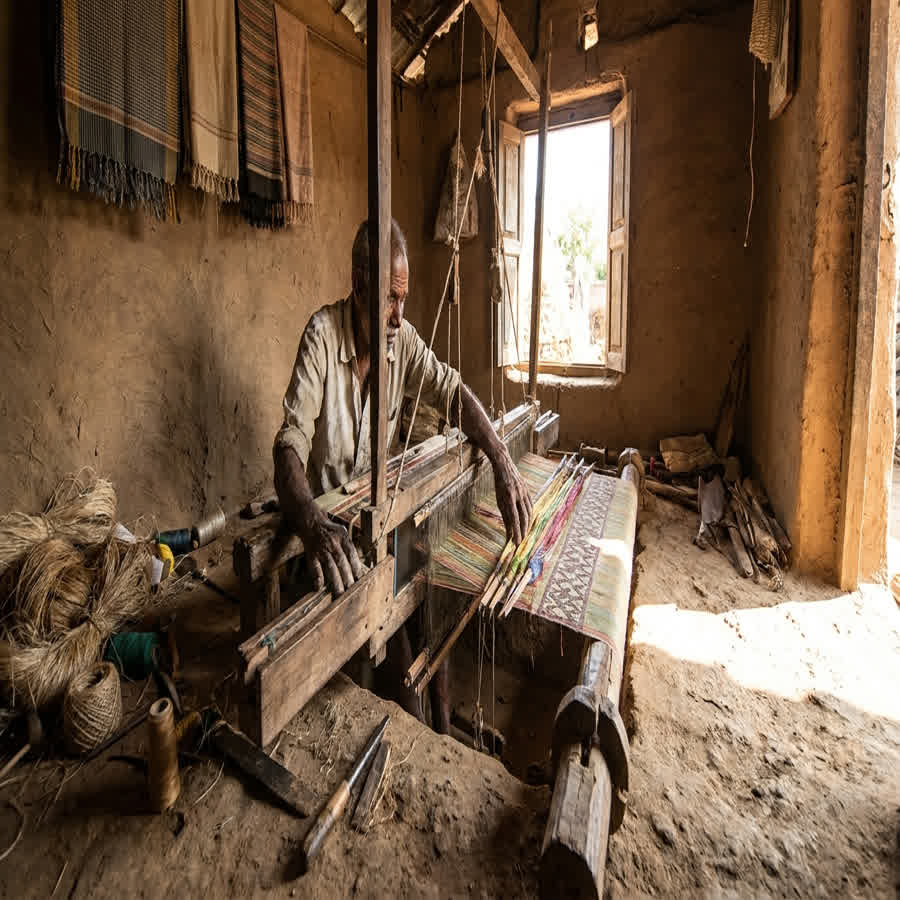
The method of weaving is just as critical as the yarn itself. Traditional pit looms, operated by skilled artisans in rural clusters, do not pack the weft threads as tightly as automated machines. This manual process introduces micro-irregularities into the textile, which are functional rather than merely aesthetic.
- Enhanced air permeability: The slightly looser interlacing allows air to circulate freely through the breathable silk fabric, preventing heat retention.
- Moisture management: Natural gaps in the weave help wick sweat away from the skin, keeping the wearer cool and dry.
- Structural flexibility: Handwoven textiles adapt to the body's movements, offering a superior drape compared to rigid, machine-made alternatives.
- Artisanal tension control: Master weavers adjust the loom tension manually, ensuring the lightweight silk fabric maintains its delicate structure without becoming fragile.
Evaluating Silk Fabric Suppliers in India: Powerloom vs. Decentralized Handloom
Decentralized handloom suppliers offer traceable, low-carbon textiles with superior breathability, whereas powerloom manufacturers prioritize high-volume, dense fabrics that often lack ethical transparency. When evaluating silk fabric suppliers in India, buyers must distinguish between mass-produced yardage and artisanal craftsmanship. The origin of the textile fundamentally alters its environmental impact, its physical properties, and the story a brand can share with its customers. For boutique sourcing managers, this distinction is the foundation of a responsible supply chain.
The Limitations of Powerloom Production
Conventional silk fabric manufacturers in India often rely on automated powerlooms to meet bulk wholesale demands. While this method produces fabric quickly and at a lower immediate cost, it fundamentally changes the nature of the material and the ethics of its production.
- Dense weave structures: Automated machines pack threads tightly, significantly reducing the material's status as a breathable fabric and trapping body heat.
- High carbon footprint: Powerlooms require substantial electricity, conflicting with the ESG goals of eco-conscious brands aiming to reduce their environmental impact.
- Opaque supply chains: Mass production often obscures the origin of the yarn and the working conditions of the laborers, making traceability nearly impossible.
- Standardized uniformity: The aggressive mechanical process strips the silk of its natural character, resulting in a flat, synthetic-like appearance.
The Decentralized Artisan Advantage
Partnering with a decentralized artisan network provides a stark contrast to industrial manufacturing. In regions like Bengal and Eastern India, rural handloom weaving communities operate within a decentralized supply chain, crafting textiles on manual pit looms.
- Zero-waste credentials: Hand-spinning and manual weaving consume minimal energy, drastically lowering the carbon footprint of the final garment.
- Ethical labor practices: Decentralized models keep work within rural communities, supporting local economies and preserving heritage weaving techniques.
- Superior climate adaptation: The resulting lightweight silk fabric retains the natural porosity required for trans-seasonal collections.
- Authentic sourcing: Working with ethical silk fabric suppliers ensures that every meter of fabric supports fair wages and sustainable rural development.
Raw Silk Fabric Suppliers: Why Texture and Sericin Matter for Climate-Adaptive Fashion
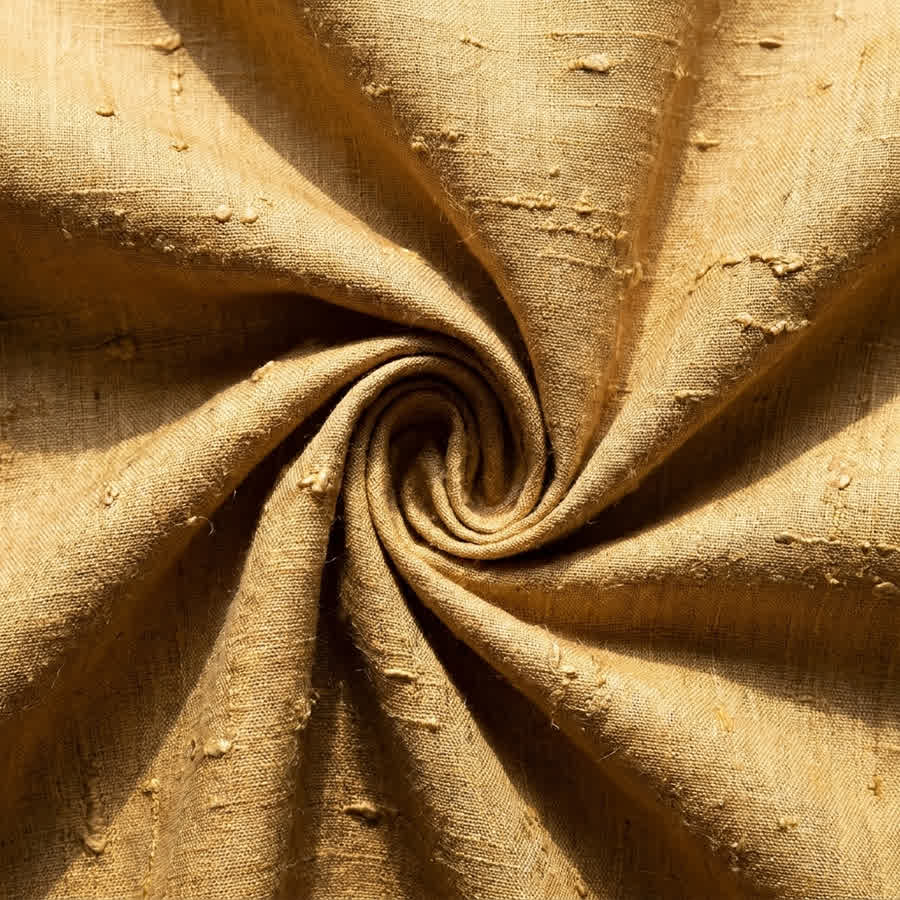
Raw silk retains its natural sericin coating and features a porous, textured structure (80-120 GSM) that regulates temperature far better than tightly woven, chemically stripped commercial silks. For designers seeking textiles with character, raw silk fabric suppliers offer materials like Tussar, Matka, and Noil. These wild and semi-wild silks originate from Eastern India's wild silk belts and possess distinct technical advantages for eco-luxury garments. Understanding these properties allows brands to utilize heavier silks without sacrificing comfort.
The Science of Sericin Retention
During conventional silk processing, the yarn is heavily boiled to remove sericin, the natural protein gum that coats the fiber. Authentic raw silk fabric suppliers utilize gentler scouring methods that leave a portion of this protein intact, fundamentally altering the fabric's performance.
- Thermal regulation: Sericin retention helps the fiber maintain its natural insulating and cooling properties, adapting to the wearer's body temperature.
- Distinctive texture: The remaining gum gives the fabric a dry, crisp hand-feel and a matte finish that appeals to contemporary, understated aesthetics.
- Eco-friendly processing: Skipping harsh chemical boils reduces water pollution and aligns with sustainable production standards required by modern brands.
- Enhanced durability: The protein coating protects the inner fibroin, extending the lifespan of the breathable silk fabric under regular wear.
Structural Porosity in Wild Silks
Wild silks like Tussar and Eri naturally feature thicker, more irregular yarns compared to cultivated Mulberry silk. When handwoven, these yarns create a fabric typically ranging from 80 to 120 GSM, which might seem heavy but performs exceptionally well in heat.
- Inherent slubs: The uneven thickness of the yarn creates microscopic air pockets, enhancing the breathable fabric profile by facilitating airflow.
- Durability and drape: Despite being heavier than organza, the porous structure ensures the garment remains comfortable and fluid in warm climates.
- Dye affinity: The textured surface absorbs natural and azo-free dyes beautifully, allowing for rich, deep colors without synthetic chemical reliance.
- Moisture absorption: Wild silks can absorb up to 30% of their weight in moisture without feeling damp, making them superior climate-adaptive textiles.
Sourcing Indian Material Wholesale: Ensuring Traceability in Your Silk Supply Chain
Traceability in wholesale sourcing is achieved through decentralized cluster management, where standardized yarn procurement and master-weaver quality control guarantee consistent, ethical production. Securing reliable indian material wholesale requires moving beyond transactional purchasing and building relationships with transparent supply networks. For B2B buyers, the challenge lies in scaling artisanal production without losing the inherent qualities of the handloom craft. A well-managed decentralized system solves this by combining rural artistry with commercial reliability.
Standardizing Artisanal Quality
One of the primary concerns when working with rural weaving communities is maintaining consistency across large orders. Effective silk fabric suppliers implement rigorous systems at the cluster level to bridge the gap between artisanal craft and strict B2B requirements.
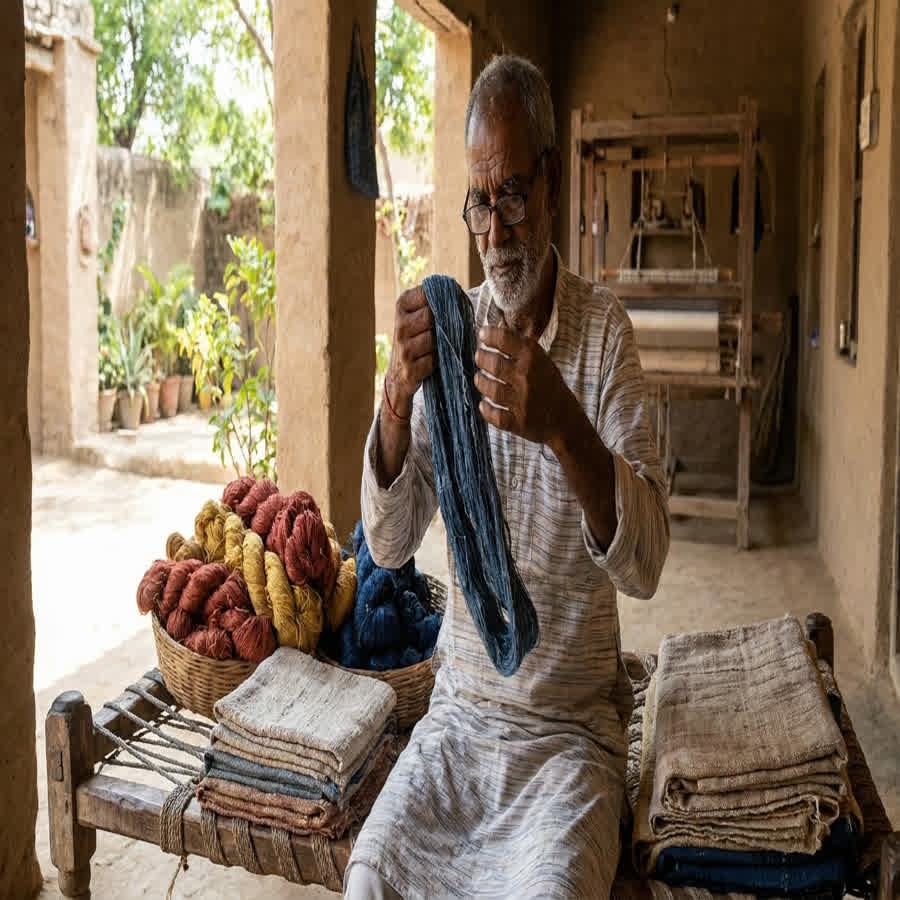
- Centralized yarn procurement: Ensuring all weavers in a cluster start with the exact same raw material specifications prevents variations in dye uptake and shrinkage.
- Master weaver oversight: Experienced artisans monitor the tension and weave density, ensuring the lightweight silk fabric meets exact GSM targets across different looms.
- Quality control checkpoints: Fabrics are inspected for structural integrity, selvedge consistency, and weaving flaws before leaving the village, guaranteeing reliability for wholesale procurement.
- Scalable production: By distributing work across multiple trained clusters, suppliers can meet volume demands without resorting to powerlooms.
Building a Traceable Narrative
Modern consumers demand proof of ethical sourcing, making traceability a non-negotiable feature of indian material wholesale. A decentralized model inherently supports this transparency by mapping the journey from fiber to finished textile, providing brands with verifiable data.
- Origin mapping: Buyers can trace their breathable silk fabric back to specific districts, such as Murshidabad or Malda, verifying its authentic handloom status.
- Impact reporting: Transparent supply chains allow brands to quantify their support for rural handloom weaving communities and track fair wage distribution.
- Authentic storytelling: Armed with concrete facts about the origin and production methods, designers can confidently market their eco-luxury collections.
- Supply chain resilience: Decentralized networks are often more adaptable to disruptions, offering a stable source of sustainable textiles year-round.
Explore Our Collection
Anuprerna works directly with handloom artisan clusters to weave silk fabric suppliers for designers and brands building considered collections. To source it for your next line, explore the range below.
frequently asked questions
What makes handloom silk more breathable than powerloom silk?
Hand-weaving creates micro-variations in yarn tension and a slightly looser interlacing of warp and weft threads. This structural porosity allows for significantly better air permeability and moisture wicking compared to the dense, uniform, and tightly packed weave of powerloom silks. The manual operation of traditional pit looms ensures the breathable silk fabric retains its natural climate-adaptive properties.
What is the ideal GSM for lightweight silk fabric used in resort wear?
For resort and trans-seasonal wear, an ideal GSM falls between 30 and 60. Fabrics in this range, such as fine handwoven Mulberry silk or silk-cotton blends, offer an optimal balance of fluid drape, durability, and high breathability. Selecting this specific weight from silk fabric suppliers ensures the garment remains comfortable in humid environments.
How do raw silk fabric suppliers ensure consistency in artisanal production?
Through decentralized cluster management, standardized yarn procurement, and rigorous quality control at the master weaver level. This ensures that while the fabric retains its signature artisanal texture and slubs, the weight, width, and color absorption remain consistent for wholesale B2B buyers. Reliable indian material wholesale partners implement these systems to bridge the gap between rural craft and commercial standards.
Are your breathable silk fabrics suitable for natural and azo-free dyeing?
Yes, our raw and lightweight silks undergo a careful, eco-friendly scouring process to remove excess impurities while retaining the fiber's natural affinity for dyes. This makes them highly receptive to both botanical dyes and low-impact azo-free commercial dyes. The natural porosity of the lightweight silk fabric allows for deep, even color penetration.
What distinguishes wild silks like Tussar from conventional Mulberry silk?
Wild silks are harvested from uncultivated forest moths, resulting in thicker, irregular yarns, whereas Mulberry silk is cultivated indoors for fine, uniform threads. These wild varieties, often sourced from raw silk fabric suppliers, naturally possess a heavier GSM (80-120) but maintain exceptional breathability due to their textured, porous structure. This makes them ideal for designers seeking a *dry, crisp hand-feel* and a distinct artisanal aesthetic.
More Blogs
why yarn-dyed khadi cotton faric is the premium choice for contemporary styling
designer kurta for men: the role of fabric, texture and handloom craft
cotton shirts for men online: a guide to fabric types, weaves and quality
is jacquard fabric good or bad for upholstery and apparel?
is silk good for hot weather? a summer fabric analysis
breathability tested: why handwoven cotton outperforms blends in summer