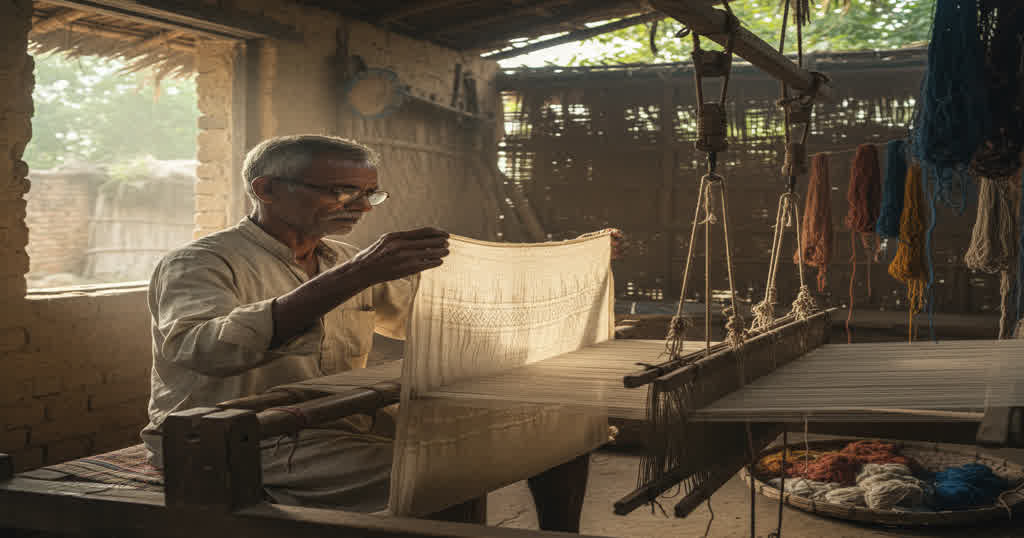
Fabric Sourcing in India: Exploring Handloom and Artisan-Made Textiles

A designer approves a Jamdani sample woven in Bengal, then watches the bulk order drift off-spec. The fabric sourcing problem is rarely the weaver's skill. It is usually missing yarn standards and no shared definition of what "the same fabric" means from one lot to the next.
That gap matters more now because brands are asked to prove their sustainability claims, not just state them. Handloom offers a story that can be traced to a village, a loom and a yarn lot, but only if the production system around it is organised well. This guide covers the history, the material science and the logistics that make that possible.
The Evolution of Textile Sourcing: Why India's Handloom Sector Is the Future of Sustainable Fashion
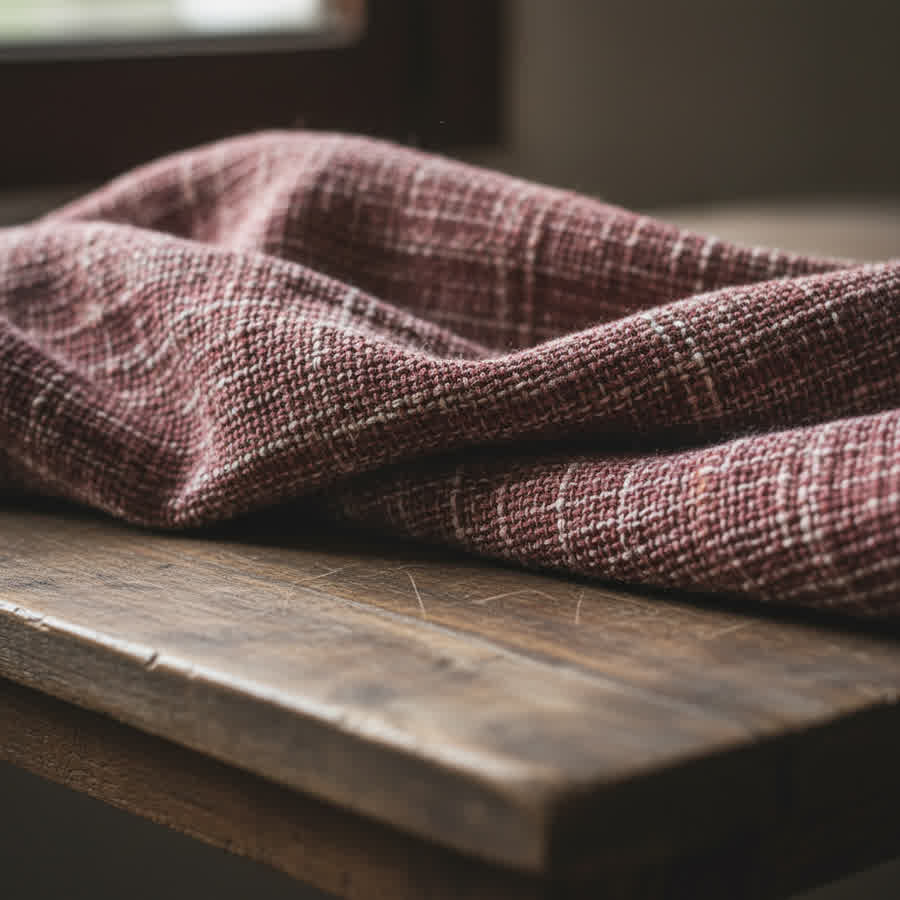
India's handloom sector is a strategic advantage because it delivers sustainable fabric india buyers can verify: weaving on a handloom needs no electricity, while mill-made cloth carries the energy load of powered looms and large factory operations. That difference is the core of the ESG story a brand can resell.
Village Clusters That Predate the Mill
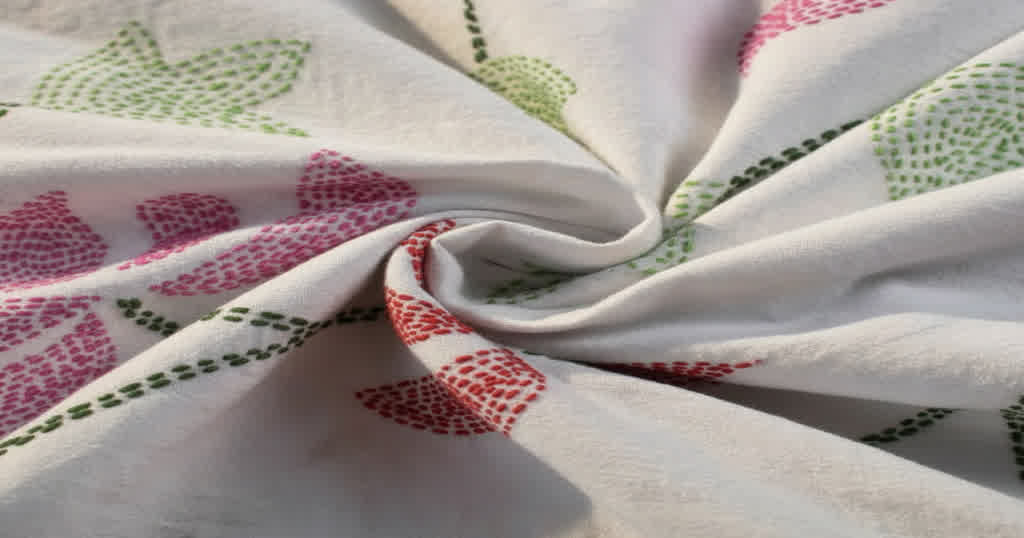
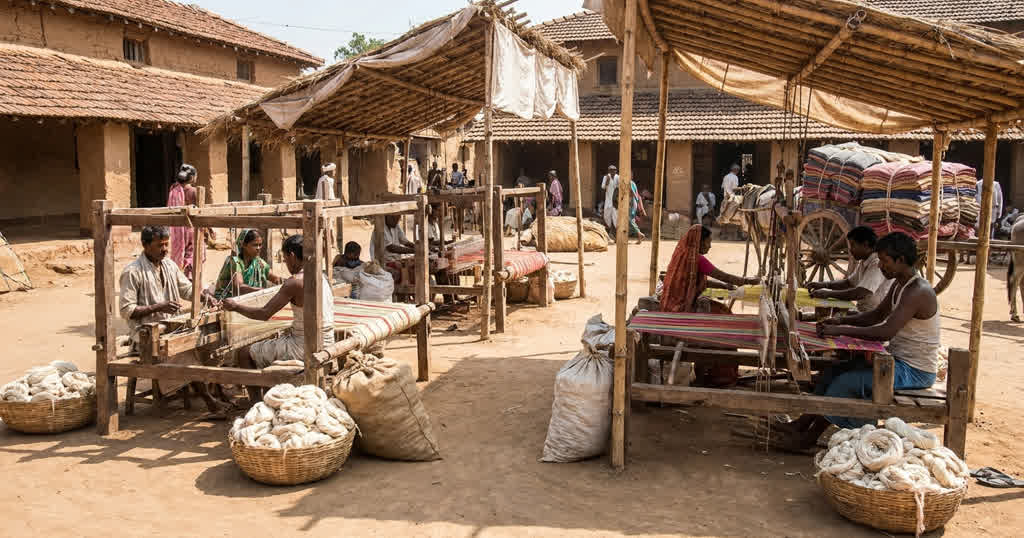
Handloom grew out of decentralized village clusters, each known for a region-specific weave. Bengal produced Jamdani, a fine cotton with supplementary-weft motifs. Khadi, the hand-spun and handwoven cloth, and Ikat, where yarns are resist-dyed before weaving, developed in their own clusters.
This heritage system is low-carbon and community-driven by design. It predates modern industrial manufacturing, so the sustainability is structural, not a retrofit.
The Carbon Contrast in Practice
The difference shows up at the loom itself:
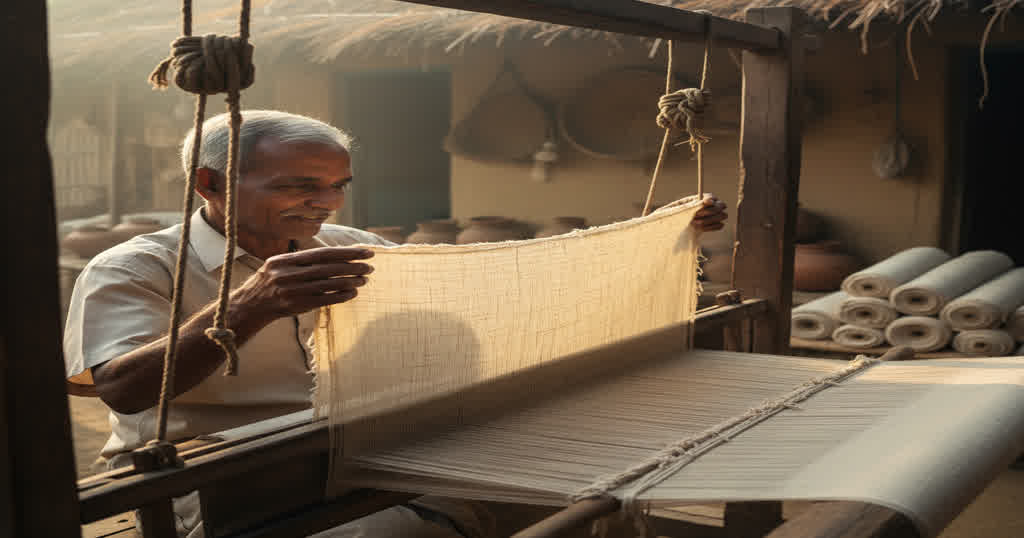
- Handloom: human-powered, with the weaver's hands and feet driving the shuttle and the beat-up.
- Powered mill loom: electricity-dependent, and run at high speed and tension.
- Hand-spun yarn: adds a second stage with no machine energy before weaving even begins.
For a brand, this contrast is measurable in kind, even before you commission any lifecycle study. You can state plainly which stages of your cloth ran on human power.
What This Means for Your ESG Narrative
Modern textile sourcing is under pressure from ESG targets, and vague claims invite scrutiny. Handloom gives you a verifiable narrative tied to named places, which is easier to defend than a general "eco-friendly" label.
It also brings commercial benefits that mills struggle to match:
- Low MOQs that suit capsule collections.
- Exclusive textures that mass-producing mills cannot replicate.
- Traceable origin from yarn to finished meter.
Decoding Cotton Material: Technical Specs from Organic Farms to Artisan Looms
Artisan-made cotton material ranges from ultra-light 60 GSM (muslin and Jamdani) to durable 250+ GSM (canvas and twill weaves), and the yarn count largely decides where a fabric lands in that range. Specify both count and GSM, because either alone leaves room for drift.
Yarn Counts: 2/100s vs 20s
Yarn count is the number describing how fine a yarn is, and a higher number means a finer yarn. The two ends of the range behave very differently:
- 2/100s: a two-ply, very fine yarn, used for sheer, airy cloth with a fluid drape.
- 20s: a much coarser single yarn, used for fabrics with body, such as heavier plain weaves and twills.
- Mid counts: sit between them and suit shirting and dress weights.
Ask for the count on every quotation. A vague "fine cotton" can mean several different yarns.
GSM Ranges and Tensile Behaviour
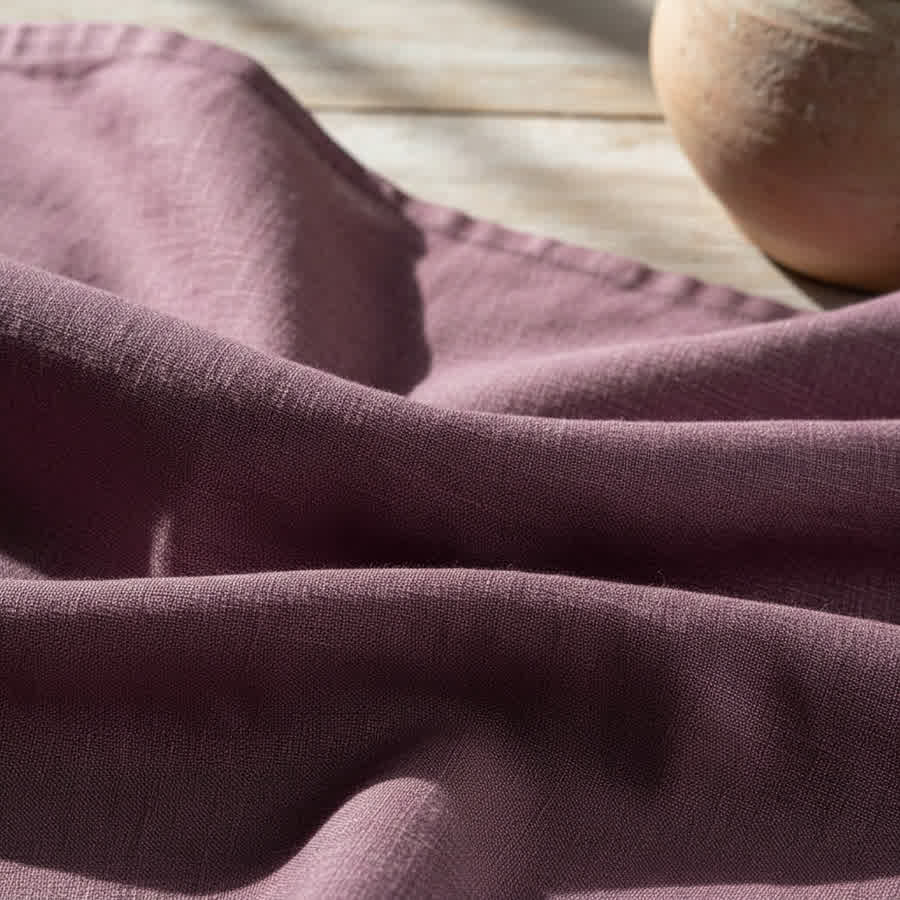
GSM, grams per square meter, tells you how heavy a fabric is and sets drape, opacity and end use. Handwoven cotton material fabric also shows unique tensile variations, because the lack of high-tension mechanical stress during weaving lets the yarn sit more naturally in the cloth.
The result is superior breathability and a soft, lived-in hand. That is a selling point, but it also means your spec sheet should state tolerances honestly.
From Organic Farm to Loom
Good organic fabric suppliers in india control the steps between the farm and the loom, not only the weaving. The usual sequence is:
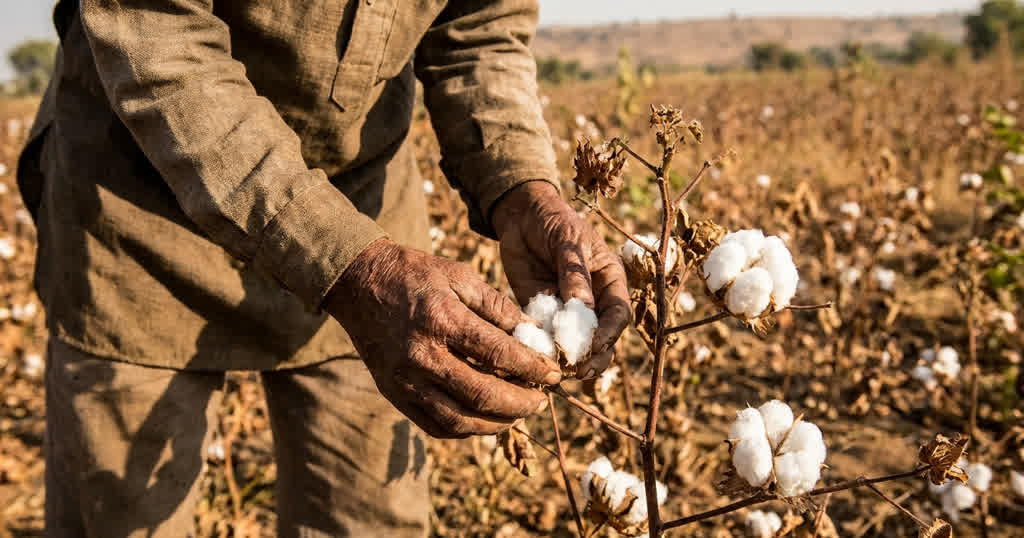
- Certified yarn: often GOTS-certified organic yarn, so the farming claim holds.
- Sizing and warping: the warp yarns are coated for strength, then lined up on the loom.
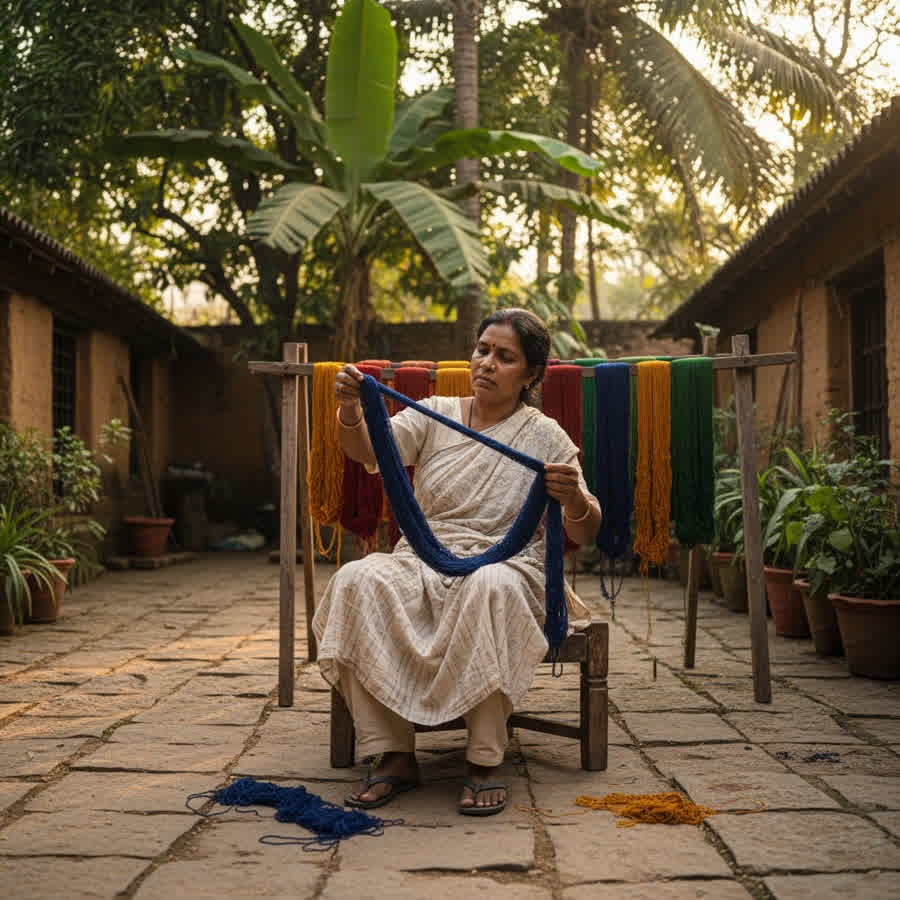
- Dyeing: with azo-free or natural dyes, kept consistent through controlled processes.
Each step is a point where variation enters, which is why standardising them is the real work of reliable fabric sourcing.
Choosing Among Indian Fabric Suppliers: The Decentralized Supply Chain Advantage
Anuprerna's decentralized model organises rural weavers into a transparent network with shared yarn, shared specs and shared inspection, which removes the main bottlenecks of traditional fabric sourcing. The weaving stays in the villages, and the coordination is what we standardise.
Why Fragmented Supply Breaks Down
Many indian fabric suppliers act as middlemen, passing orders to weavers they barely know. That creates predictable problems:
- Unclear origin: you cannot say which cluster wove your cloth.
- Yarn inconsistency: each weaver buys different yarn, so each piece behaves differently.
- Slippage in lead times: no one has visibility of loom capacity.
For a sourcing manager, this is what makes GSM and quality control feel unmanageable.
How the Decentralized Model Works
We work with weavers in rural clusters across Bengal and Karnataka, among other regions, and organise them around common standards. Standardised yarn procurement means the weavers in one order start from the same material. Specs are set per style, and inspection happens at the cluster before cloth moves on.
Because the network is mapped, traceability is practical. You can tell your customers which cluster wove a fabric, not just that it is "handmade in India."
Matching Cluster to Weave
Different clusters suit different fabrics, so allocation matters:
- Fine, sheer cloth: goes to clusters with Jamdani and muslin skill.
- Heavier twills and canvas: go to looms set up for dense, sturdy construction.
- Resist-dyed work: goes to Ikat specialists.
This is how sustainable fabric manufacturers keep craft authentic while still meeting a modern order specification.
Beyond the Loom: Quality Assurance and Lead Times for B2B Buyers
Handloom lead times typically run 60 to 90 days, and quality is controlled through cluster-level inspection rather than a single factory line. Plan your calendar around weather and weave complexity, and agree your tolerances before the first meter is woven.
Weather Dependencies
Handloom is open to the monsoon. Humidity affects natural yarn sizing and slows drying and dyeing, which can push dates and change how the yarn handles on the loom.
Treat this as a known variable, not a surprise:
- Build in buffer for orders that fall across monsoon months.
- Place dye-heavy styles early where you can.
- Ask for status updates at yarn, dyeing and weaving stages.
QA Protocols in Village Clusters
Quality assurance is a sequence, not a final check. It combines standardised yarn, controlled dyeing and multi-point inspections at the cluster level.
A 5-10% variation in texture is a hallmark of authentic handloom, and it is part of the appeal. What stays strictly controlled is structural integrity and GSM, so the fabric performs even where the surface varies.
Realistic Production Timelines
Complexity sets the clock. An intricate Jamdani takes longer than a plain weave, and the more motifs and finer the count, the longer each meter takes.
Brands working with sustainable fabric manufacturers should:
- Share forecasts early, so yarn and looms can be reserved.
- Approve samples in writing, with count, GSM and tolerance noted.
- Order in capsule runs, which suit decentralized capacity.
Good fabric sourcing here is a matter of planning ahead, not of paying for speed.
frequently asked questions
What is the typical MOQ when fabric sourcing from decentralized Indian artisans?
Decentralized handloom sourcing often allows Minimum Order Quantities (MOQs) as low as 50 to 100 meters per style. Conventional mills require thousands of meters, so this flexibility is highly advantageous for brands producing limited-edition or capsule collections.
How do sustainable fabric manufacturers ensure quality and consistency in handwoven cotton material?
Quality is managed through standardized yarn procurement, controlled dyeing processes using azo-free or natural dyes, and rigorous multi-point inspections at the cluster level. A 5-10% variation in texture is a hallmark of authentic handloom, while structural integrity and GSM remain strictly controlled.
What certifications should B2B buyers look for when working with organic fabric suppliers in India?
Buyers should look for GOTS (Global Organic Textile Standard) certification for the raw cotton yarn to ensure organic farming practices. Fair Trade or Craftmark certifications are also useful, because they validate ethical labor practices and authentic handloom weaving.
How do lead times for artisan textile sourcing compare to conventional industrial mills?
Artisan fabric sourcing requires a longer lead time, typically 60 to 90 days, depending on the complexity of the weave (for example, intricate Jamdani versus plain weave) and monsoon weather conditions. Weather can affect natural yarn sizing and dyeing processes, so brands must adjust their sourcing calendars accordingly.
Can handloom cotton be specified by GSM and yarn count like mill-made fabric?
Yes, handloom cotton can be specified by both GSM and yarn count, and doing so is a strong way to get repeatable results. Artisan-made cotton typically ranges from about 60 GSM for muslin and Jamdani to 250+ GSM for canvas and twill, and stating the yarn count, such as 2/100s or 20s, along with an agreed tolerance keeps each lot consistent.
More Blogs
khadi cotton fabric vs regular cotton fabric : which one lasts longer?
why designers choose indian fabric wholesale for unique collections
organic fabric suppliers in india: a guide for fashion brands & designers
how fabric wholesalers help fashion brands scale faster
lightweight silk fabric: a guide to types, qualities & indian suppliers
silk fabric suppliers in india: a guide to lightweight & breathable silks