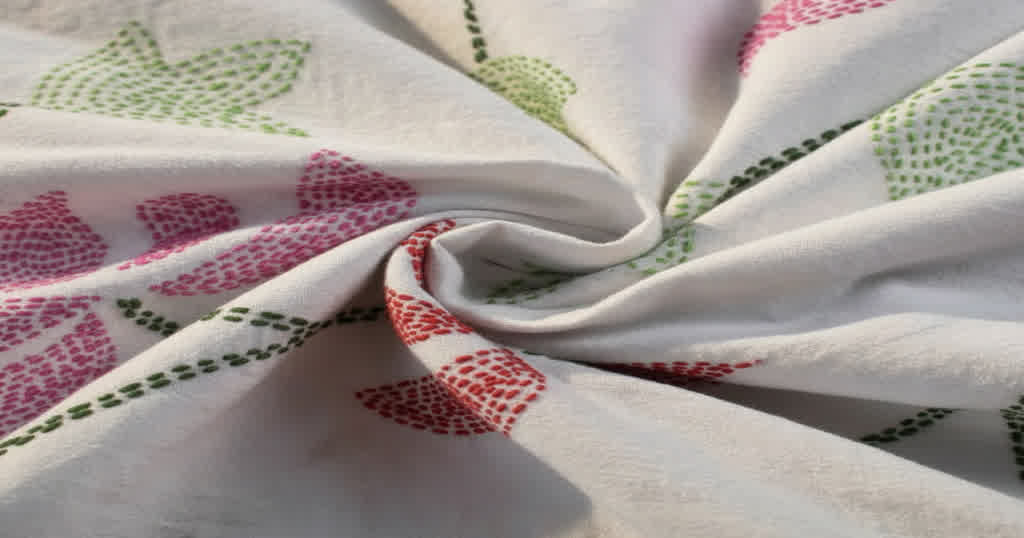
Khadi Cotton fabric vs Regular Cotton fabric : Which One Lasts Longer?
A designer sends two shirt samples through the same wash-and-wear trial. The mill-made cotton arrives crisp and strong, while the khadi cotton fabric looks softer and slightly uneven. After thirty washes, the order of preference often reverses: the mill sample has pilled and stiffened, and the khadi sample has simply relaxed.
That reversal is why the question of longevity matters now. Brands are building collections around slow-fashion promises and need to know whether a handwoven textile can back them up in real wear. The answer sits in fibre length, twist and spinning tension, so we will start with the yarn itself.
The Anatomy of the Yarn: Difference Between Khadi and Cotton Sustainable Cotton Fabric
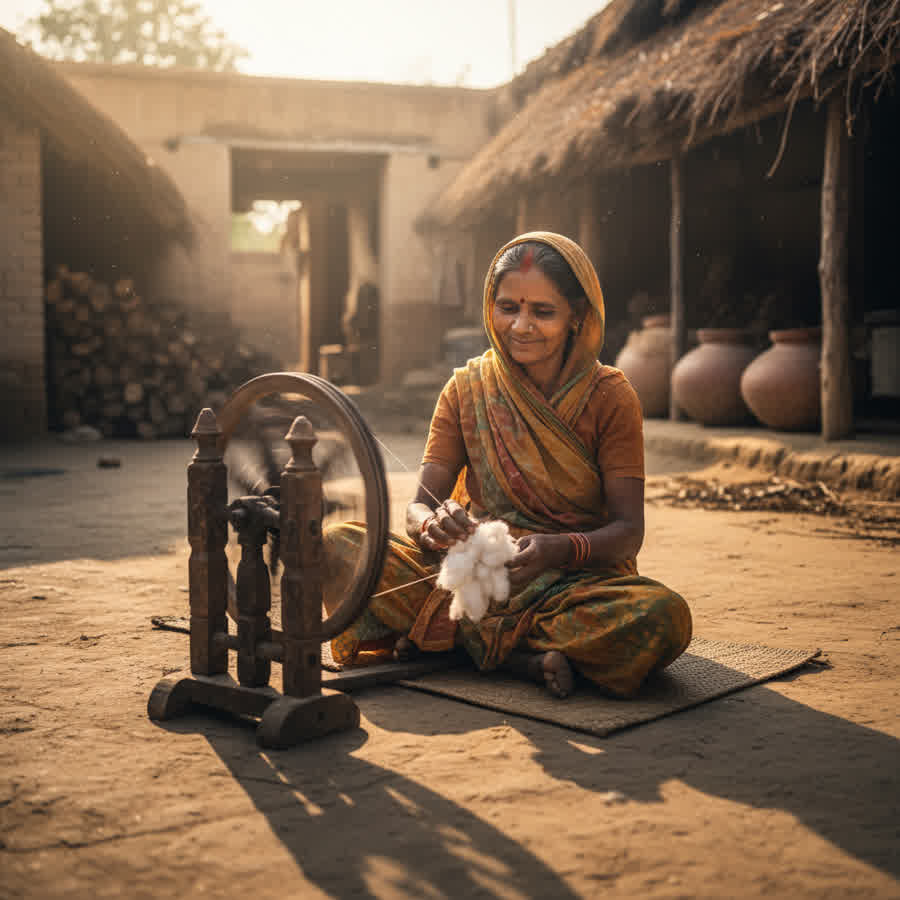
The core difference is how the fibre is twisted and under what tension. Khadi uses hand-spun, zero-twist or low-twist yarn that keeps the cotton's natural staple length largely intact, while mill yarn is drawn and twisted at high speed into a uniform, tight strand.
Hand-Spun vs Machine-Spun Fibre Structure
Staple length is the length of the individual cotton fibres, and it decides how well they grip each other inside a yarn. On a charkha (the hand-operated spinning wheel), the spinner draws fibres gently, so fewer are stretched or snapped along the way. In a mill, high-speed mechanical drafting puts the fibres under much greater stress.
Here is how the two yarns compare in practice:
- Twist level: khadi runs zero-twist to low-twist, while mill yarn is tightly and evenly twisted.
- Yarn profile: khadi is slightly irregular, with slubs (thicker, softer sections). Mill yarn is near-perfectly uniform.
- Fibre damage: gentle hand-drafting keeps more fibres whole. High-tension machine drafting tends to shorten them.
- Fabric character: khadi has a dry, textured hand-feel. Mill cotton has a smooth, consistent finish.
Micro-Gaps and Breathability
Low twist leaves the yarn fuller and looser, which creates micro-gaps between yarns once woven. Air moves through those gaps, and moisture leaves the skin faster. This is the mechanism behind the thermal regulation people notice in khadi, and it holds across the typical 80 to 150 GSM apparel range.
Tightly twisted mill yarn packs fibres closer together. The cloth feels firmer and more uniform, but it gives up some airflow. For designers working with natural fabric materials in warm-climate collections, this gap structure is the real technical advantage.
Tensile Strength & Longevity: Does Pure Khadi Cotton Fabric Last Longer?
Mill-made cotton usually wins on initial tensile strength, but pure khadi cotton fabric often holds its structure and comfort longer through repeated wear. Longevity is about how a fabric ages, not only how hard it is to tear when new.
What Initial Strength Really Measures
Machine spinning delivers uniform twist, and uniform twist gives high strength straight off the loom. That is a real advantage for fabrics under heavy tension, like fitted trousers or structured bags. We do not dispute it.
A new-fabric strength test, however, does not show fatigue. Garments fail through abrasion, repeated flexing and washing, not a single hard pull.
How Each Fabric Ages
Khadi's loose structure lets fibres shift slightly with each wash and wear. The cloth softens and adapts to the body without the yarn losing its integrity. Because the long staple stays intact, there are fewer loose fibre ends to rise and tangle.
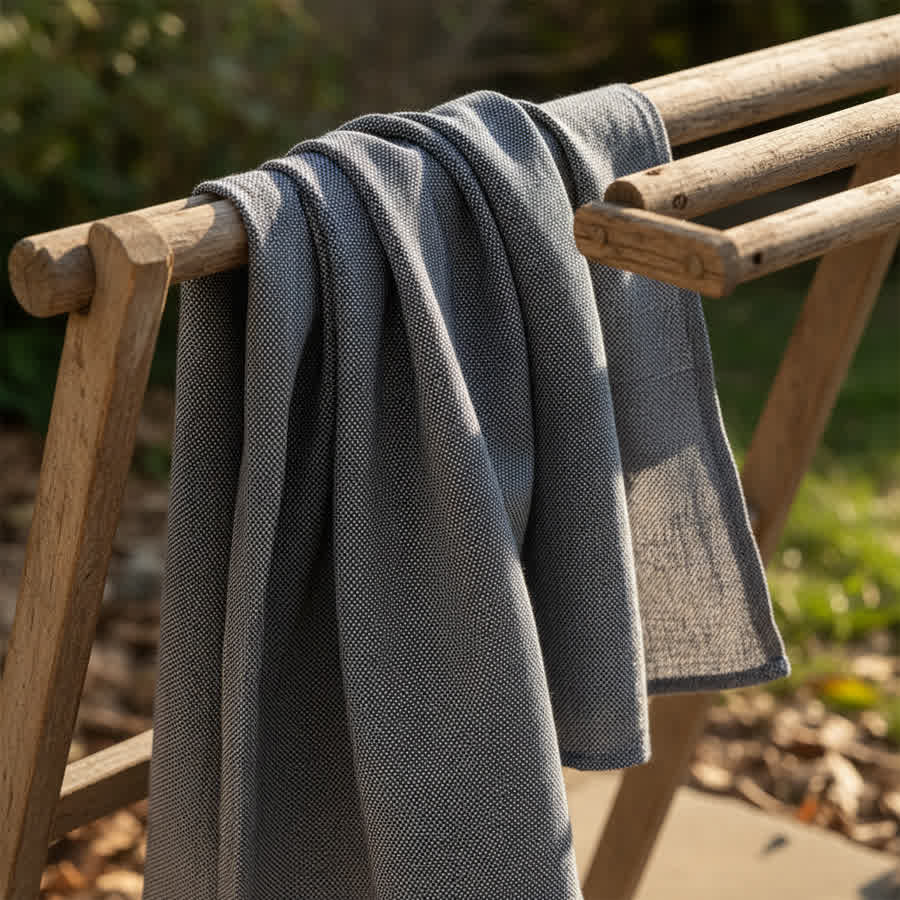
Regular cotton ages differently:
- Pilling: shortened fibres in tight yarn work loose at the surface and ball up with friction.
- Stiffening: high-twist yarn can feel harsher as finishing agents wash out.
- Brittleness at stress points: collars, cuffs and seams that flex constantly are where tightly twisted yarn tends to wear first.
- Surface fade: the smooth finish dulls, and the cloth has no texture to hide the change.
The Caveat Designers Should Hear
Khadi is not indestructible. Very light constructions at the bottom of the GSM range need sensible garment design, with reinforced seams and appropriate stitch density. Care also matters, since harsh detergents and hot tumble drying shorten the life of any natural fibre. Match the weight to the garment, and khadi's ageing curve works in your favour.
Sustainability Metrics: Why Khadi Ranks Among the Most Sustainable Fabrics
Khadi ranks among the most sustainable fabrics because spinning and weaving are done by hand, giving it a near-zero carbon footprint at the two most energy-intensive stages of cloth making. Mill cotton needs continuous electricity for carding, spinning and weaving.
Energy and Process Footprint
With hand-spinning and handloom weaving, the machinery is human-powered, and the factory floor is a weaver's home or a small shed. That removes the industrial energy load from yarn and fabric production. It also keeps income in rural households instead of concentrating it in a single plant.
For ESG reporting, this gives you something concrete to say:
- No electricity in spinning or weaving.
- Decentralized production across rural clusters.
- Traceable hands, since each lot can be tied to a weaving group.
- Low mechanical waste, as handlooms produce little off-cut from setup.
Water Use and Organic Cotton Sourcing
Water impact depends mostly on the fibre and the finishing, not the loom. That is why the strongest sustainability case pairs handwoven structure with organically grown cotton, and why interest in organic cotton material wholesale sits alongside khadi in many sourcing briefs. Ask suppliers where the fibre was grown and how the fabric was dyed and washed.
Industry bodies such as Textile Exchange and Common Objective publish guidance on fibre sourcing and responsible production, and they are useful references when you draft claims. The Khadi and Village Industries Commission (KVIC) is the statutory body that promotes and certifies khadi in India. Avoid vague claims like "eco-friendly" and state the specific facts you can document, such as handspun, handwoven, and the region of origin.
Cost vs. Value: Decoding Khadi Cotton Fabric Price for B2B Buyers
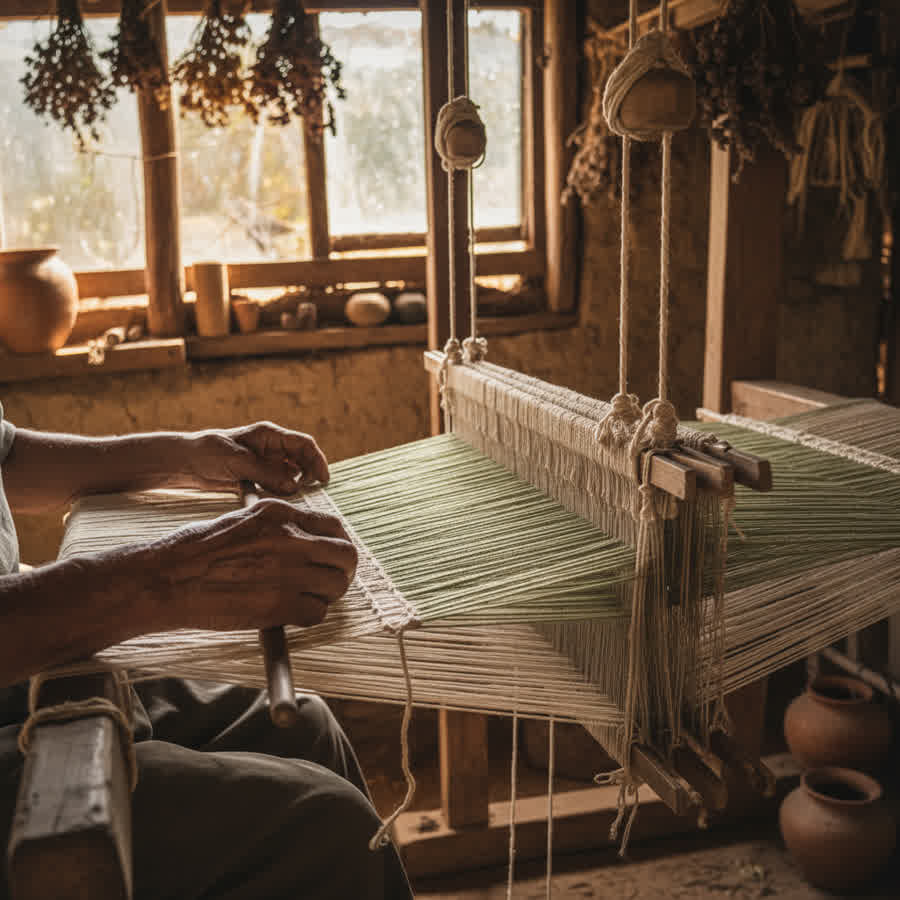
Khadi cotton fabric price is higher per metre than mill cotton because it carries fair artisan wages and slower production. The better comparison is cost per wear and the retail premium the fabric supports.
What Drives Wholesale Pricing
Several factors shape the quote you receive:
- Hand labour time: spinning and weaving by hand takes far longer than machine output.
- Yarn count and GSM: finer, lighter cloth takes more skill and time.
- Weave complexity: plain weaves cost less than jacquards or dobby textures.
- Dye method: natural or small-batch dyeing adds cost and lead time.
- Order volume: cluster capacity limits how fast large lots can be woven.
Pricing that looks unusually low for pure khadi should raise questions about whether the cloth is handspun, or a powerloom imitation sold under the name.
Where the Value Comes From
A higher metre price can still lower your cost per wear if the garment lasts longer and sheds fewer returns for pilling or stiffness. The cloth also supports a story your customer can repeat: made by hand, traceable to a region, and fairly paid. That story is what lets cotton material clothes from artisanal cloth sit at a premium retail tier.
We keep our pricing conversations transparent, because buyers who understand the wage structure plan better. Share your forecast early, since handloom capacity is scheduled around weaving cycles, and lead time is the cost most often underestimated. Brands that plan ahead get consistent quality and fewer rush premiums.
Khadi Cotton is Good or Bad for Your Next Collection? A Sourcing Checklist
Khadi cotton is good for collections that prize breathability, texture and traceability, and a poor fit for designs that need a perfectly uniform, glossy finish. Decide by garment type, weight and tolerance for natural variation.
Matching GSM to Garment Type
Khadi fabric for apparel typically runs 80 to 150 GSM. As a general guide:
- Lighter end: shirting, blouses, dresses, scarves and summer layers.
- Mid-range: kurtas, co-ord sets, relaxed trousers and unstructured jackets.
- Heavier end: structured outerwear and garments that need body.
Always request a swatch and test it against your own pattern before committing to bulk.
Sourcing Khadi Cotton Fabric Online Without the Risk
Buying online works when the supply chain is visible. Use this checklist before you place an order:
- Origin proof: ask for the weaving cluster and spinning source.
- Authenticity: confirm handspun yarn, not powerloom cloth labelled as khadi.
- Swatches and specs: verify GSM, width and weave on a physical sample.
- Shrinkage allowance: build it into your tech pack, or buy pre-washed cloth.
- Lead times: agree on schedules that respect handloom capacity.
- Natural variation: set expectations on slubs and small colour shifts with your own team.
Sourcing through a decentralized artisan network gives you direct access to weavers and lets you verify claims. Handled this way, the buying risk drops and the supply chain story becomes something you can publish with confidence.
Explore Our Collection
Anuprerna works directly with handloom artisan clusters to weave khadi cotton fabric for designers and brands building considered collections. To source it for your next line, explore the range below.
frequently asked questions
What is the exact difference between khadi and regular sustainable cotton fabric?
Khadi is both hand-spun and handwoven, meaning zero electricity is used in yarn creation and weaving. Regular sustainable cotton may be organically grown but is typically machine-spun and mill-woven, resulting in a more uniform but less breathable textile.
How does the durability of handwoven cotton fabric compare to mill-made cotton material?
Mill-made cotton has higher initial tensile strength, but khadi often outlasts it in comfort and structural integrity over years of use if cared for properly. The tight, uniform machine twist of mill cotton gives early strength, while khadi's loose twist allows the fabric to breathe and soften with washing.
Where can I source authentic khadi cotton fabric wholesale?
Authentic khadi should be sourced directly from decentralized artisan networks or certified bodies. Anuprerna provides traceable khadi cotton fabric online, connecting B2B buyers directly with rural Indian weavers to ensure authenticity and fair trade.
Does pure khadi cotton fabric shrink more than regular cotton?
Yes, it can shrink slightly more, with about 3-5% shrinkage during the first wash, because it is handwoven with lower tension. B2B buyers should account for this in their tech packs and pattern grading, or opt for pre-washed organic cotton material wholesale.
Is khadi cotton good or bad for fashion collections?
Khadi cotton is good for collections that value breathability, natural texture and a traceable story, but it is less suited to designs that need a well-made, uniform finish. Its slubs and slight variation are part of the character, so match the GSM to the garment and set expectations with your customers.
More Blogs
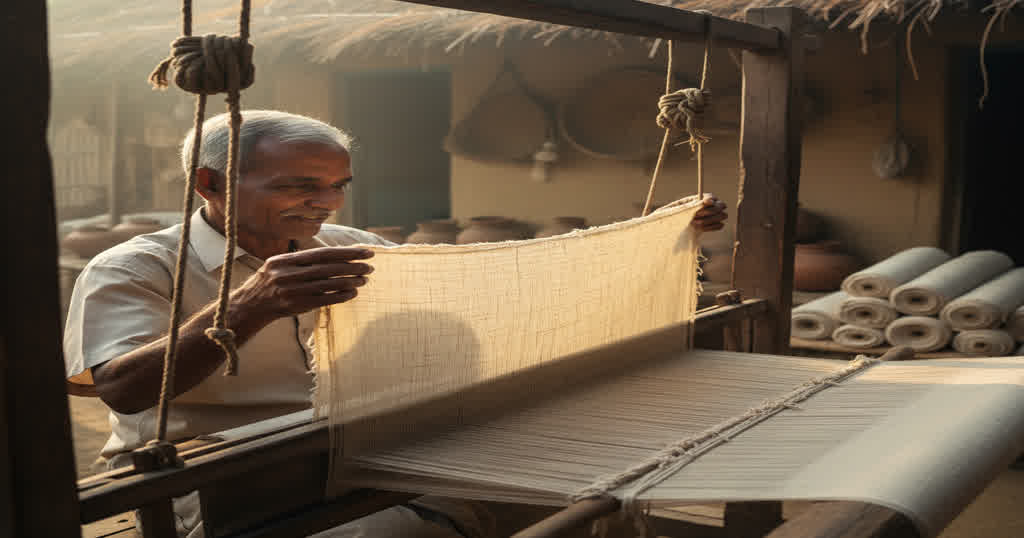
why designers choose indian fabric wholesale for unique collections
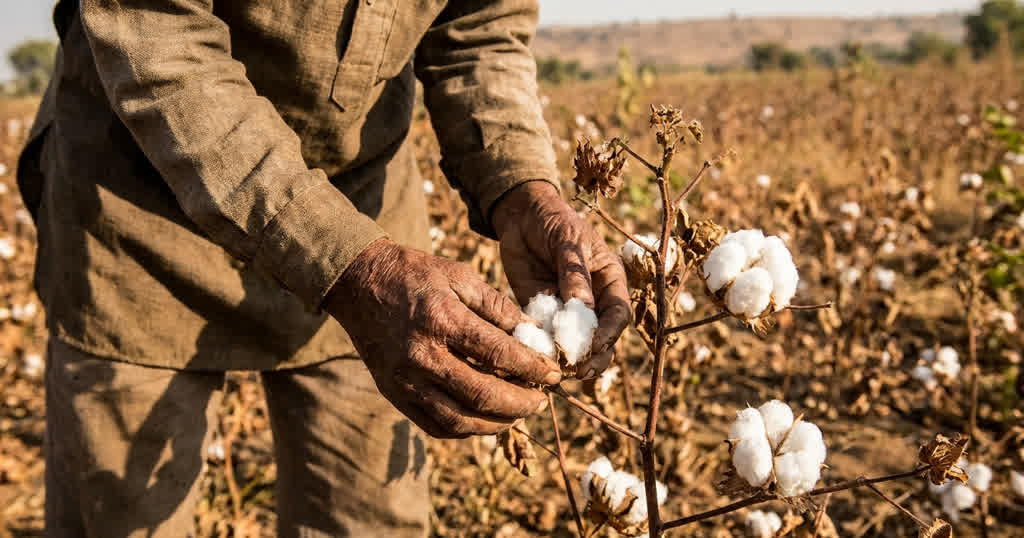
organic fabric suppliers in india: a guide for fashion brands & designers
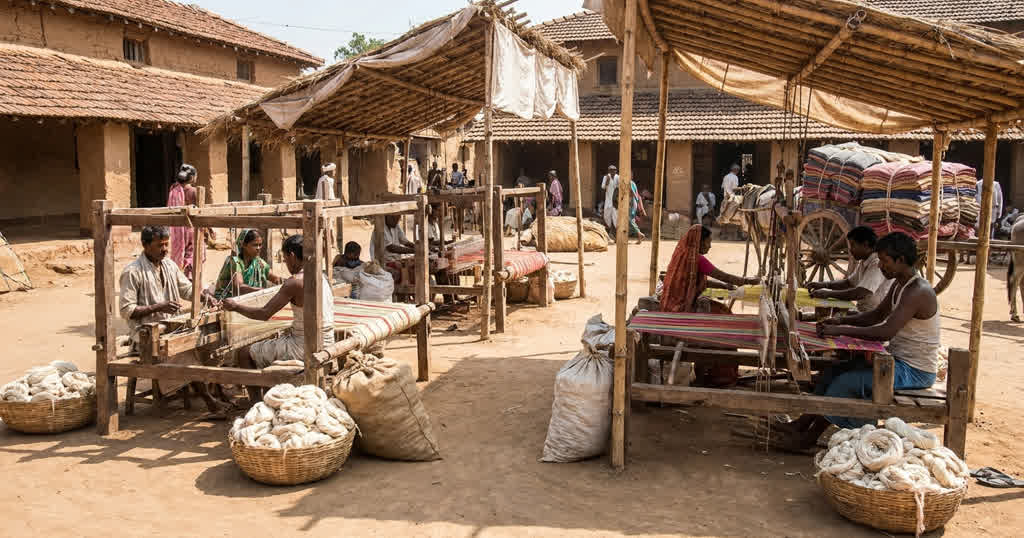
how fabric wholesalers help fashion brands scale faster
lightweight silk fabric: a guide to types, qualities & indian suppliers
silk fabric suppliers in india: a guide to lightweight & breathable silks
why yarn-dyed khadi cotton faric is the premium choice for contemporary styling