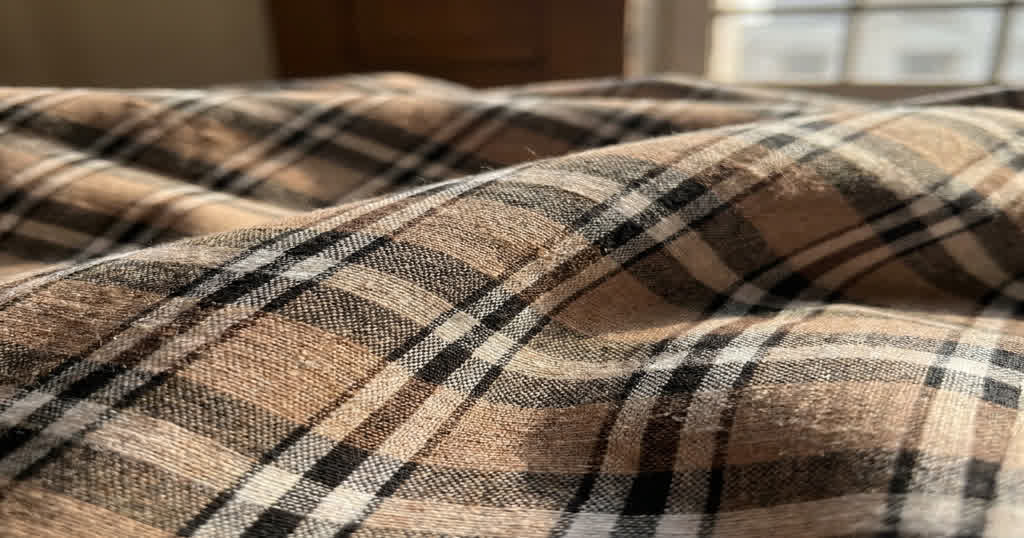
Why Yarn-Dyed Khadi Cotton Faric is the Premium Choice for Contemporary Styling

The search for textiles that hold their structure while offering an authentic, tactile finish often leads designers to re-evaluate their raw materials. Sourcing yarn-dyed cotton fabric from rural Indian handloom clusters provides a distinct alternative to flat, uniform mill-made textiles. This specific material choice directly impacts how a garment drapes, how it retains color after repeated washing, and the environmental footprint it leaves behind. Modern collections require materials that carry a verifiable history without compromising on technical performance.
The tradition of hand-spinning and dyeing yarn before weaving creates a textile with inherent micro-pores and deep color penetration. Choosing this artisanal route ensures that the resulting garments offer superior thermal regulation and a compelling sustainability narrative rooted in the Swadeshi movement.
Decoding the Weave: The Structural Superiority of Yarn-Dyed Cotton Fabric
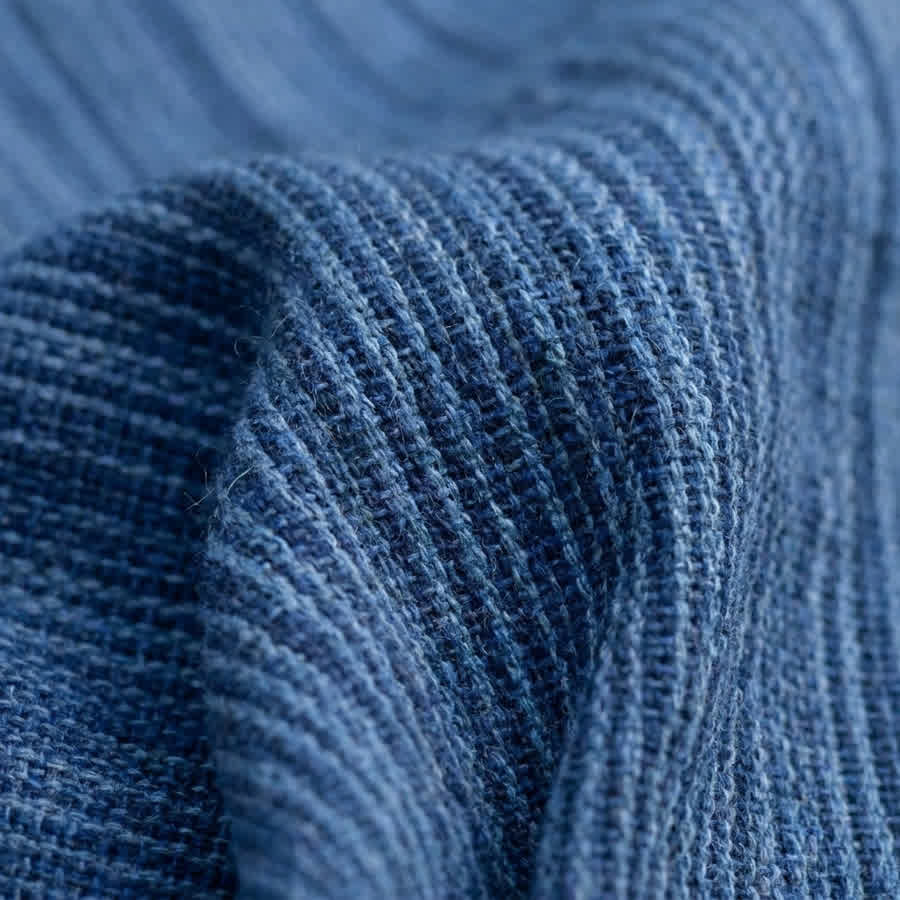
Dyeing khadi cotton yarn before it reaches the loom ensures that pigment penetrates the core of every fiber, resulting in superior colorfastness and the ability to weave intricate structural motifs. This pre-weaving dye process creates a richer, more resilient textile compared to piece-dyed alternatives where color only coats the surface.
The Mechanics of Core Penetration
The artisanal dyeing process relies on immersing low-twist yarns into vats of azo-free dyes or natural pigments. Because the yarn is dyed in its raw, un-woven state, the liquid fully saturates the fiber core. This deep saturation prevents the fading and uneven wear often seen in mass-produced garments.
Designers specifying yarn-dyed cotton fabric benefit from several technical advantages during garment construction:
- High colorfastness: The dye bonds deeply with the cellulose, ensuring the fabric retains its original hue through extensive wear.
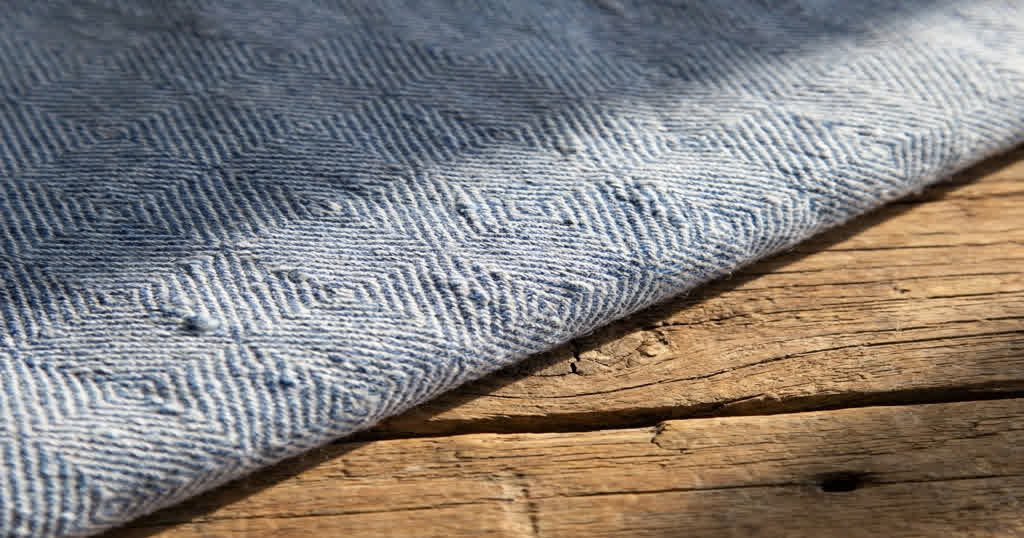
- Structural motifs: Weavers can interlace different colored yarns to create permanent checks, stripes, and complex geometric patterns directly into the weave.
- Reduced chemical load: Utilizing targeted azo-free dyes on yarn batches minimizes water waste and chemical runoff compared to industrial piece-dyeing.
Achieving Tonal Depth
When weavers interlace pre-dyed warp and weft threads, the resulting handloom khadi cotton fabric exhibits a subtle, multidimensional visual texture. This depth is impossible to replicate by simply printing or dyeing a finished piece of cloth. The interplay of slightly varied yarn tones creates a rich, organic hand-feel that signals premium quality to the end consumer.
By securing the color at the yarn stage, the final textile maintains a softer drape. Piece-dyeing often requires harsh chemical fixatives that stiffen the material. In contrast, yarn-dyeing preserves the natural flexibility of the pure khadi cotton fabric, allowing it to move naturally with the wearer. This structural superiority makes it an ideal foundation for high-end contemporary styling.
The historical context of this method adds another layer of value. Rooted in India's Swadeshi movement, the practice of yarn-dyeing in rural clusters has been refined over centuries. These traditional techniques ensure that every meter of yarn-dyed cotton fabric carries a legacy of self-reliance and meticulous craftsmanship. This combination of historical pedigree and technical performance provides a compelling narrative for modern fashion lines.
Beyond the Mill: The True Difference Between Khadi and Cotton
The fundamental difference between khadi and cotton lies in the spinning process; khadi is exclusively hand-spun on a charkha, creating a low-twist yarn with inherent irregularities, whereas conventional cotton is machine-spun into uniform, high-twist threads. This manual spinning creates micro-pores within the yarn, giving khadi superior breathability and a distinct slub texture.
The Science of Hand-Spun Yarn
Conventional mill-spun cotton prioritizes speed and uniformity, resulting in a dense, tightly packed thread. In contrast, spinning khadi cotton yarn by hand introduces natural variations in thickness. These variations are not defects; they are structural features that define the textile's performance.
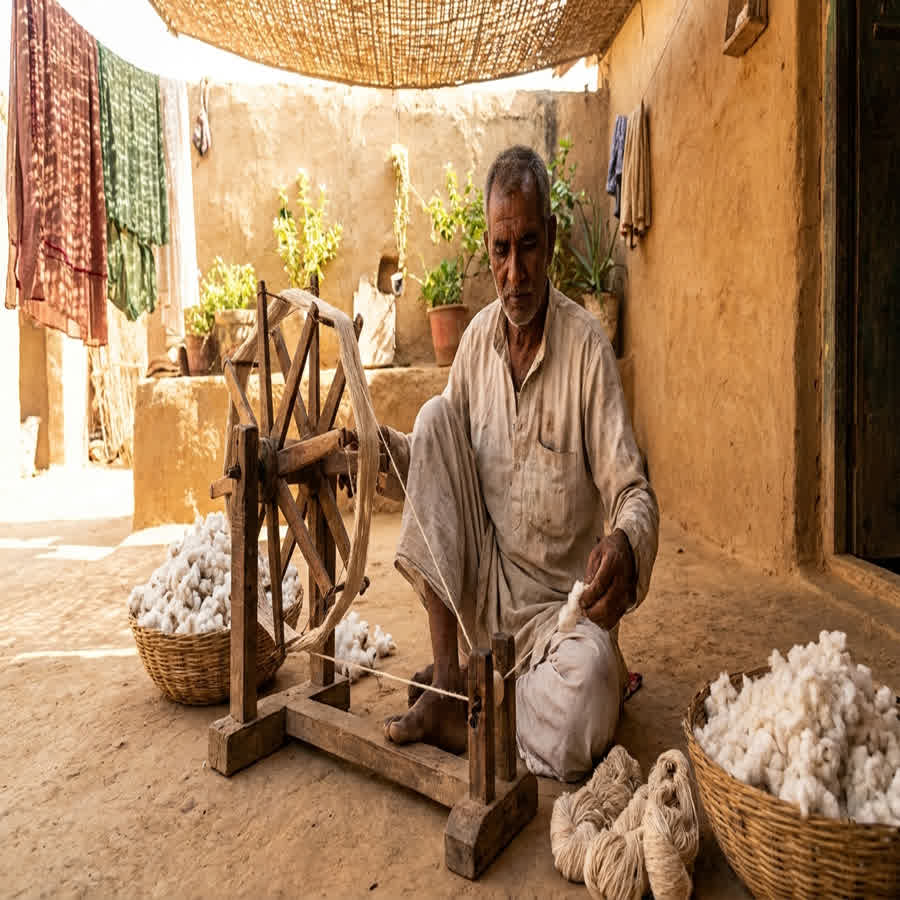
The hand-spinning process yields specific material benefits:
- Inherent micro-pores: The loose twist of the yarn traps air, providing excellent thermal regulation that keeps the wearer cool in summer and warm in winter.
- High breathability: The open structure allows moisture to evaporate quickly, making pure khadi cotton fabric highly comfortable for prolonged wear.
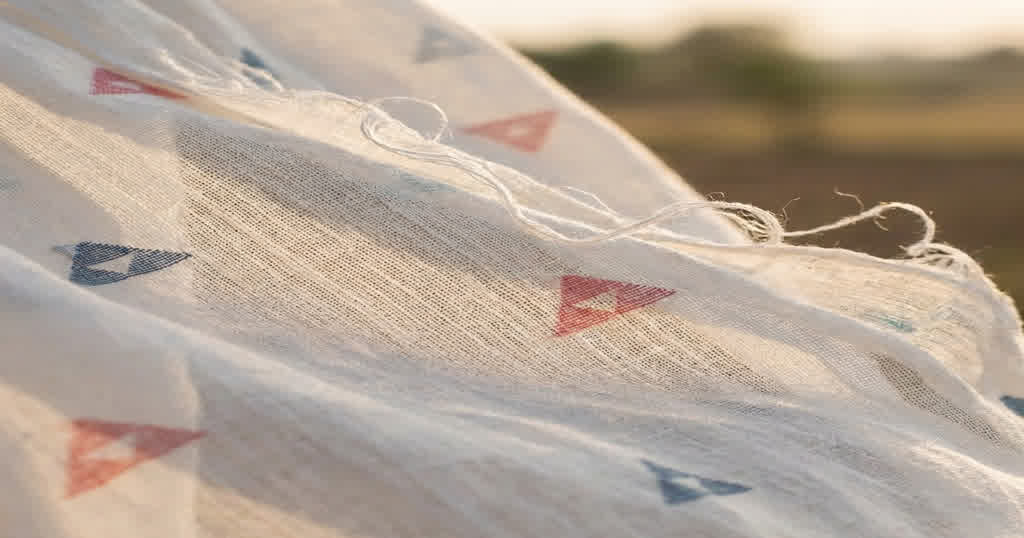
- Distinctive slub texture: The irregular yarn thickness creates a tactile, organic surface that adds visual interest to minimalist silhouettes.
Rejecting Uniformity for Character
Mass-market fashion relies on the predictable, flat surface of mill-made textiles. However, premium brands are actively seeking materials that offer a unique sensory experience. The subtle imperfections found in handloom khadi cotton fabric provide a visual signature that cannot be mass-produced.
This structural uniqueness directly influences how the fabric interacts with dyes. The varying thickness of the khadi cotton yarn absorbs pigment at slightly different rates. When this yarn is dyed before weaving, the resulting yarn-dyed cotton fabric displays a beautiful, heathered effect. This organic variation is a hallmark of authentic artisanal production.
Understanding the difference between khadi and cotton allows designers to justify premium pricing. The labor-intensive nature of hand-spinning and hand-weaving results in a low-carbon, zero-waste material. By choosing khadi, brands invest in a textile that prioritizes environmental responsibility and exceptional tactile quality over industrial speed.
Engineering Contemporary Silhouettes with Handloom Khadi Cotton Fabric
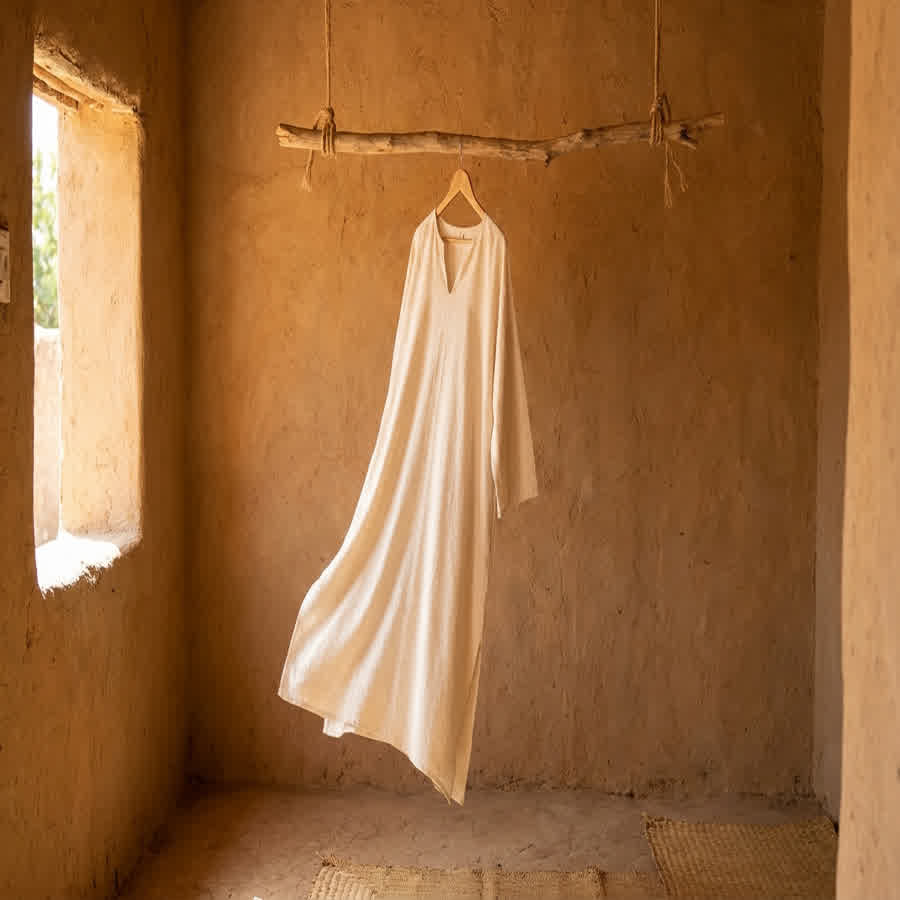
Handloom khadi cotton provides the necessary structural integrity and varied weight profiles required to engineer modern, architectural silhouettes. Ranging from sheer overlays to structured tailoring, the specific GSM of the fabric dictates its drape, making it a highly versatile material for contemporary fashion design.
Selecting the Right GSM
The weight of a textile fundamentally determines its application in garment construction. Handloom khadi cotton fabric is typically woven in a range of weights, allowing designers to source the exact specifications needed for their collections. Understanding these weight categories is essential for successful pattern drafting.
Designers can specify khadi cotton dress material across the following standard weights:
- 60 GSM: A lightweight, sheer profile ideal for summer blouses, breathable linings, and fluid overlays.
- 100 GSM: A versatile mid-weight option offering a soft, balanced drape suitable for everyday shirting and relaxed tunics.
- 150 GSM: A heavier, opaque construction that provides the structural integrity necessary for tailored trousers, jackets, and structured dresses.
Tailoring and Drape
The low-twist nature of khadi cotton yarn gives the fabric a unique mechanical stretch, even without synthetic blends. This subtle flexibility allows the material to mold comfortably to the body while maintaining crisp lines in tailored garments. When cut on the bias, pure khadi cotton fabric exhibits a graceful, fluid drape that enhances asymmetrical and voluminous designs.
Using yarn-dyed cotton fabric further improves the construction process. Because the pattern is woven directly into the cloth, the fabric is reversible, offering clean finishes on unlined garments. This dual-sided nature reduces bulk at the seams and allows for innovative, deconstructed styling techniques.
Sourcing the correct khadi cotton dress material ensures that the final garment performs exactly as intended. The combination of precise GSM selection and the inherent breathability of the hand-spun yarn results in clothing that is both architecturally striking and exceptionally comfortable. This technical versatility makes khadi an indispensable resource for premium contemporary labels.
Traceability as a Premium Asset: Sourcing from Decentralized Artisan Clusters
Sourcing from decentralized artisan clusters provides B2B buyers with a verifiable, transparent supply chain that modern consumers demand. This localized production model ensures that every batch of fabric is ethically produced, offering an exclusive, traceable narrative that significantly strengthens the brand's market positioning.
The Mechanics of Decentralized Production
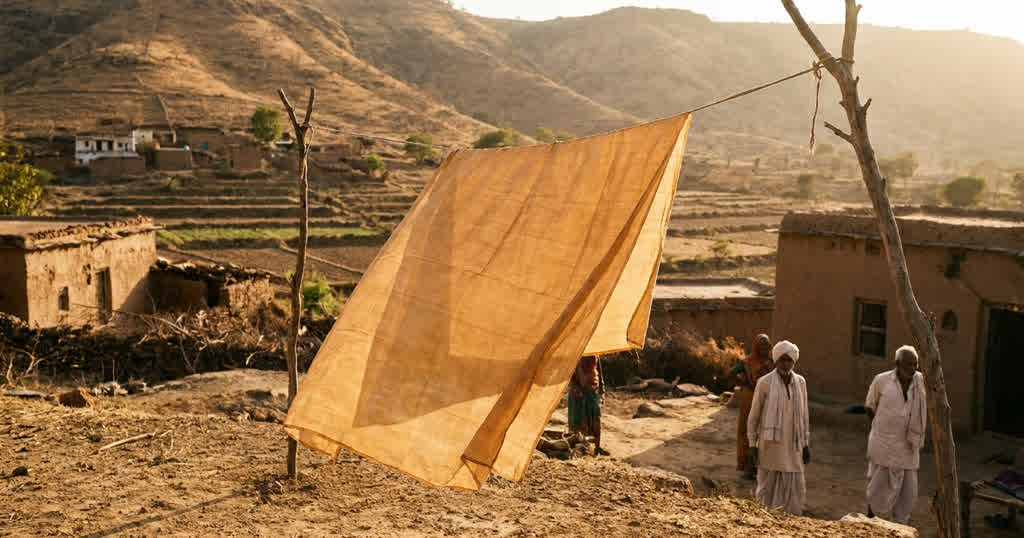
Unlike centralized industrial mills, the production of handloom khadi cotton fabric occurs across networks of rural weavers and spinners. At Anuprerna, we coordinate with these independent artisans to maintain rigorous quality standards while preserving traditional techniques. This decentralized approach distributes economic benefits directly to rural communities.
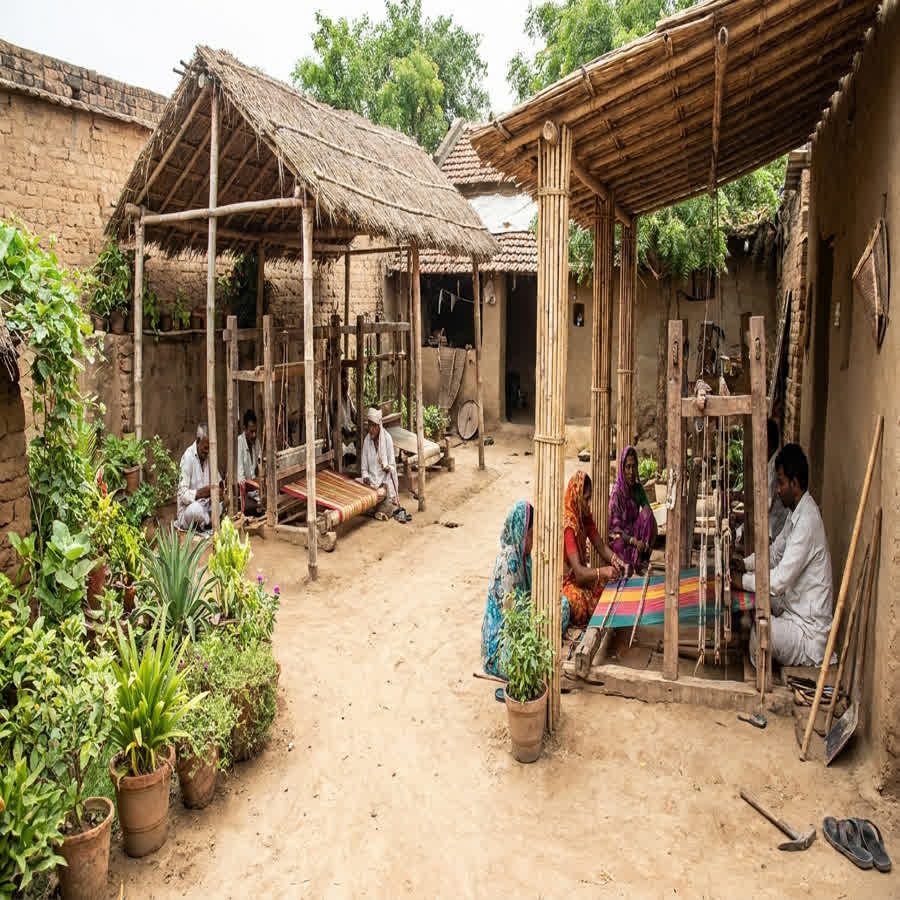
Operating a decentralized supply chain offers specific advantages for B2B sourcing:
- Verifiable provenance: Each batch of yarn-dyed cotton fabric can be traced back to specific weaving clusters, providing a compelling farm-to-fabric story.
- Zero-carbon manufacturing: The reliance on manual charkhas and handlooms eliminates the heavy energy consumption associated with industrial textile mills.
- Customized batch production: Working directly with artisans allows for flexible minimum order quantities (MOQs) and bespoke structural motifs tailored to a brand's specific needs.
Building a Sustainable Narrative
Contemporary fashion brands are aggressively shifting toward traceable, slow-fashion supply chains. The modern consumer expects transparency, and brands must provide concrete evidence of their ethical sourcing. By integrating pure khadi cotton fabric into their collections, designers acquire a built-in sustainability narrative.
The use of khadi cotton yarn represents a commitment to preserving heritage craft and supporting rural livelihoods. This ethical provenance is no longer a niche marketing angle; it is a baseline requirement for premium positioning. When a brand can clearly articulate the origin and production methods of their khadi cotton dress material, they build deep trust with their audience.
We ensure that the transition to artisanal sourcing is reliable and consistent. By standardizing the dyeing and weaving processes across our clusters, we deliver the technical precision required for commercial fashion while maintaining the authentic, handcrafted feel of the textile. This balance of reliability and artisanal exclusivity makes decentralized sourcing a powerful asset.
Explore Our Collection
Anuprerna works directly with handloom artisan clusters to weave yarn-dyed cotton fabric for designers and brands building considered collections. To source it for your next line, explore the range below.
frequently asked questions
What is the technical difference between khadi and regular mill-made cotton?
While both utilize cotton fiber, pure khadi cotton fabric is strictly hand-spun and hand-woven. Hand-spinning creates a low-twist yarn with inherent irregularities (slubs) and micro-pores, making it significantly more breathable and thermally regulating than uniform, tightly twisted mill-spun cotton.
Why choose yarn-dyed cotton fabric over piece-dyed alternatives for premium collections?
Yarn-dyeing involves dyeing the khadi cotton yarn before the weaving process begins. This ensures the dye penetrates the core of the fiber, resulting in superior colorfastness, reduced fading, and the ability to weave intricate, multi-colored structural patterns directly into the fabric.
What GSM range is typical for handloom khadi cotton dress material?
Handloom khadi cotton fabric typically ranges from 60 GSM (lightweight, sheer, ideal for summer overlays and shirting) to 150 GSM (medium weight, opaque, well suited for structured dresses, trousers, and contemporary tailoring).
How does Anuprerna ensure color consistency in yarn-dyed khadi across B2B orders?
While slight tonal variations are the hallmark of authentic artisanal khadi, Anuprerna maintains strict quality control by using standardized azo-free dyes, dyeing yarn in calculated master batches, and working with master dyers in our decentralized clusters to ensure commercial viability without losing artisanal authenticity.
How does the breathability of khadi cotton impact garment longevity?
The inherent micro-pores in hand-spun khadi cotton allow moisture to evaporate rapidly, preventing the buildup of sweat and bacteria that degrade fibers over time. This natural ventilation means garments require less frequent, harsh washing, thereby extending the lifespan of the pure khadi cotton fabric and maintaining its structural integrity.
More Blogs
silk fabric suppliers in india: a guide to lightweight & breathable silks
designer kurta for men: the role of fabric, texture and handloom craft
cotton shirts for men online: a guide to fabric types, weaves and quality
is jacquard fabric good or bad for upholstery and apparel?
is silk good for hot weather? a summer fabric analysis
breathability tested: why handwoven cotton outperforms blends in summer