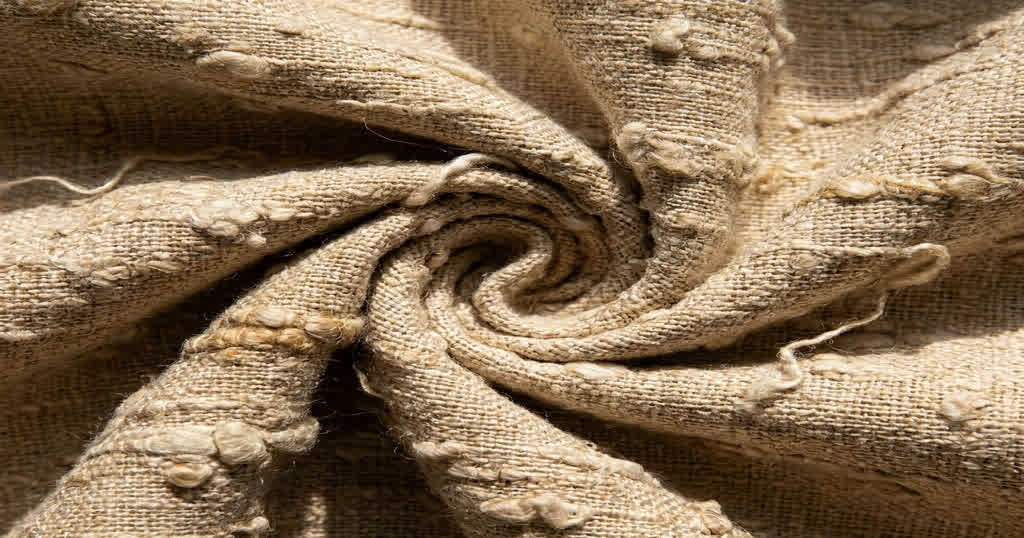
How To Sew With Raw Silk: Tips For Textile Designers

A designer unrolling a fresh bolt of handwoven raw silk immediately notices the distinct, nubby texture that sets it apart from highly processed synthetics. The natural sericin retention gives the fabric an earthy appeal, but that same characteristic can cause tension issues and seam slippage during garment construction. Mastering the mechanics of sewing these textured yarns is essential for creating durable, high-value garments. Understanding how to handle these artisanal materials ensures that the final piece honors the rural Indian handloom weavers who crafted it, while meeting the strict quality standards required for sustainable luxury collections.
Understanding Raw Silk Varieties: Tussar, Eri, and Mulberry
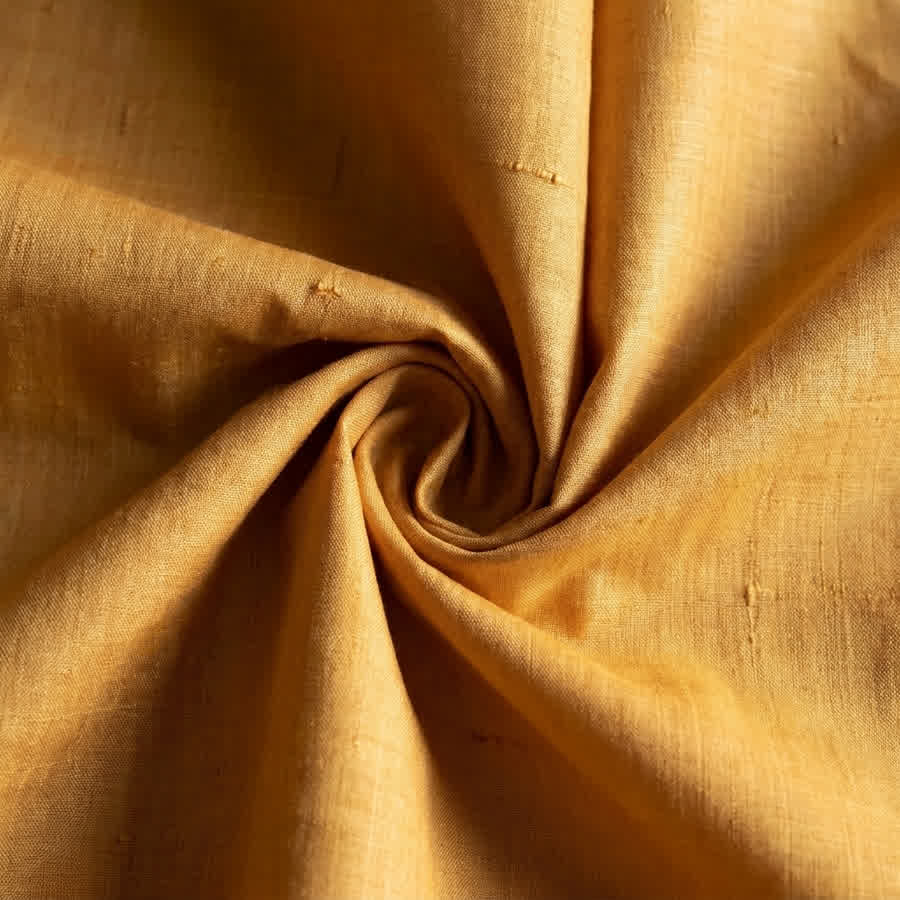
The primary varieties of raw silk include Tussar, Eri, and Mulberry, each offering distinct structural differences, GSM weights, and drape characteristics based on their natural sericin levels. Understanding these variations allows designers to select the exact fiber profile required for their specific garment construction.
Unlike conventional silk that is fully boiled to remove its natural gum, raw varieties retain their natural sericin, giving them a higher coefficient of friction and a beautiful matte finish. This minimal processing typically results in a GSM range of 80 to 150+, providing substantial body for structured silhouettes.
The Crisp Drape of Tussar Silk
Tussar silk is a wild variety traditionally cultivated by indigenous communities in rural India, particularly in regions like Jharkhand and Bihar. The fibers produce a dry, crisp hand-feel that holds volume exceptionally well.
Designers often choose this variety when constructing garments that require architectural shapes or sharp pleating. The inherent stiffness of the textured yarns means the fabric resists clinging, offering a structured drape that stands away from the body.
The Thermal Properties of Eri Silk
Eri silk, often referred to as peace silk, originates heavily from Assam and behaves thermally very much like wool. The fibers are spun rather than reeled, creating a denser, softer textile with excellent insulating properties.
When working with this variety, designers will notice it has a heavier, more relaxed drape compared to Tussar. The dense weave structure makes it highly versatile for tailored jackets, transitional outerwear, and garments requiring a soft, enveloping weight.
The Classic Appeal of Mulberry Silk
While often associated with high-shine satins, handloomed Mulberry silk in its raw form offers a refined yet textured alternative. It generally features a finer yarn count than wild silks, resulting in a smoother surface while still retaining a subtle, artisanal slub.
This variety bridges the gap between rustic handlooms and conventional luxury textiles. The consistent fiber length provides a predictable sewing experience, making it an excellent entry point for designers transitioning to low-impact, decentralized supply chains.
Pre-Production Prep: Stabilizing Handloom Silk
To stabilize handloom silk before production, designers must manage natural shrinkage by pre-washing or heavily steaming the yardage, followed by blocking the fabric and applying lightweight interfacing. These critical preparation steps prevent distortion and ensure dimensional stability before the cutting phase begins.
Because handwoven textiles are created on manual looms, the yarns retain a degree of natural tension that relaxes upon contact with moisture or heat. Skipping the pre-production preparation often leads to twisted seams and altered fits after the final garment is cleaned.
Managing Natural Shrinkage
Handloom silks typically experience a shrinkage rate of 3 to 5 percent during their first exposure to moisture or heavy steam. Designers must account for this reduction when calculating their initial yardage requirements.
To mitigate this, the fabric should undergo a thorough steaming process or a gentle pre-wash, depending on the intended care instructions for the final piece. This step forces the textured yarns to contract fully, locking the weave structure into its permanent state.
Blocking and Grain Alignment
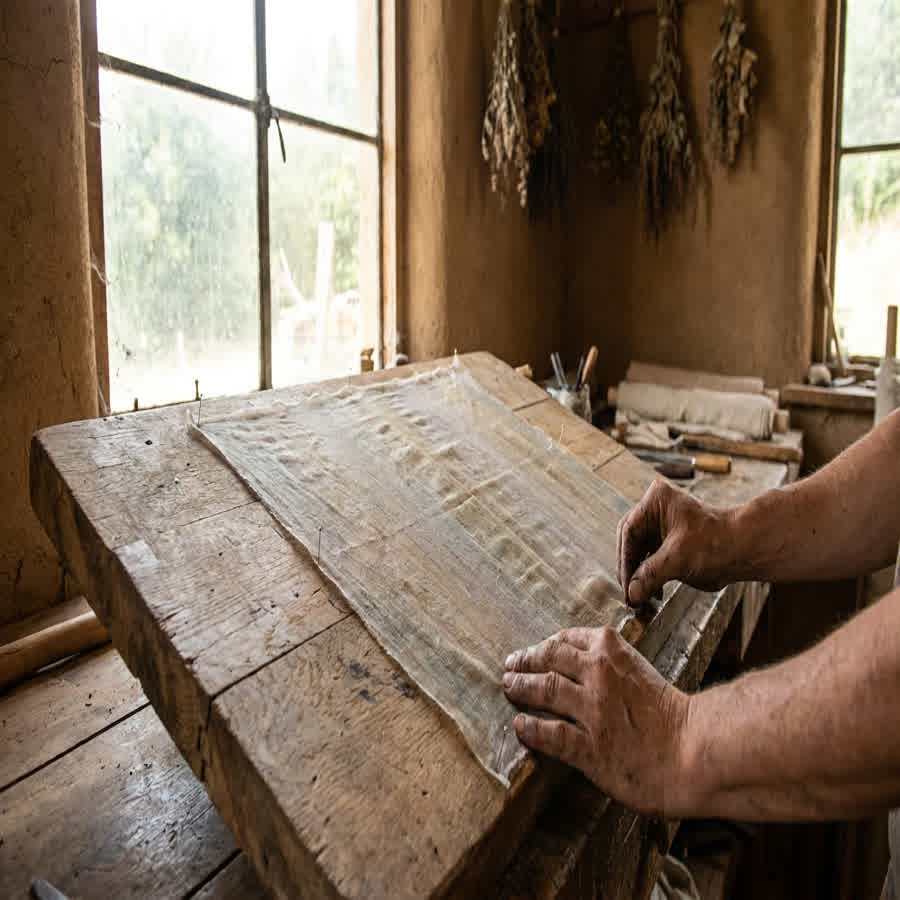
Once the fabric is stabilized against shrinkage, it must be carefully blocked to restore the true grain line. Handwoven materials can sometimes shift off-grain during transport or the initial washing phase.
Designers should pull the fabric gently along the bias until the selvedge edges sit perfectly parallel and the crosswise threads run at a strict right angle. Pinning the yardage to a large cutting table and applying a light, even steam helps set the aligned fibers in place.
Strategic Use of Interfacing
Applying lightweight fusible interfacing is essential for preventing distortion in high-stress areas like necklines, armholes, and button plackets. The interfacing provides necessary structural support without compromising the fabric's natural drape.
When selecting stabilizers, designers should follow these specific guidelines:
- Choose silk organza or ultra-sheer cotton batiste as a natural sew-in alternative to synthetics.
- Test fusible options on a scrap piece to ensure the adhesive does not alter the matte finish of the right side.
- Cut interfacing pieces slightly smaller than the seam allowance to reduce bulk in the final enclosed seams.
Needle, Thread, and Tension: The Mechanics of Sewing Raw Silk
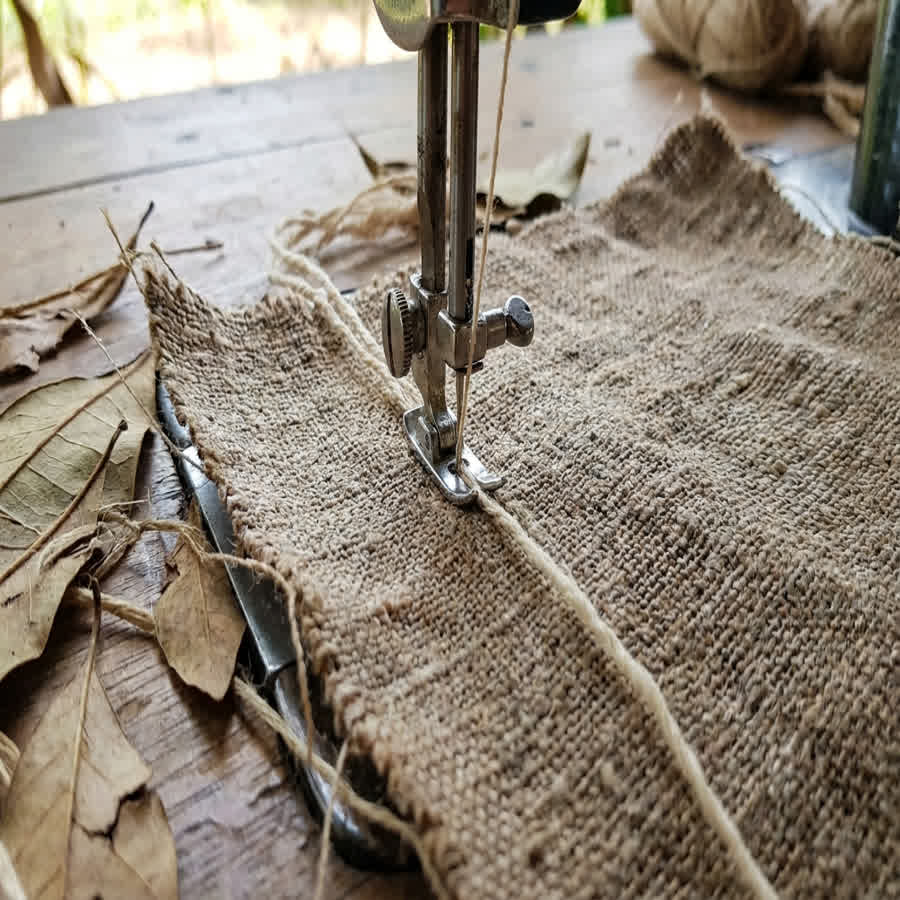
The mechanics of sewing raw silk require the use of sharp Microtex needles, high-quality silk or cotton threads, and a significantly lower machine tension to prevent fiber breakage and seam puckering. Calibrating the sewing machine to accommodate the dense, textured yarns is vital for achieving clean, professional stitches.
Because the sericin is not fully boiled off, the fibers present a higher coefficient of friction that can easily snag blunt needles or snap weak threads. Proper mechanical setup protects both the integrity of the handloom fabric and the efficiency of the production line.
Selecting the Correct Needle
Standard universal needles often struggle to pierce the dense weave of handwoven silks, leading to skipped stitches and damaged yarns. Designers must switch to Microtex needles, specifically in sizes 70/10 or 80/12, for optimal results.
These specialized needles feature an acutely sharp point designed to slide cleanly between the tightly packed fibers rather than punching through them. Changing the needle frequently, ideally after every major garment assembly, ensures the point remains sharp enough to handle the crisp, dry texture.
Thread Compatibility
Pairing the right thread with the fabric is crucial for maintaining seam strength and visual harmony. Synthetic polyester threads can sometimes be too abrasive, gradually cutting through the softer natural silk fibers over time.
For a strong results, designers should utilize the following thread options:
- High-quality silk thread offers the well suited tensile match and blends flawlessly into the fabric's natural sheen.
- Long-staple cotton thread provides a strong, matte finish that complements the rustic aesthetic of wild silks.
- Fine cotton-wrapped polyester can be used in high-stress seams where extra durability is required without sacrificing the soft hand-feel.
Calibrating Machine Tension
The inherent friction of unboiled silk requires a lower thread tension to prevent the seams from puckering. If the top tension is too tight, the fabric will gather slightly along the stitch line, ruining the garment's drape.
Designers should test their stitches on a folded scrap of the exact yardage, adjusting the dial until the bobbin and top threads interlock perfectly in the center of the fabric layers. A slightly longer stitch length, typically around 2.5mm to 3.0mm, also helps accommodate the nubby texture without compressing the weave.
Advanced Seam Finishes for Luxury Silk Garments
The most effective seam finishes for luxury silk garments include French seams, bound edges like the Hong Kong finish, and flat-felled seams, which specifically combat fraying and seam slippage in loosely woven textures. Implementing these enclosed techniques ensures the interior of the garment remains as durable and refined as the exterior.
Handwoven textiles, particularly those with a lower GSM range, are naturally prone to unraveling at the cut edges. Standard overlocking or serging is often insufficient for high-end construction, as the threads can easily pull away from the textured weave structure.
Preventing Seam Slippage
Seam slippage occurs when the warp and weft yarns pull apart under stress, exposing the stitching and weakening the garment. This is a common challenge when working with loosely woven raw silk.
To counteract this, designers must incorporate wider seam allowances, typically a minimum of 5/8 inch, to provide a secure anchor for the stitches. Applying a narrow strip of fusible seam tape along the stitching line of fitted areas, such as armholes and side seams, offers an invisible layer of reinforcement against tension.
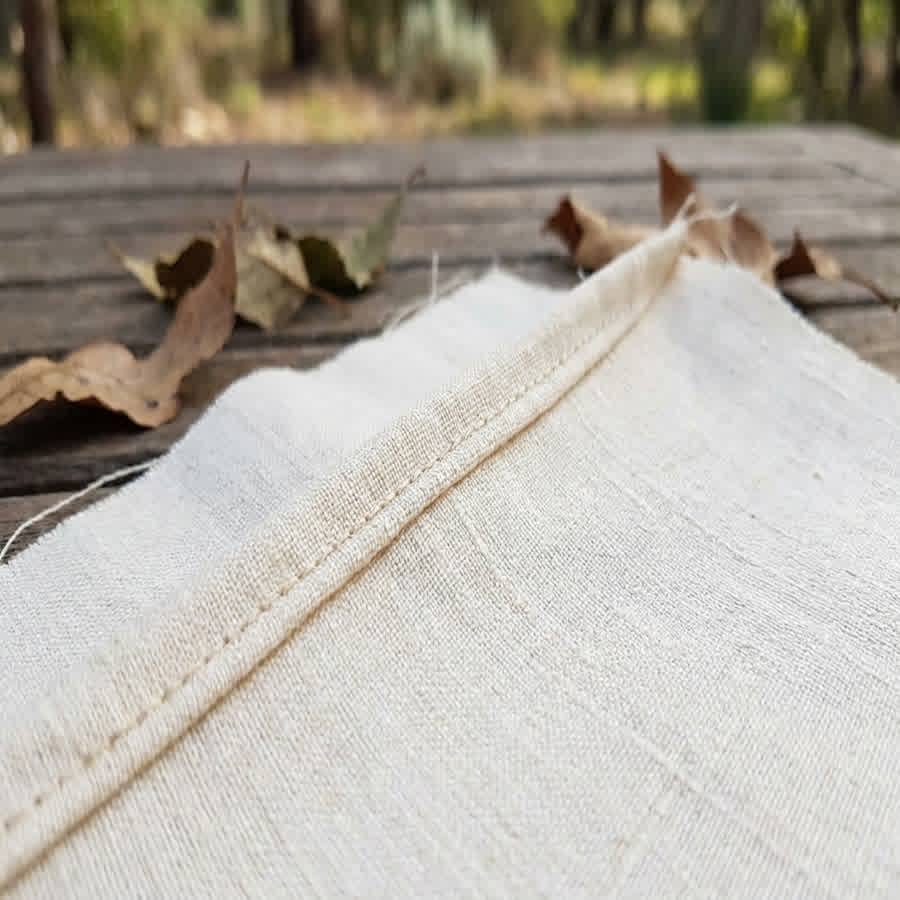
Executing French Seams
French seams are the industry standard for lightweight to medium-weight silks, completely enclosing the raw edges within a neat, self-finished fold. This technique prevents the nubby fibers from fraying while providing a clean, luxurious interior.
The process requires precision to avoid adding unnecessary bulk to the drape. Designers sew the first pass with wrong sides together, trim the allowance down to a scant 1/8 inch, and press the seam flat before sewing the final pass to trap the raw edges securely inside.
The Hong Kong Finish and Flat-Felled Seams
For heavier varieties like dense Eri silk or structured Tussar, French seams may prove too bulky. In these instances, alternative enclosed finishes provide the necessary durability without compromising the garment's silhouette.
Designers should consider these advanced finishing techniques:
- The Hong Kong finish binds each raw edge individually with a bias strip of lightweight silk, well suited for unlined jackets and tailored skirts.
- Flat-felled seams interlock the allowances and stitch them flat to the garment, offering maximum strength for trousers and structured shirts.
- Mock French seams can be utilized on curved edges where traditional folding is difficult, turning the raw edges inward and stitching them together for a smooth, clean finish.
Partnering with Ethical Silk Fabric Suppliers
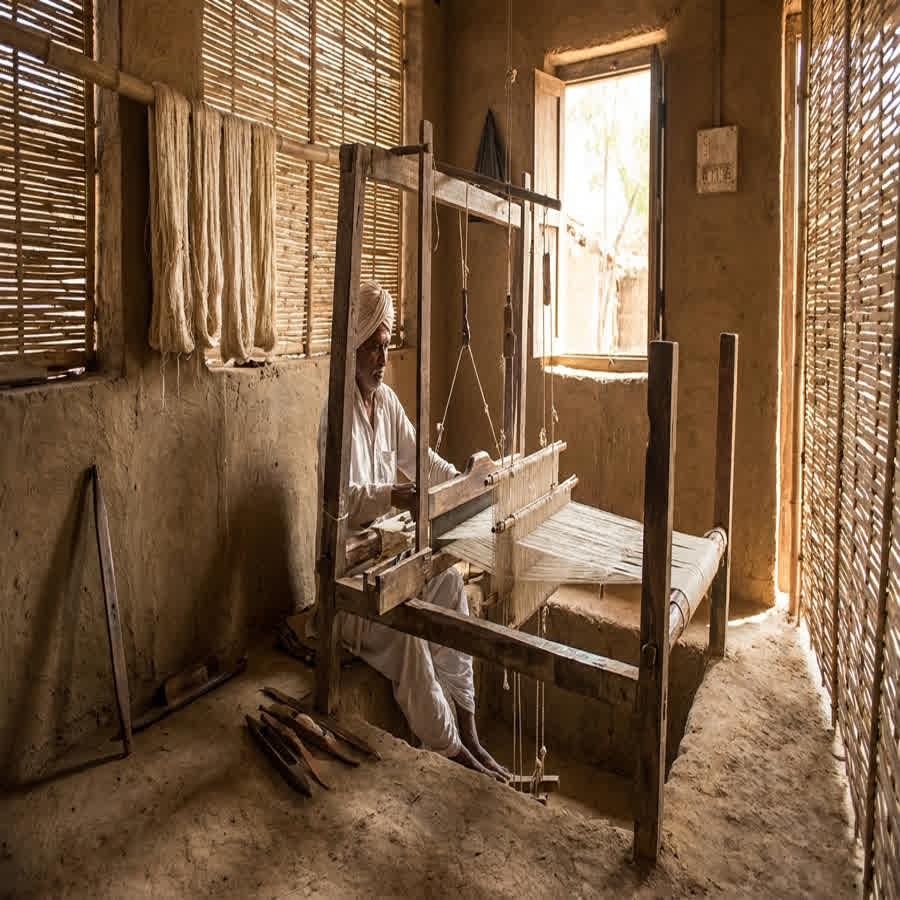
B2B buyers should source ethical raw silk by partnering with transparent silk fabric suppliers who work directly with decentralized handloom clusters in rural India. Establishing these direct relationships ensures consistent quality in artisanal textiles while supporting sustainable, low-impact supply chains.
Modern textile designers and boutique brands are actively shifting away from highly processed synthetic blends. They require reliable partners who can deliver consistent yardage of handloom Tussar silk and Eri silk without compromising the integrity of the craft.
The Shift Toward Decentralized Sourcing
The traditional textile industry relies heavily on centralized, high-emission factories. In contrast, sourcing from decentralized artisan clusters distributes economic opportunity directly to rural weavers in regions like Murshidabad and Malda.
This model significantly reduces the carbon footprint associated with fabric production. By engaging with a decentralized supply chain, designers gain access to unique, small-batch textiles that carry a rich, tactile history impossible to replicate on power looms.
Evaluating Supplier Transparency
Finding reliable silk fabric suppliers requires careful evaluation of their operational transparency and commitment to fair trade practices. Buyers must ask specific questions about fiber origins, dyeing processes, and weaver compensation.
A trustworthy supplier will readily provide traceability data, detailing the journey from the initial cocoon harvesting to the final handwoven yardage. They should also demonstrate a clear understanding of the technical specifications, such as GSM variations and dye uptake, required for commercial garment manufacturing.
Building a Sustainable Brand Narrative
Integrating ethically sourced handlooms into a collection offers a powerful marketing advantage. Consumers are increasingly demanding proof of zero-waste credentials and ethical labor practices behind their luxury purchases.
Designers can highlight the following aspects of their sourcing journey:
- The low-impact cultivation of wild silks often requires no pesticides and minimal water usage compared to conventional fibers.
- The preservation of heritage craft supports indigenous communities who have mastered the art of hand-spinning and weaving for generations.
- The inherent biodegradability of natural, unblended fibers ensures the final garments can eventually return safely to the earth.
Explore Our Collection
Anuprerna works directly with handloom artisan clusters to weave raw silk for designers and brands building considered collections. To source it for your next line, explore the range below.
frequently asked questions
Does raw silk shrink during the garment manufacturing process?
Yes, handloom raw silk can shrink between 3 and 5 percent due to its natural fibers and weave structure. Designers must ensure the fabric is pre-washed or heavily steamed prior to cutting patterns to ensure dimensional stability in the final garment.
What is the difference between sewing Tussar silk and Eri silk?
Tussar silk has a crisper, more textured hand-feel and requires sharper Microtex needles to prevent yarn snagging. Eri silk, known as peace silk, is denser, softer, and behaves more similarly to cotton or fine wool during sewing, making it highly versatile for tailored pieces.
How do I prevent seam slippage in loosely woven raw silk?
To prevent seam slippage, designers should use wider seam allowances of at least 5/8 inch, employ enclosed seams like French or flat-felled seams, and apply strips of lightweight fusible interfacing along the seam lines of high-stress areas.
Why should fashion brands source handloom raw silk over mill-made alternatives?
Handloom raw silk offers distinctive texture and breathability while boasting a significantly lower carbon footprint. Sourcing from decentralized artisan clusters supports rural economies and provides brands with a compelling narrative of sustainable, ethical luxury.
What type of needle is best for sewing raw silk?
Microtex needles in sizes 70/10 or 80/12 are best for sewing raw silk. These specialized needles feature an acutely sharp point that slides cleanly between the dense, textured yarns without causing snags or skipped stitches during garment construction.
More Blogs
indian fabric wholesale: traditional techniques & modern textile design
textile export wholesale: everything buyers need to know
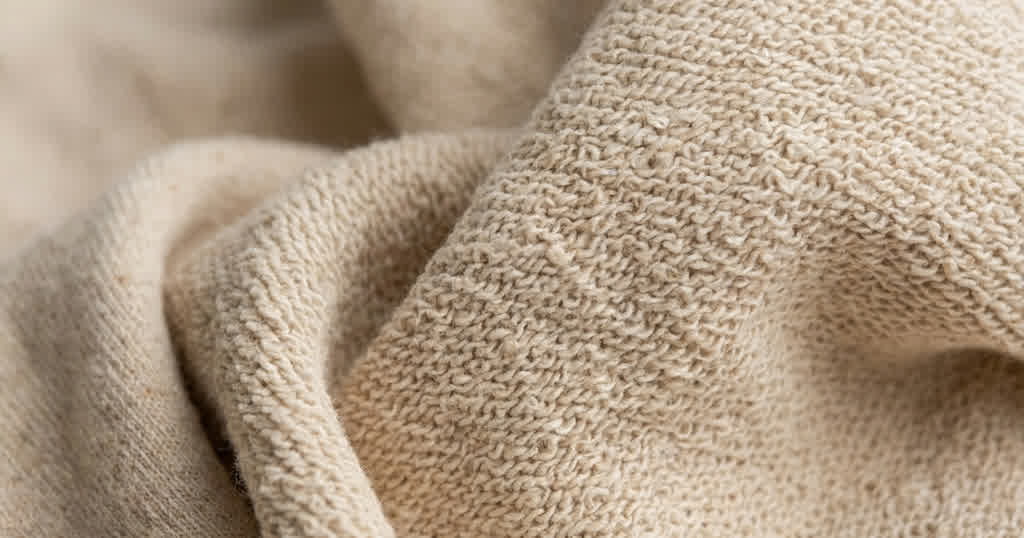
what is french terry material? a deep dive into loop-back cotton
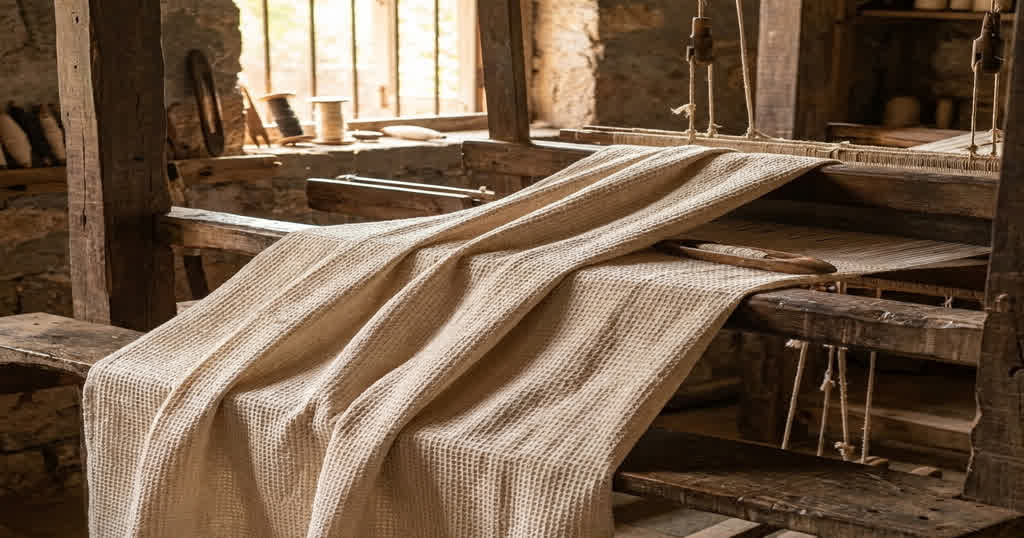
designing with honeycomb material: best uses for waffle weave textiles
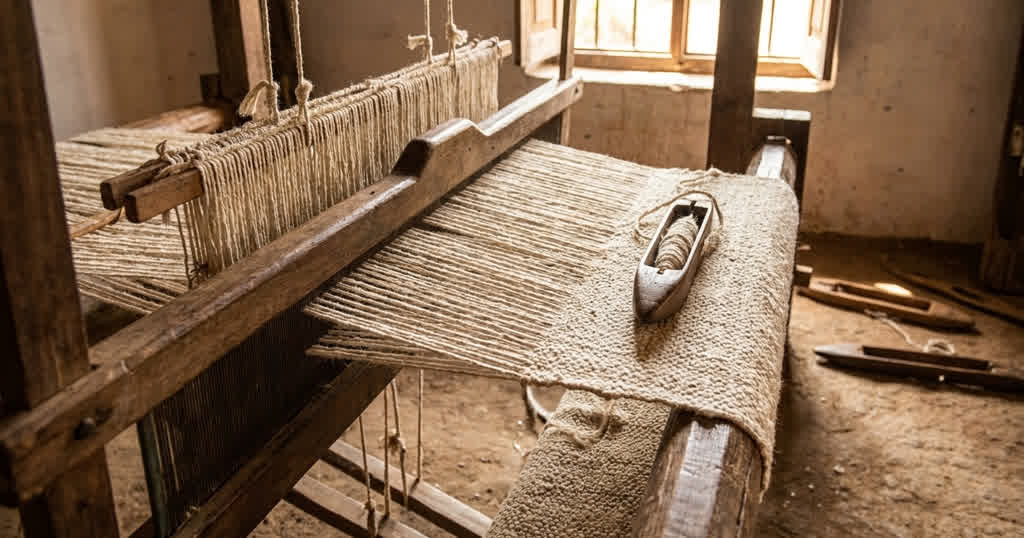
raschel knit vs warp knit: understanding the differences
jamdani fabric online: what it is, how to identify authentic jamdani from bengal & how to buy