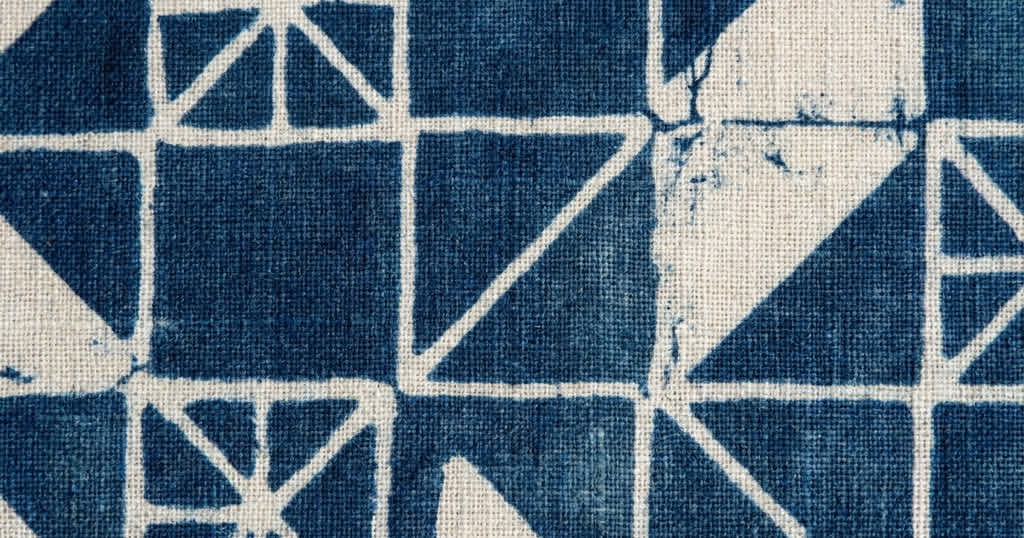
Modern Indian Batik: How Traditional Prints Are Evolving

Designers building contemporary collections often face a tension between preserving heritage craft and meeting the minimalist aesthetic of current global fashion. Sourcing authentic batik that fits into modern resort wear or tailored separates requires moving beyond the heavy, ornate motifs of the past. The challenge lies in finding textiles that retain the soul of artisanal hand-dyeing while offering the precise drape, colorfastness, and geometric precision demanded by today's consumer. The transition of this ancient wax-resist dyeing technique into a scalable, contemporary textile is a critical development for sustainable fashion.
Understanding the structural properties of the base fabrics and the shift in regional design vocabularies allows brands to source ethically without compromising on modern silhouettes. This evolution ensures that rural handloom clusters remain economically viable while supplying high-density, trend-aligned fabrics to the global market.
The Evolution of Batik Art: From Ancient Motifs to Modern Silhouettes
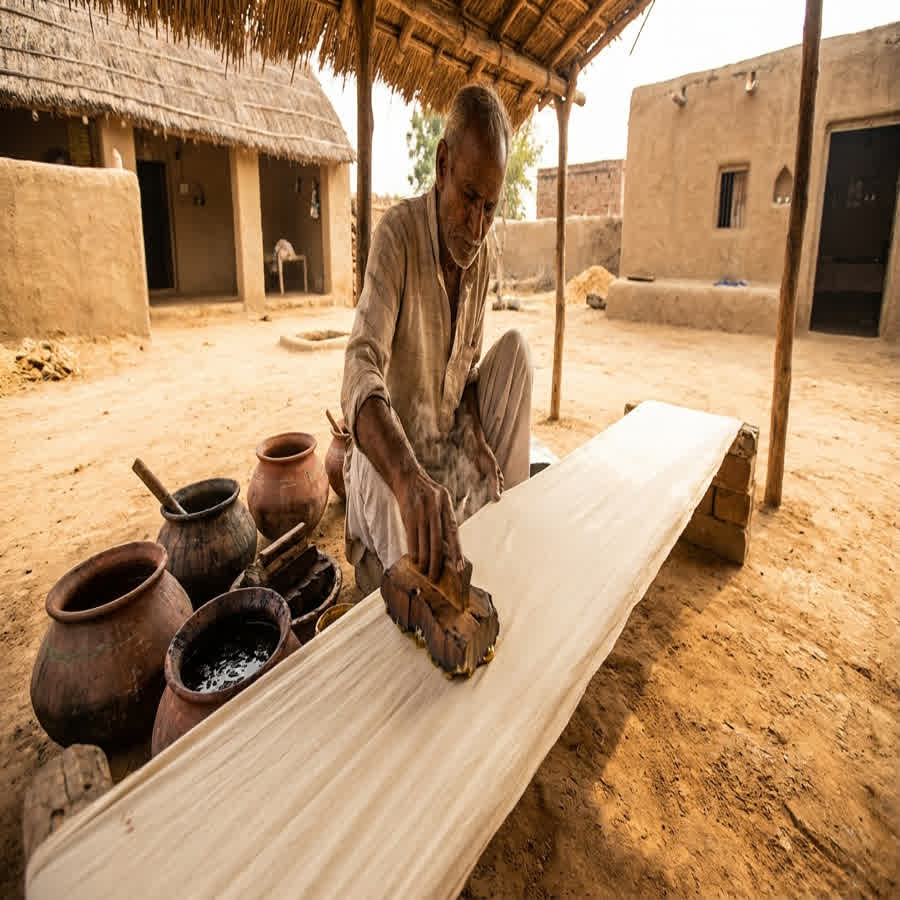
Indian batik art has transitioned from dense mythological storytelling into clean, abstract, and geometric patterns designed specifically for contemporary global fashion. This shift allows heritage techniques to align with the minimalist aesthetics required by modern apparel brands.
Historically, the craft relied heavily on intricate floral borders and religious iconography, which dominated the visual space of the textile. Today, artisans in key regional clusters are adapting their wax-resist applications to create spaced-out, monochromatic designs. This visual evolution makes the resulting textiles highly versatile for modern tailoring and everyday wear.
Designers can now source fabrics that feature the distinct crackled texture of traditional methods without the overwhelming visual weight of ancient motifs. The result is a sophisticated fabric that bridges the gap between rural craftsmanship and high-end runway expectations.
Shifting from Mythology to Geometry
The demand for modern apparel has driven a distinct change in how artisans approach their canvases. Instead of filling every inch of the fabric with dye and wax, contemporary creators focus heavily on negative space and structural lines.
- Minimalist line work: Replaces dense floral clusters with sharp, architectural strokes that complement structured garments.
- Abstract color blocking: Utilizes large, uninterrupted fields of color separated by thin, precise wax barriers.
- Asymmetrical placement: Moves away from traditional repeating borders to suit modern, unstructured, and asymmetric silhouettes.
The Shantiniketan and Ujjain Influence
Two distinct regions have driven this aesthetic shift, each bringing its own technical expertise to the modernization process. Shantiniketan, West Bengal, originally known for its fluid, artistic interpretations of nature, has streamlined its approach to suit contemporary womenswear. The artisans here now experiment with muted, earthy tones and spaced motifs that appeal directly to sustainable fashion brands seeking a softer aesthetic.
Meanwhile, Ujjain, Madhya Pradesh, has adapted its historically bold, block-printed styles into refined, geometric batik print yardages. The Ujjain clusters have mastered the art of creating uniform, repeating patterns that are essential for commercial garment production. This regional adaptation ensures a steady, reliable supply of modernized heritage textiles for B2B sourcing, allowing brands to plan large-scale collections with confidence.
Material Science Behind the Well suited Batik Fabric
The ideal batik fabric requires specific structural properties, such as high tensile strength and optimal absorbency, to withstand 130°C wax applications and subsequent cold-water dye baths. Selecting the correct substrate is non-negotiable for preventing puckering and ensuring crisp, clean resist lines.
The physical demands of the wax-resist process dictate the types of fibers that can be successfully utilized. When artisans apply a blend of beeswax and paraffin, the fabric must accept the hot liquid without melting, scorching, or distorting. The material must endure rigorous boiling to remove the wax post-dyeing.
Understanding these thermal and mechanical stresses helps sourcing managers select fabrics that will perform predictably during garment manufacturing.
Substrate Selection and Wax Resistance
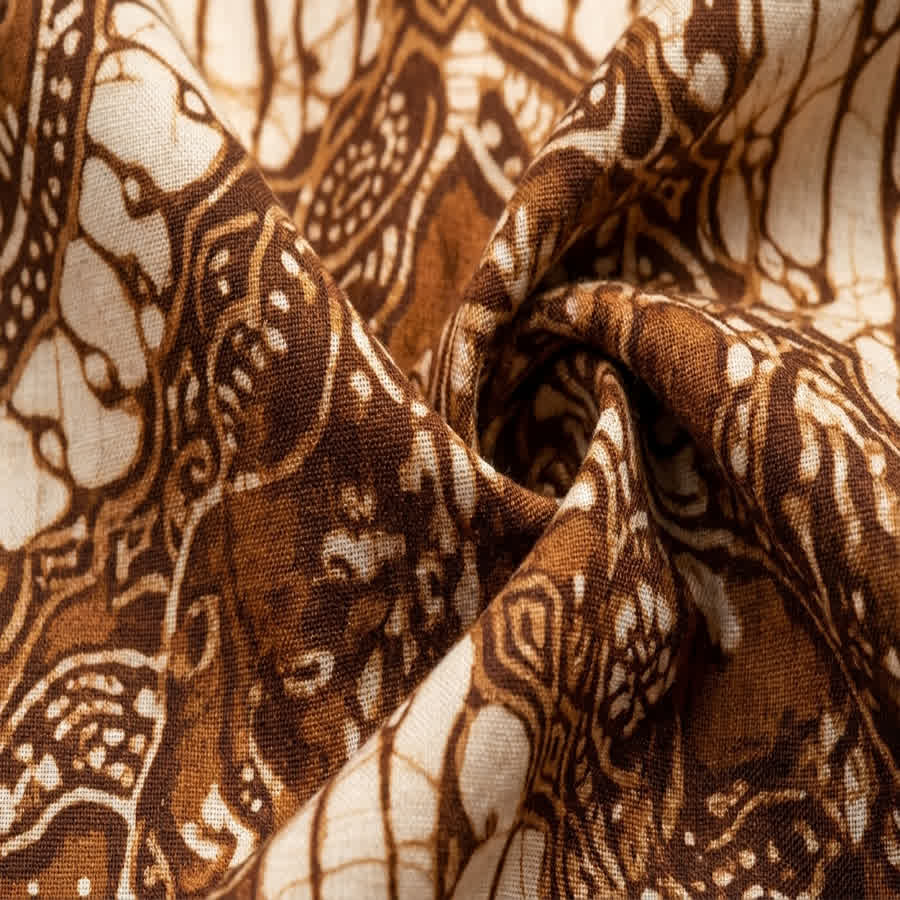
Not all natural fibers can handle the thermal shock of this specific dyeing method. B2B buyers must specify exact fabric weights and compositions to ensure the final product meets commercial standards.
- High-twist cottons (80-120 GSM): Provide the necessary durability to survive boiling while maintaining a soft, breathable hand-feel.
- Pure silks (40-80 GSM): Offer excellent dye uptake and retain their natural luster even after multiple cold-water baths.
- Linen blends: Deliver a dry, crisp texture that holds geometric wax lines exceptionally well, ideal for structured garments.
Temperature Control in Dyeing
The interaction between the hot wax and the cold dye is where the characteristic veined texture is born. If the dye bath is too warm, the wax barrier melts prematurely, ruining the design and causing colors to bleed uncontrollably.
Artisans must maintain the dye vats at precise, cool temperatures. This ensures the paraffin blends remain brittle enough to crack slightly, allowing tiny amounts of dye to seep through. This controlled cracking is the hallmark of authentic production. Understanding these thermal requirements helps sourcing leads appreciate the technical skill required to produce consistent, high-quality yardages.
Sourcing for Womenswear: Improve the Batik Print Kurti and Tops
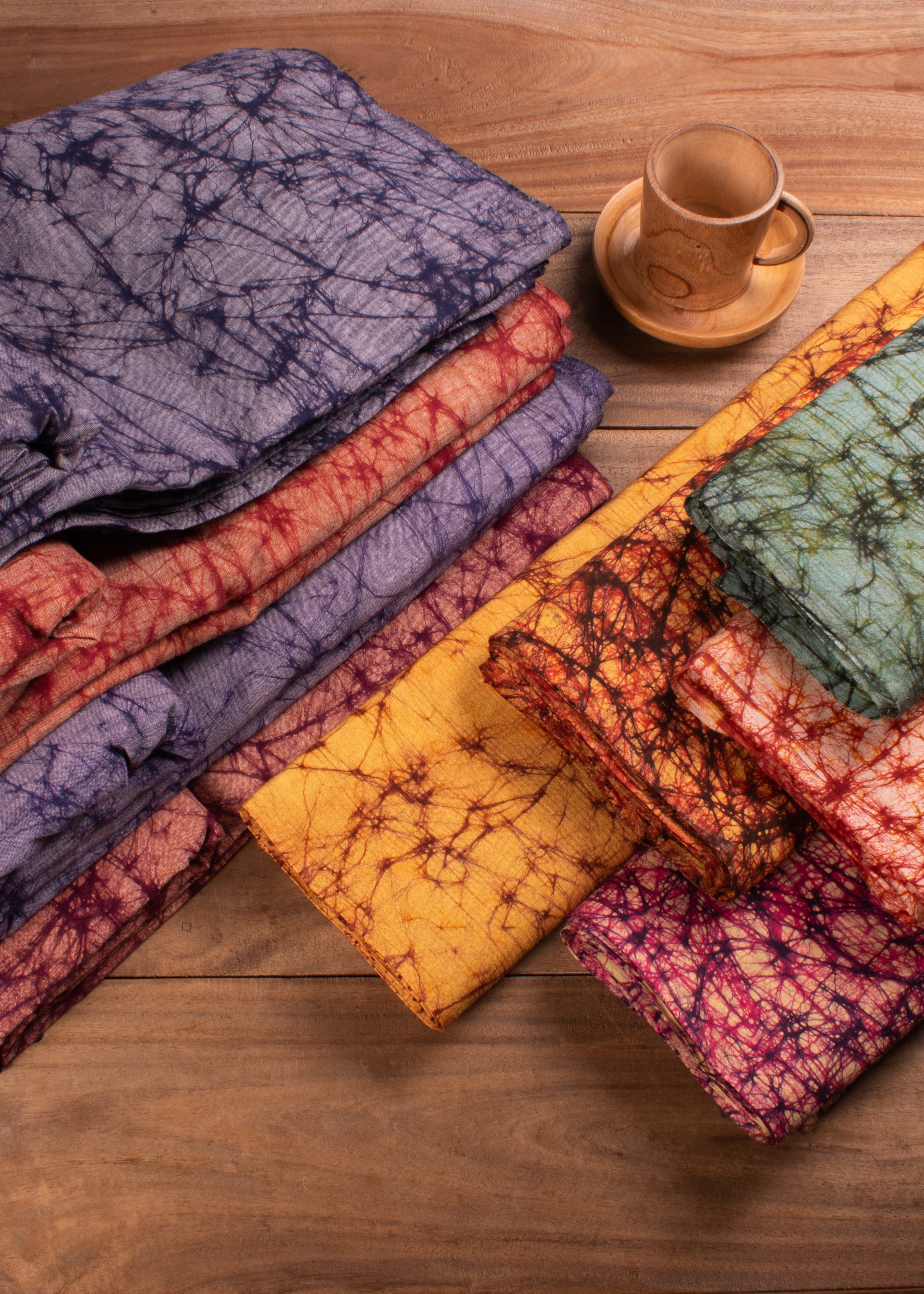
Sourcing for a modern batik print kurti or contemporary tops requires selecting lightweight, high-drape fabrics that feature spaced-out, minimalist motifs rather than dense traditional borders. This strategic selection ensures the garments offer the breathability and fluid movement expected in modern womenswear.
Boutique brands are moving away from stiff, heavily dyed cottons in favor of refined substrates. The goal is to integrate the artisanal crackled aesthetic into silhouettes that feel effortless and sophisticated. By specifying exact fabric weights, designers can guarantee the final garment performs well in warm climates.
Careful attention to the fabric's physical properties prevents the final garment from feeling heavy or restrictive.
Drape and Breathability Requirements
The success of batik tops for women hinges entirely on the physical properties of the chosen textile. Heavy fabrics will cause the garment to sit rigidly, defeating the purpose of a relaxed, contemporary cut.
- Optimal GSM ranges: Specifying 80-100 GSM cottons ensures the fabric remains light and airy against the skin.
- Yarn twist: Utilizing high-twist yarns prevents the fabric from clinging to the body, enhancing overall comfort and airflow.
- Post-dye softening: Implementing gentle, eco-friendly washes after the final boil restores the fabric's natural fluid drape.
Adapting to Contemporary Cuts
Traditional yardages were often designed with specific borders intended for unstitched garments. Modern apparel requires a different approach to motif placement to minimize fabric waste during cutting.
To accommodate the cutting and sewing of a batik print kurti, artisans now produce continuous, all-over patterns. This eliminates the waste associated with matching complex borders at the seams. The shift toward pastel and monochromatic palettes allows these tops to integrate easily into a consumer's everyday wardrobe. This adaptation makes the textile highly viable for scalable, commercial fashion lines.
The Rise of the Batik Shirt for Men: A New Era in Menswear
The modern batik shirt for men relies on heavier shirting-weight cottons and sharp, geometric prints to disrupt traditional resort and casual wear markets. By replacing feminine floral motifs with structured, monochromatic designs, this textile has become a staple for contemporary menswear brands.
Historically, these wax-resist fabrics were rarely utilized in men's tailoring due to their delicate drape and ornate patterns. Today, the demand for unique, artisanal menswear has prompted a significant shift in production. Sourcing leads are now specifying strong fabrics that can hold a collar and cuffs while showcasing the distinct cracked dye effect.
This shift requires a fundamental change in how the base fabric is woven and prepared before the dyeing process begins.
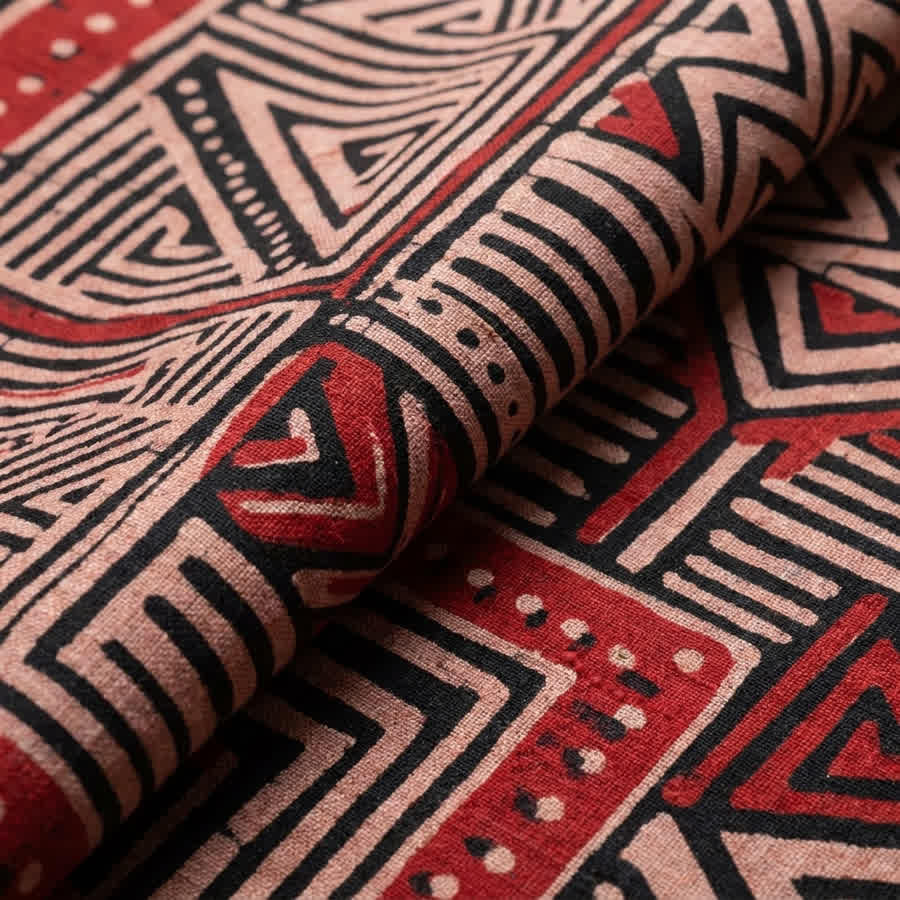
Shifting to Monochromatic and Geometric Prints
To appeal to the modern male consumer, the visual language of the fabric had to evolve. The focus has shifted entirely to structure, subtlety, and precise pattern placement.
- Grid and stripe formations: Replacing organic curves with precise, linear wax-resist applications.
- Tonal colorways: Utilizing varying shades of a single color, such as deep indigo or charcoal, for a sophisticated look.
- Micro-motifs: Scaling down the patterns to create a textured appearance rather than a loud, graphic statement.
Shirting Weights and Structural Integrity
A successful batik print shirt requires a base fabric that differs significantly from womenswear substrates. The material must possess enough rigidity to support tailored elements and interact properly with fusible interlinings.
We recommend sourcing high-density cottons in the 110-130 GSM range for menswear. This weight ensures the fabric is opaque and durable enough for daily wear. Despite the heavier weight, the fabric must still undergo the rigorous boiling process to remove the beeswax blends. This results in a textile that offers a crisp, structured hand-feel while retaining the breathability essential for high-end resort wear.
Reinventing the Classic: The Modern Batik Print Saree
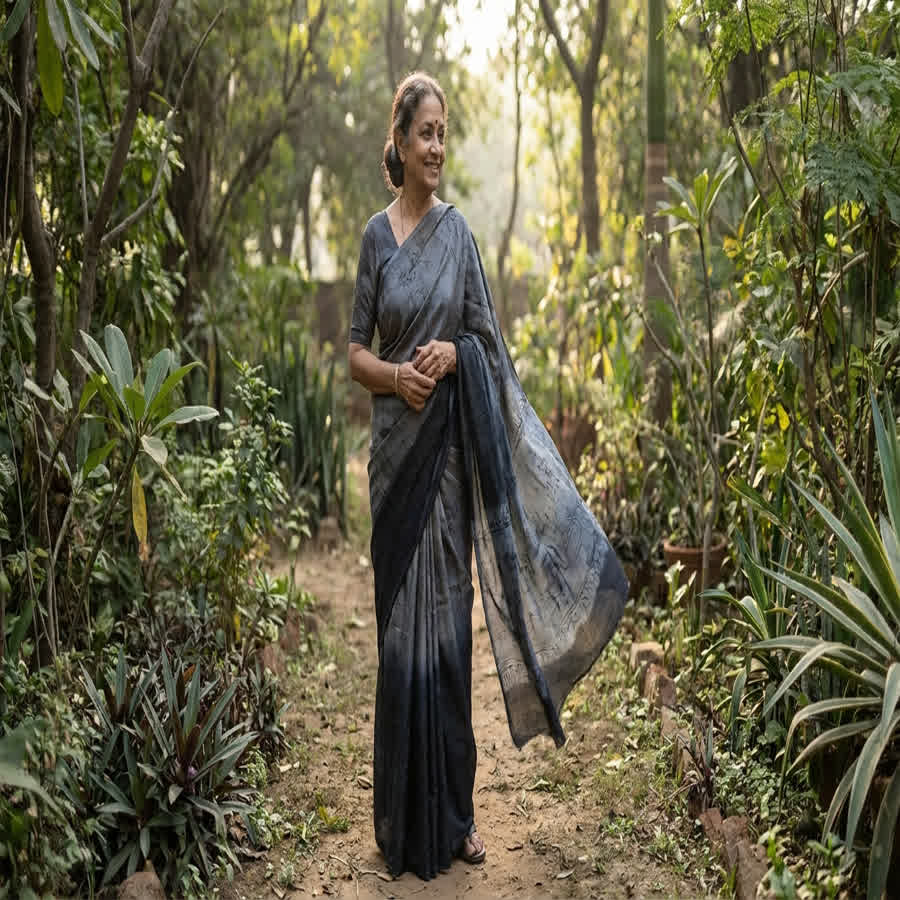
The contemporary batik print saree is being reinvented through the use of ultra-fine silks, trend-driven color palettes, and minimalist border placements that appeal to the eco-conscious, modern consumer. This evolution transforms a traditional garment into a lightweight, fashion-forward statement piece.
While the cultural significance of the drape remains intact, the physical execution has modernized. Designers are moving away from heavy, stiff cottons and dense mythological scenes. Instead, they are sourcing fabrics that offer an exceptionally fluid drape and visual breathing room, allowing the natural beauty of the base fiber to shine through.
This careful balance of negative space and precise dyeing techniques creates a garment that feels both heritage-rich and entirely contemporary.
Fabric Selection for Fluid Draping
The elegance of a batik saree depends entirely on how the fabric falls and moves with the wearer. Selecting the right substrate is crucial for achieving this modern aesthetic and ensuring comfortable pleating.
- Pure mulberry silks (40-60 GSM): Provide a brilliant natural luster and an soft, liquid drape.
- Fine Chanderi blends: Offer a subtle sheer quality and a lightweight structure that holds pleats perfectly.
- Mercerized cottons: Ensure a smooth finish and enhanced dye uptake for vibrant, lasting colors.
Trend-Driven Color Palettes
The modernization of this classic garment is most visible in its updated color schemes. Artisans are aligning their dye baths with global seasonal trends to meet the expectations of modern retail buyers.
Instead of relying solely on traditional primary colors, production now features sophisticated earth tones, muted pastels, and stark monochromes. The cold-water dye baths are carefully calibrated to achieve these nuanced shades. By combining these modern palettes with spaced-out, abstract motifs, the resulting sarees meet the demands of boutique retail buyers looking for authentic, yet highly contemporary, ethnic wear.
Anuprerna’s Decentralized Supply Chain: Ethical Sourcing for Modern Brands
Anuprerna’s decentralized supply chain allows B2B buyers to reliably source evolving artisanal textiles at scale while directly supporting rural Indian handloom weavers through transparent, ethical practices. This model bridges the gap between traditional village craftsmanship and the strict quality requirements of global fashion brands.
Sourcing authentic, handcrafted textiles often presents challenges regarding consistency and lead times. By organizing skilled artisans into structured, regional clusters, we ensure that the intricate wax-resist techniques are preserved while meeting commercial production schedules. This approach provides brands with the traceability they need to market their sustainability narratives confidently.
Direct engagement with these clusters ensures that technical specifications are met without diluting the artisanal nature of the fabric.
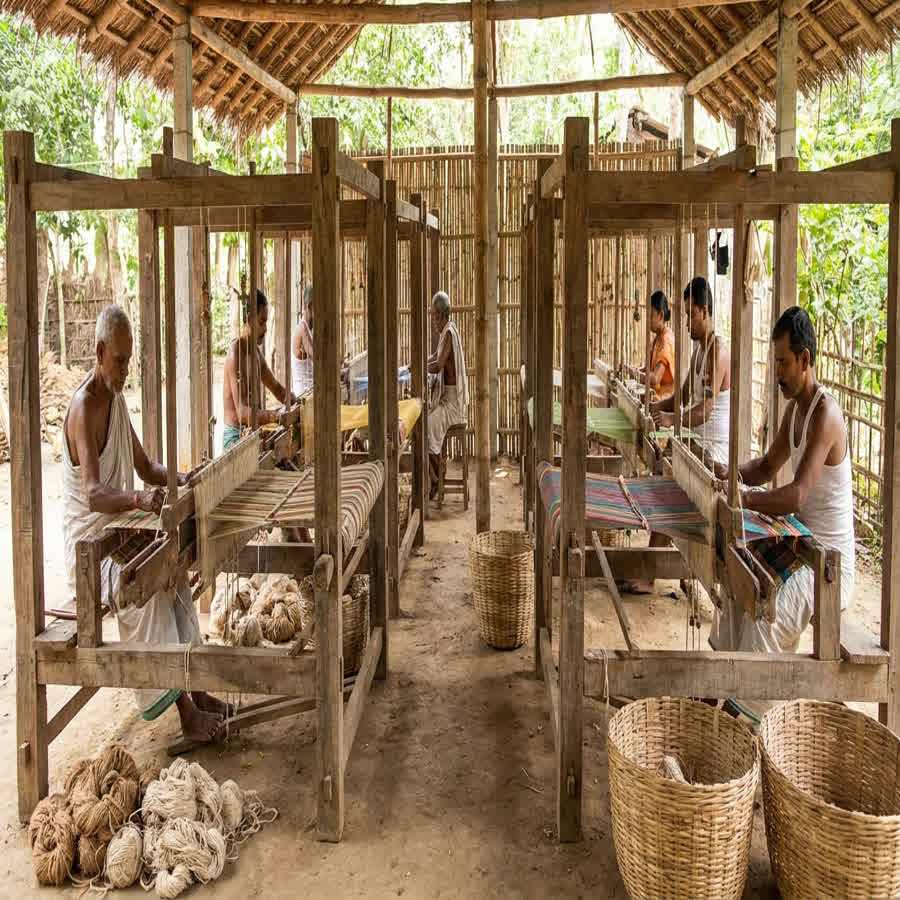
Scaling Artisanal Production
Scaling a hand-crafted process requires meticulous coordination and respect for the artisans' time and skills. Our model is built to handle commercial volumes without compromising the art or the integrity of the base fabric.
- Cluster-based organization: Distributing large orders across multiple specialized weaving and dyeing communities.
- Standardized base fabrics: Ensuring all high-twist cottons and silks meet strict GSM and tensile strength specifications before dyeing.
- Phased production schedules: Allowing adequate time for the labor-intensive waxing, dyeing, and boiling processes.
Transparency and Quality Control
For a sustainable fashion brand, knowing exactly where and how a fabric is made is just as important as the final aesthetic. We prioritize complete visibility into the production journey, from the initial yarn sourcing to the final wash.
Every yard of fabric undergoes rigorous quality checks to ensure consistent motif application and absolute colorfastness. By managing the supply chain directly from the rural clusters in West Bengal and Madhya Pradesh to the final B2B delivery, we eliminate opaque middlemen. This guarantees that the artisans receive fair compensation and the buyers receive a premium, ethically produced textile ready for modern garment construction.
Explore Our Collection
Anuprerna works directly with handloom artisan clusters to weave batik for designers and brands building considered collections. To source it for your next line, explore the range below.
frequently asked questions
What is the ideal GSM for batik fabric used in modern apparel?
For apparel like a batik print shirt or batik tops for women, a GSM of 80-120 in cotton or 40-80 in silk is ideal. This ensures the fabric is strong enough to handle hot wax application while maintaining a fluid drape and breathability for the end consumer.
How does the modern batik print differ from traditional batik art?
Modern batik print utilizes contemporary color palettes (such as pastels, earth tones, and monochromes) and abstract or geometric wax-resist patterns. This moves away from strictly traditional floral or mythological motifs, making the fabric highly versatile for global, everyday fashion.
How do you ensure colorfastness in a hand-dyed batik saree?
Colorfastness is achieved through precise temperature control during the cold-water dye bath and rigorous post-dyeing boiling and washing processes to remove all wax residues. This is followed by the application of eco-friendly, AZO-free fixatives to lock in the pigment.
Can your decentralized artisans scale production for a commercial collection of batik shirts for men?
Yes. Anuprerna's decentralized model organizes clusters of skilled rural artisans. This allows us to scale the production of yardages for a batik print shirt collection while maintaining strict B2B quality control, consistent motif application, and ethical labor practices.
Are the dyes used in modern batik production environmentally friendly?
Modern production increasingly relies on AZO-free and reactive dyes that minimize environmental impact while providing excellent color retention. These dyes are formulated to bond securely with natural fibers in cold-water baths, reducing the chemical runoff typically associated with conventional textile dyeing.
More Blogs
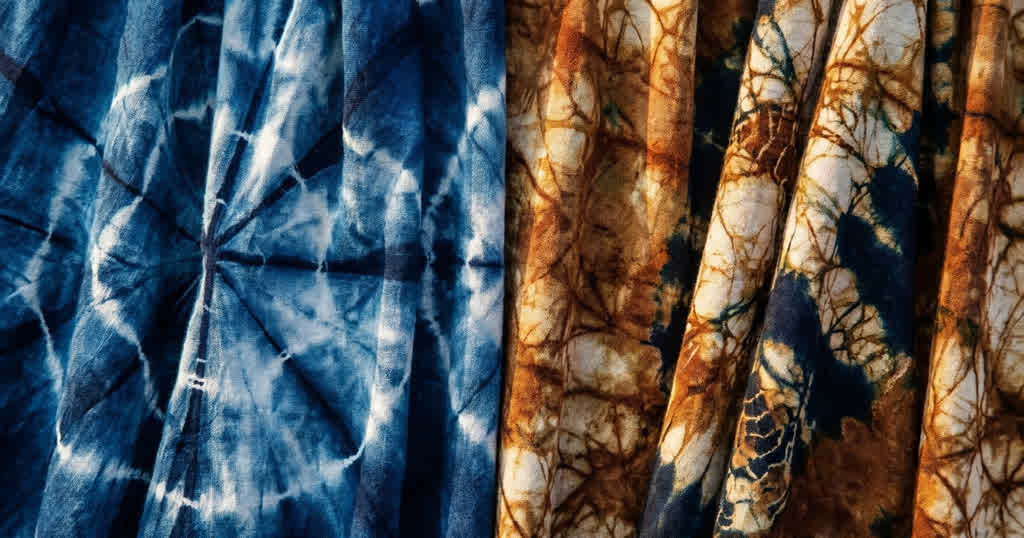
batik vs. shibori: understanding resist-dyeing techniques in sustainable fashion
the intricate motifs of jamdani: meanings behind the heritage patterns
national handloom day 2025: 10 must-have handloom textiles from across west bengal and india
what japanese boro and indian kantha can teach us about repair culture
the living art of batik fabrics: sustainable traditions
why organic fabric suppliers are growing in india