Sourcing Authentic Batik Fabric India: A Buyer's Guide

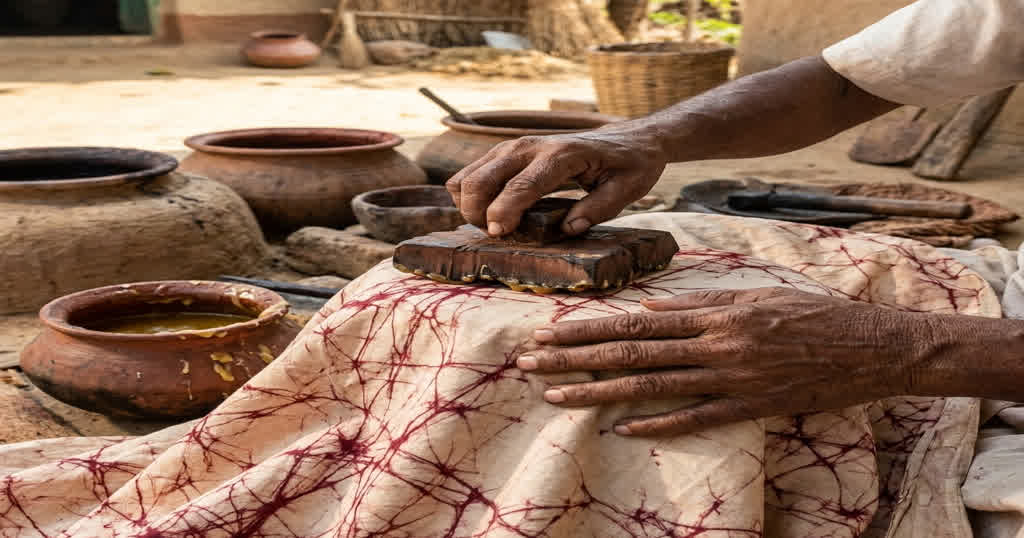
Designers shifting away from synthetic prints often face a critical challenge when sourcing batik fabric india for their collections. The market is saturated with rotary-printed imitations that mimic the aesthetic but lack the structural integrity and zero-waste credentials required for stringent environmental, social, and governance criteria. Securing genuine artisan textiles requires an understanding of the specific wax-resist dyeing process rooted in the historic trade routes of the Coromandel Coast and Gujarat. For a fashion brand, the decision to source authentic hand-crafted textiles directly impacts garment longevity, colorfastness ratings, and the brand's overall sustainability narrative.
Working with decentralized artisan clusters means moving beyond basic aesthetics to evaluate fabric GSM specifications, dye chemistry, and supply chain transparency. This technical approach ensures the final garments possess the crisp hand-feel and distinct visual markers that only true wax-resist methods can produce.
The Anatomy of Authentic Batik Fabric India: Wax-Resist vs. Rotary Print
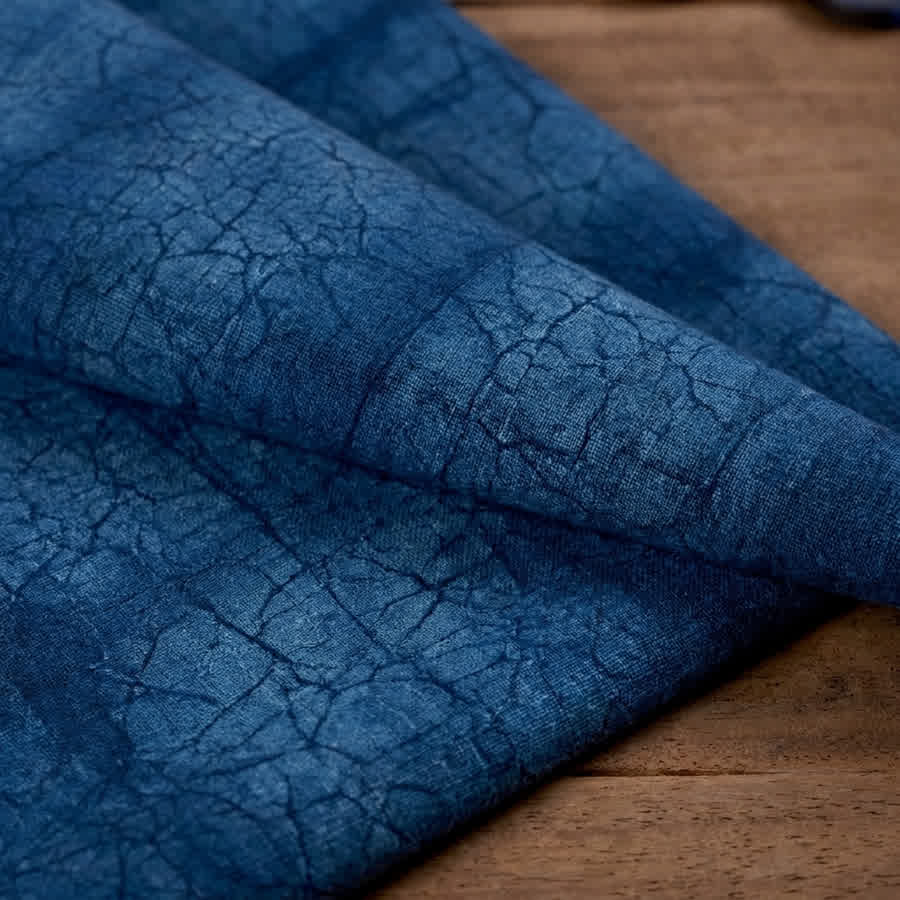
Authentic wax-resist textiles are defined by identical dye penetration on both the face and reverse sides of the cloth, alongside a non-repeating, organic crackle pattern. Rotary screen printing cannot replicate this dual-sided saturation or the random micro-fissures created by hand-applied wax. Understanding these structural markers is essential for sourcing authentic batik fabric india and avoiding mass-produced fakes.
Identifying the Signature Crackle Effect
The defining visual characteristic of genuine batik is the signature crackle effect, which occurs naturally during the dyeing stage. Artisans apply a precise paraffin and beeswax blend, typically maintained at a 30:70 ratio, to block color absorption in specific areas of the cloth. As the fabric is handled and submerged in the dye bath, the hardened wax develops microscopic fractures.
Identifying the Signature Crackle Effect (continued)
Dye seeps through these tiny cracks, creating fine, irregular lines across the resisted motifs. This randomness guarantees that no two meters of fabric are identical, providing a unique artisan signature for boutique collections.
- Organic line variation: Genuine crackle lines vary in thickness and direction, unlike the uniform, repeating patterns generated by digital printing machines.
- Wax ratio impact: The specific 30:70 wax blend ensures the resist is brittle enough to crack but stable enough to prevent total dye bleed across the design.
- Temperature control: Maintaining the wax at the correct heat prevents it from sitting too superficially on the cellulosic fibers.
Reverse-Side Dye Penetration
A foolproof method for verifying authenticity during bulk quality control is examining the reverse side of the material. Because the fabric is fully submerged in reactive or natural dyes, the color saturates the yarns completely from front to back.
- Identical color intensity: The back of the fabric will show the exact same vibrant dye uptake as the front face.
- Clear motif outlines: The wax penetrates the entire thickness of the cloth, ensuring the resisted design remains sharp on both sides.
- Yarn-level saturation: Unlike surface-level pigment prints, the dye bonds chemically with the core of the handwoven base fabric.
Rotary-printed imitations only deposit pigment on the surface, leaving the reverse side noticeably lighter or completely blank. This lack of penetration results in a stiffer drape and poorer wash-fastness over the lifespan of the garment.
Selecting the Right Handloom Base: Cotton, Silk, and Linen GSM Guide
Optimal wax adhesion requires base fabrics with specific absorbency and weight profiles, typically handwoven cotton between 70 and 110 GSM or Ahimsa silk between 40 and 80 GSM. Matching the weave density to the end-product requirements ensures the wax penetrates fully without compromising the fabric's drape. Selecting the correct base material is a critical first step when developing custom batik fabric india collections.
Handwoven Cotton and Linen Blends
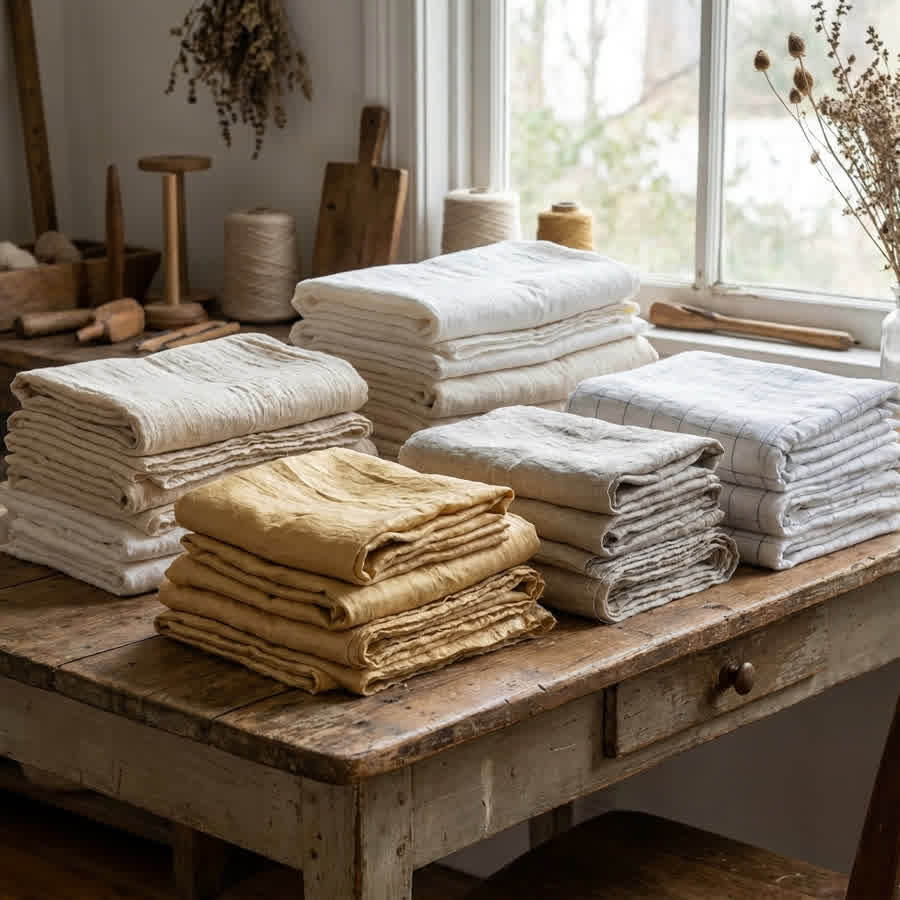
Cotton is the historical standard for wax-resist techniques due to its excellent hydrophilic properties and ability to withstand high-temperature boiling. We recommend sourcing a base weight of 70 to 110 GSM for standard apparel, as this thickness allows the liquid wax to soak through the yarns efficiently.
Handwoven Cotton and Linen Blends (continued)
- Optimal absorbency: Natural cellulosic fibers pull the hot wax deep into the weave structure, creating a solid barrier against the dye.
- Boil resistance: Cotton maintains its tensile integrity during the rigorous post-dye boiling phase required to remove the wax resist.
- Linen blend compatibility: Incorporating bast fibers adds a dry, crisp hand-feel, though the slightly looser weave requires careful wax application to prevent bleeding.
Fabrics exceeding 150 GSM, such as heavy canvas or upholstery weights, present significant challenges for the artisans. The wax struggles to penetrate thick materials, forcing the maker to apply the resist to both sides simultaneously to achieve a clean edge.
Ahimsa Silk Specifications
For premium collections, designers frequently specify silk, which offers a brilliant luster and exceptional dye affinity. We utilize Ahimsa silk sourced from clusters in Malda, a cruelty-free alternative where the moth is allowed to hatch before the cocoon is spun into yarn.
- Ideal weight range: A GSM of 40 to 80 provides the well suited balance of delicate drape and structural support for the wax application.
- Sericin retention: The natural protein coating on the silk fibers enhances the vibrant color yield during the cold dye bath.
- Temperature sensitivity: Silk requires precise heat management, as overly hot wax can damage the fine filaments and alter the soft, supple drape.
Working with silk demands a highly skilled artisan, as the material's smooth surface can cause the wax to spread unpredictably. The artisan must control the flow of the paraffin and beeswax blend with absolute precision to maintain sharp motif outlines.
Managing the Decentralized Artisan Supply Chain for Bulk Sourcing
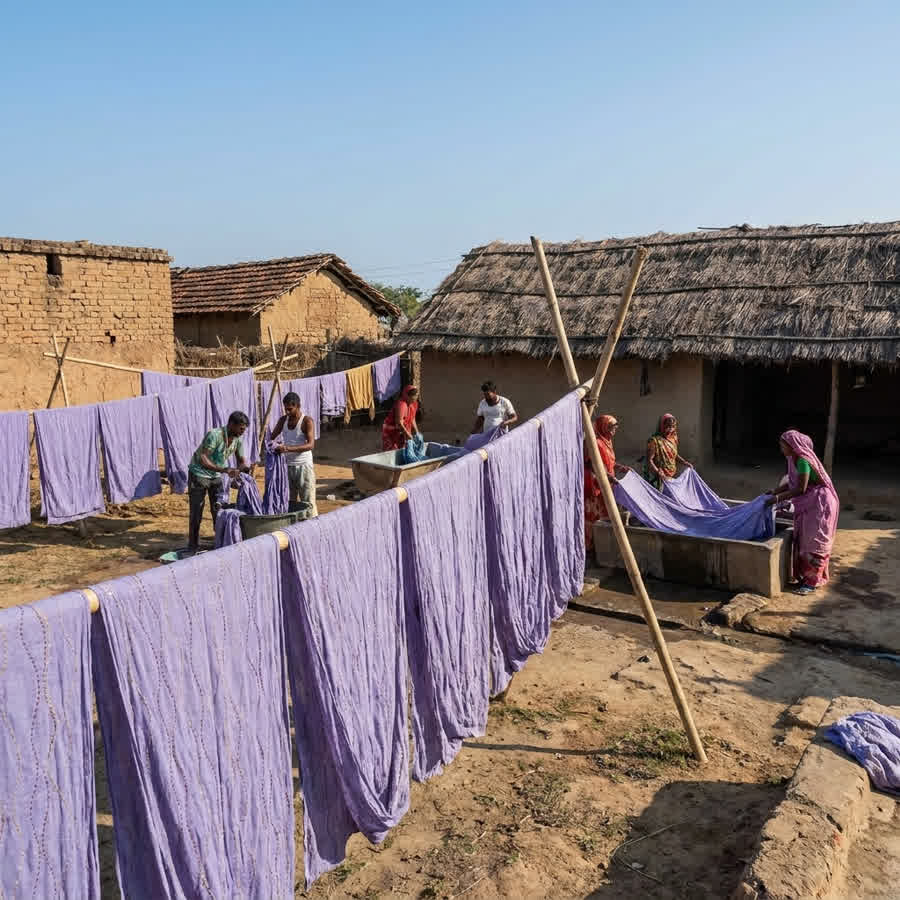
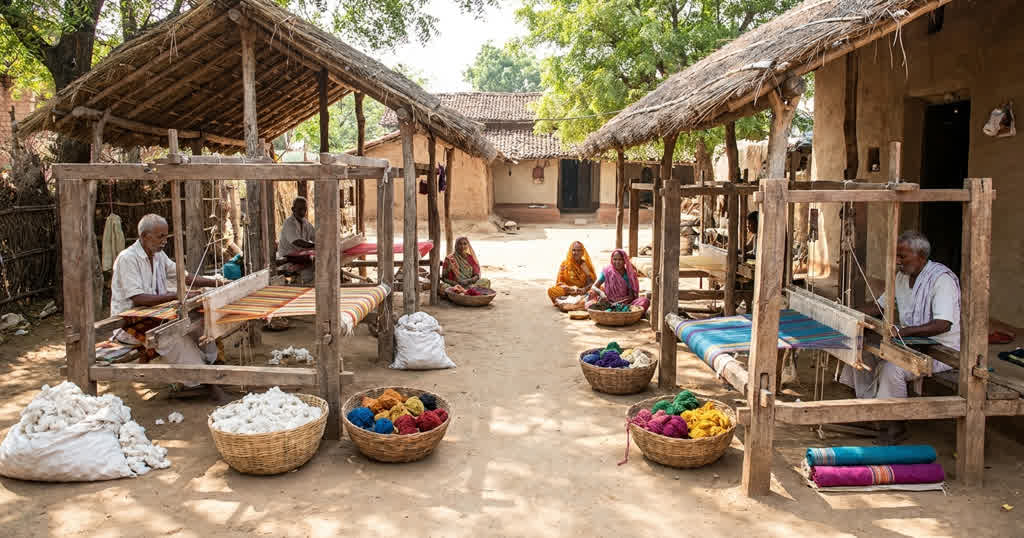
Sourcing from rural Indian weaving and dyeing clusters in regions like Gujarat requires standardizing lead times and implementing rigorous quality control across multiple decentralized workshops. We ensure ethical compliance by maintaining transparent, direct relationships with the artisans, eliminating middlemen and guaranteeing fair wages. This structured approach provides B2B buyers with reliable access to genuine batik fabric india at commercial scales.
Standardizing Lead Times and Quality Control
The traditional wax-resist process is inherently manual and heavily influenced by environmental factors outside of human control. Standard lead times for bulk orders typically range from 60 to 90 days, accounting for the complex sequence of waxing, dyeing, and boiling.
Standardizing Lead Times and Quality Control (continued)
- Multi-bath scheduling: Complex motifs requiring multiple colors demand sequential dye baths, with complete drying required between each stage.
- Weather dependencies: High humidity or monsoon rains significantly extend the natural drying times of the textiles, impacting delivery schedules.
- Defect mitigation: We conduct stage-by-stage inspections to monitor wax adhesion and color consistency before the final boil.
By mapping out these variables early in the production cycle, we provide sourcing directors with accurate delivery windows. This predictability is vital for aligning artisan craft with strict seasonal fashion calendars and retail drop dates.
Ethical Compliance and ESG Integration
Global fashion brands are increasingly mandated to prove the origins of their materials to meet strict ESG criteria. A decentralized supply chain can obscure labor practices if not managed with absolute transparency and rigorous documentation.
- Direct artisan engagement: We work directly with the handloom weavers and dyers, ensuring complete supply chain traceability from yarn to finished yardage.
- Fair wage guarantees: Eliminating intermediaries allows us to direct a higher percentage of the revenue straight to the rural artisan clusters.
- Community impact: Consistent B2B orders provide financial stability, encouraging the next generation to preserve these heritage craft techniques.
Documenting this social impact gives designers a powerful, verifiable narrative to share with their end consumers. It transforms a simple fabric purchase into a measurable investment in sustainable rural development and ethical manufacturing.
Dye Chemistry and Colorfastness in Commercial Batik Production
Meeting international B2B wash-care standards requires transitioning from traditional fugitive dyes to commercial-grade azo-free reactive dyes and standardized natural extracts. This precise dye chemistry, combined with rigorous post-dye boiling, ensures high colorfastness ratings and prevents crocking in the final garments. Mastering this chemical balance is what separates hobbyist craft from commercially viable batik fabric india.
Transitioning to Azo-Free and Natural Dyes
Historically, artisan textiles sometimes suffered from poor color retention, leading to bleeding during consumer washing. Today, we utilize advanced dye chemistry to bond the color permanently to the fibers without compromising the organic nature of the craft.
Transitioning to Azo-Free and Natural Dyes (continued)
- Azo-free reactive dyes: These synthetic dyes form a strong covalent bond with cellulosic fibers, offering brilliant shades that resist fading over time.
- Standardized natural extracts: For brands requiring entirely organic inputs, we use concentrated plant-based dyes fixed with heavy-metal-free mordants.
- Environmental safety: Both options eliminate toxic runoff, protecting the local waterways surrounding the decentralized dyeing clusters.
Selecting the appropriate dye class depends entirely on the designer's specific requirements for color vibrancy and ecological certification. We guide sourcing teams through these technical choices to ensure the final product meets their exact specifications.
The Post-Dye Boiling Process
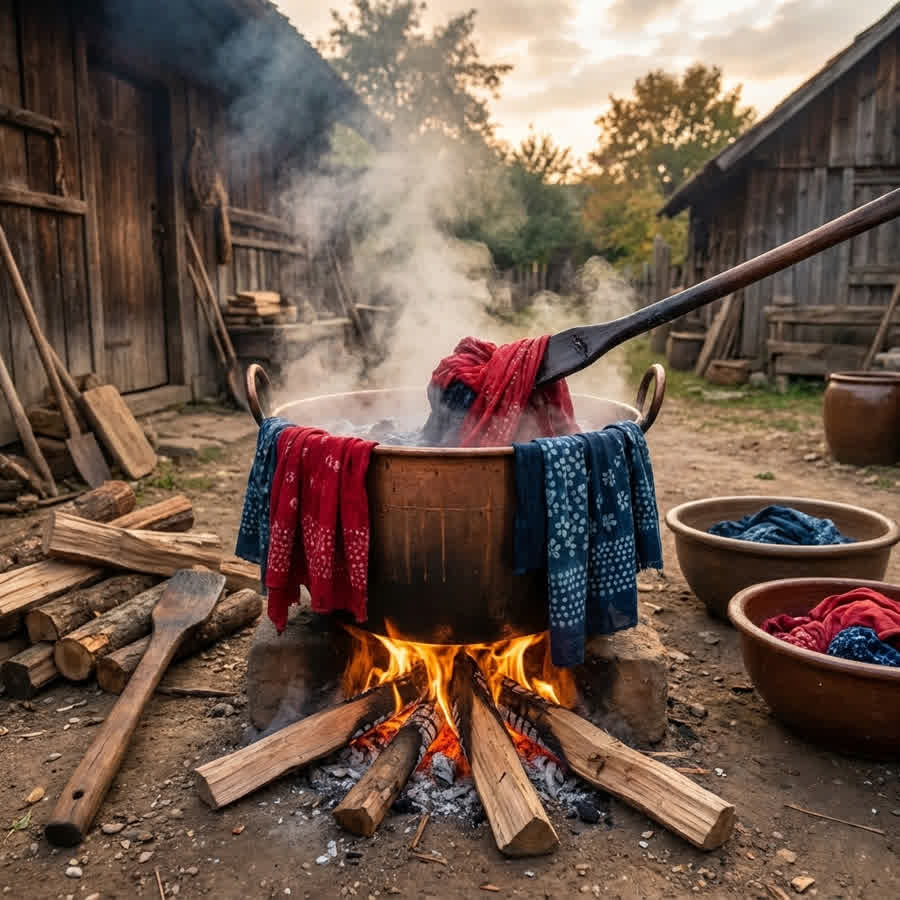
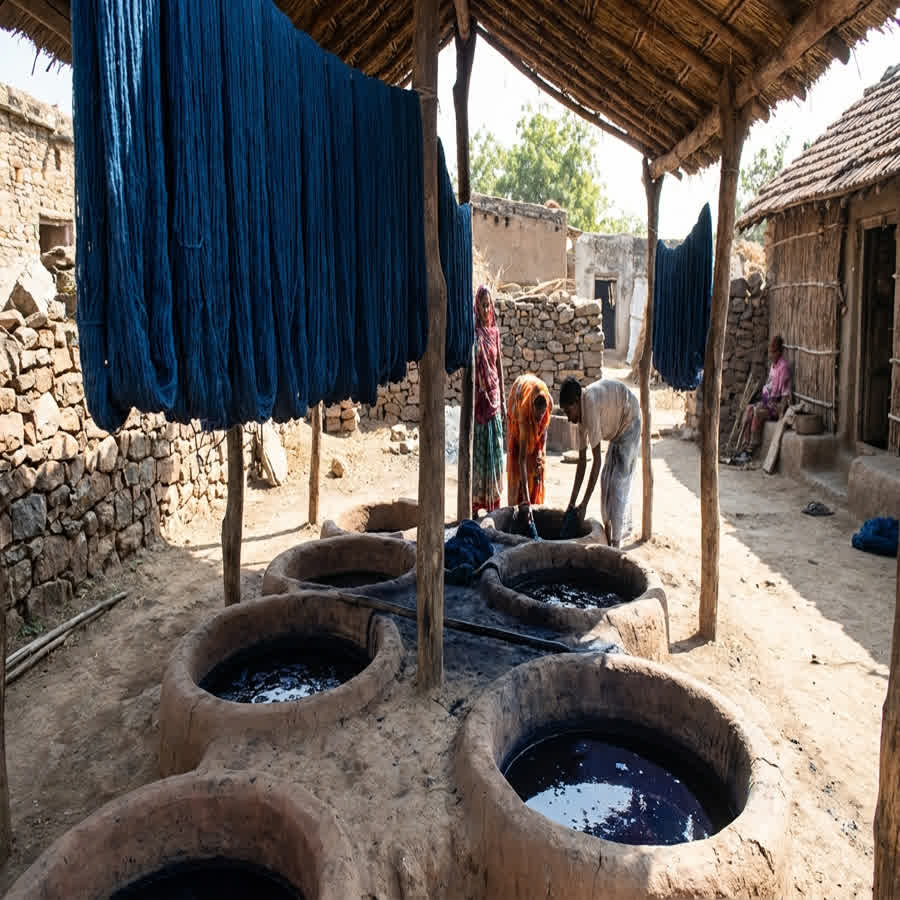
The final and most crucial step in the production cycle is the removal of the wax resist. The dyed fabric is submerged in boiling water, which melts the paraffin and beeswax blend away from the yarns entirely.
- Wax recovery: The melted wax floats to the surface of the boiling vat, where it is skimmed off and recycled for future zero-waste production.
- Color fixation: The extreme heat acts as a final setting agent, locking the reactive dyes deep into the fabric structure.
- Tensile integrity check: Surviving the boiling process proves the strength of the handwoven base fabric, ensuring it will withstand standard consumer laundering.
This rigorous finishing process results in a textile that boasts a soft, supple drape completely free of wax residue. The resulting fabric consistently achieves a colorfastness rating of 4 on the standard grayscale, meeting the strict demands of global apparel brands.
Explore Our Collection
Anuprerna works directly with handloom artisan clusters to weave batik fabric india for designers and brands building considered collections. To source it for your next line, explore the range below.
frequently asked questions
How can we verify the authenticity of Batik fabric in bulk orders?
Authentic Batik exhibits identical **dye penetration** on both the face and reverse sides of the fabric, alongside non-repeating, **organic crackle patterns** that rotary or digital machines cannot replicate. Because the fabric is fully submerged during the **dyeing process**, the color saturates the yarns completely. Rotary-printed imitations only deposit pigment on the surface, leaving the reverse side noticeably lighter and lacking the distinct micro-fissures created by hand-applied wax.
What are the standard lead times for sourcing artisan Batik fabric from India?
Due to the multi-step manual process of waxing, dyeing, and boiling, **standard lead times** range from 60 to 90 days for bulk orders, depending on the complexity of the motifs, the number of dye baths, and weather conditions affecting drying times. High humidity or monsoon rains can significantly extend the **natural drying times** required between each stage. Sourcing directors must account for these environmental variables when aligning artisan production with **seasonal fashion calendars**.
Does authentic Indian Batik suffer from dye bleeding or crocking?
While traditional natural dyes may have slight crocking, commercial B2B Batik utilizes **azo-free reactive dyes** with rigorous post-dye boiling and fixing processes, achieving a colorfastness rating of 4 on the standard grayscale. The extreme heat of the boiling phase not only removes the **wax resist** but also acts as a final setting agent. This ensures the color bonds permanently with the **cellulosic fibers**, meeting international wash-care standards.
Can Batik be executed on high-GSM fabrics for home textiles?
Yes, but wax penetration becomes challenging above **150 GSM**. For heavier fabrics like canvas or thick linen, artisans must apply wax to both sides simultaneously to ensure a **crisp resist**, which slightly increases production time and costs. The thick yarns resist the **hydrophilic absorption** of the wax, requiring highly skilled makers to align the motifs perfectly on the face and reverse sides.
What is the ideal wax ratio used in Indian Batik production?
The industry standard is a **30:70 blend** of paraffin and beeswax, which provides the well suited balance of brittleness for the crackle effect and stability for clean motif edges. The paraffin creates the microscopic fractures necessary for the signature **crackle effect**, while the beeswax ensures the mixture adheres firmly to the **handwoven base fabric**. Maintaining this precise ratio and controlling the temperature is critical for achieving sharp, professional results.
More Blogs
why organic fabric suppliers are growing in india
jacquard fabric in modern fashion
how silk manufacturers preserve traditional craftsmanship
indian fabric wholesale: a guide to sourcing handwoven textiles
how indian fabric exporters meet global quality standards
jacquard vs embroidery: what's the difference?