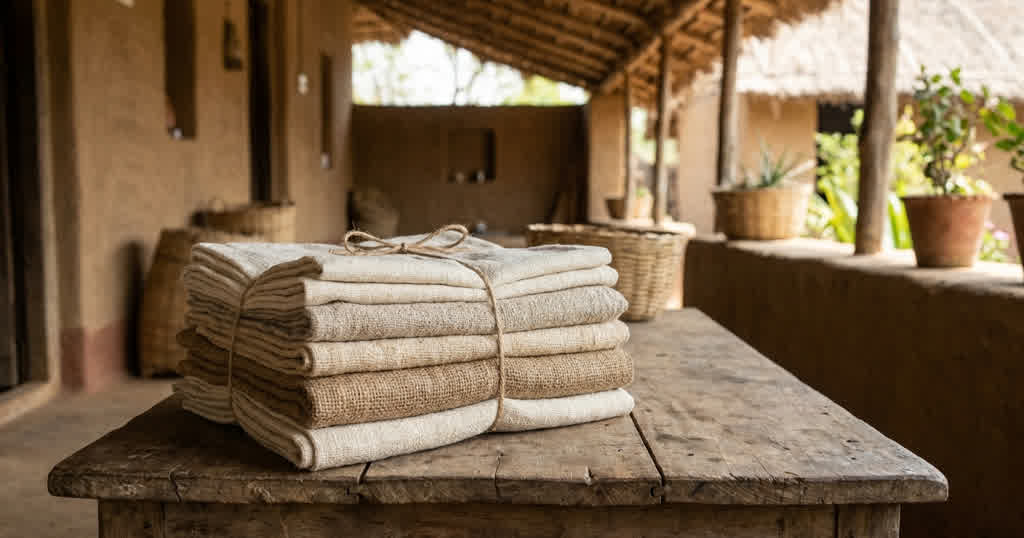
Traditional Indian Fabrics Every Designer Should Know

Designers are shifting away from mass-produced synthetics, seeking out textiles that offer both structural integrity and a verifiable origin story. Sourcing an authentic indian fabric is no longer just an aesthetic choice; it is a technical decision that dictates garment longevity, dye uptake, and the sustainability narrative a brand can confidently market. The transition from conventional mill-made materials to artisanal textiles requires a clear understanding of weave structures, fiber properties, and cluster-specific production methods.
This shift places new demands on sourcing teams who must balance heritage craft with strict ESG compliance and consistent quality control. Understanding the specific material science behind these textiles allows independent designers and boutique brands to integrate them effectively into modern collections. By examining the precise specifications of these materials, buyers can secure reliable wholesale fabric that meets both technical requirements and ethical standards.
The Anatomy of Authentic Indian Fabric: Beyond the Aesthetic
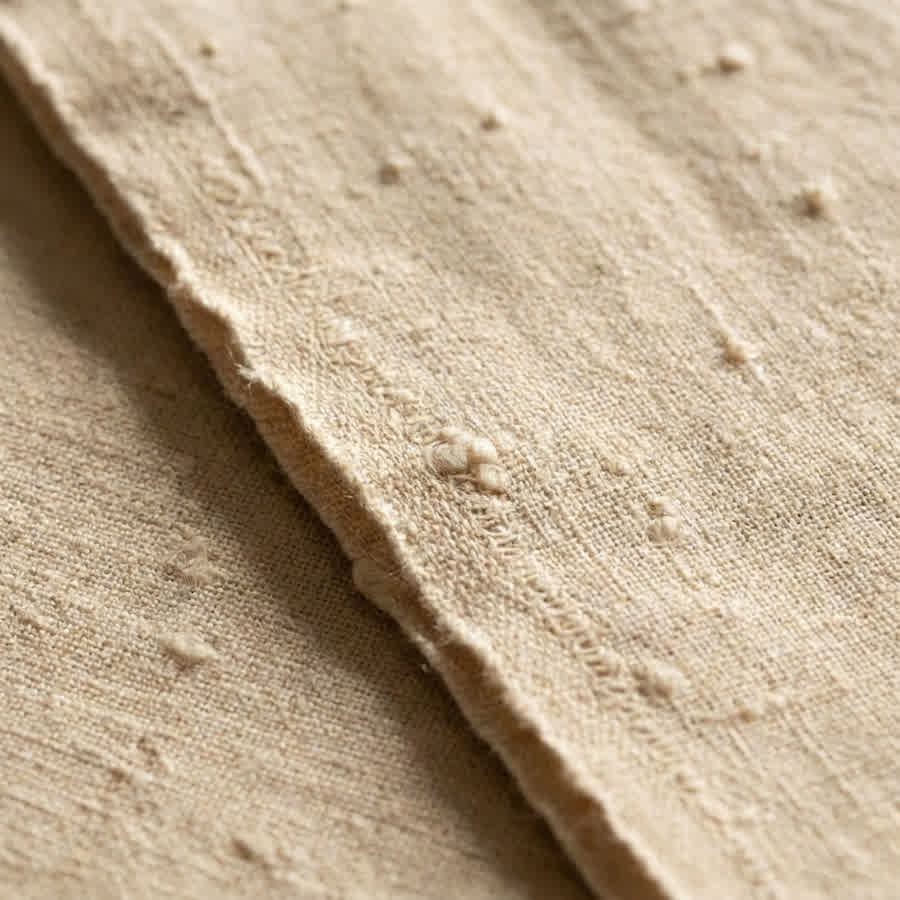
Genuine handloom textiles are defined by their specific yarn count, low-tension weave structures, and the presence of natural irregularities, which collectively differentiate them from uniform power-loom imitations. Understanding these technical characteristics is essential for verifying authenticity and predicting how the material will behave during garment construction.
Decoding Yarn Count and Twist
The structural foundation of any textile begins with the yarn. In traditional handloom production, the yarn twist is often lower than in commercial mill production, resulting in a softer hand-feel and higher absorbency. This lower twist directly impacts how the material accepts natural dye processes, allowing colors to penetrate deeply into the fiber core rather than sitting on the surface.
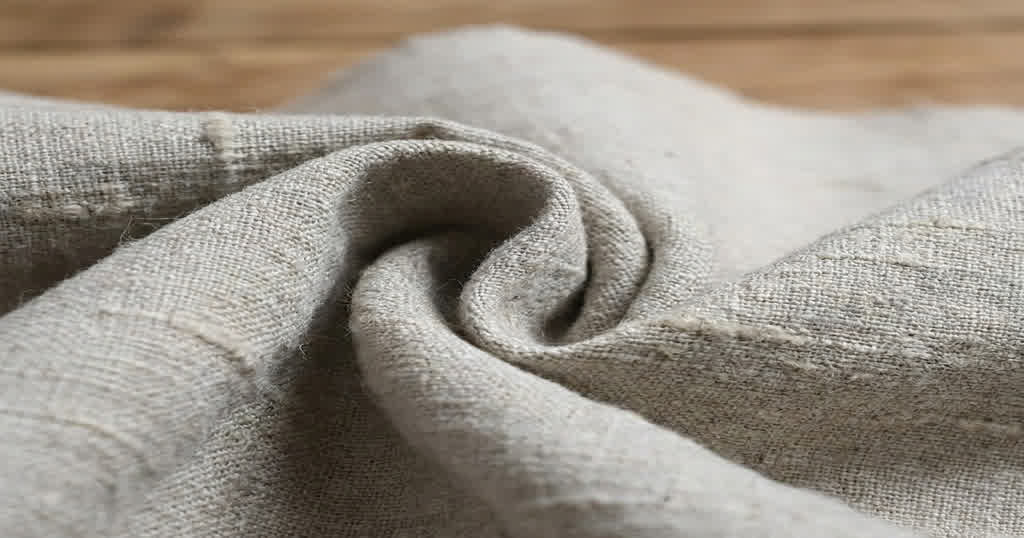
When evaluating materials for a collection, designers must look closely at the warp and weft density. A power-loom fabric will display rigid, mathematical uniformity, while a handwoven piece will show microscopic variations in tension. These variations are not defects; they are the mechanical signature of human-operated looms that provide superior drape and flexibility.
Identifying Genuine Handloom Signatures
To distinguish authentic artisanal textiles from mass-produced alternatives, buyers must inspect the physical properties of the yardage. The most reliable indicator is the presence of slubs, which are slight thickenings in the yarn caused by the hand-spinning process.
When sourcing wholesale fabric, sourcing directors should look for specific technical markers to verify authenticity:
- Selvedge irregularities that indicate manual shuttle movement rather than automated rapier looms.
- Pin marks along the borders, left by the temple (a wooden tool used to keep the fabric width consistent during weaving).
- Breathable micro-pores visible when the textile is held up to a light source, resulting from the low-tension beating of the weft.
- Handloom Mark certification, a government-backed label verifying the decentralized, manual production of the textile.
Recognizing these markers ensures that the procured indian fabric delivers the exact tactile and structural benefits required for premium garment design.
India's own traditional fabrics
Jamdani & Khadi: Icons of India's Handwoven Heritage
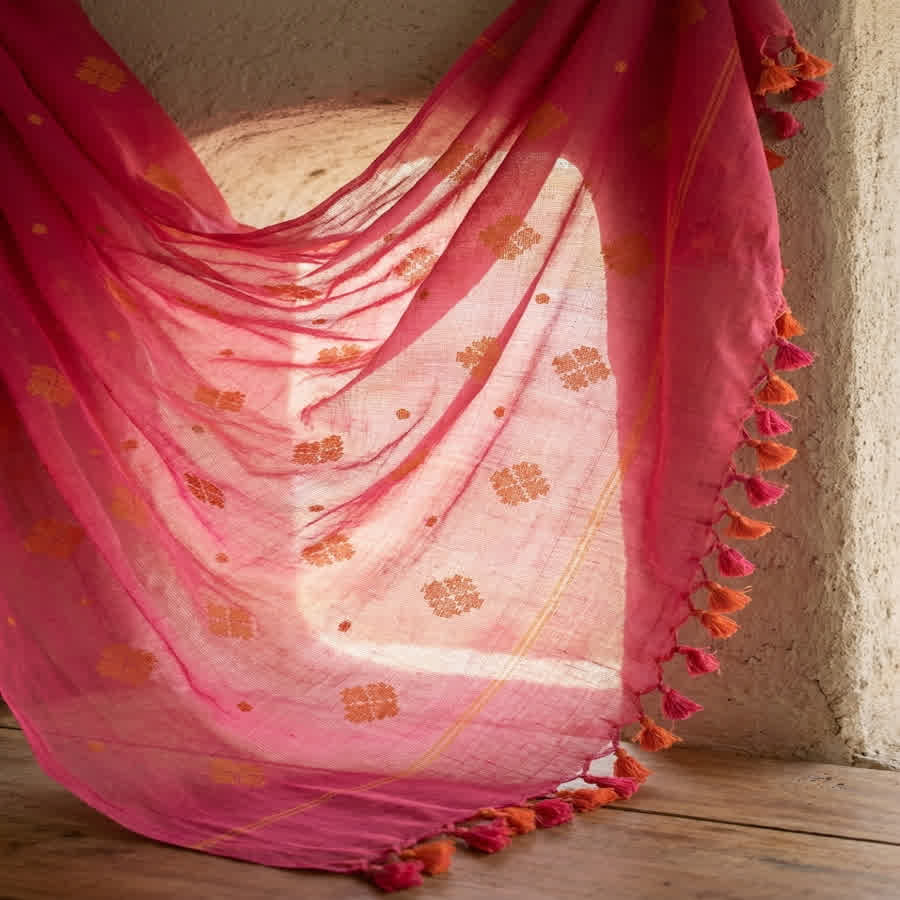
Few textiles embody India's weaving heritage as beautifully as Jamdani and Khadi Cotton. While Jamdani is renowned for its intricate supplementary weft motifs handwoven into fine cotton, Khadi is celebrated for its hand-spun yarns and naturally breathable texture. Together, these fabrics represent centuries of craftsmanship, combining comfort, artistry, and sustainability. Their lightweight feel, timeless aesthetics, and versatility make them ideal for contemporary apparel, resort wear, occasion wear, and everyday garments. Designers looking to purchase fabric online from trusted fabric suppliers from India often choose these heritage textiles to create collections that balance tradition with modern design.
Tussar Silk & Matka Silk: Naturally Textured Heritage Silks
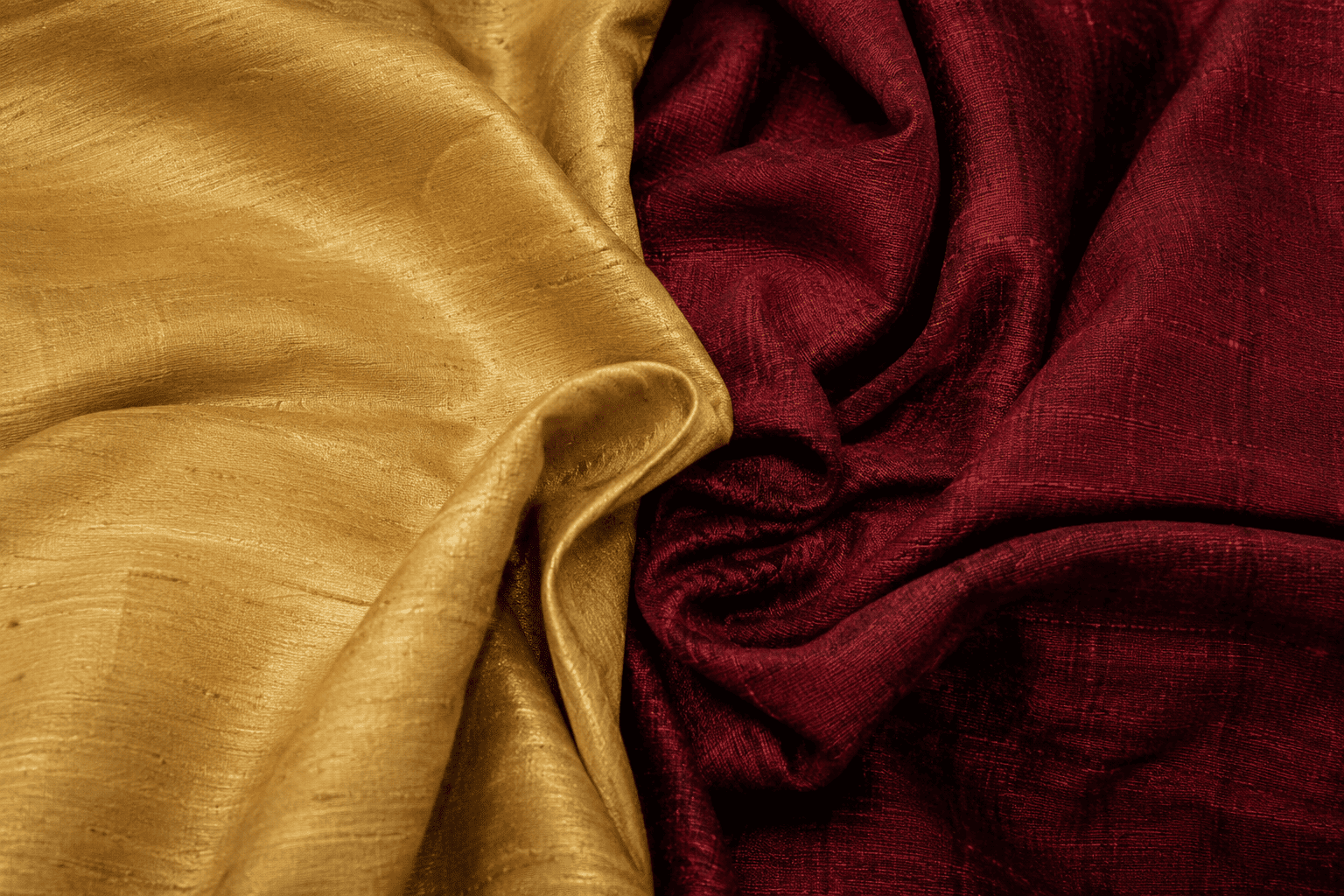
Tussar Silk is admired for its natural golden sheen, rich texture, and breathable comfort, offering garments an understated elegance. Matka Silk, woven from hand-spun silk yarns, features a distinctive slub texture that adds depth and character to jackets, dresses, and contemporary silhouettes. Together, these heritage silks are favoured by designers seeking fabrics with artisanal appeal. Many fashion brands work with wholesale fabric dealers or buy fabric India online to source these timeless textiles for premium collections.
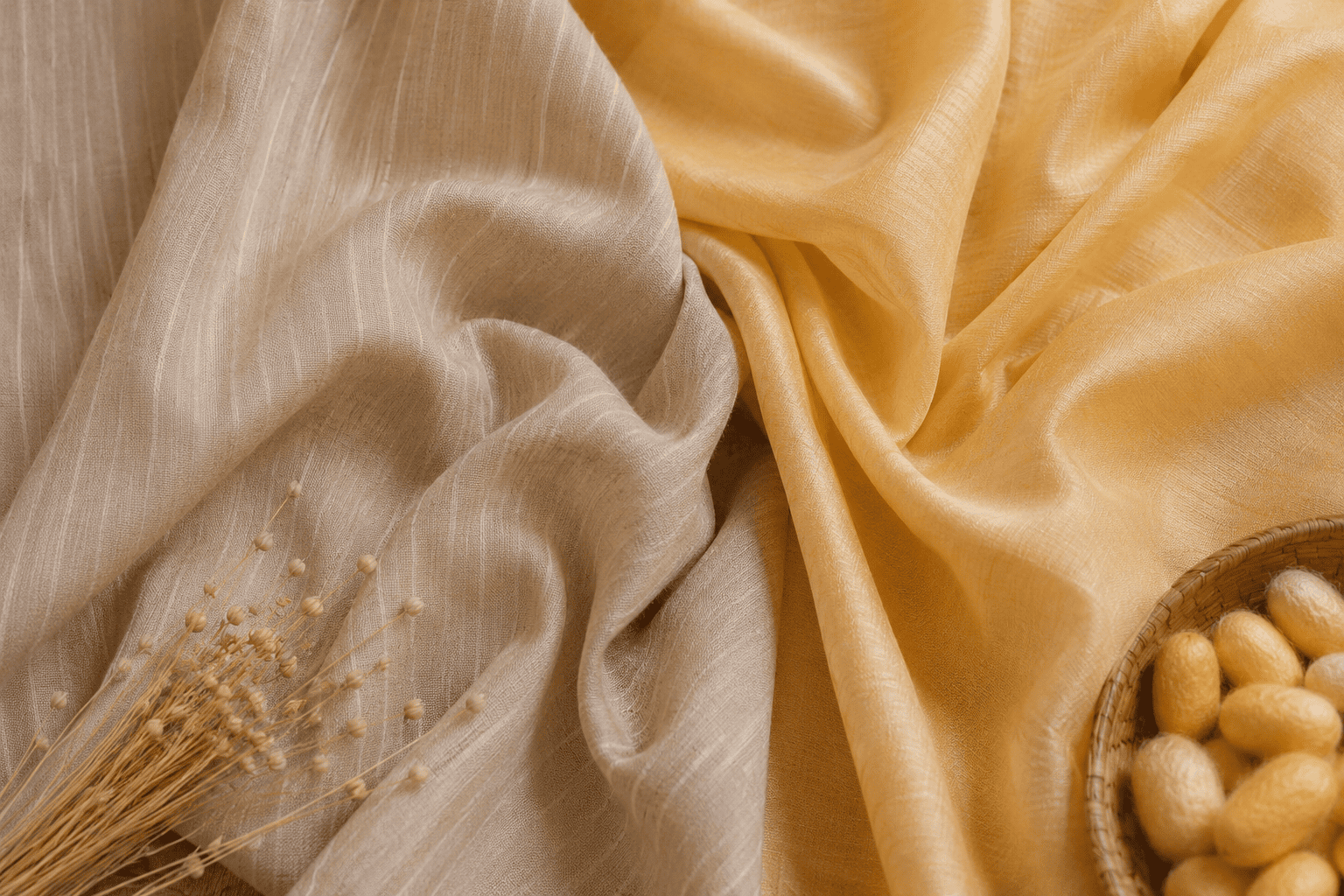
Eri Silk & Muga Silk: Heritage Silks with Timeless Appeal
Eri Silk, often known as Peace Silk, is appreciated for its soft matte finish, thermal comfort, and ethical production process. Muga Silk, native to Assam, is distinguished by its naturally golden hue, exceptional strength, and luxurious appearance that becomes richer over time. These heritage silks offer designers a unique combination of durability, elegance, and authenticity. Whether sourcing India fabric online or partnering with an experienced Indian fabric company, both fabrics remain prized choices for premium fashion and luxury textiles.
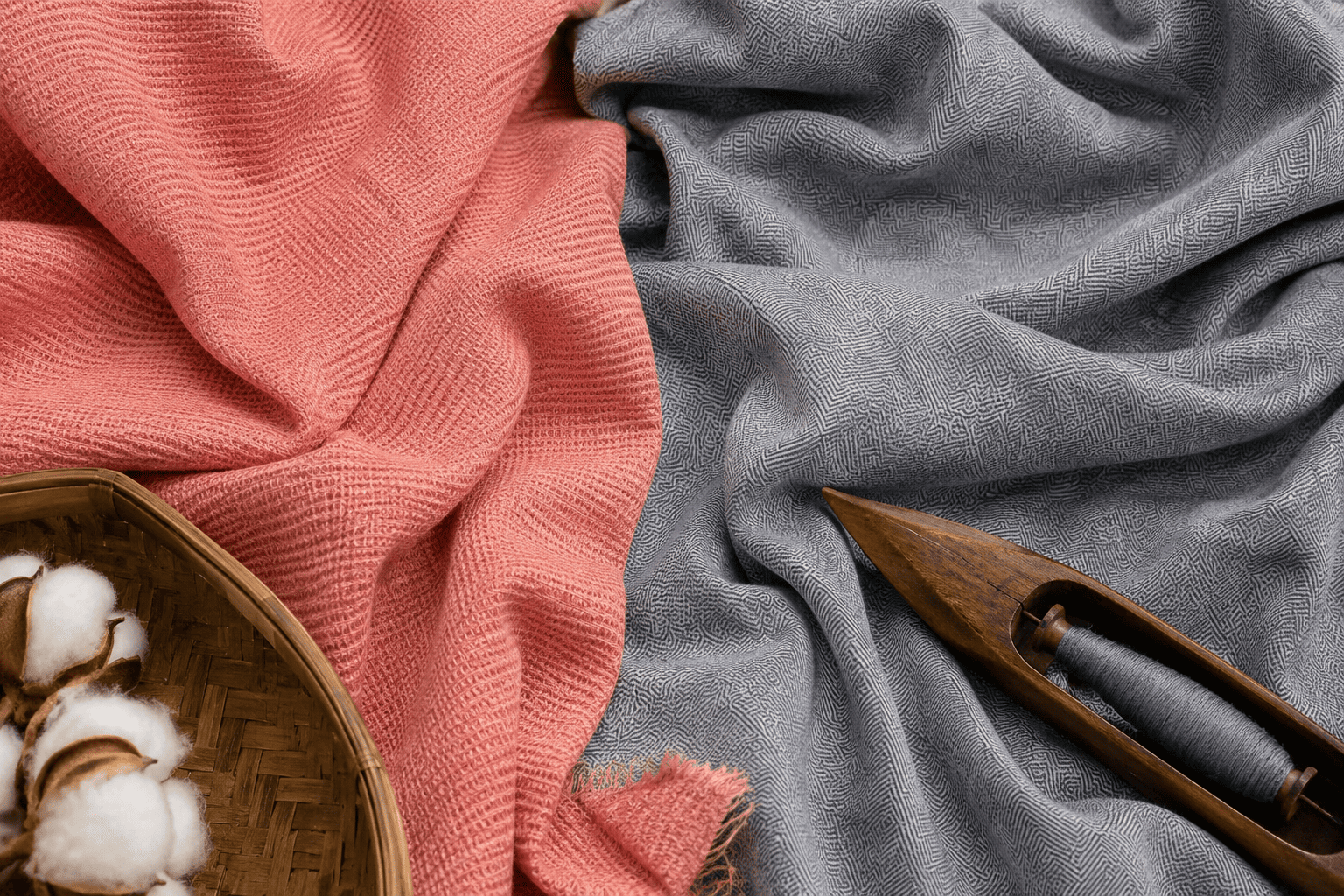
Handloom Cotton: Everyday Comfort Woven with Tradition
Handloom Cotton is valued for its softness, durability, and breathable weave, making it one of the most versatile fabrics in Indian textiles. Woven by skilled artisans on traditional looms, it offers a distinctive texture that machine-made fabrics often lack. Suitable for shirts, dresses, home furnishings, and everyday wear, Handloom Cotton continues to play an important role in the Indian textile industry. It reflects the craftsmanship and authenticity associated with every leading Indian textile company dedicated to preserving India's weaving traditions.
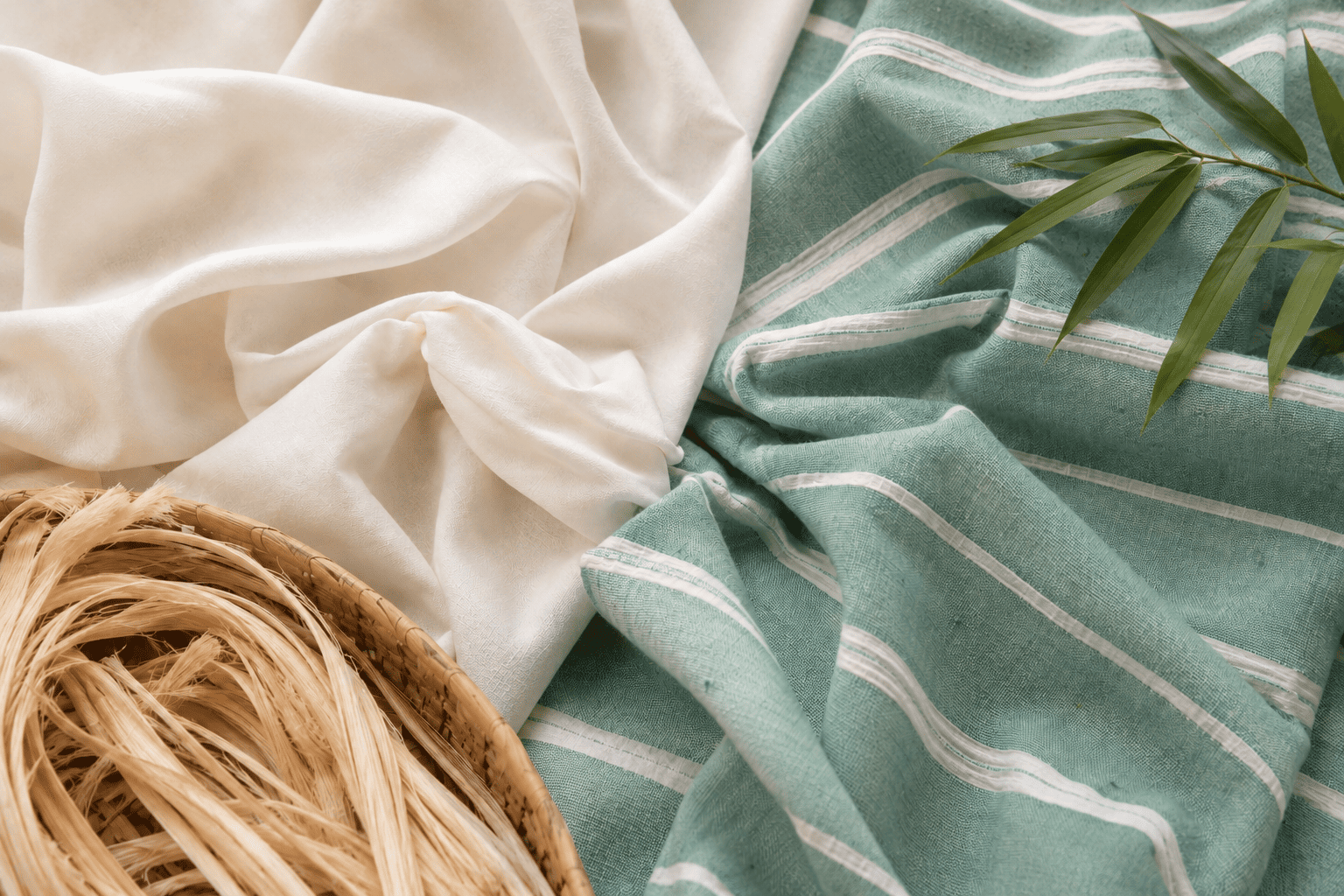
Banana Fibre Fabric & Khesh Fabric: Traditional Craft Meets Sustainable Innovation
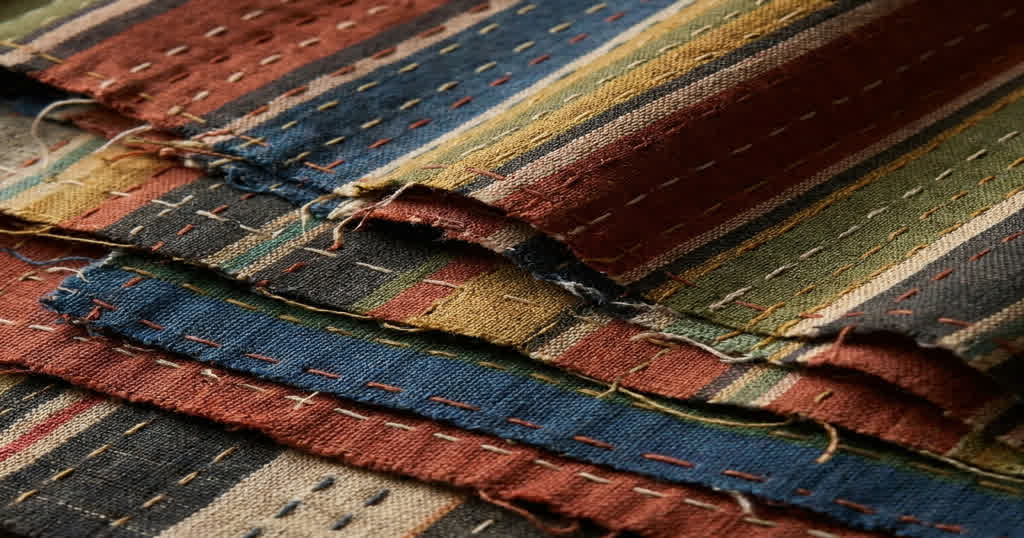
Banana Fibre Fabric transforms agricultural by-products into a strong, biodegradable textile with a naturally textured finish, making it a thoughtful choice for sustainable fashion. Khesh Fabric, traditionally woven from reclaimed cotton strips, celebrates India's long-standing practice of textile reuse while creating colourful handcrafted fabrics with unique character. Together, these textiles demonstrate how traditional craftsmanship continues to evolve through sustainable innovation. Today, many fabric suppliers from India offer these sustainable fabrics to designers looking for environmentally responsible materials without compromising on aesthetics or quality.
Manage Wholesale Fabric Sourcing from Decentralized Clusters
Sourcing fabrics wholesale directly from rural Indian artisans requires a strategic roadmap that aggregates production across multiple weaving clusters to meet volume demands while maintaining strict quality control. By understanding cluster capacities and standardizing tech packs, B2B buyers can secure reliable yardage without compromising artisanal integrity.
Managing Lead Times and MOQs
Decentralized production operates on a different timeline than centralized mill manufacturing. A single artisan loom has a finite daily output, meaning that fulfilling large orders requires distributing the work across a network of weavers. This aggregation allows brands to access lower Minimum Order Quantities (MOQs) for custom designs while still scaling up to thousands of meters for core collections.
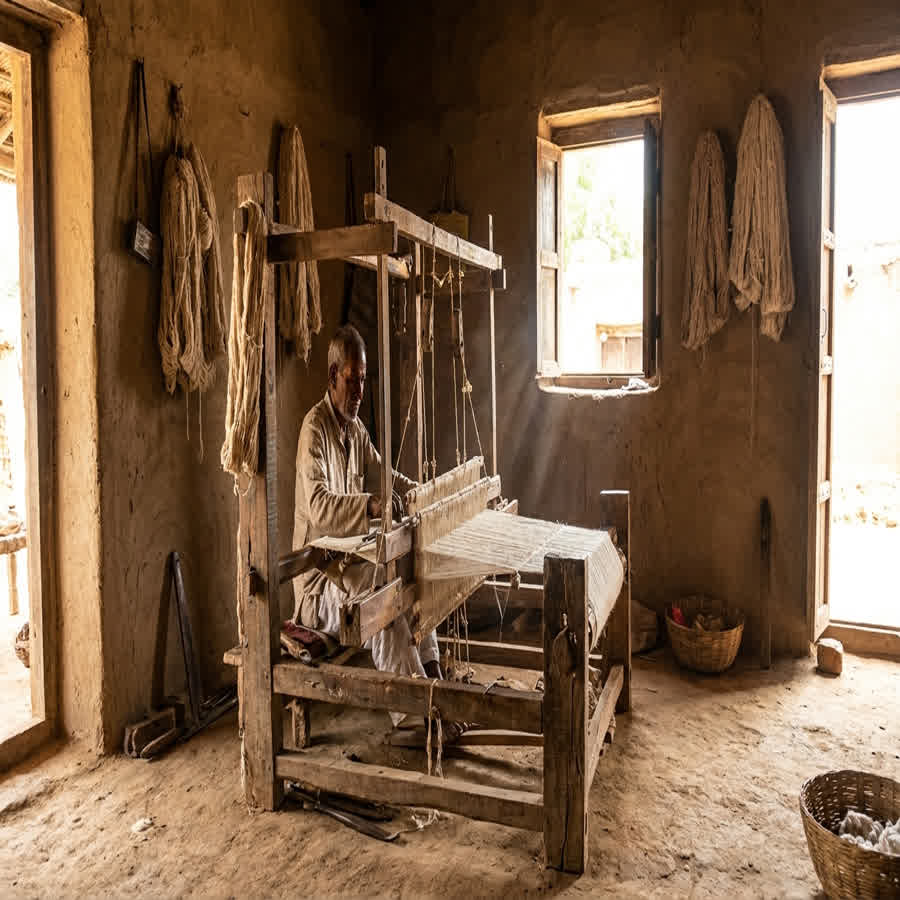
To manage this process effectively, sourcing directors must build buffer times into their production calendars. Handloom weaving is subject to environmental factors; for example, high humidity during the monsoon season can affect yarn tension and sizing processes. Planning for these seasonal variations ensures that delivery schedules remain realistic and that the indian fabric arrives on time.
Ensuring Quality Control Across Villages
Maintaining consistent quality across multiple independent weavers is the primary challenge of decentralized sourcing. This is achieved through rigorous standardization before the weaving even begins. We currently work with numerous clusters across Bengal, ensuring that every artisan receives identical dyed yarn batches and precise technical specifications.
To guarantee consistency in the final wholesale fabric, a strict quality assurance protocol must include:
- Standardized reed and pick counts distributed to all participating weavers to ensure uniform fabric density.
- Centralized yarn dyeing, preventing the color variations that occur when individual artisans dye their own small batches.
- Mid-production loom inspections to catch tension inconsistencies or pattern errors before the yardage is completed.
- Post-weaving finishing facilities where the aggregated fabric is washed, ironed, and inspected under standardized lighting.
Implementing these controls allows brands to confidently purchase artisanal textiles at scale, knowing the structural integrity is expected.
Traceability as a Design Asset: The Anuprerna Supply Chain
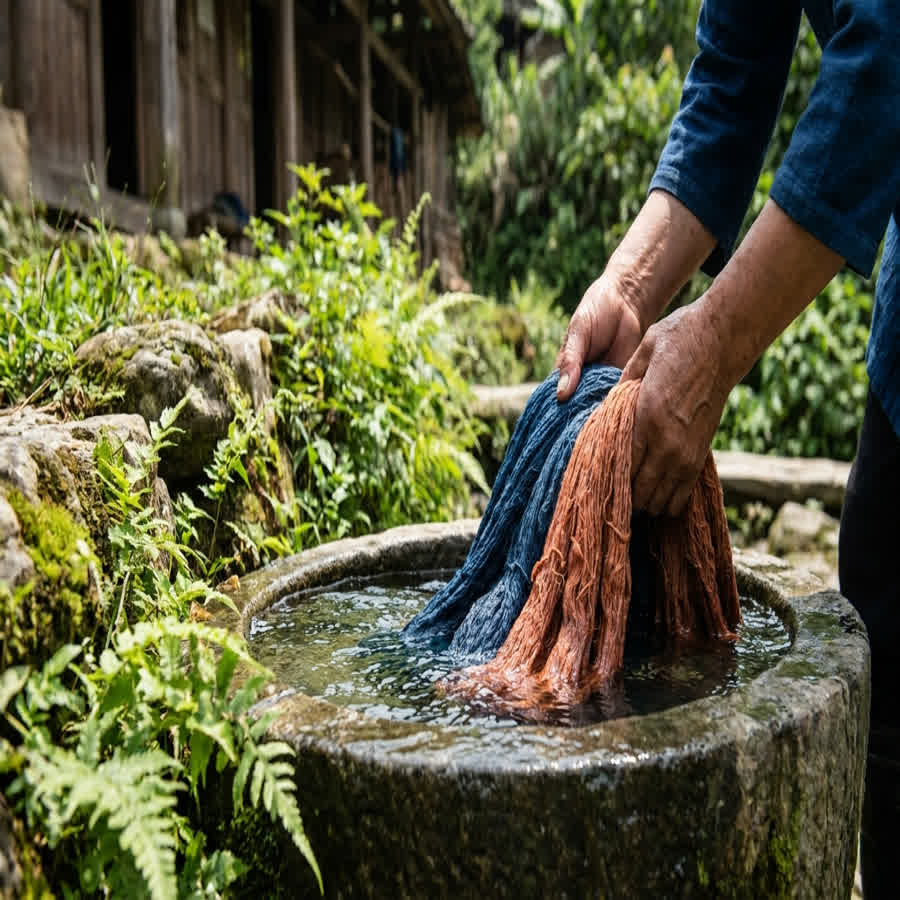
Partnering with a decentralized artisan network provides brands with granular ESG data and authentic origin stories, transforming supply chain traceability into a highly marketable design asset. This transparency allows designers to prove their environmental and social impact directly to the conscious consumer.
Capturing Cluster-Level ESG Data
Modern fashion compliance requires more than vague sustainability claims; it demands verifiable data. By sourcing through a transparent network, brands gain access to the exact geographic origins of their materials, down to the specific weaving village in districts like Murshidabad or Burdwan. This level of detail provides the necessary documentation for strict environmental compliance standards increasingly required by global markets.
The decentralized model inherently boasts strong zero-waste credentials and a minimal carbon footprint. Handlooms require no electricity to operate, and the use of natural dyes significantly reduces chemical effluent. Capturing this data allows B2B buyers to confidently report on their reduced scope 3 emissions when auditing their indian fabric supply chains.
Translating Artisan Impact into Brand Value
For the end consumer, the technical specifications of a garment are often secondary to the story of its creation. When a brand purchases wholesale fabric through an ethical supply chain, they are acquiring a narrative of rural empowerment and heritage preservation.
To effectively market this traceability, brands should highlight specific aspects of the production process:
- Fair wage documentation, proving that the artisans received equitable compensation for their skilled labor.
- Generational craft preservation, detailing how the purchase supports the continuation of centuries-old weaving techniques.
- Low-impact processing, emphasizing the absence of heavy machinery and toxic chemicals in the fabric's creation.
- Direct community investment, showing how decentralized sourcing keeps capital within rural economies rather than corporate conglomerates.
By weaving these facts into their marketing, designers transition their collections from simple apparel to meaningful, value-driven investments.
frequently asked questions
What is the typical GSM range for wholesale handloom Indian fabric?
Handloom Indian fabrics vary widely based on the weave and yarn, with fine Jamdani cottons typically ranging from 40-70 GSM and standard Khadi cottons ranging from 100-150 GSM. Fine Jamdani is ideal for summer wear, while the heavier Khadi is suitable for structured garments and trans-seasonal collections.
How do I verify the authenticity of handwoven Indian fabric when buying wholesale?
Authentic handloom fabrics exhibit slight irregularities in the weave, known as *slubs*, which are a direct result of hand-spinning or manual weaving. B2B buyers should also look for certifications like the Handloom Mark or partner with transparent supply chains that provide cluster-level traceability.
Can traditional Indian fabrics be scaled for mid-to-large wholesale fabric orders?
Yes, large orders can be fulfilled through decentralized supply chains that aggregate production across multiple weaving clusters. While a single artisan's output is limited, this network approach allows brands to fulfill large wholesale fabric orders (1000+ meters) while maintaining artisanal integrity and supporting rural economies.
How does the shrinkage rate of Khadi compare to conventional mill-made cotton?
Khadi typically experiences a higher initial shrinkage rate of around 3-5% compared to mill-made cotton due to the low tension of hand-spun yarns. Designers must account for this specific behavior in their tech packs or request pre-washed wholesale fabric from their suppliers to ensure garment stability.
What is the difference between Ahimsa silk and conventional silk in terms of texture?
Ahimsa silk retains a slightly more textured, matte finish compared to conventional silk because the moth is allowed to break the cocoon, resulting in shorter staple fibers. These broken filaments must be spun rather than reeled, which creates a denser, highly durable yarn with a distinct tactile profile favored by modern luxury brands.
More Blogs
malmal cloth in english: understanding the global appeal of mul cotton
wholesale cotton fabric: how to choose the right supplier
screen printing on fabric: techniques, process & applications in fashion

linen gym wear: can you really workout in natural fibers?
what to look for during khadi online shopping?
top 5 upcycled fabric products you can make at home