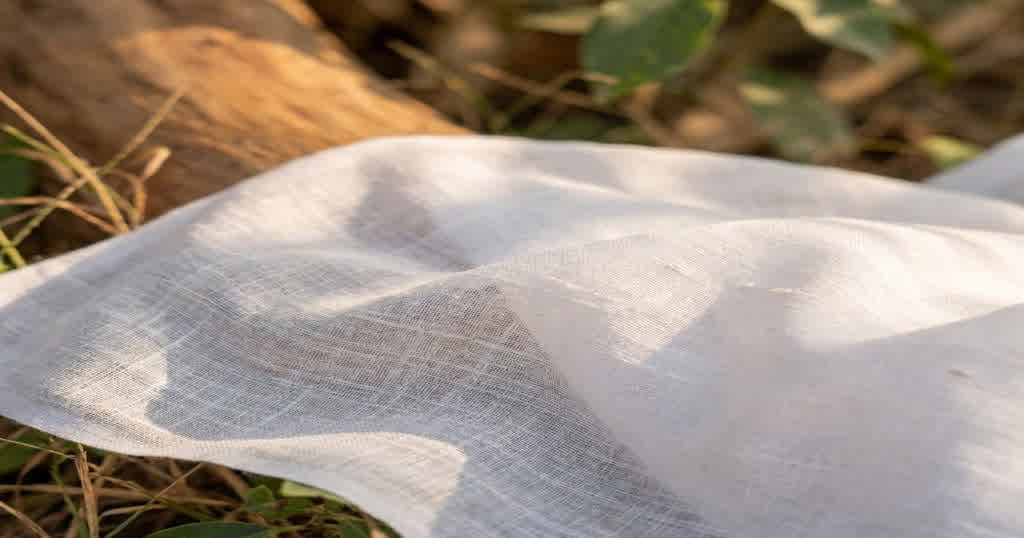
Malmal Cloth In English: Understanding The Global Appeal Of Mul Cotton

Designers building resort wear collections often struggle to find a natural fiber that offers extreme breathability without compromising structural integrity. The search for authentic malmal cloth frequently leads sourcing teams to rural Bengal, where artisans have perfected this ultra-lightweight textile over centuries. Known historically as woven wind, this material provides a critical solution for brands moving away from synthetic blends and thirsty conventional cottons. Translating the concept of malmal cloth in English reveals its identity as premium handloom muslin, a fabric that directly addresses the modern demand for traceable, low-impact textiles.
For a sustainable fashion brand, choosing this specific plain-weave cotton is a technical decision that impacts garment drape, moisture management, and the ethical narrative presented to the final consumer.
Malmal Cloth In English: Translating India's 'Woven Wind' for Global Markets
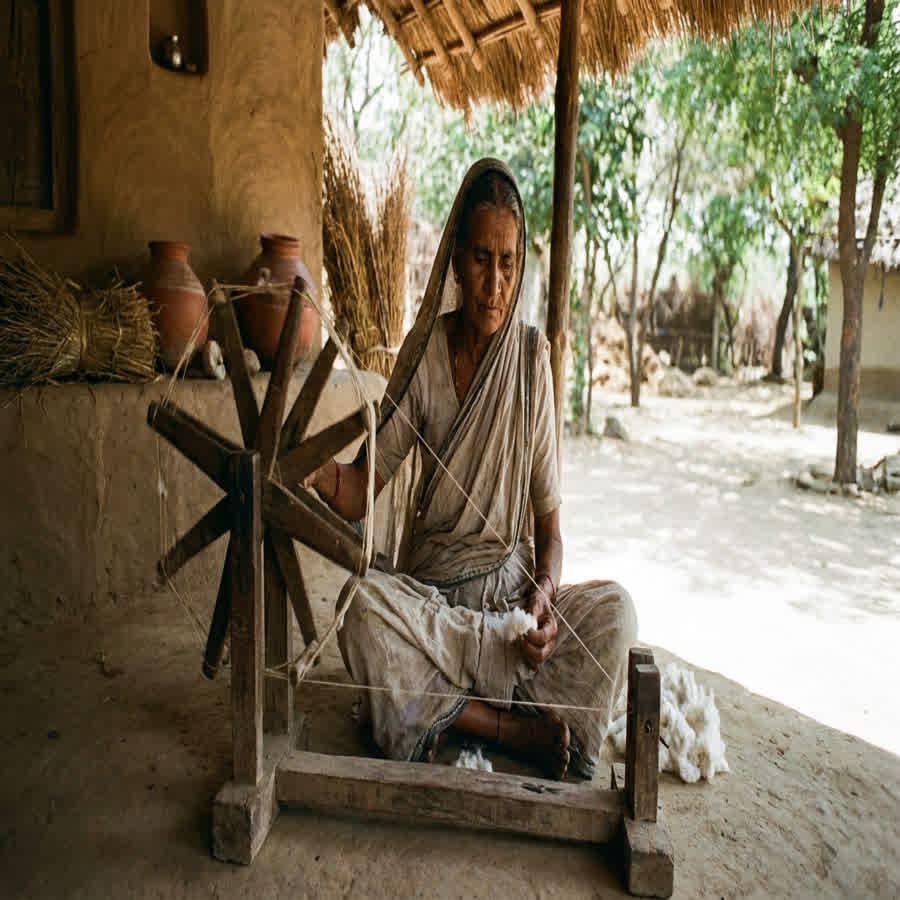
Translating malmal cloth in English simply means referring to authentic, finely woven muslin, a heritage textile currently experiencing a massive resurgence in global sustainable fashion. This fabric offers international designers a highly breathable, zero-waste material rooted in centuries of specialized Bengali craftsmanship.
The Bengal region is the historical epicenter of this textile, where Mughal royalty and European aristocrats once prized it for its sheer, cloud-like texture. Today, the global market recognizes this hand-spun delicacy as a premium alternative to mass-produced synthetics. Buyers sourcing for summer collections require materials that tell a compelling origin story while delivering high performance in warm climates.
The Historical Context of Woven Wind
The term woven wind accurately describes the tactile experience of authentic handloom malmal. Artisans achieve this unique texture through generations of specialized knowledge in spinning and weaving short-staple cotton.
Understanding this history helps brands market the heritage craftsmanship behind their garments.
- Mughal patronage established the initial quality standards for ultra-fine cotton weaving across the Indian subcontinent.
- European trade routes introduced the fabric globally under the English name muslin, creating a lasting international demand.
- Modern revival efforts focus on restoring these ancient techniques through decentralized artisan networks in rural Bengal.
Meeting Modern Sustainability Demands
Global fashion brands are aggressively replacing polyester blends with lightweight natural fibers to meet strict environmental and social targets. Authentic mul cotton provides a verifiable, low-impact solution for these eco-conscious collections.
The production process relies entirely on human energy, ensuring a minimal carbon footprint from yarn to finished yardage. By integrating this textile, designers secure a material that aligns with the growing consumer expectation for transparent, earth-friendly supply chains.
Technical Specifications: Why Mul Cotton Dominates Summer and Resort Wear
Mul cotton dominates summer and resort wear because its specific plain-weave structure and high-twist yarns deliver maximum breathability and rapid moisture wicking. These technical properties ensure the fabric remains cool against the skin while maintaining exceptional tensile strength despite its sheer appearance.
Sourcing managers must evaluate the physical properties of a textile to ensure it performs well in high-humidity environments. Authentic handloom malmal typically ranges from 30 to 60 GSM, making it one of the lightest natural fabrics available for commercial apparel. This low weight does not sacrifice durability, provided the weaving process utilizes the correct yarn specifications.
Yarn Count and Tensile Strength
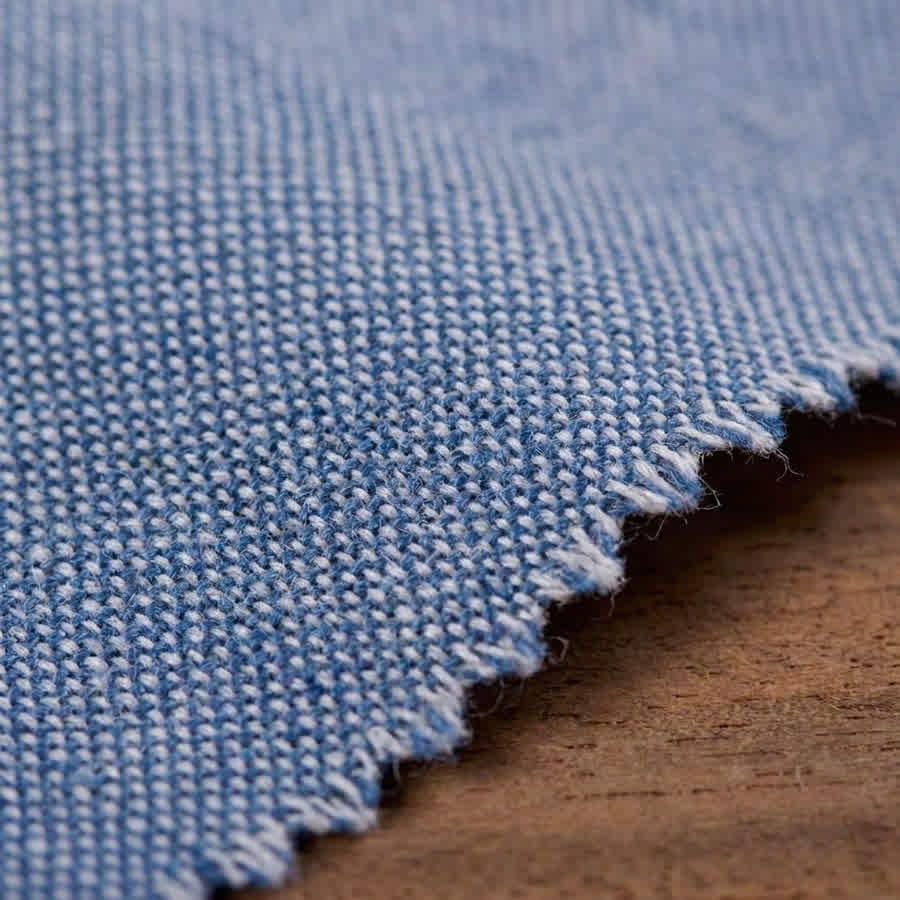
The foundation of this fabric lies in its specialized high-twist yarns, which range from 60s to 120s Ne count. A higher Ne count indicates a finer yarn, requiring immense skill to weave on a traditional handloom without constant breakage.
This specific twist imparts structural integrity, allowing the sheer fabric to withstand standard garment construction and regular wear.
- 60s Ne count provides a balanced, durable base ideal for everyday summer dresses and baby apparel.
- 80s Ne count offers a softer, more translucent finish for premium resort wear overlays and lightweight shirting.
- 100s to 120s Ne count represents the pinnacle of artisan skill, delivering an ultra-sheer, luxury drape for high-end collections.
Thermodynamic Benefits and Moisture Management
The open structure of a finely woven plain-weave allows for continuous air circulation, which is critical for regulating body temperature. This structural porosity enables the fabric to pull sweat away from the body rapidly, acting as a natural moisture-wicking layer.
Once absorbed, the moisture spreads across a wide surface area, facilitating rapid evaporation and keeping the wearer dry. These thermodynamic benefits make the material an essential component for designers building functional, high-end summer collections.
Manage Mulmul Cotton Fabric Wholesale: The Anuprerna Artisan Advantage
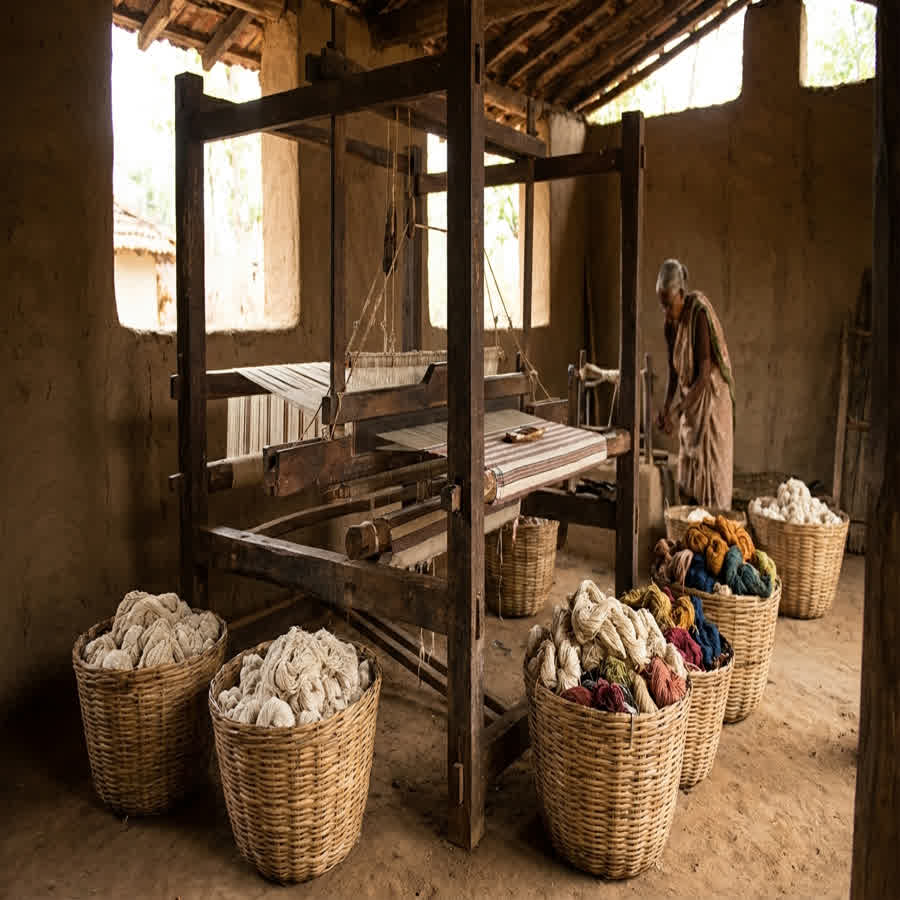
Sourcing mulmul cotton fabric wholesale requires a supply chain that guarantees consistent quality and ethical labor, which Anuprerna provides through a decentralized network of rural Bengal artisans. This system allows global B2B buyers to scale their production while maintaining direct access to authentic handloom craftsmanship.
Securing reliable volumes of artisan textiles is a common challenge for growing fashion brands. A centralized factory model cannot replicate the soft, cloud-like texture achieved by traditional hand-weaving techniques. We currently work with multiple specialized clusters across Bengal, including communities in Murshidabad and Burdwan, to ensure our wholesale partners receive authentic materials without the typical bottlenecks of rural sourcing.
Decentralized Production and Scalability
Our approach organizes independent weavers into a cohesive decentralized supply chain, bridging the gap between village artisans and international designers. This structure distributes large wholesale orders across several weaving communities.
By managing production across multiple clusters, we maintain consistent quality control while meeting the volume requirements of B2B buyers.
- Village-level weaving ensures the preservation of traditional, low-impact production methods without forcing artisans into urban factories.
- Distributed order allocation prevents artisan burnout and ensures fair, steady work across different rural districts.
- Centralized quality checks guarantee that every yard meets global export standards before shipping to our international clients.
Ethical Labor and Transparent Sourcing
Brands purchasing mulmul cotton fabric wholesale need verifiable proof of ethical labor practices to satisfy their internal compliance standards. We provide complete visibility into the communities producing your textiles, ensuring full supply chain traceability.
This transparency ensures that every purchase supports fair-trade artisan wages and safe working conditions. Designers can confidently market their collections knowing the exact origin of their materials and the positive economic impact on rural weaving families.
Decoding Mulmul Cotton Fabric Price: A B2B Cost Analysis
The mulmul cotton fabric price reflects the labor-intensive, zero-carbon handloom process, fair artisan wages, and the use of premium, high-twist yarns. Understanding these cost drivers helps B2B sourcing directors justify the premium of artisan-woven textiles over mass-produced powerloom alternatives.
When evaluating quotes for summer collections, buyers often compare handloom textiles against cheaper, mill-made equivalents. The price difference stems directly from the time-intensive craftsmanship required to handle delicate 60s to 120s Ne count yarns. A transparent cost analysis reveals that the higher initial investment translates into superior fabric performance and a stronger ethical marketing narrative.
Hand-Spun vs. Mill-Spun Yarn Costs
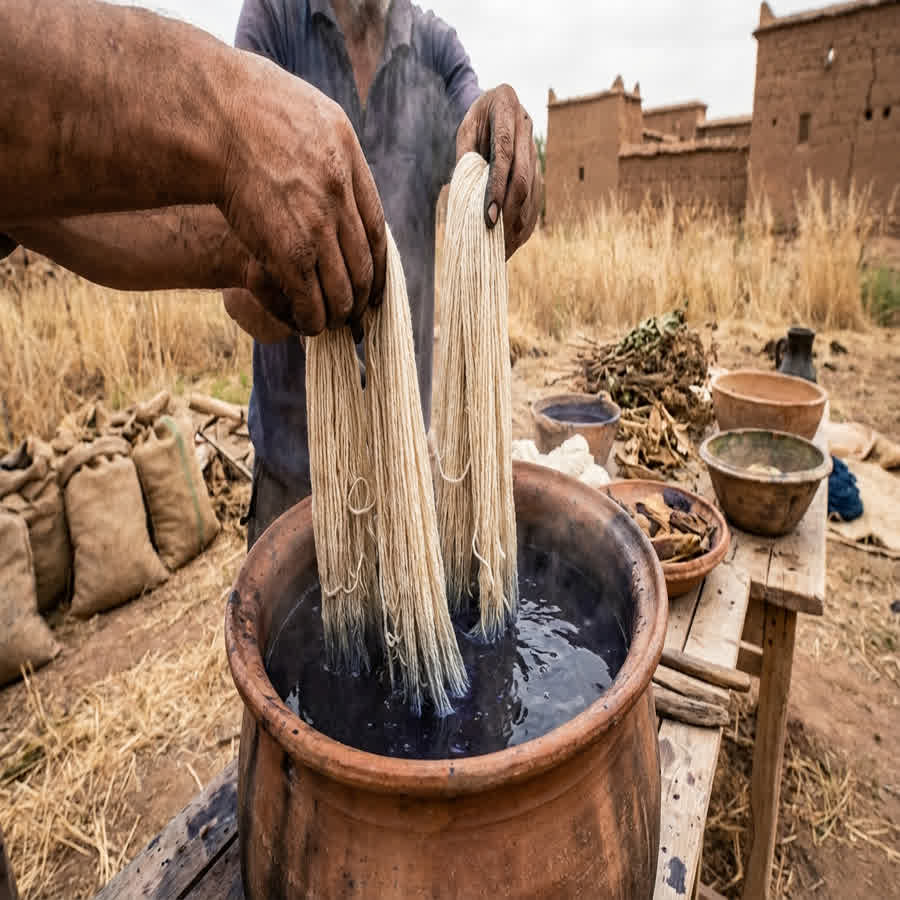
The preparation of the yarn is the first major variable in the mulmul cotton fabric price. Authentic production often utilizes hand-spun yarn, which requires significant human labor to achieve the necessary fine counts.
While mill-spun yarn is cheaper and faster to produce, it lacks the micro-variations in texture that give handloom fabrics their distinct, organic character.
- Hand-spun yarn increases the cost but delivers distinctive softness and a highly marketable heritage story.
- Mill-spun yarn offers a more uniform appearance and lowers the overall price point for larger wholesale orders.
- Yarn count selection directly impacts the price, with ultra-fine 120s Ne commanding the highest premium due to the skill required.
Dyeing Processes and Fair Wages
The choice of dye significantly influences the final cost of the textile. We utilize AZO-free synthetic dyes or 100 percent natural dyes, both of which require careful, manual application to ensure even color distribution on sheer fabrics.
Beyond material costs, the pricing structure guarantees fair-trade artisan wages for the weavers, dyers, and spinners involved in production. Investing in this equitable supply chain protects the future of the craft and provides brands with a strong, verifiable ESG credential for their stakeholders.
How to Source Authentic Mulmul Fabric Online: A Buyer's Guide
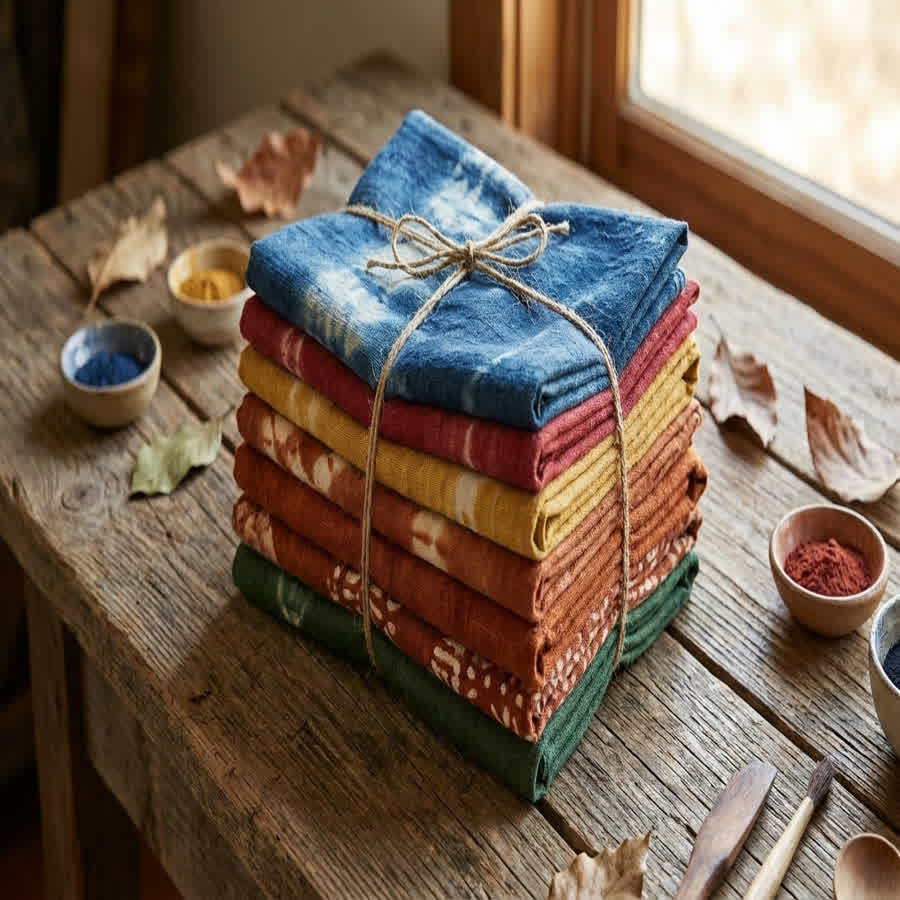
B2B buyers can source authentic mulmul fabric online through Anuprerna's digital catalog, which offers streamlined sampling, custom dye capabilities, and flexible minimum order quantities. This digital infrastructure connects international designers directly to rural Bengal artisans, simplifying the complex process of cross-border textile procurement.
Transitioning from synthetic materials to handloom cotton requires a reliable digital sourcing partner. Sourcing managers need clear specifications, accurate color matching, and manageable initial commitments to test the material. We have structured our online platform to provide all the necessary technical data and traceability required for confident decision-making.
The Digital Sampling Process
Before committing to large production runs, designers must evaluate the tactile drape and breathability of the textile. Our digital catalog allows buyers to order specific swatch books and sample yardage directly.
This initial step is crucial for testing the 30 to 60 GSM weight against specific garment patterns.
- Swatch books provide a comprehensive overview of available yarn counts and weave densities for immediate physical review.
- Sample yardage allows design teams to prototype resort wear or baby apparel before finalizing bulk wholesale orders.
- Technical specification sheets accompany all samples, detailing the exact GSM, width, and care requirements for accurate production planning.
Custom Dyeing and Flexible MOQs
A major hurdle in sourcing mulmul fabric online is finding a supplier willing to accommodate custom colors without demanding massive minimum order quantities. We offer flexible MOQs designed to support both independent designers and established fashion houses.
Our artisans can match specific Pantone shades using AZO-free dyeing processes, ensuring your custom colors meet international safety standards. This flexibility allows brands to build cohesive, sustainable summer collections while maintaining strict control over their inventory and cash flow.
Explore Our Collection
Anuprerna works directly with handloom artisan clusters to weave malmal cloth for designers and brands building considered collections. To source it for your next line, explore the range below.
frequently asked questions
Q: What is the standard GSM and yarn count for wholesale malmal cloth?
A: Authentic handloom malmal cloth typically falls between 30 and 60 GSM, making it ultra-lightweight. The yarn count usually ranges from 60s to 100s Ne; higher counts indicate a finer, softer, and more premium fabric. This specific combination of low weight and high-twist yarn ensures maximum breathability for summer collections.
Q: How does the mulmul cotton fabric price differ between handloom and powerloom production?
A: Handloom mulmul is priced at a premium due to the labor-intensive, zero-carbon weaving process by skilled artisans. This results in a softer drape and higher breathability compared to powerloom mulmul, which is cheaper but often stiffer and mass-produced. The higher cost directly supports fair-trade artisan wages and sustainable production methods.
Q: Can I order custom-dyed mulmul fabric online through Anuprerna?
A: Yes, Anuprerna allows B2B buyers to source mulmul fabric online with custom dyeing options. We utilize AZO-free synthetic dyes or 100 percent natural dyes, matching specific Pantone shades for your wholesale collections. This service is paired with flexible MOQs to accommodate brands of all sizes.
Q: What makes mul cotton suitable for global export and sustainable collections?
A: Mul cotton is 100 percent biodegradable, vegan, and highly durable despite its sheer nature. Its lightweight profile reduces international shipping emissions and costs, while its artisan origins provide strong traceability and ESG compliance for global brands. The plain-weave structure offers exceptional performance in warm climates.
Q: What is the difference between malmal cloth and standard cotton?
A: Malmal cloth is a highly specialized, ultra-lightweight plain-weave cotton, whereas standard cotton is typically heavier and woven with thicker yarns. The defining difference lies in malmal's use of fine, high-twist yarns (60s to 120s Ne count) and its low GSM, which creates a sheer, highly breathable fabric ideal for hot climates. Standard cotton lacks this *cloud-like texture* and extreme moisture-wicking capability.
More Blogs
how indian fabric exporters meet global quality standards
jacquard vs embroidery: what's the difference?
buy hemp fabric in bulk: what fashion brands need to know
khadi online shopping: what fabric details should you check?
a designer’s guide to sourcing silk from indian manufacturers
tussar silk fabric: characteristics, texture & a guide for designers