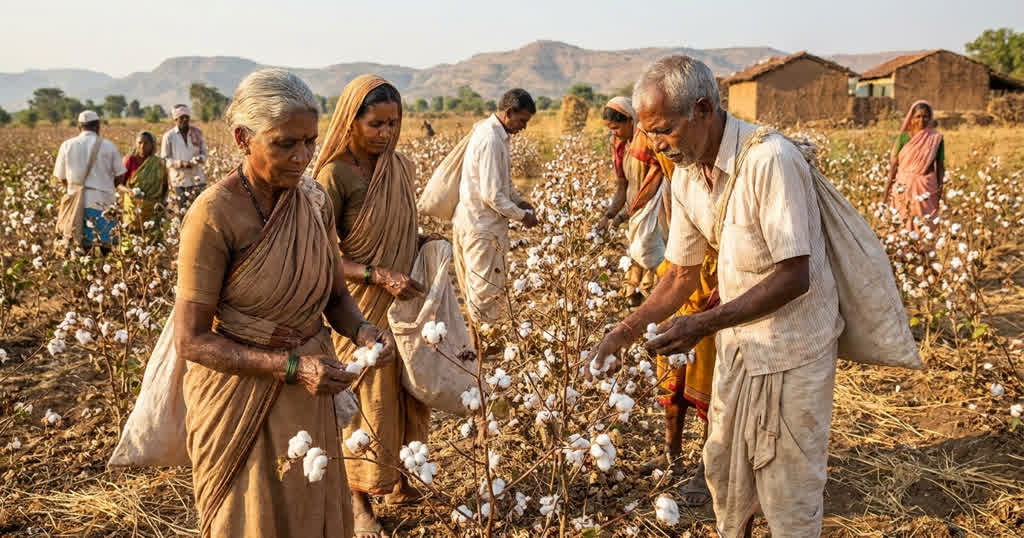
Why Organic Fabric Suppliers Are Growing in India

Designers seeking traceable materials often hit a wall when tracing conventional cotton back to its source, finding opaque industrial mills instead of transparent farms. The demand for verifiable origin stories is exactly why organic fabric suppliers in india are experiencing unprecedented growth, shifting the focus from centralized factories to rural agricultural roots. By partnering with these networks, brands secure low-carbon textiles while securing a verifiable narrative of environmental stewardship.
This shift is not just about replacing chemical fertilizers with natural alternatives, but fundamentally restructuring how textiles are made. Industrial production relies on heavy machinery and centralized power, whereas the emerging model champions decentralized artisan networks that operate off the grid. For a sourcing director, understanding this transition is critical for securing scalable sustainable materials that meet strict environmental and social targets without sacrificing material quality.
The Shift to Transparency: Why Global Brands Seek Organic Fabric Suppliers in India
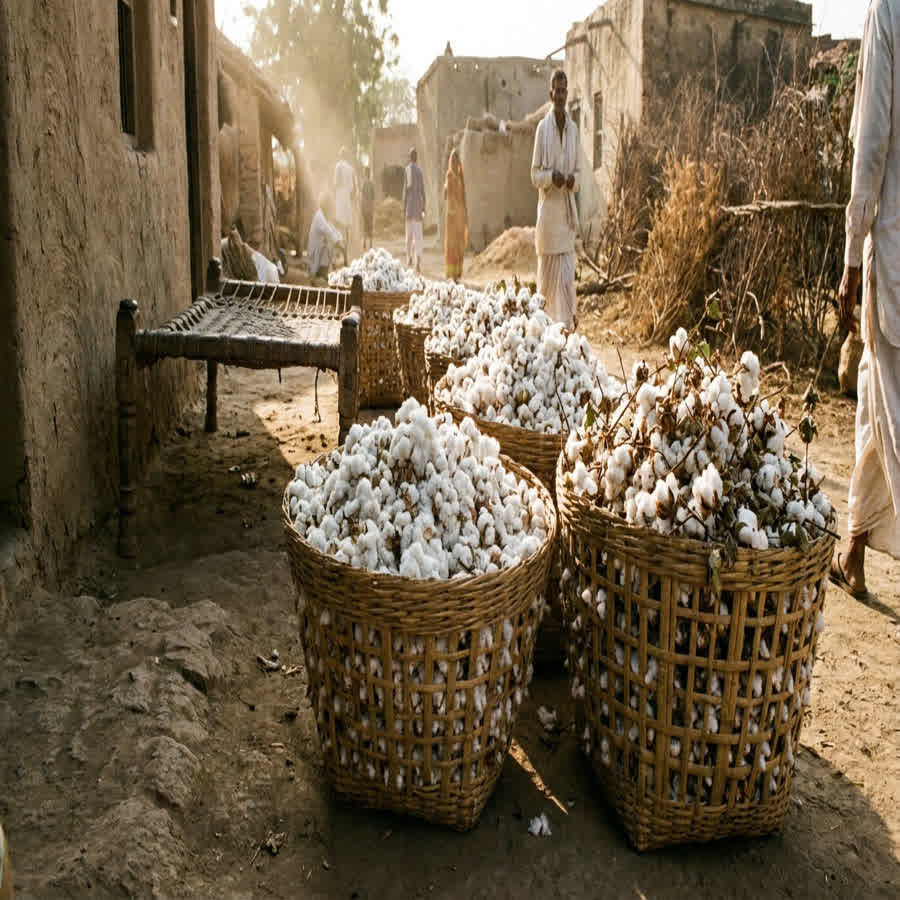
Global brands seek organic fabric suppliers in india because these networks provide the verifiable traceability and strict compliance metrics required to meet modern environmental, social, and governance targets. The market demand for transparency has forced a transition away from opaque, centralized factories toward traceable supply chains where every step from seed to finished yardage is documented. Buyers now require absolute certainty about the origin of their raw fiber inputs, pushing the industry toward radical openness.
Meeting Strict ESG Requirements
The pressure to decarbonize fashion has made conventional sourcing models obsolete for forward-thinking labels. Brands are actively seeking sustainable fabric suppliers who can provide hard data on water usage, chemical management, and fair labor practices. This data is no longer optional; it is a baseline requirement for entering major retail markets and satisfying conscious consumers.
To achieve these metrics, suppliers are implementing rigorous tracking systems across their agricultural networks.
- Farm-level documentation ensures that no synthetic pesticides or genetically modified seeds enter the soil.
- Chain of custody tracking follows the fiber from the ginning process through spinning and weaving.
- Third-party auditing verifies that the socio-economic impact on farming communities aligns with global fair trade standards.
The Decline of Opaque Manufacturing
For decades, the textile industry operated through a convoluted web of middlemen, making it impossible to trace a garment back to its source. Today, organic textile manufacturers in India are dismantling this system by offering direct lines of sight into their production clusters. This transparency allows a designer to confidently market a garment, knowing the exact village where the indigenous cotton was grown and spun.
We see this shift daily as sourcing directors prioritize long-term partnerships over short-term transactional buying. By committing to transparent artisan networks, brands protect themselves against the reputational risks of greenwashing. The result is a supply chain that values authentic origin stories just as highly as the physical quality of the fabric itself.
Beyond the Mill: The Role of Decentralized Artisan Networks in Organic Sourcing
Decentralized artisan networks offer a significantly lower carbon footprint than industrial mills by utilizing zero-electricity handlooms and localized, rain-fed agriculture. This model bypasses the heavy emissions of centralized factories, providing organic clothing companies with a regenerative production cycle. Instead of concentrating production in massive urban facilities, this approach distributes work across rural villages, sustaining local economies while preserving traditional craftsmanship.
The Zero-Carbon Handloom Advantage
Industrial weaving relies on power looms that consume vast amounts of electricity, often generated from fossil fuels. In contrast, rural handloom weavers operate entirely on human kinetic energy, producing textiles with near-zero operational emissions. This mechanical simplicity does not compromise quality; it yields a fabric with a distinct, breathable texture that machine-made alternatives cannot replicate.
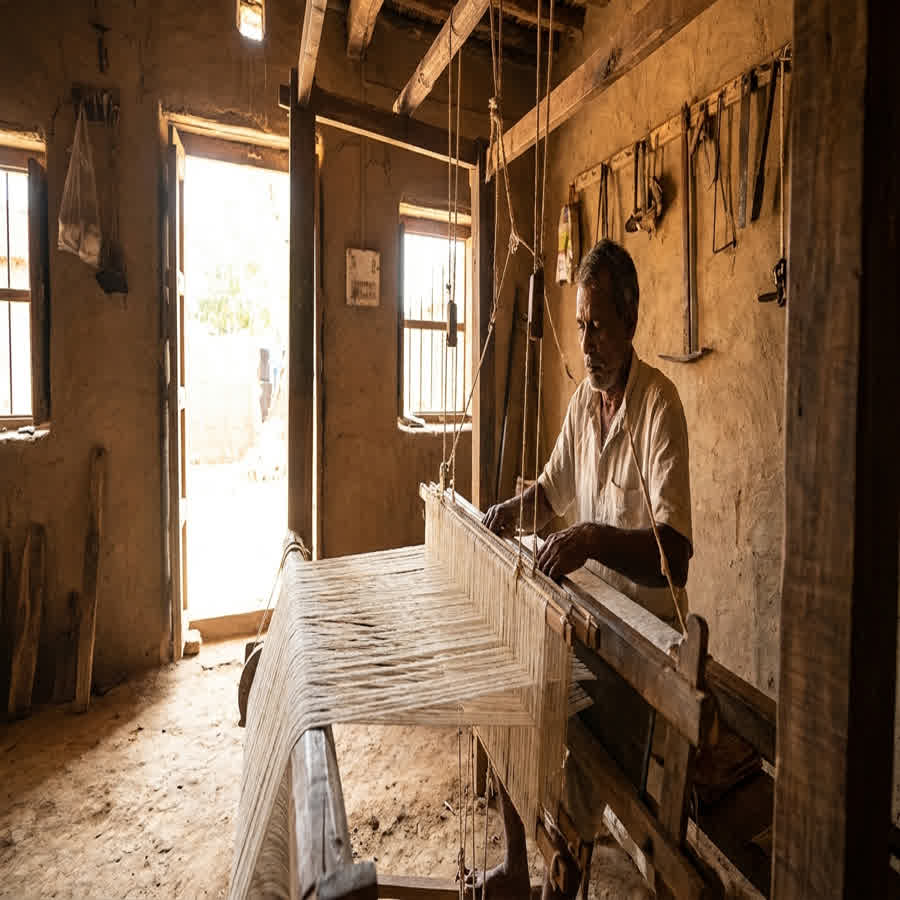
The environmental benefits of this decentralized system extend far beyond the loom.
- Rain-fed agriculture eliminates the need for energy-intensive irrigation systems, preserving local water tables.
- Localized processing reduces transportation emissions, as ginning, spinning, and weaving often occur within the same district.
- Minimal mechanical stress during hand-weaving preserves the natural integrity of the yarn, increasing the garment's lifespan.
Empowering Rural Economies
Sourcing from organic fabric suppliers in india through decentralized networks directly impacts the livelihoods of artisan communities. We currently work with weaving clusters across Bengal, where the integration of organic farming with handloom weaving provides year-round employment. This structure prevents forced urban migration, allowing artisans to work from their ancestral homes while maintaining their agricultural roots.
For a B2B buyer, this socio-economic impact translates into a powerful, verifiable narrative. When a brand purchases handwoven organic textiles, they are investing in the financial independence of rural families. This decentralized model proves that scalable production does not require the exploitation of labor or the degradation of the environment, offering a blueprint for the future of ethical fashion.
Material Science of the Most Sustainable Fabrics: Indigenous Cotton & Natural Dyes
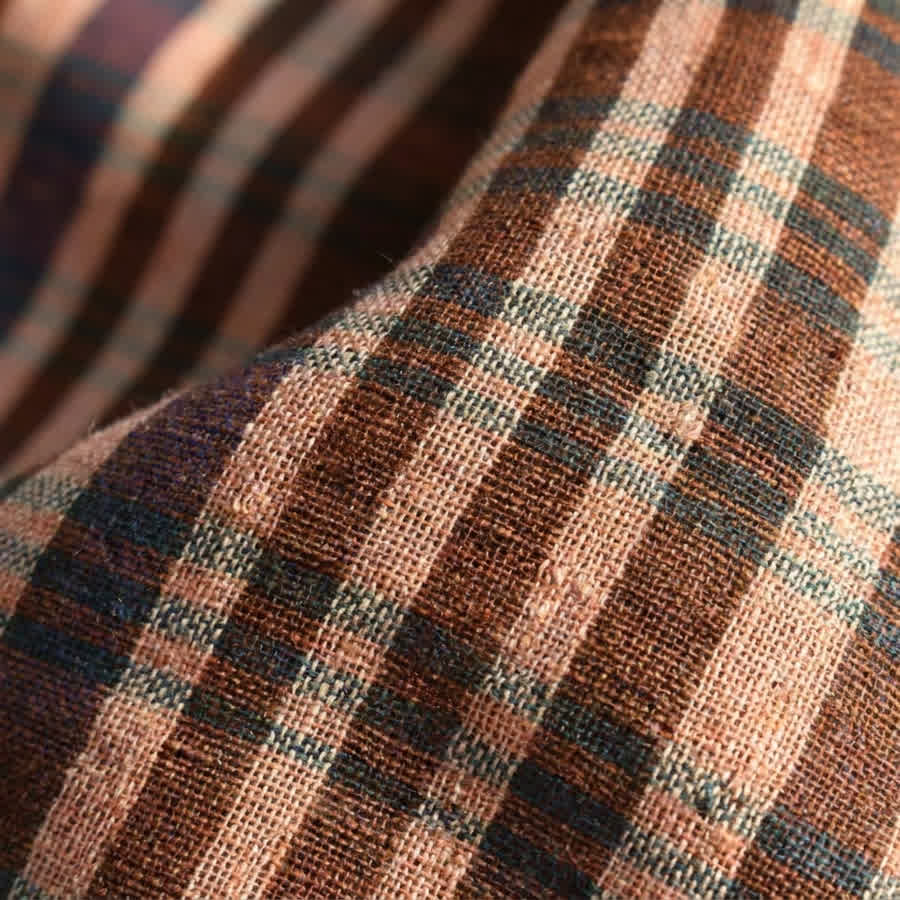
The most sustainable fabrics rely on indigenous cotton varieties that retain high tensile strength and natural waxes due to the complete absence of toxic defoliants during cultivation. This low-chemical approach preserves the structural integrity of the fiber, resulting in textiles that offer superior durability and exceptional affinity for natural dyes. By avoiding the harsh processing typical of conventional cotton, these heritage fiber varieties maintain their inherent mechanical properties from the field to the final garment.
The Anatomy of Indigenous Desi Cotton
India's legacy of organic farming is deeply rooted in indigenous desi cotton varieties, such as Kala cotton from Gujarat. These plants are naturally pest-resistant and thrive in arid conditions, producing a short staple fiber that is resilient. While industrial mills favor long-staple varieties for high-speed spinning, hand-spinning techniques perfectly accommodate these shorter fibers, creating a yarn with a dry, crisp hand-feel.
The absence of chemical intervention during the growth and harvesting phases yields measurable technical advantages.
- High tensile strength is maintained because the cellulose structure is not degraded by synthetic fertilizers or defoliants.
- Natural wax retention protects the fiber during spinning and weaving, reducing breakage on the loom.
- Versatile GSM ranges allow these fibers to be woven into everything from a sheer 60 GSM muslin to a heavy 250 GSM canvas.
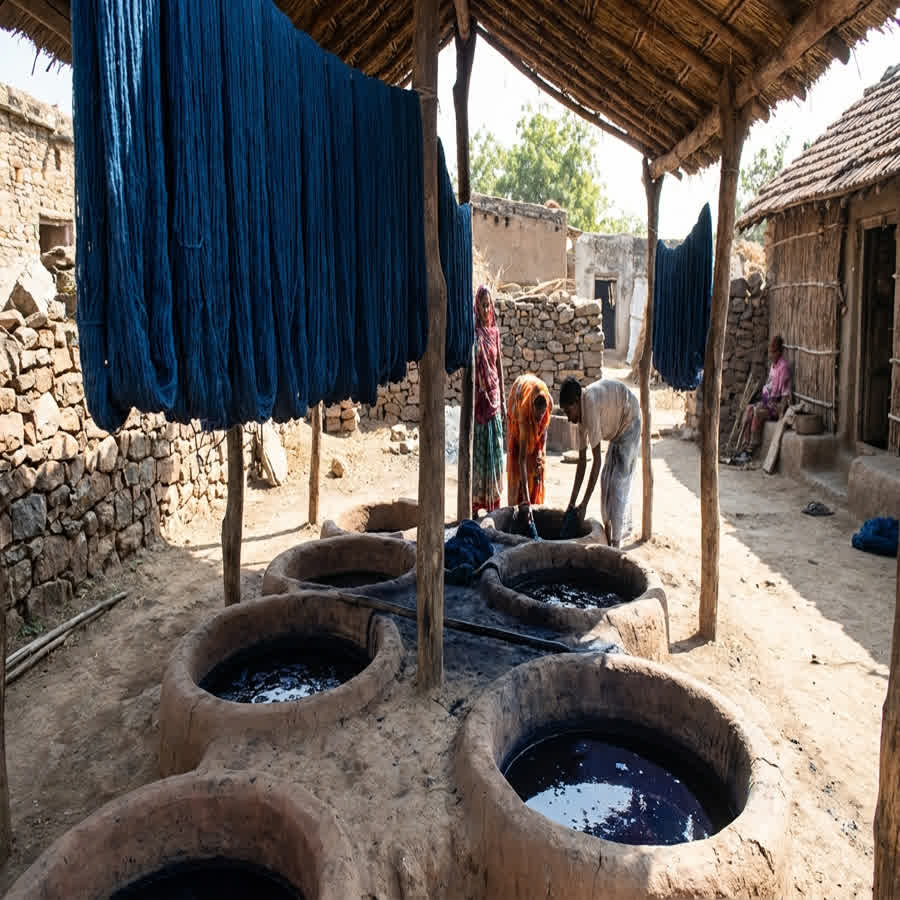
Synergy with Azo-Free and Natural Dyes
The preservation of the fiber's natural state directly impacts its performance in the dye bath. Because organic indigenous cotton is not stripped of its natural properties by harsh scouring chemicals, it exhibits a superior uptake for plant-based and azo-free dyes. This results in deep, saturated colors that resist fading, even without the use of toxic heavy metal mordants.
For designers, this means access to the most sustainable fabrics without compromising on aesthetic vibrancy. The combination of unbleached organic cotton and natural dyes creates a closed-loop product that can safely biodegrade at the end of its lifecycle. This material science approach ensures that the fabric is safe for the soil it was grown in, safe for the artisan who dyed it, and safe for the consumer who wears it.
Managing the Supply Chain: How Organic Clothing Companies Source from India
Sourcing fabrics wholesale from India requires B2B buyers to partner with organized cluster-based networks that aggregate rural artisan output to ensure consistent quality control and manageable minimum order quantities. By structuring production across multiple specialized villages, brands can achieve scalable volume without losing the ethical integrity of decentralized manufacturing. This organized approach bridges the gap between traditional village crafts and the strict compliance requirements of modern B2B fashion brands.
Structuring Cluster-Based Production
Working with decentralized artisans does not mean sacrificing reliability or consistency. Successful organic fabric suppliers in india operate through a hub-and-spoke model, where a central coordination team manages multiple weaving clusters. We organize production by assigning specific fabric weights and weave structures to the villages that possess the exact generational expertise required for those techniques.
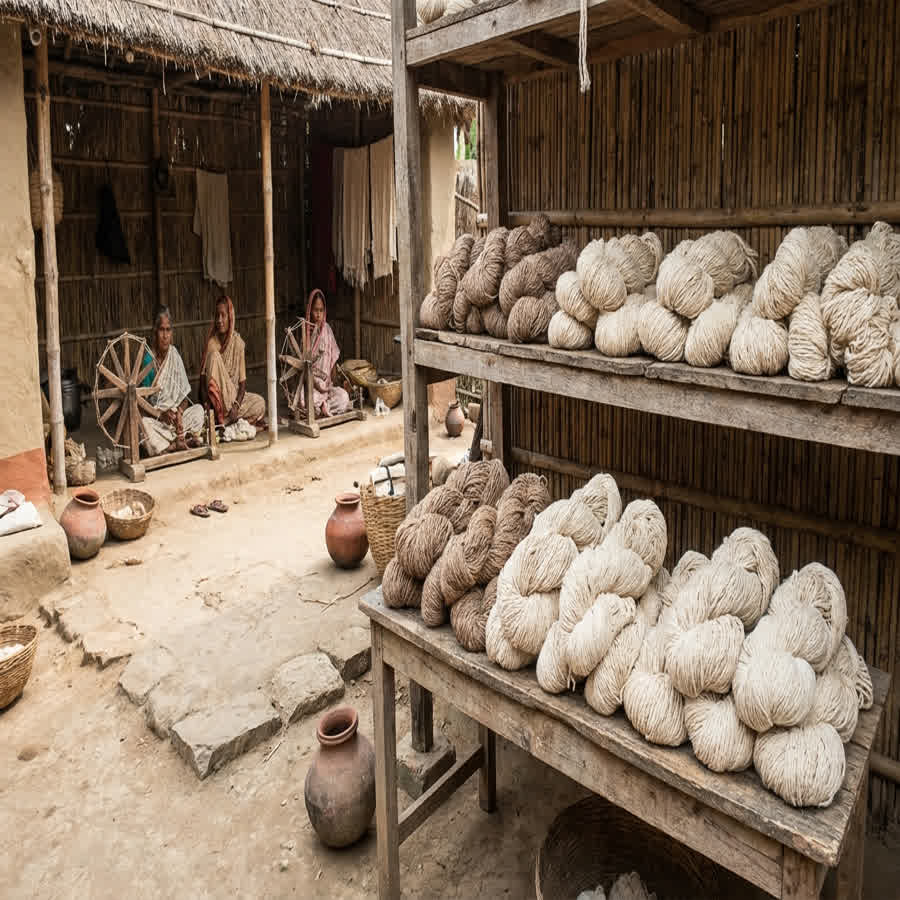
This structured aggregation provides significant advantages for sourcing directors managing complex supply chains.
- Flexible Minimum Order Quantities (MOQs) allow independent designers to source bespoke fabrics without committing to industrial-scale yardage.
- Centralized quality control ensures that every meter of fabric is inspected for weave consistency and colorfastness before export.
- Parallel production timelines enable scalable volume by distributing large orders across several weaving communities simultaneously.
Verifying Organic Integrity
When sourcing from rural networks, verifying the organic status of the raw materials is a critical step. Buyers must ensure that the sustainable fabric suppliers they partner with maintain strict separation between organic and conventional yarns throughout the sizing, warping, and weaving processes. This prevents cross-contamination and guarantees that the final textile meets international organic standards.
Clear communication regarding technical specifications is essential for a successful partnership. Designers should request detailed documentation covering the yarn count, weave structure, and dye composition before initiating bulk production. By establishing these technical parameters early, brands can confidently integrate these handcrafted organic textiles into their seasonal collections, knowing the supply chain is both ethically sound and commercially viable.
frequently asked questions
What certifications should I look for when sourcing from organic fabric suppliers in India?
B2B buyers should look for GOTS (Global Organic Textile Standard) for the overall supply chain, OCS (Organic Content Standard) for material verification, and Craftmark or Fair Trade certifications to ensure ethical artisan labor practices within decentralized networks. These internationally recognized certifications provide the necessary documentation to prove environmental compliance and social responsibility. By requiring these standards, brands protect themselves from greenwashing while supporting legitimate sustainable fabric suppliers.
How does the tensile strength of handloomed organic cotton compare to conventional machine-milled cotton?
Handloomed organic cotton often retains higher tensile strength because the fibers are not subjected to harsh chemical defoliants during harvesting or the extreme mechanical stress of high-speed industrial looms, resulting in a softer yet highly durable fabric. The gentle nature of manual spinning and weaving preserves the structural integrity of the cellulose. This results in long-lasting textiles that resist pilling and tearing, offering superior longevity for high-quality garments.
Can decentralized organic textile manufacturers handle scalable B2B orders?
Yes, through organized cluster-based models like Anuprerna's, decentralized networks aggregate the output of hundreds of rural artisans to meet large volume requirements. This system allows for scalable production to meet B2B demands while maintaining low MOQs and strict, centralized quality control. By distributing the workload across multiple villages, organic clothing companies can secure commercial yardage without relying on centralized industrial factories.
What are considered the most sustainable fabrics available from Indian suppliers?
The most sustainable fabrics combine organic agriculture with zero-electricity production, such as hand-spun Kala cotton, Ahimsa silk, and organic linen finished with natural dyes. These materials represent the pinnacle of low-impact textile manufacturing because they require no synthetic chemicals and generate near-zero carbon emissions during weaving. Sourcing these heritage fiber varieties allows brands to offer products that are entirely biodegradable and deeply connected to traditional artisan ecosystems.
What is the typical GSM range for handloomed organic cotton fabrics?
Handloomed organic cotton typically ranges from a lightweight 60 GSM for sheer muslins to a dense 250 GSM for heavy canvas. This versatility allows designers to source materials for everything from delicate summer shirting to structured outerwear, all within the same decentralized artisan supply chain. The ability to customize the fabric weight and drape makes these organic textiles highly adaptable for diverse fashion applications.
More Blogs
jacquard fabric in modern fashion
how silk manufacturers preserve traditional craftsmanship
indian fabric wholesale: a guide to sourcing handwoven textiles
how indian fabric exporters meet global quality standards
jacquard vs embroidery: what's the difference?
buy hemp fabric in bulk: what fashion brands need to know