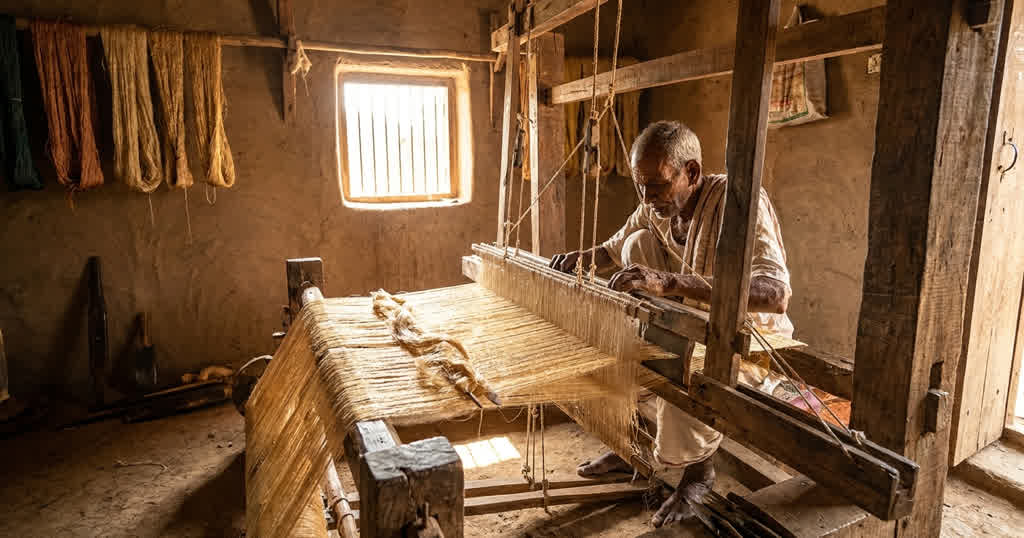
How Silk Manufacturers Preserve Traditional Craftsmanship

A designer running their hands over a bolt of raw Matka immediately feels the difference between industrial uniformity and human touch. For modern silk manufacturers, the challenge is not just producing yardage, but protecting the generational knowledge rooted in regional clusters like Murshidabad and Bhagalpur. The shift away from mass-produced synthetics has made traceable, ethically sourced textiles a baseline requirement for sustainable fashion brands.
This demand places the traditional weaving loom at the center of a major sourcing shift. B2B buyers now require materials that tell a verifiable story of cultural preservation while meeting strict ESG goals. Understanding how rural artisan economies operate provides designers with the technical specifications and the ethical narrative needed to build responsible, low-carbon supply chains.
The Anatomy of the Silk Production Process: From Cocoon to Artisanal Yarn
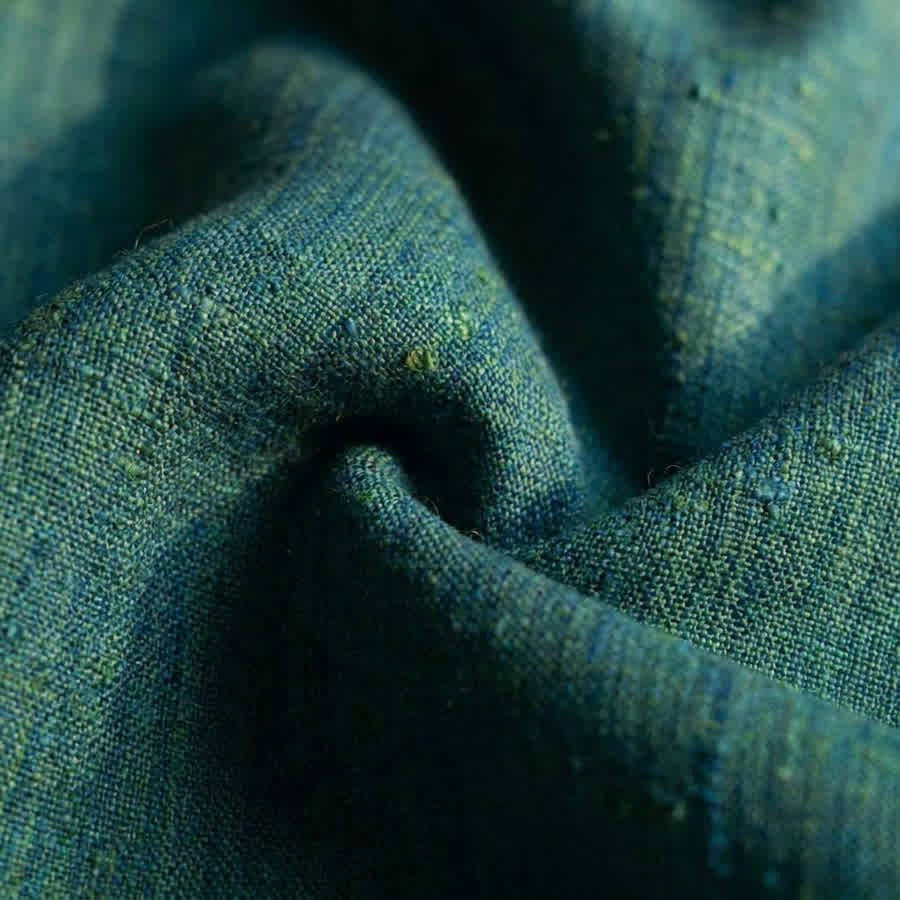
The silk production process begins with careful sericulture and the extraction of natural protein fibers, where ethical producers prioritize methods that protect both the local ecosystem and the integrity of the raw yarn.
Cultivating the Silk Cocoon
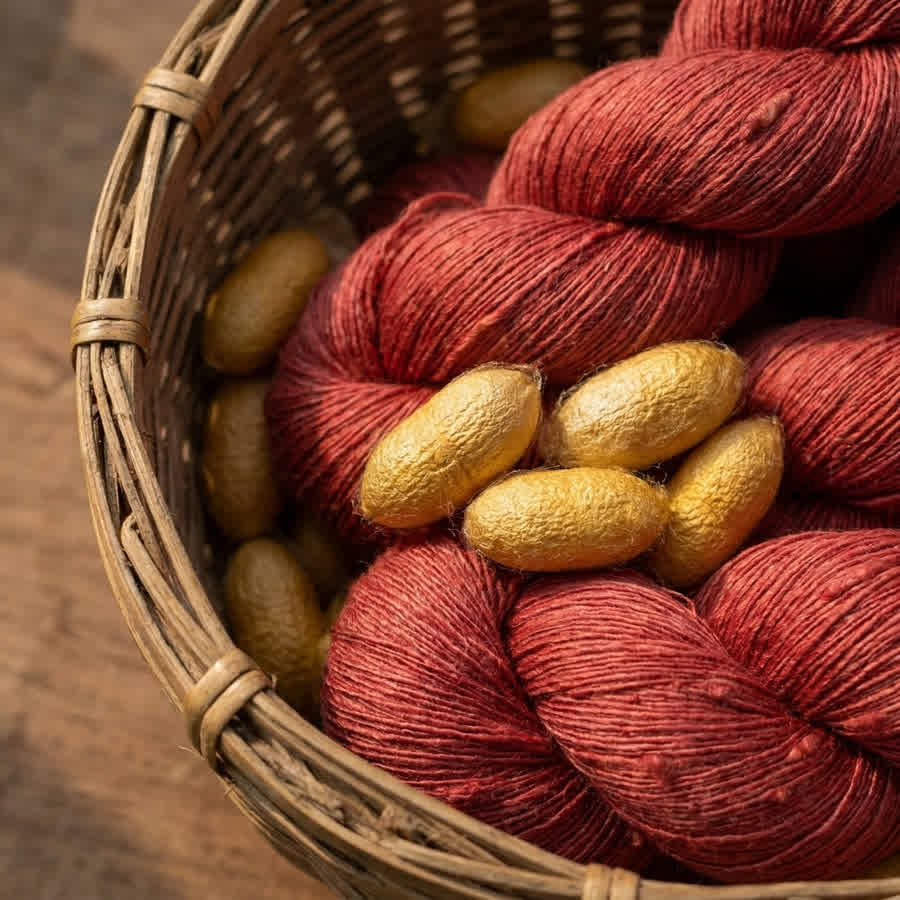
India holds a rich silk weaving heritage that dates back to the Indus Valley Civilization. The foundation of this craft is sericulture, the rearing of silkworms to produce the raw material. Artisans in rural clusters carefully manage the lifecycle of the moth to ensure a high-quality fiber yield. This generational transfer of hand-spinning skills forms the backbone of the local economy.
Many sustainable brands now seek out Ahimsa silk, also known as peace silk. In this specific silk manufacturing process, the moth is allowed to naturally emerge from the cocoon before harvesting. This cruelty-free approach alters the continuous filament into shorter fibers. Spinners then draft these shorter fibers by hand to create a highly textured, matte finish yarn.
Extracting Fibroin and Spinning Yarn
Silk is a natural protein fiber composed primarily of fibroin, which gives the material its high tensile strength and natural luster. During extraction, artisans carefully boil or process the empty cocoons to soften the protective sericin coating. This step requires precise temperature control to prevent damaging the delicate protein structure.
The preparation of the yarn dictates the final behavior of the handwoven silk fabric. Artisans use specialized techniques to prepare different varieties of silk for the loom. The resulting yarns offer distinct advantages for B2B sourcing:
- High tensile strength that ensures garment longevity and durability.
- Natural thermal regulation properties inherent to the protein structure.
- Excellent dye affinity for both natural and AZO-free synthetic dyes.
- Unique textural variations depending on the specific hand-spinning method used.
Mastering the Traditional Weaving Loom: The Artisan’s Edge
Artisans master the traditional weaving loom by utilizing low-tension techniques that preserve the natural elasticity of the yarn, creating micro-variations and a superior drape that high-speed industrial machines cannot replicate.
The Mechanics of Pit Looms and Frame Looms
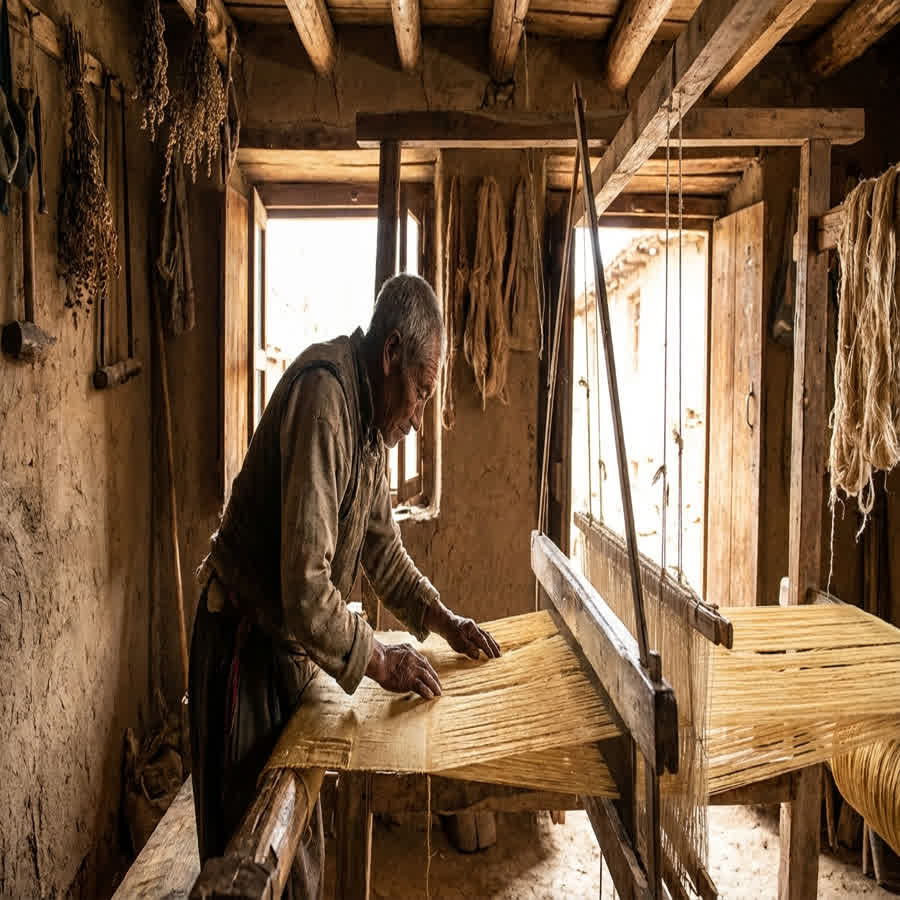
The physical equipment used in rural Indian clusters directly influences the quality of the textile. Weavers primarily rely on two types of equipment: the pit loom and the frame loom. A pit loom is set into the ground, allowing the weaver to use pedals located in the pit to control the shedding mechanism. This setup provides excellent stability and allows for a highly controlled, rhythmic weaving pace.
Frame looms sit above ground and offer flexibility for weaving wider fabrics or complex jacquard patterns. Both variations of the traditional weaving loom require immense physical coordination and spatial awareness. The weaver manually throws the shuttle across the warp, adjusting the tension by feel rather than relying on automated sensors. This human element introduces the subtle, tactile irregularities that define authentic artisanal textiles.
Low-Tension Weaving for Superior Drape
Industrial power looms apply extreme stress to yarns to maximize production speed. This high-tension environment often flattens the fibroin structure, resulting in a uniform but noticeably stiffer fabric. In contrast, the manual operation of a handloom maintains a low-tension weave.
This gentle handling preserves the fiber's natural elasticity and breathability. For a designer, this translates to a hand woven silk fabric that drapes fluidly across the body. The technical benefits of this low-tension approach include:
- Enhanced fabric breathability due to the relaxed, uncompressed yarn structure.
- Superior fluid drape that molds easily to complex garment patterns.
- Preserved fiber elasticity which prevents premature tearing at the seams.
- Distinct micro-variations that serve as a visual signature of human craftsmanship.
Why Ethical Silk Fabric Manufacturers Champion Decentralized Supply Chains
Ethical silk fabric manufacturers champion decentralized supply chains because this model sustains rural economies, preserves generational weaving knowledge, and provides scalable, traceable sourcing for B2B buyers.
Sustaining Rural Artisan Economies
Centralized factory production often displaces workers and erodes regional craft traditions. A decentralized artisan supply chain, like the one Anuprerna operates, keeps the work within the weavers' own villages. This structure allows artisans in clusters like Varanasi and Malda to maintain their agricultural lifestyles while earning a fair wage through weaving. By bringing the work to the artisans, the supply chain actively prevents forced urban migration.
This model relies on a network of master weavers who oversee quality and distribute yarn to individual households. The generational transfer of sericulture and hand-spinning knowledge happens naturally in this environment. Children observe their parents operating the loom, ensuring that the intricate techniques required for specific regional motifs are not lost to industrialization.
Traceability and ESG Compliance
Modern boutique designers and sourcing managers face increasing pressure to prove the origins of their materials. A decentralized model offers a transparent farm-to-fabric narrative that satisfies strict environmental and social governance criteria. Buyers can trace their handwoven silk fabric back to the exact cluster where it was spun and woven.
Partnering with ethical silk manufacturers provides brands with verifiable data for their sustainability reports. This transparent approach to B2B sourcing delivers several critical advantages:
- Zero-carbon weaving since handlooms require no electricity to operate.
- Fair-trade empowerment that guarantees equitable wages for rural artisans.
- Verifiable supply chain traceability from the cocoon to the finished yardage.
- Preservation of cultural heritage through sustained economic support for rural clusters.
Integrating Hand Woven Silk Fabric into Modern B2B Collections
Integrating hand woven silk fabric into modern B2B collections requires understanding specific GSM ranges, dye affinities, and tensile strengths to match the right artisanal silk with the intended garment application.
Technical Specifications and GSM Ranges
Selecting the correct textile weight is a critical technical decision for any sourcing lead. The GSM specification dictates the opacity, structure, and seasonal appropriateness of the final garment. Handloom silks offer a wide spectrum of weights depending on the yarn thickness and the density of the weave.
Lightweight sheer varieties, such as artisanal organza, typically range from 20-40 GSM and are ideal for overlays or voluminous sleeves. Medium-weight Mulberry silks usually fall between 50-80 GSM, offering a versatile balance of drape and opacity for blouses and dresses. Heavier, textured raw silks like Tussar or Matka range from 80-150 GSM. These denser fabrics provide excellent structural integrity for tailored jackets, trousers, and structured eveningwear.
Dye Affinity and Garment Applications
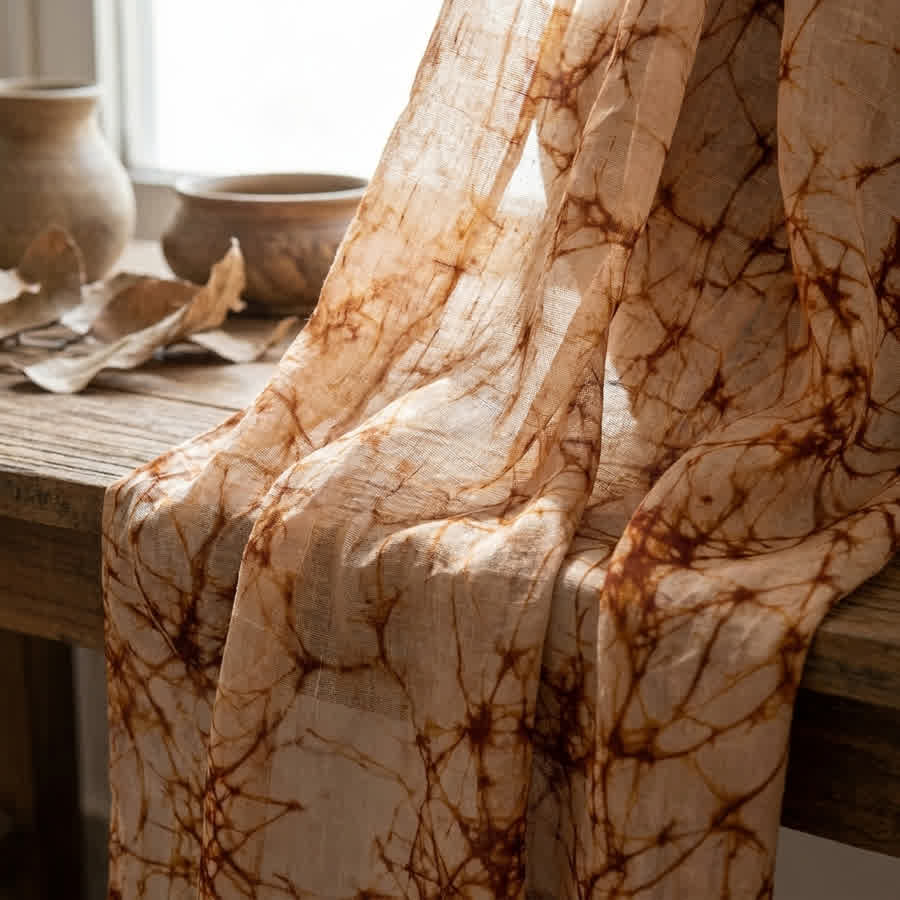
The natural protein structure of silk makes it highly receptive to coloration. The silk manufacturing process leaves the fibroin highly porous, allowing it to absorb pigments deeply and evenly. This excellent dye affinity is particularly important for brands utilizing natural plant-based dyes or low-impact AZO-free synthetics.
When planning a collection, designers must align the specific properties of the handwoven silk fabric with their construction methods. Different varieties serve distinct functional purposes on the cutting table:
- Matka silk offers a dry, crisp hand-feel well suited for structured tailoring.
- Tussar silk provides a rich, golden undertone and high tensile strength for outerwear.
- Mulberry silk delivers a smooth, lustrous finish ideal for bias-cut dresses.
- Ahimsa silk yields a slubby, matte texture that adds depth to minimalist silhouettes.
frequently asked questions
What is the technical difference between power-loom and handwoven silk fabric?
Handwoven silk utilizes a traditional weaving loom operated manually, resulting in a low-tension weave that preserves the yarn's natural elasticity and creates unique textural micro-variations. Power looms apply high tension for speed, which can flatten the yarn and result in a uniform but stiffer drape.
How do ethical silk manufacturers ensure quality control in a decentralized model?
Ethical silk fabric manufacturers like Anuprerna implement rigorous quality control at the cluster level by providing standardized yarn and conducting regular technical audits. This involves maintaining direct relationships with master weavers to ensure consistent GSM, thread count, and colorfastness across the decentralized network.
What are the typical GSM ranges for hand woven silk fabrics?
The GSM varies by silk type and weave structure, typically ranging from 20 GSM for sheer varieties to 150 GSM for heavier raw silks. Lightweight sheer silks like Organza range from 20-40 GSM, medium-weight Mulberry silks range from 50-80 GSM, and heavier, textured silks like Tussar or Matka range from 80-150 GSM.
How does the traditional silk manufacturing process impact the environment?
The traditional handloom silk production process is inherently low-impact and virtually zero-carbon during the weaving phase. When combined with organic sericulture and natural or AZO-free dyes, handwoven silk has a significantly lower environmental footprint compared to energy-intensive industrial silk manufacturing.
What is Ahimsa silk and how does it fit into sustainable B2B sourcing?
Ahimsa silk, or peace silk, is produced by allowing the silk moth to emerge from the cocoon naturally before the fibers are harvested, making it a cruelty-free alternative. This ethical silk manufacturing process aligns with strict ESG goals and provides designers with a highly textured, matte fabric that supports sustainable sourcing initiatives.
More Blogs
why organic fabric suppliers are growing in india
jacquard fabric in modern fashion
indian fabric wholesale: a guide to sourcing handwoven textiles
how indian fabric exporters meet global quality standards
jacquard vs embroidery: what's the difference?
buy hemp fabric in bulk: what fashion brands need to know