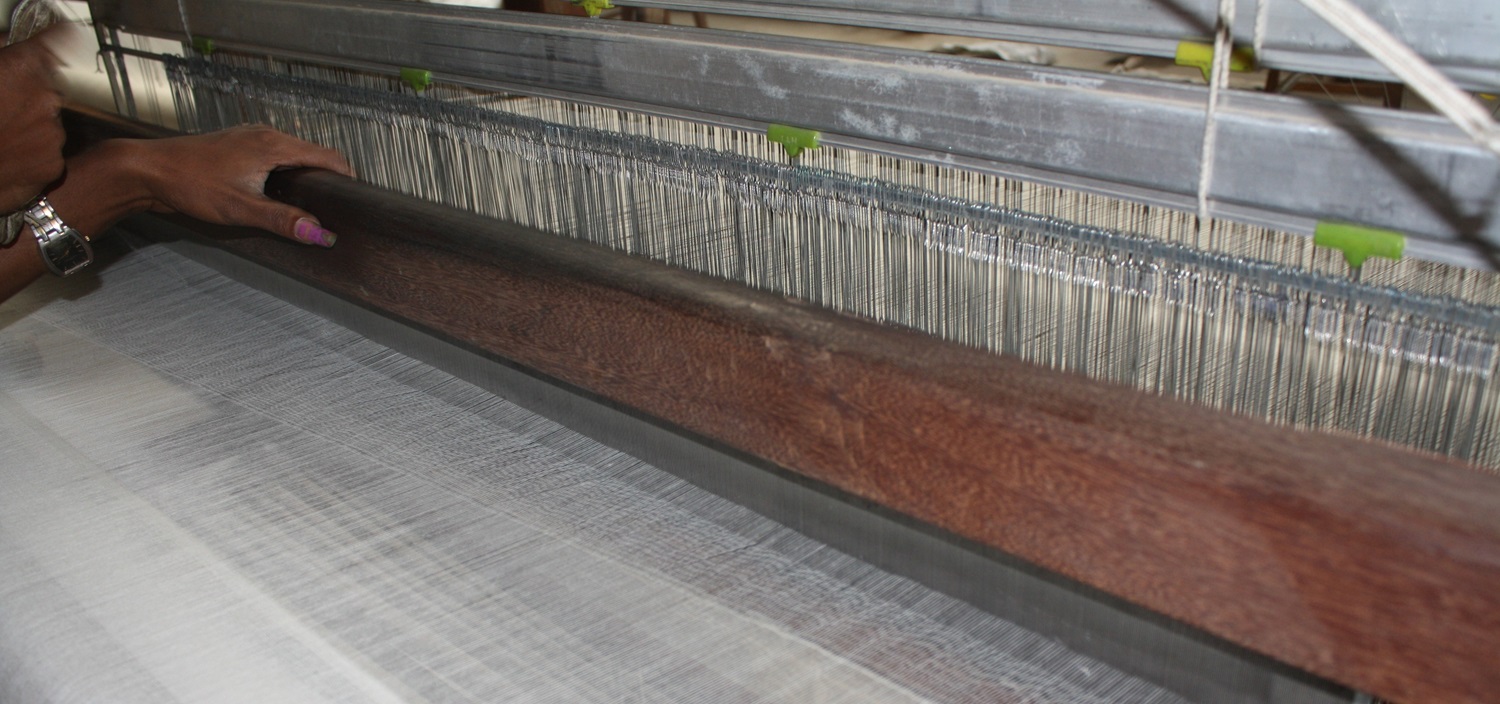
Why Handloom Fabrics Outshine Modern Weaving Machines?

In an era dominated by advanced weaving machines, the timeless allure of handloom fabrics endures. These artisanal textiles are woven stories of tradition, culture, and craftsmanship, reflecting the weaver's skill and creativity. Handloom fabrics champions sustainability, using natural fibers and dyes, and supporting local artisans. They embody slow fashion principles, promoting mindful consumption and reducing environmental impact. Unlike uniform machine-made textiles, handloom pieces celebrate the beauty of imperfection, adding unique character to each creation. Choosing handloom preserves cultural heritage and empowers communities, making a conscious fashion choice that values quality, authenticity, and sustainability.
Handloom Weaving: Tradition Meets Sustainability
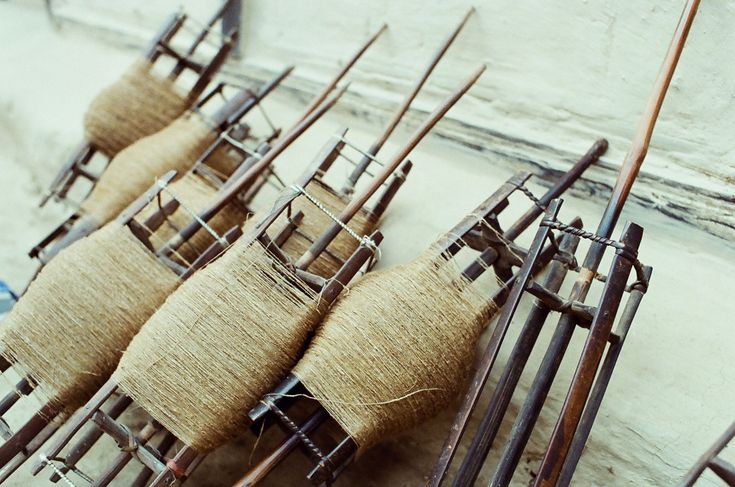
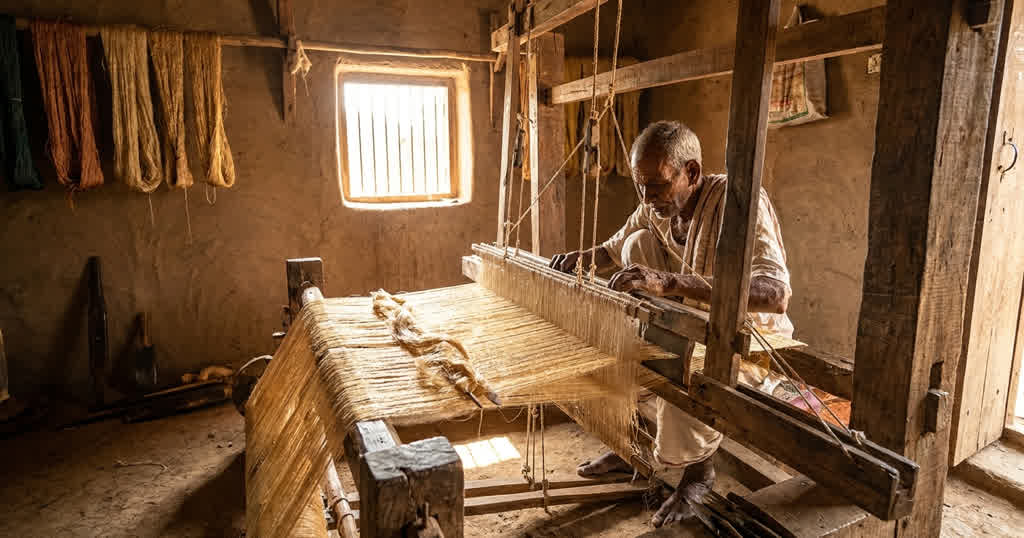
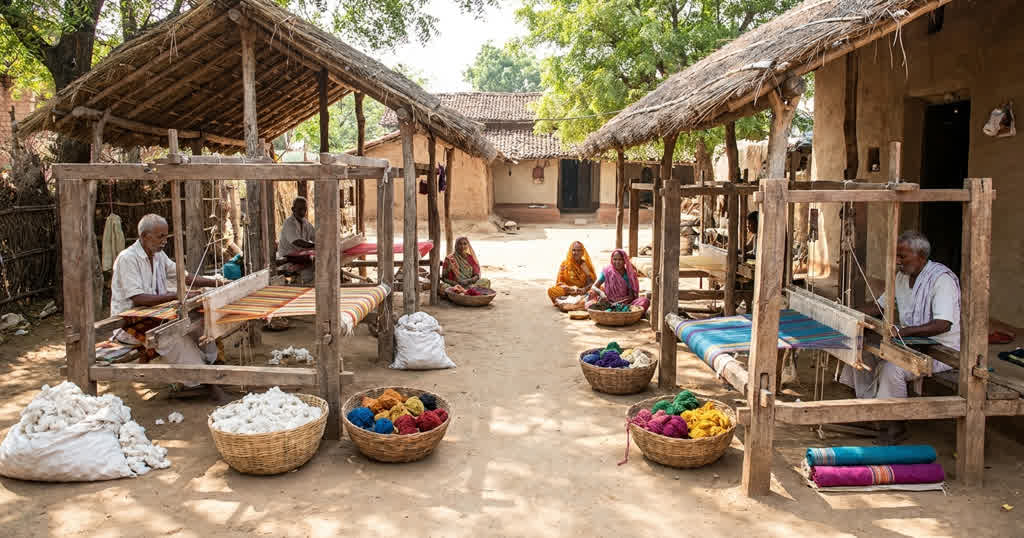
Handloom weaving is a craft that marries traditional techniques with contemporary principles of sustainability. Artisans create each fabric with meticulous attention to detail, resulting in high-quality textiles that embody both cultural heritage and eco-friendly practices.
Unlike industrial processes, handloom weaving uses less energy and generates minimal waste, making it a model of sustainable production in the textile industry.
Sustainability at the Core: Reducing Impact
Sustainability is a core value of handloom fabrics, driven by the low-energy, low-waste nature of the weaving process. Unlike machine production, which can be resource-intensive and generate significant waste, handloom weaving conserves energy and reduces environmental impact.
Artisans often repurpose leftover materials, aligning with zero-waste principles and further enhancing the sustainability of handloom textiles.
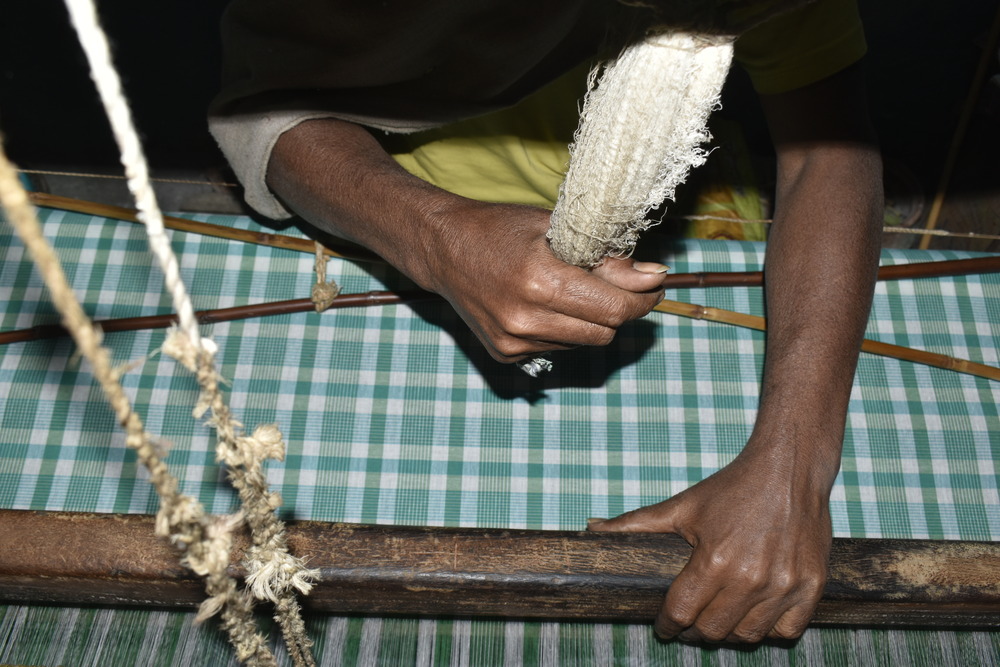
Certifications: A Seal of Ethical and Environmental Excellence
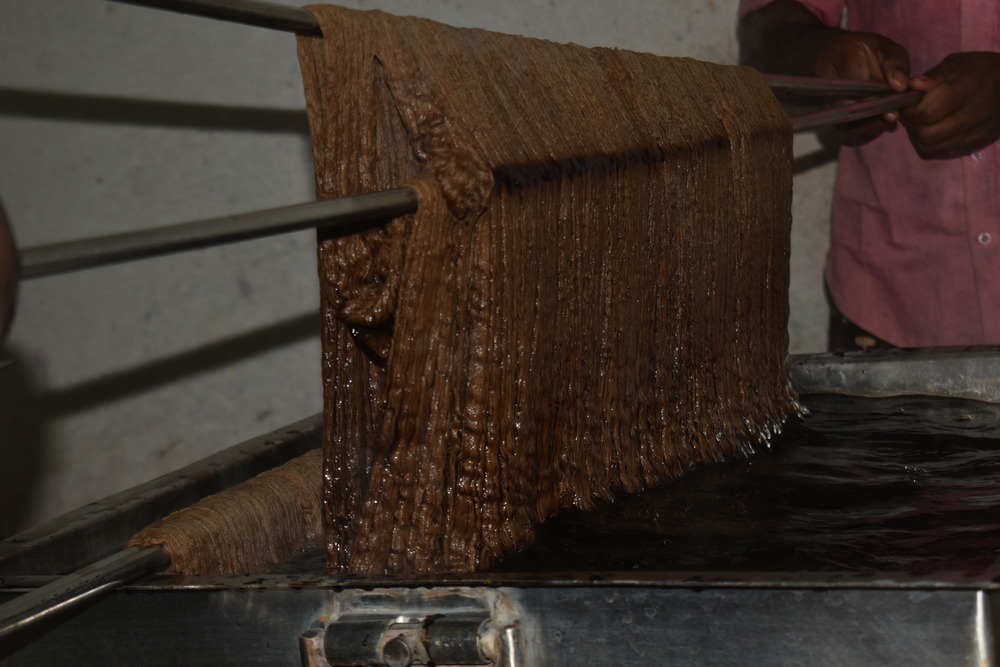
Certifications serve as a seal of ethical and environmental excellence, ensuring products meet stringent standards for sustainability, fair trade, and eco-friendliness. They provide consumers with confidence in the ethical integrity and environmental impact of their purchases.
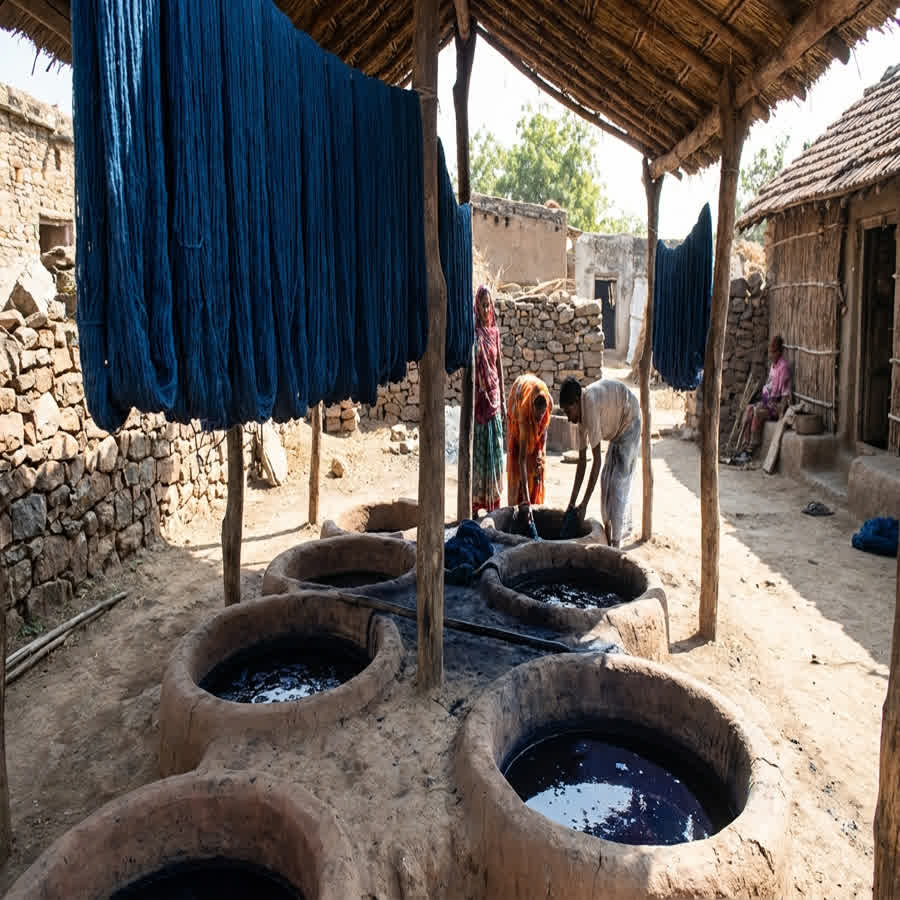
Our entity is founded with our artisans as the root. Our entity focus more on ensuring the raw materials used are safe and certified. We strictly focus on sourcing raw materials that are certified and does not compromise on the quality. We have set up an in-house dyeing facility for both natural and certified Azo-free organic dyes and chemicals(dye brand certificates attached). We have already enrolled for Handloom certification under Textile Committee India which ensures the handloom tradition is maintained. Not only that, our company is also focusing on GOT (Global Organic Standard Textile) certification.
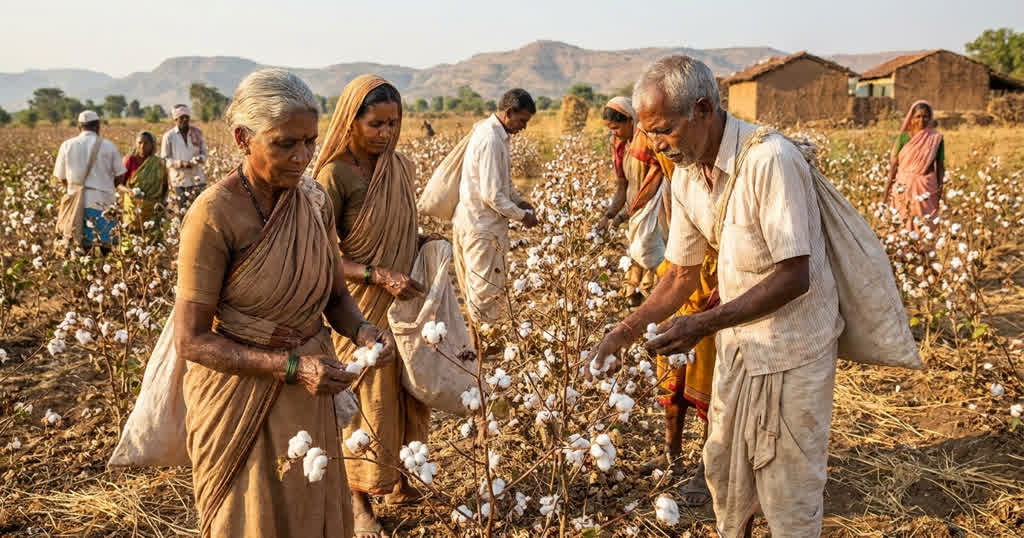
We are also working on an organic Khadi fabric collection, which requires us to source certified organic cotton fiber and then spun and woven into organic Khadi. We have described the process here. So the final texture would be a little different due to the hand process which is what we specialize in.
Cultural Heritage: Preserving Tradition
Handloom textiles are not just fabrics; they are living embodiments of cultural heritage and tradition. Each piece often represents traditional techniques passed down through generations, preserving local craft and cultural identity. Supporting handloom means contributing to the preservation of these valuable traditions, which machine-made textiles, with their uniformity and lack of cultural context, cannot provide.
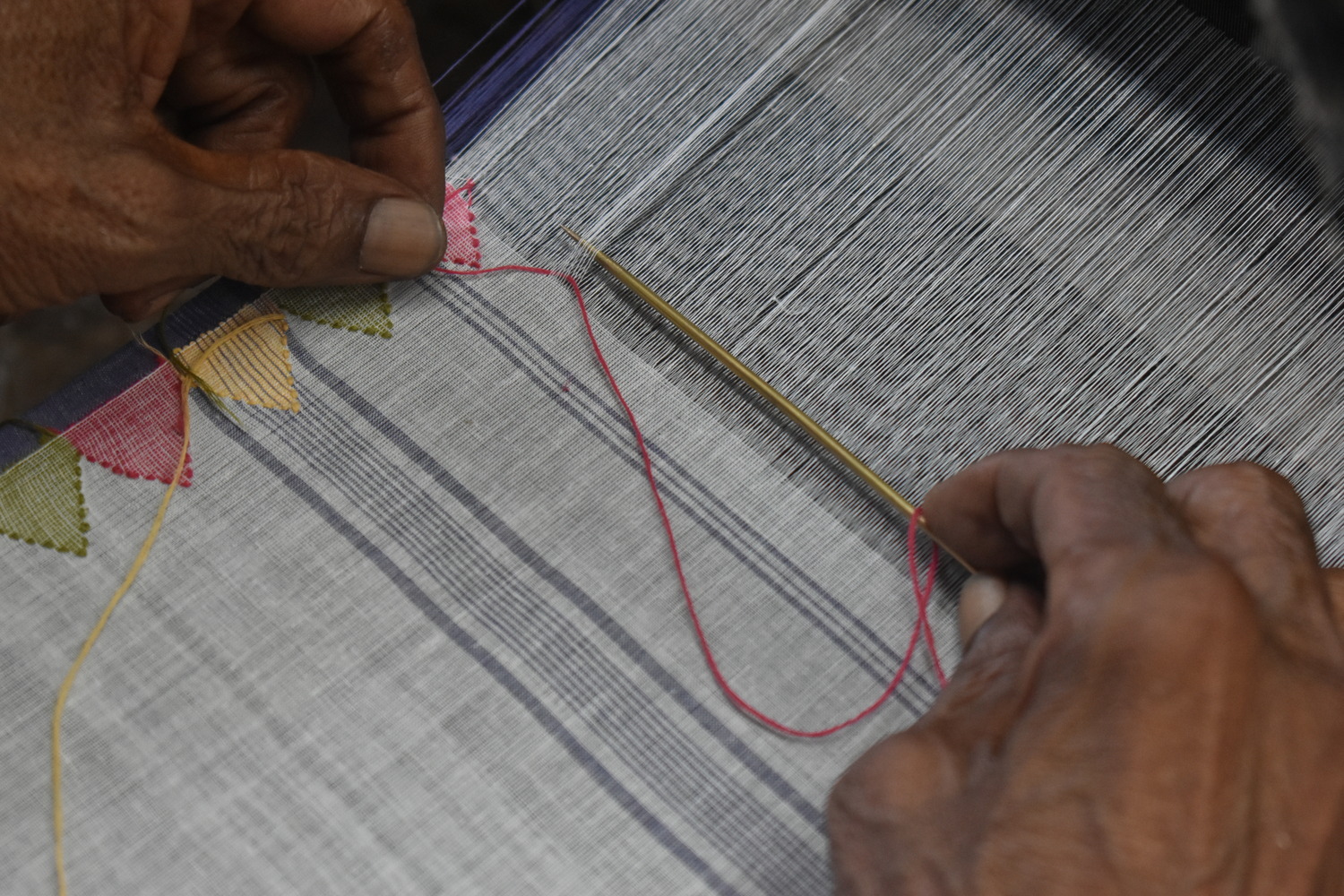
Unique Characteristics: Authenticity and Imperfections
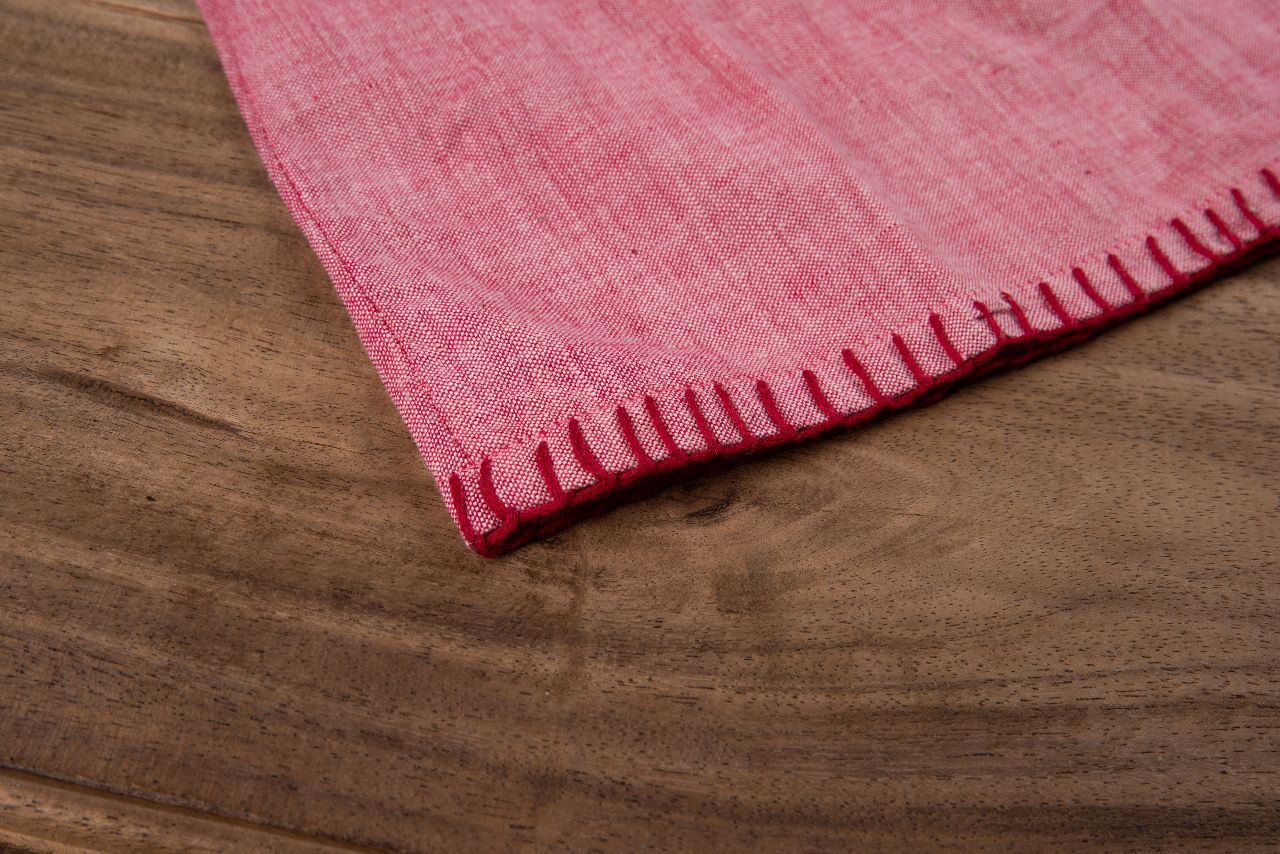
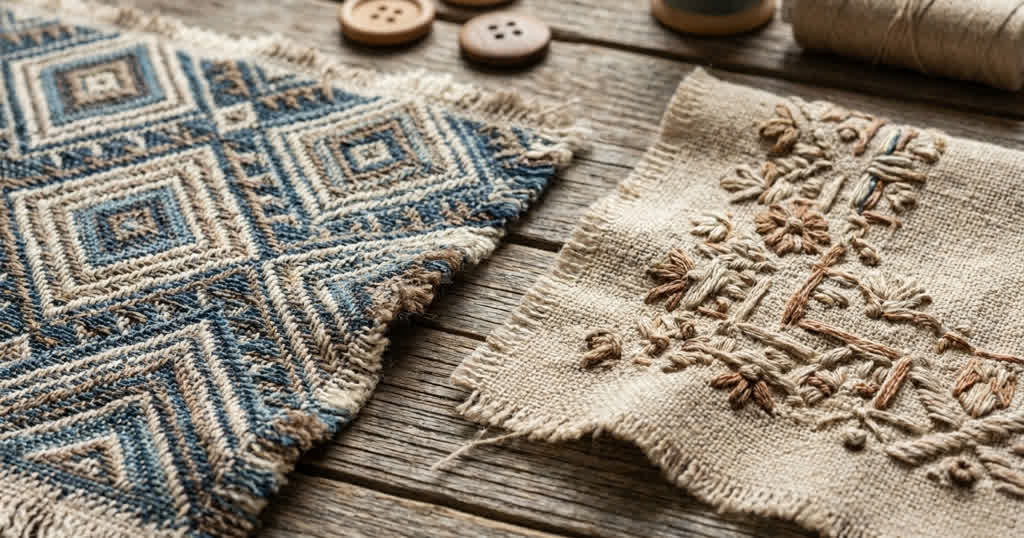
One of the most cherished aspects of handloom fabrics is their unique characteristics. Handwoven textiles may display slight imperfections and variations, which are celebrated as markers of authenticity and individuality. These subtle differences add charm and uniqueness to each piece, contrasting with the uniformity and predictability of machine-made fabrics.
Summary
Garment manufacturers continue to favor handloom fabrics despite the rise of weaving machines. Handloom fabrics offer unparalleled quality, unique textures, and intricate designs that machines can't replicate. Handloom textiles continue to thrive in an era dominated by weaving machines due to their artisanal craftsmanship, sustainable production, cultural significance, and unique characteristics. They offer a personal and ethical choice in fashion, emphasizing quality over quantity and tradition over uniformity. Embracing handloom fabrics means valuing the artistry, heritage, and environmental benefits they bring to the world of textiles.
related questions
Why do we need to conserve handloom fabric?
Conserving handloom fabric preserves cultural heritage, supports artisanal livelihoods, and promotes sustainable, eco-friendly practices. It maintains traditional craftsmanship, reduces environmental impact compared to mass production, and offers unique, high-quality textiles to discerning consumers.
Are handlooms eco-friendly?
Yes, handlooms are eco-friendly. They consume less energy, produce minimal waste, and often use natural fibers and dyes. This sustainable approach reduces the environmental footprint compared to industrial textile production, supporting greener, more ethical fashion choices.
Does handloom cotton shrink?
Yes, handloom cotton can shrink, especially after the first wash. To minimize shrinkage, it's recommended to wash handloom cotton in cold water and air dry. Proper care ensures longevity and maintains the fabric's quality and size.
What is the difference between handloom and handicraft?
Handloom refers to fabric woven on manual looms, emphasizing textile creation. Handicraft encompasses a broader range of manually made items, including pottery, woodwork, and jewelry. Both celebrate traditional skills but differ in their focus and products.
Why handloom is better than powerloom?
Handloom is better than powerloom for its sustainability, unique craftsmanship, and cultural preservation. It consumes less energy, supports artisan livelihoods, and produces higher quality, distinctive fabrics, whereas powerloom focuses on mass production and often lacks these artisanal qualities.
More Blogs
why organic fabric suppliers are growing in india
jacquard fabric in modern fashion
how silk manufacturers preserve traditional craftsmanship
indian fabric wholesale: a guide to sourcing handwoven textiles
how indian fabric exporters meet global quality standards
jacquard vs embroidery: what's the difference?