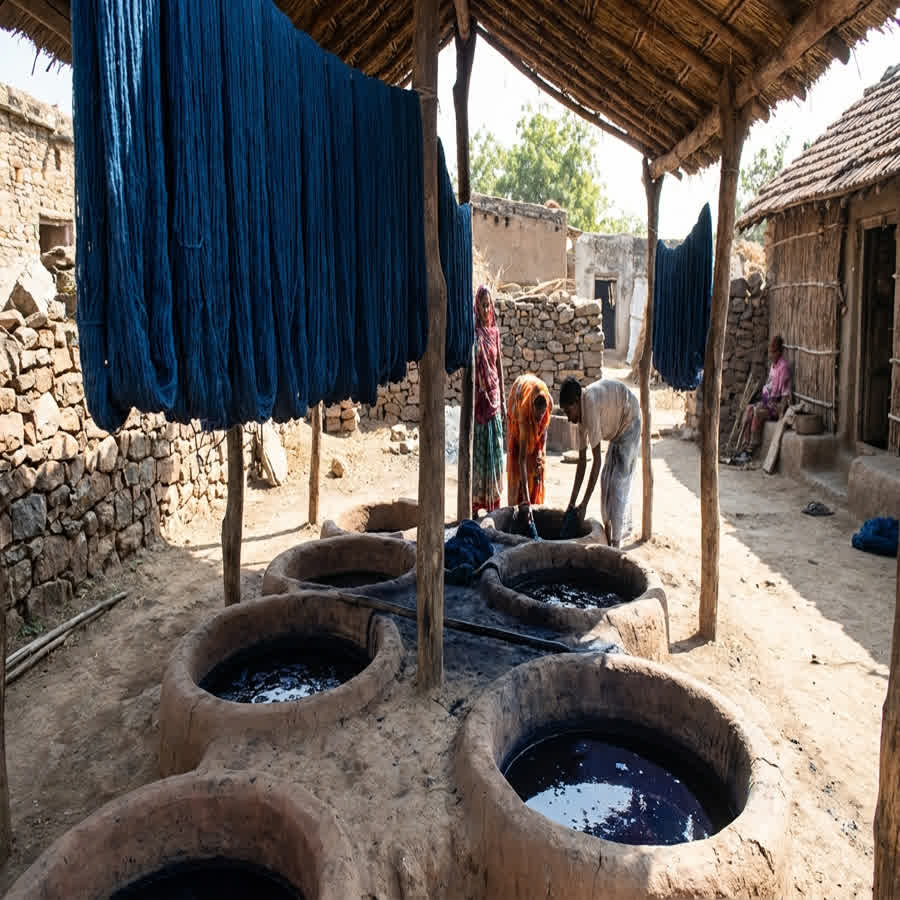
How Indian Fabric Exporters Meet Global Quality Standards

Sourcing directors often face a difficult choice between the authentic texture of artisanal textiles and the strict compliance metrics required by global fashion brands. Finding reliable fabric exporters from India who can deliver certified organic handlooms without losing that human touch is a critical challenge for boutique wholesale distributors.
The stakes for getting this right are high, as a single failed wash test or inconsistent batch can disrupt an entire seasonal collection. India holds a deep legacy as a global textile powerhouse, and modern Indian fabric exporters are proving that decentralized, rural craftsmanship can pass the most stringent international quality audits.
Decoding Global Quality Standards for Fabric Exporters from India
International compliance requires strict adherence to standardized testing protocols, and top exporters adapt these benchmarks to validate both mill-made and artisanal textiles. B2B buyers demand sustainability without compromising on strict compliance, forcing fabric companies in India to bridge the gap between heritage craft and modern laboratory metrics.
The Legacy of Indian Textile Benchmarks
India's legacy as a global textile powerhouse dates back to the Silk Road and the East India Company. During these eras, hand-spun and hand-woven muslins, silks, and cottons set the original global benchmarks for luxury, breathability, and durability. Today, Indian textile exporters build on this historical foundation by applying modern scientific rigor to traditional techniques.
The transition from historical trade to modern fabric export from India requires a deep understanding of international expectations. Buyers need assurance that the dry, crisp hand-feel of a heritage weave will perform predictably in a commercial garment setting.
Adapting Modern Certifications for Handlooms
To meet these expectations, fabric manufacturers in India must align their decentralized processes with global frameworks. This involves mapping rural supply chains to meet the criteria of recognized international bodies.
Key compliance areas for Indian fabrics wholesale include:
- GOTS compliance: Ensuring organic status from the raw fiber stage through to the final finishing processes.
- OEKO-TEX standards: Verifying that all dyes and chemical inputs are safe for human use and the environment.
- ISO testing protocols: Utilizing standardized methods to measure physical performance metrics like tensile strength and pilling resistance.
By integrating these certifications, fabric suppliers in India provide the documented proof that high-end global fashion brands require. This rigorous approach ensures that artisanal textiles are not just culturally significant, but commercially viable on a global scale.
The Artisan Advantage: Quality Control in a Decentralized Supply Chain
Quality control in a decentralized model relies on multi-tier human inspections at the village level, ensuring luxury-grade consistency without centralized factory constraints. This approach allows fabric exporters in India to deliver ethically produced, decentralized artisanal textiles that pass stringent international quality audits.
Multi-Tier Inspection Protocols
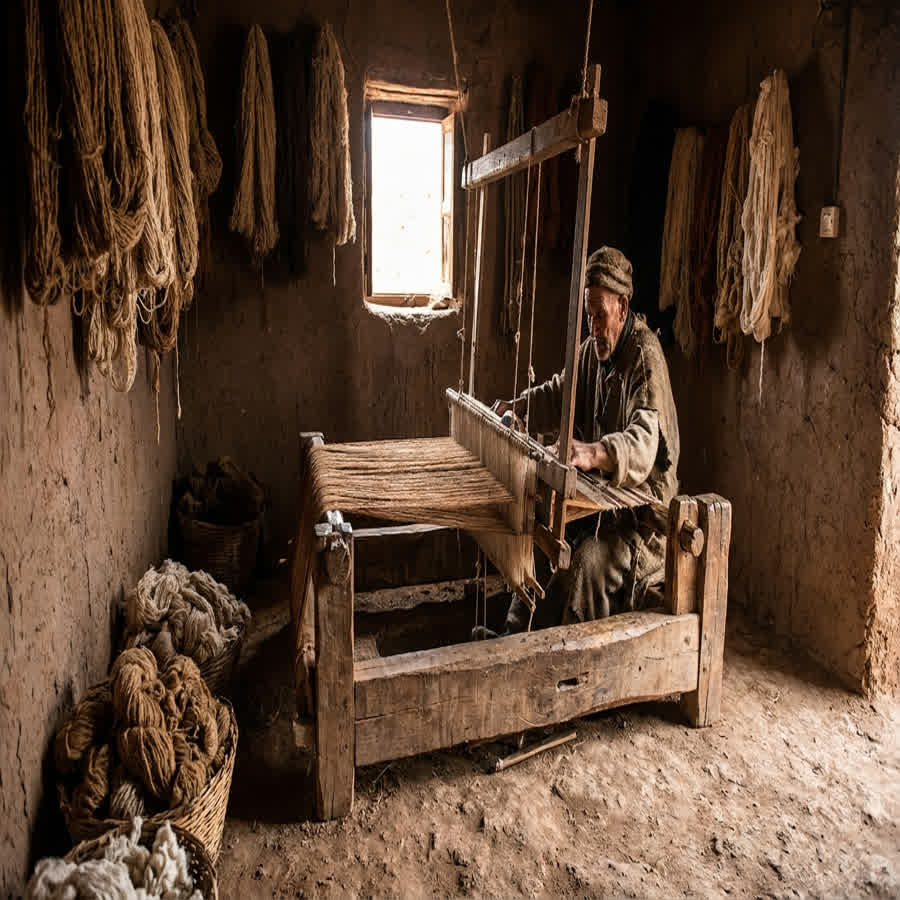
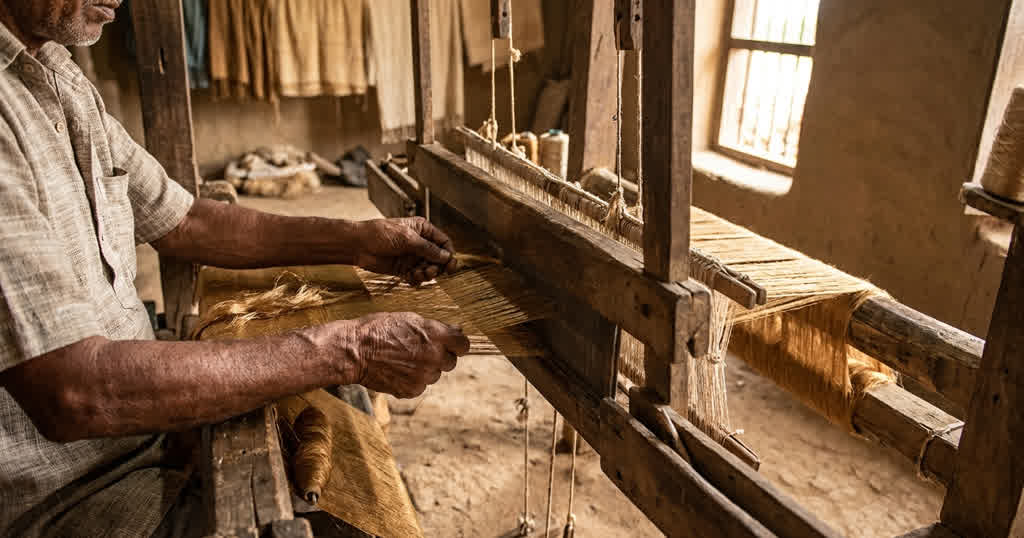
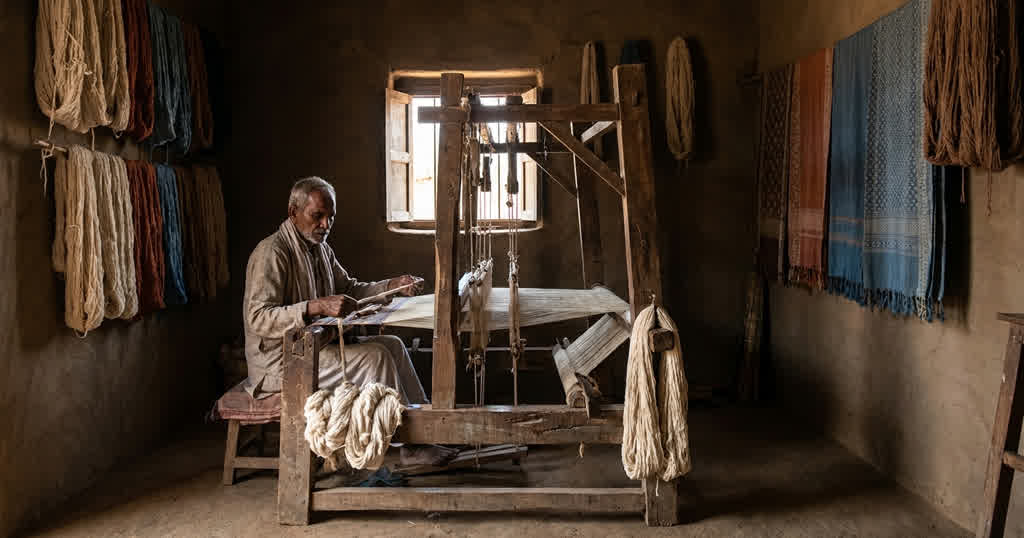
Unlike centralized power-loom factories, a decentralized artisan supply chain requires quality checks at every stage of creation. We implement these checks directly within the rural Indian handloom weaver communities. This ensures that any deviations are caught long before the fabric reaches the finishing stage.
The inspection process for Indian fabric suppliers involves several critical phases:
- Yarn testing: Assessing the raw material for uniform thickness and tensile strength before it reaches the loom.
- Loom-stage inspection: Master weavers monitor the tension and pick rate continuously during the weaving process.
- Post-weaving grading: Each finished piece is examined for structural integrity and visual consistency.
These meticulous human-led craftsmanship steps rival the automated defect-checking of conventional textile manufacturers in India. The result is a textile that retains its artisanal character while meeting strict commercial thresholds.
Rivaling Conventional Fabric Manufacturers in India
High-end global fashion brands often require suppliers to meet strict defect limits, such as AQL 1.5 or 2.5. Achieving this in a decentralized setting requires a highly trained network of local inspectors. By empowering artisans with the knowledge of these global standards, fabric companies in India create a self-regulating quality ecosystem.
This decentralized quality assurance model offers a distinct advantage over mass-produced alternatives. It provides 100% transparent supply chains and zero-carbon heritage techniques that centralized factories simply cannot replicate. For buyers sourcing from an Indian fabric store, this means receiving textiles that are both technically sound and rich in provenance.
Material Science in Handlooms: Managing GSM, Shrinkage, and Colorfastness
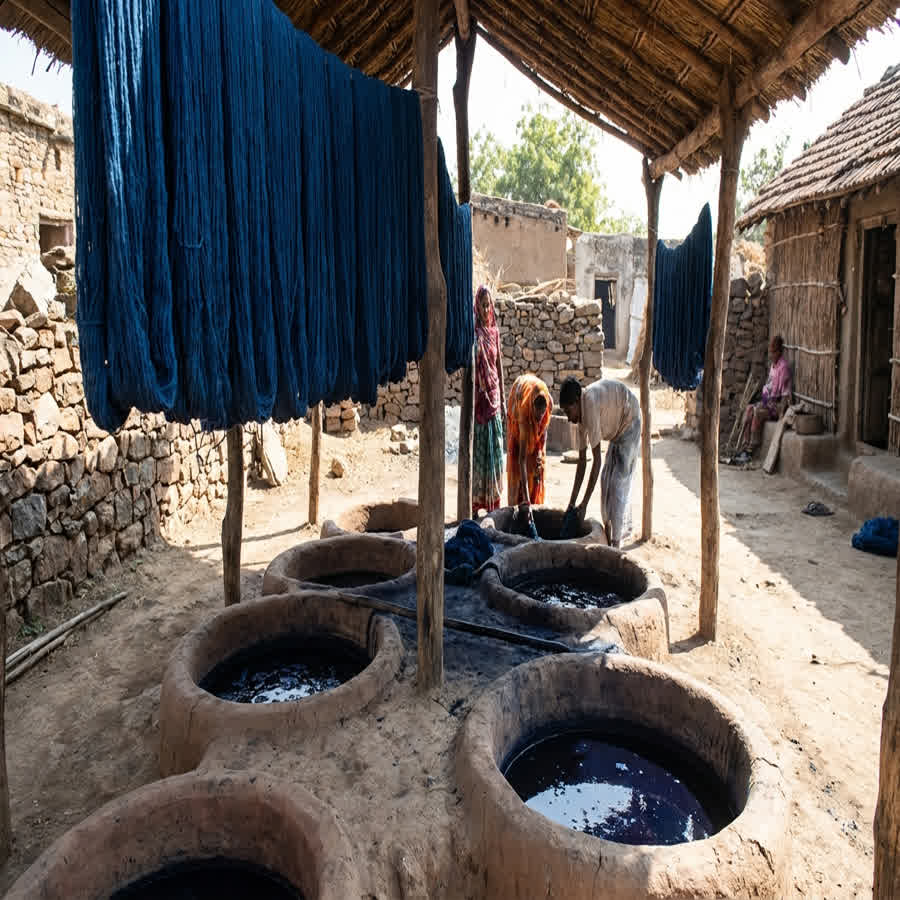
Technical consistency in natural fibers is achieved by strictly managing yarn count, twist per inch, and dye uptake to meet commercial tolerances. Quality control in artisanal textiles involves precise material science to ensure that fabric exporters from India deliver reliable products for high-end applications.
Controlling Shrinkage and GSM Variations
Natural fibers inherently react to moisture and tension, making shrinkage a primary concern for B2B designers. We manage shrinkage tolerances strictly, typically keeping them within 3-5% through controlled pre-washing and finishing techniques. This predictability is essential for brands cutting patterns for commercial production.
Weight consistency is another critical metric for fabric suppliers in India. We manage the GSM variations inherent to handloom fabrics across a wide spectrum of weights.
Our production capabilities cover specific weight categories:
- Ultra-light 60 GSM Jamdani: Requiring extremely fine yarn counts and delicate tension control for sheer, breathable garments.
- Medium-weight apparel fabrics: Balancing drape and durability for everyday shirting and dresses.
- Heavy 250 GSM Khadi: Utilizing thicker, hand-spun yarns for structured jackets and upholstery applications.
Ensuring Colorfastness and Structural Integrity
Dyeing natural fibers requires exact chemistry to prevent bleeding and fading. We assess colorfastness using ISO 105 standards, ensuring that our artisanal dyes hold up to repeated washing and light exposure. This scientific approach to dyeing is a hallmark of top Indian textile exporters.
Structural integrity is maintained by assessing yarn count consistency and the twist per inch (TPI). A higher TPI generally yields a stronger, crisper yarn, while a lower TPI results in a softer, more voluminous feel. By controlling these variables, fabric manufacturers in India can engineer handlooms to meet specific performance criteria for global buyers.
Ethical Compliance: The New Benchmark for Indian Textile Manufacturers
Modern quality now mandates fair trade practices and zero-carbon heritage techniques, making ethical production inseparable from physical fabric standards. For fabric exporters from India, proving social compliance is just as critical as passing a physical tear test.
Transparent Supply Chains and Fair Trade
B2B buyers increasingly demand proof that their materials are produced without exploitation. We operate a decentralized artisan supply chain that guarantees fair trade practices and zero child labor across all our rural clusters. This commitment to sustainable livelihoods positions us as a transparent leader among fabric companies in India.
Ethical compliance requires rigorous documentation and continuous community engagement. We provide complete visibility into our sourcing network, allowing buyers to trace their orders back to the specific village.
Our ethical compliance framework includes:
- Direct artisan payments: Ensuring weavers receive fair compensation without intermediary exploitation.
- Safe working environments: Maintaining clean, well-lit, and ventilated spaces within the rural handloom clusters.
- Community development: Reinvesting in the infrastructure and education of the weaving communities.
The Zero-Carbon Heritage Alternative
The environmental impact of textile production is a major concern for sustainable fashion brands. Traditional handloom weaving is inherently low-impact, operating without the heavy electricity demands of power-looms. This offers a zero-carbon heritage alternative to the output of conventional textile manufacturers in India.
By choosing these decentralized methods, buyers support a system that preserves biodiversity and traditional knowledge. When sourcing from indian fabric stores online, designers can market these zero-waste credentials to their end consumers. This holistic approach to quality ensures that the fabric is good for the wearer, the maker, and the planet.
Managing Logistics and Export Documentation for Efficient Sourcing
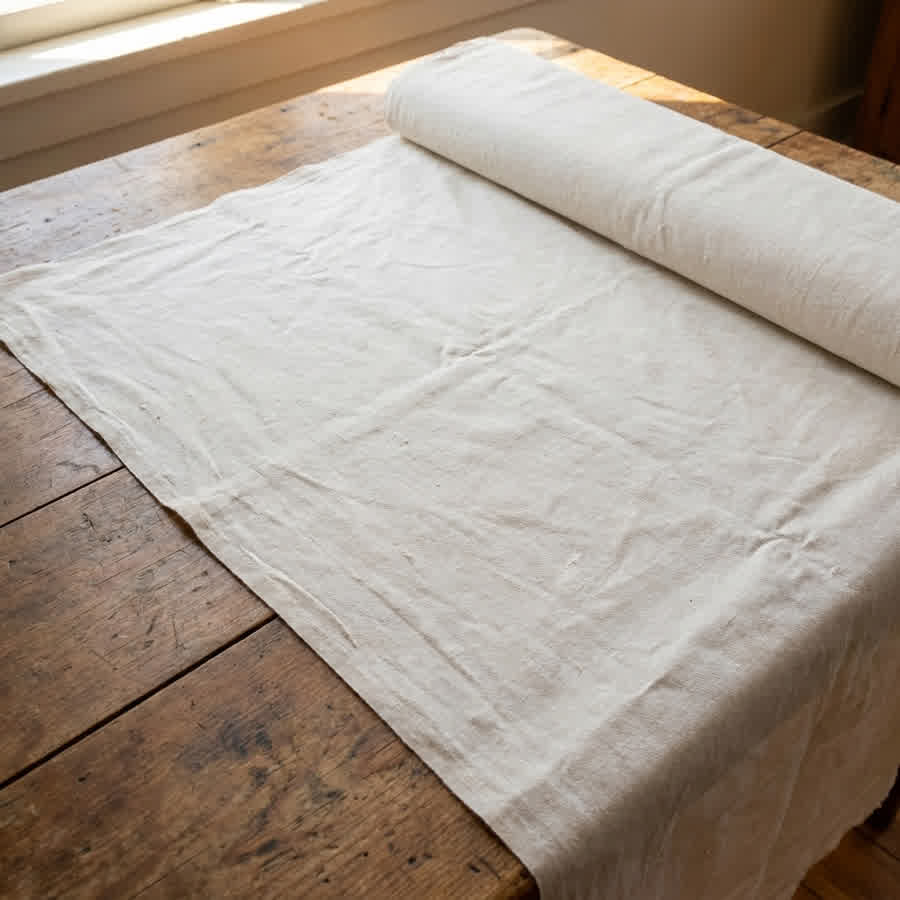
Successful export operations depend on precise customs documentation, clear lead times, and transparent communication from the rural cluster to the global port. For buyers looking for fabric material online india, a smooth logistical process is the final measure of a reliable supplier.
Streamlining Customs and Export Procedures
Moving textiles across international borders requires exact paperwork to prevent costly delays. Experienced fabric exporters from India handle this complexity by preparing comprehensive commercial invoices, packing lists, and certificates of origin. This meticulous documentation ensures that shipments clear customs without unnecessary holds.
Understanding international trade agreements can also reduce tariff burdens for the buyer. We provide the necessary export documentation to help our clients benefit from preferential trade terms where applicable.
Key logistical steps for fabric export from India include:
- Harmonized System (HS) coding: Accurately classifying the textiles to ensure correct duty assessments.
- Fumigation and phytosanitary certificates: Providing proof that natural fibers meet the agricultural import requirements of the destination country.
- Bill of Lading preparation: Securing the official contract of carriage with the freight forwarder.
Reliable Delivery for Global B2B Buyers
Lead times in a decentralized supply chain require careful management and realistic forecasting. We maintain transparent communication regarding production schedules, factoring in the time required for hand-spinning, natural dyeing, and weaving. This reliability sets top Indian fabric exporters apart from less organized vendors.
Whether shipping a small sample yardage or a bulk wholesale order, the packaging must protect the fabric from moisture and transit damage. By mastering these logistical details, fabric suppliers in India ensure that the physical quality achieved on the loom is preserved all the way to the designer's cutting table.
frequently asked questions
How do fabric exporters from India ensure colorfastness in natural and artisanal dyes?
Top Indian fabric suppliers use standardized mordanting processes and test against ISO 105 standards for washing, rubbing, and light fastness. This ensures that even natural and AZO-free dyes meet the rigorous commercial requirements of global fashion brands.
What is the acceptable GSM tolerance for handloom fabrics sourced from Indian textile exporters?
A standard acceptable tolerance is +/- 5% to 7% of the target GSM. Unlike machine-milled fabrics, handlooms possess a natural, human-driven variation. This allowance preserves the unique artisanal texture while strictly meeting B2B quality thresholds.
Do decentralized fabric manufacturers in India hold international certifications like GOTS?
Yes, progressive fabric companies in India map their decentralized supply chains to ensure yarn sourcing, dyeing, and finishing processes comply with GOTS and OEKO-TEX standards. This provides complete traceability from the rural village to the global buyer.
How is the 4-point inspection system adapted for Indian fabric wholesale of handlooms?
Quality Indian fabric exporters adapt the 4-point system by distinguishing between actual defects, like broken picks, stains, or holes, and natural characteristics, like slubs inherent to hand-spun yarn. While the standard system penalizes every slub, this adapted approach ensures authentic yet high-quality, export-ready deliveries.
How do Indian fabric stores online provide traceability for B2B buyers?
Reputable digital platforms provide batch-specific documentation and cluster origin details for every order. This allows sourcing directors to verify the exact rural cooperative that produced their textiles, ensuring ethical compliance and authentic sourcing.
More Blogs
jacquard vs embroidery: what's the difference?
buy hemp fabric in bulk: what fashion brands need to know
khadi online shopping: what fabric details should you check?
a designer’s guide to sourcing silk from indian manufacturers
tussar silk fabric: characteristics, texture & a guide for designers
jacquard fabric supplier: a guide for designers & fashion brands