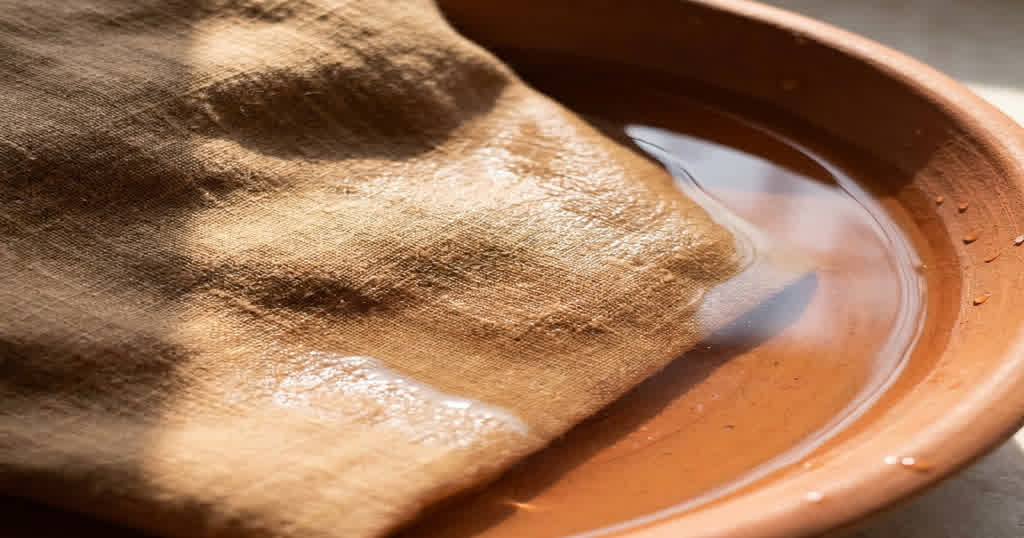
The Ultimate Guide to Removing Stains from Natural Handwoven Fabrics

A minor transit spill on a batch of hand-spun Khadi or a showroom smudge on an Ahimsa silk dress often forces inventory managers to write off valuable artisanal stock. Effective stain removal for natural fabrics requires highly specific interventions, especially when dealing with delicate, low-twist yarns that react poorly to commercial chemical solvents.
Preserving these textiles is a technical challenge that directly impacts garment longevity and a brand's zero-waste commitments. Understanding the specific material science behind handloom structures allows designers to salvage expensive inventory safely. This knowledge also helps brands write accurate care labels that protect the end-consumer's investment and support circular fashion models.
The Science of Stains on Handwoven Fibers
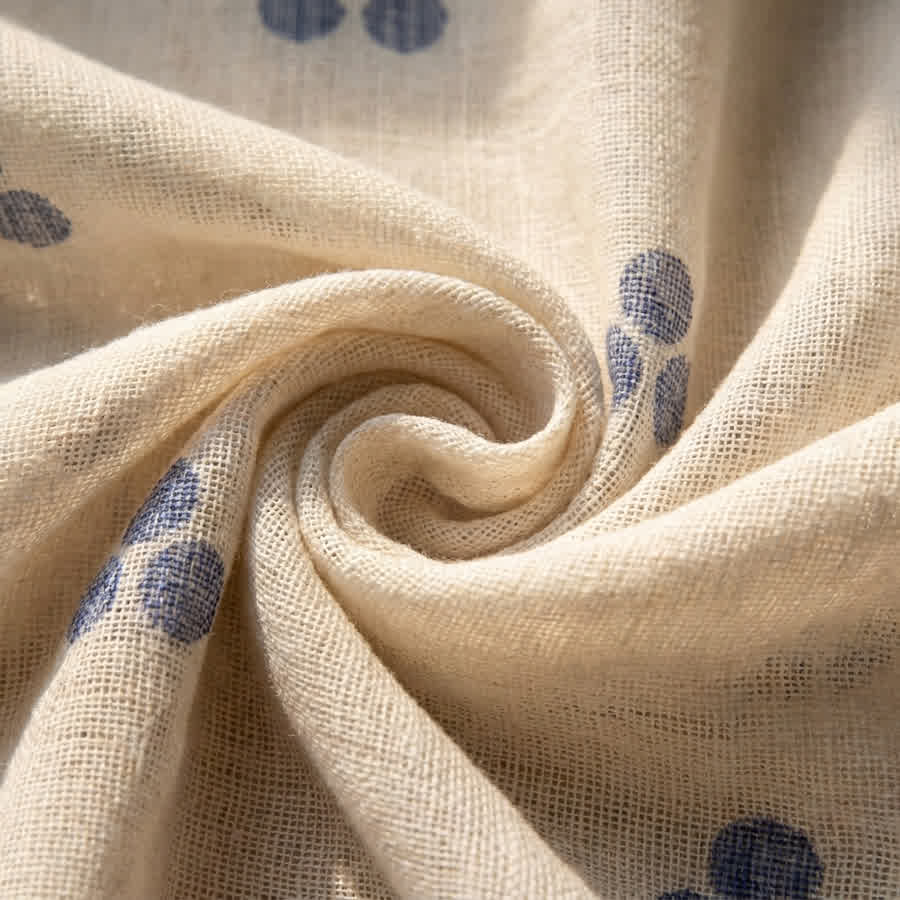
Handwoven fibers absorb stains faster and deeper than mill-made textiles due to their looser weave structures and lower yarn twists, requiring immediate, non-abrasive flushing rather than aggressive scrubbing. When a liquid hits a handloom textile, the physical architecture of the fabric dictates how the spill spreads. Mill-made fabrics often feature high-tension, tightly packed yarns that create a temporary barrier against liquids. In contrast, artisanal textiles prioritize a soft, breathable hand-feel, which inherently changes their absorption profile.
Capillary Action in Low-Twist Yarns
The yarns used in handwoven fabrics typically feature lower yarn twists than their machine-spun counterparts. This structural difference increases the porosity of the individual threads. When a spill occurs, the liquid travels rapidly through the microscopic spaces between the fibers via capillary action.
This rapid absorption means that stain removal for natural fabrics must happen quickly before the liquid bonds with the core of the fiber. To manage this rapid uptake, inventory managers should follow specific protocols for fresh spills:
- Blotting over rubbing: Always press a clean, dry cloth directly onto the spill to absorb moisture without pushing the pigment deeper into the yarn core.
- Cold water flushing: Run cold water through the back of the fabric to push the stain out the way it came in, preventing the pigment from setting into the cellulosic fibers.
- Avoiding localized friction: Scrubbing a low-twist yarn will cause immediate surface abrasion, leading to irreversible pilling and yarn distortion.
Structural Vulnerabilities of Handloom Weaves
Beyond the yarn itself, the overall fabric architecture plays a critical role in stain management. Handloom fabrics generally have looser setts, meaning they have a lower EPI and PPI (Ends Per Inch and Picks Per Inch). This open structure allows liquids to pool in the intersections of the warp and weft.
Because the yarns are not held under extreme mechanical tension, aggressive cleaning methods can easily warp the weave structure. Applying heavy pressure or twisting the fabric to wring out a stain will permanently shift the warp threads. Safe stain removal for natural fabrics in a showroom setting relies on gentle tamping and flat drying to maintain the original grid of the weave.
pH Sensitivity and Natural Dyes: A B2B Guide
Common alkaline stain removers will permanently strip or alter natural dyes like Indigo and Madder, making pH-neutral agents (pH 6.5-7.5) mandatory for treating naturally dyed handwoven inventory. The chemical interaction between a cleaning agent and a botanical dye is highly volatile. Unlike synthetic AZO dyes, which are chemically fixed to resist harsh detergents, plant-based pigments remain sensitive to their chemical environment long after the fabric leaves the loom.
Chemical Reactions with Plant-Based Dyes
Natural dyes require specific pH environments to maintain their color integrity. Natural Indigo, for example, is highly susceptible to oxidation and alkaline shifts. Applying a common household remedy like a baking soda paste will cause a rapid spike in alkalinity, leading to localized bleaching or a permanent color shift.
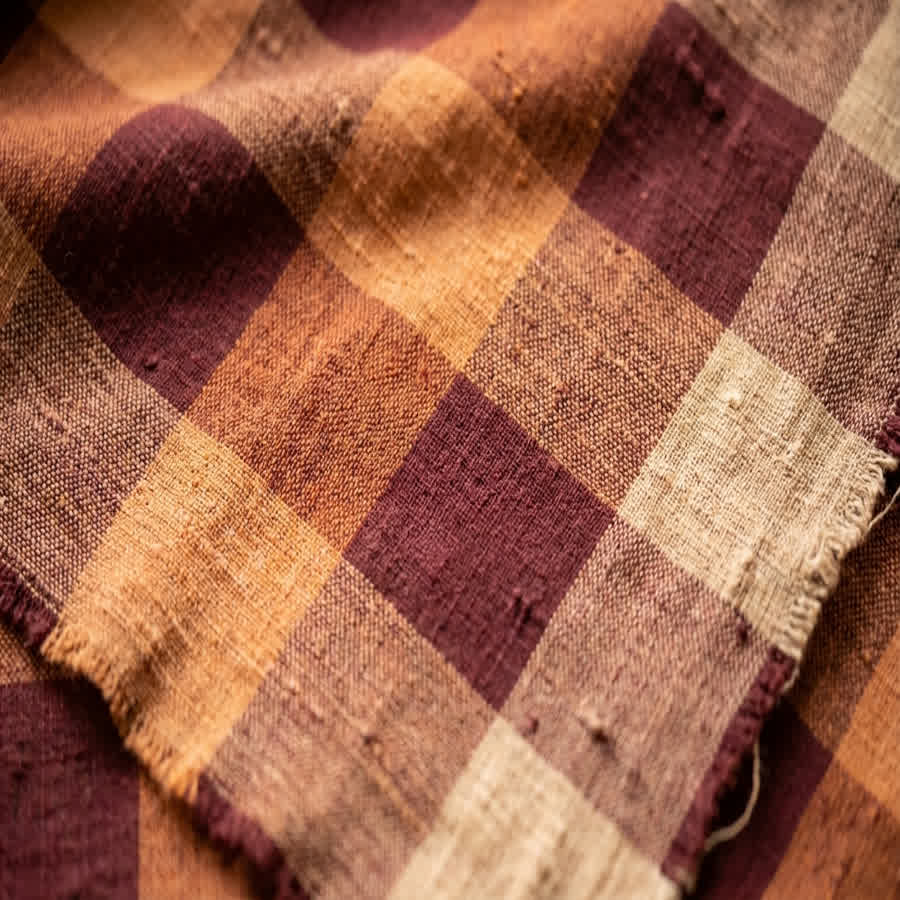
Similarly, Madder root extracts will shift from deep reds to dull oranges if exposed to highly acidic treatments like lemon juice or white vinegar. To protect valuable naturally dyed inventory, sourcing managers must ensure that all cleaning agents used in the warehouse are strictly pH-neutral. Spot testing on an unexposed seam is a mandatory first step before applying any solvent to the main body of the garment.
Cellulosic vs. Protein Fiber Chemistry
The underlying fiber type also dictates the required pH of the cleaning agent. Handwoven textiles generally fall into two categories, and each reacts differently to chemical stress:
- Cellulosic fibers: Materials like cotton, linen, and khadi can tolerate mild alkalinity, allowing for the careful use of diluted, plant-based soaps for stubborn oil stains.
- Protein fibers: Materials like silk and wool suffer severe peptide bond degradation under alkaline conditions, causing the fibers to become brittle and snap.
- Enzyme vulnerability: Protein fibers will also dissolve when exposed to protease enzymes found in standard biological laundry detergents, making enzyme-free cleaners essential for Ahimsa silk.
By understanding these chemical boundaries, sustainable brands can implement safe stain removal for natural fabrics that preserves both the delicate hand-spun fibers and the rich, artisanal colors.
Traditional Artisanal Solvents: Reetha and Beyond

Traditional Indian artisans use natural surfactants like Reetha (soapnut) and Shikakai, alongside sunlight bleaching, to lift stains without compromising fiber integrity or stripping natural dyes. Long before the advent of synthetic detergents, weaving clusters across India developed sophisticated, plant-based methods for textile care. These traditional practices are highly relevant for modern B2B brands looking to maintain their zero-waste credentials while managing inventory.
Saponin-Rich Botanical Cleansers
The foundation of traditional Indian textile care relies on natural surfactants harvested from local botanicals. Reetha and Shikakai are the most prominent examples, widely used by artisans to clean raw fibers before spinning and to wash finished garments. These botanicals contain high levels of saponin, a natural compound that creates a mild lather when agitated in water.
Saponins work by breaking the surface tension of water, allowing it to penetrate the looser setts of handwoven fabrics and lift dirt without chemical abrasion. For boutique inventory managers, utilizing a strained decoction of boiled Reetha offers a safe, pH-neutral method for treating minor showroom smudges. Because these botanical cleansers lack synthetic brighteners and harsh alkalis, they clean the fabric while ensuring complete sericin retention in raw silks, preserving the material's natural luster and soft, crisp hand-feel.
Sunlight Bleaching for Stubborn Marks
When dealing with stubborn organic stains on undyed cellulosic fibers, artisans historically turned to sunlight bleaching. This method utilizes the natural ultraviolet rays of the sun to break down the chemical bonds of organic pigments, such as tea or fruit juice.
To utilize this method effectively for stain removal for natural fabrics, the stained area is dampened with pure water and laid flat in direct sunlight. The moisture acts as a catalyst for the UV rays, gently fading the stain over several hours. This technique is highly effective for undyed Khadi and raw linen, offering a completely low-chemical alternative to chlorine bleach. However, designers must note that this method should never be used on naturally dyed textiles, as the UV exposure will indiscriminately fade the botanical pigments alongside the stain.
Developing Foolproof Care Labels for Handwoven Collections
Translating complex textile science into clear, actionable care labels empowers retail customers to safely treat stains, directly reducing return rates and extending garment life. For a B2B fashion brand, the responsibility of garment care does not end at the point of sale. Providing accurate, highly specific maintenance instructions is a critical component of customer education and brand trust.
Standardizing Spot-Treatment Instructions
Generic care tags that simply state "Dry Clean Only" or "Machine Wash Cold" fail to address the unique vulnerabilities of artisanal textiles. When a customer attempts standard stain removal for natural fabrics using commercial spot-cleaners, they often ruin the handloom weaves or strip the natural dyes, resulting in a damaged garment and a frustrated buyer.
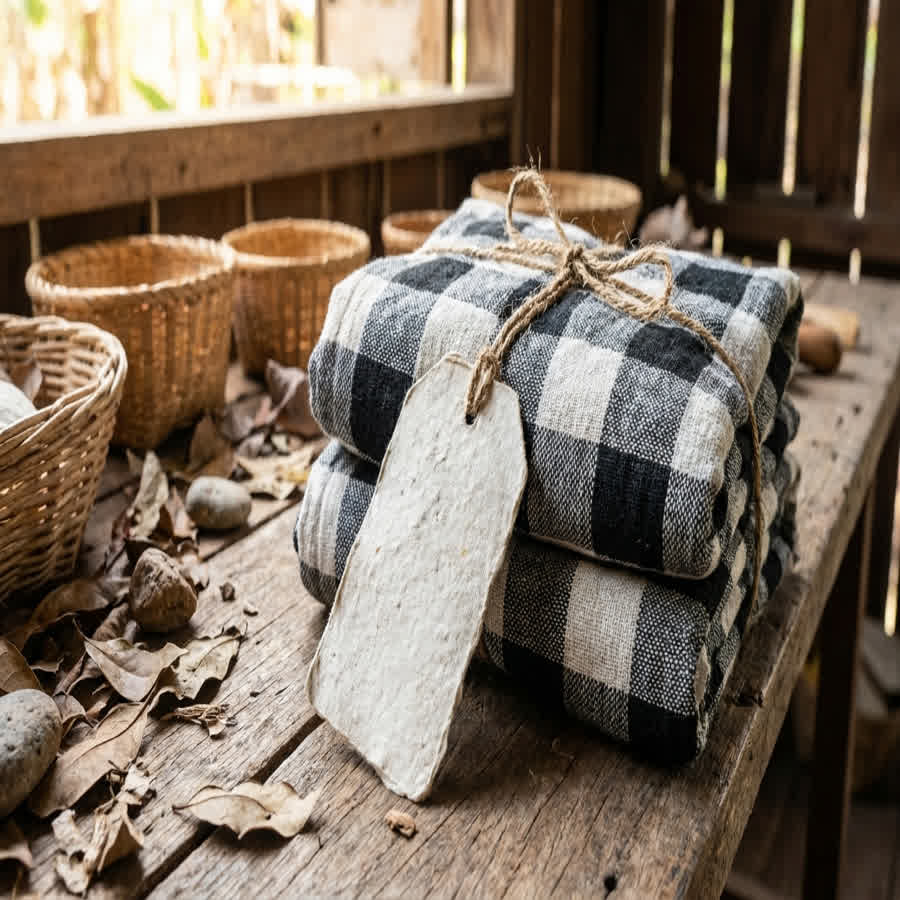
To prevent this, designers must develop care labels that explicitly outline safe spot-treatment protocols. Effective care tags for handwoven collections should include these specific directives:
- Specify the cleanser: Explicitly recommend pH-neutral or mild botanical soaps, warning against the use of biological detergents containing enzymes.
- Dictate the motion: Instruct the user to blot or tamp the stain gently, explicitly warning that rubbing will cause localized pilling.
- Control the temperature: Mandate the use of cold water for flushing stains to prevent the setting of protein-based spills into the yarn core.
Educating Consumers on Circular Fashion
Accurate care labels do more than prevent returns; they actively support a brand's sustainability narrative. By teaching consumers how to care for low-twist yarns and AZO-free plant dyes, brands support a culture of repair and maintenance.
When customers understand the material science behind their garments, they are more likely to treat them as investments. Educating the end-user on traditional methods, such as using Reetha or practicing safe sunlight bleaching for undyed cottons, reinforces the artisanal value of the piece. This detailed approach to stain removal for natural fabrics ensures that handwoven garments remain in circulation longer, fulfilling the core promise of sustainable fashion.
frequently asked questions
How does stain removal differ between mill-made and handwoven cotton?
Handwoven fabrics often have a looser weave and lower yarn twist. This means stains penetrate deeper and faster via capillary action, but they can also be flushed out more easily if treated promptly. However, handwoven fabrics are more susceptible to surface abrasion, meaning aggressive scrubbing can cause localized pilling or yarn distortion.
Can enzyme-based cleaners be used on Ahimsa silk?
No. Protein-based fibers like silk and wool will degrade when exposed to protease enzymes found in many biological detergents, which are designed to break down protein-based stains. Always specify pH-neutral, non-enzyme cleansers for silk inventory to prevent the fibers from becoming brittle and snapping.
How do we treat stains on fabrics dyed with natural indigo or madder?
Natural dyes are highly sensitive to pH fluctuations and oxidation. Spot test with mild, plant-based surfactants. Avoid acidic treatments (like lemon juice) or highly alkaline treatments (like baking soda pastes), as these can permanently alter the dye's molecular structure and cause localized bleaching.
What is the safest way to treat transit stains on undyed Khadi cotton?
The safest method is to flush the area with cold water and apply a mild, saponin-rich botanical cleanser like Reetha. Because undyed Khadi lacks sensitive botanical pigments, you can also utilize gentle sunlight bleaching by dampening the stained area and exposing it to direct UV rays to break down organic marks naturally.
Why should designers avoid standard baking soda pastes on handwoven linen?
Baking soda creates a highly alkaline environment that can weaken the cellulosic fibers of handwoven linen over time. While linen is more tolerant of alkalinity than silk, the abrasive, gritty texture of a baking soda paste will cause severe surface friction when rubbed into low-twist yarns, leading to irreversible structural damage.
More Blogs
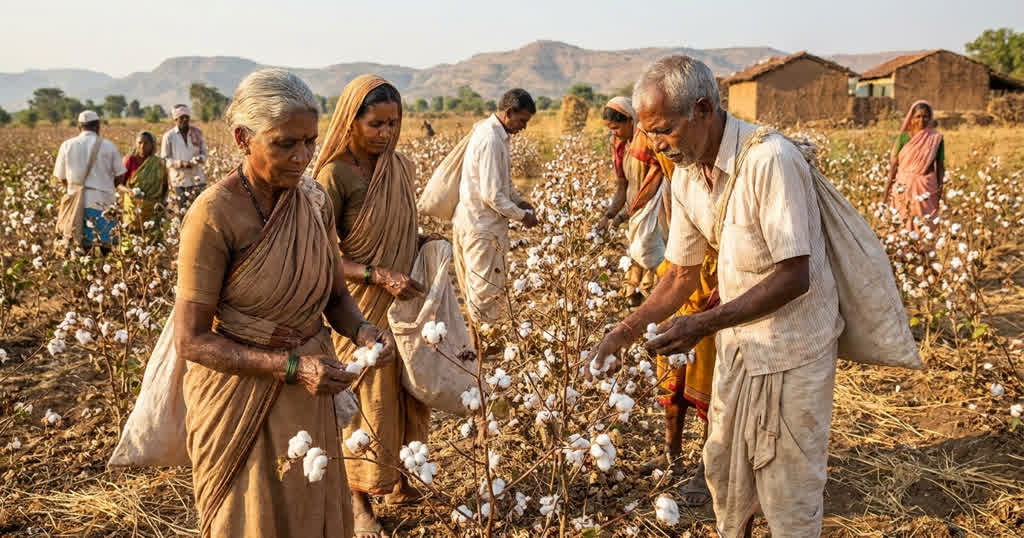
why organic fabric suppliers are growing in india
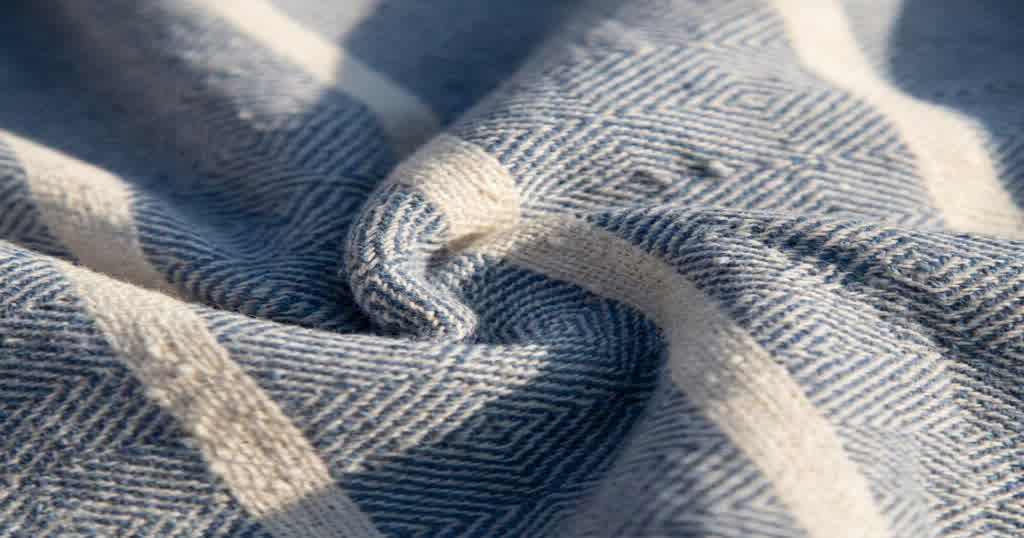
jacquard fabric in modern fashion
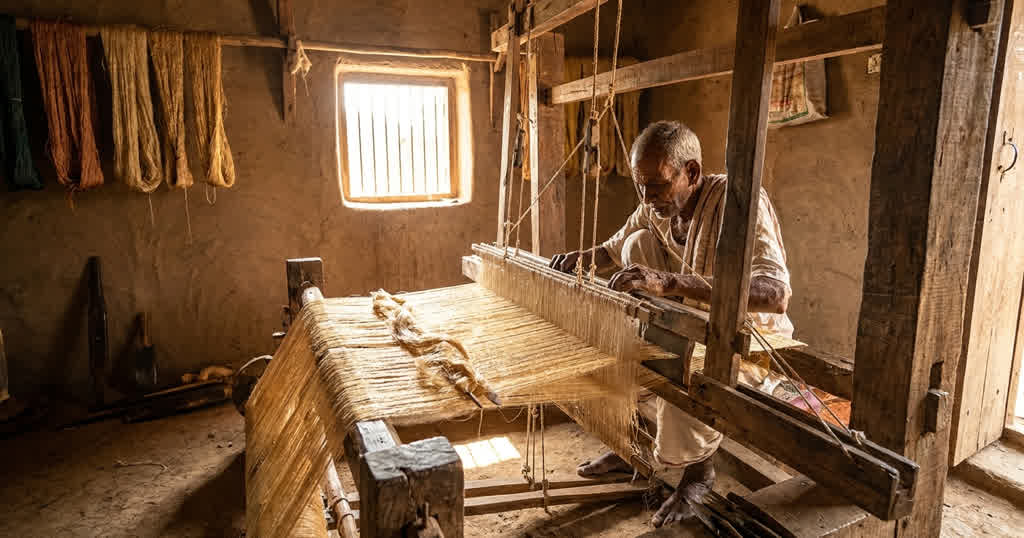
how silk manufacturers preserve traditional craftsmanship
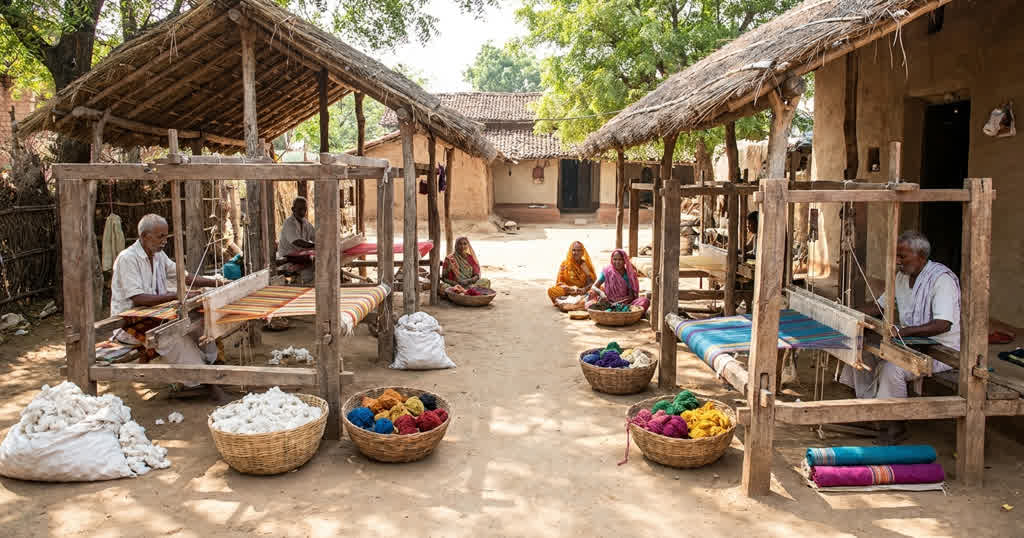
indian fabric wholesale: a guide to sourcing handwoven textiles
how indian fabric exporters meet global quality standards
jacquard vs embroidery: what's the difference?