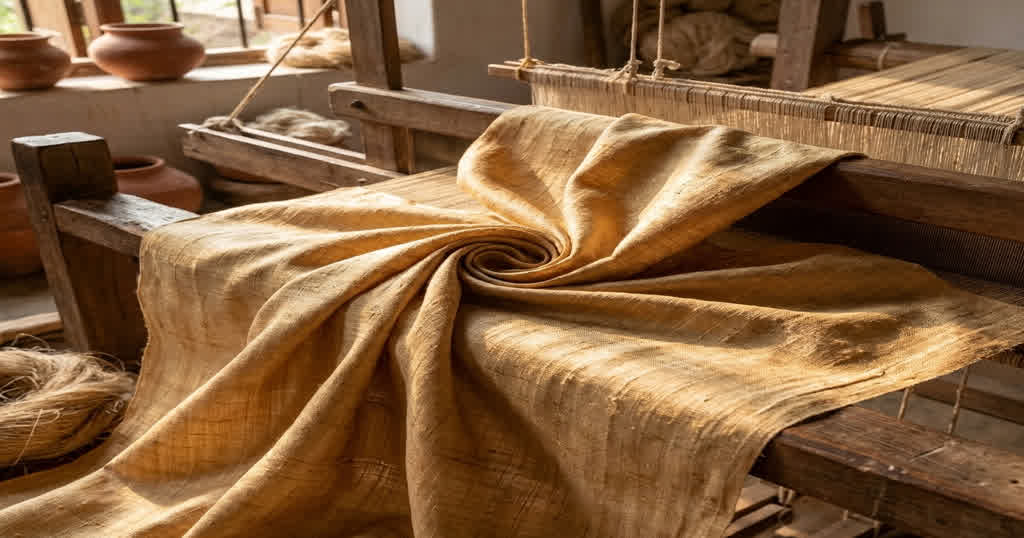
The Ultimate Guide to Tussar Silk Fabric Care and Maintenance

A designer opening a fresh shipment of wild silk immediately notices the rich, tactile texture and distinct golden hue. Preserving these exact qualities in tussar silk fabric from the cutting table to the final consumer requires precise, scientifically grounded handling protocols. Without accurate care guidelines, the natural protein structure of this wild-harvested textile risks irreversible damage during production or after the final sale. The decision to source Vanya silk from rural Indian handloom weavers brings a powerful sustainability narrative to a collection.
Formulating accurate garment labels and establishing strict pre-production storage standards ensures this premium material retains its value. Educating end-consumers on proper maintenance directly reduces return rates and prevents post-purchase fabric degradation.
The Anatomy of Tussar Silk Fabric: Why Wild Silk Behaves Differently
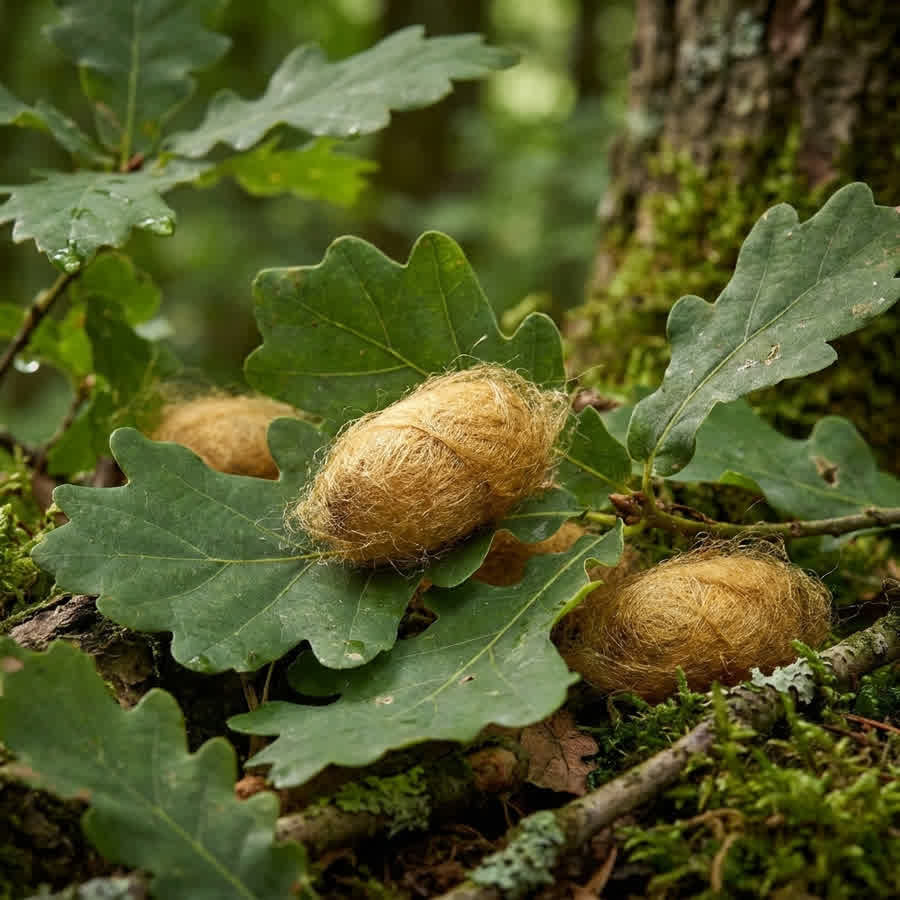
Tussar silk behaves differently from cultivated varieties because its wild-harvested fibers are shorter, thicker, and highly porous, making the material highly sensitive to alkaline environments and moisture. Understanding this unique material science is the foundation of proper textile care. When we examine the fibroin structure, the reasons for its specific maintenance requirements become clear.
The Science of Vanya Silk Fibers
Unlike cultivated mulberry silk, Tussar is a wild silk harvested primarily from the Antheraea paphia moth in the forests of Eastern India. Indigenous tribal communities in Jharkhand, Chhattisgarh, and West Bengal sustainably gather these cocoons. The resulting yarn is woven on traditional pit looms, creating a fabric that typically ranges from 60 to 120 GSM.
This wild origin gives the textile its distinct dry, crisp hand-feel and characteristic golden sheen. The fibers possess a highly porous fibroin structure, which absorbs dyes beautifully but also traps moisture and chemical residues easily. Because the caterpillars feed on wild forest oak and jamun leaves, the resulting protein structure is inherently different from mulberry silk.
Managing Moisture and Tensile Strength
The physical properties of this wild silk demand specific handling during the manufacturing process. The natural slubs and uneven yarns are desirable traits, but they also create points of mechanical vulnerability. When wet, the fabric exhibits lower tensile strength, meaning it is highly susceptible to stretching or tearing under tension.
Designers must account for these structural realities when planning wet treatments or dyeing processes. The high porosity means the fabric requires:
- Gentle mechanical action to prevent fiber breakage during wet processing.
- Strict pH-neutral environments to protect the delicate fibroin from chemical burning.
- Controlled drying tension to maintain the structural integrity of the hand-woven yarns.
- Careful temperature regulation to avoid stripping the residual natural oils.
By respecting the inherent material properties of this wild-crafted textile, brands can ensure the fabric maintains its structural integrity. The tactile, uneven surface is a signature of authentic handloom weaving that requires protection from harsh industrial processing.
Pre-Production Handling: Best Practices for B2B Sourcing and Storage
A strong practice for storing bulk inventory is maintaining a climate-controlled environment with 45-55% relative humidity while keeping rolls flat and away from direct sunlight. Proper pre-production handling prevents moisture damage, moth infestations, and UV-induced fading before the fabric ever reaches the cutting table. Establishing these storage protocols protects the raw material investment.
Climate Control for Bulk Inventory
Boutique retail buyers and sourcing leads evaluating silk fabric suppliers often hold high-ticket bulk inventory for months before production begins. Because tussar silk fabric is a natural protein, it reacts constantly to its surrounding environment. High humidity promotes mildew growth, while extremely low humidity causes the natural protein fibers to become brittle and prone to snapping.
Maintaining an optimal relative humidity is non-negotiable for preserving the textile. Facilities should utilize dehumidifiers and hygrometers to monitor the storage climate continuously. The storage area must also be completely shielded from direct ultraviolet light, which rapidly degrades the protein bonds and fades the natural golden hue.
Folding and Physical Storage Protocols
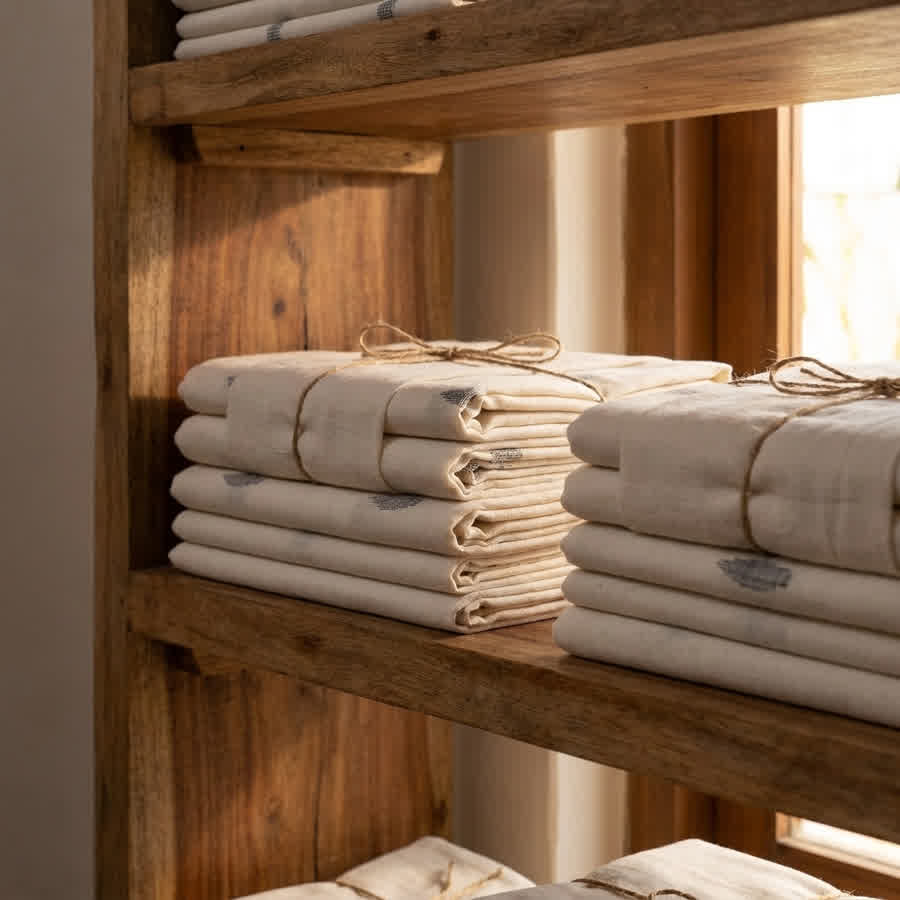
The physical weight and crisp drape of the fabric dictate how it should rest on warehouse shelves. Storing heavy rolls vertically can crush the selvedge edges and distort the weave tension over time. Implementing strict physical storage protocols protects the structural integrity of the yardage.
Warehouse teams should follow these specific guidelines for bulk storage:
- Horizontal roll storage to distribute weight evenly and prevent edge crushing.
- Acid-free tissue paper layered between folds if the fabric is stored flat, preventing permanent creasing.
- Breathable cotton covers to protect against dust while allowing trapped moisture to escape.
- Natural moth repellents like cedar or neem placed near the storage racks to deter pests without applying harsh chemicals directly to the textile.
By standardizing these inventory management practices, brands eliminate the risk of discovering damaged yardage during the cutting phase. Protecting the raw material investment ensures the final garments reflect the premium quality of the artisan weaving process.
Washing and Maintenance: Formulating the Well suited Care Label
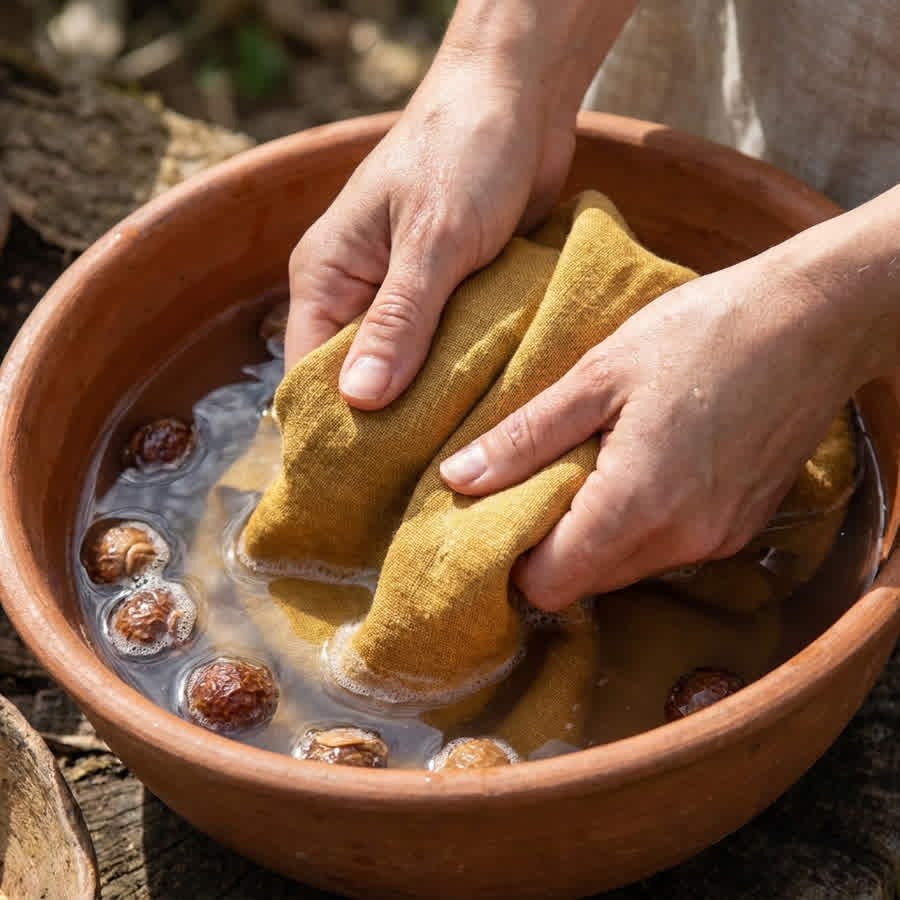
A well suited care label for this wild silk must specify pH-neutral detergents and cold water washing to prevent the degradation of its delicate fibroin protein structure. Providing accurate care instructions educates the end-consumer and significantly reduces the risk of post-purchase fabric damage. Clear communication regarding textile maintenance builds brand trust.
The Chemistry of Silk Washing
The protein structure of wild silk is highly sensitive to alkaline environments. Standard commercial detergents often contain harsh alkalis that strip the natural oils and degrade the fibroin. This chemical damage leads to a dull appearance, a loss of the characteristic golden sheen, and a severe reduction in tensile strength.
When formulating garment labels, designers must explicitly warn against conventional laundry soaps. The fabric requires pH-neutral liquid detergents specifically formulated for protein fibers. At Anuprerna, we advise our partners to anticipate a shrinkage rate of 3-5% due to the natural relaxation of hand-woven yarns, requiring pre-washing before cutting.
Sustainable Wet-Cleaning Alternatives
Historically, the default recommendation for premium silks has been toxic traditional dry cleaning. Sustainable fashion brands are increasingly seeking low-impact maintenance guidelines that align with their zero-waste credentials. Educating customers on safe, eco-friendly washing methods enhances the perceived value of the garment.
Brands can confidently recommend these sustainable care practices on their labels:
- Cold water hand washing using gentle, non-wringing motions to protect the wet fibers.
- Flat air drying on a clean towel in a shaded area to prevent stretching and UV damage.
- Professional wet-cleaning using specialized, eco-friendly solvents instead of perchloroethylene.
- Spot cleaning with diluted white vinegar to address minor stains without submerging the entire garment.
By prioritizing sustainable care protocols, brands honor the decentralized rural-artisan weaving process. This approach ensures the longevity of the garment while minimizing the environmental footprint of consumer textile maintenance.
Ironing and Finishing: Preserving the Natural Golden Sheen
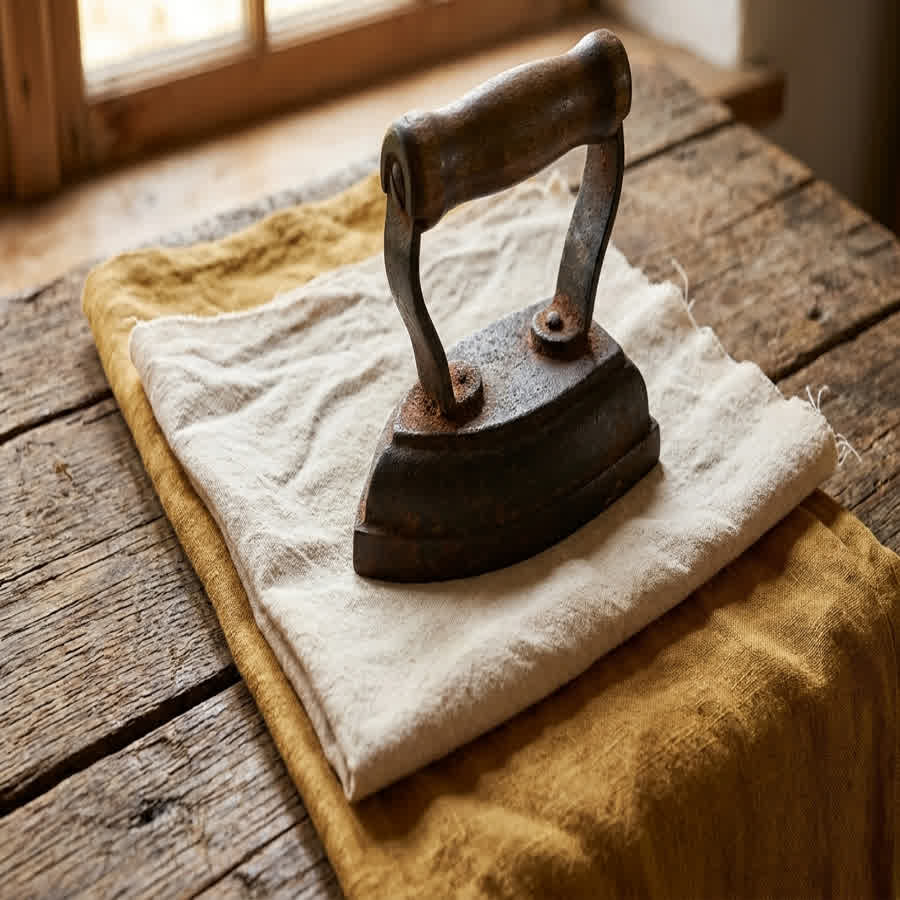
To preserve the natural golden sheen and textured slubs of the fabric, always press the material on the reverse side using a protective cloth and a maximum heat setting of 148°C. Proper ironing and finishing techniques prevent irreversible heat glazing and maintain the authentic tactile qualities of the wild silk. Careful temperature management is vital for texture preservation.
Heat Tolerance and Glazing Prevention
During the final stages of garment production, aggressive pressing can ruin the visual appeal of tussar silk fabric. The protein fibers have a strict heat tolerance limit of approximately 148°C (300°F). Exceeding this temperature melts the residual sericin and scorches the fibroin, resulting in permanent shiny patches known as heat glazing.
To prevent this damage, production teams and end-consumers must use a medium heat setting, typically marked as the silk setting on commercial irons. The fabric should always be pressed while slightly damp, as the moisture helps relax the hand-woven yarns without requiring excessive thermal energy. Applying dry heat to dry silk increases the risk of fiber brittleness.
Protecting the Natural Slub Texture
The uneven, textured surface of wild silk is not a defect; it is a hallmark of its uncultivated origin. Aggressive pressing with heavy industrial irons can flatten these natural slubs, stripping the textile of its organic character. Finishing protocols must prioritize texture preservation alongside wrinkle removal.
To maintain the fabric's inherent characteristics during finishing, follow these steps:
- Press on the reverse side to ensure the face of the fabric never touches the hot iron plate directly.
- Use a cotton pressing cloth as a barrier to distribute heat evenly and absorb accidental steam drips.
- Apply light, hovering pressure rather than dragging the iron heavily across the yardage.
- Steam from a distance using a commercial steamer to relax wrinkles without applying direct mechanical weight.
Implementing these finishing guidelines ensures the garments arrive on the retail floor looking pristine. Preserving the tactile texture and visual depth of the textile honors the heritage of the indigenous tribal communities who harvested it.
Explore Our Collection
Anuprerna works directly with handloom artisan clusters to weave tussar silk fabric for designers and brands building considered collections. To source it for your next line, explore the range below.
frequently asked questions
Does handloom Tussar silk fabric shrink after the first wash?
Yes, handloom Tussar silk can experience a natural shrinkage of 3-5% due to its porous fiber structure and the relaxation of hand-woven yarns. B2B buyers should account for this by pre-washing or dry cleaning the yardage before cutting for production.
What is the ideal humidity level for storing bulk Tussar silk fabric?
Bulk Tussar silk should be stored in a climate-controlled environment with a relative humidity of 45-55%. High humidity can promote mildew growth on the natural protein fibers, while extremely low humidity can cause the fibers to become brittle.
Can Tussar silk be washed with standard commercial detergents?
No, standard commercial detergents are often alkaline, which strips the natural oils and degrades the fibroin protein of the silk. This chemical damage leads to a loss of its characteristic golden sheen and tensile strength, meaning you must always specify pH-neutral, mild liquid detergents for care labels.
How should natural slubs be handled during the pressing process?
To avoid flattening natural slubs or causing heat glazing, garments should be pressed on the reverse side using a medium heat setting and a protective pressing cloth. Slubs are an inherent, desirable characteristic of wild Tussar silk that require gentle, hovering pressure rather than heavy mechanical ironing.
Can Tussar silk fabric be bleached to remove stains?
No, tussar silk fabric should never be exposed to chlorine or oxygen-based bleaching agents. Bleach completely destroys the protein structure of the silk fibers, causing them to dissolve, yellow, and lose all tensile strength.
More Blogs
why organic fabric suppliers are growing in india
jacquard fabric in modern fashion
how silk manufacturers preserve traditional craftsmanship
indian fabric wholesale: a guide to sourcing handwoven textiles
how indian fabric exporters meet global quality standards
jacquard vs embroidery: what's the difference?