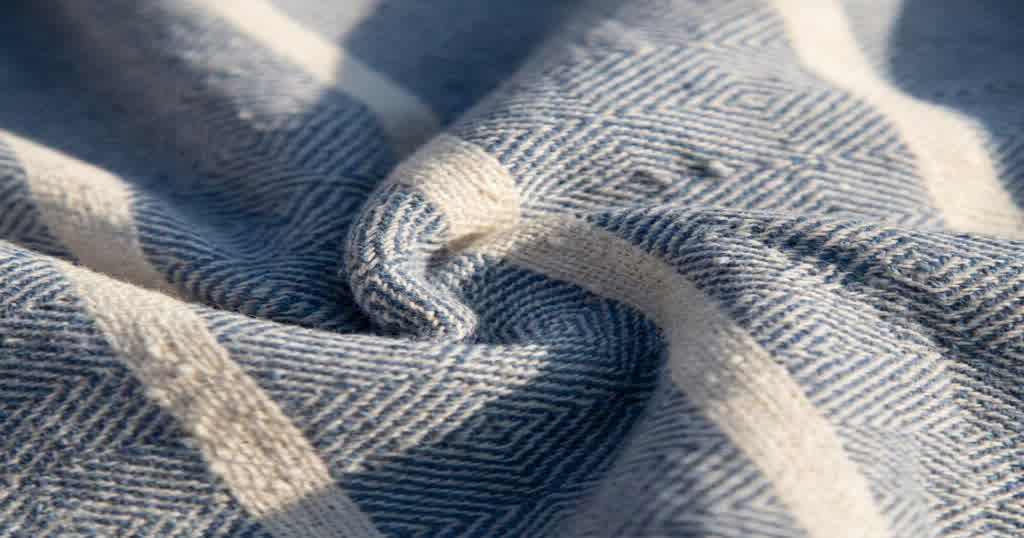
Jacquard Fabric in Modern Fashion

Designers are increasingly abandoning flat, printed textiles in favor of materials that offer inherent texture and longevity. Jacquard fabric provides a structural solution for collections requiring complex, woven-in patterns rather than surface-level dyes that fade over time. The decision to source this material directly impacts a garment's dimensional stability, its resistance to wear, and the ethical narrative a brand presents to its consumers. The shift toward sustainable production requires sourcing managers to evaluate both the material science and the supply chain behind their textiles.
Moving away from industrial powerlooms toward a decentralized artisan supply chain allows brands to meet strict environmental goals while preserving traditional craftsmanship. Understanding the mechanics of this weave ensures that sourcing decisions align with both technical performance requirements and ethical luxury standards.
What is Jacquard Fabric? The Anatomy of Complex Weaves
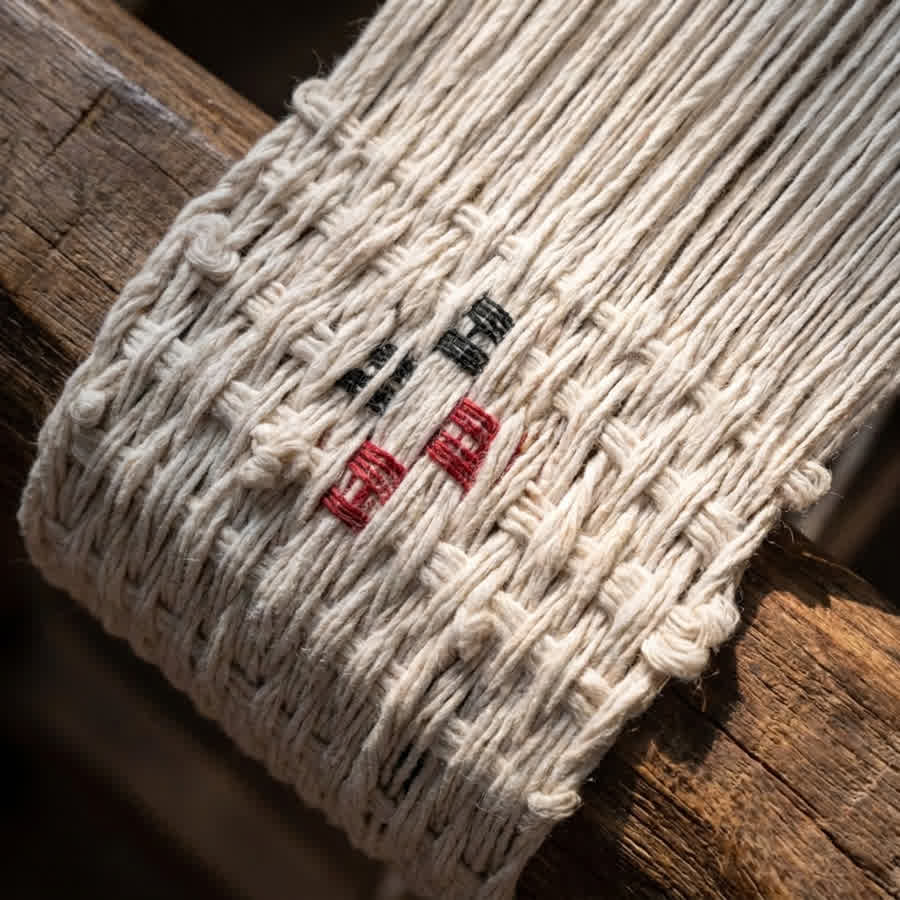
What is jacquard fabric? It is a highly textured textile where intricate patterns are woven directly into the material using a specialized loom, rather than being printed or embroidered onto the surface. This structural integration creates a durable, often reversible cloth with superior tensile strength and visual depth.
The Mechanics of Warp and Weft
The defining characteristic of jacquard woven fabric is its complex interlacing system. Unlike basic plain or twill weaves, this method controls individual warp yarns independently. This precise control allows artisans to construct highly detailed motifs directly within the textile architecture.
The resulting material possesses a distinct, crisp hand-feel and exceptional durability. Because the pattern is structural, the fabric maintains its integrity through repeated washing and wear. This mechanical advantage makes it highly desirable for premium fashion applications where longevity is a primary concern.
Technical benefits of this weaving method include:
- High tensile strength resulting from the dense interlacing of yarns.
- Dimensional stability that prevents the garment from warping or stretching out of shape.
- Reversible patterns that offer designers multiple aesthetic options from a single yard of cloth.
Structural Integrity Over Surface Prints
Printed textiles often suffer from surface abrasion, where the applied dyes crack or fade over time. In contrast, the patterns in a jacquard weave are formed by the dyed yarns themselves. This fundamental difference ensures that the visual design remains as permanent as the physical cloth.
For a sourcing lead, choosing this woven method over printing reduces the risk of premature garment degradation. The textured drape provides a premium weight and movement that flat prints cannot replicate. This inherent quality signals luxury and longevity to the end consumer.
Brands prioritizing sustainable fashion recognize that durability is a core component of eco-friendly design. By utilizing woven-in patterns, designers create pieces intended for long-term wear rather than seasonal disposal. This aligns perfectly with the growing demand for responsible, slow fashion.
From Punch Cards to Artisanal Looms: The Evolution of Jacquard Weaving
Jacquard weaving evolved from an 1804 industrial invention using mechanical punch cards into a highly adaptable technique now utilized by rural Indian handloom artisans for sustainable, small-batch production. This adaptation shifted the process from mass manufacturing to decentralized craftsmanship, preserving heritage skills while lowering environmental impact.
The 1804 Innovation
Invented by Joseph Marie Jacquard, the original loom revolutionized textile production by using a series of stiff pasteboard punch cards. These cards dictated the lifting of specific warp threads, automating the creation of complex patterns. This invention is widely recognized as an early precursor to computer programming.
Before this innovation, creating intricate textiles required multiple weavers working simultaneously on a drawloom. The new mechanism allowed a single operator to produce highly detailed woven motifs with unprecedented speed and accuracy. The technology quickly spread across Europe, dominating the production of heavy brocades and upholstery.
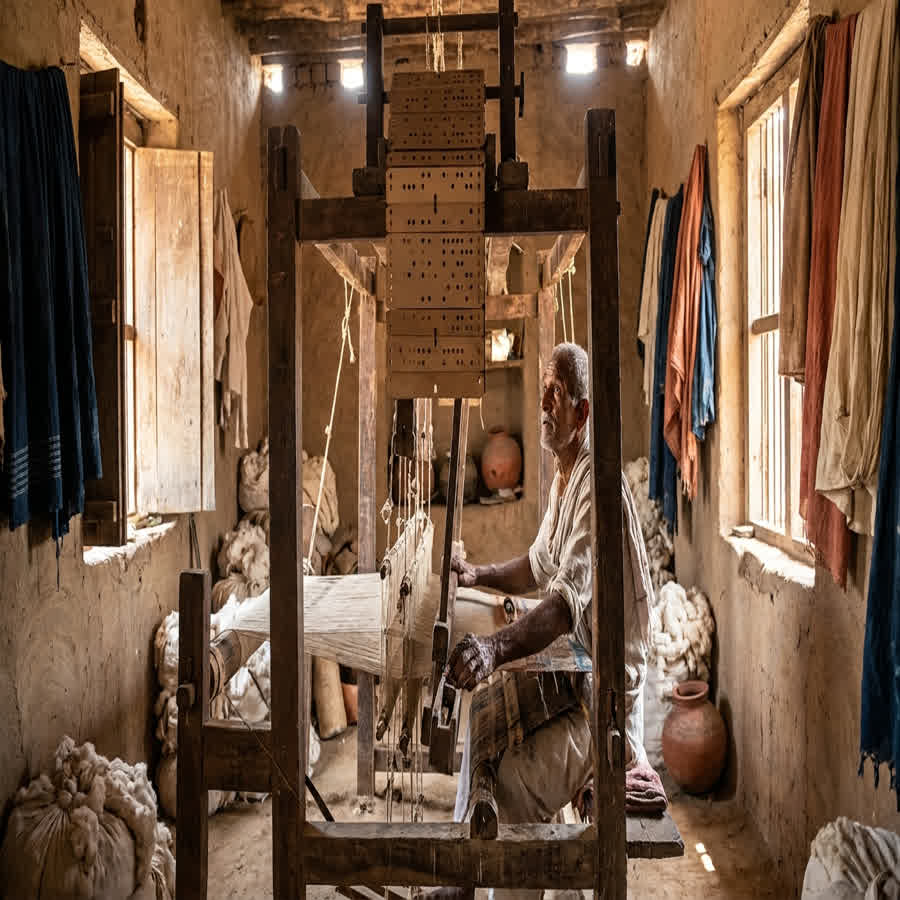
While the original machines were powered industrially, the core principle of individual thread control remained unchanged. This mechanical foundation eventually found its way into diverse textile traditions globally. The system proved versatile enough to be scaled down for manual operation.
Decentralized Handloom Adaptation in India
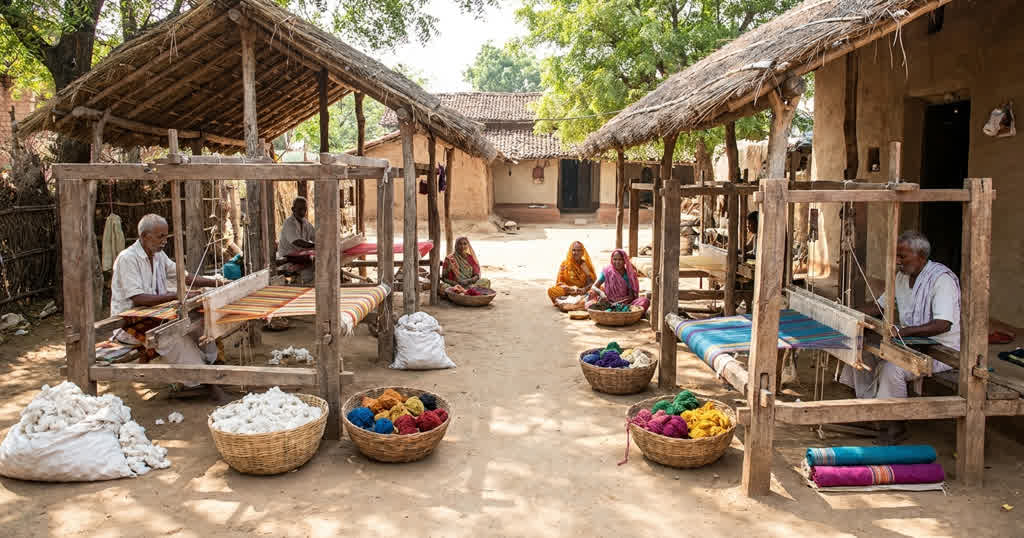
In India, this technology was brilliantly adapted to fit the traditional handloom framework. Rural artisans integrated the punch card mechanism into their wooden looms, allowing them to weave complex designs without relying on electricity or industrial powerlooms. This adaptation preserved the tactile warmth of handwoven textiles while expanding design capabilities.
Anuprerna works directly with these rural artisan clusters across Bengal to produce ethical textiles. We currently collaborate with weaving communities in districts like Murshidabad and Burdwan, ensuring that weaving remains a viable livelihood. This decentralized model drastically reduces the carbon footprint associated with fabric production.
The benefits of this artisanal adaptation include:
- Zero-waste credentials achieved through manual, small-batch production methods.
- Low-impact manufacturing that operates entirely without electricity.
- Preservation of heritage skills by empowering independent weavers rather than factory workers.
Cotton Jacquard Fabric: Breathability Meets Structural Elegance
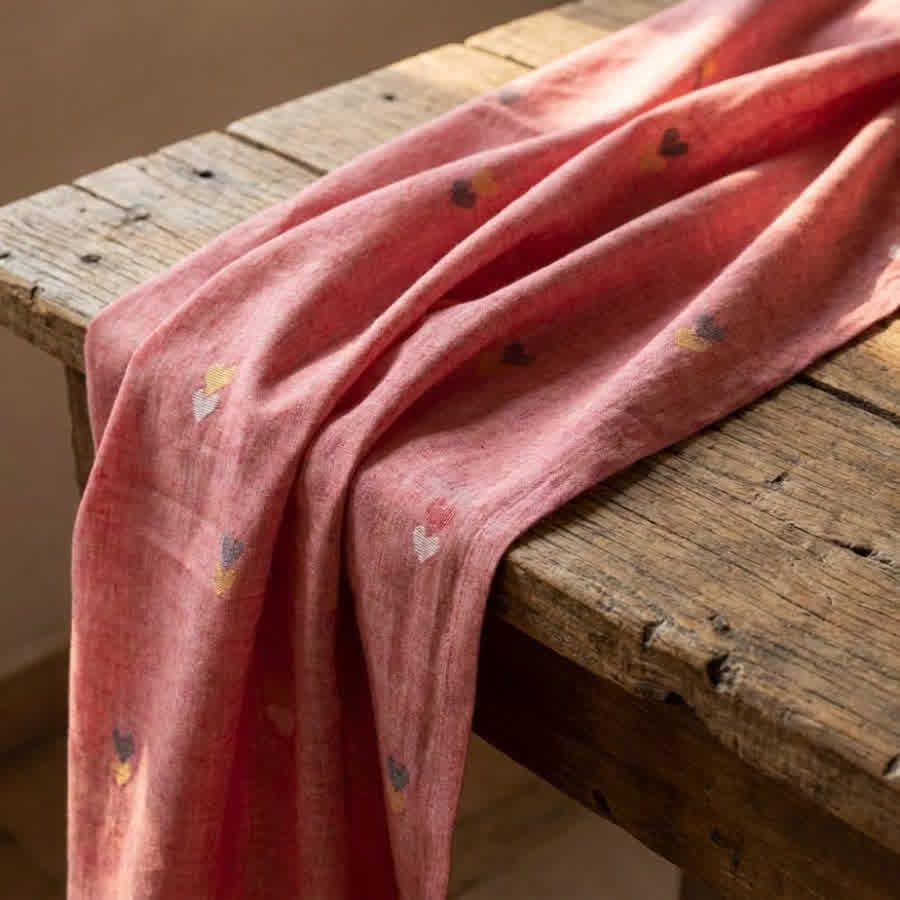
Cotton jacquard fabric is a versatile, natural-fiber textile that combines the intricate structural elegance of complex weaves with the high breathability and soft drape required for modern apparel. It typically ranges from 120 to 300+ GSM, offering a durable yet comfortable alternative to synthetic blends.
Material Science and GSM Specifications
The performance of any woven textile depends heavily on its weight and fiber composition. A standard cotton jacquard can be engineered to meet specific garment requirements by adjusting the yarn thickness and weave density. This flexibility allows it to serve multiple functions within a single fashion collection.
For apparel, the fabric generally falls between 120 to 300+ GSM. Lighter weights (120-150 GSM) provide a soft, fluid drape suitable for shirts and dresses. Heavier weights (200-300+ GSM) offer the rigidity needed for structured jackets or tailored trousers.
Key material specifications to consider during sourcing include:
- Yarn composition, focusing on natural fibers like organic cotton, linen, or peace silk.
- Weave density, which dictates both the opacity and the thermal properties of the final cloth.
- Dye uptake, as natural cotton fibers absorb low-impact dyes exceptionally well, resulting in rich, lasting colors.
Why Natural Fibers Outperform Synthetics
Modern fashion brands are actively replacing polyester and nylon with natural fiber alternatives. Cotton, specifically, offers superior moisture-wicking properties and thermal regulation. When woven into a complex pattern, it maintains these comfort factors while gaining significant structural strength.
Synthetic jacquards often trap heat and develop a stiff, plastic hand-feel. In contrast, handloomed cotton breathes naturally and softens beautifully with age. This makes it far more suitable for garments worn close to the skin.
Natural fibers align with stringent ESG goals and circular fashion initiatives. Cotton biodegrades at the end of its lifecycle, whereas synthetic blends contribute to microplastic pollution. Sourcing managers prioritizing sustainability must insist on pure, natural compositions for their woven collections.
Versatile Jacquard Fabric Uses in Modern Clothing
Jacquard fabric uses in modern clothing span from structured, heavy-weight outerwear to lightweight, breathable summer dresses, depending entirely on the chosen yarn and GSM. This versatility allows designers to utilize jacquard fabric for clothing across multiple seasons and product categories.
Structured Outerwear and Tailoring
Historically, these complex weaves were reserved for heavy upholstery or formal eveningwear. Today, designers utilize the high tensile strength of heavier weights (250-300+ GSM) to construct durable, everyday outerwear. The fabric holds sharp creases and tailored lines exceptionally well.
Jackets, blazers, and structured trousers benefit greatly from the dimensional stability of the weave. The fabric resists sagging at the knees or elbows, maintaining the garment's intended silhouette over time. The woven-in patterns also add a layer of visual depth that improve standard tailoring.
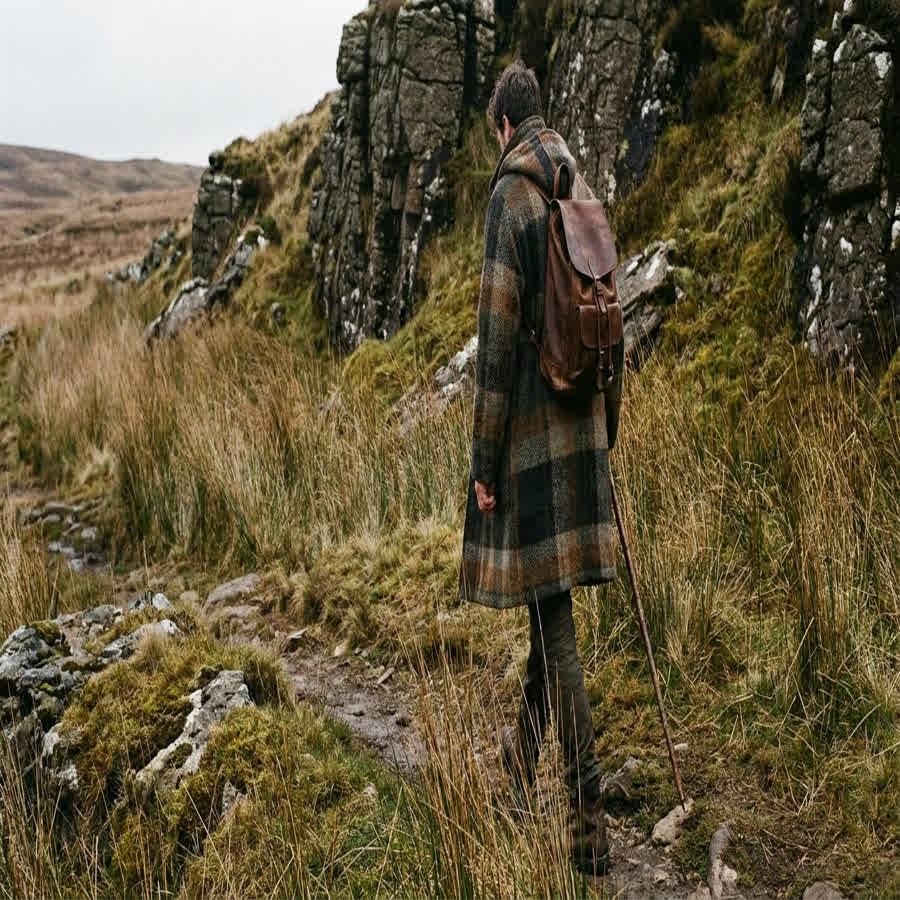
Common applications for heavier weights include:
- Tailored blazers that require a stiff drape and strong structural integrity.
- Winter coats utilizing thicker cotton or wool blends for thermal retention.
- Structured skirts that rely on the fabric's natural rigidity to hold an A-line shape.
Lightweight Summer Apparel
A common misconception is that these textiles are too heavy for warm climates. When woven at a lower density (120-150 GSM) using fine cotton yarns, the material becomes highly suitable for summer apparel. The handloom process naturally creates microscopic variations that enhance airflow.
Designers frequently use these lighter weights for premium shirts, blouses, and flowing dresses. The breathable texture keeps the wearer cool while still displaying intricate, artisanal motifs. This provides a distinct alternative to standard plain-weave summer linens.
The ability to scale the weight up or down makes this textile highly adaptable. A single fashion collection can feature both heavy coats and light dresses, all unified by a consistent woven motif. This cohesion is highly valued by creative directors building comprehensive seasonal lines.
Customizing Jacquard Fabric Designs: A B2B Sourcing Guide
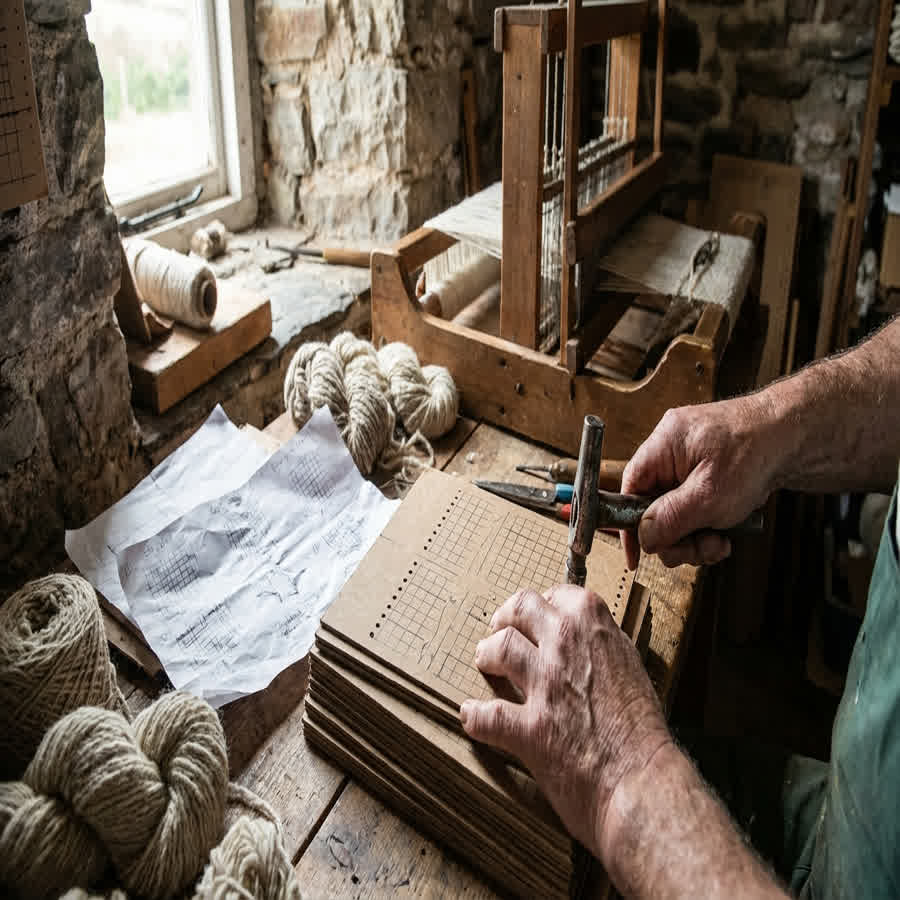
Brands can collaborate with a specialized jacquard fabric supplier to create bespoke jacquard fabric designs by translating custom artwork into traditional punch cards or CAD systems for handloom production. This process allows for highly personalized, low-MOQ manufacturing that aligns with ethical sourcing standards.
Managing Low MOQs and Bespoke Patterns
One of the primary challenges for independent designers is meeting the high Minimum Order Quantities (MOQs) demanded by industrial mills. Partnering with a decentralized artisan network solves this problem. Handloom weavers can efficiently produce small batches of custom yardage without the massive setup costs of mechanized factories.
The customization process begins by converting a designer's vision into a technical weaving draft. Artisans then punch the corresponding cards to control the warp yarns on the loom. This allows for the creation of unique geometric, floral, or abstract motifs specific to the brand.
Steps for successful custom sourcing include:
- Artwork submission, ensuring the design repeats correctly across the fabric width.
- Yarn selection, choosing the appropriate fiber and GSM for the intended garment.
- Strike-off approval, reviewing a small woven sample to confirm pattern accuracy and tactile feel before bulk production.
Partnering with a Transparent Supply Chain
Selecting the right supplier is critical for brands committed to sustainability. A reliable partner must provide full traceability back to the specific weaving cluster. This transparency allows brands to confidently market the ethical origins of their materials.
Anuprerna facilitates this connection by managing the logistics between rural artisans and global fashion houses. We ensure fair wages, safe working conditions, and adherence to low-impact dyeing protocols. This comprehensive oversight removes the risk typically associated with remote artisanal sourcing.
By choosing a transparent supply chain, designers do more than just purchase cloth. They actively support the preservation of heritage handloom techniques and invest in rural economic development. This powerful narrative resonates strongly with modern consumers seeking authentic, responsible luxury.
Explore Our Collection
Anuprerna works directly with handloom artisan clusters to weave Jacquard fabric for designers and brands building considered collections. To source it for your next line, explore the range below.
frequently asked questions
What is the difference between jacquard woven fabric and printed fabric?
Jacquard woven fabric features patterns created by interlacing warp and weft yarns on a specialized loom, resulting in a textured, often reversible design with high durability. Printed fabrics have designs stamped onto the surface, which lack texture and can fade or crack over time.
Is cotton jacquard fabric suitable for lightweight summer clothing?
Yes, modern handloom cotton jacquard can be woven at lower GSMs (120-150), offering excellent breathability, moisture-wicking properties, and a soft drape well suited for premium summer apparel. While historically associated with heavy tapestries, adjusting the yarn thickness and weave density makes it highly adaptable for warm climates.
How do I choose the right jacquard fabric supplier for sustainable fashion?
Look for suppliers with a transparent, decentralized supply chain that can provide traceability directly to the artisan level. A reliable B2B supplier should offer natural fibers like organic cotton or peace silk, support low-impact dyeing processes, and ensure fair labor practices within rural weaving clusters.
Can we create custom jacquard fabric designs with handloom weavers?
Absolutely, handloom jacquard weaving allows for high customization through traditional punch card systems or modernized CAD adaptations. Artisans can weave bespoke geometric, floral, or abstract patterns directly into the fabric according to a brand's specific technical drafts and aesthetic requirements.
What is the typical GSM range for handloomed jacquard fabrics?
The typical GSM range for handloomed jacquard fabrics falls between 120 and 300+ depending on the yarn composition and intended garment application. Lighter weights provide a fluid drape for shirts, while heavier weights offer the dimensional stability required for structured outerwear.
More Blogs
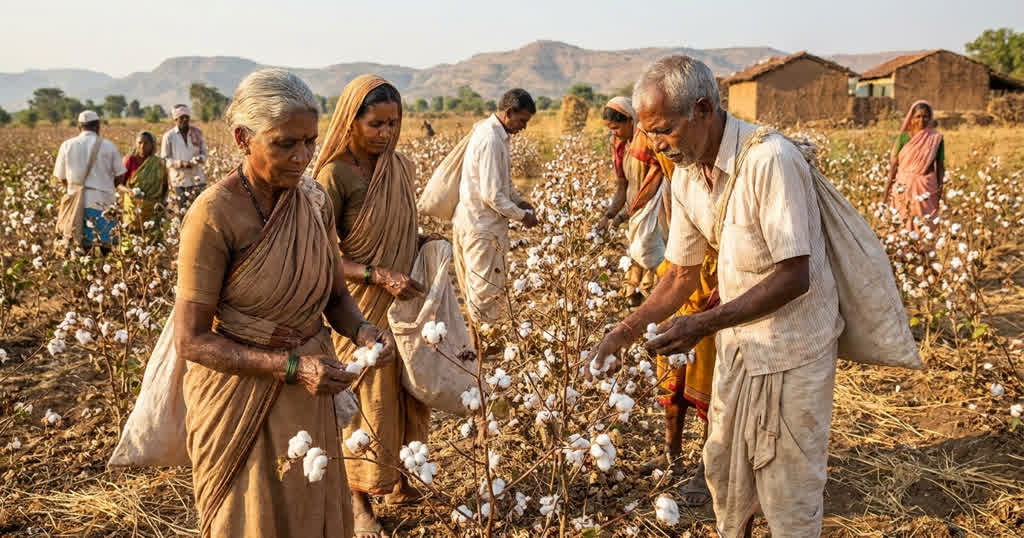
why organic fabric suppliers are growing in india
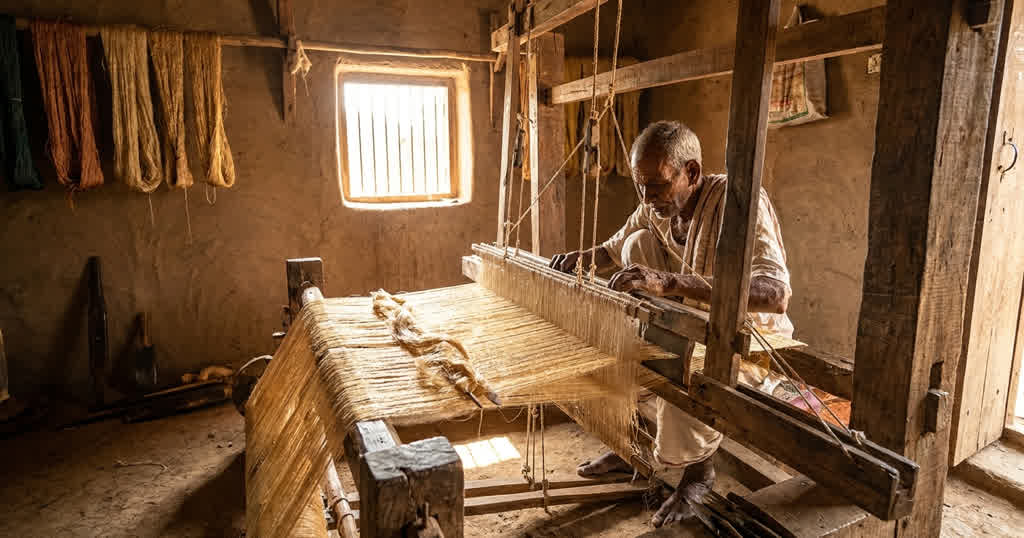
how silk manufacturers preserve traditional craftsmanship
indian fabric wholesale: a guide to sourcing handwoven textiles
how indian fabric exporters meet global quality standards
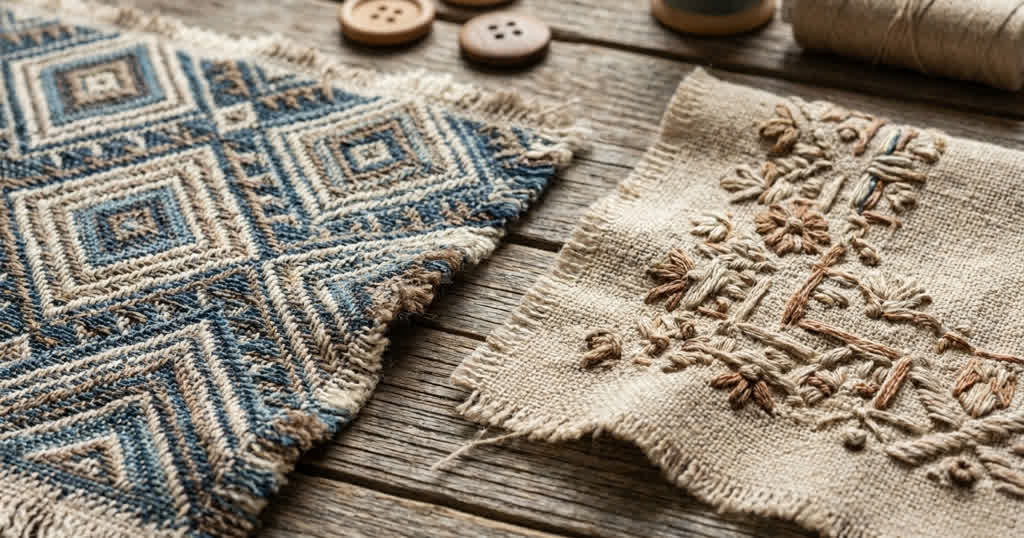
jacquard vs embroidery: what's the difference?
buy hemp fabric in bulk: what fashion brands need to know