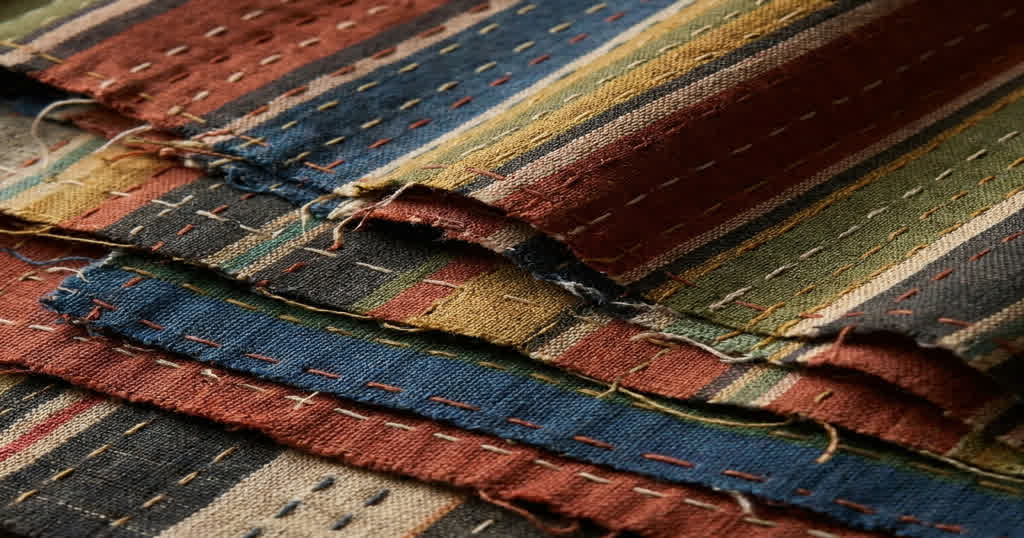
Top 5 Upcycled Fabric Products You Can Make At Home

Piles of off-cuts and vintage textiles often sit idle in studio corners, waiting for a second life. For independent designers, transforming these remnants into upcycled fabric products is a practical necessity to reduce waste and maximize material investment. The challenge lies in turning fragile scraps into commercially viable, durable pieces without relying on massive factory minimums.
Blending these remnants with structurally sound virgin textiles changes the equation entirely. By structurally reinforcing upcycled deadstock with high-quality artisanal handlooms, designers can achieve optimal structural integrity and longevity. This approach allows small studios to produce high-margin, limited-edition circular collections right in-house, proving that zero-waste design can be both ethical and highly profitable.
The Circular Studio: Improve Upcycled Fabric Products for Indie Brands
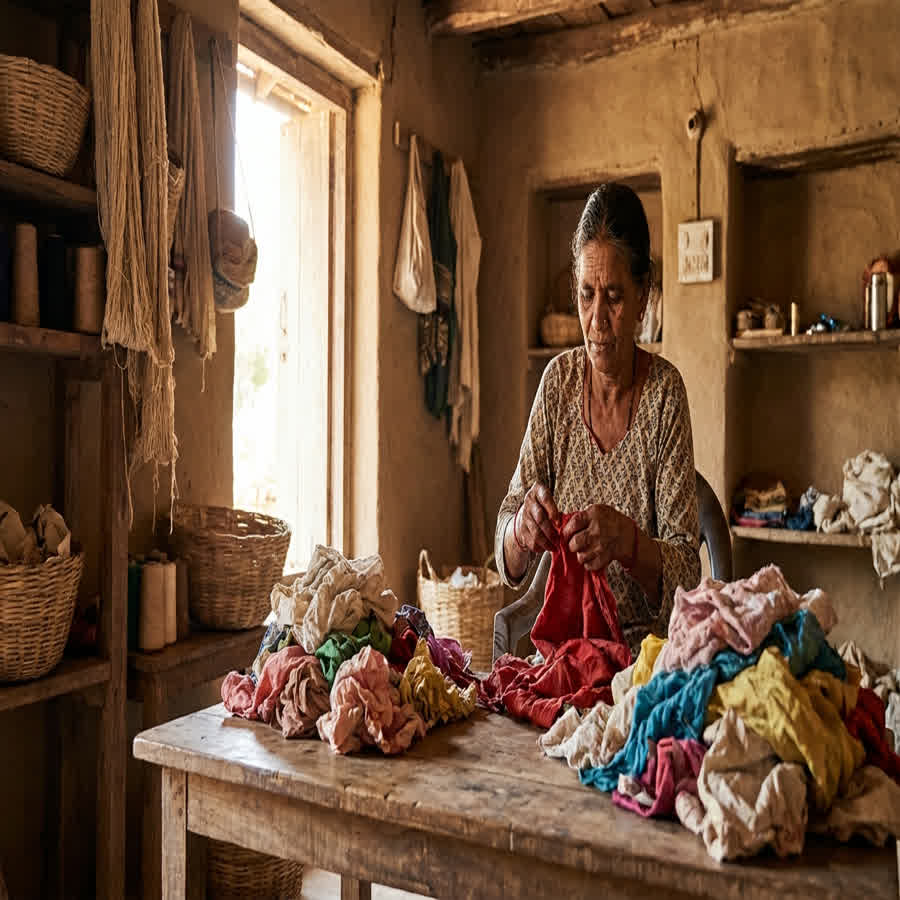
Shifting from hobbyist crafting to B2B studio production requires treating upcycled fabric products as high-margin, limited-edition circular collections rather than casual DIY projects. By integrating premium handlooms with deadstock, independent brands can scale their zero-waste ethos into a profitable commercial strategy.
The Heritage of Artisanal Upcycling
Upcycling in India has deep historical roots, most notably in the Kantha embroidery tradition of Bengal. Artisans layer and stitch together vintage saris and dhotis to create resilient, new textiles. This ethos of zero-waste aligns perfectly with modern circular fashion principles.
Instead of discarding weakened fibers, the Kantha method relies on dense running stitches to bind fragile layers into a unified, durable cloth. Modern designers can adapt this historical technique for contemporary collections. By applying similar reinforcement strategies, a studio can transform degraded upcycled fabric into heirloom-quality garments.
To successfully adapt these heritage techniques for a commercial line, designers must focus on specific material properties:
- Tensile strength: Layering multiple weak fabrics to create a composite material that resists tearing.
- Stitch density: Using close, repetitive stitching to distribute tension evenly across the textile surface.
- Material compatibility: Pairing similar weights and weaves to prevent uneven shrinkage during washing.
Transitioning to In-House Studio Production
While 'make at home' sounds B2C, for B2B indie designers and boutique owners, it translates directly to in-house studio production. Buyers care about this because blending upcycled deadstock with premium wholesale Indian fabrics allows them to create unique pieces. This method bypasses the need for massive factory minimums.
Operating a circular studio requires a strategic approach to material sourcing and waste management. Designers must catalog their off-cuts by fiber type and weight to plan effective combinations. Integrating virgin handloom textiles provides the necessary foundation for these scrap materials.
The benefits of this hybrid production model are highly relevant for independent brands:
- Low MOQs: Purchasing small batches of virgin fabric to complement existing studio waste.
- High profit margins: Improve scrap materials with premium accents to justify luxury price points.
- Traceable narratives: Offering consumers a transparent story that combines zero-waste practices with ethical artisan support.
Product 1 & 2: Patchwork Outerwear and Tote Bags using Wholesale Cotton Fabric
Creating patchwork outerwear and tote bags requires combining delicate upcycled fabric scraps with durable wholesale cotton fabric to provide the necessary structural integrity for heavy-use items. This structural reinforcement prevents the degraded fibers of deadstock from tearing under daily stress.
Reinforcing Patchwork Outerwear
Upcycled fabrics often suffer from degraded tensile strength due to previous wear and washing. When designing patchwork jackets or coats, relying solely on old materials often leads to premature seam failure. Structurally reinforcing upcycled deadstock with virgin, high-quality artisanal handlooms solves this engineering problem.
Using a sturdy base layer of 100 to 120 GSM wholesale cotton fabric provides a reliable foundation for delicate patchwork. The virgin cotton absorbs the structural stress of movement, allowing the upcycled top layer to serve purely decorative purposes. This technique ensures the garment meets commercial durability standards.
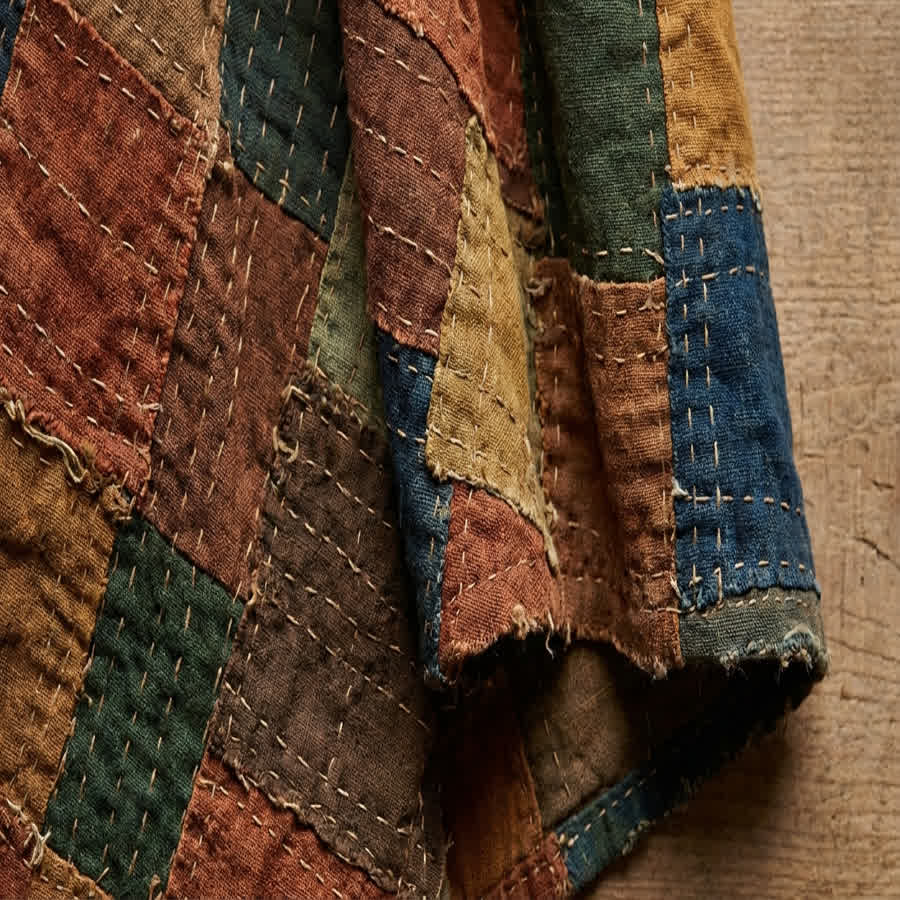
When constructing reinforced outerwear, designers should implement these specific techniques:
- Flatlining: Basting the fragile upcycled pieces directly to the sturdy cotton base before assembling the garment panels.
- Interfacing: Applying a lightweight woven cotton to the back of highly degraded scraps to stabilize the weave.
- Seam binding: Enclosing raw patchwork edges with virgin cotton bias tape to prevent fraying and improve interior finishing.
Engineering Heavy-Duty Tote Bags
Tote bags endure significant friction and weight, making them a challenging application for weakened upcycled fabric. To engineer a bag that withstands daily use, the structural load must be carried by a strong material. Heavyweight Indian cotton serves as the well suited load-bearing canvas.
Designers can utilize their colorful, lightweight scraps as exterior appliqué or pocket detailing on a solid cotton base. This method highlights the unique aesthetics of the deadstock while relying on the wholesale cotton fabric for the bag's core strength. The contrast between the crisp virgin cotton and the soft, worn scraps creates a compelling tactile experience.
To maximize the lifespan of an upcycled tote bag, focus on these construction details:
- Reinforced straps: Constructing handles entirely from virgin cotton and anchoring them deep into the bag's body.
- Gusset support: Using double-layered cotton for the base and side panels to handle heavy contents.
- Strategic placement: Keeping fragile upcycled elements away from high-friction areas like the bottom corners and top edges.
Product 3: Luxury Accessories Blending Upcycled Fabric with Raw Silk
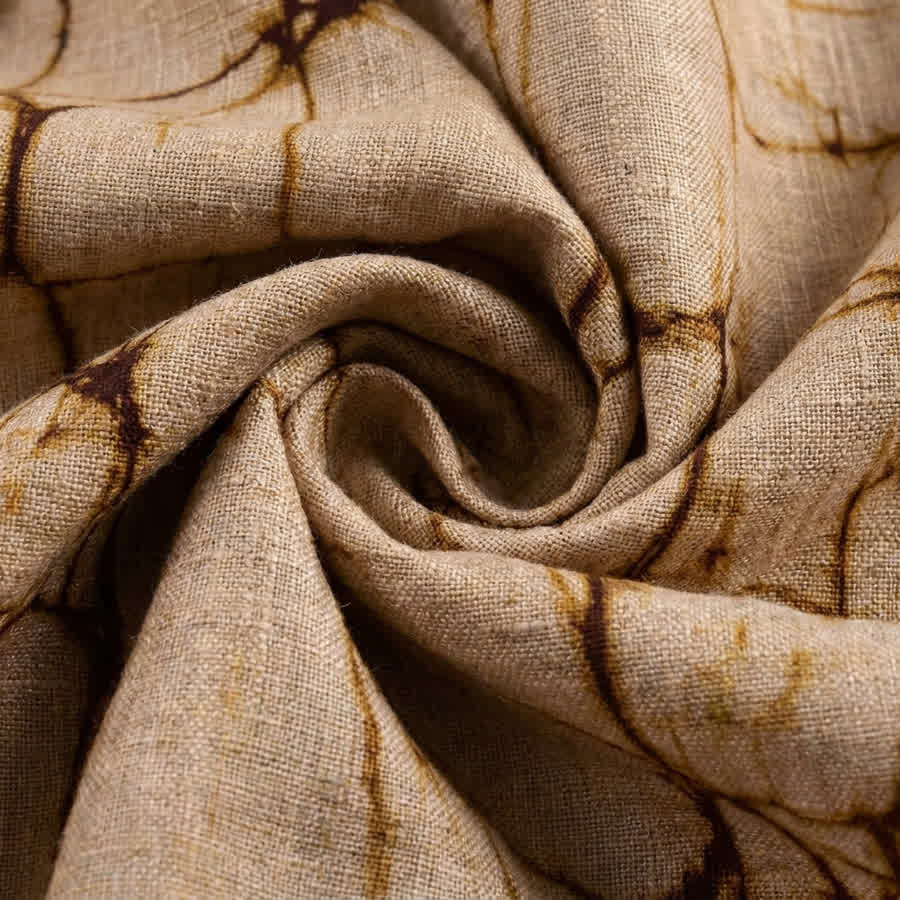
Designing luxury accessories involves blending upcycled fabric with raw silk to add a premium, high-margin finish to items like structured headbands, premium pouches, and statement collars. The natural sericin retention in raw silk provides a crisp, durable backing that improve the perceived value of scrap materials.
Crafting Structured Headbands and Collars
Accessories like headbands and detachable collars require materials that hold a specific shape without collapsing. Upcycled cotton or viscose scraps are often too limp to achieve this architectural structure on their own. Pairing these soft remnants with 100 to 120 GSM raw silk provides the necessary rigidity.
Raw silk from clusters in Murshidabad or Malda retains its natural sericin, the protein binder produced by the silkworm. This sericin retention gives the fabric a dry, crisp hand-feel and inherent stiffness. When used as a backing or lining for upcycled scraps, the silk acts as a natural interfacing.
The combination of these materials offers several technical advantages for accessory design:
- Shape retention: The stiff profile of the silk prevents collars and headbands from wilting over time.
- Breathability: Unlike synthetic interfacings, natural raw silk allows heat to escape, ensuring comfort against the skin.
- Improve aesthetics: The subtle, slubby texture of the silk contrasts beautifully with smooth, worn upcycled cottons.
Designing Premium Pouches
Small cosmetic pouches and evening clutches are excellent vehicles for utilizing tiny, irregular fabric scraps. However, a pouch made entirely of old material can feel flimsy and cheap to a luxury consumer. Lining the interior with premium raw silk instantly upgrades the product's tactile experience.
The interior of a pouch is the first thing a customer feels when they open it. A lining of high-quality silk communicates luxury and attention to detail, allowing designers to price these upcycled fabric products at a premium. The dense weave of the silk also protects the fragile outer scraps from internal punctures by keys or cosmetics.
To optimize the production of premium pouches, studios should follow these material guidelines:
- Contrast lining: Choosing a brightly dyed raw silk to provide a surprising pop of color inside a muted upcycled exterior.
- Quilted stabilization: Stitching the upcycled exterior directly to the silk lining in a diamond pattern to create a padded, structured shell.
- Edge finishing: Using silk binding along the zipper tape to ensure a clean, high-end interior finish.
Product 4 & 5: Artisanal Home Decor Featuring Jamdani Fabric Scraps
Producing artisanal home decor requires utilizing the intricate, supplementary weft weaves of Jamdani fabric as appliqué or top-layer decorative panels for high-end cushion covers and table runners. This technique highlights the delicate craftsmanship of the handloom without subjecting it to high-friction wear.
High-End Cushion Covers
Cushion covers are a staple of boutique home decor collections, offering a large canvas for textile artistry. Upcycled denim or heavy canvas scraps provide an excellent, durable base for these items. To improve the design, studios can incorporate 60 to 80 GSM Jamdani fabric remnants as decorative centerpieces.
Jamdani is renowned for its delicate, sheer muslin base and intricate, hand-woven motifs. Because it is a lightweight material, it is not suited for the structural body of a heavy-use cushion. However, applying Jamdani scraps as a sheer overlay on a sturdier base fabric highlights its artisanal value while protecting the delicate yarns.
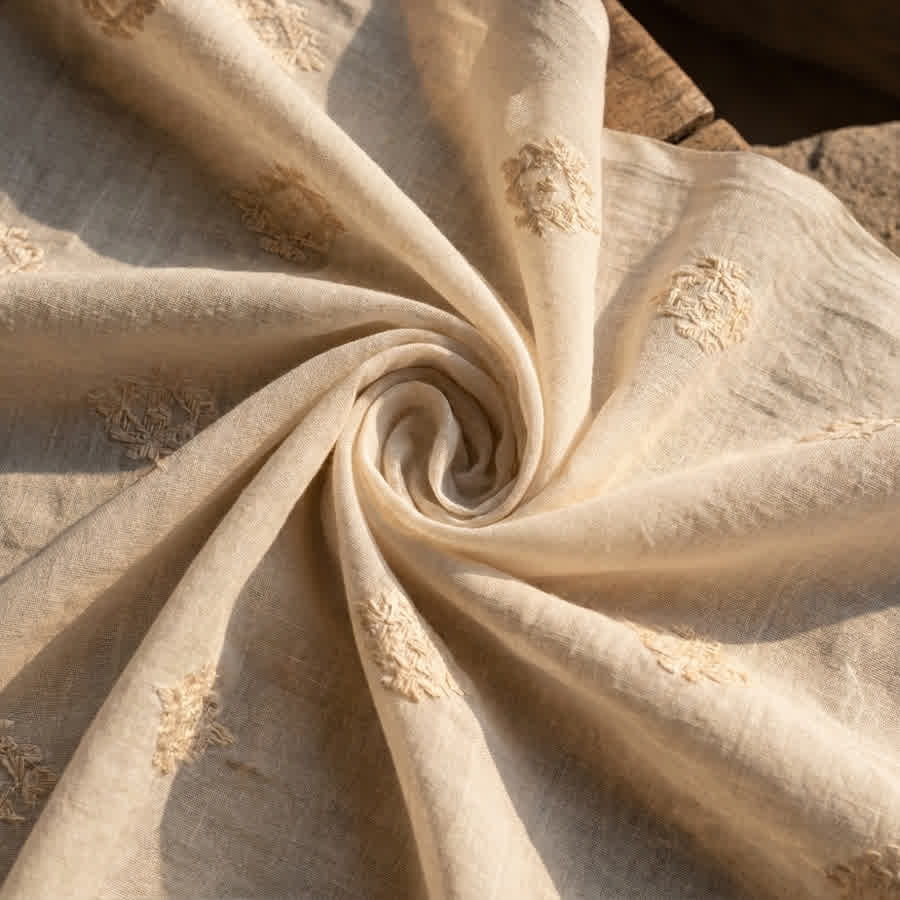
Integrating Jamdani into cushion covers involves specific application methods:
- Framed appliqué: Stitching a square of Jamdani into the center of a heavy upcycled cotton cover, framing it like a piece of art.
- Layered transparency: Placing sheer Jamdani over a brightly colored upcycled scrap, allowing the base color to peek through the muslin.
- Protective topstitching: Securing the delicate supplementary weft motifs with invisible thread to prevent snagging during use.
Heirloom Table Runners
Table runners experience less direct friction than cushions, making them ideal candidates for showcasing fragile vintage textiles. Designers can piece together long strips of upcycled saris and reinforce them with a solid backing. Adding borders or end-panels of Jamdani fabric transforms a simple patchwork runner into an heirloom piece.
The contrast between the dense, upcycled base materials and the airy, translucent Jamdani creates a sophisticated visual balance. This combination appeals to eco-conscious consumers who value both zero-waste practices and traditional craftsmanship. It allows boutique owners to utilize every scrap of their premium Indian fabric wholesale purchases.
To construct a durable and beautiful table runner, consider these technical steps:
- Weight balancing: Ensuring the upcycled base fabrics are of a similar weight to prevent the runner from warping or bubbling.
- Concealed seams: Using a continuous backing fabric to hide the complex patchwork seams and provide a smooth surface for the table.
- Tassel integration: Utilizing the unwoven warp threads of Jamdani scraps to create natural, elegant fringed edges.
Sourcing for Circularity: Partnering with Textile Wholesale Suppliers in India
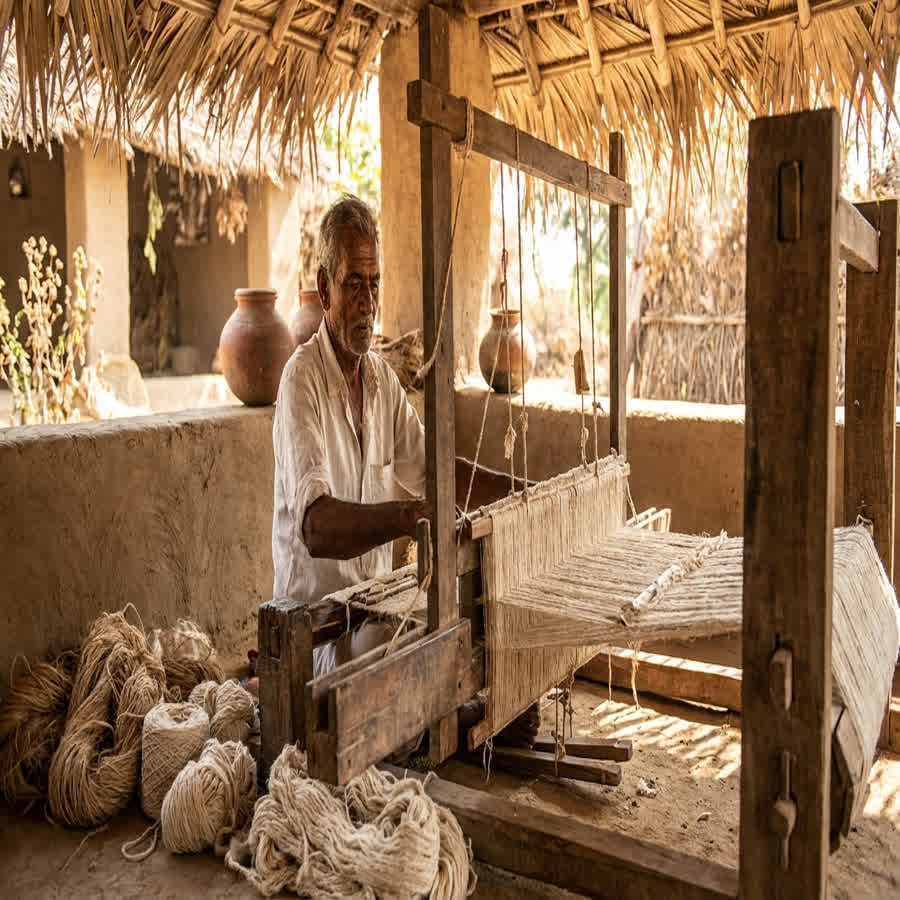
Sourcing ethically for circular collections means partnering with specialized textile wholesale suppliers in India who offer low minimums and traceable, decentralized artisan supply chains. This strategic partnership allows independent designers to access premium virgin handlooms that perfectly complement their upcycled materials.
Accessing the Decentralized Artisan Supply Chain
For an independent designer, finding reliable sources for high-quality virgin fabrics is just as important as sourcing deadstock. Anuprerna operates a decentralized artisan supply chain, working directly with rural Indian handloom weavers. This model ensures that the virgin fabrics used to reinforce upcycled designs are produced ethically and sustainably.
Working with decentralized clusters in Bengal allows designers to source specific, regional textiles like Matka silk or fine muslin. These materials carry a rich cultural narrative that enhances the story of the final product. By blending these heritage textiles with local studio waste, brands create a powerful, globally conscious sustainability narrative.
Partnering with a decentralized supply chain offers distinct advantages for small studios:
- Direct impact: Purchasing fabrics directly supports the livelihoods of rural weavers and preserves traditional craft techniques.
- Customization: Accessing the ability to request specific GSM weights or dye colors to perfectly match a batch of upcycled scraps.
- Traceability: Receiving detailed information about the origin of the fiber and the specific village where the fabric was woven.
Benefits of Indian Fabric Wholesale Networks
Integrating ethically sourced, artisanal handlooms with upcycled materials improve the perceived value of the final product. Specialized Indian fabric wholesale networks cater specifically to the needs of boutique brands, offering flexible purchasing options. This flexibility is crucial for studios producing small, limited-edition runs based on available deadstock.
Unlike conventional mills that require thousands of meters per order, artisanal suppliers understand the scale of independent fashion. They provide access to premium materials like raw silk and Jamdani in quantities that make sense for in-house production. This allows designers to maintain tight inventory control and minimize financial risk.
When selecting textile wholesale suppliers for a circular collection, designers should look for these key criteria:
- Low minimum order quantities (MOQs): The ability to purchase 10 to 20 meters of fabric to test new upcycled product designs.
- Transparent fiber sourcing: Clear documentation proving the use of natural, biodegradable fibers that align with zero-waste goals.
- Consistent quality control: Assurance that the virgin fabrics will provide reliable tensile strength to support degraded upcycled materials.
frequently asked questions
How can I ensure the durability of upcycled fabric products in a commercial line?
To ensure commercial-grade durability, blend upcycled scraps with structurally sound virgin textiles. Using a stable base like 100+ GSM wholesale cotton fabric or raw silk provides a reliable foundation, improving the overall tensile strength and lifespan of the upcycled product. This reinforcement prevents the weakened fibers of deadstock from tearing under daily stress.
What is a strong way to incorporate Jamdani fabric into upcycled designs?
Because Jamdani fabric features a delicate supplementary weft technique, it is best utilized in low-friction areas. Use Jamdani scraps as appliqué, top-layer decorative panels, or sheer overlays on sturdier base fabrics to highlight its artisanal value without compromising the product's durability. This protects the intricate hand-woven motifs from snagging.
Why should a sustainable brand buy from Indian fabric wholesale suppliers for an upcycled collection?
Integrating ethically sourced, artisanal handlooms with upcycled materials improve the perceived value of the final product. Partnering with specialized textile wholesale suppliers allows brands to scale their circular collections with premium accents while directly supporting decentralized, rural artisan supply chains. This combination provides a compelling, traceable narrative for eco-conscious consumers.
What is the ideal weight for raw silk when lining upcycled accessories?
The ideal weight for lining upcycled accessories is 100 to 120 GSM raw silk, which provides a stable, structured backing without adding excessive bulk. This specific weight ensures the accessory maintains its shape while offering a premium, *dry, crisp hand-feel* that appeals to luxury consumers. The natural sericin in the silk acts as a durable, breathable interfacing.
How does the Kantha embroidery tradition influence modern circular fashion?
The Kantha embroidery tradition influences modern circular fashion by demonstrating how layering and stitching vintage textiles can create resilient, zero-waste new materials. This historical technique proves that fragile upcycled fabric can be transformed into durable, high-value commercial products through careful artisanal construction. Modern designers adapt these dense stitching methods to reinforce their own scrap-based collections.
More Blogs
tussar silk fabric: characteristics, texture & a guide for designers
jacquard fabric supplier: a guide for designers & fashion brands
organic fabric suppliers in india: a guide for sustainable brands
raw silk vs tussar silk vs eri silk: key differences & characteristics
jamdani fabric wholesaler: a guide for designers & brands
malmal cloth in english: understanding the global appeal of mul cotton