What to Look for During Khadi Online Shopping?

Sourcing authentic textiles remotely presents a distinct challenge for designers, especially when executing Khadi online shopping. Khadi online shopping requires more than simply comparing textures or colours on a screen. For designers, choosing the right Khadi fabric means looking beyond a digital swatch to key details such as yarn twist, tensile strength, and cluster origin. These factors help distinguish authentic artisan-made Khadi from mass-produced imitations and ensure the fabric performs as expected during cutting and garment construction.
The stakes for securing pure khadi cotton fabric go beyond aesthetics, directly impacting a brand's zero-carbon credentials and garment longevity. As the market floods with powerloom knock-offs, understanding the exact material science and traceability metrics of this heritage textile is essential for building a resilient, sustainable supply chain.
Decoding Authenticity: How to Spot Pure Khadi Cotton Fabric Online
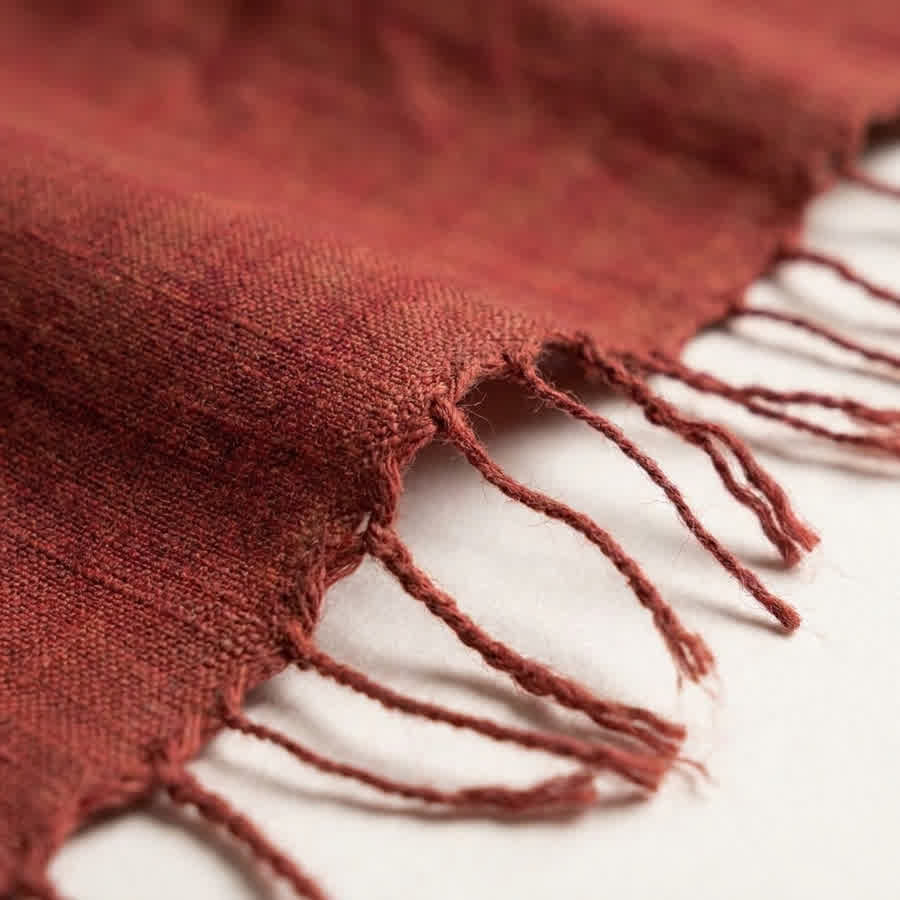
To verify authenticity digitally, buyers must demand high-resolution macro imagery showing the irregular slub textures inherent to hand-spinning, alongside technical spec sheets confirming the absence of mill-spun uniformity. Without physical inspection, relying on precise visual data and structural documentation is the only way to guarantee the textile is authentically hand-crafted.
Visual Markers of Handspun Yarn
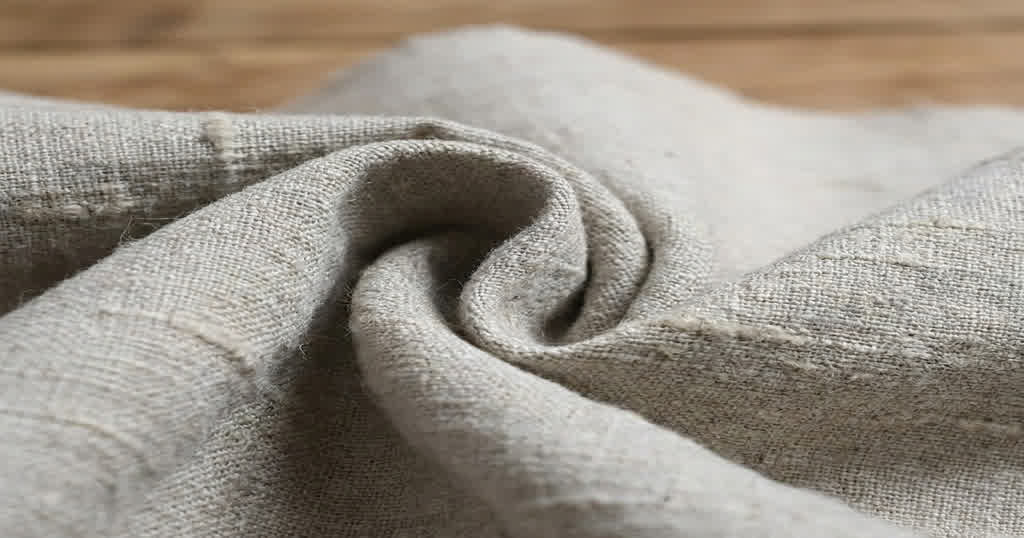
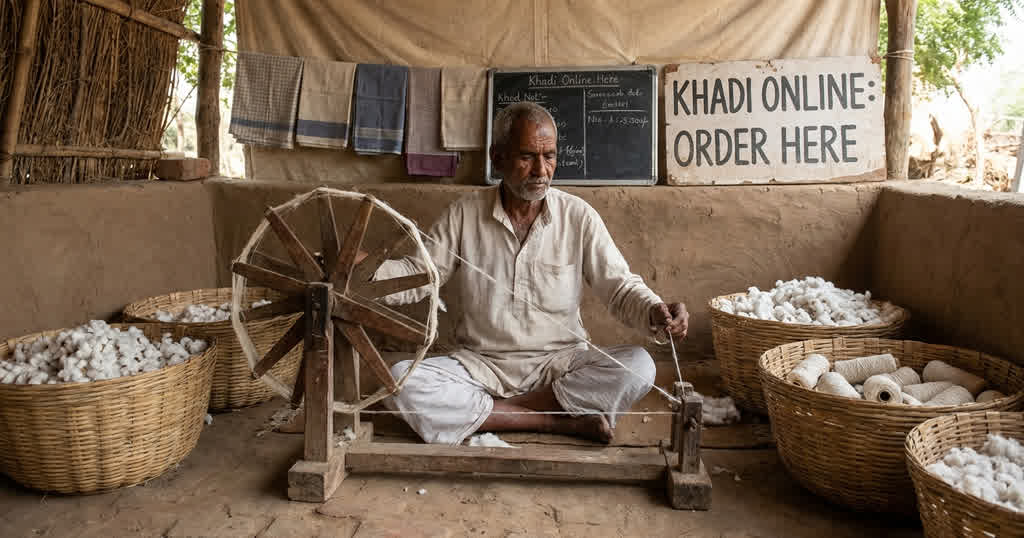
The defining characteristic of khadi fabric online is its structural inconsistency, which is a mark of quality rather than a defect. Because the yarn is spun manually on a charkha, the tension varies slightly across the length of the thread. This process creates microscopic variations in thickness, resulting in a highly breathable, three-dimensional surface.
When evaluating digital swatches, buyers should request close-up images to identify specific structural traits. A flat, perfectly uniform surface usually indicates a powerloom imitation. Authentic handloom textiles will display distinct visual evidence of human intervention.
- Prominent slub formations: Small, natural knots where the handspun yarn thickens, giving the fabric its crisp, organic hand-feel.
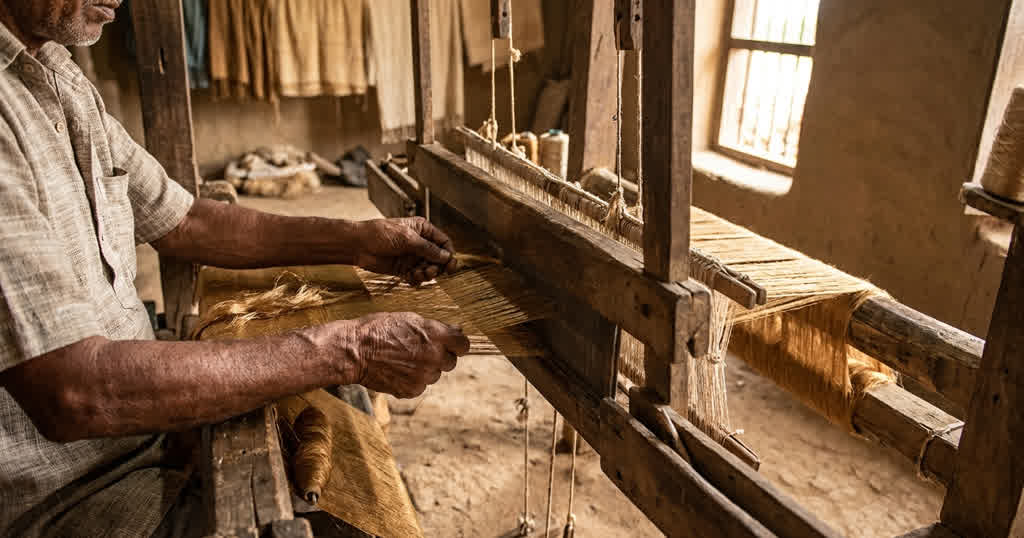
- Selvedge irregularities: The edges of the fabric will show minor tension shifts, proving the use of a manual shuttle during weaving.
- Weave density shifts: Slight variations in the warp and weft alignment that occur naturally when a weaver adjusts the loom tension by hand.
Requesting the Right Documentation
Visuals alone cannot entirely eliminate the risk of sourcing synthetic blends. B2B buyers must ask suppliers for comprehensive material specification sheets before committing to bulk yardage. A reliable supplier will transparently share the technical breakdown of the fabric.
You should expect documentation that lists the exact yarn count, the specific weaving cluster, and the fiber composition. If a supplier cannot provide the geographic origin of the pure khadi cotton fabric, it is a significant red flag. We always recommend asking for a sample yardage first to test the dye uptake and wash shrinkage before scaling up production.
Technical Specifications: Matching GSM and Yarn Counts to Your Collection
Selecting the correct weight requires matching 70-100 GSM for lightweight shirting and 150-200 GSM for structured outerwear, while accounting for the unique tensile strength of handspun yarn. Understanding these metrics ensures the fabric will drape correctly and withstand the mechanical stress of commercial garment construction.
Weight Categories for Garment Construction
The material science behind handloom khadi cotton fabric dictates its thermal properties and structural behavior. The inherent twist of the yarn traps air, offering high breathability and moisture absorption in lighter weights, while providing insulation in heavier weaves. Designers must align the fabric weight with their specific silhouette requirements.
When shopping for Khadi online or looking to buy Khadi fabric online, GSM is one of the most reliable indicators of how the fabric will perform. Since different garments require different levels of weight, structure, and drape, choosing the right GSM can help you select Khadi that suits your intended use.
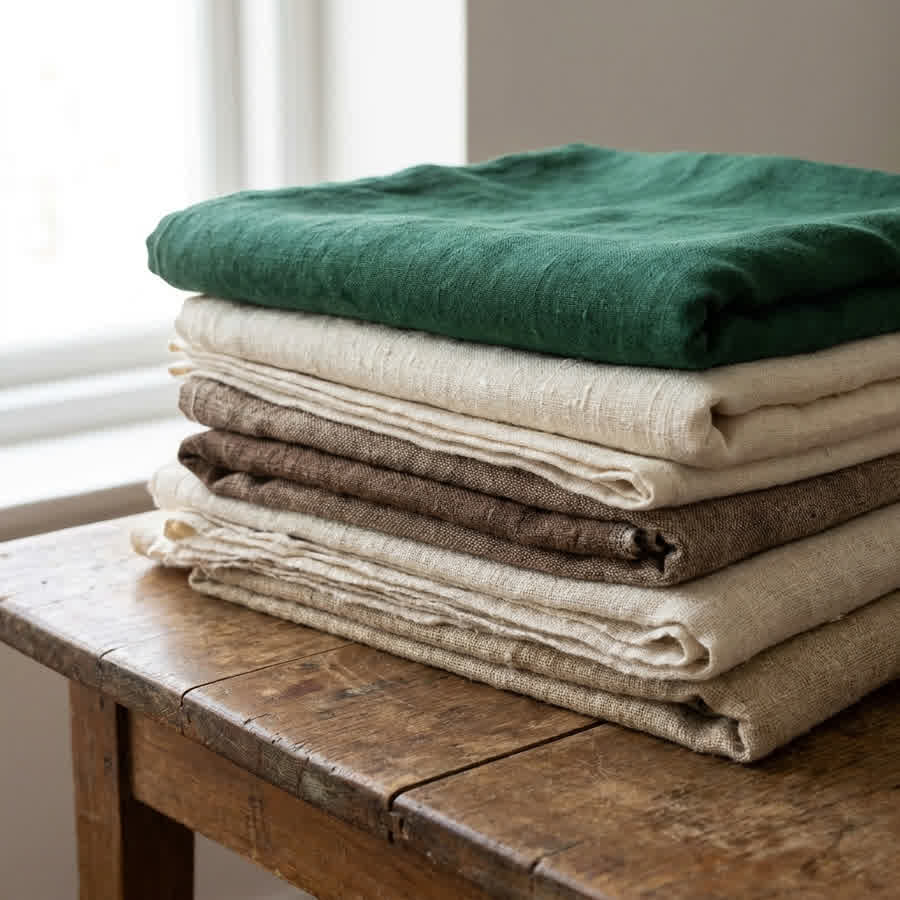
- 70-100 GSM: Ideal for summer blouses and lightweight dresses, offering a soft, airy drape with maximum moisture wicking capabilities.
- 110-140 GSM: The standard for transitional shirting and light trousers, balancing structural integrity with everyday comfort.
- 150-200 GSM: Suited for structured outerwear and heavy bottoms, providing a dense, durable weave with high abrasion resistance.
Managing Tensile Strength and Shrinkage
Because the yarn is spun by hand, it possesses a different tensile profile compared to tightly wound mill-spun cotton. This affects how the fabric behaves under tension during cutting and sewing. Pattern makers must handle the material with specific tension management techniques to prevent seam slippage.
Additionally, the natural relaxation of the fibers means that khadi cotton fabric will react to its first wash. B2B buyers must factor this into their production timelines and grading rules.
- Pre-washing requirements: The fabric typically exhibits a 3-5% shrinkage rate, making pre-washing or garment-washing an essential step.
- Seam allowance adjustments: Designers should increase seam allowances slightly to accommodate the looser yarn twist and prevent fraying.
- Needle selection: Using fine, sharp needles prevents snagging the delicate slub textures during high-speed industrial sewing.
The Artisan Supply Chain: Why Traceability Matters in Khadi Online Shopping
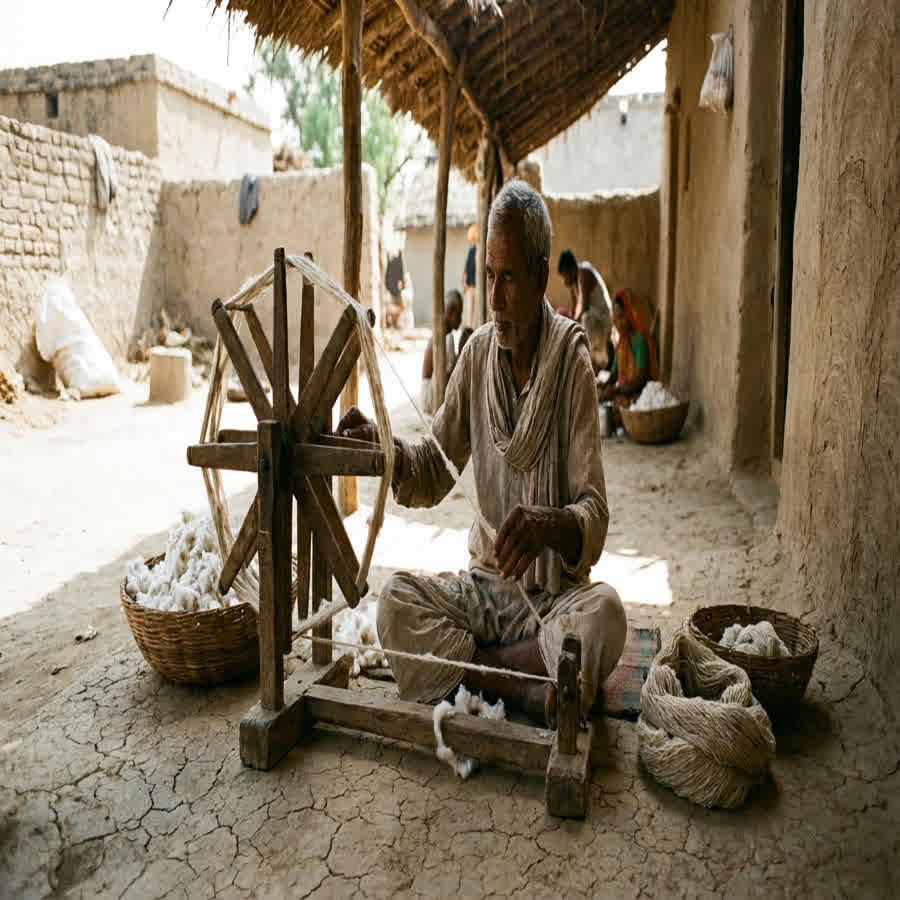
Traceability guarantees that your sourcing directly supports a decentralized artisan economy, providing the verifiable ESG metrics required for modern sustainability reporting. By mapping the journey from rural spinning clusters to the final weave, brands can confidently market their zero-carbon credentials to conscious consumers.
The Zero-Carbon Artisan Economy
The history of this textile is deeply rooted in the Swadeshi movement, originating as a powerful symbol of economic self-reliance. Today, it represents one of the few strictly sustainable manufacturing models available to the global fashion industry. Because the entire process relies on human energy rather than fossil fuels, the carbon footprint is practically non-existent.
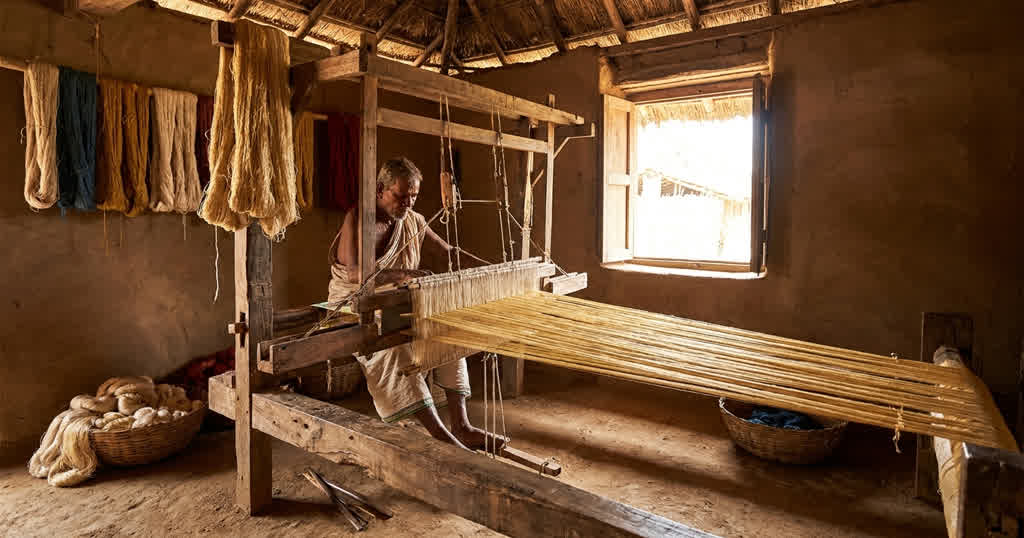
When you source pure khadi cotton fabric, you are investing in a system that keeps wealth within rural communities. This decentralized model prevents forced urban migration and preserves centuries-old handloom weaving techniques. For B2B brands, this translates into a powerful, authentic narrative that resonates with environmentally aware buyers.
Verifying Cluster-Level Impact
However, claiming sustainability is no longer enough; brands need hard data during Khadi online shopping. When buying Khadi fabric online, it is important to choose suppliers that provide clear information about their artisan networks and production practices. A decentralized supply chain can maintain consistent quality only when rigorous quality control is maintained at the cluster level.
At Anuprerna, we maintain direct relationships with weavers across rural Bengal, ensuring fair wages and consistent production standards. We provide our B2B partners with exact details about where their fabric was made.
- Geographic origin data: Identifying the specific village or district, such as Murshidabad or Burdwan, to validate the artisan source.
- Weaver demographics: Understanding the community behind the loom, which supports accurate social impact reporting.
- Dyeing process transparency: Confirming whether the yarns were treated with azo-free dyes or natural botanical extracts to maintain eco-friendly standards.
Manage Certifications: Ensuring You Buy Authentic Handloom Khadi Cotton Fabric
Industry certifications act as a non-negotiable baseline, legally distinguishing genuine hand-spun and hand-woven textiles from synthetic or powerloom imitations. These official marks provide a crucial layer of security for buyers executing remote bulk orders, ensuring the material composition meets strict governmental and ethical standards.
Essential Industry Certifications
The market is saturated with fabrics falsely labeled as handloom. To combat this, regulatory bodies have established specific marks that verify the production methodology. When browsing for khadi fabric online, requesting proof of these certifications is the fastest way to filter out fraudulent suppliers.
These marks are not just marketing tools; they are backed by rigorous audits. They confirm that the fabric aligns with the strict definition of being both handspun and handwoven.
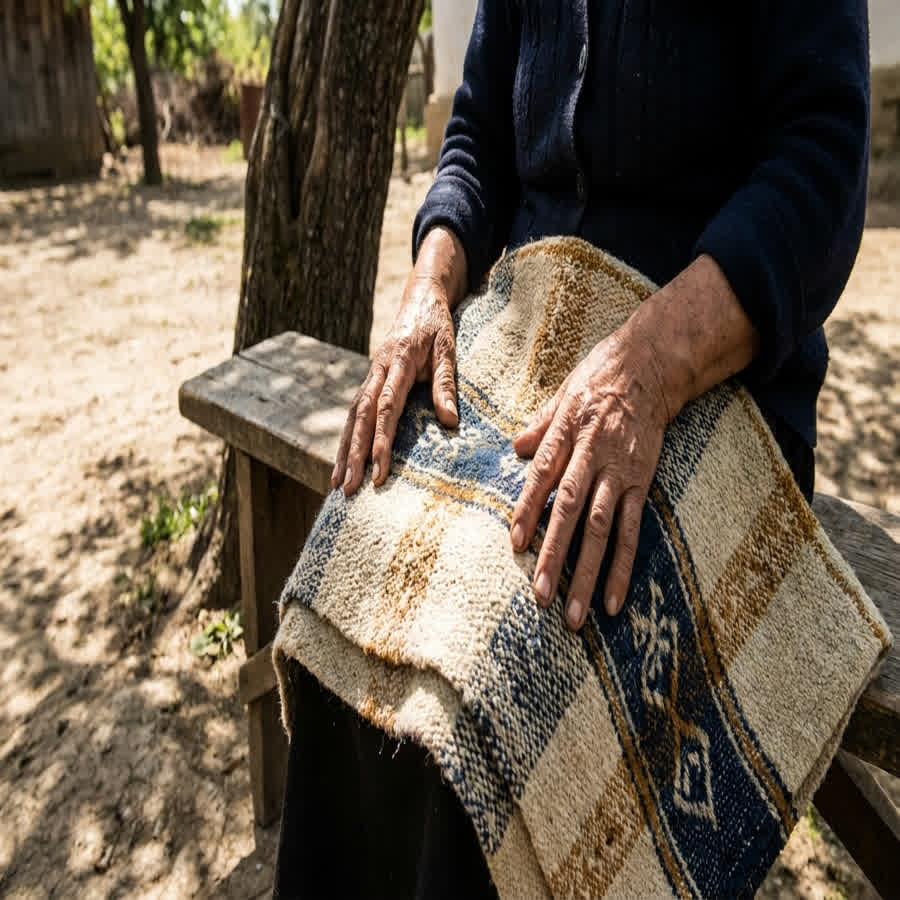
- Khadi Mark: Issued by the government, this is a strong proof that the textile is an authentic zero-carbon product spun on a charkha.
- Craftmark: This certification validates the authenticity of Indian handcraft processes, ensuring fair labor practices and traditional techniques.
- Handloom Mark: While broader, this guarantees the use of a manual loom, confirming the absence of mechanized powerloom production.
Beyond the Certificate: Supplier Transparency
While certifications are critical, they are only the first step in a secure sourcing strategy. Certificates can occasionally be outdated or misapplied, meaning buyers must also evaluate the supplier's overall operational transparency. A trustworthy partner will gladly explain their yarn procurement and weaving timelines.
If a supplier promises impossibly fast turnaround times for massive volumes of handloom khadi cotton fabric, it is highly likely they are using powerlooms. Authentic artisan production requires time, as a single weaver typically produces only a few meters a day.
To make Khadi online shopping more reliable, especially when you buy Khadi fabric online, designers should look for suppliers that provide clear digital traceability. Video updates from the loom, detailed technical specification sheets, and transparent communication can help ensure that the final yardage matches the approved sample in quality, texture, and construction.
frequently asked questions
How can I technically verify if the khadi fabric online is handspun and handwoven?
Authentic pure khadi cotton fabric features natural irregularities known as 'slubs' due to the hand-spinning process on a charkha. Under magnification, the yarn twist is less uniform than mill-spun yarn. Additionally, look for supplier transparency regarding artisan clusters and certifications like the Khadi Mark to ensure you are not buying a powerloom imitation.
What is the typical GSM range for handloom khadi cotton fabric suitable for B2B apparel production?
For lightweight apparel such as summer shirts and dresses, a GSM of 70-110 is ideal. For more structured garments like trousers or light jackets, buyers should look for a GSM between 130 and 200. Hand-spinning allows for versatile yarn counts, usually ranging from 30s to 100s Ne, providing options for various garment silhouettes.
Does pure khadi cotton fabric experience significant shrinkage after the first wash?
Yes, genuine handloom khadi cotton fabric typically shrinks by 3-5% upon the first wash. This is due to the natural relaxation of the handspun yarn's tension. B2B buyers must account for this by either requesting pre-washed fabric or adjusting their pattern grading accordingly before mass production.
How does Anuprerna maintain quality consistency across a decentralized artisan supply chain?
Anuprerna implements rigorous quality control at the cluster level. While we celebrate the natural, unique variations inherent to handloom weaving, we standardize yarn procurement, dyeing processes, and weaving specifications to ensure the fabric meets commercial B2B standards for tensile strength and colorfastness.
How does the thermal performance of khadi differ from conventional mill-made cotton?
Pure khadi cotton fabric provides superior thermal regulation because the low-twist handspun yarn traps microscopic air pockets within the weave. This structural difference allows the fabric to retain warmth in cooler climates while maximizing breathability and moisture absorption during summer, making it highly versatile for year-round collections.
More Blogs
how indian fabric exporters meet global quality standards
jacquard vs embroidery: what's the difference?
buy hemp fabric in bulk: what fashion brands need to know
khadi online shopping: what fabric details should you check?
a designer’s guide to sourcing silk from indian manufacturers
tussar silk fabric: characteristics, texture & a guide for designers