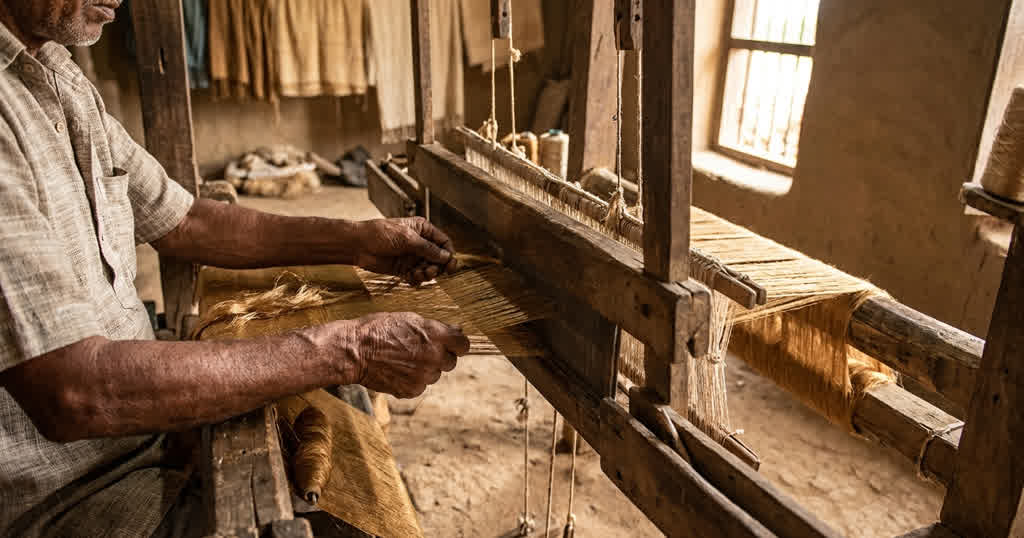
Tussar Silk Fabric: Characteristics, Texture & A Guide for Designers

Sourcing raw materials for a sustainable collection often begins with a frustrating search through opaque supply chains, where finding authentic tusaar silk means filtering out countless power-loom imitations. Designers face a critical choice between settling for mass-manufactured uniformity or seeking out the distinct, textured feel of genuine wild silk that requires specialized sourcing knowledge.
The decision of which supplier to partner with directly impacts a brand's ESG goals and the physical longevity of the garment. Moving away from centralized factories toward a decentralized artisan supply chain ensures that the resulting textiles carry a verifiable narrative of rural Indian handloom weavers, offering a level of traceability that modern consumers demand and conscious brands require.
Beyond MOQs: Evaluating Fabric Exporters from India for Artisan Authenticity
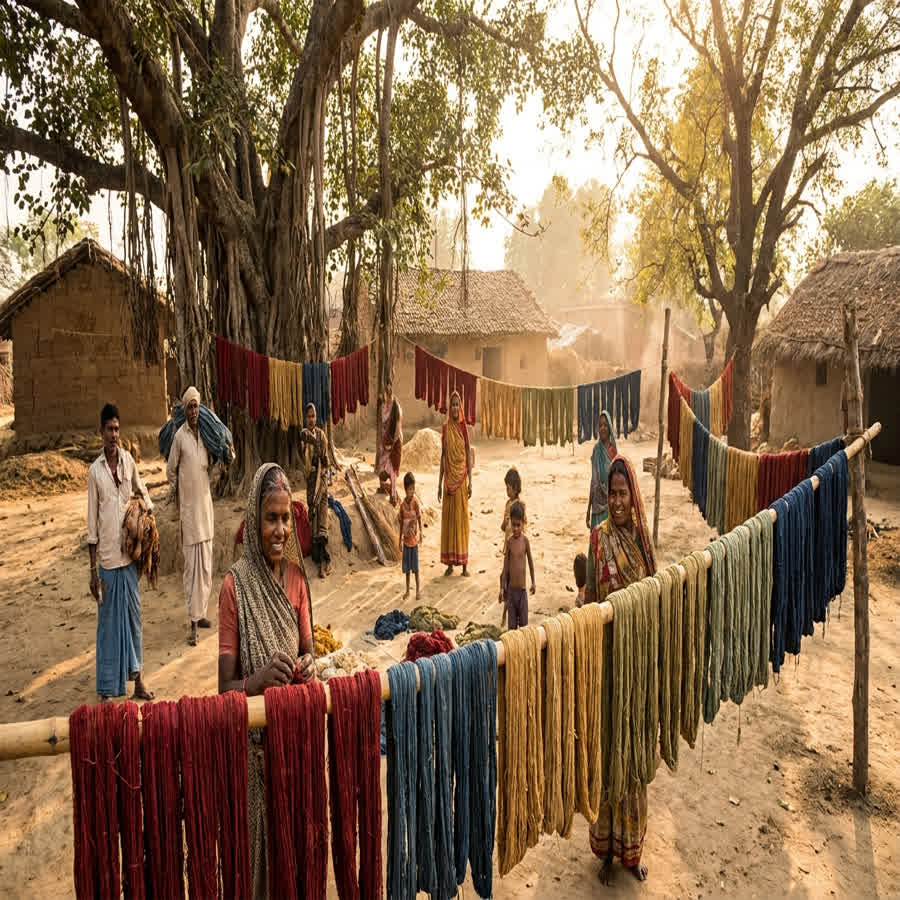
Evaluating fabric exporters from India requires looking past standard bulk pricing and minimum order quantities to verify their commitment to ethical labor practices and supply chain transparency. A genuine partner operates as a transparent bridge to artisan communities rather than a barrier obscuring the origins of the fiber.
The Shift Toward Transparent Sourcing
Historically, the textile industry relied on centralized manufacturing that obscured the origins of raw materials and the people who processed them. Today, conscious brands are shifting toward transparent sourcing models that document every step from the forest harvest to the finished yardage. This transition helps designers avoid the pitfalls of opaque mass-manufacturing and ensures the structural integrity of the final garment.
When auditing potential partners for Indian fabric wholesale, specific indicators reveal their operational authenticity. Look for suppliers who can name the exact districts where their fibers are harvested and spun, such as the dense forest belts of Chhattisgarh. A reliable supplier will provide:
- Traceability reports detailing the journey from the initial cocoon harvest to the final loom.
- Direct artisan connections that eliminate exploitative middlemen and ensure fair pricing.
- Fair wage documentation proving equitable compensation for the weavers and spinners involved.
Identifying Ethical Labor Practices
Authentic artisan authenticity is deeply rooted in the economic well-being of the creators. Suppliers who prioritize ethical labor actively support the symbiotic forest-based livelihoods of rural communities, sustaining traditional crafts while meeting rigorous international compliance standards.
Designers frequently encounter suppliers offering suspiciously low prices and massive volumes. These metrics usually indicate power-loom production, which strips the fabric of its natural character and severs the economic link to the artisans. True ethical sourcing guarantees that the premium paid directly supports the communities preserving these ancient techniques, adding profound value to any sustainable luxury collection featuring tusaar silk.
Designers should request specific data on the weaving clusters involved in the production process. Understanding whether a fabric is woven in Murshidabad or Malda provides context for its specific drape and finish. This level of granular detail separates genuine fabric exporters from India from those merely acting as generic commodity brokers.
What is Tussar Silk? A strong Litmus Test for Your Wholesale Supplier
What is tussar silk is best answered by examining its origins as a wild, non-mulberry fiber, which serves as a well suited metric to test a supplier's technical knowledge and traceability. A knowledgeable supplier will immediately differentiate it from domesticated silks through its specific biological markers, regional origins, and unique processing requirements.
Tracing the Origins of Vanya Silk
Also known as Kosa, this fiber originates from wild silk moths (Antheraea mylitta) that forage naturally on Terminalia species. These moths thrive in the dense forests of eastern India, particularly across Jharkhand, Chhattisgarh, and West Bengal. Because the moths are not fed a controlled diet of mulberry leaves, the resulting fiber develops a rich natural golden hue that varies slightly from batch to batch, reflecting the specific tannins of the local foliage.
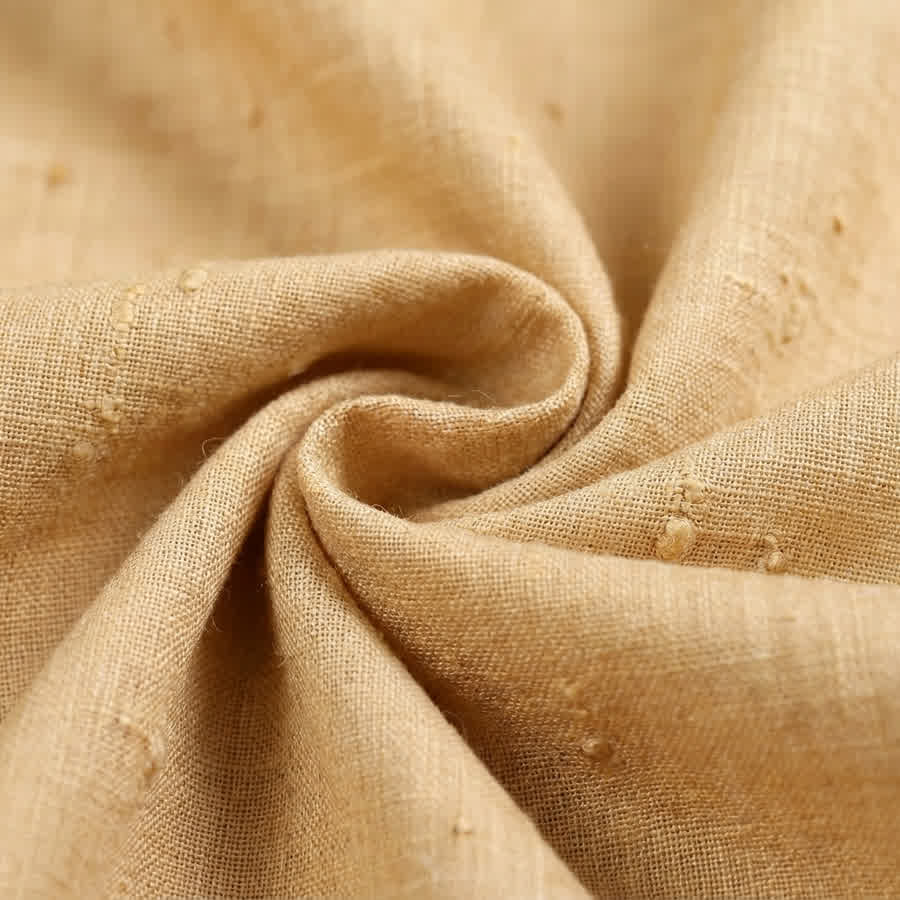
Understanding this biological background is crucial for designers specifying tussar silk material for upcoming collections. The natural foraging process creates a fiber with a highly porous fiber structure, which behaves differently during dyeing and finishing than conventional mulberry silk. Suppliers must demonstrate a deep understanding of these indigenous hand-spinning techniques to ensure the material is handled correctly without damaging the yarn.
Evaluating Supply Chain Traceability
Using this wild silk as a benchmark allows buyers to audit a supplier's connection to tribal sericulture. If a vendor cannot explain the specific harvesting methods or the regions where the cocoons are gathered, they likely lack a genuine decentralized artisan supply chain. True experts will proudly share the narrative of the forest communities who gather the cocoons and the spinners who process them.
To verify the authenticity of the material, buyers should look for specific physical and operational markers. A rigorous supplier evaluation should include:
- Visual inspection for the characteristic slubby texture inherent to wild silk, which power looms fail to replicate accurately.
- Geographical verification confirming the raw material originates from recognized eastern Indian forest belts.
- Processing transparency detailing the low-impact methods used to clean and prepare the yarns without stripping their natural sericin retention.
Decoding Tussar Silk Fabric: Material Science & Weaving Techniques
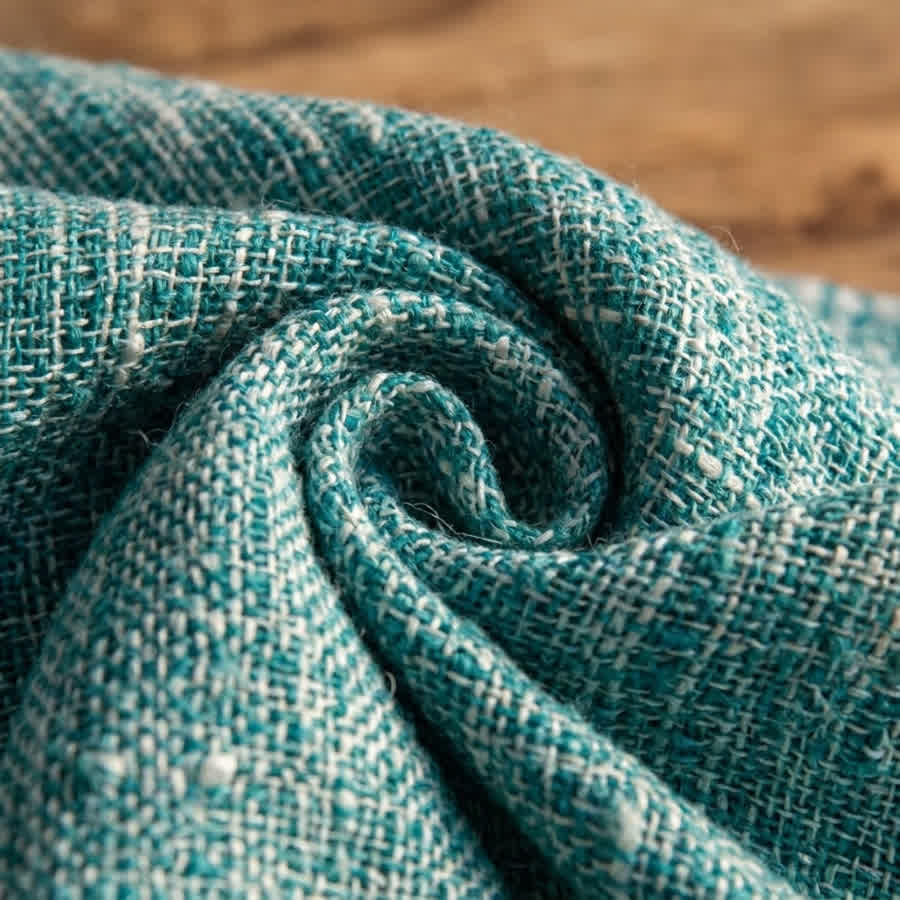
The technical profile of tussar silk fabric is defined by its high tensile strength, excellent thermal properties, and a variable GSM that depends entirely on specific hand-spinning and weaving techniques. Mastering these material science variables allows designers to specify the exact drape, weight, and durability required for their specific garments.
Structural Properties and GSM Variations
Unlike highly processed synthetic fibers, tusaar silk possesses a unique porous nature that requires specialized handling during production. The fiber's structure naturally retains certain tannins, necessitating low-impact dyeing processes to preserve its integrity and crisp hand-feel. This porosity also contributes to its exceptional breathability and thermal properties, making it highly adaptable for various climates by keeping the wearer cool in summer and retaining body heat during cooler months.
Depending on the specific weave structure, whether plain, twill, or blended, the weight of the fabric can be precisely controlled by the weavers. Designers can expect the following specifications when sourcing authentic yardage:
- Lightweight weaves ranging from 60 to 70 GSM, ideal for delicate overlays and fluid silhouettes.
- Mid-weight structures around 80 to 100 GSM, providing excellent stability for shirting and dresses.
- Heavyweight constructions exceeding 120 GSM, suited for structured jackets and premium upholstery.
The Impact of Hand-Spinning Techniques
The method used to spin the yarn drastically alters the final tussar silk material and its physical performance. Traditional methods like Ghicha hand-spinning utilize pierced or ruptured cocoons, drawing out short fibers to create a highly textured, uneven yarn. This technique maximizes resource efficiency, highlights the fabric's zero-waste credentials, and provides an income stream from cocoons that would otherwise be discarded.
Conversely, machine-spun yarns attempt to mimic this texture but often result in a flattened, uniform appearance that lacks character and structural integrity. By specifying hand-reeled yarns, brands ensure superior tensile strength and a distinct tactile quality that appeals to conscious consumers. Understanding these mechanical differences empowers sourcing directors to reject inferior power-loom knockoffs and invest in genuine sustainable luxury.
The Decentralized Advantage in Indian Fabric Wholesale
A decentralized artisan supply chain provides rigorous quality control and scalable, bespoke production by distributing the weaving process across specialized rural clusters rather than relying on a single centralized factory. This model ensures authentic craftsmanship while offering global brands the flexibility needed for custom B2B orders and specific design requirements.
Empowering Rural Weaving Clusters
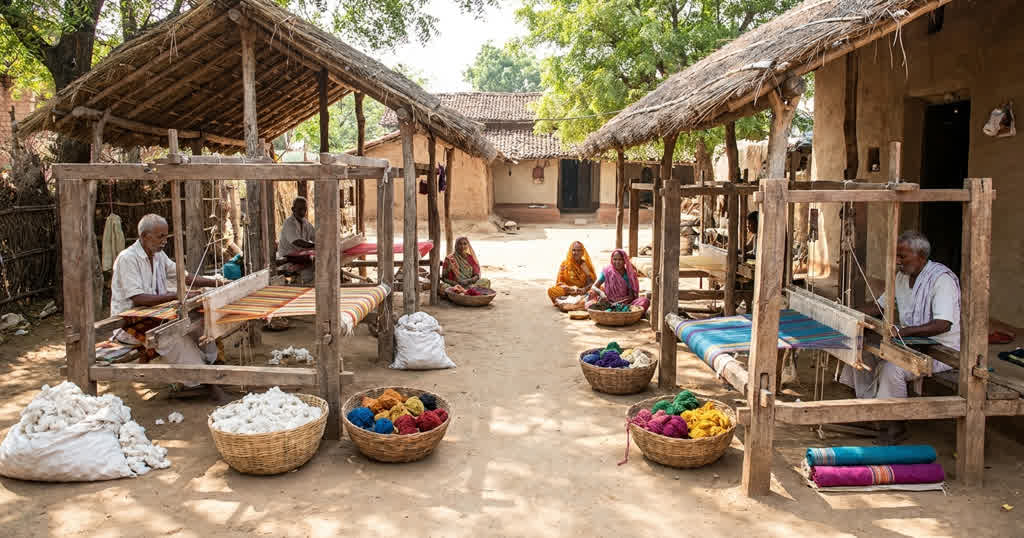
Operating through a decentralized network fundamentally changes how Indian fabric wholesale functions. At Anuprerna, we currently work with numerous rural clusters, bringing the work directly to the villages rather than forcing artisans to migrate to urban industrial centers. This approach sustains rural Indian handloom weavers in their home environments, preserving community structures and generational knowledge that would otherwise be lost to industrialization.
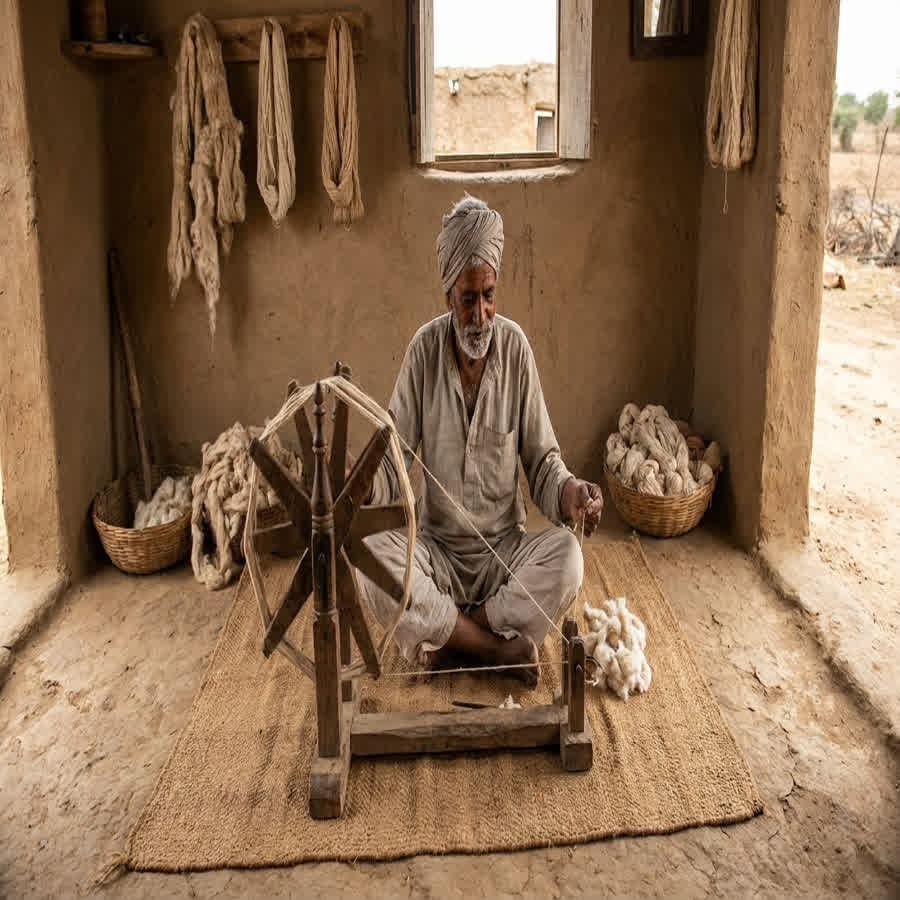
By keeping production localized, we maintain strict oversight over the unique techniques native to each specific region, such as the specialized reeling done in Bengal. This localized focus yields several distinct advantages for B2B buyers:
- Authentic natural variations that cannot be replicated by automated machinery or centralized power looms.
- Direct economic empowerment for marginalized weaving communities, ensuring fair wages and safe working conditions.
- Lower environmental impact due to reduced industrial energy consumption and localized, low-impact processing.
Scalable Bespoke Solutions for Global Brands
A common misconception is that artisan production cannot scale to meet the demands of international fashion houses. In reality, a well-managed decentralized artisan supply chain can coordinate hundreds of independent looms to fulfill substantial wholesale orders efficiently. This system offers distinctive flexibility for designers requiring custom widths, specific dye lots, or unique weave structures that large factories refuse to accommodate.
By partnering with specialized fabric exporters from India who utilize this model, brands gain access to a highly adaptable production base. This allows sourcing directors to meet their ESG goals without sacrificing operational reliability, product quality, or delivery timelines. The result is a transparent, ethical partnership that transforms the raw material of tusaar silk into a compelling narrative of sustainable luxury.
frequently asked questions
What is tussar silk and how does it differ from mulberry silk in a B2B context?
Tusaar silk is a wild silk produced by the *Antheraea mylitta* moth, distinguished by its natural golden color, porous texture, and characteristic slubs, unlike the uniform finish of domesticated mulberry silk. For B2B buyers, it offers a unique, textured aesthetic ideal for sustainable luxury collections that demand a tactile, organic feel rather than a high-gloss synthetic appearance.
How can brands verify the authenticity of tussar silk fabric from Indian wholesale suppliers?
Authentic handloomed tussar silk fabric will feature slight, natural irregularities in the weave and a distinct earthy aroma if unbleached. Brands should demand traceability reports from their fabric exporters from India, detailing the specific sericulture region (e.g., Bengal, Jharkhand) and the rural weaving clusters involved in the production process.
What are the typical GSM ranges for wholesale tussar silk material?
Pure handwoven tussar silk material typically ranges from 60-70 GSM for lightweight applications to 120+ GSM for heavier, structured garments, depending on the yarn count and weave structure. This versatility allows designers to specify the exact weight needed for delicate overlays, durable shirting, or premium upholstery.
Why source from a decentralized artisan supply chain rather than traditional fabric exporters from India?
Decentralized chains eliminate exploitative middlemen, ensuring fair wages for rural Indian handloom weavers and providing direct traceability for the buyer. For brands, this model provides lower environmental impact and access to authentic heritage weaves that centralized power looms simply cannot replicate.
How does the porous nature of tusaar silk affect the dyeing process for B2B orders?
The porous fiber structure of this wild silk allows for excellent dye absorption but requires specialized, low-impact dyeing processes to manage its natural tannins. For B2B orders, brands must partner with suppliers who understand how to achieve consistent colorfastness without utilizing harsh chemicals that degrade the material's high tensile strength.
More Blogs
why organic fabric suppliers are growing in india
jacquard fabric in modern fashion
how silk manufacturers preserve traditional craftsmanship
indian fabric wholesale: a guide to sourcing handwoven textiles
how indian fabric exporters meet global quality standards
jacquard vs embroidery: what's the difference?