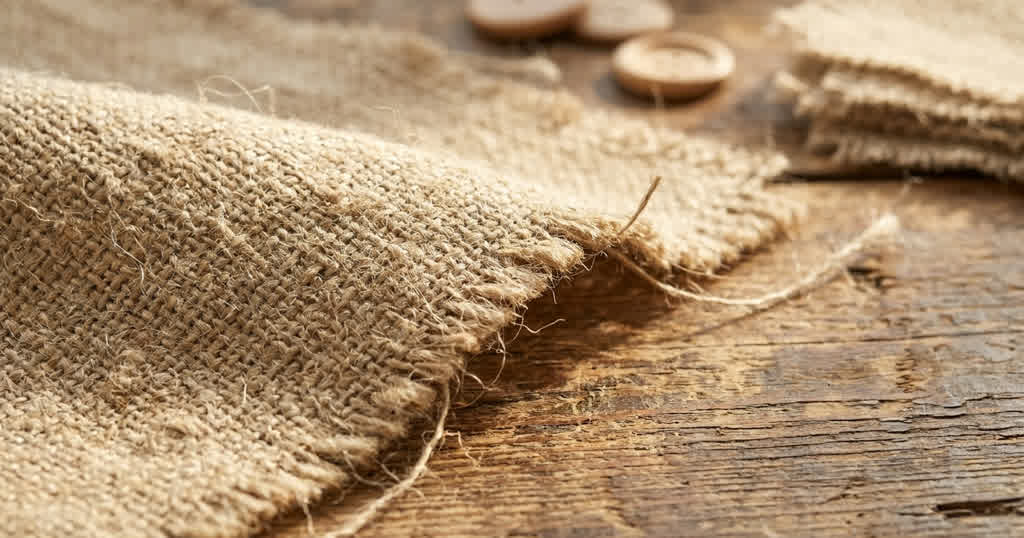
Buy Hemp Fabric in Bulk: What Fashion Brands Need to Know

Designers transitioning away from water-intensive conventional cotton often face a critical bottleneck when they decide to buy hemp fabric in bulk. Securing a consistent supply of this resilient bast fiber, the fibrous material from the inner bark of the stalk, requires balancing technical performance with verifiable sustainable sourcing credentials. The recent legalization of industrial hemp cultivation in Himalayan states like Uttarakhand has revitalized an ancient textile craft. Weavers are now integrating this highly durable material into traditional decentralized weaving networks, offering brands a traceable alternative that aligns with strict environmental goals.
Beyond the Greenwash: The Material Science of Hemp Fabric Cloth
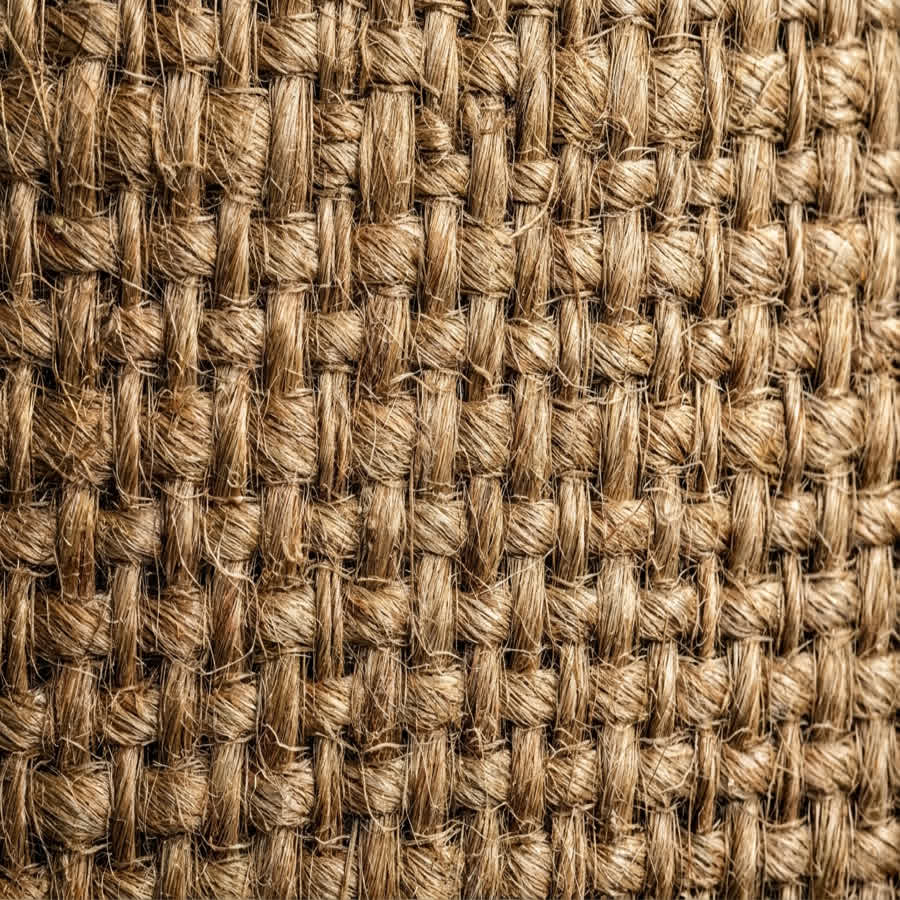
Hemp fabric cloth outperforms conventional textiles due to its exceptional tensile strength, natural antimicrobial properties, and high UV resistance. The core of this performance lies in the physical structure of the plant itself, making it a superior choice for technical apparel.
Structural Integrity of Bast Fibers
Hemp is classified as a bast fiber, much like banana fiber, meaning it is extracted from the phloem or inner bark of the plant stalk. This cellular composition gives the spun yarn a structural rigidity that is up to three times stronger than standard cotton. When fashion brands buy hemp fabric for outerwear or structured garments, they are investing in a material that resists mechanical wear and tear over years of use.
The natural antimicrobial properties of the fiber also prevent the buildup of odor-causing bacteria. This makes the textile highly suitable for next-to-skin applications in sustainable fashion collections. Designers can market these garments based on their longevity and reduced need for frequent laundering, which further lowers the lifecycle carbon footprint of the product.
To maximize these benefits, buyers must specify the correct weave structures. A tight plain weave maximizes the inherent durability of the yarn, locking the fibers in place to prevent shifting or pilling during heavy friction.
Thermal Regulation and GSM Specs
Standard 100% hemp textiles typically range from 150 to 250 GSM (grams per square meter). This weight bracket provides a substantial, crisp hand-feel that softens progressively with each wash cycle. The porous nature of the fiber allows for excellent moisture wicking, drawing sweat away from the body and releasing it into the air.
This breathability ensures effective thermal regulation in both warm and cool climates, making it a versatile choice for year-round collections. When evaluating options for a new line, sourcing teams should consider the following technical specifications:
- 150 GSM plain weaves for lightweight shirting, breathable summer dresses, and fluid tunics.
- 200 GSM twill weaves for transitional jackets, durable trousers, and structured skirts.
- 250 GSM canvas structures for heavy-duty accessories, tote bags, and rigid outerwear.
Understanding these weight categories helps designers match the raw material to the specific drape and function required by their patterns. Selecting the correct GSM is the first step in ensuring the final garment performs exactly as intended.
Hemp Cotton Fabric Blends: Engineering the Well suited Drape
Blending hemp with pure cotton engineers a softer drape and eliminates the initial stiffness of pure bast fibers while maintaining structural integrity. This combination provides an immediate solution for designers who need a fluid silhouette without sacrificing the durability of the primary material.
Overcoming Initial Fiber Stiffness
Pure hemp textiles possess a rigid, linen-like texture straight off the loom, contrasting with the immediate fluidity of bamboo linen fabric. While this softens naturally over time and through repeated washing, many contemporary apparel designs require an immediate, fluid drape for retail appeal. By integrating softer, shorter staple fibers, weavers can fundamentally alter the mechanical behavior of the finished cloth.
A hemp cotton fabric blend effectively bridges the gap between rugged durability and consumer comfort. The cotton fibers act as a softening agent within the yarn matrix, breaking up the rigidity of the hemp. This reduces the abrasive friction of the raw material, resulting in a textile that feels gentle against the skin from the very first wear.
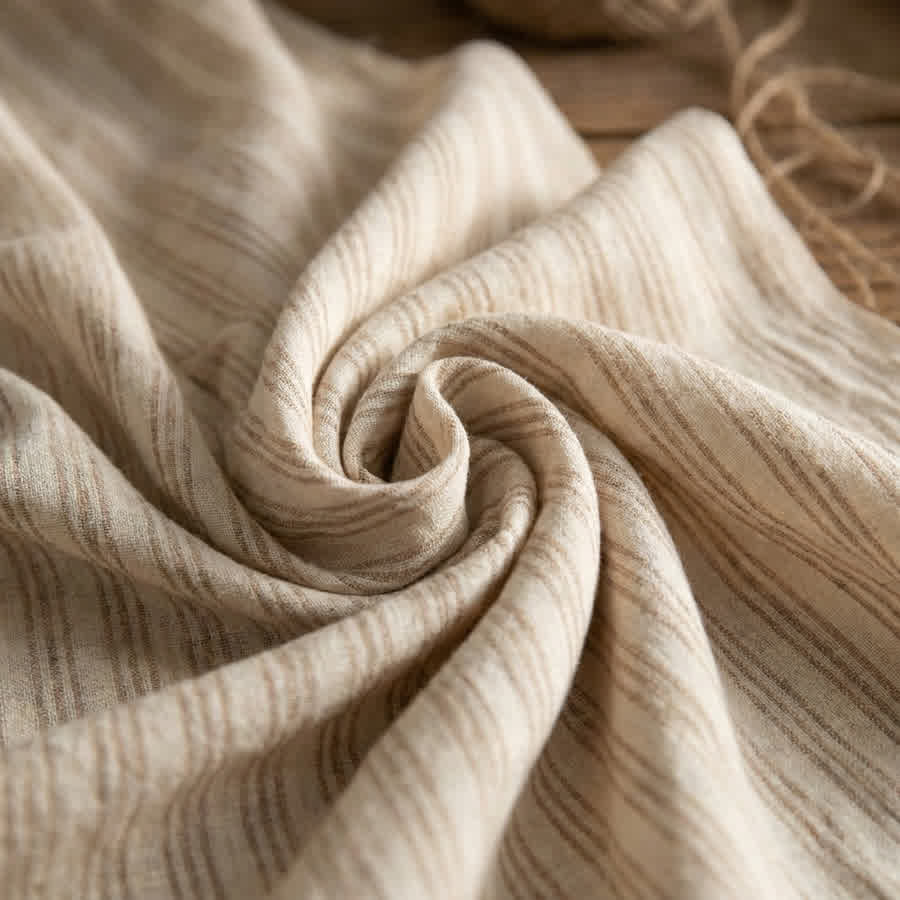
For brands looking to buy hemp fabric for casual wear or intimate apparel, this blending technique is highly effective. It allows for the creation of relaxed silhouettes that still boast the impressive zero-waste credentials of the primary bast fiber.
Optimal Blend Ratios for Apparel
The industry consensus for these hybrid textiles typically centers around a 55% hemp and 45% organic cotton ratio. This specific proportion ensures the fabric retains the high tensile strength and UV resistance of hemp while benefiting from the familiar, breathable softness of cotton.
When sourcing these blends, designers should evaluate the yarn construction carefully. The blending process can occur at the fiber stage before spinning, creating an intimate blend, or weavers can use hemp for the warp and cotton for the weft. Each method yields a slightly different tactile result and visual texture.
To achieve a strong results in production, consider these common applications for blended textiles:
- Lightweight 120 GSM blends for fluid blouses, breathable innerwear, and delicate summer layering pieces.
- Mid-weight 180 GSM structures for everyday shirting, relaxed trousers, and versatile day dresses.
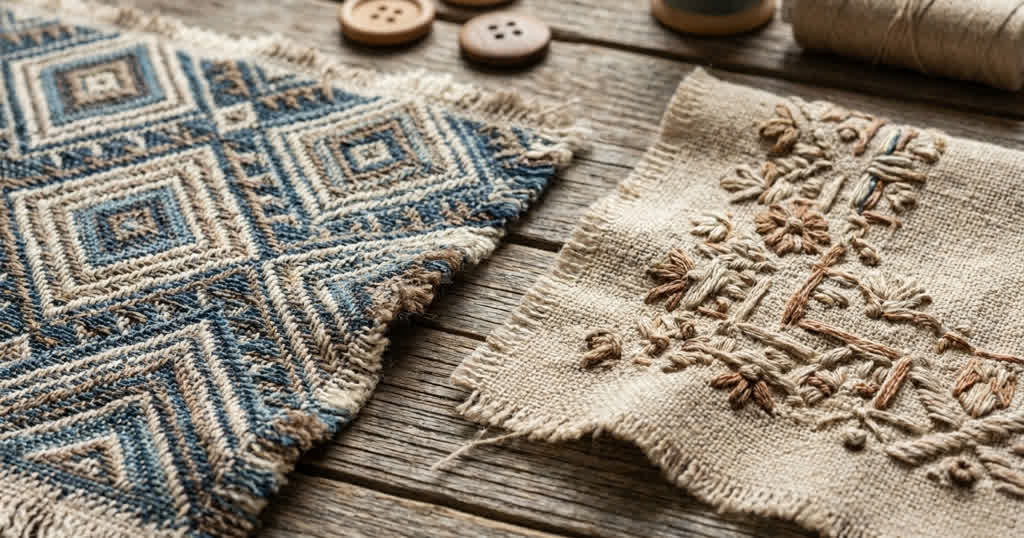
- Textured dobby weaves and jacquard fabric structures that highlight the contrasting characteristics of both fibers, adding visual depth to the garment.
These engineered blends offer a versatile, highly workable foundation for any modern sustainable fashion line.
The Economics of Bulk Sourcing: MOQs, Lead Times, and Pricing
Sourcing handloomed hemp requires planning for flexible Minimum Order Quantities (MOQs) and longer artisanal lead times compared to centralized industrial mills. Understanding these logistics is essential for keeping production schedules on track and managing cash flow effectively.
Managing Minimum Order Quantities
Industrial textile mills often demand minimums exceeding 1,000 meters per colorway, which can be financially prohibitive for independent designers. In contrast, working with a decentralized artisan network allows for highly adaptable order sizes. Brands can often buy hemp fabric in bulk starting at just 50 to 100 meters per specific design.
This low-barrier entry is particularly beneficial for testing new sustainable fashion collections, whether working with lightweight blends or heavier structures akin to denim fabric, before committing to massive inventory. It allows sourcing directors to prototype garments, assess the tactile drape, and gauge customer response without tying up excessive capital in unproven styles.
However, smaller batches require precise communication regarding yarn availability. Because the raw material is sourced from specific regions like Uttarakhand, seasonal variations in the harvest can impact the immediate supply of fine-count yarns. Planning ahead ensures the weavers have the necessary materials on hand.
Production Timelines and Cost Factors
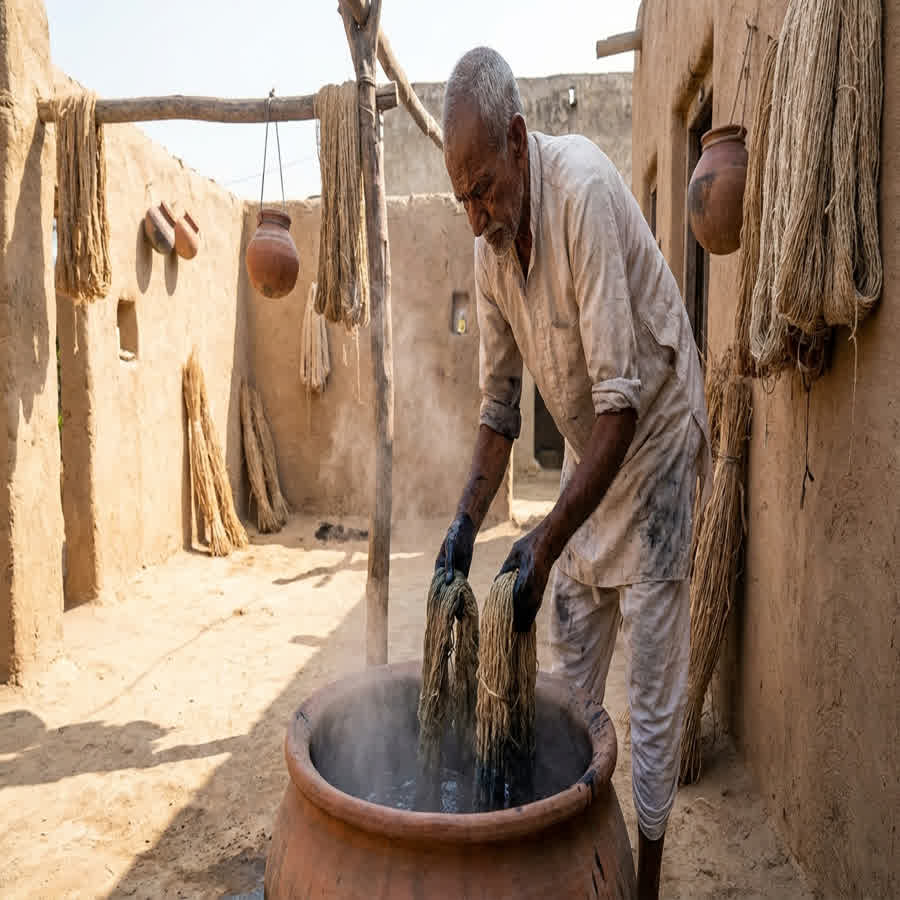
Handloom manufacturing operates on a fundamentally different timeline than automated factory production. The process involves manual yarn preparation, natural dyeing, and the physical weaving of the hemp fabric cloth on traditional wooden pit looms.
Buyers must factor these artisanal steps into their critical path. A standard bulk order may require 45 to 60 days from yarn procurement to final dispatch. To ensure a smooth sourcing experience, teams should build specific buffers into their production calendars:
- Yarn dyeing and drying can take 7 to 10 days, heavily dependent on local sunlight and weather conditions.
- Warp preparation and loom setup requires precise manual labor, adding 3 to 5 days before the actual weaving begins.
- Daily weaving output averages 3 to 5 meters per artisan, dictating the overall timeline for large yardages.
Pricing reflects this labor-intensive, highly skilled craft. While the per-meter cost is higher than synthetic alternatives, the investment secures a premium, traceable textile that directly supports rural livelihoods and strengthens the brand's market positioning.
Decentralized Supply Chains: Weaving Hemp in Rural India
Anuprerna’s decentralized supply chain connects fashion brands directly with rural Indian artisans, ensuring full traceability and supporting local weaving economies. This model transforms a simple material purchase into a verifiable social impact initiative that resonates with conscious consumers.
Empowering Artisan Clusters
The cultivation of hemp, locally known as Bhang, has deep historical roots in the Indian Himalayas. With the recent legalization of industrial hemp in states like Uttarakhand, this resilient fiber, much like banana fiber, is now flowing back into traditional weaving clusters in regions like Bengal. We currently work with multiple artisan groups who are adapting their heritage skills to process and weave these strong bast fibers.
By choosing to buy hemp fabric through this model, brands directly fund the preservation of ancient handloom techniques. The decentralized approach means production is distributed across various rural households rather than concentrated in a single, carbon-heavy urban factory.
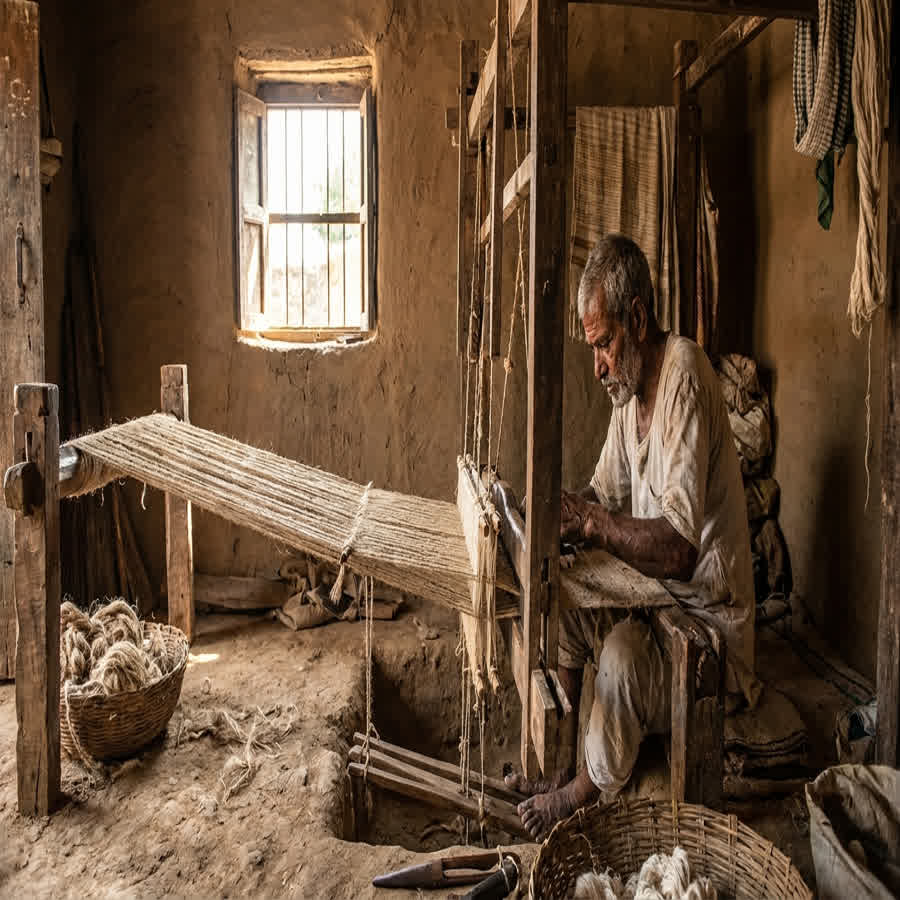
This system provides fair, consistent wages to the weavers. It also allows them to work from their own homes, maintaining their community structures and family lives while actively participating in the global sustainable sourcing movement.
Traceability as a Marketing Asset
For a modern sustainable fashion brand, the origin story of a garment is just as important as its physical design and fit. Consumers increasingly demand concrete proof of ethical manufacturing and environmental responsibility before making a purchase.
Our transparent model provides sourcing directors with exact data on where their hemp cotton fabric was spun, dyed, and woven. This level of detail eliminates the opacity typically associated with global textile procurement. Brands can confidently share these narratives with their customers, detailing the specific regions, villages, and techniques involved in creating their collections.
To effectively communicate this value, designers should highlight several key supply chain metrics in their marketing:
- Zero pesticide cultivation in the Himalayan foothills, protecting local soil health and biodiversity.
- 50% less water usage compared to conventional cotton farming and industrial processing.
- Direct artisan compensation, ensuring ethical labor practices and financial stability at every stage of production.
This verifiable data strengthens the brand's overall ESG profile and builds deep trust with the end consumer.
Quality Control in Bast Fibers: What to Inspect Before You Buy
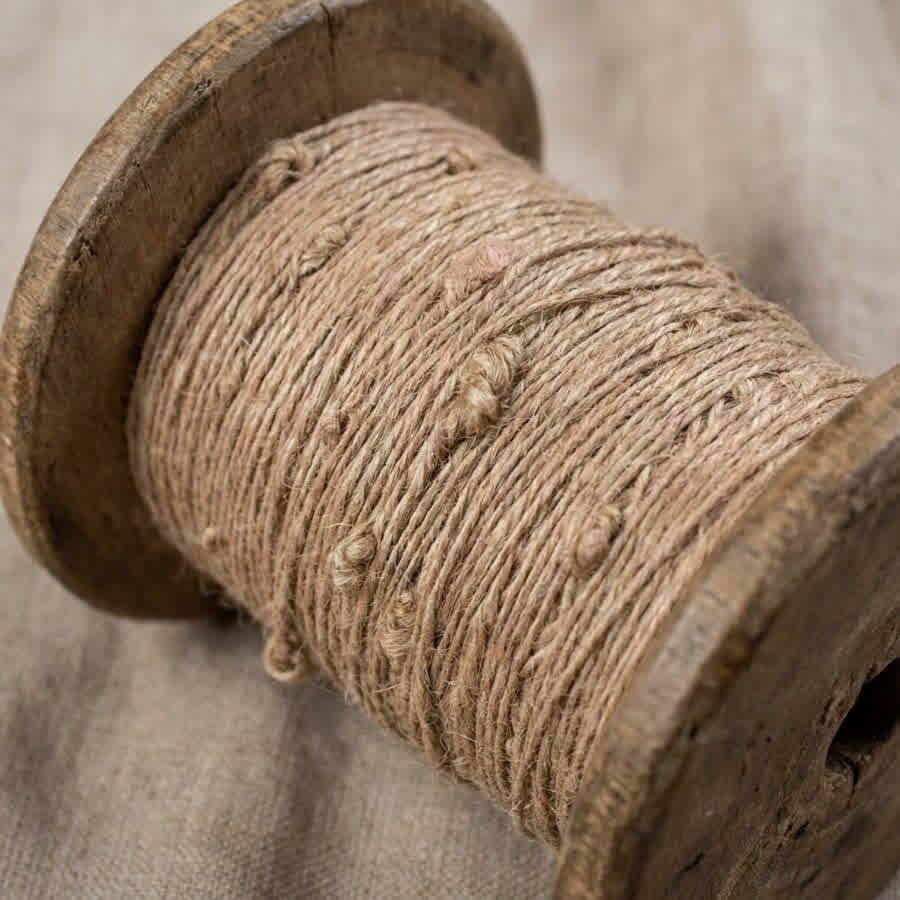
Buyers must inspect handloomed hemp for yarn consistency, natural dye colorfastness, and accurate shrinkage rates before committing to bulk production. Establishing strict quality control parameters ensures the raw material performs predictably during the cut and sew phase of manufacturing.
Evaluating Yarn and Dye Consistency
Because handloomed hemp fabric cloth is crafted manually, slight variations in the weave are inherent to the process and add to its artisanal charm. However, sourcing teams must differentiate between acceptable character and structural defects. Inspecting the fabric against a light source reveals the uniformity of the warp and weft tension across the yardage.
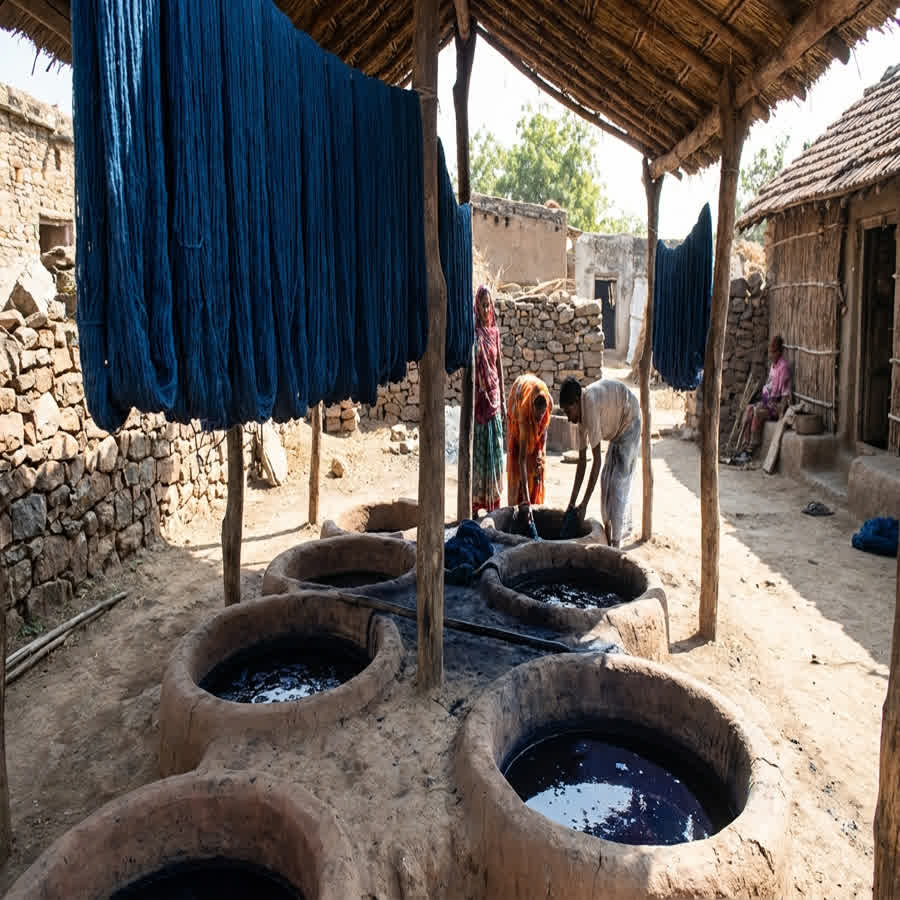
Colorfastness is another critical metric, particularly when dealing with natural dyes. Hemp is highly porous and absorbs dye well, but achieving deep, uniform shades requires precise temperature control. If the vats are not managed correctly, the rigid bast fibers may release pigment during the first few washes, leading to customer complaints.
When you buy hemp fabric in bulk, always request a master swatch for rigorous testing. Sourcing directors should conduct standard rub tests (crocking) and wash tests to verify the stability of the dye before approving the full production run.
Managing Shrinkage in Production
One of the most common challenges with natural textiles is dimensional stability. Unwashed handloomed hemp typically experiences significant contraction when exposed to water and heat for the first time. The natural relaxation of the spun fibers causes the fabric to pull inward, altering the dimensions of the cloth.
To prevent sizing issues in the final garments, pattern makers must account for this movement early in the design phase. A hemp cotton fabric blend may exhibit slightly different shrinkage behavior than a pure hemp textile or a standard pure cotton weave, requiring separate testing protocols for each material type.
We recommend implementing the following quality control steps for every new batch received from the weavers:
- Conduct a hot wash test on a one-meter sample to calculate the exact warp and weft shrinkage percentages.
- Factor a 10% tolerance into your pattern grading and bulk yardage calculations to absorb any dimensional loss.
- Source pre-washed fabrics if your manufacturing facility lacks the capacity to handle post-production shrinkage effectively.
Addressing these technical details upfront guarantees a smoother manufacturing process and a significantly higher quality end product.
Explore Our Collection
Anuprerna works directly with handloom artisan clusters to weave buy hemp fabric for designers and brands building considered collections. To source it for your next line, explore the range below.
frequently asked questions
What is the standard shrinkage rate for bulk hemp fabric, and how should we account for it in production?
Unwashed handloomed hemp typically shrinks between 5-8% on the first wash due to the relaxation of the bast fibers. We recommend sourcing pre-washed fabrics or factoring a 10% tolerance into your pattern grading and bulk yardage calculations.
How does the MOQ for handloomed hemp cotton fabric compare to mill-made alternatives?
Because Anuprerna utilizes a decentralized artisan network, our MOQs are highly flexible and significantly lower than industrial mills. Brands can often buy hemp fabric in bulk starting at just 50-100 meters per colorway, compared to the 1,000+ meter minimums typical of centralized industrial mills.
Does hemp fabric require special dyeing processes compared to cotton?
Hemp is highly porous and absorbs dye exceptionally well, particularly reactive and natural dyes, but it does require longer vat times for dark shades. Achieving deep, uniform dark shades requires precise temperature control to ensure colorfastness and prevent the dye from washing out of the rigid fiber structure.
What is the difference in hand-feel between 100% hemp fabric and a hemp-cotton blend?
100% hemp has a crisp, linen-like texture that softens significantly over time, whereas a hemp-cotton blend provides immediate softness. A hemp cotton fabric blend (e.g., 55% hemp / 45% organic cotton) offers better drape for lightweight garments and reduces initial stiffness while retaining hemp's durability.
Is hemp fabric suitable for high-friction garments like trousers and outerwear?
Yes, hemp fabric is highly suitable for high-friction garments because its bast fibers are up to three times stronger than conventional cotton. The inherent tensile strength and abrasion resistance of the material ensure excellent longevity for structured apparel, jackets, and heavy-duty accessories.
More Blogs
how indian fabric exporters meet global quality standards
jacquard vs embroidery: what's the difference?
khadi online shopping: what fabric details should you check?
a designer’s guide to sourcing silk from indian manufacturers
tussar silk fabric: characteristics, texture & a guide for designers
jacquard fabric supplier: a guide for designers & fashion brands