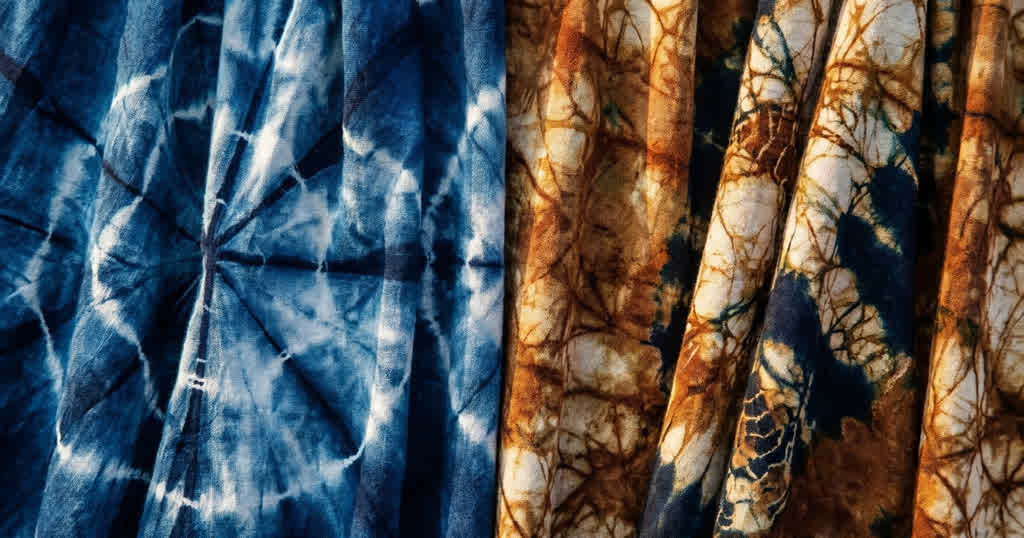
Batik vs. Shibori: Understanding Resist-Dyeing Techniques in Sustainable Fashion

Designers building a sustainable collection often face a critical choice between authentic artisan yardage and flat digital prints. Deciding between batik vs shibori requires understanding how these distinct resist-dyeing techniques interact with different fibers, dyes, and production timelines. While Shibori traces its roots to 8th-century Japan and Batik to Javanese tradition, India holds a rich parallel heritage of both methods. Bengal and Gujarat maintain centuries-old wax and mud resist traditions, known locally as Dabu, while Indian tie-dye methods like Bandhani and Leheriya mirror the mechanical resist principles of Shibori.
For a sustainable fashion brand, selecting the right technique dictates the visual narrative of the garment, the required fabric specifications, and the environmental impact of the dye process. We bridge this gap by organizing decentralized artisan production across rural Indian handloom clusters, ensuring authentic techniques scale reliably for commercial cutting.
The Mechanics of Resist-Dyeing: Chemical Wax vs. Mechanical Bindings
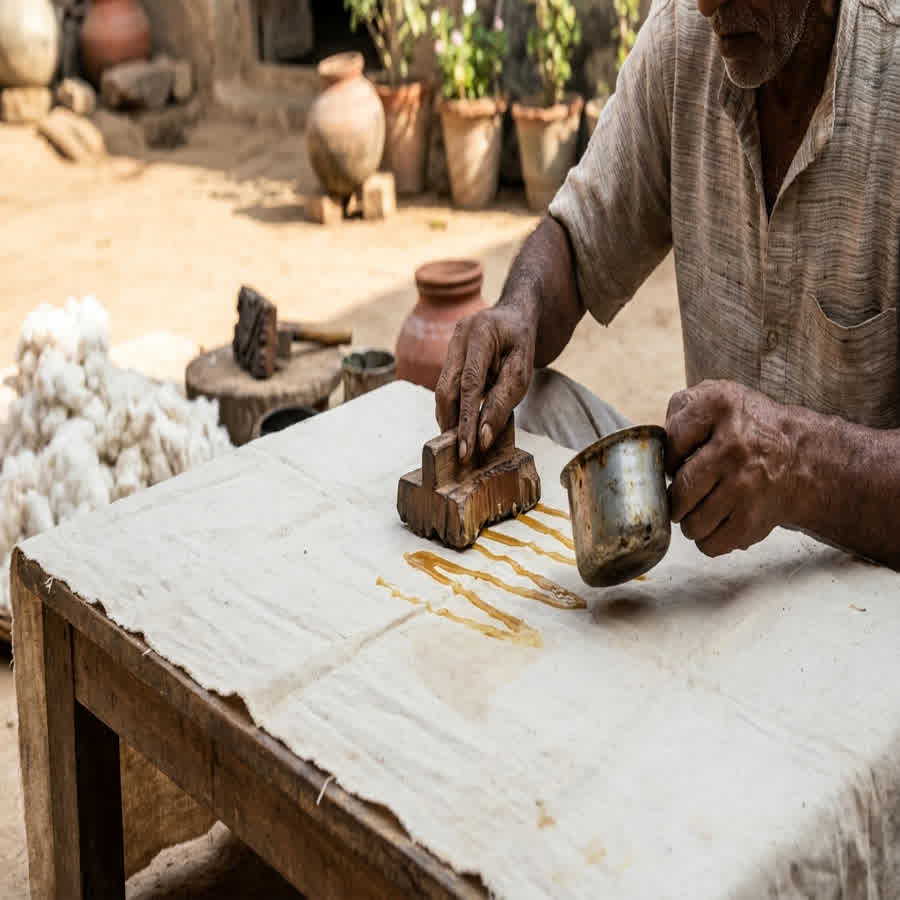
The core difference lies in the barrier method: Batik uses a liquid wax or mud application to block dye absorption, while Shibori relies on physical manipulation like folding, binding, and clamping to prevent dye from reaching specific areas. Understanding these mechanics is essential for predicting how a pattern will behave on the cutting table.
The Physical Barrier of Batik
Batik creates patterns through a liquid resist application, typically using a blend of beeswax and paraffin or a traditional mud paste. Artisans apply this heated mixture using a brush or a spouted tool, creating a physical barrier that penetrates the fabric fibers. When the fabric enters the dye bath, the coated areas remain uncolored, resulting in illustrative motifs and narrative designs.
The signature aesthetic of this method is the crackle effect, which occurs when the hardened wax fractures during the dyeing process. This allows fine veins of dye to seep into the protected areas, giving the textile an organic, hand-done texture. Because the wax must be removed by boiling the fabric after dyeing, the process requires careful temperature management to ensure the resist material washes out completely without redepositing on the cloth.
The Tension and Compression of Shibori
Shibori operates entirely on mechanical resist principles, requiring artisans to physically alter the fabric structure before dyeing. Instead of applying a substance, artisans use thread, wood, or clamps to create areas of high compression where dye cannot penetrate. This results in scalable, geometric minimalism rather than the illustrative scenes typical of wax methods.
Different manipulation techniques yield specific visual outcomes for commercial yardage. The most common methods used in our clusters include:
- Itajime Shibori: Fabric is folded accordion-style and clamped between shaped wooden blocks, producing bold, repeating geometric grids.
- Arashi Shibori: Cloth is wrapped tightly around a pole and compressed into folds, creating diagonal, rain-like striations.
- Kumo Shibori: Sections of fabric are bound tightly with thread to form intricate, spiderweb-like circular patterns.
- Bandhani: The Indian equivalent of bound Shibori, utilizing thousands of tiny, thread-tied knots to form complex dotted motifs.
Fabric Compatibility: Selecting the Right Base for Batik vs Shibori
Batik requires tightly woven, lightweight fabrics to hold crisp wax lines, whereas Shibori demands fabrics with high tensile strength and elasticity to survive rigorous physical binding. Selecting the incorrect base material leads to severe dye bleeding, blurred motifs, or structural fiber damage during production.
Ideal GSM and Weave for Batik
For commercial batik production, the fabric must allow the heated wax mixture to penetrate completely through to the reverse side. If the wax sits only on the surface, dye will seep underneath, destroying the crisp wax lines required for high-quality yardage. We recommend sourcing a tightly woven fabric with a smooth surface to facilitate precise application.
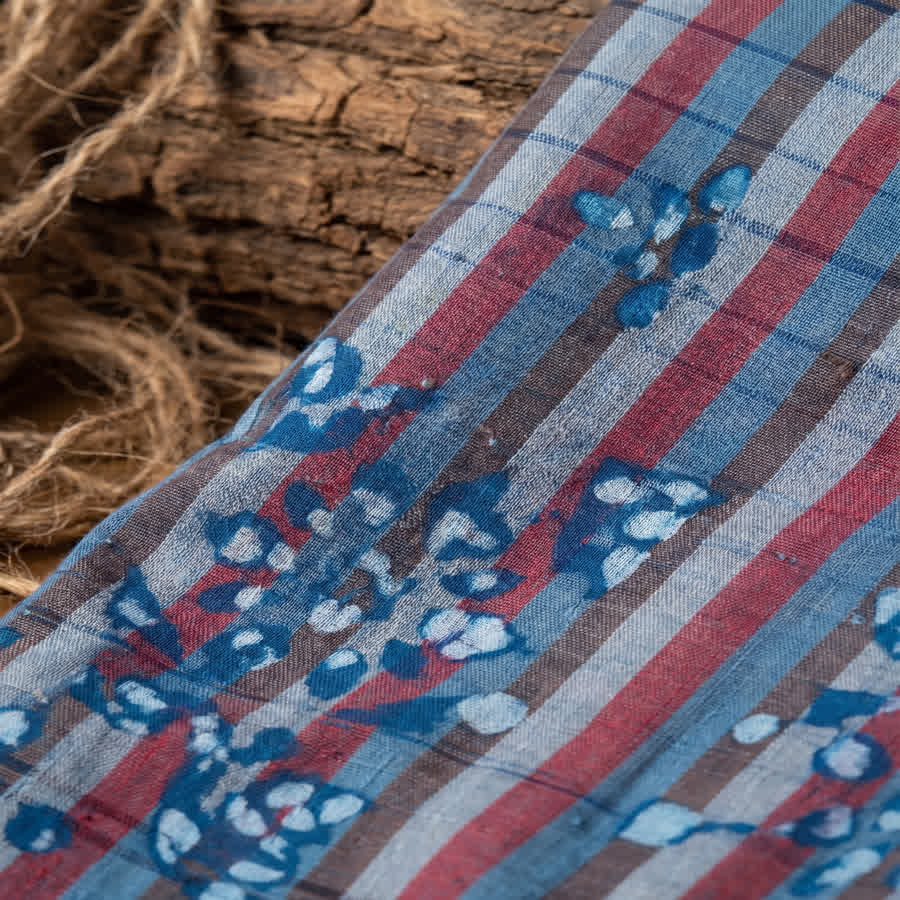
The most reliable bases for this technique fall within a specific weight range. The ideal specifications for batik yardage include:
- Cotton Cambric (60-100 GSM): Offers a smooth, flat surface that accepts fine brushwork and prevents wax from spreading unpredictably.
- Mulmul Cotton (70-90 GSM): Provides excellent dye uptake and allows for complete wax penetration, ensuring identical pattern clarity on both sides.
- Flat Woven Silk (50-80 GSM): Delivers a dry, crisp hand-feel while maintaining the structural integrity needed for boiling out the wax.
Tensile Strength Requirements for Shibori
Because Shibori involves intense pulling, tight binding, and heavy clamping, the base fabric must possess exceptional tensile strength. Delicate or loosely woven materials will tear under the pressure of mechanical bindings or warp permanently during the dyeing process. The fabric must also have enough natural elasticity to recover its drape after being compressed.
When comparing batik vs shibori for a collection, designers must account for the physical stress of the Shibori process. We typically utilize 80-120 GSM cotton, medium-weight linen, or sturdy silk blends for these orders. These materials withstand the rigors of pole-wrapping (Arashi) and tight thread binding without suffering fiber breakage, ensuring the final yardage remains structurally sound for garment construction.
Dye Chemistry and Sustainability in Artisan Clusters
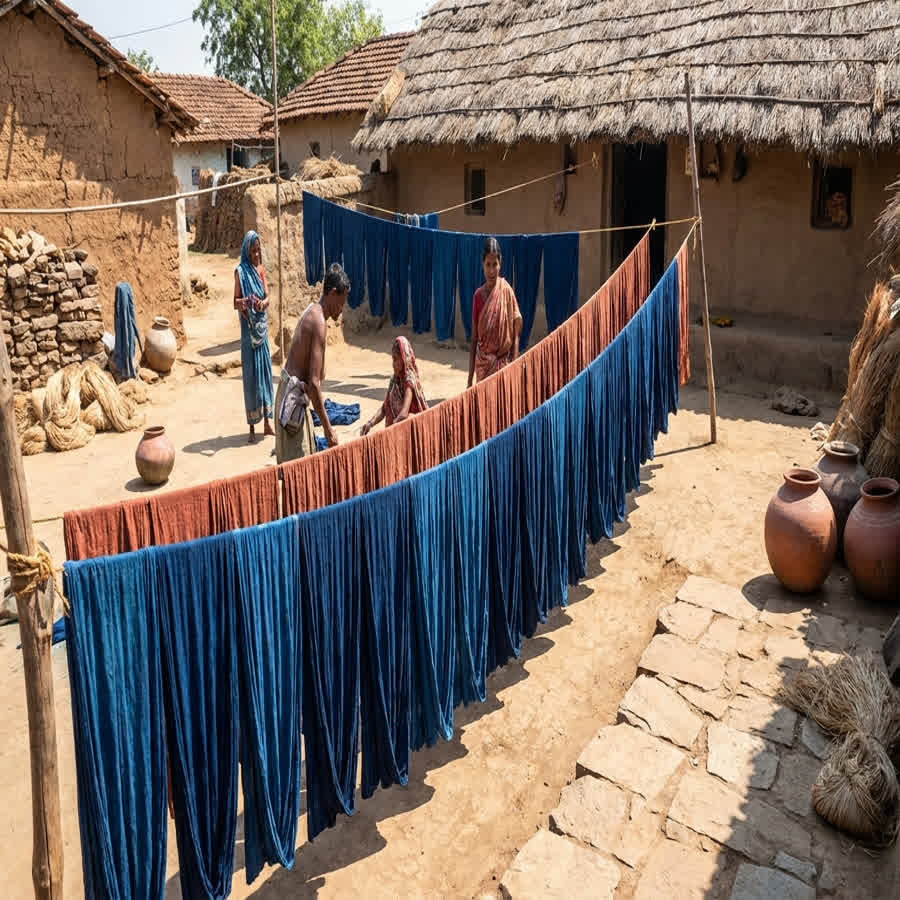
Both techniques rely on the molecular bonding of reactive or natural dyes, but Batik is restricted to cold-dyeing processes to prevent wax melting, while Shibori can withstand hot dye baths. Managing these chemical requirements within decentralized artisan clusters requires strict adherence to eco-friendly dye standards and responsible water management.
Natural Dyes and Temperature Constraints
The application of natural dyes like Indigo, Madder, and Cutch behaves differently depending on the chosen resist method. Because Batik relies on a wax barrier, the fabric cannot enter a hot dye bath, as the heat would melt the resist and ruin the design. Therefore, Batik is exceptionally well-suited for cold-dyeing processes, particularly traditional Indigo vats.
Shibori, utilizing mechanical compression, does not face these temperature limitations. The tightly bound or clamped fabric can be submerged in boiling dye baths, allowing for a much wider spectrum of natural dye applications. This thermal flexibility means Shibori can easily incorporate dyes that require high heat for proper molecular bonding and colorfastness.
Water Management in Decentralized Production
Scaling artisan textiles requires a rigorous approach to water management and effluent treatment, especially when working with rural handloom weavers. Both resist methods require extensive washing, Batik to boil out the wax, and Shibori to rinse out excess unfixed dye. We ensure our clusters utilize AZO-free reactive dyes or natural extracts to maintain strict eco-compliance.
To protect local water systems in regions like Bengal and Gujarat, our artisan partners implement specific sustainability protocols. These practices include:
- Closed-Loop Washing: Reusing the initial rinse water for subsequent dye baths to reduce overall consumption.
- Natural Mordanting: Utilizing alum, myrobalan, and iron water to fix colors without introducing heavy metals into the soil.
- Wax Reclamation: Skimming melted beeswax from the boiling vats to cool, harden, and reuse in future batik production cycles.
- Sun Curing: Relying on natural sunlight to oxidize and set Indigo dyes, minimizing reliance on electrical drying equipment.
Scaling Handcrafted Textiles: Lead Times and Production Realities
Scaling these handcrafted textiles requires standardizing motifs through precise block measurements for Shibori and controlled brushwork for Batik, while factoring in weather-dependent artisan timelines. B2B buyers must plan for longer lead times and specific MOQs to accommodate the decentralized nature of rural handloom production.
Standardizing Motifs Across Yardages
A primary concern for fashion brands sourcing artisan yardage is ensuring the pattern remains consistent enough for commercial garment cutting. While slight variations are the hallmark of authentic handcraft, wild inconsistencies lead to unacceptable fabric waste. We address this by implementing standardized production controls across our decentralized supply chain.
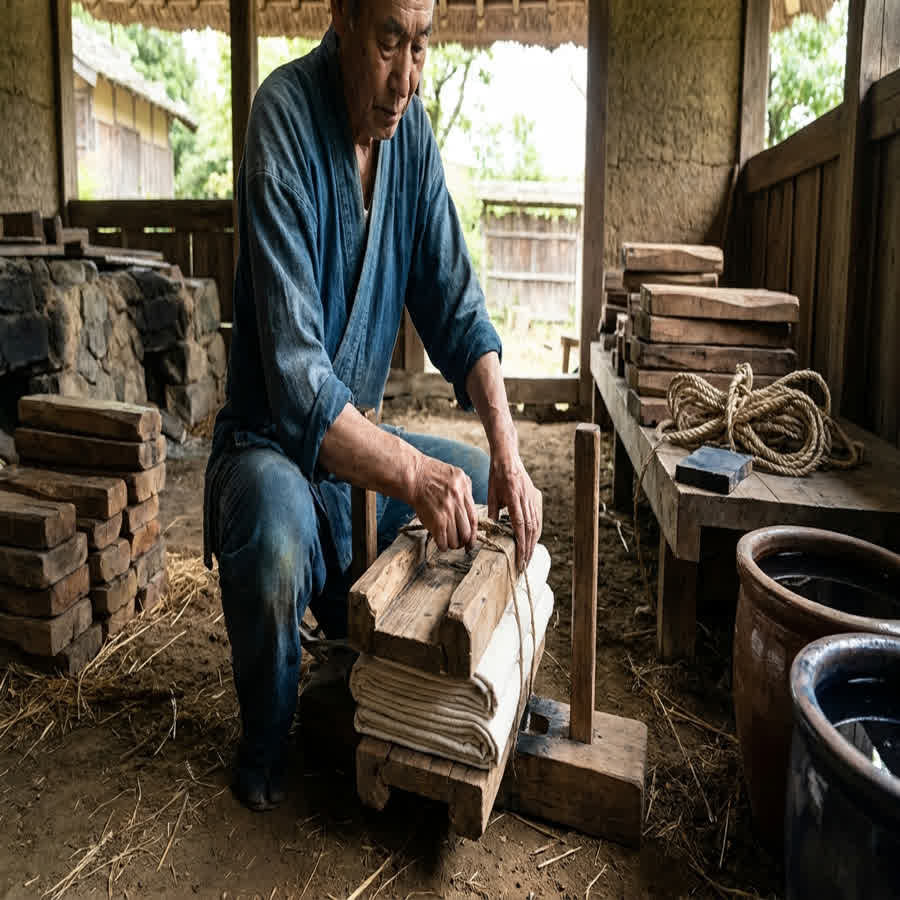
For Shibori, consistency is achieved through precise mechanical resist tools. Artisans use identically carved wooden blocks for clamping (Itajime) and measure binding intervals with rulers to ensure the geometric grids repeat predictably. For Batik, we rely on highly skilled artisans who use stenciled guidelines to maintain the scale and spacing of illustrative motifs, ensuring the fluid, hand-painted aesthetic remains uniform across a 50-meter roll.
Managing MOQs and Artisan Timelines
Unlike digital printing, producing authentic batik vs shibori yardage is a slow, weather-dependent process. Because artisans rely on sunlight to dry the wax resist and oxidize natural dyes, monsoon seasons directly impact production schedules. Sourcing managers must build these environmental variables into their collection planning.
We structure our B2B logistics to support both the brand's needs and the artisans' livelihoods. Our production framework includes:
- Accessible MOQs: Starting at manageable minimums, often 50 to 100 meters, to allow independent designers to source authentic hand-done textiles.
- Phased Deliveries: Splitting large orders into staggered shipments to maintain a steady supply without overwhelming a single artisan cluster.
- Buffer Timelines: Adding a two-week contingency to all lead times to account for unexpected humidity or extended sun-curing requirements.
Explore Our Collection
Anuprerna works directly with handloom artisan clusters to weave batik vs shibori for designers and brands building considered collections. To source it for your next line, explore the range below.
frequently asked questions
Can we use natural dyes for both Batik and Shibori on commercial orders?
Yes, but natural dyes like Indigo and Madder require specific mordanting processes. Batik requires cold-dyeing, like Indigo vats, to prevent the wax resist from melting, whereas Shibori can tolerate hot dye baths, allowing for a wider range of natural dye applications.
What is the ideal fabric GSM for intricate Batik detailing?
For fine, crackle-free lines, a tightly woven cotton cambric or silk between 60-90 GSM is ideal. Heavier fabrics prevent the wax from penetrating fully through the fibers, leading to dye bleeding and blurred motifs.
How does Anuprerna ensure consistency in Shibori patterns across large yardages?
While slight variations are the hallmark of authentic handcraft, we use standardized clamping (Itajime) blocks and precise binding measurements across our artisan clusters to maintain a high pattern consistency rate suitable for commercial garment cutting.
Is Indian Batik different from Indonesian Batik in a B2B context?
Yes. Indian Batik, particularly from Bengal, is known for its fluid, hand-painted aesthetic, using a brush or tjanting, rather than the stamped (tjap) method common in Indonesia. This offers brands a more organic, bespoke textile surface.
Does the Shibori binding process damage lightweight silk fabrics?
Yes, aggressive binding and clamping can cause permanent warp distortion or fiber breakage in silks under 50 GSM. We recommend using a sturdier flat woven silk or a silk-cotton blend between 80-120 GSM to withstand the mechanical stress of the Shibori process while maintaining a luxurious drape.
More Blogs
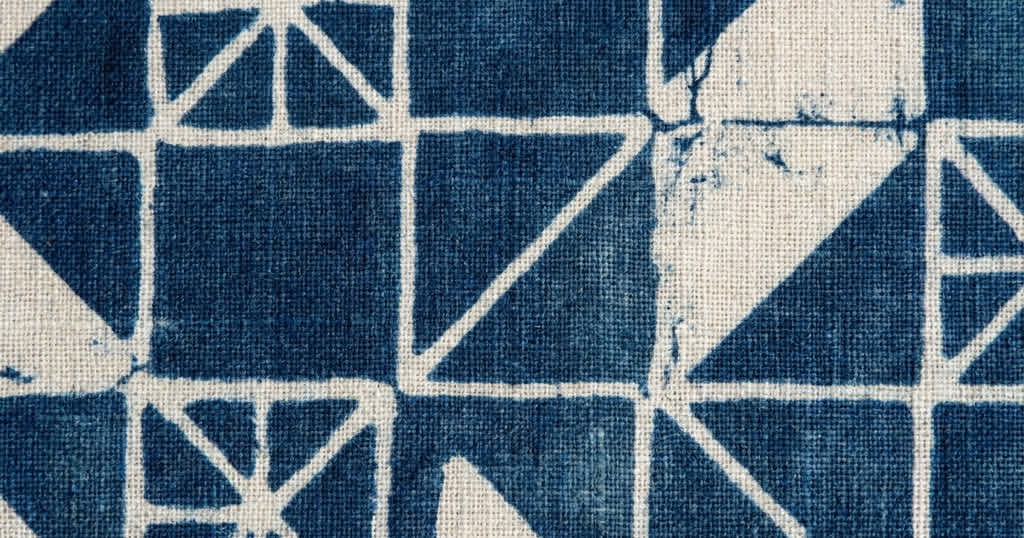
modern indian batik: how traditional prints are evolving
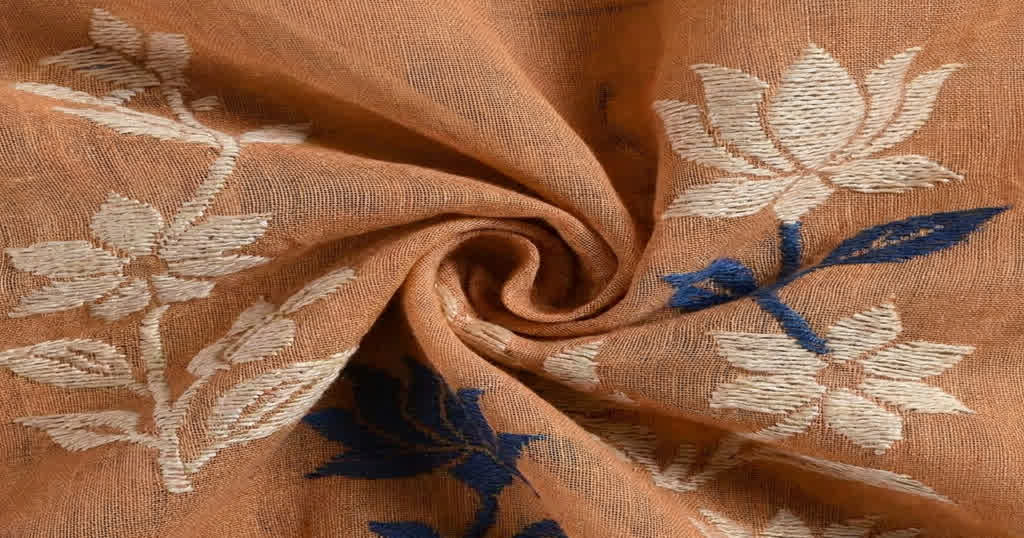
the intricate motifs of jamdani: meanings behind the heritage patterns
national handloom day 2025: 10 must-have handloom textiles from across west bengal and india
what japanese boro and indian kantha can teach us about repair culture
the living art of batik fabrics: sustainable traditions
why organic fabric suppliers are growing in india