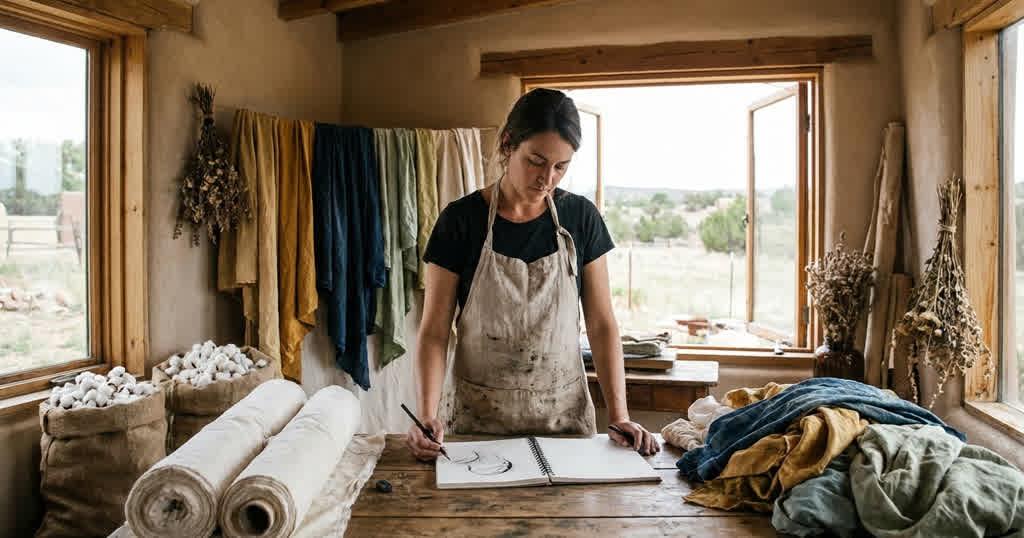
What Is A Sustainable Designer? Roles, Responsibilities, and Impact

A modern fashion collection often begins with a sketch, but the reality of bringing that vision to life requires balancing aesthetic ambition with strict environmental compliance. A sustainable designer steps into this exact tension, acting as the critical link between a brand's creative direction and the physical realities of textile production. They are no longer just sketching silhouettes; they are calculating the end-of-life impact of every fiber choice.
The stakes for material selection have never been higher, driven by incoming regulations like the EU Strategy for Sustainable Textiles and intense consumer scrutiny. Choosing the right sustainable fabric is now a technical requirement that dictates a garment's longevity, dye compatibility, and overall carbon footprint. This shift demands a return to localized, artisanal production methods that predate the industrial revolution, requiring designers to rethink how they source and scale.
Beyond Aesthetics: The Core Roles of a Sustainable Designer
The primary role of a sustainable designer is to function as a systems thinker, taking responsibility for the entire lifecycle of a garment from fiber cultivation to its eventual disposal. They bridge the gap between visual creativity and ethical sourcing, ensuring that every design decision aligns with strict environmental standards. This includes making informed choices about organic fabric, natural fibers, and responsibly produced textiles.
The Shift to Systems Thinking
Historically, fashion design focused almost entirely on silhouette, drape, and seasonal trends without regard for the origin of the materials. The slow fashion movement of the early 2000s forced a necessary evolution, transforming the designer into a supply chain architect. Today, a sustainable designer must evaluate how a garment will perform over years of wear and how it will eventually break down. This requires a deep understanding of material science and the ecological cost of production.
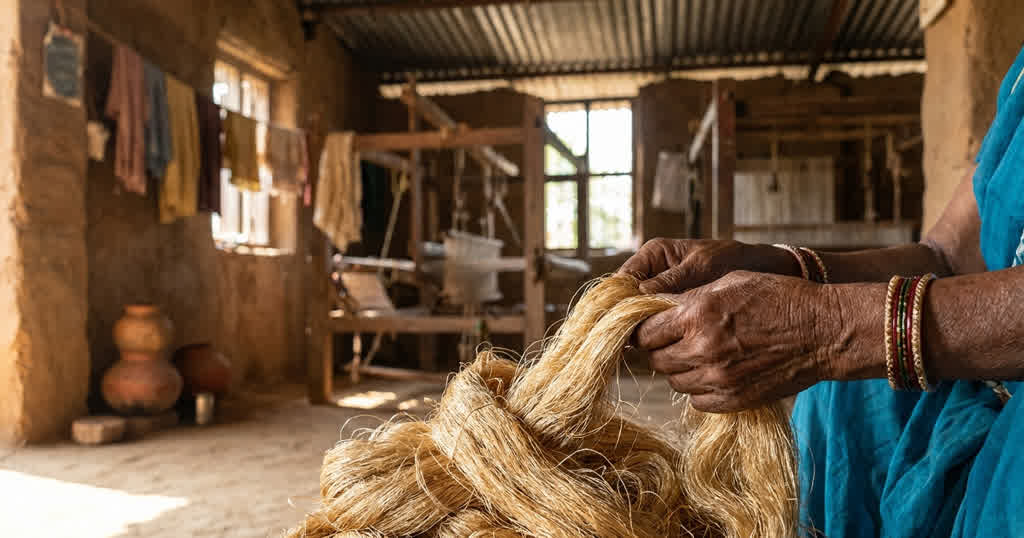
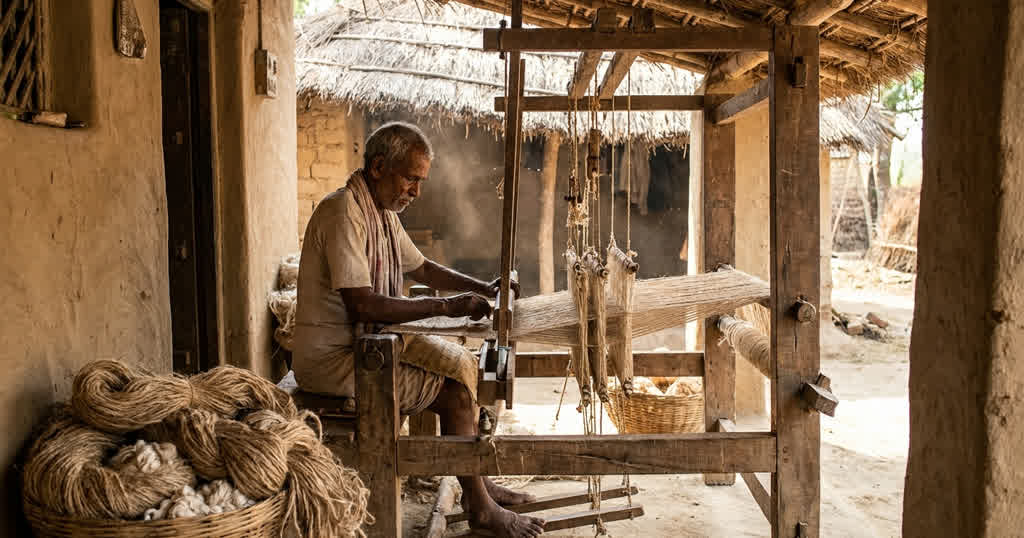
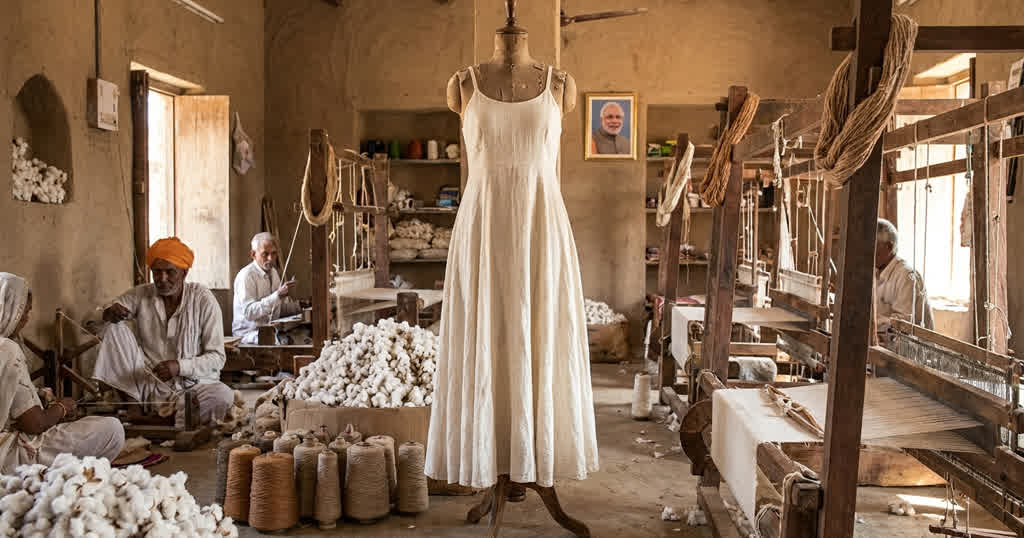
Instead of relying on opaque, centralized factories, these professionals are returning to localized textile production. This historical reliance on artisanal craftsmanship offers a lower environmental impact and greater transparency. Handmade fabric and artisan-produced textiles can also bring greater visibility into how materials are processed, woven, and finished. By mapping out the entire production lifecycle, designers can identify areas to reduce waste, lower carbon emissions, and improve the livelihoods of the people making their clothes.
Integrating Lifecycle Analysis
A core responsibility is conducting a basic lifecycle analysis for every piece in a collection before production begins. This means evaluating the water consumption, chemical usage, and energy required to produce a single meter of cloth. The designer must ask technical questions about the supply chain before a single seam is sewn.
To execute this effectively, they focus on specific sourcing criteria:
- Fiber origin: Prioritizing natural, biodegradable materials, including suitable organic fabric, over synthetic blends that shed microplastics.
- Dye toxicity: Specifying AZO-free dyes or natural plant-based alternatives to protect local waterways and artisan health.
- Production energy: Choosing handloom weaving and handmade fabric production where appropriate over powerlooms to reduce energy consumption during manufacturing.
- End-of-life: Designing mono-material garments that can be easily recycled or composted without complex separation processes.
By embedding these metrics into the initial tech pack, the designer ensures that environmental compliance is built into the garment's DNA.
Material Matters: Selecting the Right Sustainable Fabric
Selecting a sustainable fabric requires a rigorous technical evaluation of fiber properties, GSM (grams per square meter), and dye compatibility to ensure both durability and low environmental impact. The designer must weigh the ecological footprint of handloom textiles against conventional mill-made options to meet strict B2B sourcing standards.
Technical Specifications of Natural Fibers
A sustainable designer cannot rely on the visual hand-feel of a swatch alone; they must understand the underlying material science. Different fibers offer distinct structural advantages that dictate how a garment will perform in the real world. For example, working with Ahimsa silk, often sourced from specialized clusters in Jharkhand or Assam, requires specific handling and a deep knowledge of its natural properties.
When evaluating these materials, designers look at precise textile specifications:
- 60-100 GSM Ahimsa silk: Offers exceptional natural breathability and excellent compatibility with low-impact dyes, making it ideal for lightweight, ethical luxury wear.
- 150-250 GSM Khadi cotton: Provides high tensile strength and a structured drape, ensuring the garment maintains its shape over years of heavy use.
- Sericin retention: Leaving the natural protein on silk fibers enhances durability and creates a distinct, crisp texture that synthetic alternatives cannot replicate.
Handloom vs. Mill-Made Production
The choice between a handloom fabric and a mill-made textile fundamentally alters a brand's sustainability narrative. Handloom production operates with a near-zero carbon footprint, relying entirely on human energy rather than fossil fuels. This method also preserves the natural integrity of the yarn, resulting in a stronger, more resilient sustainable fabric that resists premature wear.
In contrast, conventional powerlooms subject fibers to high tension and heat, often requiring synthetic sizing agents that complicate the dyeing process. By choosing handspun, handwoven materials, designers ensure their collections remain fully biodegradable and free from hidden synthetic chemicals. This technical choice directly supports the circular economy, allowing garments to safely return to the earth at the end of their usable life.
Manage Decentralized Supply Chains as a Designer
Working with a decentralized supply chain means coordinating directly with independent artisan clusters across rural regions to source authentic, hand-crafted textiles. A sustainable designer manages this by adjusting traditional production calendars to accommodate the longer lead times inherent to manual spinning, dyeing, and weaving.
Collaborating with Rural Artisans
Sourcing from rural Indian weavers requires a shift from transactional buying to collaborative partnership. We currently work with numerous weaving communities across Bengal, such as the Matka silk clusters in Murshidabad and the cotton weavers in Burdwan. A designer engaging with these groups must understand the localized nature of textile production and the human element behind every yard of fabric.
To build a reliable sourcing strategy, designers must adapt to the realities of village-based craftsmanship:
- Seasonal weather impacts: Recognizing that monsoon humidity affects yarn drying times and natural dye uptake, requiring flexible scheduling.
- Standardized quality control: Implementing clear tech packs that translate modern design requirements into traditional weaving terminology.
- Fair trade practices: Ensuring living wages and safe working conditions are verified at the cluster level to maintain ethical integrity.
By respecting these variables, a sustainable designer secures high-quality materials while directly supporting the socio-economic development of the artisans.
Managing Production Timelines
The most significant adjustment for B2B brands is the production timeline. Unlike automated factories that can churn out thousands of meters a day, a decentralized network operates at a human pace. A single weaver might produce just three to five meters of complex Jamdani fabric per day, depending on the intricacy of the motif.
Designers must factor these realities into their seasonal calendars. A standard handloom order typically requires a 60 to 90-day lead time, depending on the complexity of the weave and the availability of specific yarn counts. By planning collections further in advance, brands avoid production bottlenecks and ensure they receive a sustainable fabric that meets their exact specifications without compromising the well-being of the weavers.
The Impact of Design on Garment Longevity and Circularity
A designer dictates the majority of a garment's environmental impact at the concept stage by choosing construction methods that prioritize physical durability and eventual recycling. By utilizing zero-waste patterns and selecting natural, mono-material fibers, a sustainable designer ensures the product fits directly into a circular fashion system.
Designing for Physical Durability
The most effective way to reduce fashion waste is to keep garments in active use for as long as possible. This requires a focus on structural integrity during the design phase. A sustainable designer specifies reinforced seams, high-quality stitching, and durable natural fibers that resist pilling and tearing over time, ensuring the garment survives multiple seasons.
When constructing a durable piece, specific design techniques are essential:
- High-tensile fabrics: Utilizing materials like 150-250 GSM Khadi cotton that can withstand repeated washing and heavy daily wear.
- Gussets and reinforcements: Adding extra fabric at high-stress points like underarms and crotch seams to prevent blowouts and extend the garment's lifespan.
- Modular components: Designing garments with removable or replaceable hardware, making repairs straightforward for the end consumer.
These technical decisions transform a standard piece of clothing into a long-lasting heritage garment, directly combating the disposable nature of fast fashion.
End-of-Life Biodegradability
Circularity demands that a designer plans for the day a garment is no longer wearable. This is where the selection of a sustainable fabric becomes critical. Blending natural fibers with synthetics like polyester or elastane makes recycling nearly impossible and prevents the garment from safely biodegrading in a natural environment.
To achieve true circularity, designers must commit to mono-material construction. A shirt made entirely of 100% organic cotton, sewn with cotton thread, and finished with natural shell buttons can be easily composted or mechanically recycled. By eliminating synthetic components and toxic chemical finishes, the designer guarantees that the garment will not leave harmful microplastics behind, closing the loop on the production cycle.
Bridging the Gap: From Rural Artisans to Global Runways
Bridging the Gap: From Rural Artisans to Global Runways
Anuprerna acts as the structural bridge that connects a sustainable designer with verified, high-quality Indian handloom weavers, translating rural craftsmanship into market-ready B2B textiles. As a sustainable fabric manufacturer, Anuprerna provides the supply chain transparency and quality assurance necessary for fashion brands to scale their ethical collections without losing artisanal authenticity.
Standardizing Artisanal Quality
One of the primary challenges for a sustainable designer is achieving consistent quality across large orders when working with independent weavers. The inherent well suited imperfections of hand-crafted textiles are beautiful, but B2B buyers require strict adherence to GSM specifications and color matching. We solve this by implementing rigorous quality control protocols directly at the cluster level, ensuring every meter meets professional standards.
Our approach ensures that designers receive reliable materials through structured sourcing frameworks:
- Yarn standardization: Sourcing consistent, high-quality natural yarns before distributing them to the weaving clusters to maintain uniform texture.
- Dye consistency: Utilizing standardized AZO-free dyeing processes to ensure color uniformity across different batches of sustainable fabric.
- Weave density checks: Monitoring the pick and end counts during production to maintain the exact structural requirements of the designer's tech pack.
This technical oversight allows designers to confidently integrate heritage textiles into their global collections without fearing inconsistent production runs.
Scaling Ethical Fashion
Scaling a sustainable brand requires a reliable partner who understands both the demands of the global fashion market and the realities of village-based production. We manage the logistical complexities of a decentralized network, from coordinating raw material delivery to handling final export documentation and maintaining accessible minimum order quantities (MOQs).
By partnering with a transparent B2B textile house, a sustainable designer gains access to a verifiable impact narrative. They can trace their fabric back to specific weaving communities in Bengal, providing their customers with concrete proof of ethical sourcing. This collaboration proves that it is possible to merge traditional handloom crafts with modern design, creating scalable fashion that respects both the maker and the environment.
frequently asked questions
What criteria should a sustainable designer use when evaluating a sustainable fabric?
Designers must evaluate fiber origin, production method, dye toxicity, water usage, and the socio-economic impact on the weaving community. A thorough assessment includes prioritizing natural fibers over synthetics, choosing handloom over powerloom to reduce carbon emissions, and ensuring all dyes are AZO-free to protect local ecosystems.
How does sourcing from a decentralized artisan supply chain affect a designer's production timeline?
Decentralized handloom production requires longer lead times, typically 60 to 90 days, due to the manual nature of spinning, dyeing, and weaving. Designers must integrate these extended timelines into their seasonal calendars early to avoid production bottlenecks and ensure artisans are not subjected to unreasonable, high-pressure deadlines.
Can sustainable designers achieve consistent quality with handloom fabrics?
Yes, designers can achieve consistent quality by working with structured B2B partners who enforce strict quality control protocols at the cluster level. While they must embrace the inherent *well suited imperfections* of hand-crafted textiles, a reliable supply chain partner ensures standardized GSM consistency, accurate color matching, and structural integrity.
What is the role of a sustainable designer in achieving circular fashion?
The designer dictates up to 80% of a product's environmental impact at the concept stage by selecting mono-materials and utilizing zero-waste patterns. Their role involves designing for both physical durability and end-of-life biodegradability, ensuring that a garment can be easily recycled or composted rather than ending up in a landfill.
Why is mono-material construction important for a sustainable designer?
Mono-material construction is essential because garments made from a single fiber type, such as 100% organic cotton, are significantly easier to mechanically recycle or compost. Blending natural fibers with synthetic materials like elastane or polyester disrupts the recycling process and prevents the garment from safely biodegrading at the end of its lifecycle.
More Blogs
khadi jeans for men: styling sustainable denim
eco-friendly trims: sourcing sustainable fashion accessories
how to choose the right fabric wholesaler for your brand
what to look for in a silk manufacturer before you source
how does sustainable sourcing affect clothing quality?
how celebrity endorsements are shaping the future of sustainable textiles