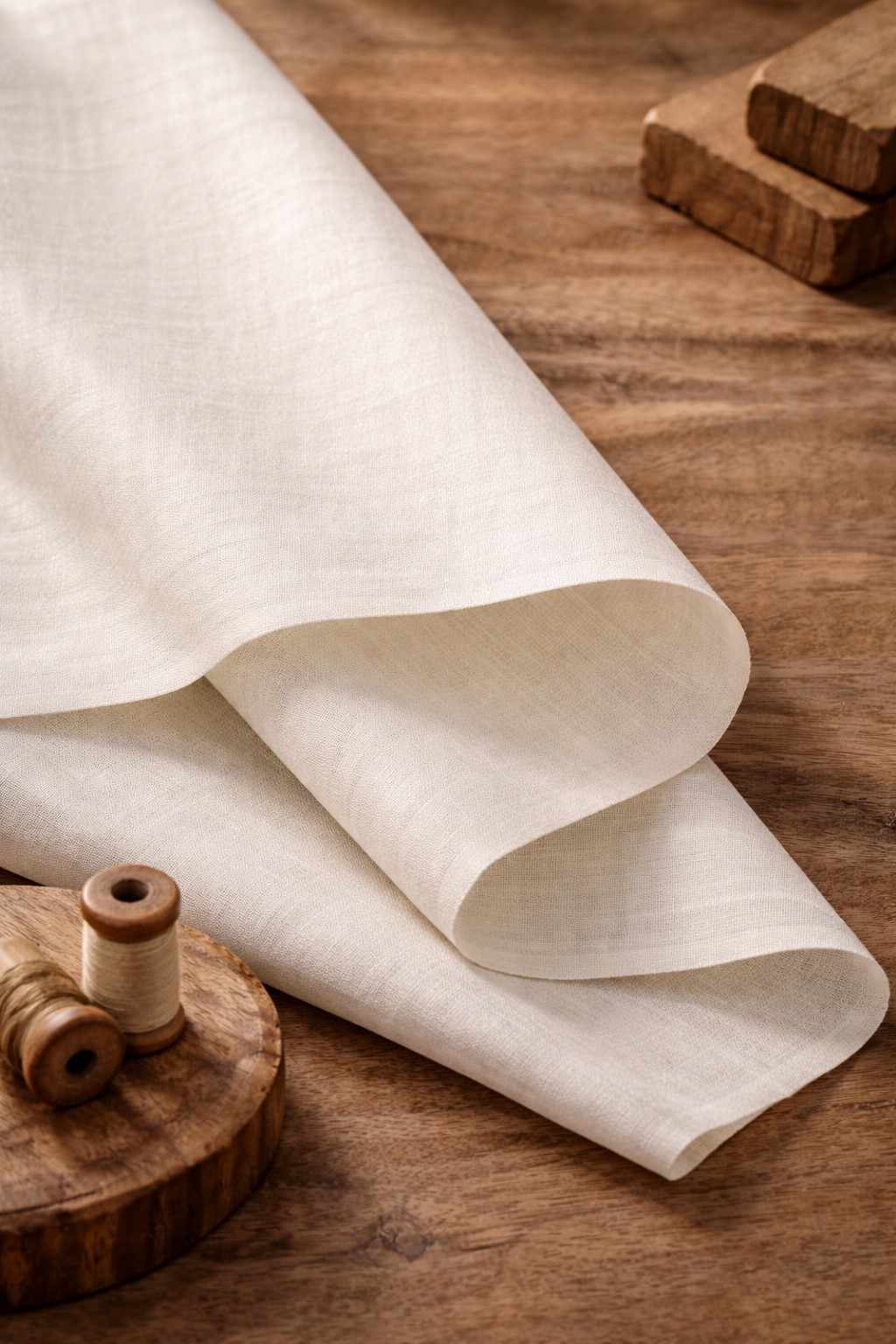
ERI PEACE SILK

A Silk Chosen for Comfort, Ethics, and Everyday Luxury
Eri silk is a rare silk variety known as much for how it is made as for how it feels. Soft, breathable, and quietly resilient, it sits at the intersection of ethical production and functional elegance, making it increasingly relevant for modern, conscious design.
What Is Eri Silk?
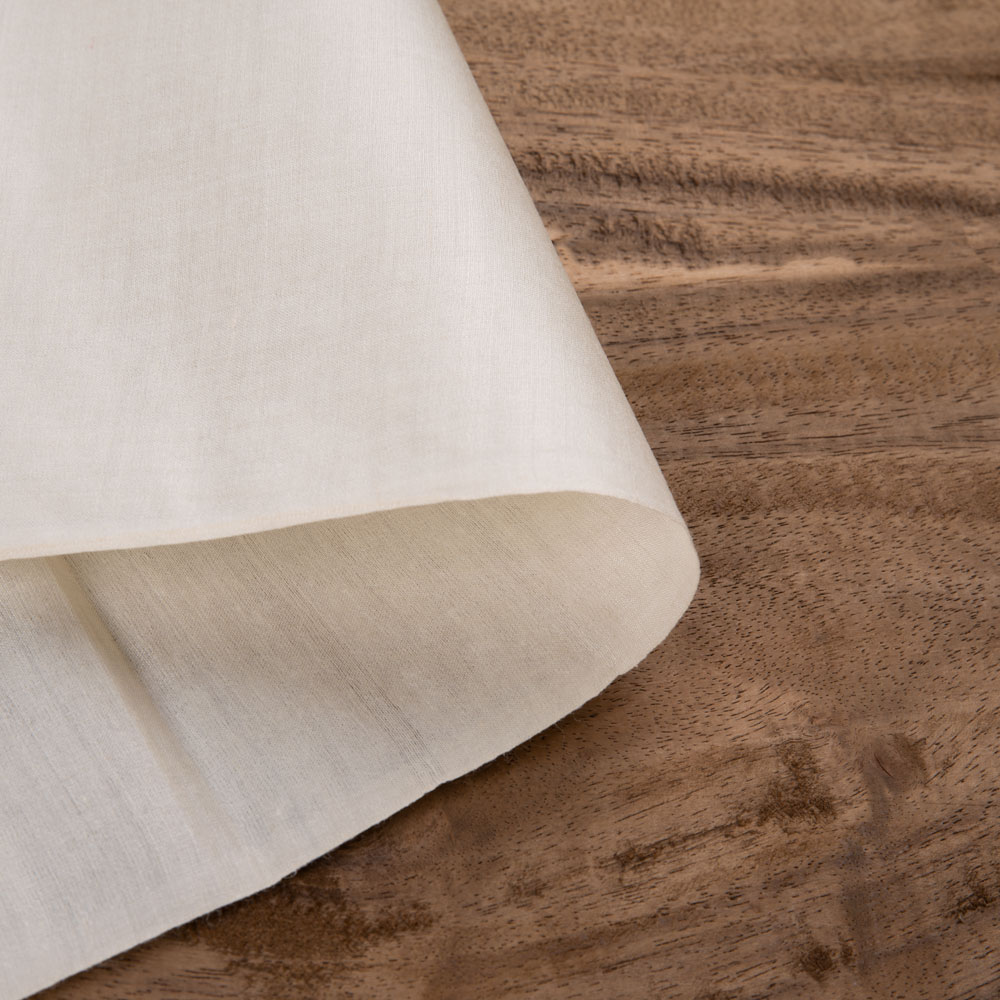
Eri silk is a hand-spun silk produced from the cocoons of the Samia ricini silkworm, primarily cultivated in Northeast and Eastern India. Unlike conventional silk, Eri cocoons are open-ended, allowing the moth to emerge naturally before the fibre is processed. This makes Eri a cruelty-free silk, often referred to as peace silk or Ahimsa silk.
The fibre is spun instead of reeled, giving Eri its distinctive texture and performance characteristics that set it apart from mulberry and tussar silks.
Unique Benefits of Eri Silk
- Cruelty-free by nature
The silkworm is not harmed during cocoon harvesting, aligning Eri with ethical and sustainable sourcing standards. - Thermal adaptability
Naturally regulates temperature, keeping the wearer cool in summer and warm in winter. - Breathable and moisture-absorbent
Comfortable for extended wear and suitable for all-season garments. - Durable and low-sheen
Strong fibre with a matte, understated finish that ages gracefully with use. - Skin-friendly
Soft against the skin and ideal for people sensitive to highly processed or synthetic fabrics.

History and Cultural Significance
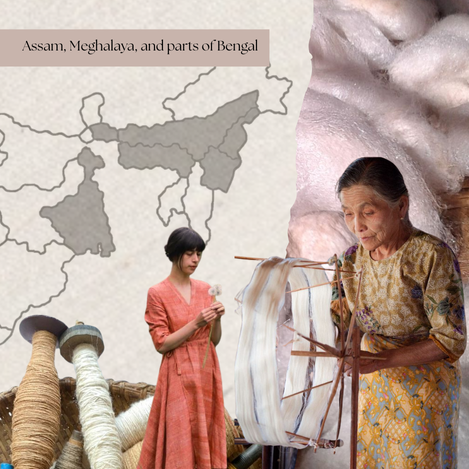
Eri silk has been woven into everyday life in Assam, Meghalaya, and parts of Bengal for centuries. Traditionally used for shawls, wraps and daily-wear garments, Eri was valued not as ceremonial luxury but as a practical, long-lasting textile.
Its association with comfort, warmth, and ethical values has allowed Eri to transition seamlessly into contemporary sustainable fashion without losing its cultural grounding.
The Eri Silk Making Process
STEP 1: SILKWORM REARING
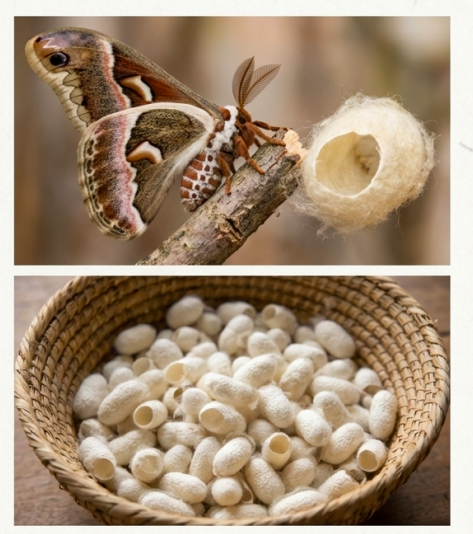
The Samia ricini moth lays eggs that hatch into larvae. These larvae are reared in controlled, small-scale environments and are primarily fed castor leaves. Unlike mulberry silkworms, Eri silkworms spin open-ended cocoons. Once the larvae reach the pupa stage, they stop feeding and begin forming their cocoons.
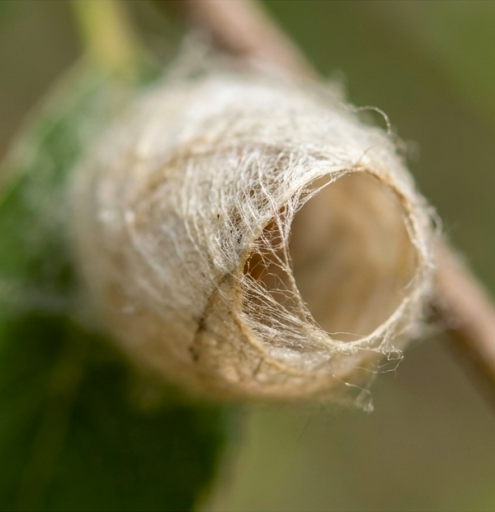
The Eri Silk Making Process: Step 2
STEP 2: NATURAL COCOON FORMATION
The Eri silkworm creates a loose, open-ended cocoon, allowing the moth to emerge naturally after completing its life cycle. Only after the moth exits are the empty cocoons collected, making Eri silk inherently cruelty-free and qualifying it as peace or Ahimsa silk.
The Eri Silk Making Process: Step 3
STEP 3: SOFTENING & DE-GUMMING
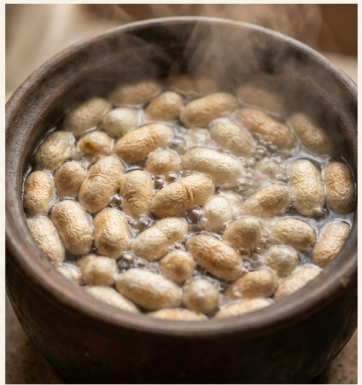
The collected cocoons are gently boiled in water to soften the fibres and remove sericin, the natural gum that binds the silk strands. This process prepares the fibre for spinning while retaining its strength and texture.
The Eri Silk Making Process: Step 4
STEP 4: HAND SPINNING
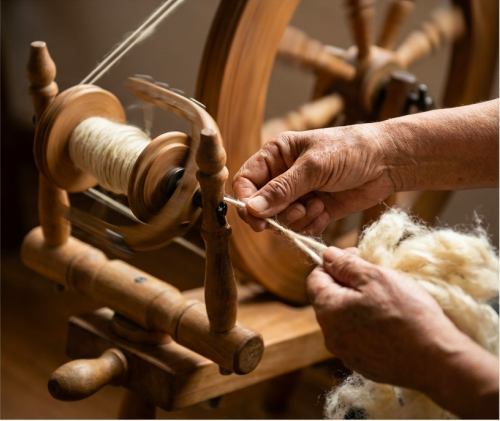
Unlike reeled silks, Eri fibres are spun rather than drawn as continuous filaments. The softened fibres are hand-spun using traditional spinning wheels, similar to cotton or wool spinning, resulting in a strong, uniform yarn with a distinct texture.
The Eri Silk Making Process: Step 5
STEP 5: YARN PREPARATION
The spun yarn is cleaned, evened out, and sometimes lightly twisted to improve consistency and weaving strength. At this stage, the yarn may also be prepared for dyeing, depending on the intended application.
The Eri Silk Making Process: Step 6
STEP 6: WEAVING
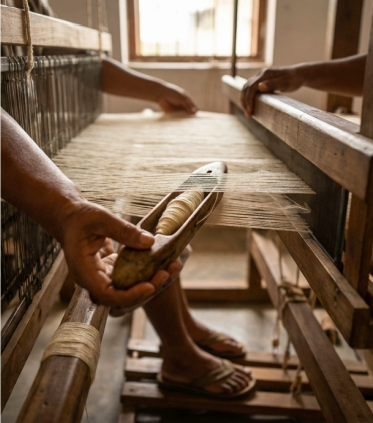
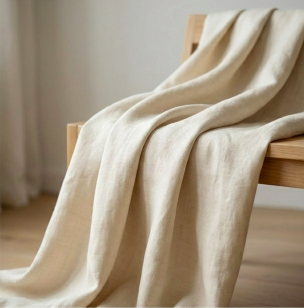
The prepared Eri silk yarn is woven on handlooms using various weaving techniques to create fabric with a soft, matte finish. Once woven, the fabric can be finished naturally or dyed and then used across apparel, accessories, and home textile applications.
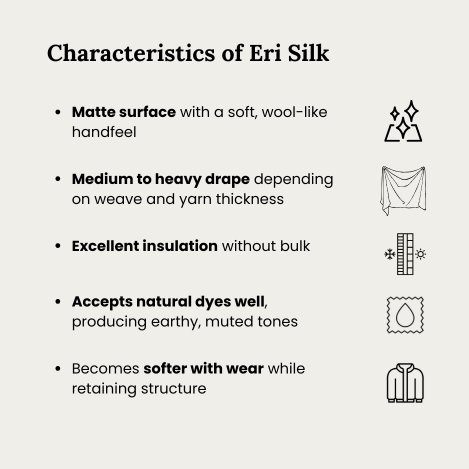
Characteristics of Eri Peace Silk
Applications of Eri Silk
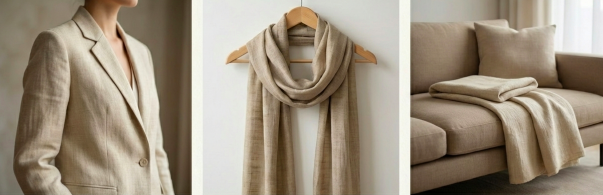
Eri silk is highly versatile and increasingly used across categories:
- Apparel such as tops, dresses, kurtas, jackets, and loungewear
- Scarves, stoles, and wraps for all-season use
- Home textiles including throws, cushion covers, and light upholstery
- Blended fabrics with cotton or wool for added strength and texture
Its balance of comfort and ethics makes it especially suitable for conscious fashion and lifestyle brands.
How to Identify Genuine Eri Silk
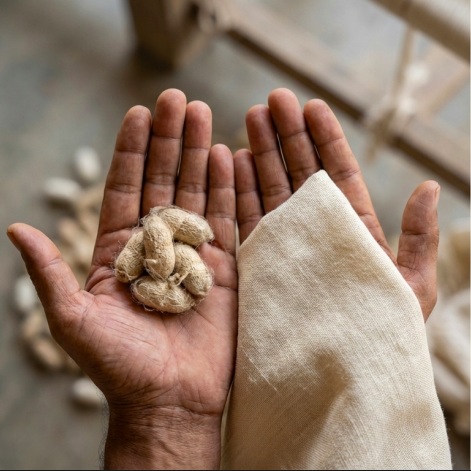
- Texture test: Genuine Eri feels soft yet slightly coarse, not smooth or glossy like mulberry silk.
- Visual appearance: Matte finish with visible fibre character rather than uniform shine.
- Burn test: Burns slowly, smells like burnt hair, and leaves a brittle ash.
- Warmth test: Feels naturally insulating when held for a few seconds.
- Source verification: Authentic Eri usually comes with traceable artisan or cluster-level sourcing.
frequently asked questions
Is Eri silk real silk?
Yes. Eri is a natural silk fibre, produced from silkworm cocoons, though processed differently from mulberry silk.
Why is Eri silk called peace silk?
Because the silkworm is allowed to complete its life cycle before the cocoon is harvested.
Does Eri silk feel like wool?
It has a slightly wool-like warmth and texture but is lighter, more breathable, and less itchy.
Is Eri silk suitable for summer?
Yes. Its breathability and moisture absorption make it comfortable in warm weather as well.
How should Eri silk be cared for?
Gentle hand wash in cold water with mild detergent is recommended. Avoid harsh wringing and direct sunlight for drying.
More Stories

tussar silk

mulberry silk
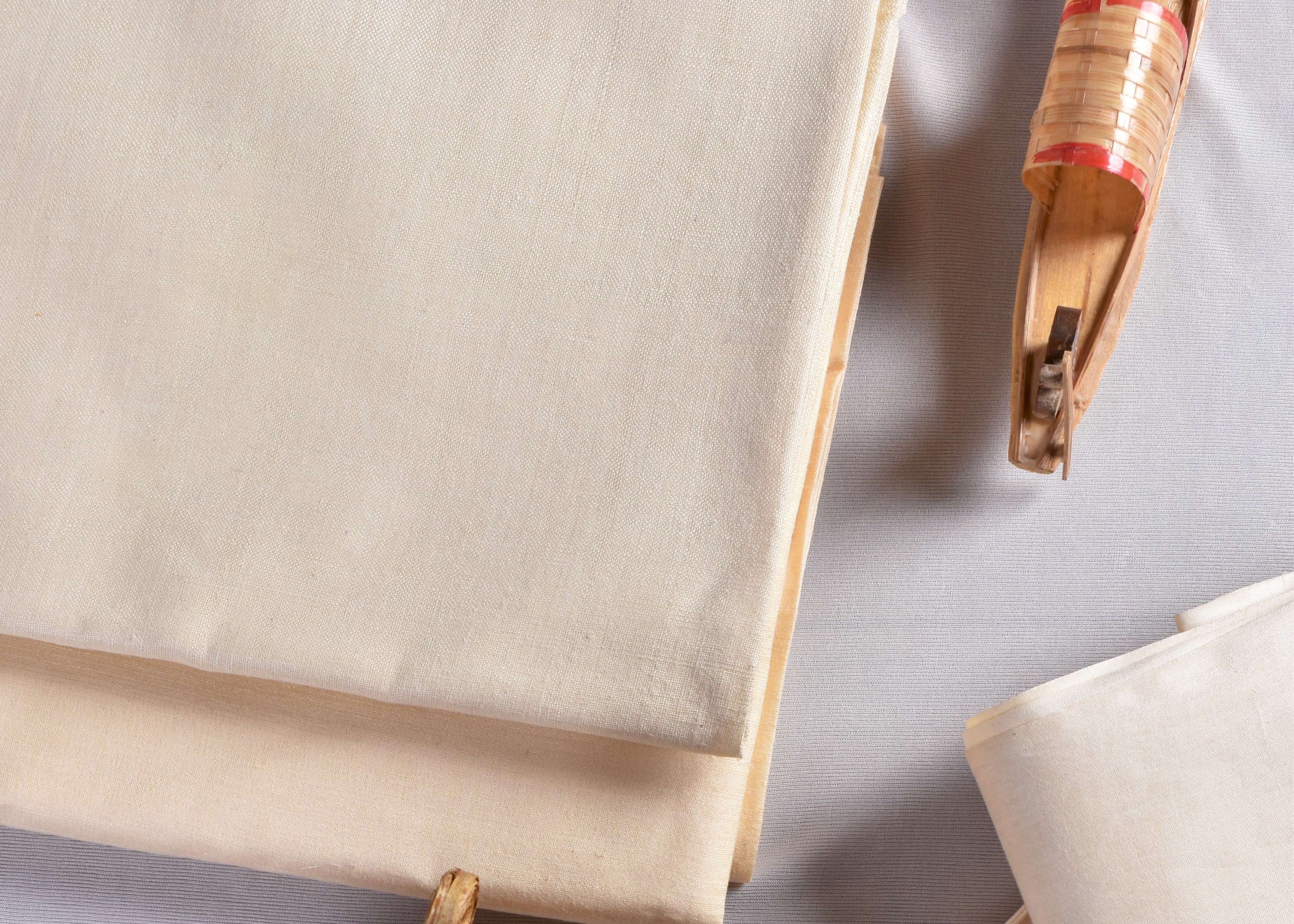
matka peace silk
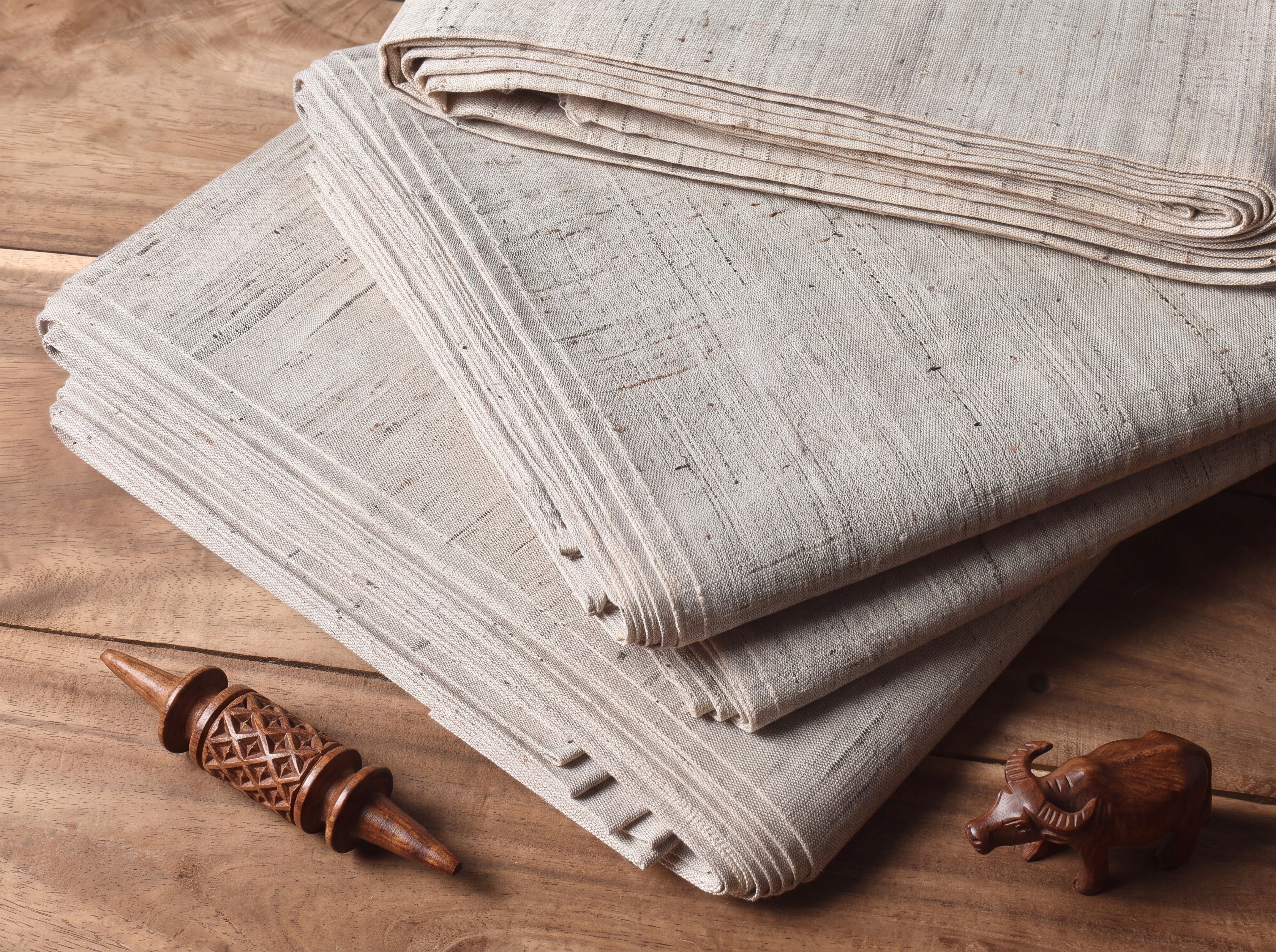
ketya peace silk
eco printing
khesh recycled fabric