Khesh Recycled Fabric

An Upcycled Fabric Rooted in Reuse and Handloom Craft
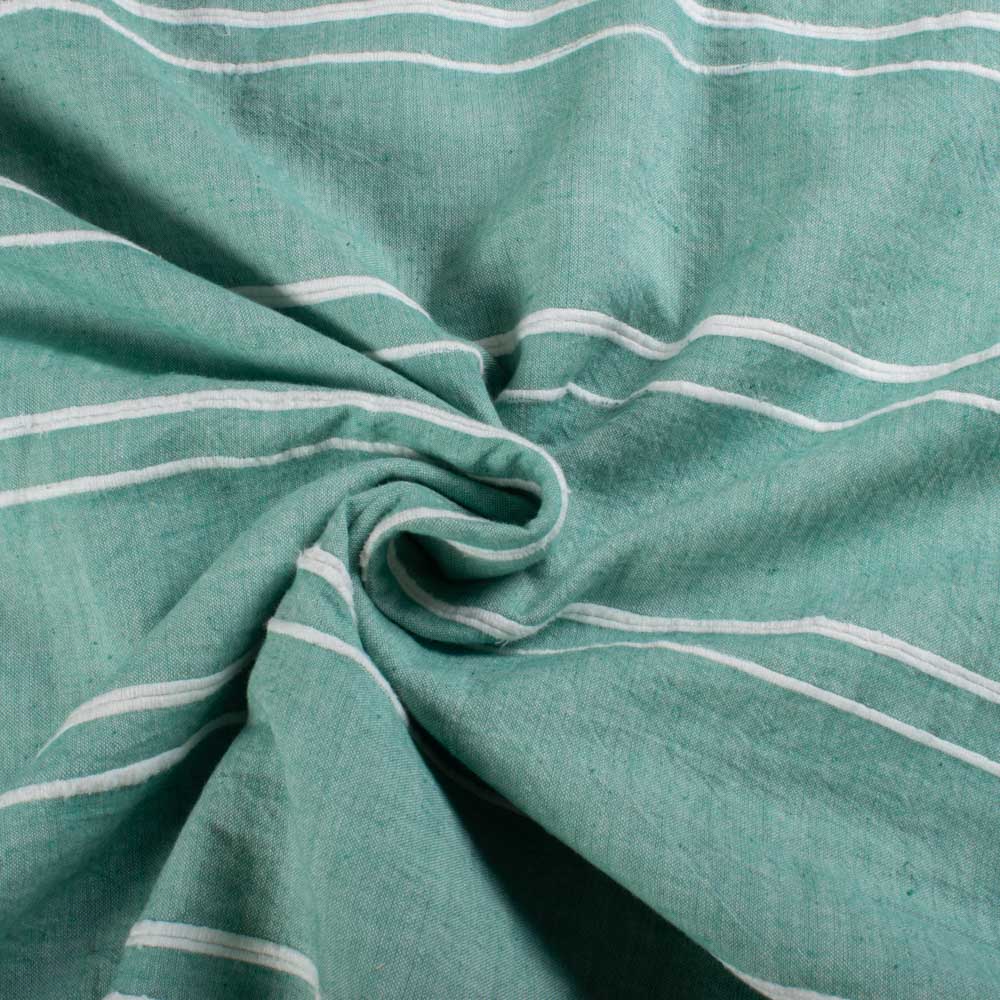
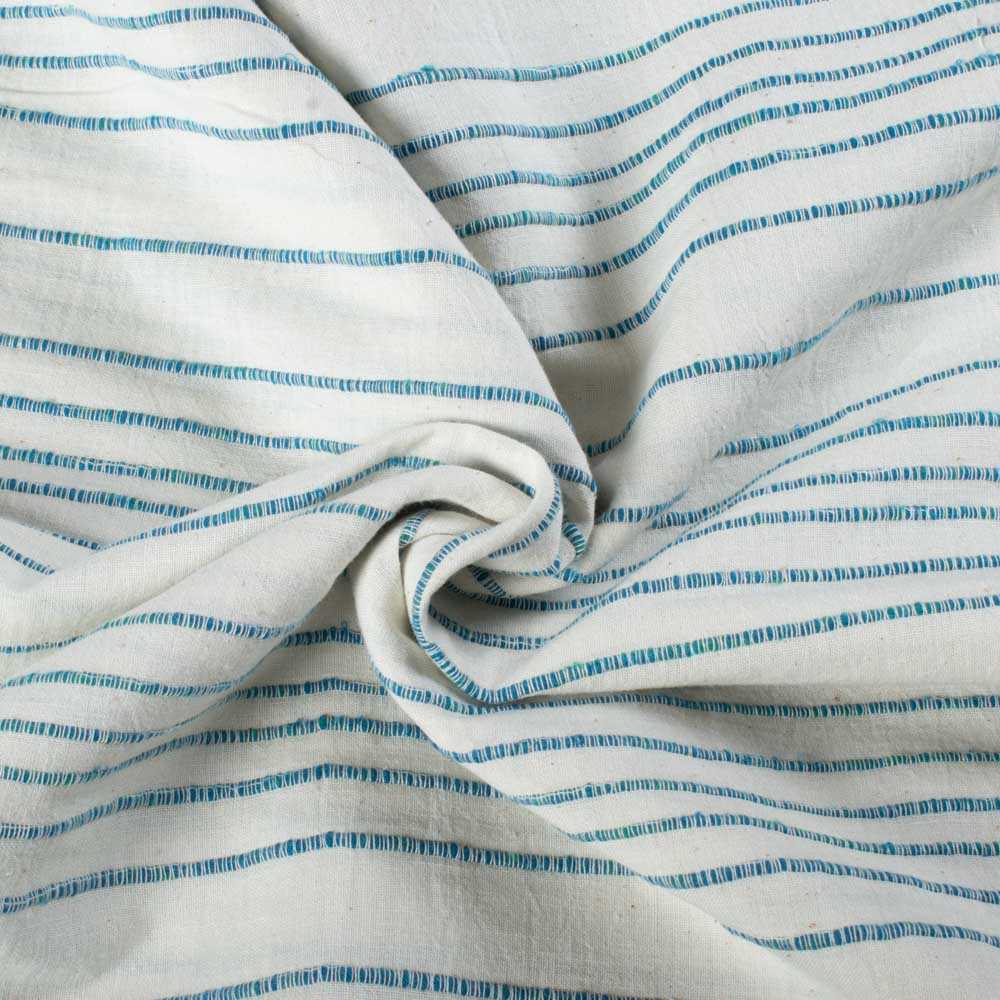
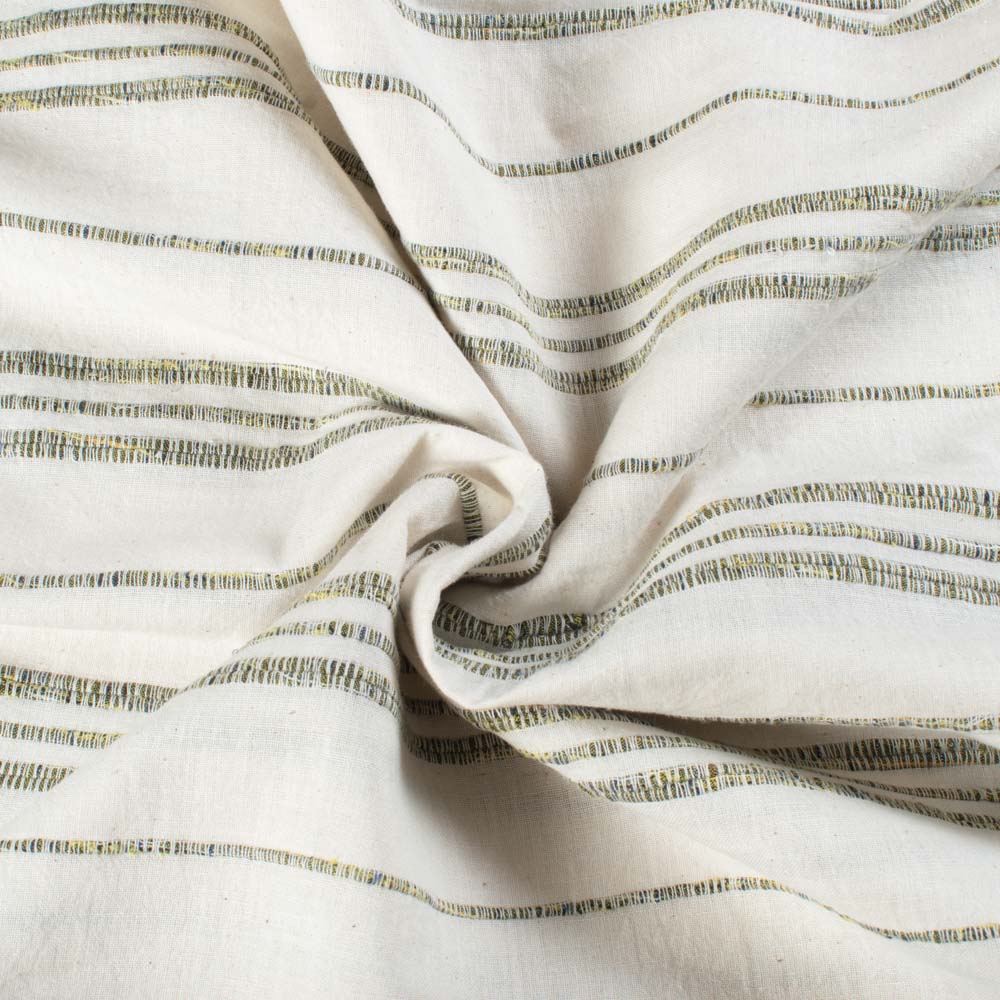
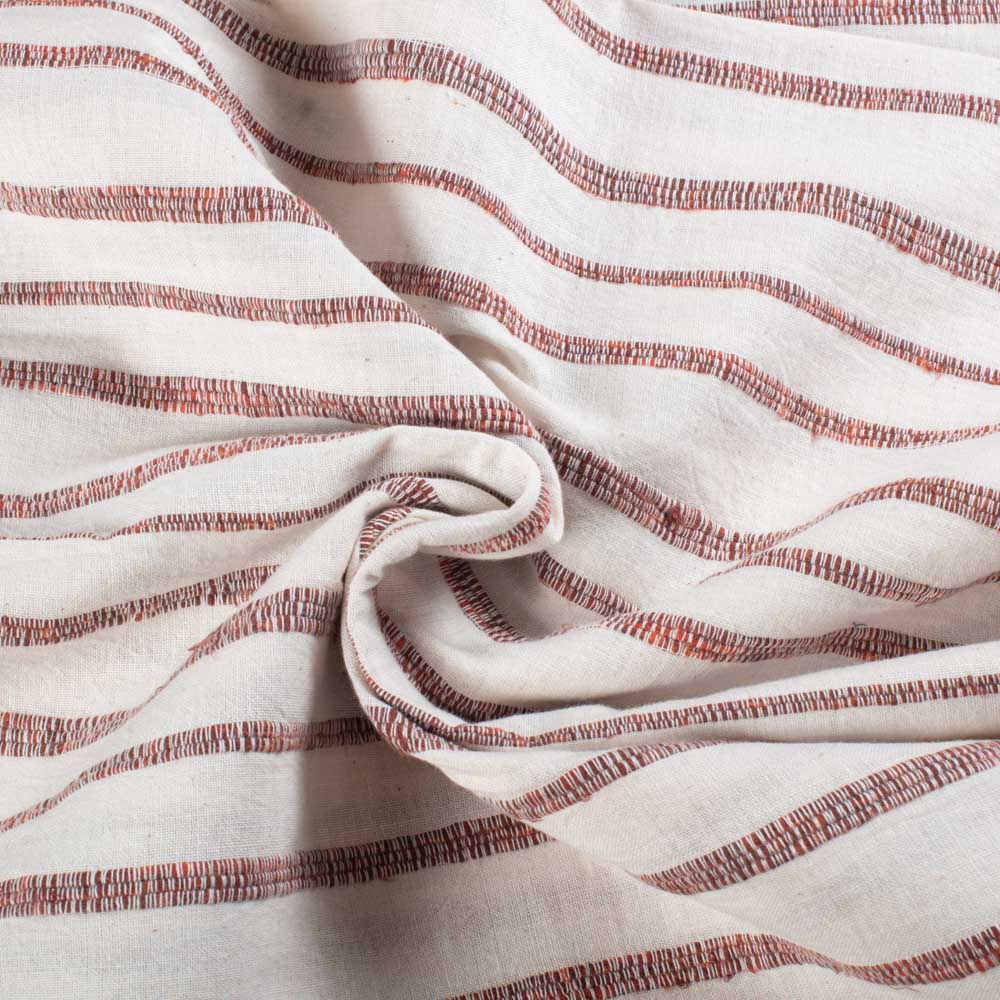
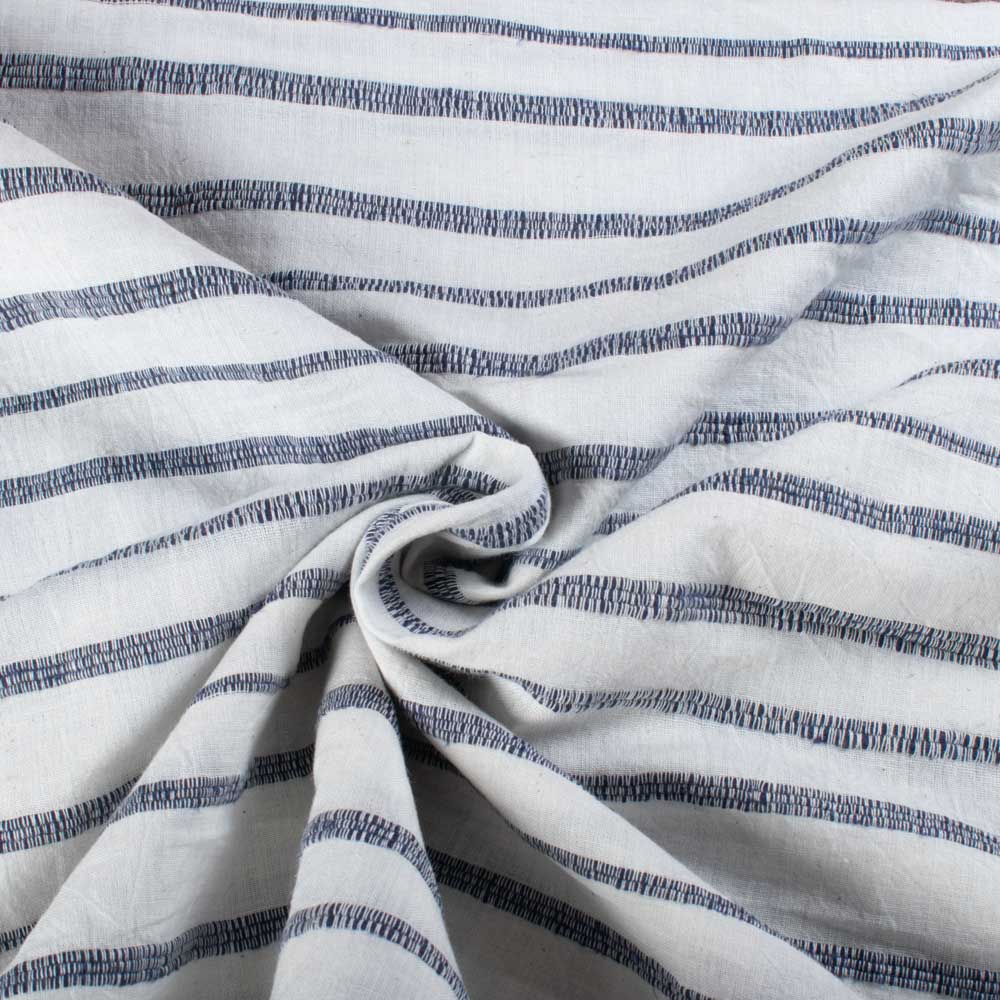
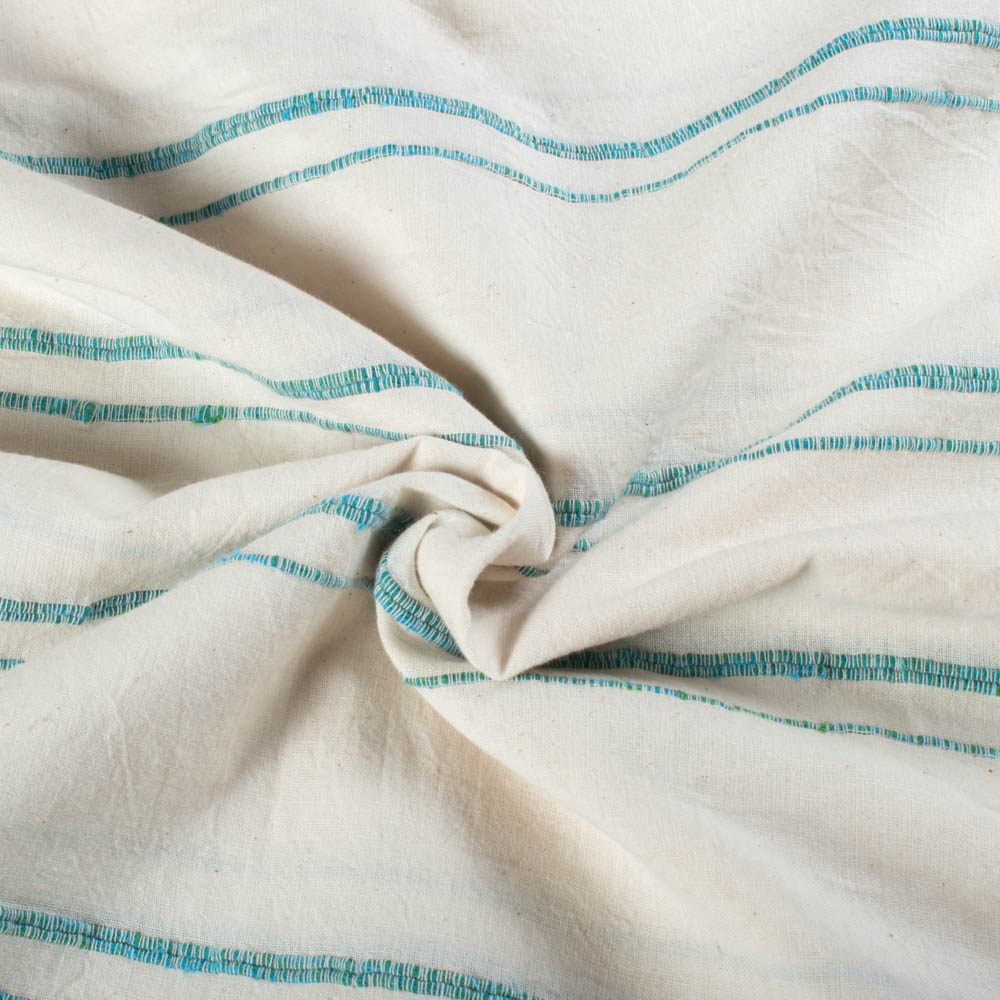
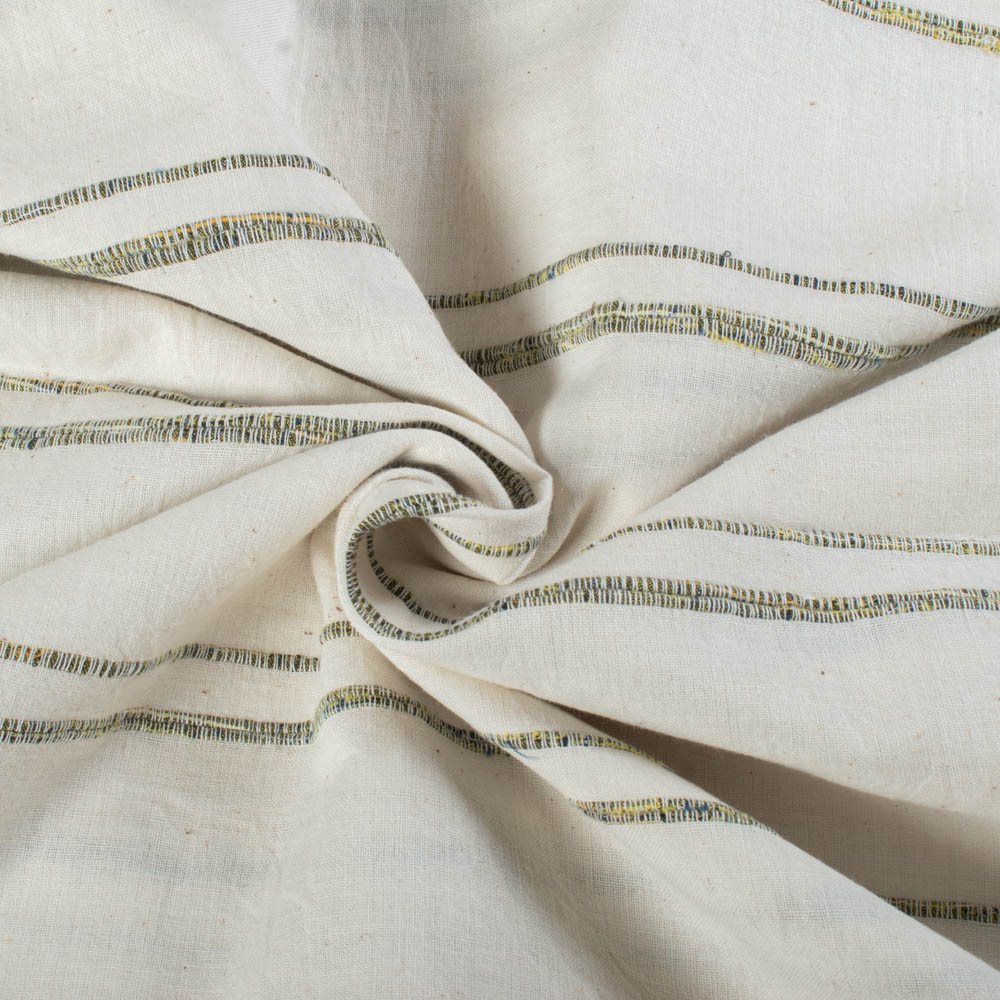
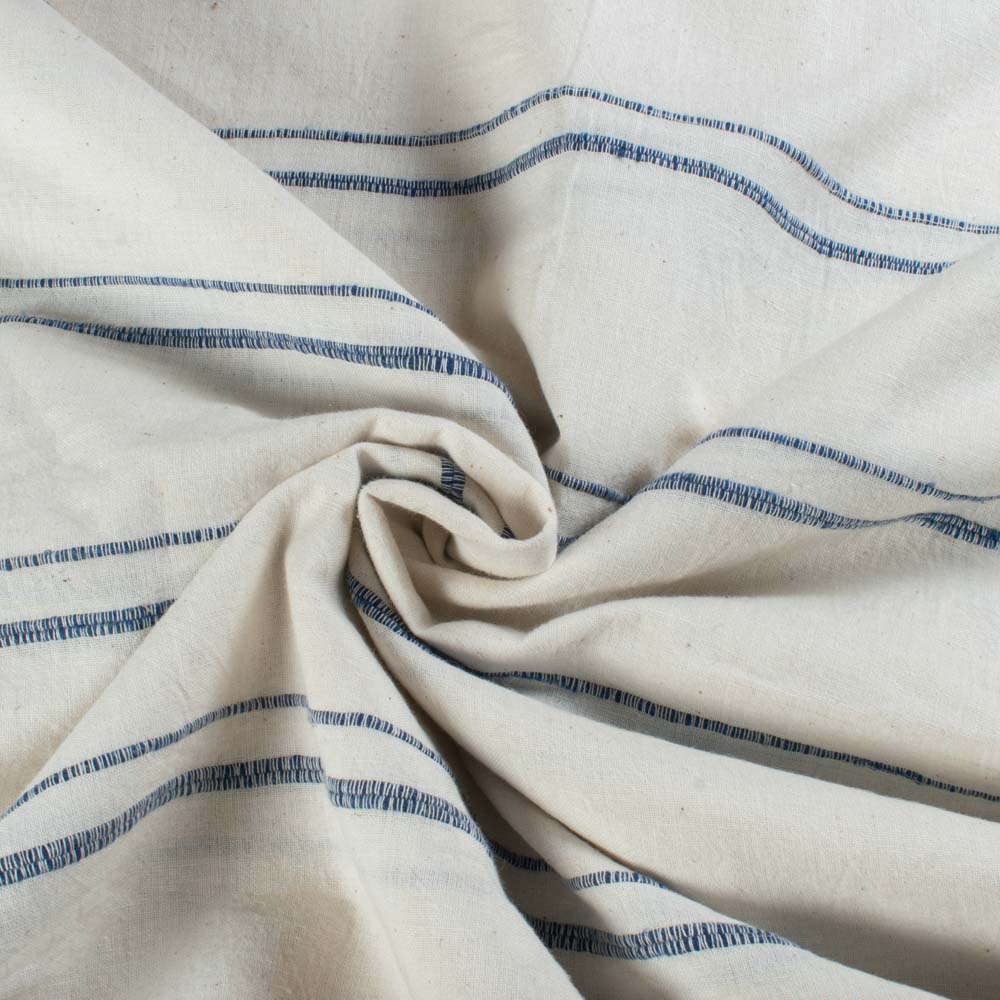
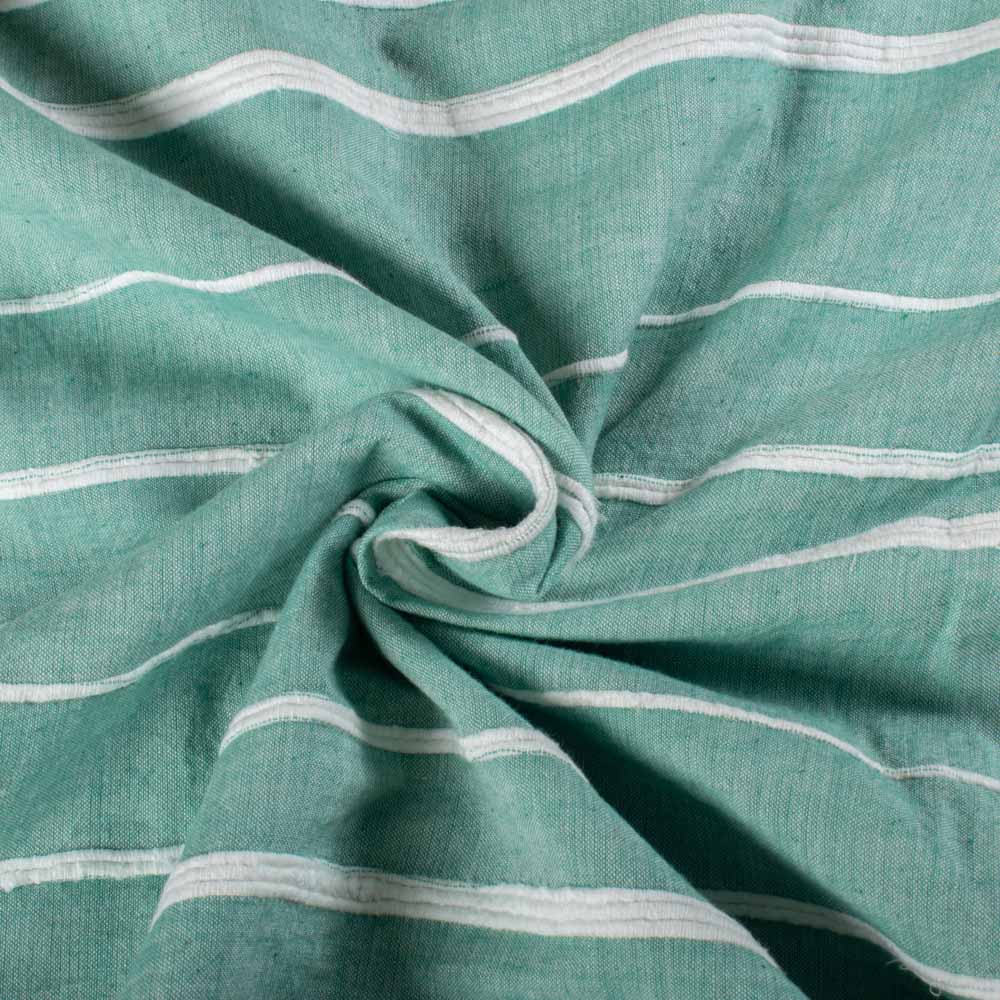
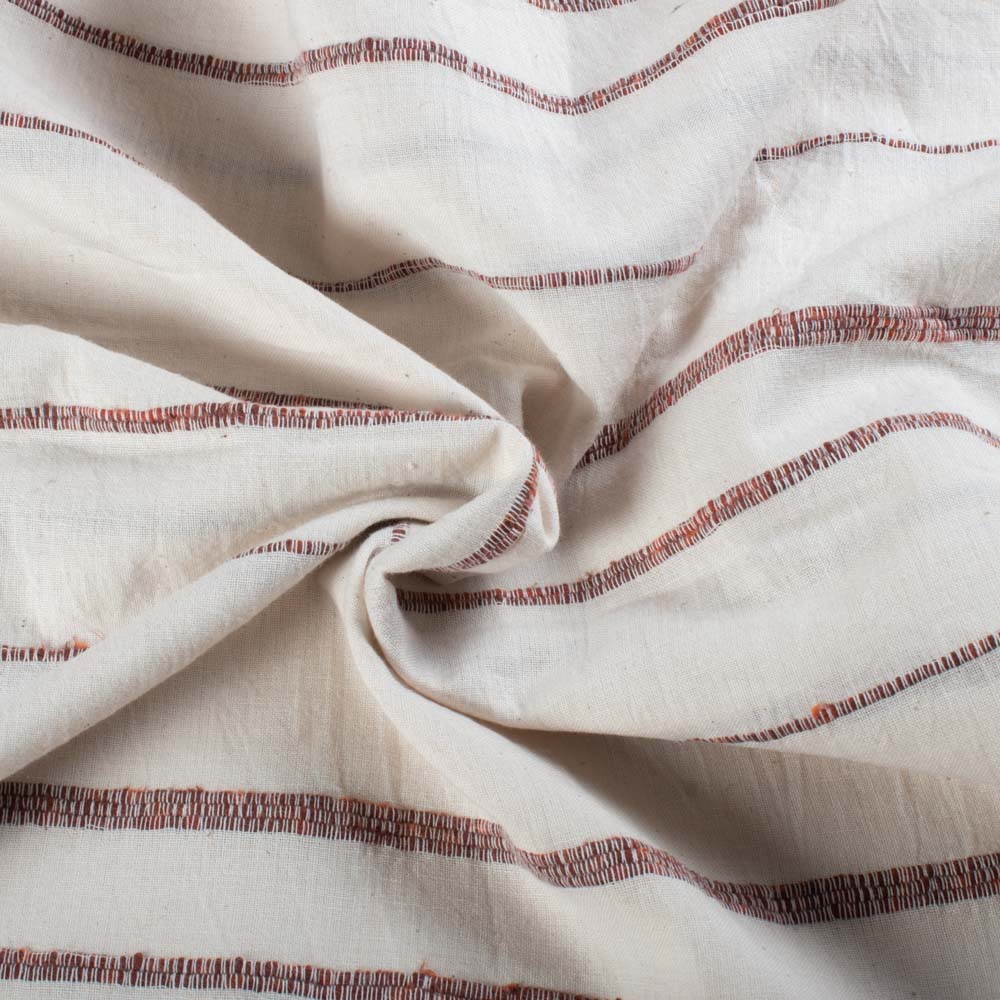
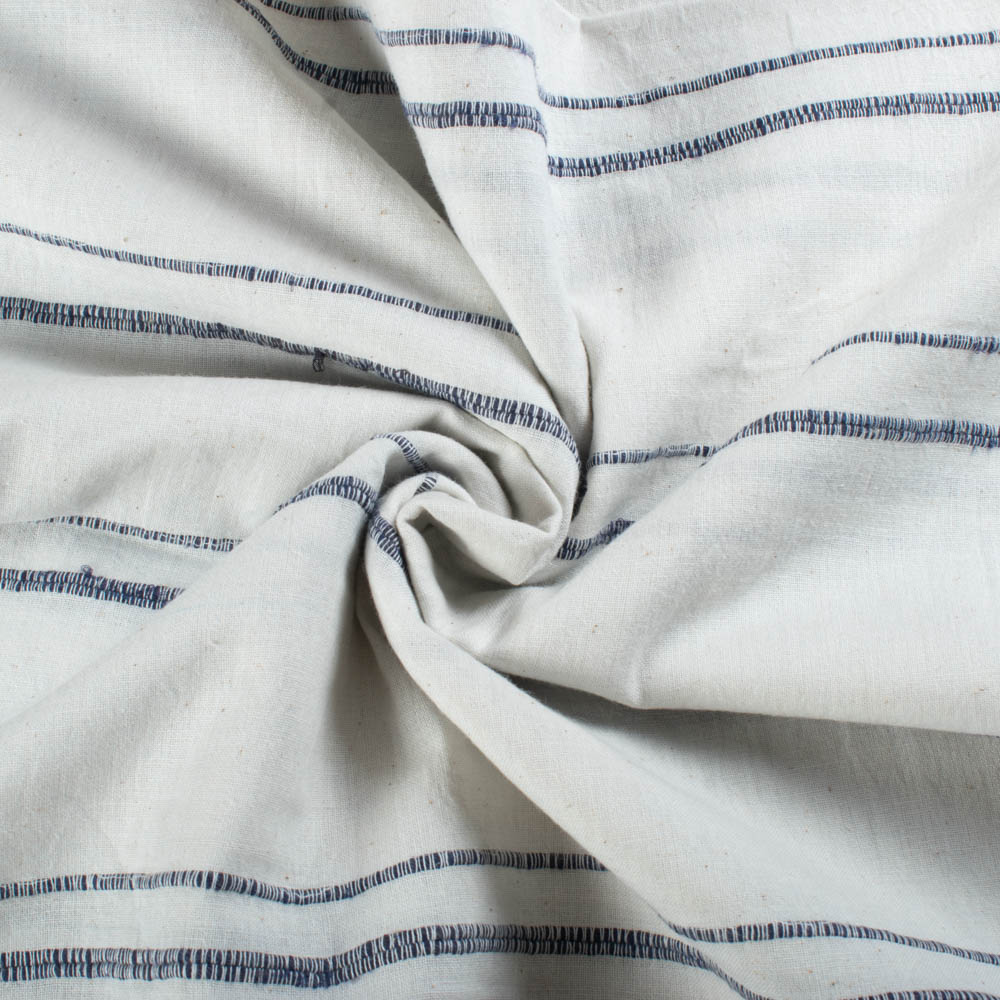
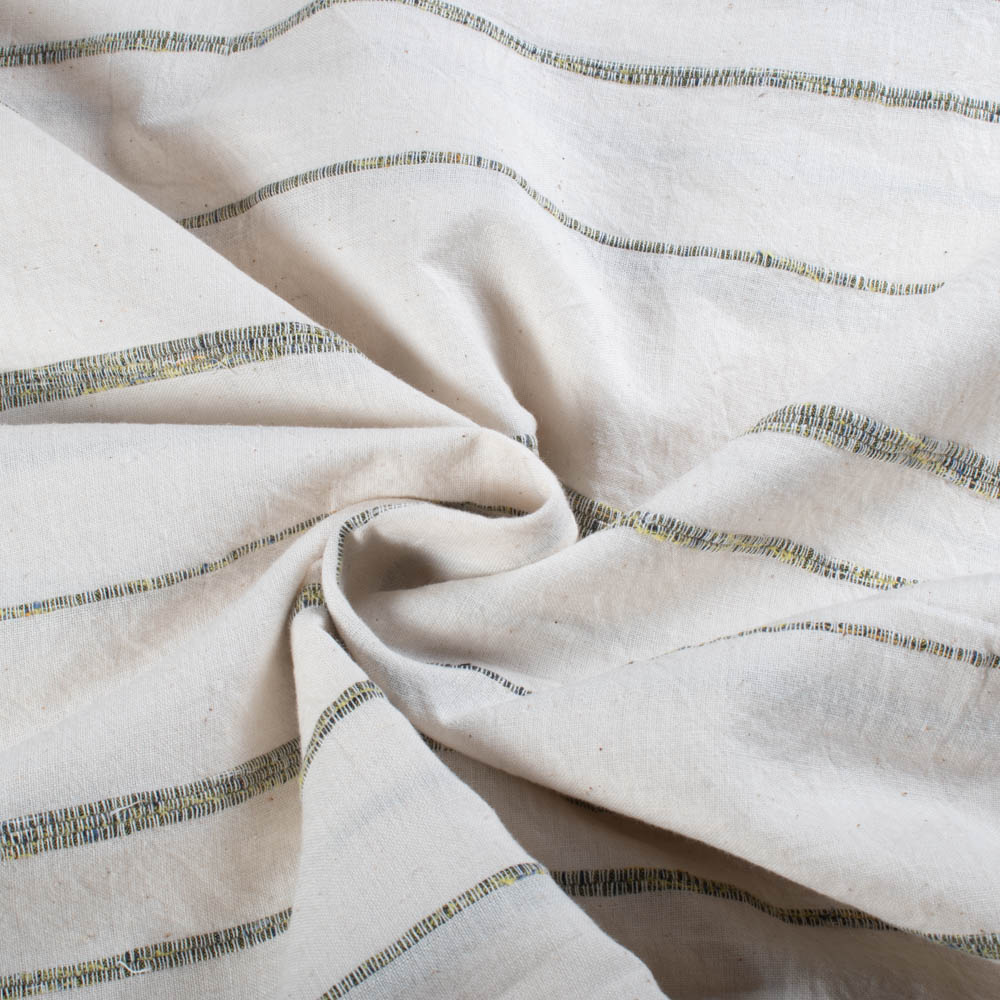
Khesh fabric is a Bengal handloom textile made by giving old cloth a second life. Narrow strips of recycled sarees or surplus fabric are woven with cotton yarn to create a new textile with visible texture, shifting colour movement, and natural variation. It is upcycled by process, not by marketing language. The reuse is built directly into the way the fabric is made.
It is sustainable not because it says so loudly, but because reuse is built into the way it is made.
What Is Khesh Fabric?
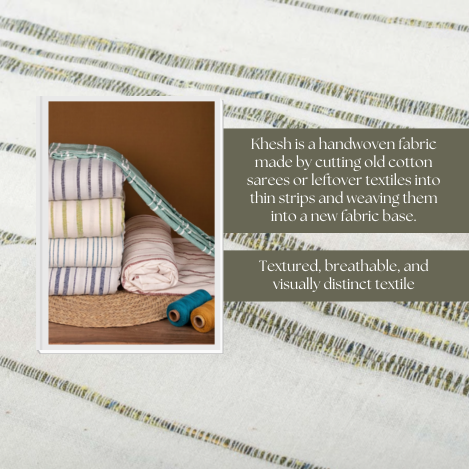
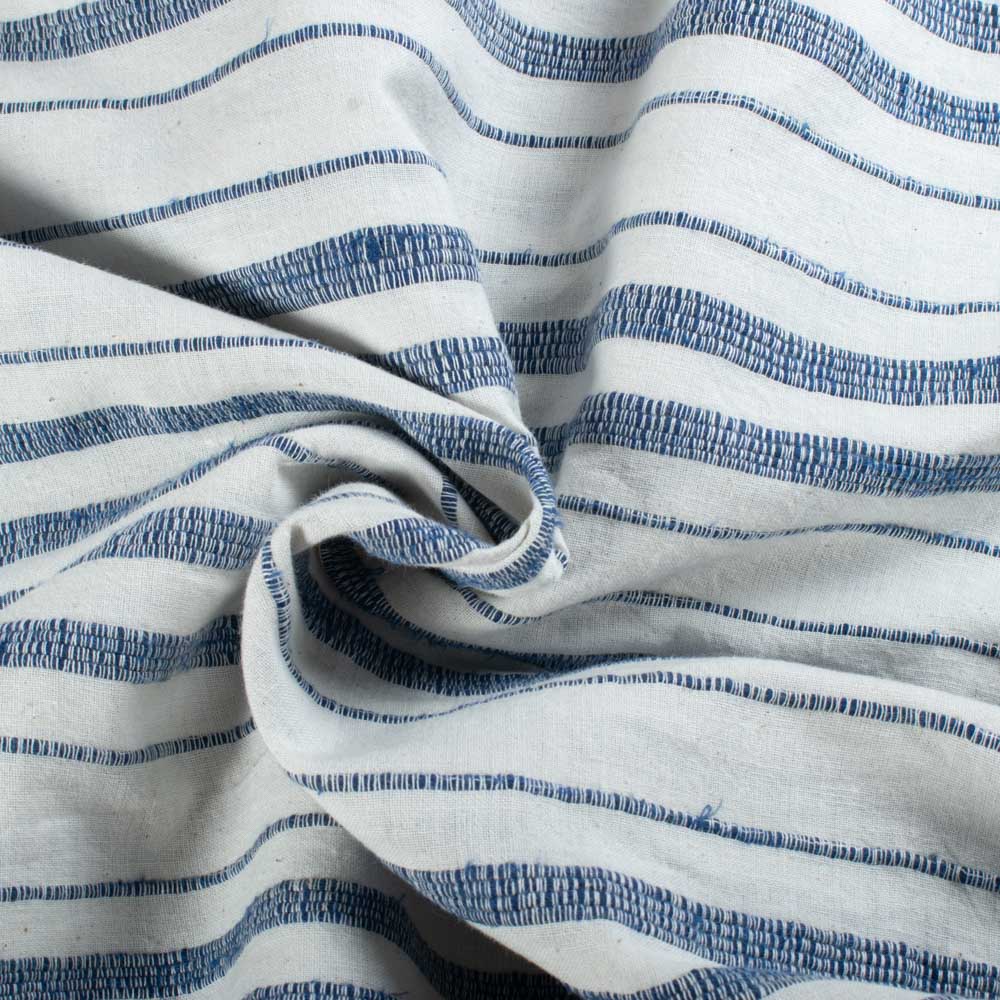
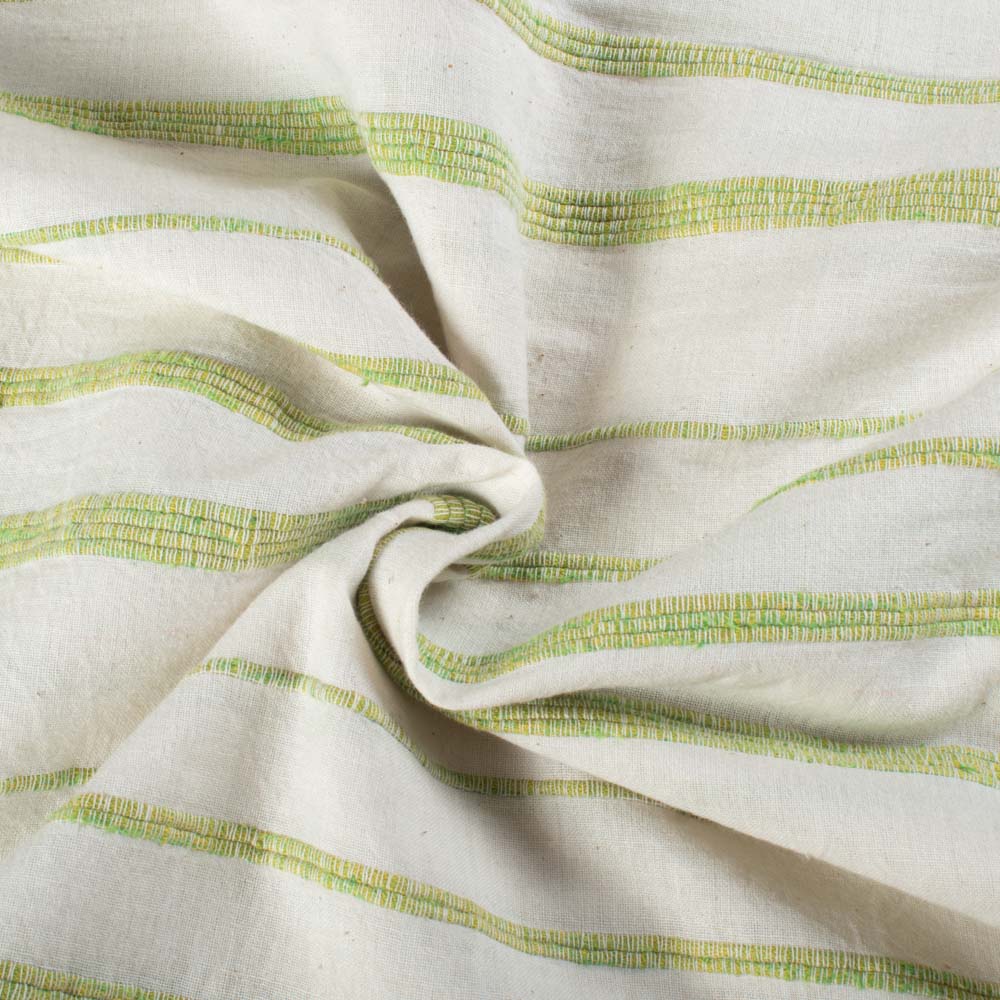
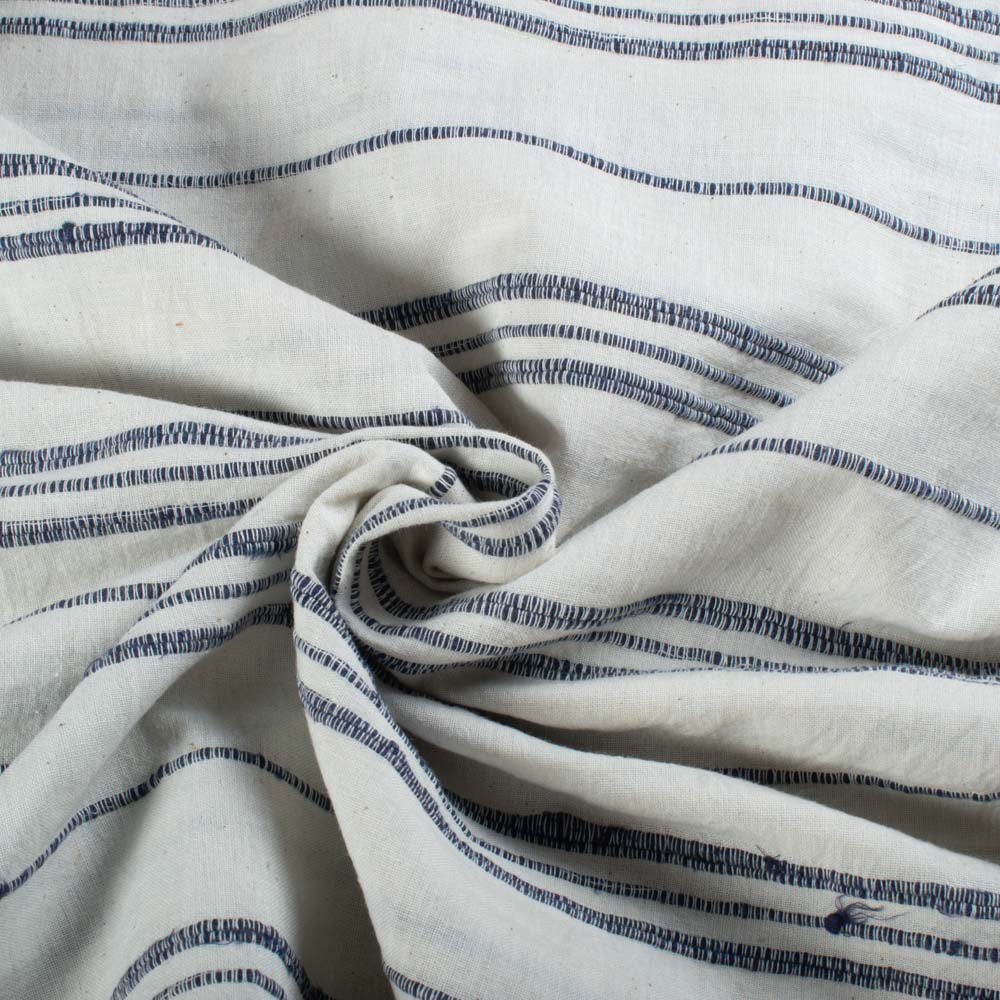
Khesh is a handwoven upcycled fabric made by cutting old cotton sarees or leftover textiles into narrow strips and weaving them into a fresh fabric structure. The recycled fabric strips are generally used as the weft, while cotton yarn forms the warp that holds the textile together.
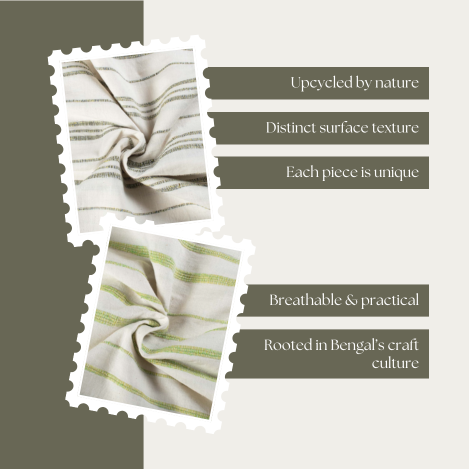
This gives Khesh its textured surface, breathable feel and naturally uneven colour movement. Because the reused cloth changes with every batch, each Khesh fabric develops its own character. No two pieces are exactly the same, which is the whole point.
Unique Benefits of Khesh Fabric
- Upcycled by nature
Made using reused fabric strips, reducing textile waste through craft. - Distinct surface texture
The woven strips create a tactile, handmade character. - Each piece is unique
Colour, pattern, and texture vary depending on the reused cloth. - Breathable and practical
Comfortable for apparel, accessories, and home textiles. - Rooted in Bengal’s craft culture
A textile tradition shaped by resourcefulness, reuse, and handloom skill.
History and Cultural Significance
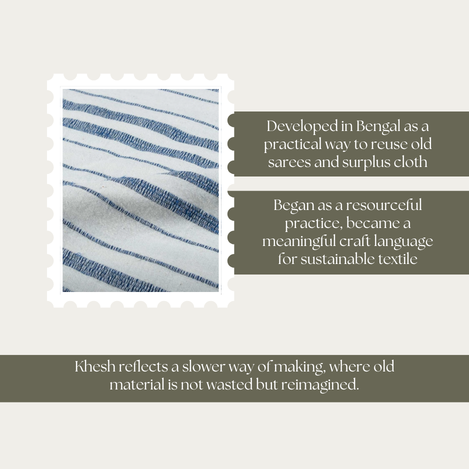
Khesh developed in Bengal as a practical way to reuse old sarees and surplus cloth. Instead of discarding worn textiles, artisans transformed them into new handwoven fabric with fresh purpose.
What began as a resourceful practice has become a meaningful craft language for sustainable fashion and interiors. Khesh reflects a slower way of making, where old material is not wasted but reimagined.
The Khesh Fabric Making Process
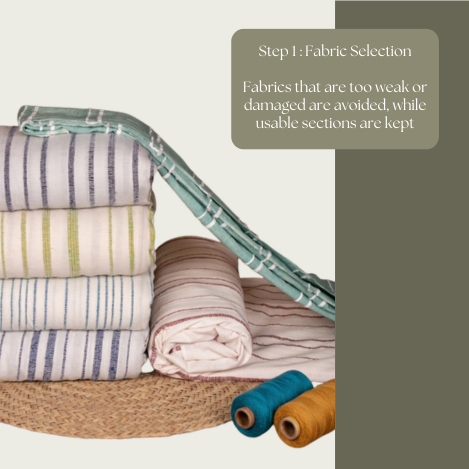
STEP 1: FABRIC SELECTION
The process begins with carefully selecting old sarees, surplus cotton fabrics, or leftover textile pieces. Artisans look at the strength, colour, texture, and usability of the material before choosing it for weaving. Fabrics that are too weak or damaged are avoided, while usable sections are kept for the next stage.
STEP 2: CLEANING AND SORTING
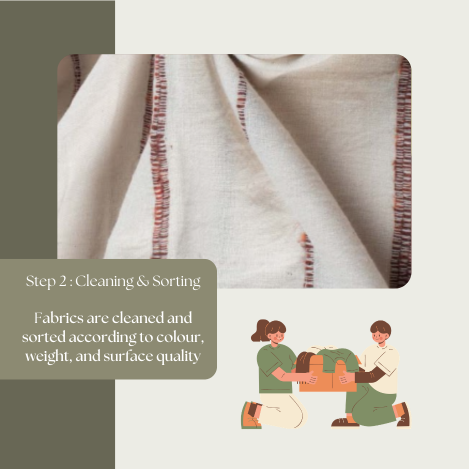
Once selected, the fabrics are cleaned and sorted according to colour, weight, and surface quality. This helps artisans decide how the strips will behave during weaving and how the final fabric may appear. The sorting stage is important because Khesh does not rely on printed design. Its character comes from the material itself.
STEP 3: CUTTING INTO STRIPS
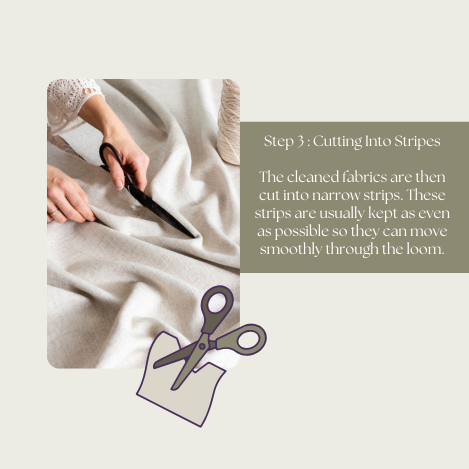
The cleaned fabrics are then cut into narrow strips. These strips are usually kept as even as possible so they can move smoothly through the loom. Slight variation is natural and often adds to the texture of Khesh. This is where old cloth begins its second life, which sounds dramatic, but for once, the drama is useful.
STEP 4: WARP PREPARATION
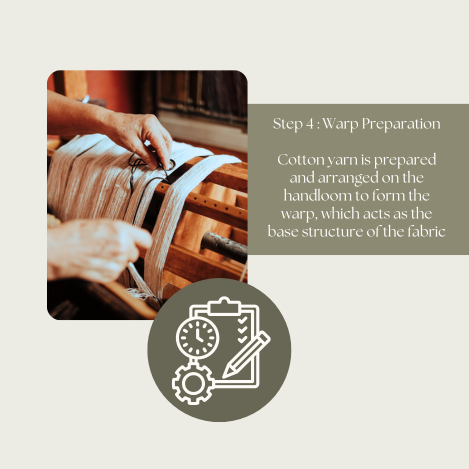
Cotton yarn is prepared and arranged on the handloom to form the warp, which acts as the base structure of the fabric. The warp needs to be strong and steady because it holds the reused fabric strips in place during weaving. This balance between fresh yarn and reused cloth gives Khesh both strength and softness.
STEP 5: HANDLOOM WEAVING
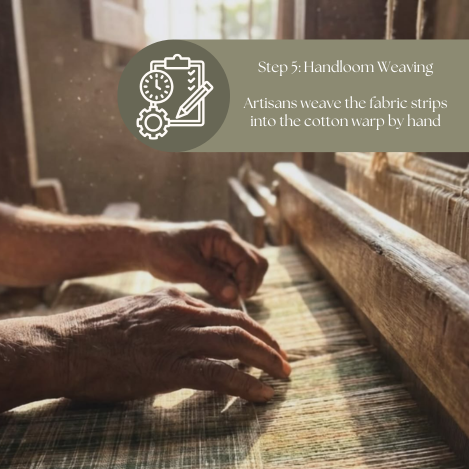
Artisans weave the fabric strips into the cotton warp by hand. As the strips pass through the loom, colours, prints, and textures from the old fabric begin to form a new surface. Since every strip is different, the pattern develops naturally rather than through a fixed design layout.
STEP 6: FINISHING
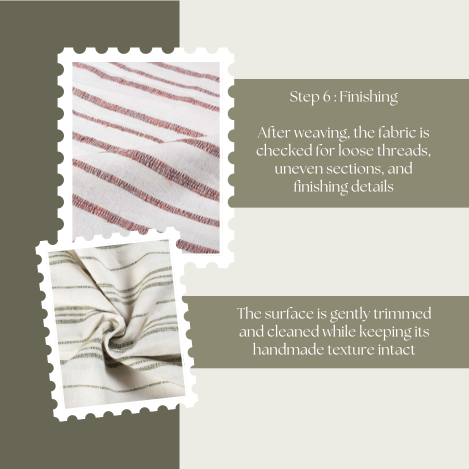
After weaving, the fabric is checked for loose threads, uneven sections, and finishing details. The surface is gently trimmed and cleaned while keeping its handmade texture intact. The final Khesh fabric carries visible variation, soft structure, and a layered story of reuse shaped through handloom craft.
Characteristics of Khesh Fabric
Applications of Khesh Fabric
Khesh is used across fashion and lifestyle categories:
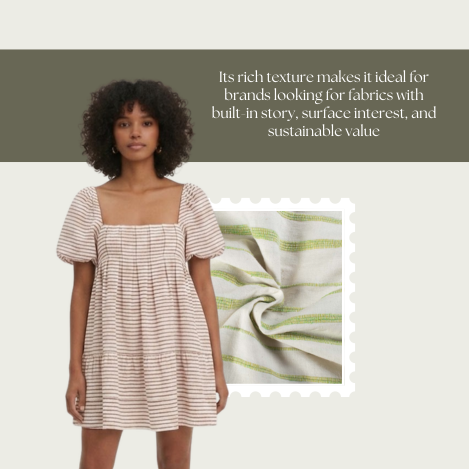
- Apparel such as jackets, dresses, tops, skirts, and kurtas
- Accessories such as bags, pouches, scarves, and craft products
- Home textiles such as cushion covers, runners, throws, and wall accents
Its rich texture makes it ideal for brands looking for fabrics with built-in story, surface interest and sustainable value.
How to Identify Genuine Khesh Fabric
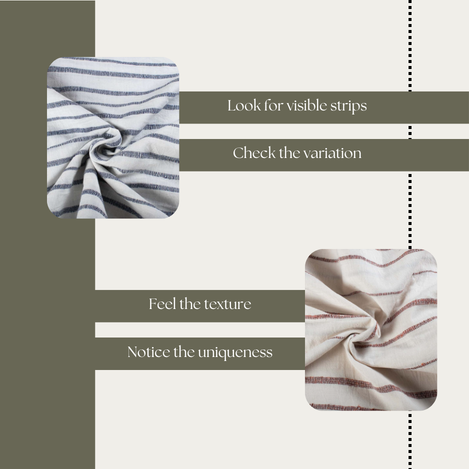
- Look for visible strips
Authentic Khesh shows narrow fabric strips woven into the surface. - Check the variation
The colour rhythm is irregular and natural, not perfectly repeated. - Feel the texture
Khesh has a tactile surface because cloth strips are woven into the fabric. - Notice the uniqueness
Small differences in pattern and texture are part of the craft.
most asked questions
Is Khesh fabric sustainable?
Yes. Khesh is made by reusing old sarees or surplus fabric, making it a low-waste textile.
Is Khesh fabric handwoven?
Yes. Traditional Khesh is woven on handlooms using fabric strips and cotton yarn.
Why does every Khesh fabric look different?
Because each fabric uses different reused cloth, resulting in natural variation
What is Khesh fabric used for?
Khesh is used for apparel, bags, cushion covers, runners, throws, and lifestyle products.
How should Khesh fabric be cared for?
Gentle hand wash or dry cleaning is recommended, depending on the final product.
More Stories

piece dyed fabrics
yarn dyed khadi cotton
handwoven merino wool
handwoven linen
eco printing
madhubani wall art