A Designer’s Guide to Types of Twill, Jacquard, Honeycomb & More

Understanding the building blocks of fabric to elevate your design language.
In the world of textiles, fiber and dye may get all the attention — but weave structure is the hidden hero. It dictates how a fabric behaves, feels, drapes, and even breathes. For designers, understanding weaves isn’t just technical — it’s creative. It gives you control over silhouette, texture, and emotion, and helps you select or develop the right fabric for your vision.
At Anuprerna, we work with a variety of heritage and contemporary weaves, each handwoven by artisans to bring depth, dimension, and durability to your fabrics. In this blog, we break down some of the most popular and design-relevant weaves used today — including Types of Twill, Jacquard, Honeycomb, and others — so you can make confident, informed decisions when building your next collection.
The Foundation: Understanding Types of Weave Basics
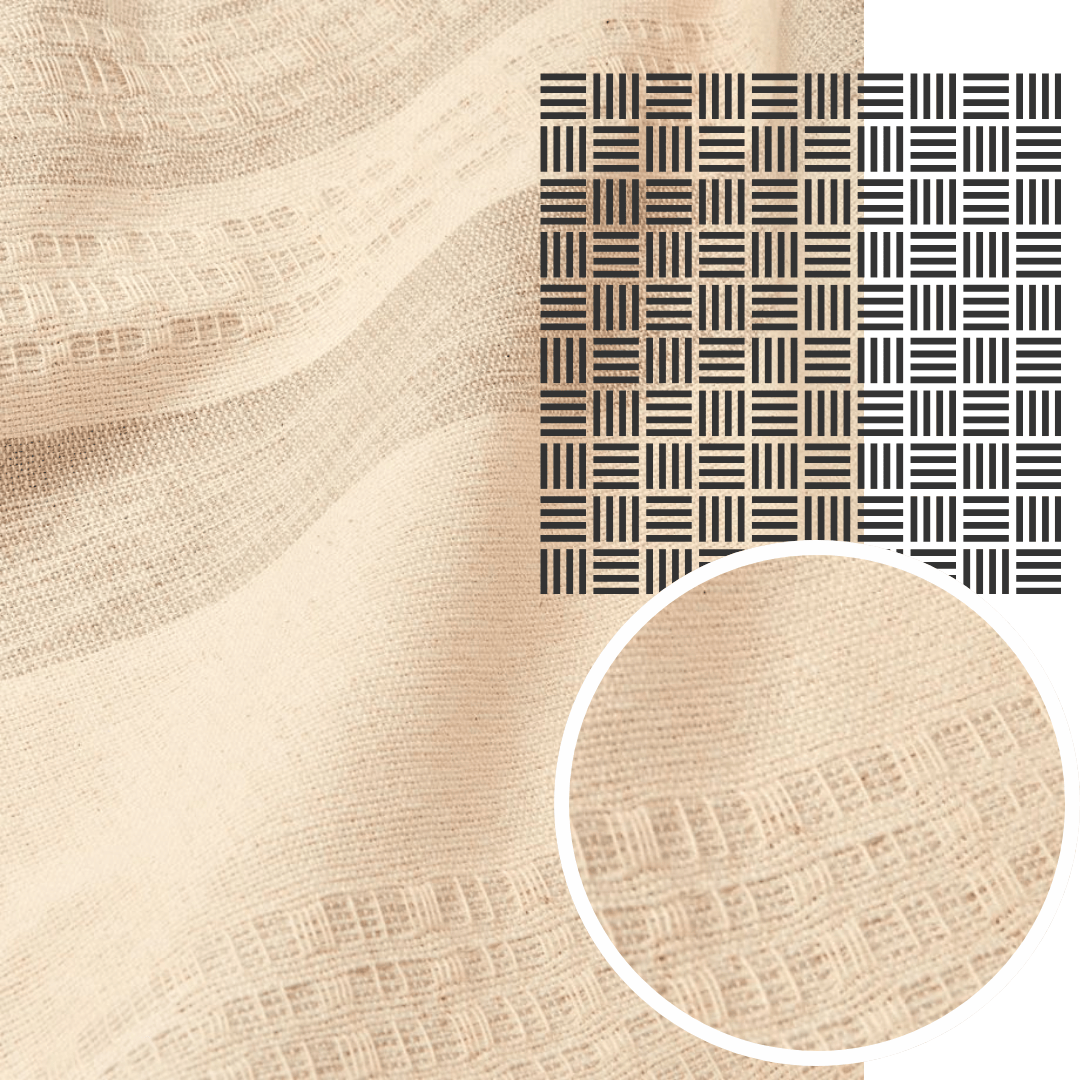
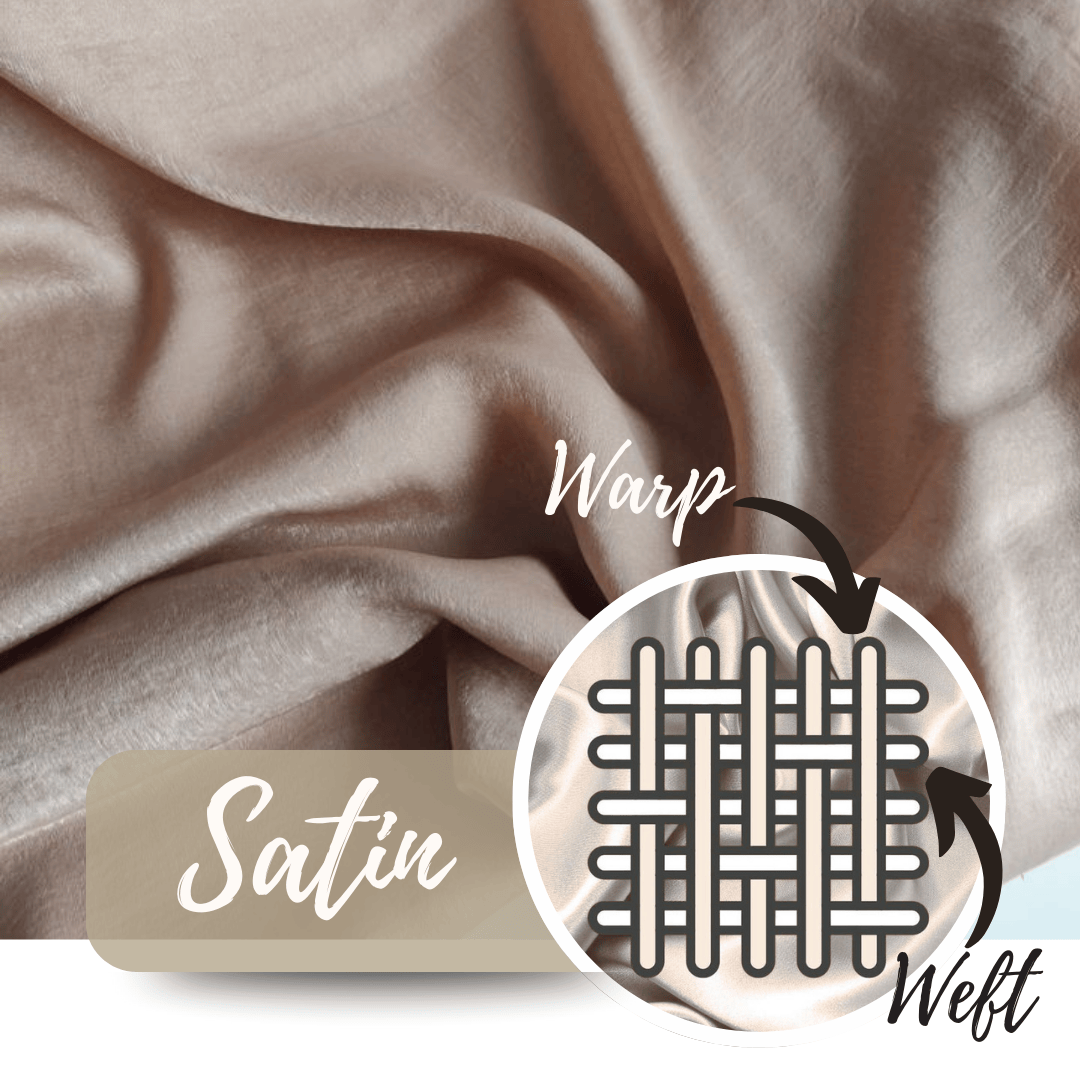
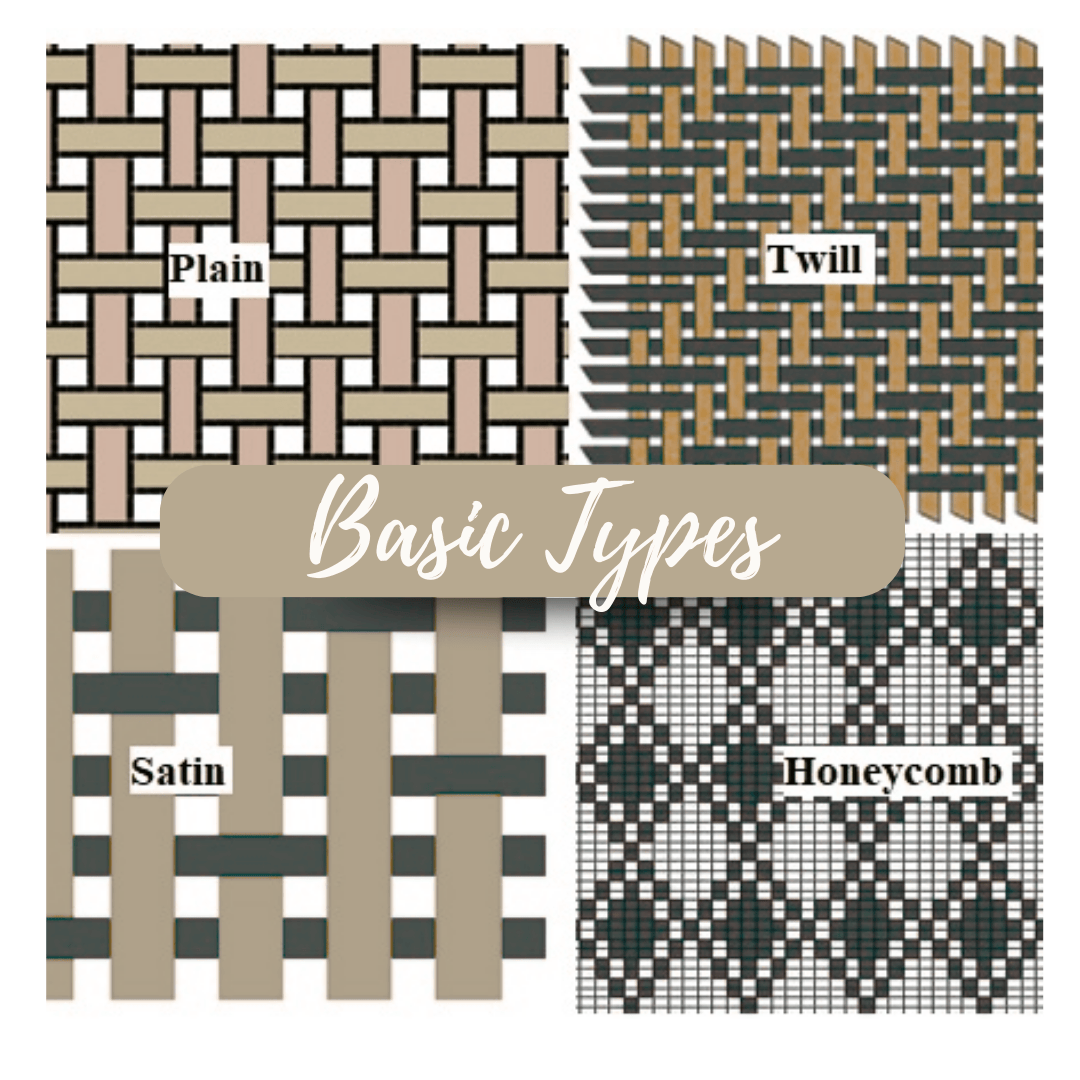
Before diving into specific weaves, it's crucial to grasp the fundamental principles of weaving. Woven fabrics are created by interlacing two sets of yarns at right angles:
- Warp: The lengthwise yarns held taut on the loom.
- Weft (or Filling): The crosswise yarns that are passed over and under the warp yarns.
The manner in which these warp and weft yarns interlace determines the weave structure, and consequently, the fabric's properties. The three basic types of weaves are plain, twill, and satin. It includes Types of twills and from these, countless variations and complex structures emerge.
Twill Weave: Strength in Structure
What is it?
Twill is identified by its diagonal rib or wale, created by passing the weft thread over one or more warp threads in a staggered pattern.
Key Features:
- Strong and resilient
- Drapes well without being too fluid
- Recognizable diagonal surface pattern
Best Used For:
- Structured garments: jackets, trousers, outerwear, drill cloth, khaki uniforms, denim cloth, blankets, shirting's, hangings and soft furnishings
- Trans-seasonal separates needing shape and durability
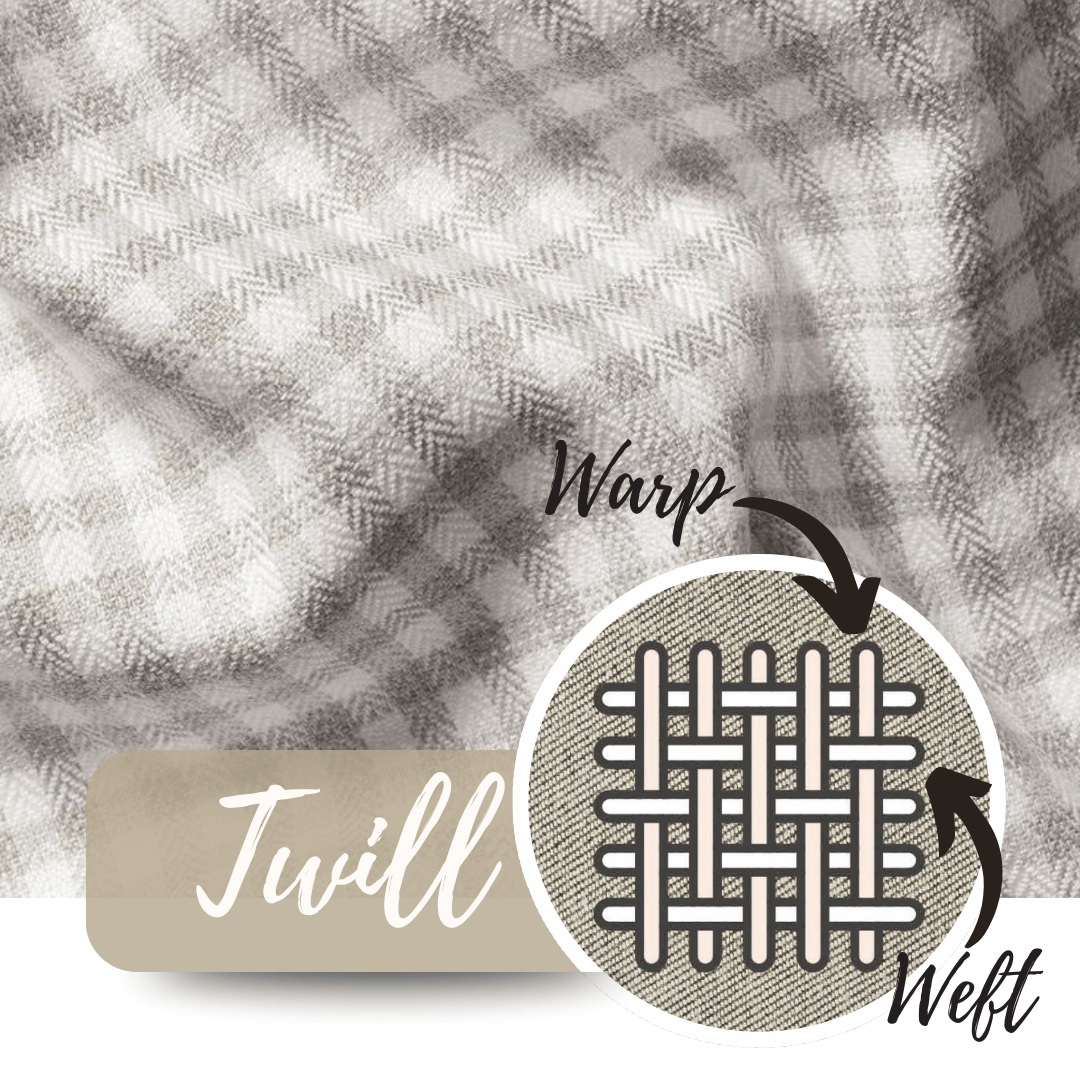
Anuprerna Insight:
Our handwoven cotton twill offers an earthy, rustic take on this industrial weave — ideal for slow fashion labels that want strength without sacrificing texture.
Design Tip:
Use twill for structured garments like jackets, tailored trousers, or workwear-inspired co-ords. Twill also resists wrinkles and drapes well — ideal for minimalist fashion with a functional edge.
Plain Weave: The Minimalist’s Foundation
What is it?
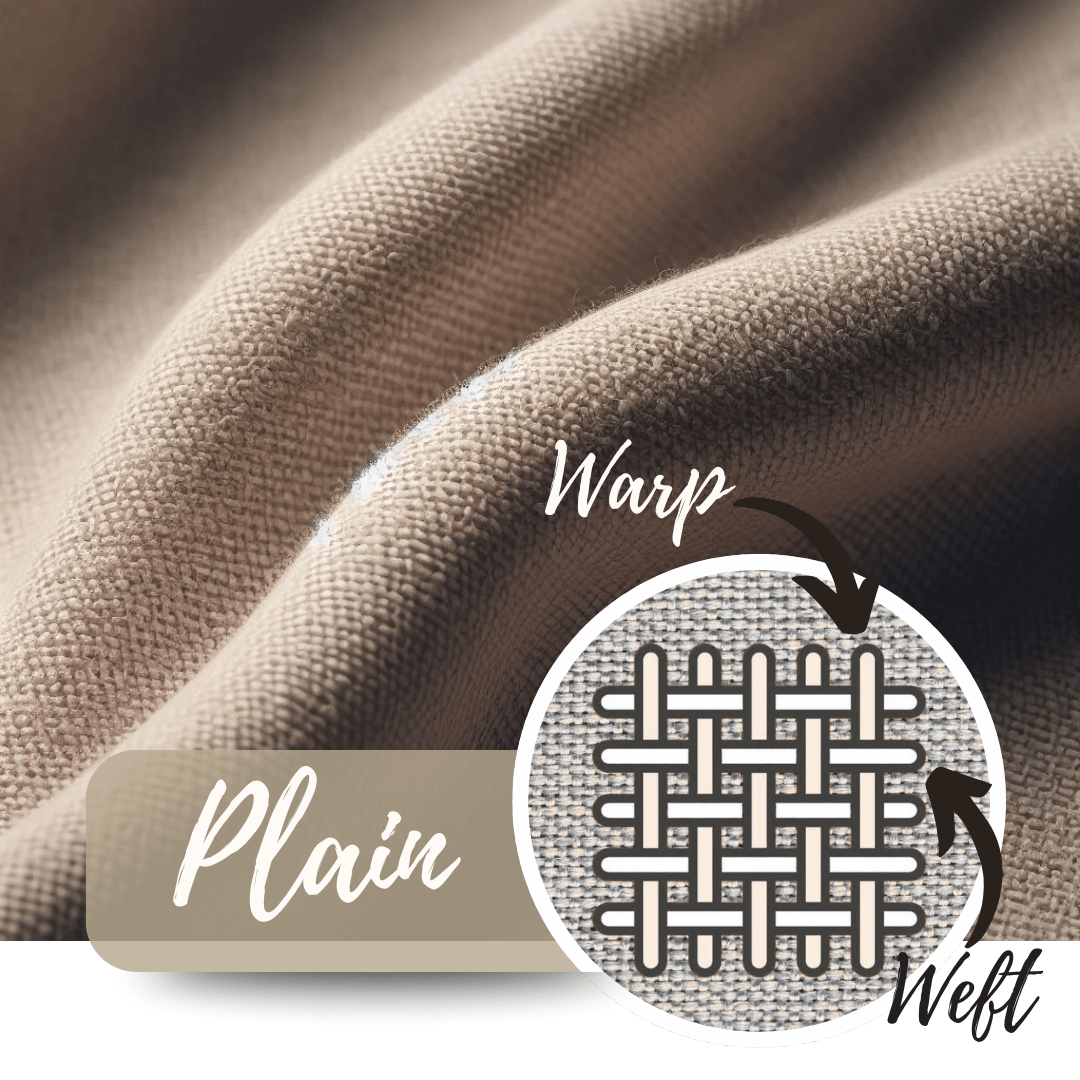
The most basic weave where warp and weft threads cross alternately, forming a balanced, grid-like pattern.
Key Features:
- Uniform texture
- Lightweight and versatile
- Clean, crisp finish
Best Used For:
- Shirts, dresses, kurtas, linings, accessories
- Fabrics that need print or embroidery applications
Anuprerna Insight:
We offer handspun plain-weave khadi and cotton, which may seem simple but tell profound stories of craft and comfort.
Design Tip:
Use plain weaves as a base canvas for block printing, embroidery, or bold silhouettes. Their clean structure makes them perfect for everyday essentials like shirts, wrap dresses, or boxy fits.
Jacquard Weave: Patterned by the Loom
What is it?
Jacquard is not a print — it’s a weave that forms intricate patterns directly in the fabric using a specialized loom attachment. Each warp thread is individually controlled to create florals, geometrics, or abstract motifs.
Key Features:
- Visually rich and dimensional
- Complex, elegant textures
- Slightly heavier than plain weaves
Best Used For:
- Occasion wear, statement pieces, textile-focused fashion
- Home textiles, cushions, and luxurious trims
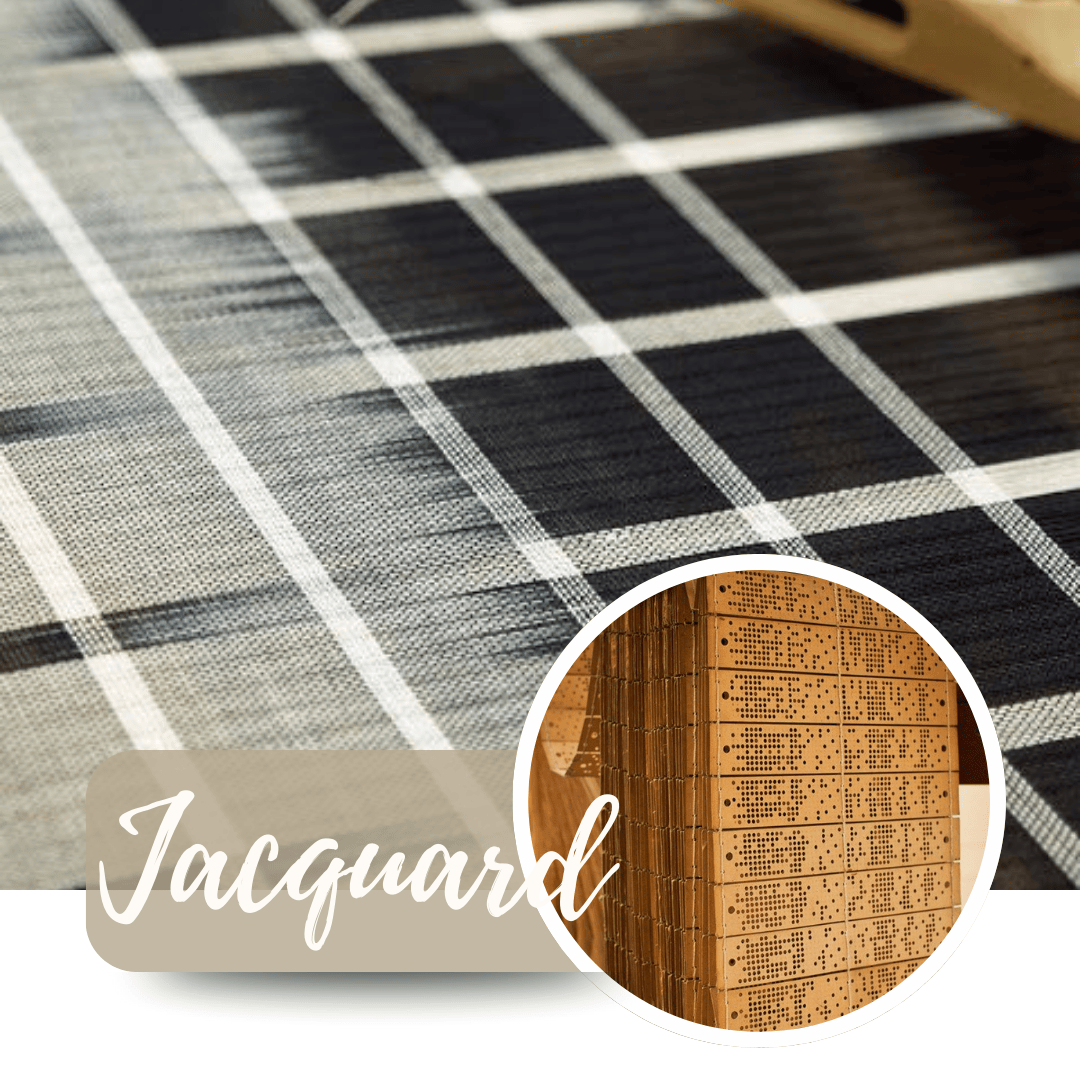
Anuprerna Insight:
We blend traditional jacquard techniques with natural fibers like khadi cotton and silk, offering custom motifs for designer collaborations.
Design Tip:
Let the fabric be the focus. Use jacquard for statement sleeves, structured overlays, or panelled garments. Since patterns are woven in, avoid heavy prints — instead, pair with solids for contrast and texture play.
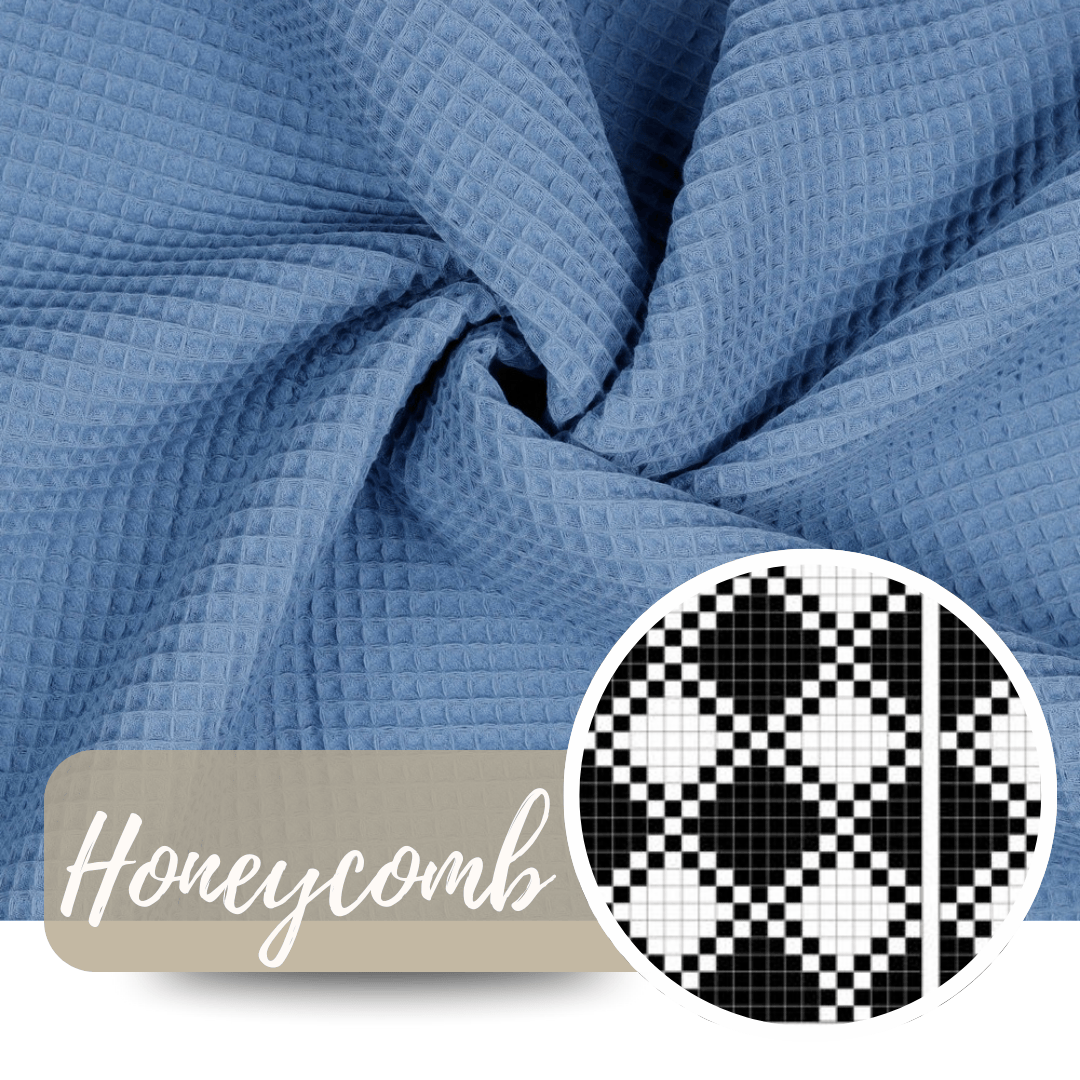
Honeycomb Weave: Textural Depth Inspired by Nature
What is it?
A structured weave that forms a raised, cellular surface resembling a honeycomb. Created using a variation of twill with float yarns that form the "pockets."
Key Features:
- Highly tactile and breathable
- Excellent absorption and airflow
- Looks complex, but is light and flexible
Best Used For:
- Loungewear, resortwear, spa and wellness textiles
- Artisan jackets, structured tops, and scarves
Anuprerna Insight:
Our Jacquard-handloom honeycomb weaves combine sustainability, texture, and design value — making them a favorite for functional luxury.
Design Tip:
Perfect for trans-seasonal pieces like quilted jackets, relaxed-fit co-ords, and spa-style robes. Add contrast piping or dyed borders to accentuate the weave’s three-dimensional texture.
Satin Twill: The Intersection of Shine and Strength
What is it?
Satin twill is a hybrid weave that combines the diagonal structure of twill with the lustrous finish of satin. It’s created by allowing warp yarns to float over multiple weft yarns (or vice versa), giving the fabric a smooth, reflective surface while retaining the durability of twill.
Key Features:
Luxurious glossy finish on one side, matte on the other
Soft hand-feel with elegant drape
Greater resistance to wrinkling than plain satin
Durable due to underlying twill weave structure
Best Used For:
Occasion wear, draped dresses, luxurious scarves, evening sets
High-end loungewear and resort silhouettes where shine and flow matte
Anuprerna Insight:
At Anuprerna, we’ve developed satin twill variations in cotton-silk blends — combining the sheen of silk, structure of cotton, and artisanal handwoven quality. These fabrics are ideal for designers creating timeless statement pieces with softness and fluidity.
Design Tip: Satin twill or Satin weave fabric is an excellent choice for adding understated luxury to minimalist silhouettes — making it ideal for slow fashion brands looking to balance simplicity and elegance.
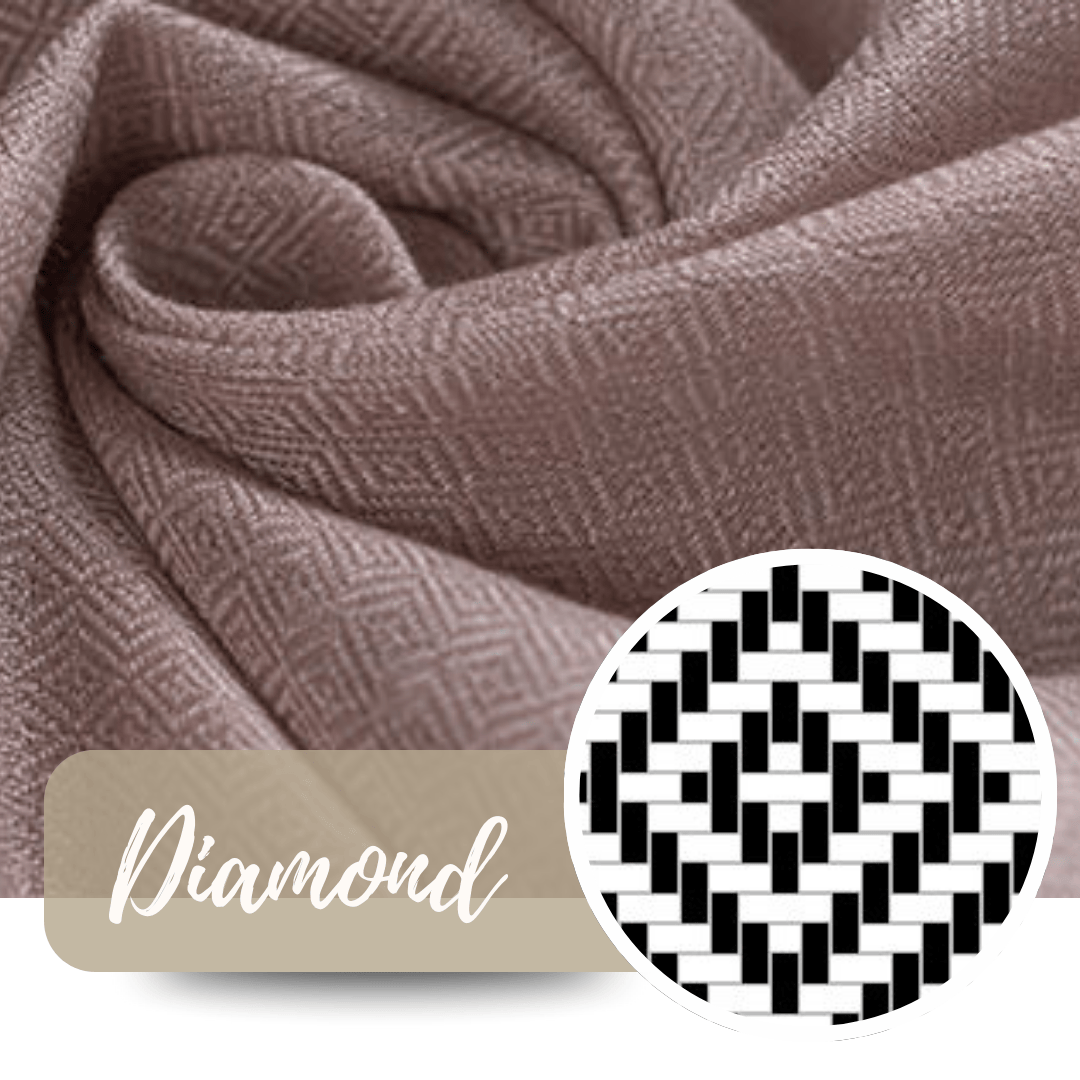
Diamond Twill: Geometry Meets Texture
What is it?
A twill variation where the weft interlaces to create small diamond patterns across the fabric surface.
Key Features:
- Subtle geometric elegance
- Enhanced strength and dimension
- Adds visual movement without extra color
Best Used For:
- Artisan jackets, heritage-inspired garments
- High-texture capsules or co-ords
Anuprerna Insight:
Our diamond twills, created on upgraded handlooms, preserve traditional complexity with a modern silhouette.
Design Tip:
Play with form by using diamond twill in asymmetric cuts, layered jackets, or heritage-inspired co-ords. The geometric pattern elevates even the simplest silhouette without needing print or embellishment.
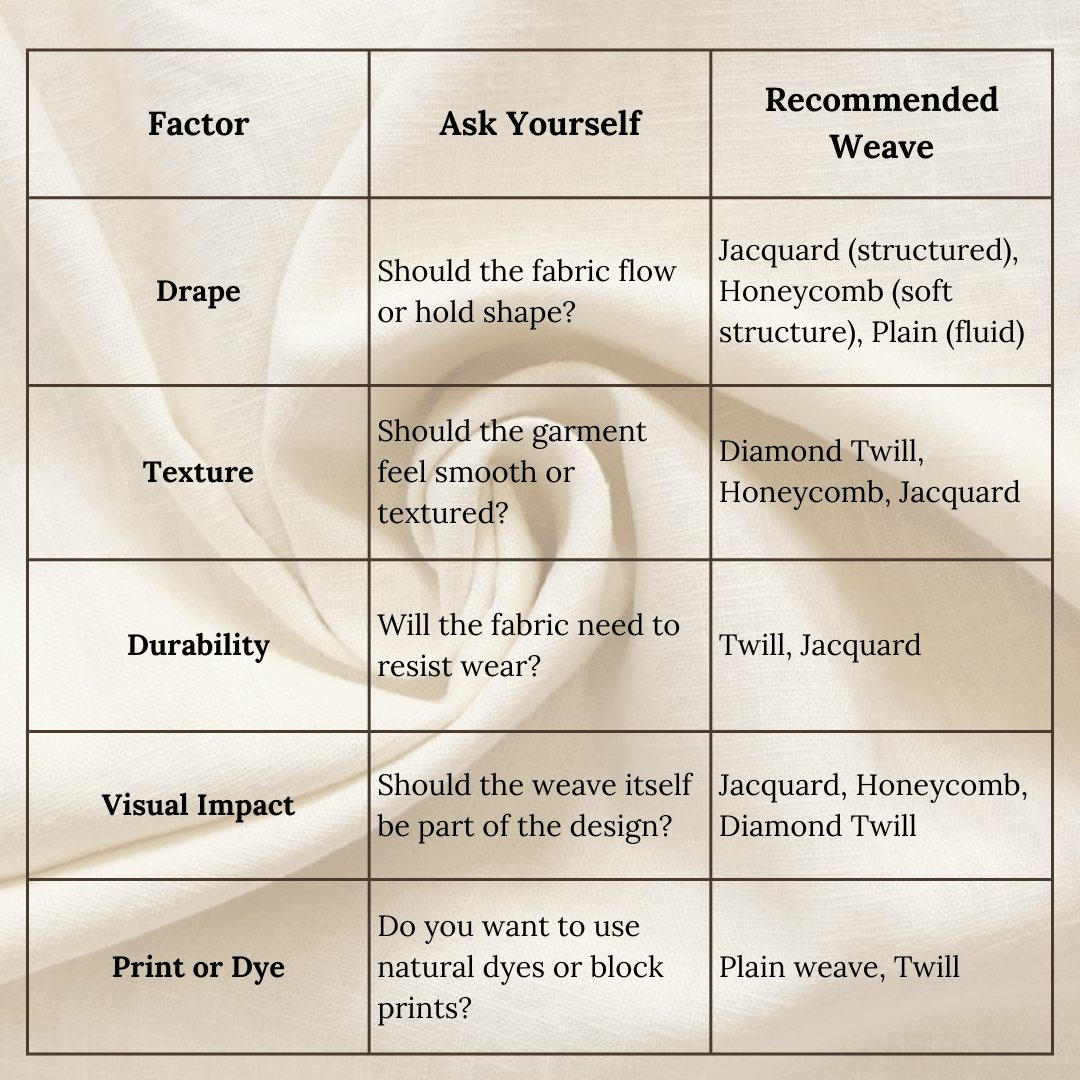
Choosing the Right Weave — What Designers Should Consider
Why Weave Knowledge Is Power for Designers
Understanding weaves helps you:
- Choose smarter, not just prettier
- Align design with function and form
- Build timeless, slow fashion collections
- Communicate better with artisans and textile partners
By delving beyond the surface and truly understanding the intricacies of weaves like Twill, Jacquard, Honeycomb, and others, designers can unlock a deeper level of creativity and make informed choices that elevate their work from concept to tangible reality.
This knowledge is not just about fabric; it's about the very foundation upon which design innovation is built.
Anuprerna’s Commitment to Weaving Excellence
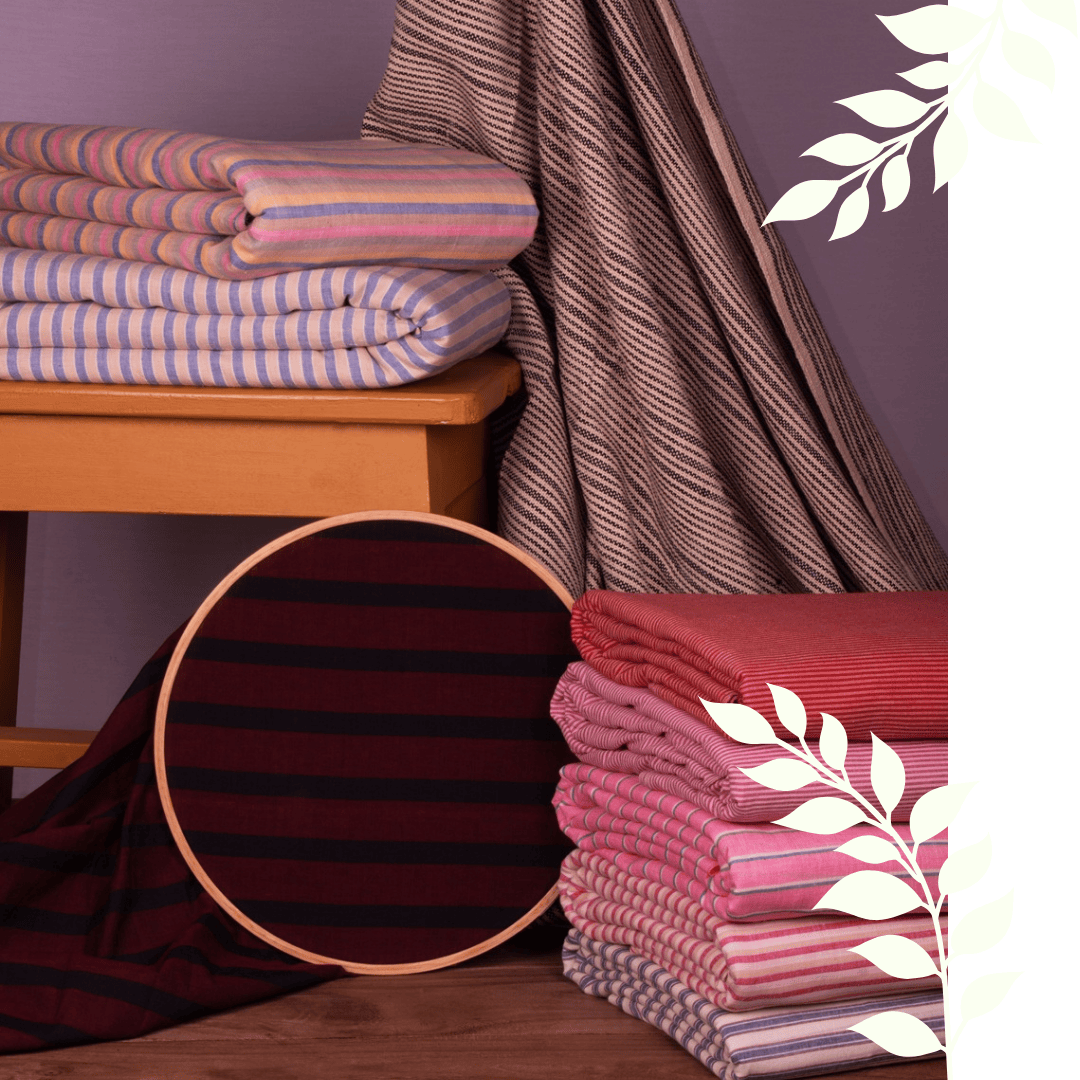
All of Anuprerna’s fabrics are:
- Handwoven by rural artisans
- Made using natural yarns like cotton, khadi, silk, and linen
- Available in custom GSMs and natural dye palettes
- Built on transparent supply chains that honor skill and sustainability
- It includes plain, twill, honeycomb , Handloom Jacquard , Satin and many other weaves
Whether you're creating a minimal capsule, statement jackets, or loungewear with textural charm, our weaves bring beauty, function, and responsibility together.
related questions
What is the difference between a weave and a knit?
A weave is made by interlacing warp and weft yarns at right angles on a loom (as in twill, jacquard, etc.), while a knit is made by looping yarns together (as in jersey or rib knits). Weaves are typically more structured, less stretchy, and ideal for tailored garments, whereas knits are stretchier and often used in casualwear or activewear.
What is the strongest type of weave?
Twill is one of the strongest weaves due to its diagonal interlacing, which distributes tension well. It is commonly used for heavy-duty garments like denim, jackets, and workwear.
Is Jacquard a type of fabric or a weave?
Jacquard refers to a weaving technique, not a fiber or specific fabric. It creates complex, often multi-colored patterns woven directly into the fabric, using a loom attachment that controls each warp thread individually.
Is Satin Twill different from regular satin?
Yes. While both have a shiny finish, Satin Twill combines the strength of twill (diagonal weave) with the luster of satin, making it more durable and wrinkle-resistant than standard satin. It’s perfect for elegant yet practical garments.
More Blogs
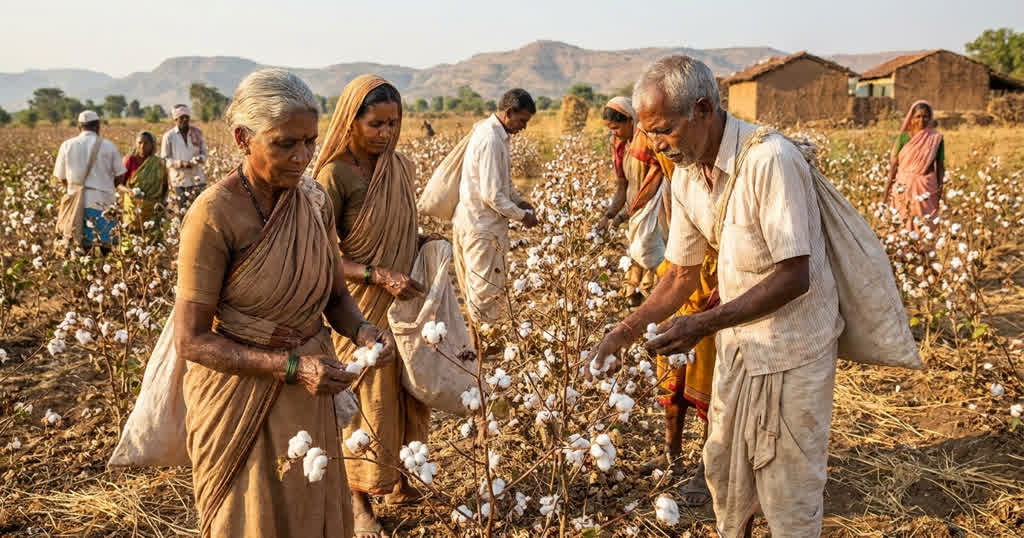
why organic fabric suppliers are growing in india
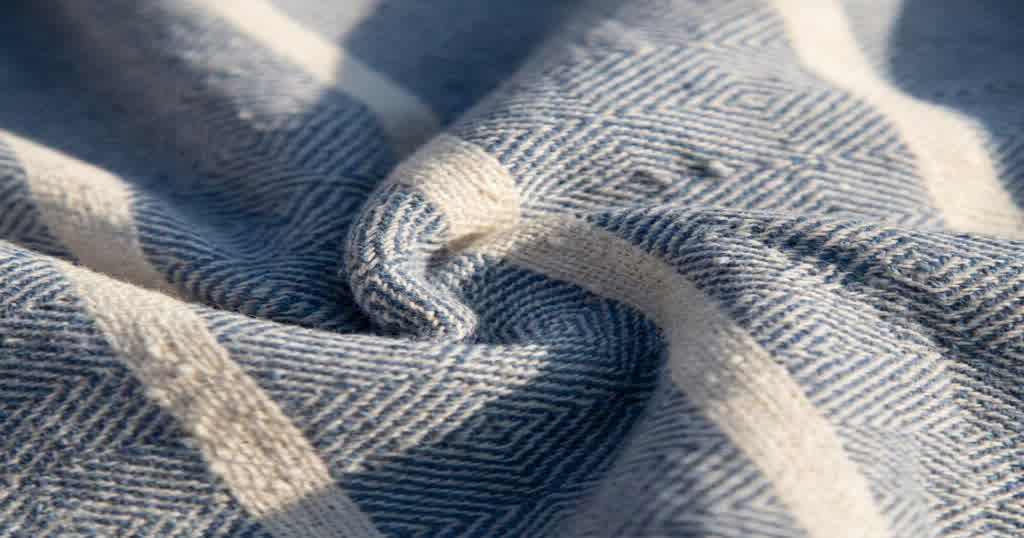
jacquard fabric in modern fashion
how silk manufacturers preserve traditional craftsmanship
indian fabric wholesale: a guide to sourcing handwoven textiles
how indian fabric exporters meet global quality standards
jacquard vs embroidery: what's the difference?