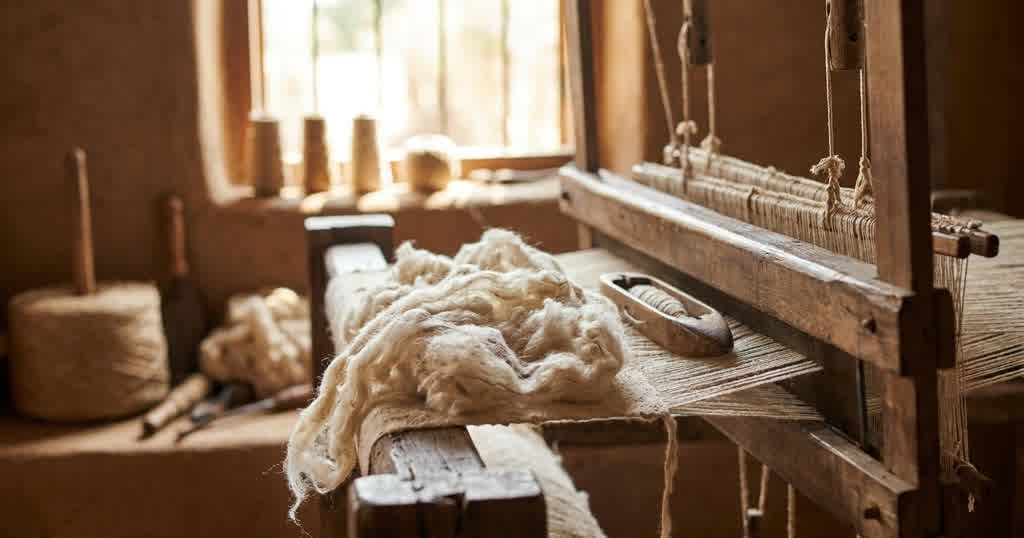
The Best Sustainable Fabrics for Activewear Production

Designers building low-impact yoga and wellness lines are facing intense consumer and regulatory backlash over microplastic shedding from recycled polyester. Finding the sustainable fabrics for activewear that perform without relying on synthetic blends is a critical sourcing challenge. Brands need materials that offer breathability and movement, but they also need a transparent supply chain to back up their environmental claims.
The solution lies in returning to artisanal performance textiles, engineered centuries before the invention of spandex. By sourcing 100% biodegradable natural fibers woven on zero-electricity handlooms, designers can eliminate plastics entirely. This approach provides a tactile, low-carbon alternative for the booming athleisure market, securing both ecological compliance and a compelling origin story.
Beyond rPET: Why the Future of Activewear is Microplastic-Free
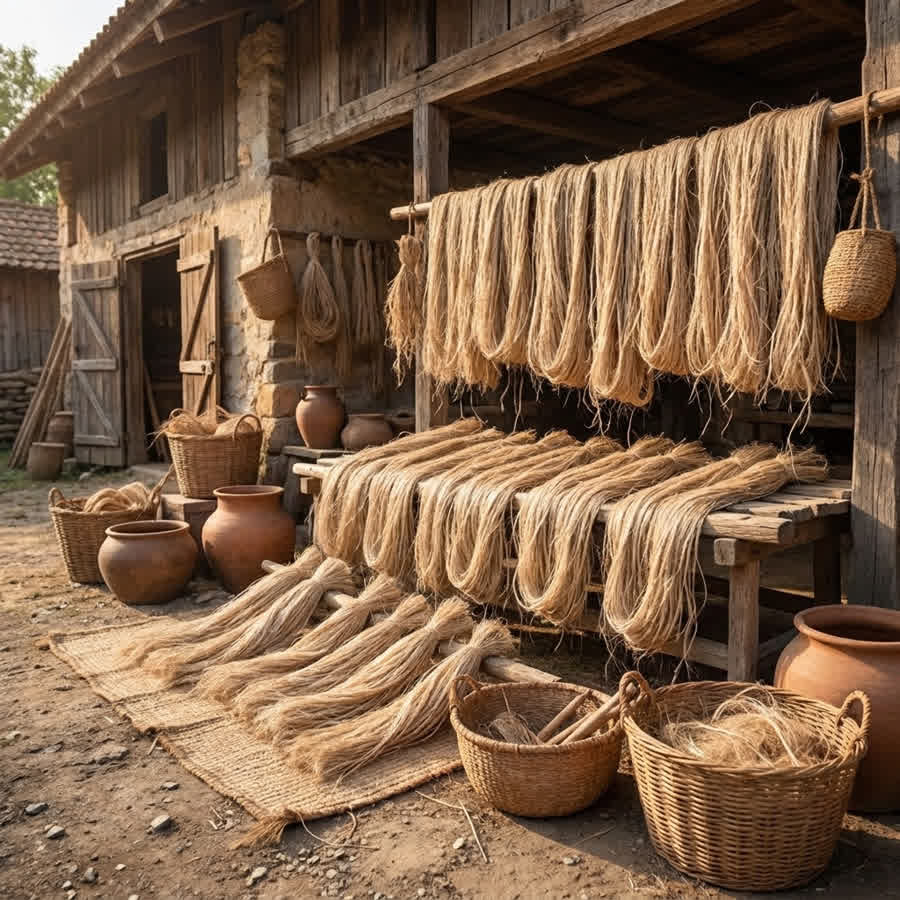
The future of activewear is microplastic-free because buyers and regulators are demanding an end to synthetic shedding, forcing a shift from recycled plastics to entirely natural, biodegradable fibers. Relying on recycled polyester (rPET) is no longer sufficient for brands claiming low-impact credentials.
The Problem with Recycled Synthetics
For years, the industry treated closed-loop factory systems and rPET as a strong standard for eco-friendly performance apparel. However, washing these garments releases thousands of microplastic particles directly into global waterways. Consumers and regulatory bodies are increasingly aware that a recycled plastic legging is still fundamentally a plastic legging, contributing heavily to oceanic pollution.
This growing awareness is driving a rapid, industry-wide pivot away from synthetic activewear blends. Sourcing managers are actively seeking materials that break down naturally at the end of their lifecycle. The primary goal is to achieve a verifiable zero-waste credential without sacrificing the drape, durability, and moisture management required for athletic movement.
The Shift to Biodegradable Performance
Replacing synthetics requires a fundamental rethinking of performance textile engineering. Instead of relying on chemical finishes and plastic extrusion, we must look to indigenous natural fibers that inherently possess the physical traits needed for physical exertion.
Transitioning to these materials offers distinct, measurable advantages for a B2B fashion brand:
- Complete biodegradability ensures garments will not persist in landfills or oceans for centuries.
- Skin-friendly properties drastically reduce irritation and chafing during sweat-inducing activities.
- Regulatory compliance anticipates upcoming governmental restrictions on synthetic fiber shedding.
- Premium market positioning strongly appeals to the luxury wellness and yoga demographics.
By choosing artisanal handloom textiles, designers bypass the industrial plastic cycle entirely. This strategic sourcing choice establishes a rigorous microplastic-free standard that resonates deeply with the modern eco-conscious consumer.
Decoding Natural Performance: Breathability and MVTR in Handloom Fabrics
Handloom fabrics excel in natural performance because their loose weave structures facilitate a high Moisture Vapor Transmission Rate (MVTR), allowing body heat and sweat to escape rapidly. This mechanical breathability vastly outperforms tightly knit synthetics that trap heat against the skin.
Understanding Moisture Vapor Transmission Rate
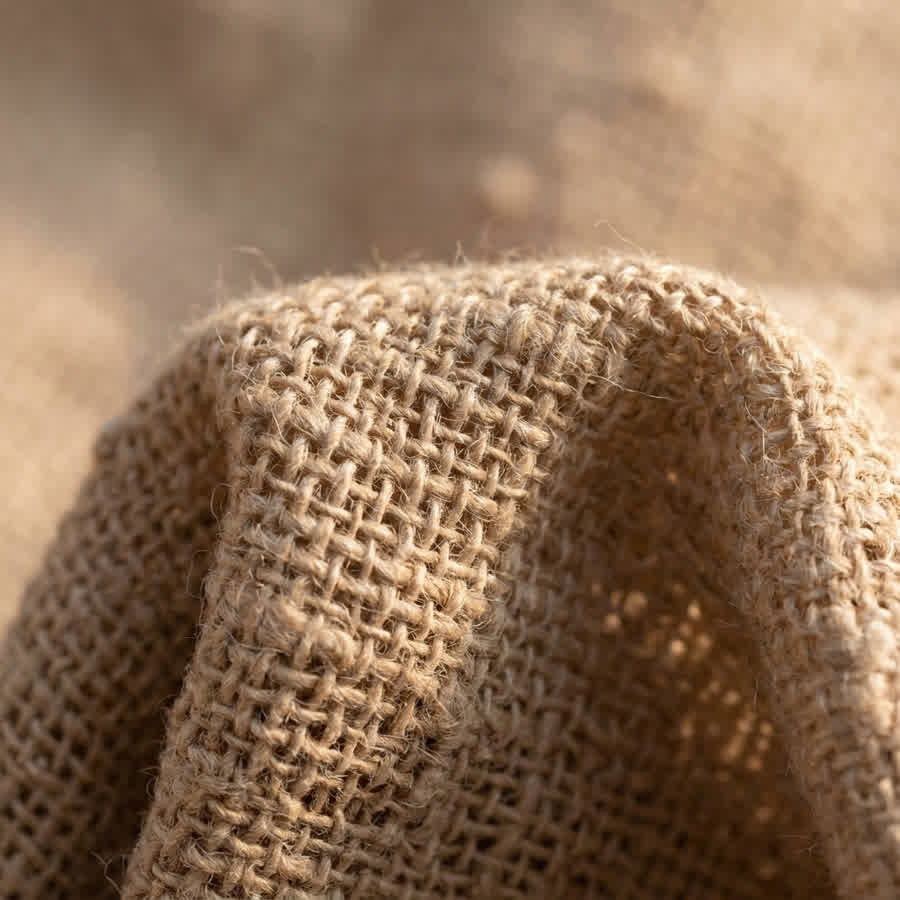
In technical textile sourcing, Moisture Vapor Transmission Rate (MVTR) measures exactly how effectively a fabric allows sweat to evaporate through the material. Synthetic activewear often relies on temporary chemical wicking treatments that force water to the surface, which can leave the wearer feeling clammy and cold. The natural hydrophilic properties found in fibers like unbleached organic cotton work entirely differently.
These natural fibers actively absorb moisture, but the artisanal weave structure dictates how quickly that moisture dissipates into the air. A handwoven fabric contains microscopic pockets of air between the interlaced yarns. This inherent porosity creates continuous air circulation, pulling moisture away from the body and drying the garment through natural, unforced airflow.
The Heritage of Thermoregulation
Long before the invention of modern athleisure, traditional Indian textiles were engineered specifically for extreme heat and humidity. Fabrics like Khadi, which are hand-spun and handwoven, served as the original performance fabrics for centuries. Their ability to manage body temperature in harsh climates remains distinctive by industrial synthetics.
We see this same thermoregulating capability across our decentralized artisan network today. The physical mechanics of these heritage textiles provide highly specific benefits for activewear:
- High porosity allows trapped body heat to vent immediately during exertion.
- Natural odor resistance prevents the bacterial buildup that is notoriously common in polyester.
- Textural variation keeps the damp fabric from clinging flatly and uncomfortably to the skin.
- Climate adaptability ensures physical comfort in both heated yoga studios and cool outdoor environments.
Integrating these heritage handloom techniques into modern silhouettes gives designers a highly functional, breathable fabric. It proves definitively that sustainable fabrics for activewear do not need synthetic interventions to perform at a high level.
A strong Sustainable Fabrics for Activewear: Anuprerna’s Artisanal Selection
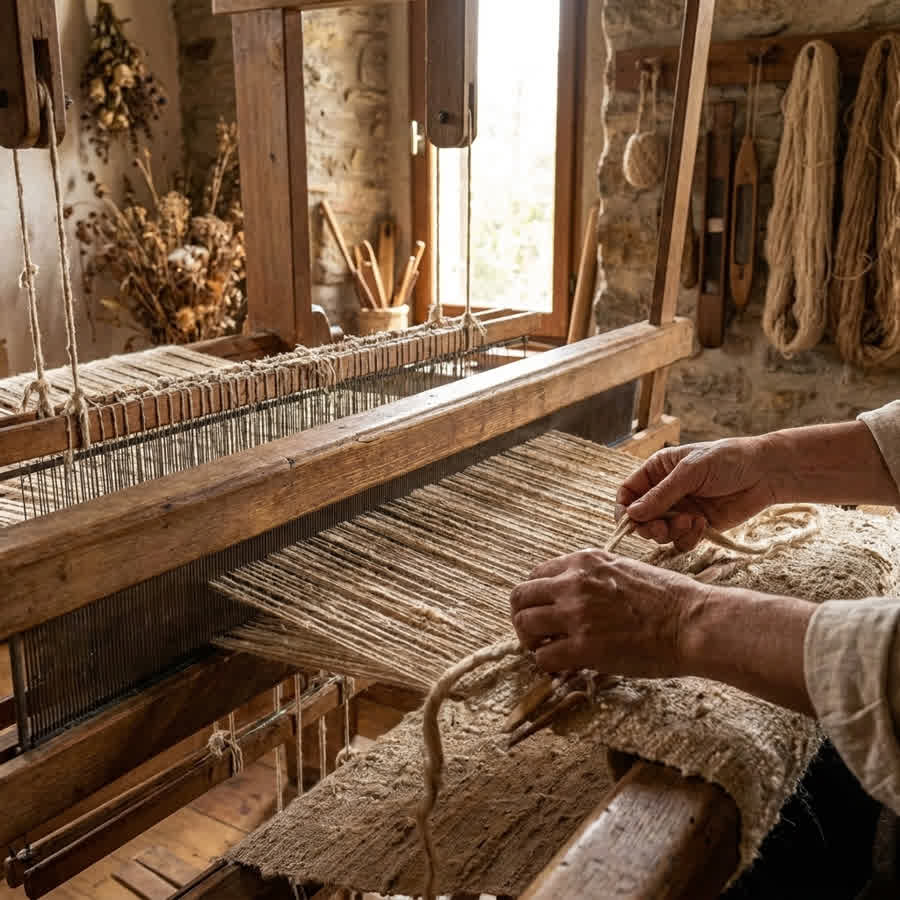
The best sustainable fabrics for activewear include unbleached organic cotton and Eri silk, selected specifically for their precise GSM weights and inherent thermoregulating properties. These natural materials provide the structural durability and temperature control required for premium athleisure collections.
Organic Cotton for Layering and Structure
When sourcing organic cotton activewear, the fabric weight strictly dictates its end-use application. We recommend specific GSM specifications to ensure the garment performs correctly without the need for synthetic backing or elastane. Unbleached organic cotton retains its natural protective oils, offering a softer, dry, crisp hand-feel that actually improves with repeated washing.
For designers building a comprehensive, multi-piece collection, we structure our artisanal cotton sourcing into two distinct, highly functional categories:
Organic Cotton for Layering and Structure (continued)
- 110-150 GSM is ideal for highly breathable tops, loose tanks, and lightweight layering pieces.
- 160-250 GSM provides the necessary opacity and structural integrity needed for bottoms, joggers, and yoga pants.
- Unbleached finishes maintain the fiber's natural tensile strength and eliminate toxic dyeing processes from the supply chain.
Eri Silk for Advanced Temperature Control
Beyond standard cotton, Eri (Ahimsa) silk offers exceptional, high-level performance characteristics for low-impact activewear. Unlike conventional silk, Eri is spun rather than reeled, resulting in a significantly denser, more durable yarn. Its unique protein structure acts as a highly efficient natural insulator, keeping the wearer cool in summer heat and warm in winter cold.
This thermoregulating protein makes Eri silk an excellent, luxurious choice for post-workout cover-ups or premium yoga apparel. The fiber is naturally hypoallergenic and exceptionally breathable against the skin. By blending Eri silk with indigenous cotton varieties, designers can achieve a beautiful, fluid drape while maintaining the rigorous performance standards expected from a strong sustainable fabrics for activewear.
Engineering Mechanical Stretch: Movement Without Elastane
We engineer movement without elastane by utilizing specific weave structures, such as twills, to create mechanical stretch that perfectly accommodates low-impact activities. This traditional weaving technique provides natural give and flexibility, completely eliminating the need for unrecyclable spandex blends.
The Mechanics of Twill Weaves
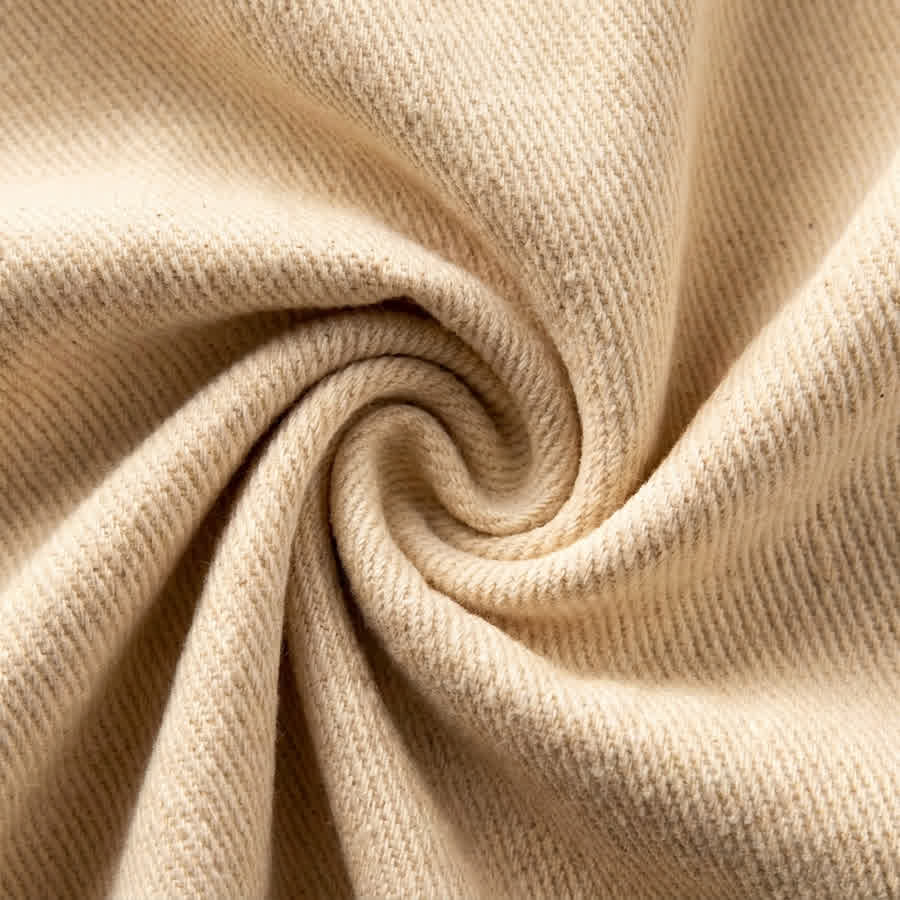
The primary technical challenge in designing microplastic-free activewear is achieving adequate stretch without relying on synthetic elastomers. Standard plain weaves offer very little flexibility, but altering the loom setup fundamentally changes the fabric's physical behavior. A twill weave structure, characterized by its distinct diagonal rib pattern, inherently possesses significantly more diagonal give.
This vital mechanical stretch occurs because the interlaced yarns have physical room to shift and expand under tension. While it will not replicate the high, restrictive compression of a synthetic legging, it provides ample, comfortable movement for fluid, low-impact exercises. Designers can utilize this natural elasticity to create garments that move harmoniously with the body.
Designing for Low-Impact Movement
Implementing mechanical stretch requires a deliberate shift in garment design philosophy. Instead of relying on the fabric to compress and mold to the wearer, designers must cut patterns that utilize the fabric's natural drape and bias. This specific approach is perfectly suited for the booming athleisure market, where all-day comfort and mobility are prioritized over high-intensity athletic compression.
To maximize the functional benefits of elastane-free textiles, we strongly recommend specific, proven design strategies:
- Bias cutting maximizes the diagonal stretch inherently present in woven fabrics.
- Loose plain weaves offer high breathability and gentle, forgiving give for tops and tunics.
- Gusseted patterns provide a much wider range of motion in trousers and active shorts.
- Drawstring closures replace synthetic elastic waistbands for a fully biodegradable garment lifecycle.
By mastering these artisanal weaving techniques, brands can confidently market 100% natural, movement-friendly collections. It proves that sustainable fabrics for activewear can easily support active lifestyles while remaining entirely plastic-free.
Decentralized Sourcing: Building a Traceable Activewear Supply Chain
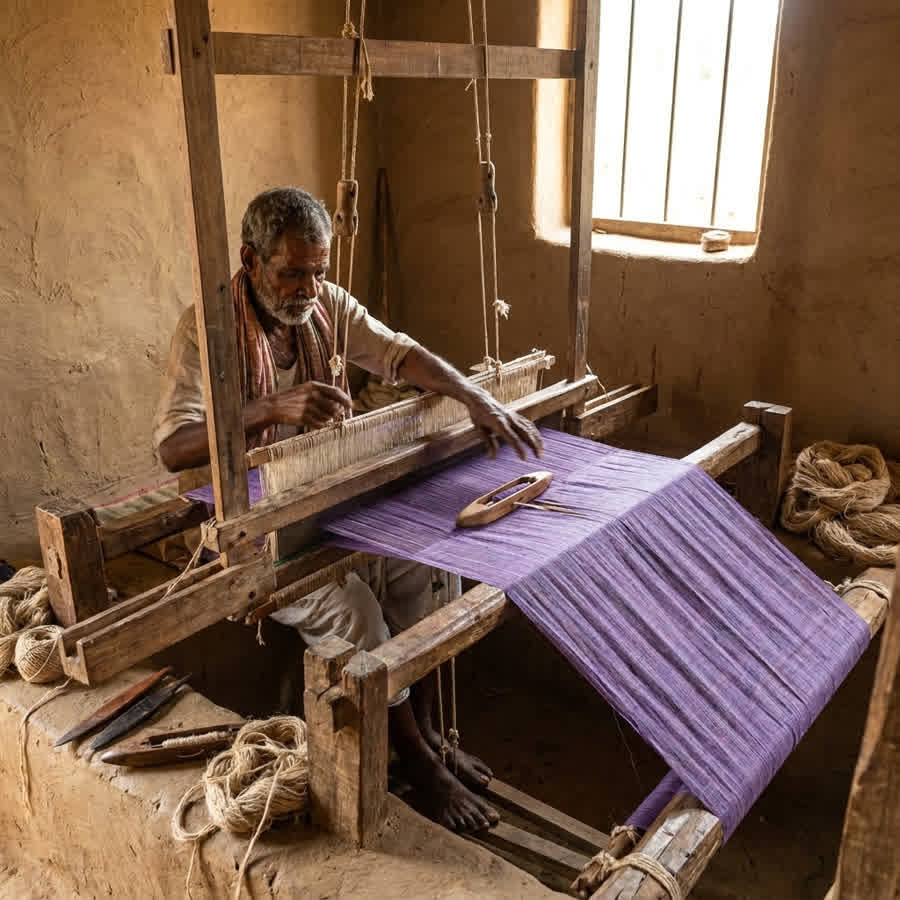
Building a traceable activewear supply chain requires partnering with a decentralized artisan network to achieve verifiable social impact and complete transparency from farm to fabric. This ethical model bypasses opaque industrial factories, offering B2B buyers a clear, highly marketable narrative for their collections.
Zero-Electricity Craftsmanship
At Anuprerna, we operate a highly organized decentralized supply chain working directly with rural Indian handloom weavers in regions like Bengal. This traditional system relies entirely on human skill rather than fossil fuels or heavy machinery. The resulting zero-electricity craftsmanship drastically lowers the overall carbon footprint of the textile production phase.
For a dedicated boutique sourcing manager, this means every single yard of fabric comes with a documented, transparent origin. We trace the journey from the cultivation of indigenous bast fibers and cotton down to the specific weaving cluster. This exacting level of detail protects brands against damaging greenwashing accusations and provides a compelling, authentic story for the end consumer.
Verifiable Social Impact
Sourcing sustainable fabrics for activewear through artisanal channels does much more than reduce environmental harm; it actively sustains rural economies. By committing to handloom textiles, brands provide consistent, fair-wage work to traditional weaving communities. This vital partnership preserves centuries-old techniques that would otherwise be permanently lost to mass industrialization.
The strategic, long-term advantages of this ethical sourcing model are abundantly clear for B2B buyers:
- Transparent origin data supports rigorous ESG reporting and international compliance standards.
- Low minimum order quantities (MOQs) allow independent designers to safely test new natural performance lines.
- Direct artisan partnerships ensure fair financial compensation and safe, community-based working conditions.
- Unique textile variations give each production run a distinct, premium character that cannot be mass-produced.
Choosing this specific path transforms a simple material purchase into a powerful, verifiable social impact initiative. It perfectly aligns the technical needs of activewear production with the highest possible standards of global sustainability.
frequently asked questions
Can handloom fabrics replace synthetics in activewear production?
For high-compression sports, synthetics are still standard, but for the rapidly growing low-impact sector (yoga, pilates, athleisure), natural handloom fibers offer superior breathability, natural odor resistance, and zero microplastic shedding, making them an ideal replacement. These **artisanal performance textiles** provide the necessary comfort and durability without the environmental cost of plastic extrusion.
What is the ideal GSM for organic cotton activewear?
For breathable tops and layering pieces, a GSM of 110-150 is ideal, while for bottoms, leggings, or yoga pants requiring opacity and structural durability, a denser weave of 200-280 GSM is recommended. Selecting the correct **GSM specifications** ensures the garment holds its shape and withstands movement without relying on synthetic backing.
How do natural fabrics handle moisture-wicking compared to polyester?
Polyester repels water, forcing it to the surface where it can trap heat, whereas natural fibers like organic cotton and linen absorb moisture, and the loose structure of handloom weaves allows for rapid air circulation, facilitating quick evaporation and superior thermoregulation. This **high porosity** creates a natural cooling effect that chemical wicking treatments cannot replicate.
Does Anuprerna offer fabrics with stretch for activewear?
We specialize in 100% natural fibers that lack the high elasticity of synthetic spandex, but we utilize specific weave structures, such as twill, that offer 'mechanical stretch', a natural give suitable for fluid movement in athleisure. This **mechanical stretch** allows designers to create comfortable, flexible garments while maintaining a completely biodegradable profile.
Why is eliminating elastane critical for sustainable activewear?
Eliminating elastane is critical because blending spandex with natural fibers makes the final garment impossible to recycle or biodegrade, trapping it in the landfill cycle. By engineering movement through **twill weave structures** instead of synthetic elastomers, brands can achieve a true zero-waste lifecycle for their collections.
More Blogs
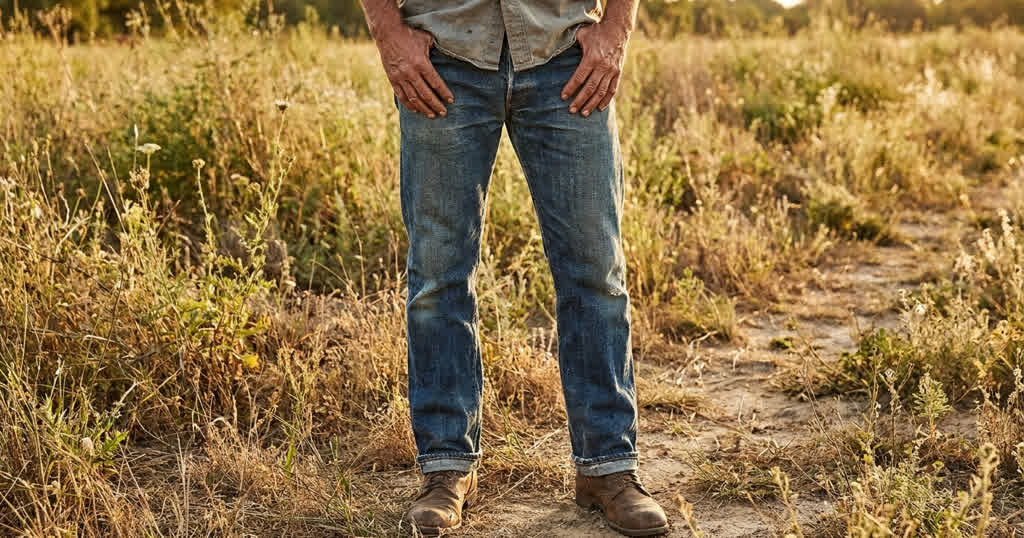
khadi jeans for men: styling sustainable denim
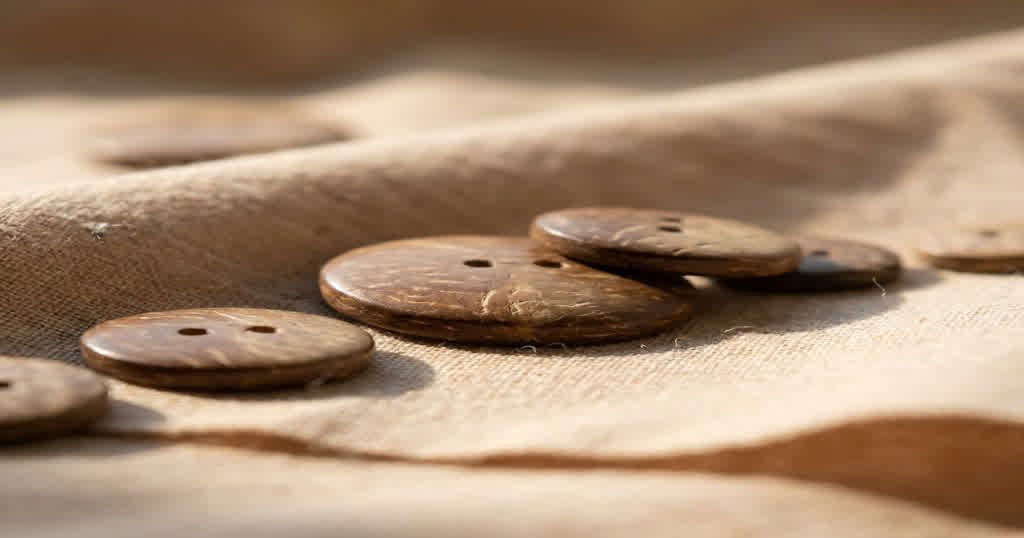
eco-friendly trims: sourcing sustainable fashion accessories
how to choose the right fabric wholesaler for your brand
what to look for in a silk manufacturer before you source
how does sustainable sourcing affect clothing quality?

what is a sustainable designer? roles, responsibilities, and impact