
Ethical Supply Chains: The Sustainability Impact of Khaadi Online Shopping

As global fashion reckons with its environmental and social cost, slow fashion has shifted from idealism to necessity. For designers, boutique owners and conscious brands, this shift often begins with material choices. That is where khaadi online shopping becomes more than a purchase; it becomes a direct entry point into one of the world’s most ethical textile traditions.
Modern textile manufacturing operates largely as a black box. Supply chains are opaque, distancing buyers from environmental impact and labour conditions. Traditional Khadi, often searched today as Khaadi, offers a clear alternative. Handspun and handwoven, it embeds artisan skill, time and livelihood into every metre. Yet as demand rises, sourcing authentic Khadi online without compromising quality or ethics remains a real challenge.
This guide breaks down the sustainability impact of Khadi, how handspun cotton supports rural economies, why transparency matters in ethical sourcing, and how to confidently source genuine, high-quality Khadi fabric through digital platforms for your next collection.
The Anatomy of an Ethical Khadi Supply Chain
To understand the impact of khaadi online shopping, one must first look at the "Seed to Loom" journey. Unlike mill-made fabrics that rely on heavy machinery and high energy consumption, the Khadi supply chain is decentralized and human-centric.
The Power of Eco-Friendly Handspun Cotton
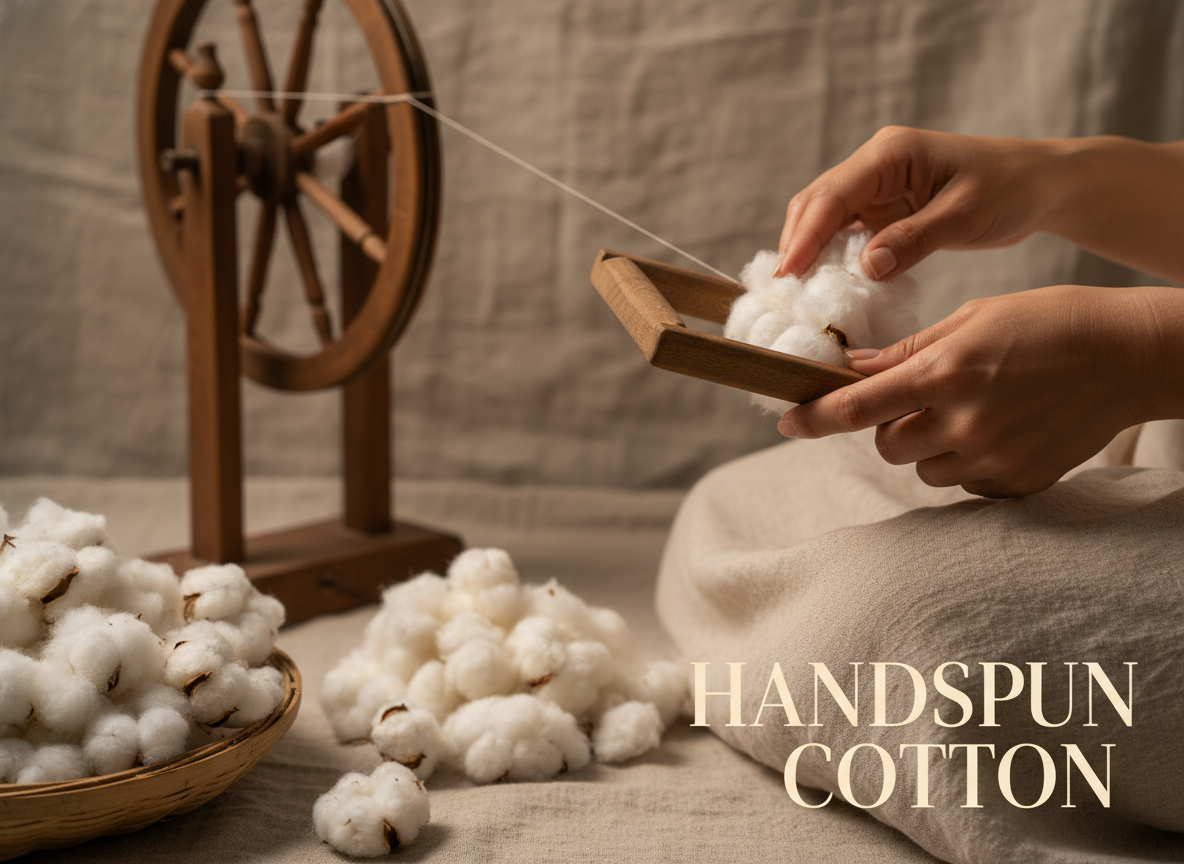
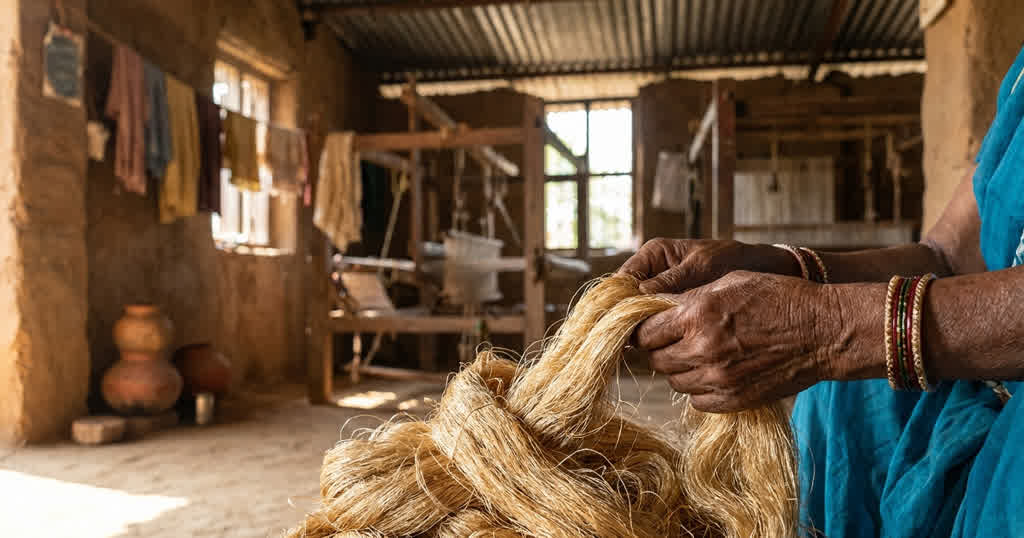
The process begins with raw cotton, often sourced from local farmers. In an ethical supply chain, this cotton is hand-cleaned and hand-carded. The real magic happens at the spinning wheel, or the charkha. This stage produces eco-friendly handspun cotton, a process that requires zero electricity. For a B2B buyer, this means the carbon footprint of the raw yarn is virtually non-existent.
When you browse products like the Handspun Cotton Khadi 85 Gsm Fabric Design Stripes, you are looking at the result of hundreds of hours of manual labor. This manual process preserves the integrity of the cotton fiber, resulting in a fabric that is more breathable and durable than its machine-made counterparts.
Decentralized Production vs. Industrial Hubs
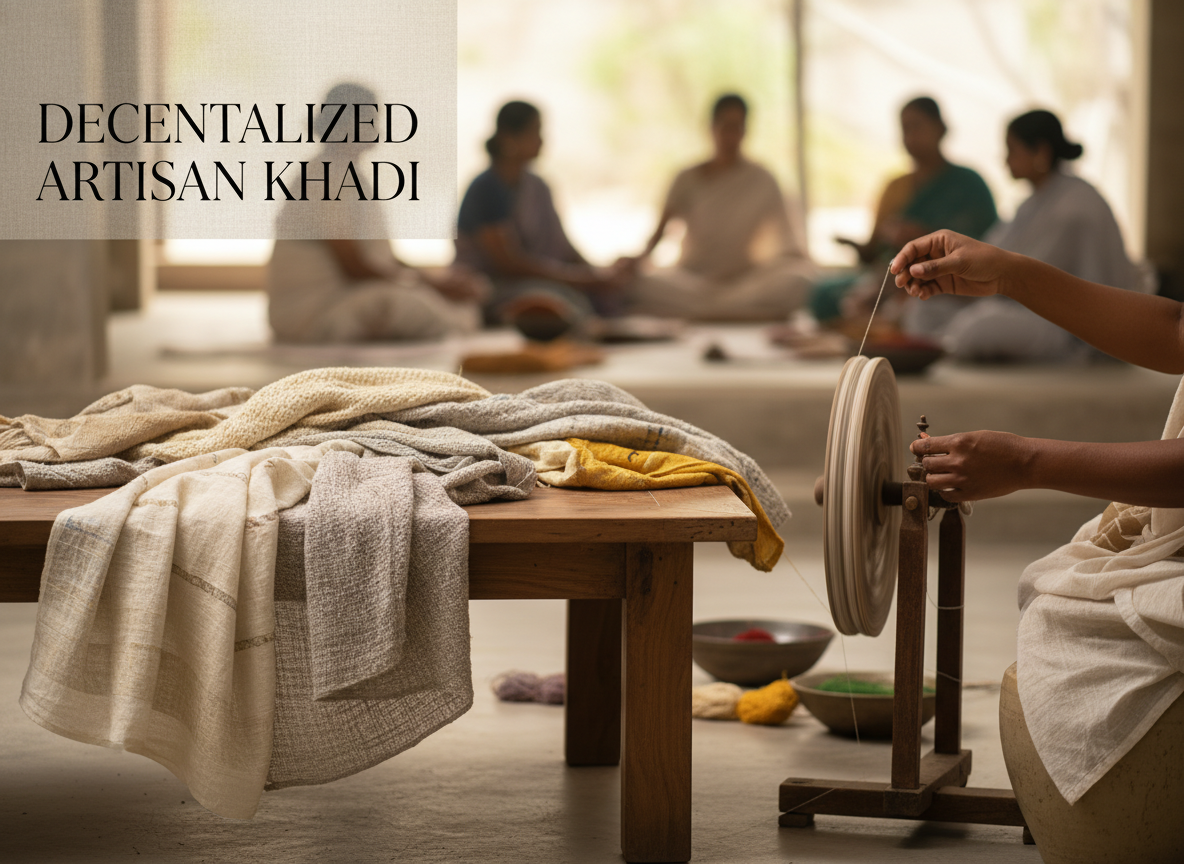
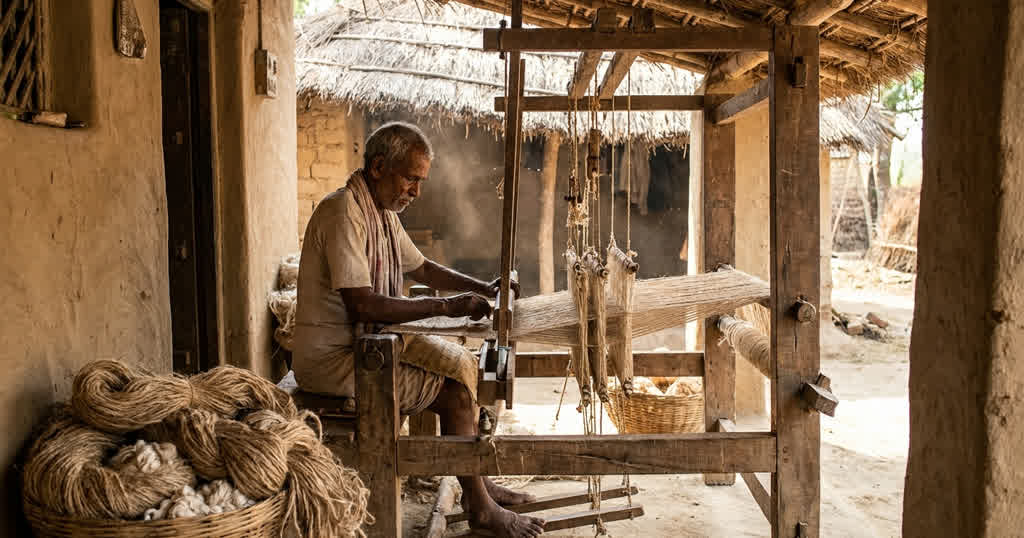
Ethical textile sourcing in the Khadi sector relies on a "cottage industry" model. Instead of workers migrating to polluted industrial cities, the work comes to them. Artisans in East India work from their homes or local community centers. This model prevents the social displacement often seen in the fast fashion industry and allows for a transparent, traceable production line.
Pro Tip: When sourcing Khadi online, always ask for the "GSM" (Grams per Square Meter). This indicates the weight and density of the fabric. For example, a Handspun Cotton Khadi 65 Gsm is perfect for lightweight summer scarves, while a Plain Black Khadi Cotton Fabric 160 Gsm is better suited for structured trousers or jackets.
Beyond the Click: What Happens During Khaadi Online Shopping?
For a B2B client, khaadi online shopping is about more than just adding items to a cart; it is about establishing a partnership with a manufacturer that values heritage. The digital transition of Khadi has allowed small-scale weavers to reach a global audience, but it also requires the buyer to be vigilant about authenticity.
Ensuring Authenticity in a Digital World
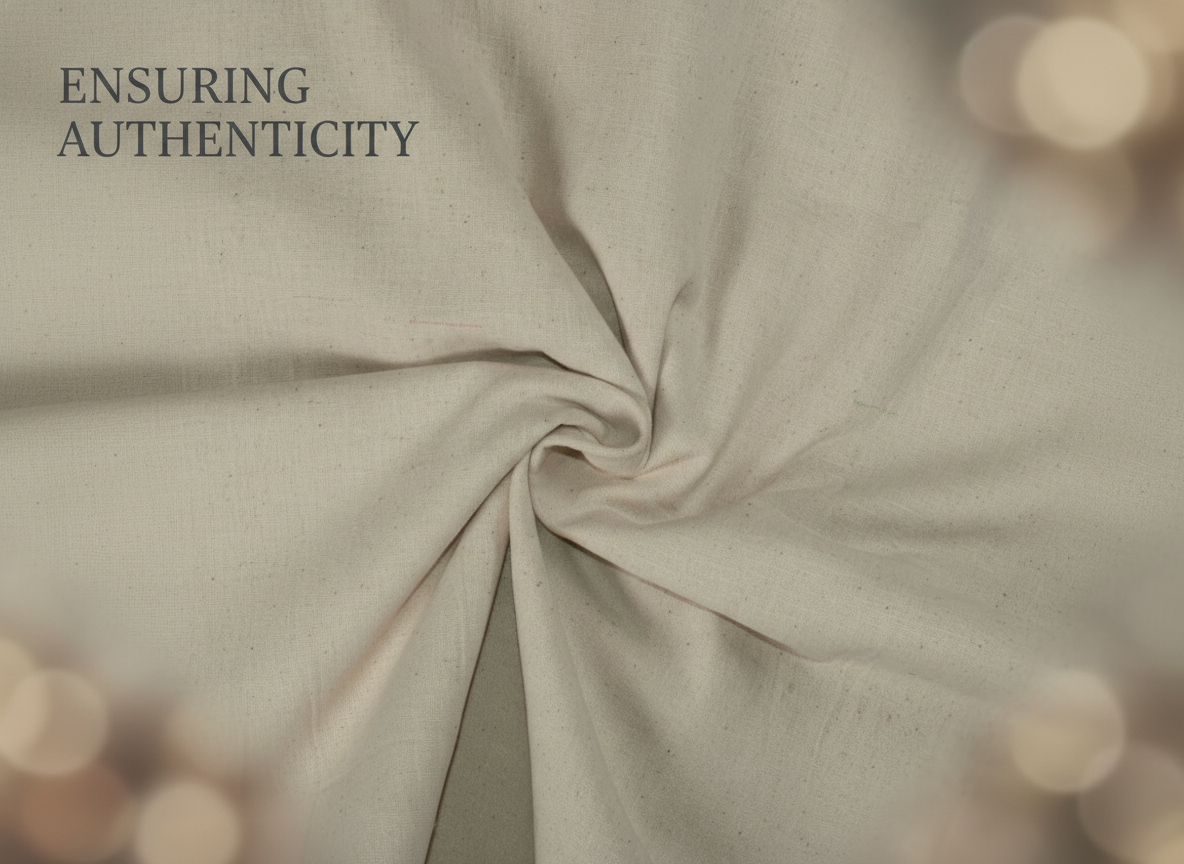
One of the biggest challenges in the "Khaadi" market is the prevalence of look-alike fabrics, machine-made "poly-vastra" or mill-made cotton passed off as handwoven. Authentic Khadi has unique imperfections; slubs and slight variations in weave that give it a distinct texture. To ensure you are getting the real deal, it is essential to understand what authentic Khadi really means.
Transparency and Traceability
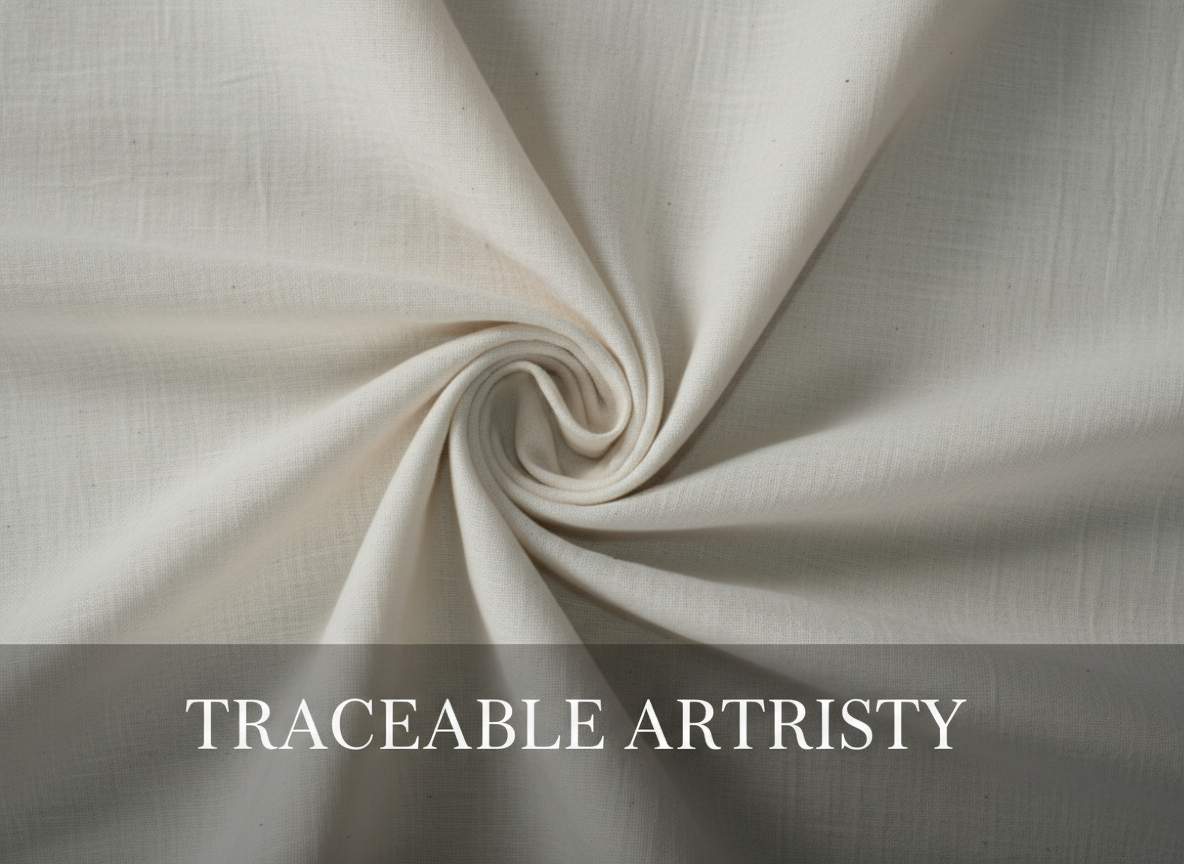
An ethical supply chain provides a clear link between the consumer and the creator. At Anuprerna, we emphasize the "Artisan Story." When you source White Handspun Handwoven Khadi Cotton 161 Gsm, you aren't just buying a dyeable base; you are supporting a specific cluster of weavers in West Bengal. This level of traceability is what modern conscious consumers demand from the brands they support.
The Social Impact: Empowering Artisan Communities
Economic Resilience in Rural India
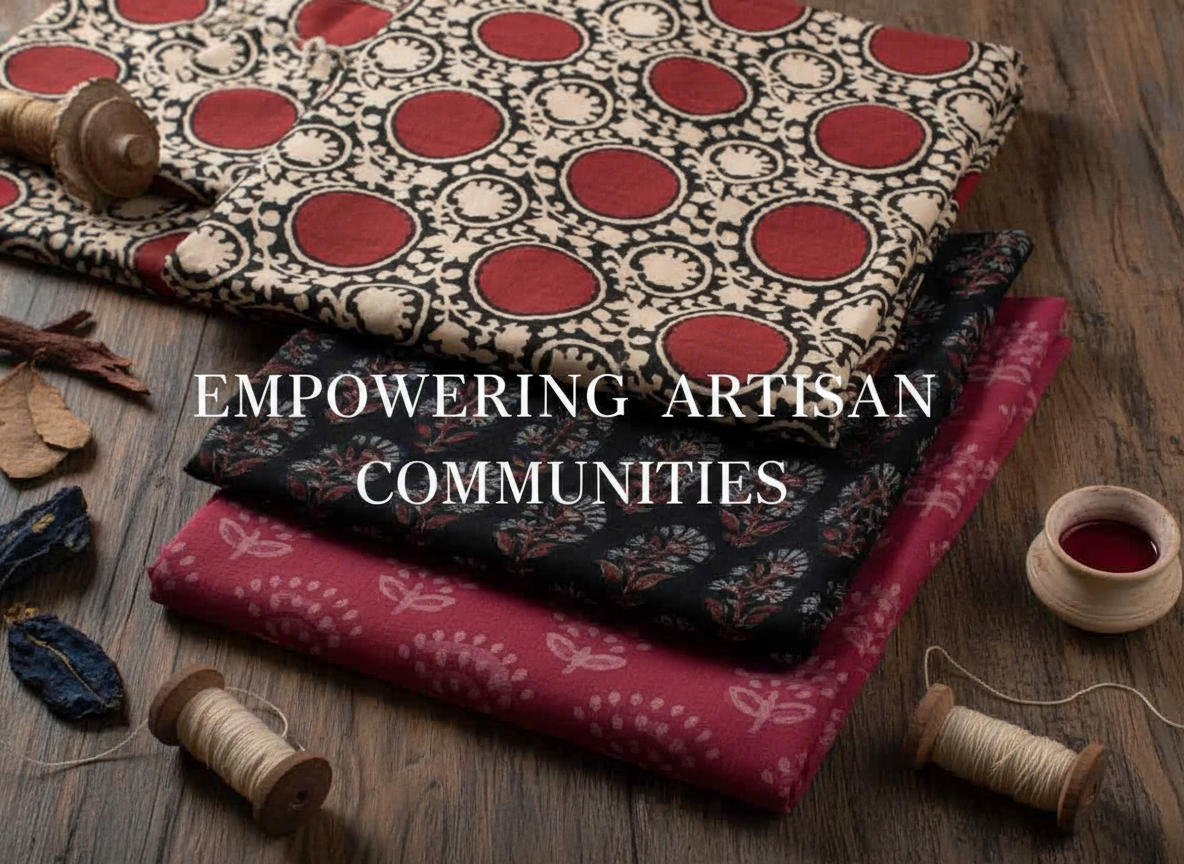
By participating in khaadi online shopping through ethical manufacturers, brands provide year-round employment to artisans. This is particularly vital in East India, where handloom weaving is a generational craft. This steady income allows artisans to invest in their children's education and healthcare without leaving their ancestral villages.
Preserving Cultural Heritage
Every region in India has a unique Khadi signature. From the fine muslins of Bengal to the sturdy weaves of Gujarat, Khadi is a map of Indian heritage. Supporting these crafts ensures that ancient techniques are not lost to the march of industrialization. As we discuss in our piece on pioneering eco-friendly textiles, the survival of these techniques is intrinsic to a greener future.
Expert Tip: For brands looking to create a signature look, consider "bleached dyeable" Khadi. Products like the White Handspun Handwoven Khadi Cotton 118 Gsm allow you to apply eco-friendly botanical dyes, giving you full control over the aesthetic while maintaining a sustainable supply chain.
Environmental Benefits of Sustainable Khadi Fabric
Zero Carbon Footprint
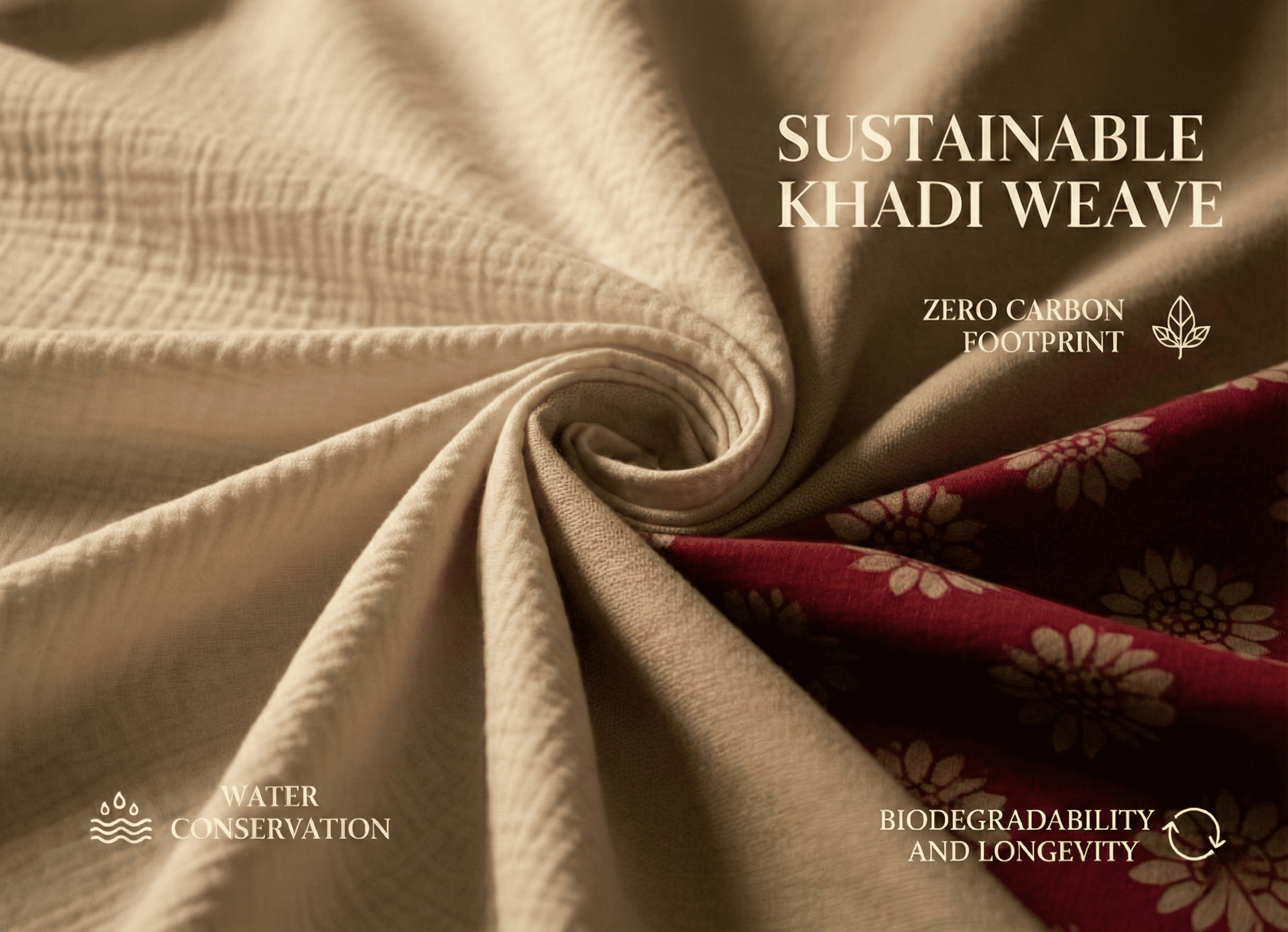
Because Khadi is spun and woven by hand, it uses almost no external energy. Unlike textile mills that rely on electricity and emit CO₂, Khadi production runs on human effort, making it one of the few genuinely carbon-neutral fabrics available today.
Water Conservation
Mill-made cotton is water-intensive, using large volumes in processing and machinery cooling. Khadi’s manual production uses far less water, and when made from rain-fed or organic cotton, its overall water footprint is significantly lower.
Biodegradability and Longevity
Khadi is fully natural and biodegradable, unlike synthetic blends that persist in landfills. It also softens with every wash, extending garment life and countering fast fashion’s throwaway cycle.
Best Practices for Ethical Textile Sourcing
1. Verify the Manufacturer’s Credentials
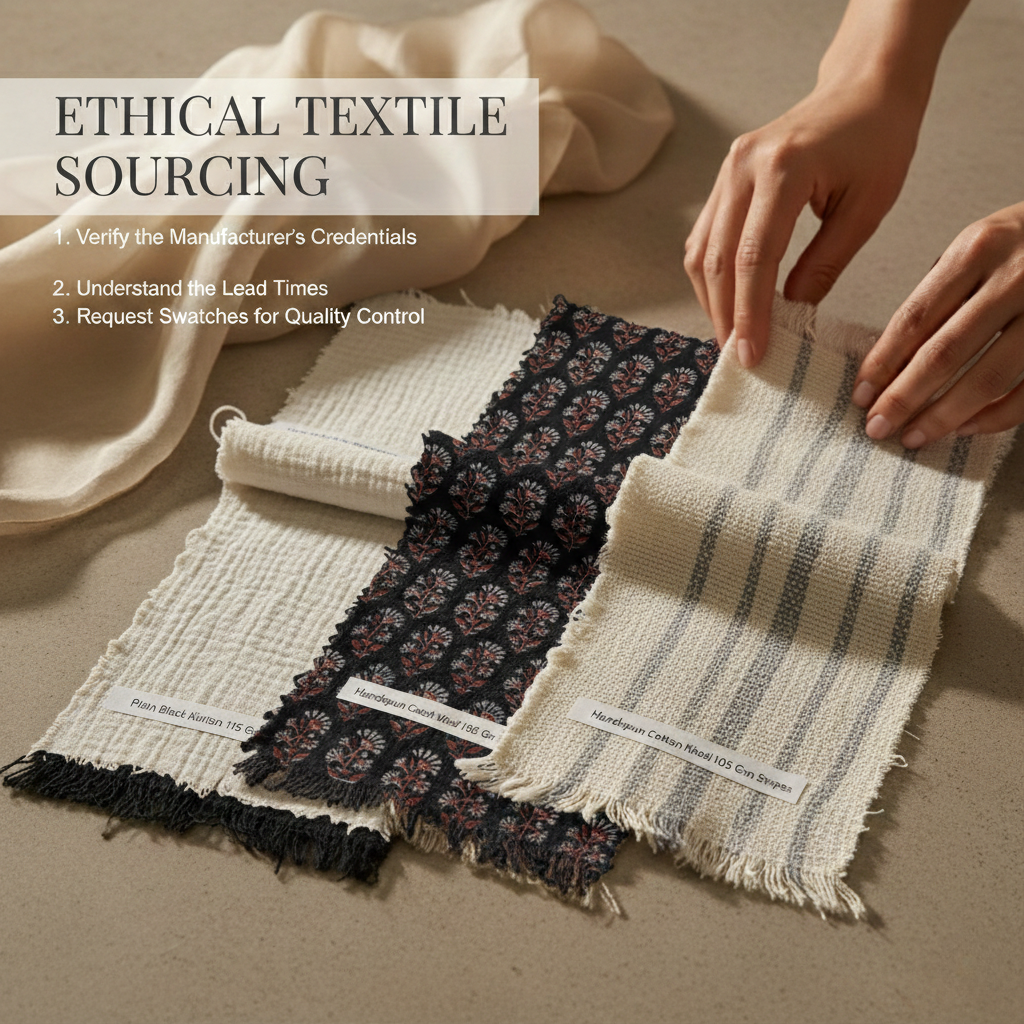
Don't just look for the word "Khaadi." Look for manufacturers who have long-standing relationships with weaver societies. Check if they provide transparency regarding their artisans' working conditions and wages.
2. Understand the Lead Times
Handmade takes time. Unlike a mill that can churn out thousands of meters in a day, a handloom weaver produces about 4-5 meters daily. Plan your collections with these "slow fashion" timelines in mind.
3. Request Swatches for Quality Control
Texture is everything in Khadi. Order swatches of different weights, such as the Plain Black Khadi Cotton 115 Gsm or the Handspun Cotton Khadi 105 Gsm Stripes, to feel the difference in hand-feel and drape.
Why Ethical Khadi Matters Beyond the Fabric
The impact of khaadi online shopping extends far beyond the digital storefront. It is a choice to support a system that respects the environment, honors the artisan, and preserves a rich cultural legacy. By choosing sustainable Khadi Fabric and eco-friendly handspun cotton, your brand becomes a part of a global movement toward ethical textile sourcing.
At Anuprerna, we bridge the gap between traditional craftsmanship and modern design needs. Whether you are looking for a 105 Gsm striped Khadi for a contemporary shirt collection or a heavy-duty black Khadi for sustainable outerwear, we ensure that every meter you buy supports a transparent and ethical supply chain.
Ready to make a difference? Explore our collection and bring the soul of Indian craftsmanship to your brand.
most asked questions
Is khaadi online shopping reliable for high-end fashion brands?
Yes, provided you source from reputable B2B manufacturers like Anuprerna. High-end brands value Khadi for its unique texture, breathability, and "story." Digital platforms now allow for detailed specification sharing (GSM, weave type, yarn count), making it easier for designers to get exactly what they need for luxury collections while ensuring the supply chain is ethical.
What makes Khadi more sustainable than regular organic cotton?
While organic cotton focuses on the "seed" (no pesticides), Khadi focuses on the "process." Regular organic cotton is often processed in large, energy-intensive mills. Khadi is handspun and handwoven, meaning it uses zero electricity during the manufacturing stage. This combination of eco-friendly handspun cotton and manual weaving gives it a much lower carbon footprint than mill-made organic cotton.
How can I tell if the Khadi I buy online is truly handspun?
Look for the "tell-tale" signs of the human hand. Authentic handspun Khadi will have slight irregularities in the thickness of the yarn. You can also perform a "burn test" (it should smell like burning paper and leave fine ash) to ensure no synthetic fibers are present. Most importantly, source from suppliers who provide transparency about their artisan clusters.
Does Khadi shrink after the first wash?
Since Khadi is a natural, handwoven fabric, it can have a shrinkage of about 3-5%. When engaging in khaadi online shopping for a B2B project, it is advisable to ask if the fabric is pre-washed or to account for this shrinkage during the pattern-making stage. Many designers prefer to pre-wash Khadi to enhance its natural softness before cutting.
Can Khadi be used for modern, structured silhouettes?
Absolutely. While many associate Khadi with loose, flowy garments, higher GSM variants like the Plain Black Khadi Cotton Fabric 160 Gsm offer excellent structure. It is a versatile fabric that can be used for everything from structured blazers and trousers to delicate summer dresses, depending on the weight and weave chosen.
More Blogs

khadi jeans for men: styling sustainable denim
eco-friendly trims: sourcing sustainable fashion accessories
how to choose the right fabric wholesaler for your brand
what to look for in a silk manufacturer before you source
how does sustainable sourcing affect clothing quality?

what is a sustainable designer? roles, responsibilities, and impact