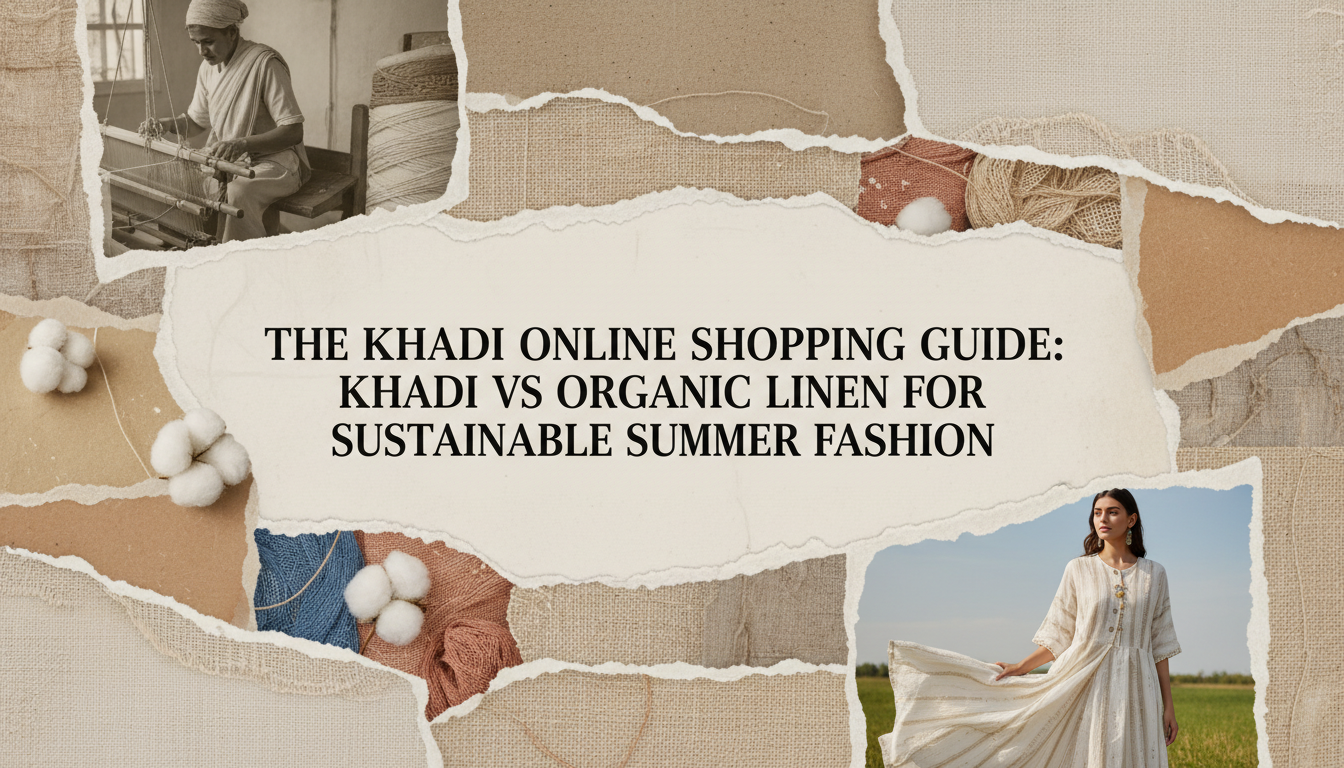
Khaadi Online Shopping Guide: Khaadi vs Organic Linen for Sustainable Summer Fashion

As the global fashion industry pivots toward conscious consumption, designers and brands are increasingly searching for materials that balance aesthetic appeal with environmental responsibility. When it comes to conquering the heat of the summer months, two heavyweight contenders often dominate the conversation: Khadi (or Khaadi) and Organic Linen. Both are celebrated for their natural origins and remarkable cooling properties, but they offer distinct narratives in terms of heritage, texture, and manufacturing impact.
For many modern designers, the journey begins with khaadi online shopping, looking for that perfect hand-feel that only a handspun fabric can provide. However, understanding the technical and ethical nuances between Khaadi vs Organic Linen is essential for making an informed procurement decision. Is the rugged, soulful texture of khadi cotton more breathable than the crisp, sophisticated drape of organic flax? And how do their sustainability footprints compare when we look at water usage and artisan livelihoods?
In this comprehensive guide, we will break down the science of breathability, the ethics of the supply chain and the tactile differences between these two legendary textiles. Whether you are looking to buy khadi fabric online for a new collection or simply want to understand the value of sustainable summer fabrics, this comparison will provide the clarity you need.
The Heritage and Science of Handspun Khadi Cotton
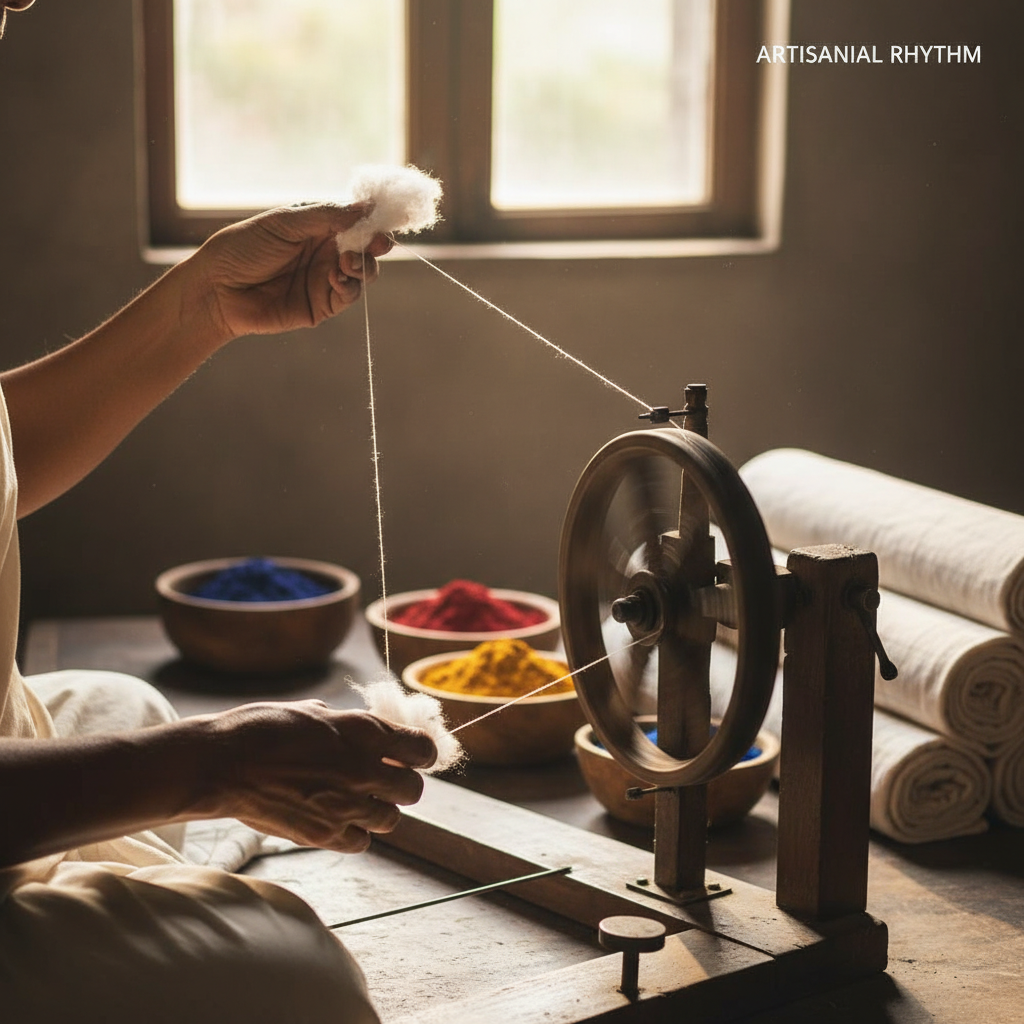
Khadi is more than just a fabric in the Indian context; it is a symbol of self-reliance and a testament to human craftsmanship. The defining characteristic of Khadi is that it is both handspun and handwoven. This dual process creates a textile that is fundamentally different from anything produced in a mill.
When you engage in khaadi online shopping, you are looking for a fabric that "breathes" in a way no machine-made material can. Because the yarn is spun by hand on a charkha, it possesses subtle irregularities or "slubs." These variations aren't defects; they are the secret to Khadi's superior breathability. These irregularities create tiny air pockets within the weave, allowing for maximum air circulation. In the summer, these pockets move heat away from the body, while in the winter, they provide a surprising amount of insulation. This makes handspun khadi cotton a versatile, year-round choice for sustainable brands.
Furthermore, the lack of chemical processing in traditional Khadi production preserves the natural strength of the cotton fibers. At Anuprerna, our pieces like Handspun Cotton Khadi Fabric showcases this delicate balance of lightness and durability, making it an ideal candidate for summer shirts, dresses, and tunics.
More Blogs
khaadi online shopping guide: khaadi vs organic linen for sustainable summer fashion
khaadi online shopping guide: khaadi vs organic linen for sustainable summer fashion
navigating fabrics wholesale: a comprehensive guide to moqs and sampling protocols for sustainable brands
a strategic guide to sourcing fabrics wholesale in india for global brands

ethical supply chains: the sustainability impact of khaadi online shopping
performance metrics: analyzing banana fiber fabric properties for textile design