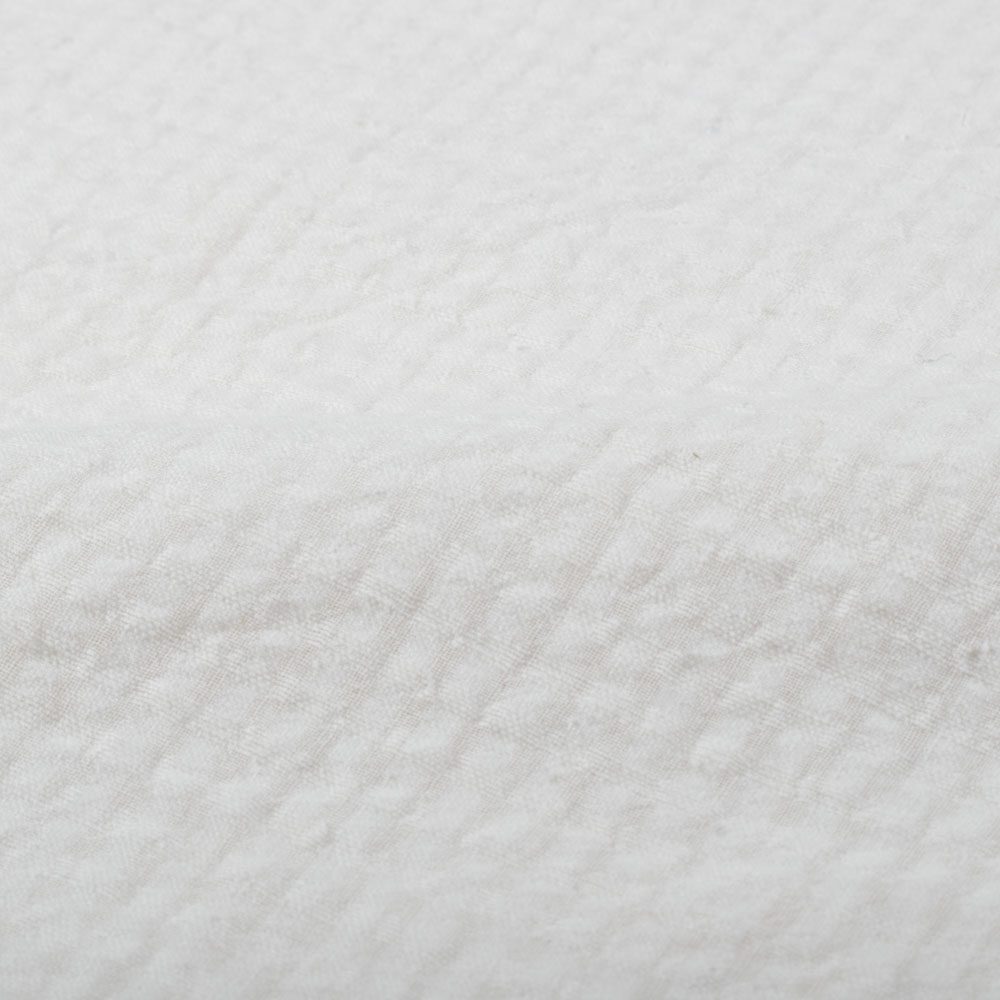
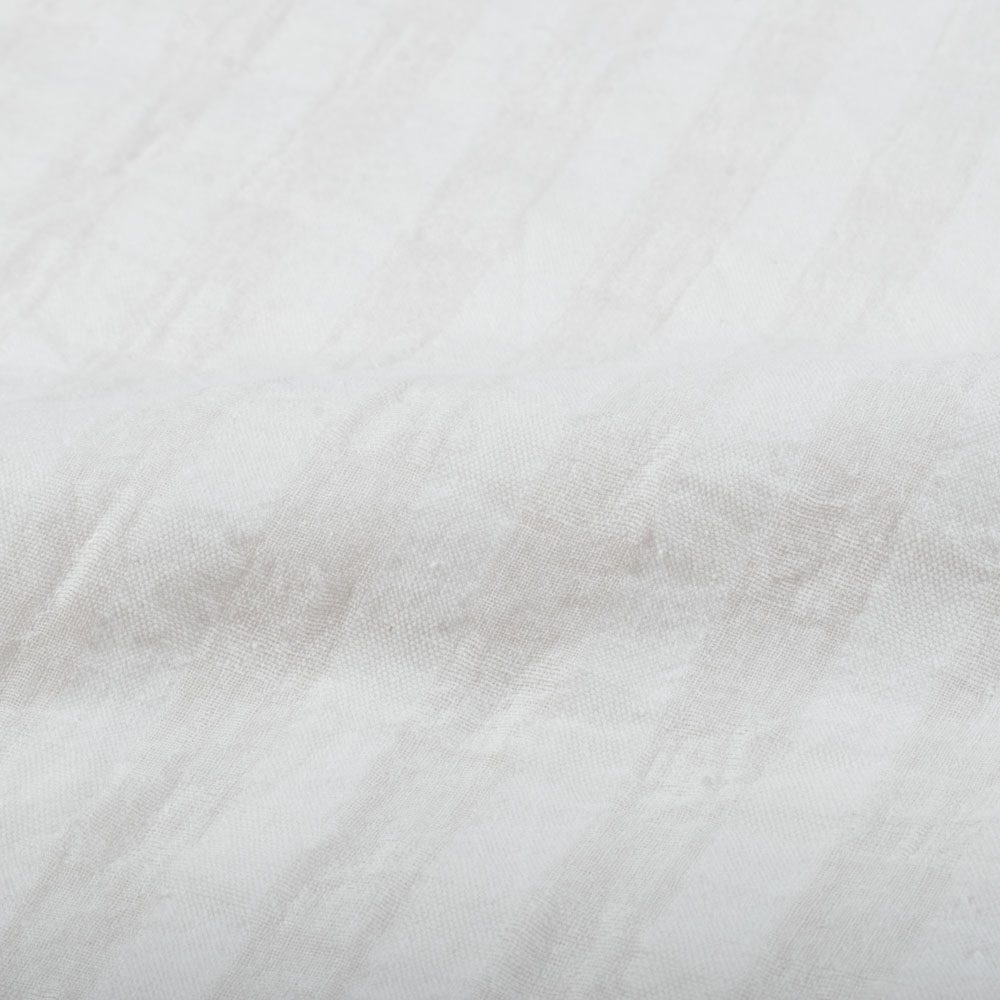
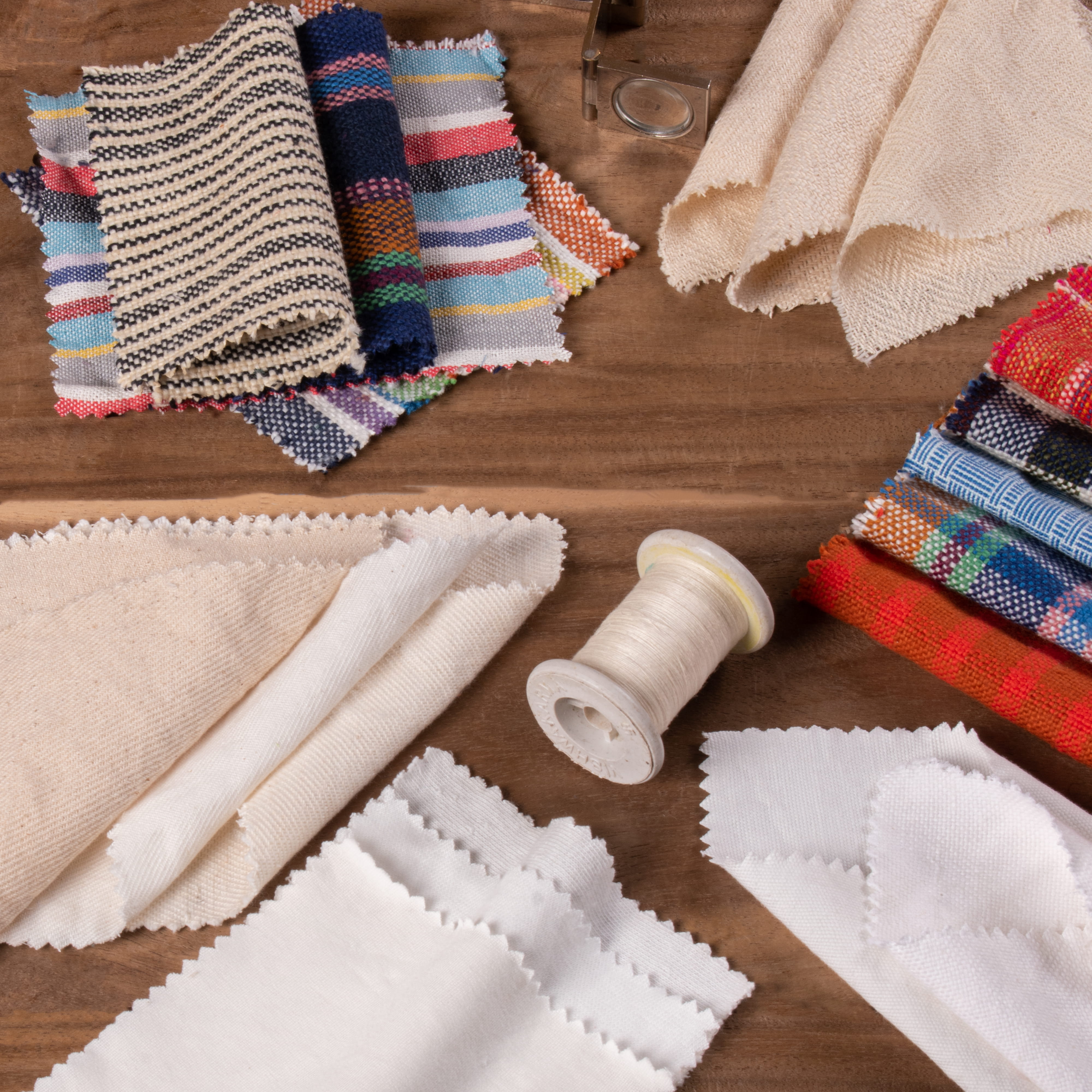
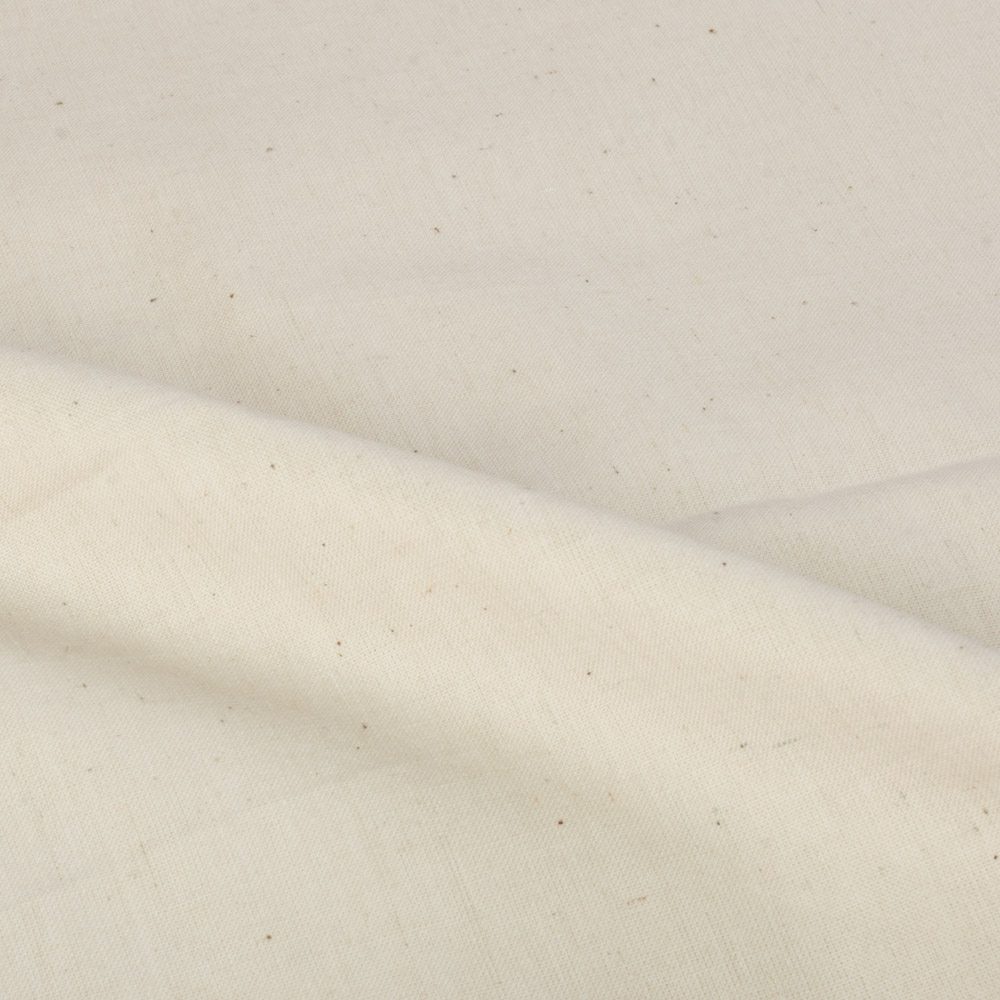
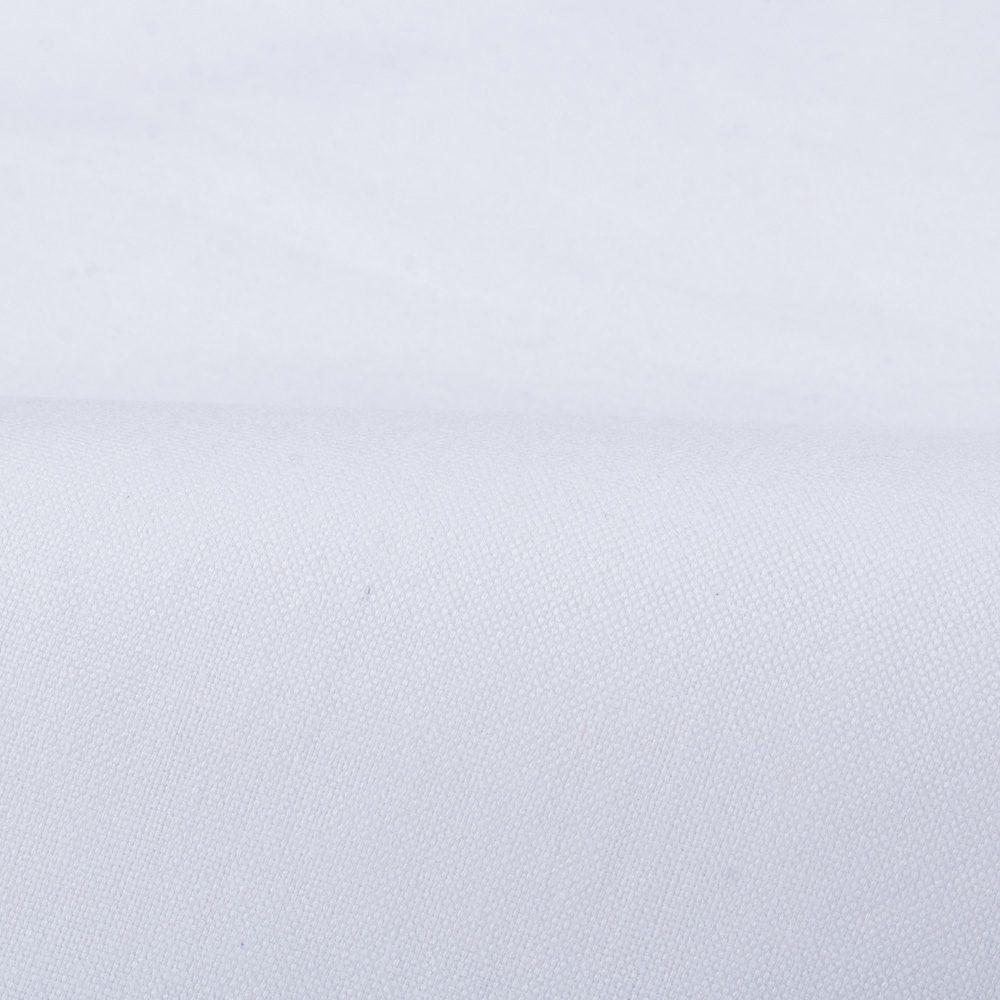
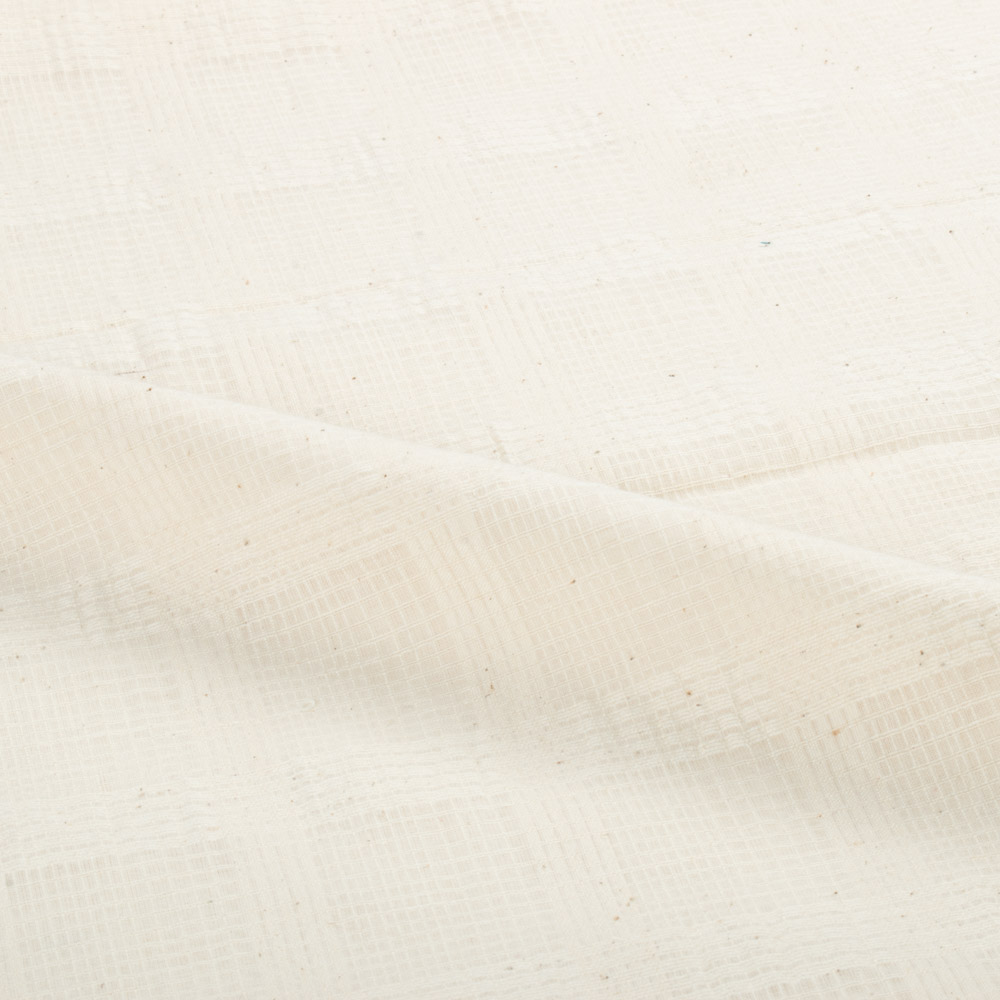
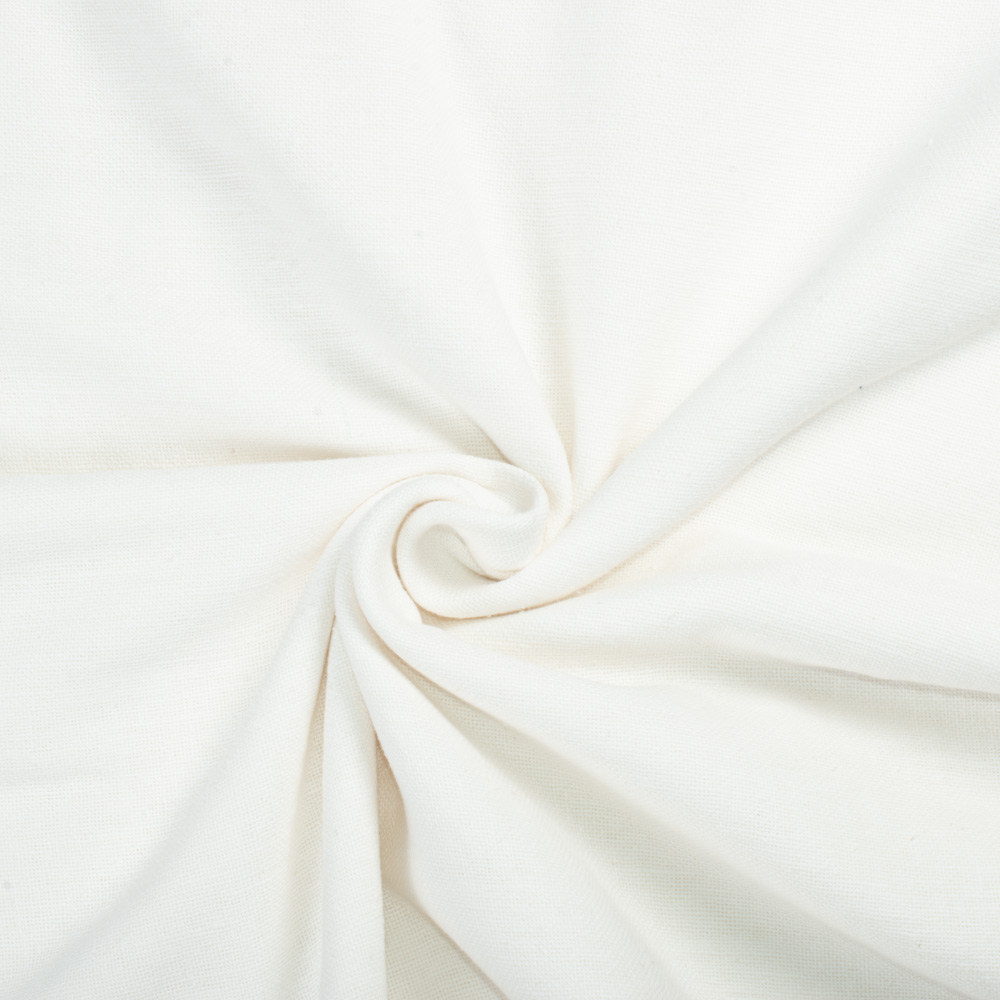
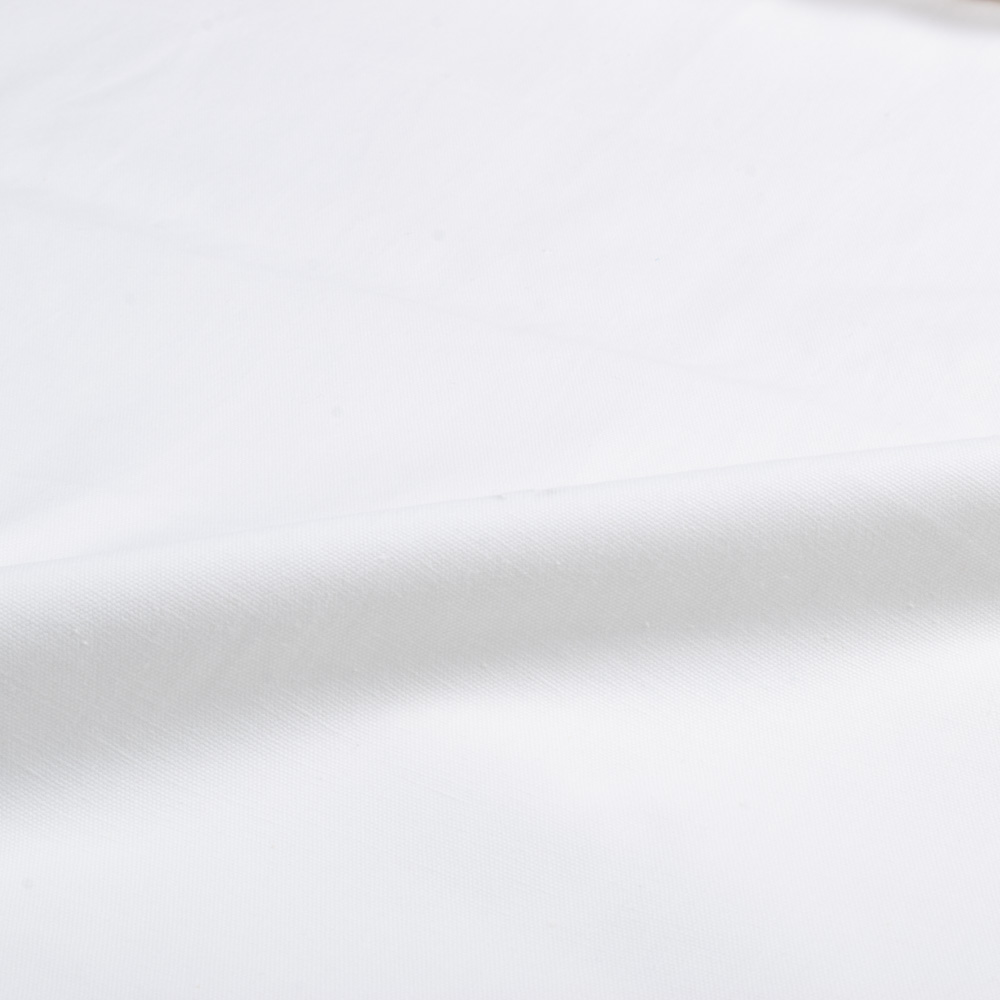
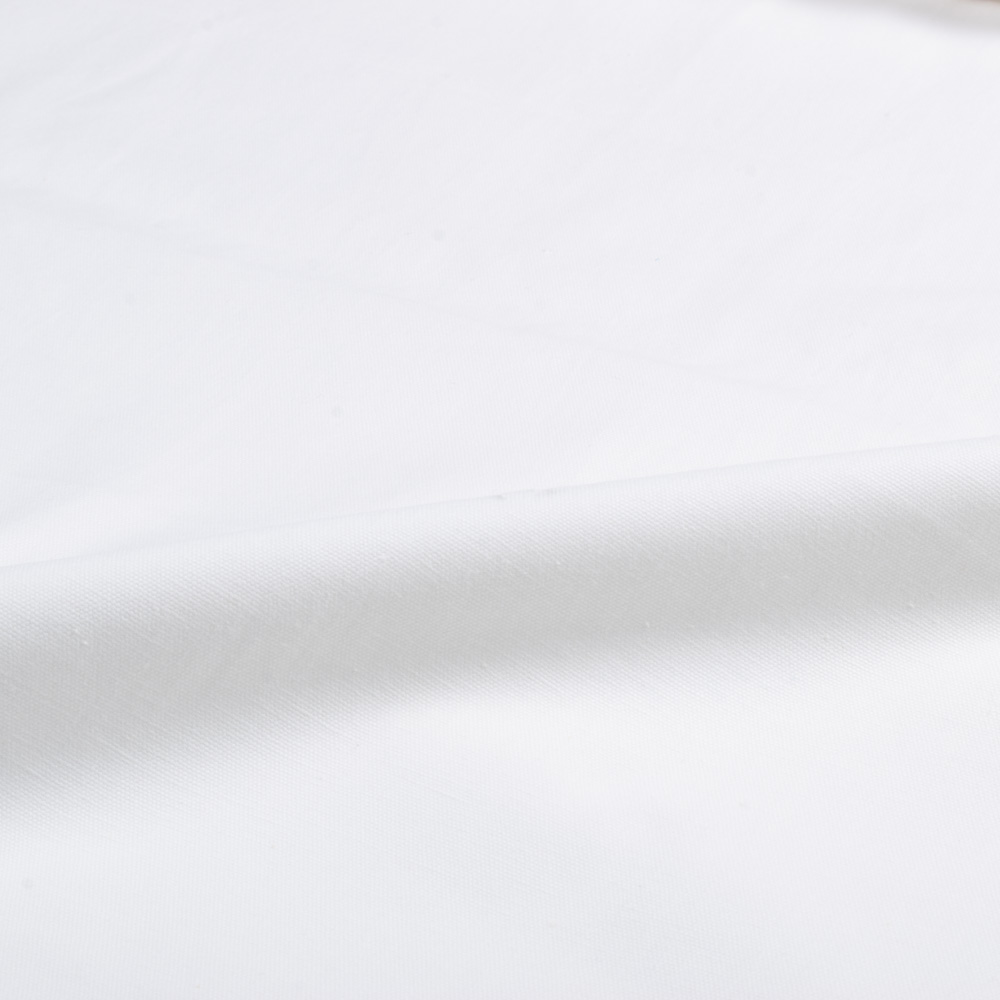
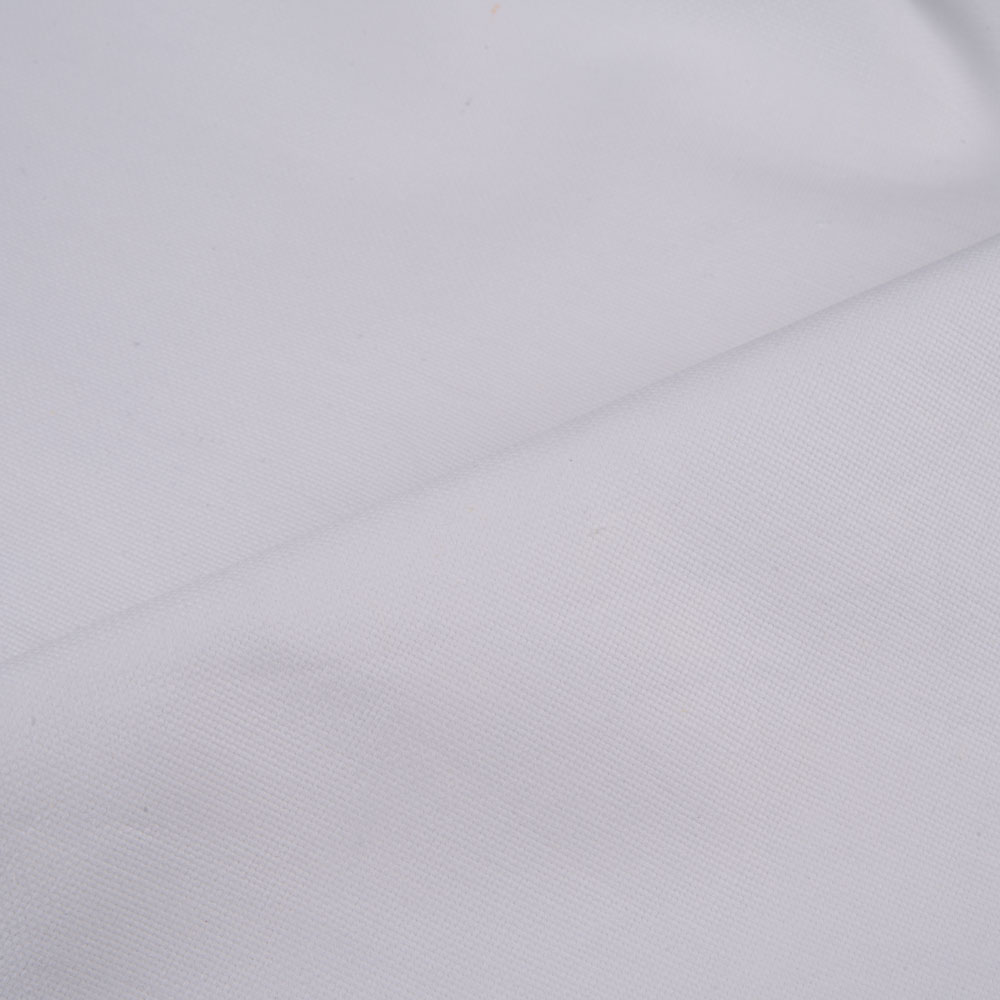
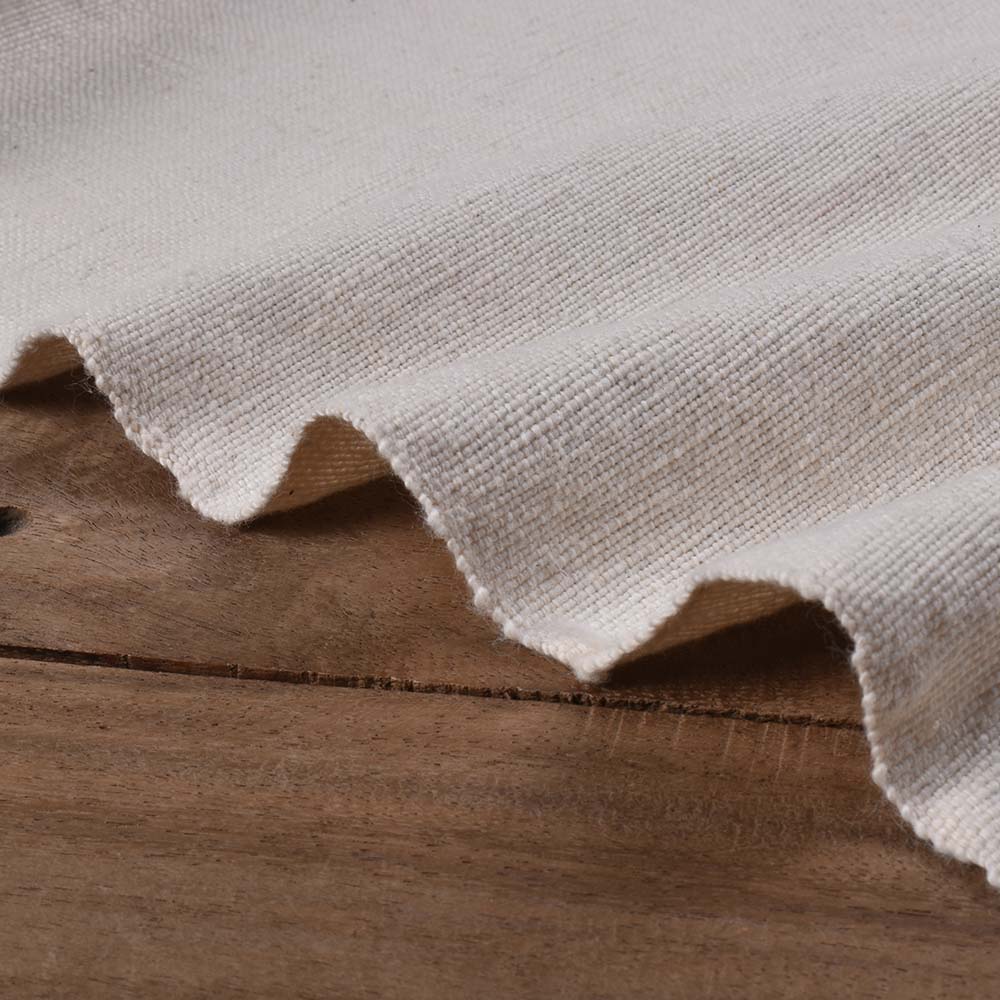
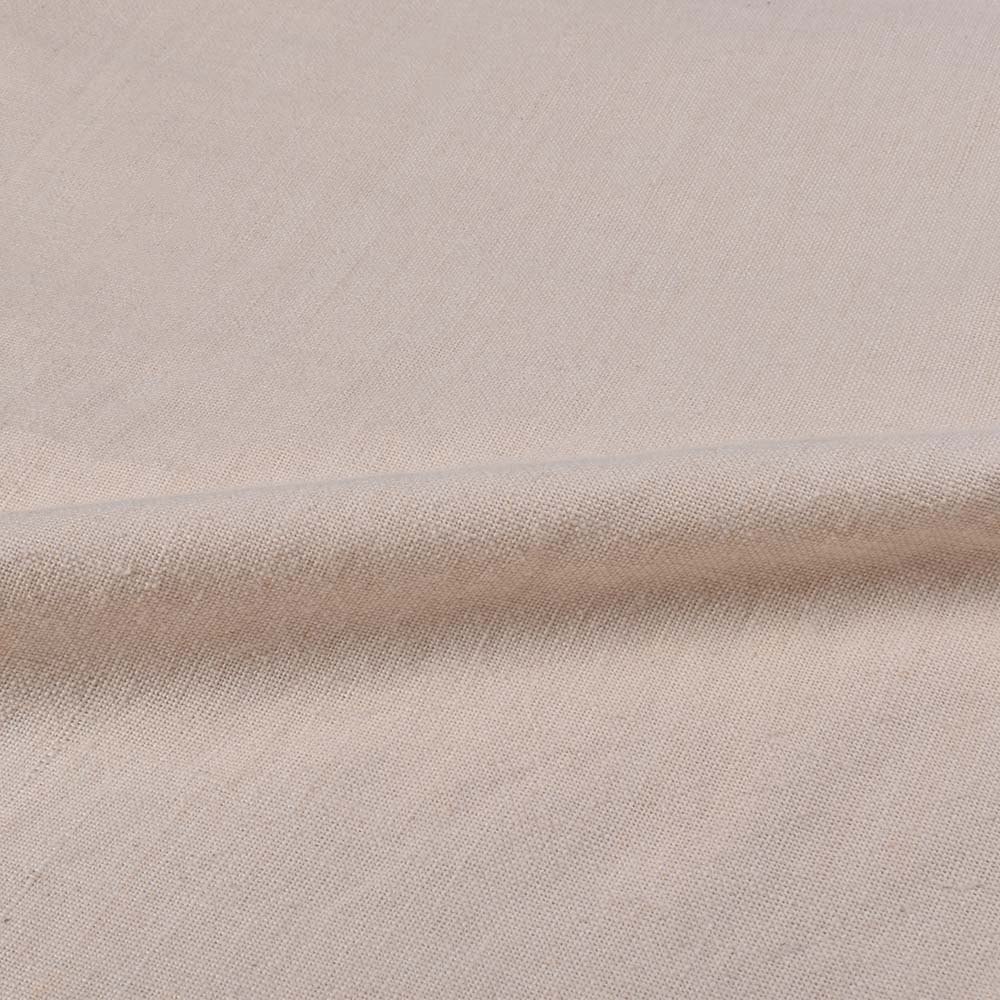
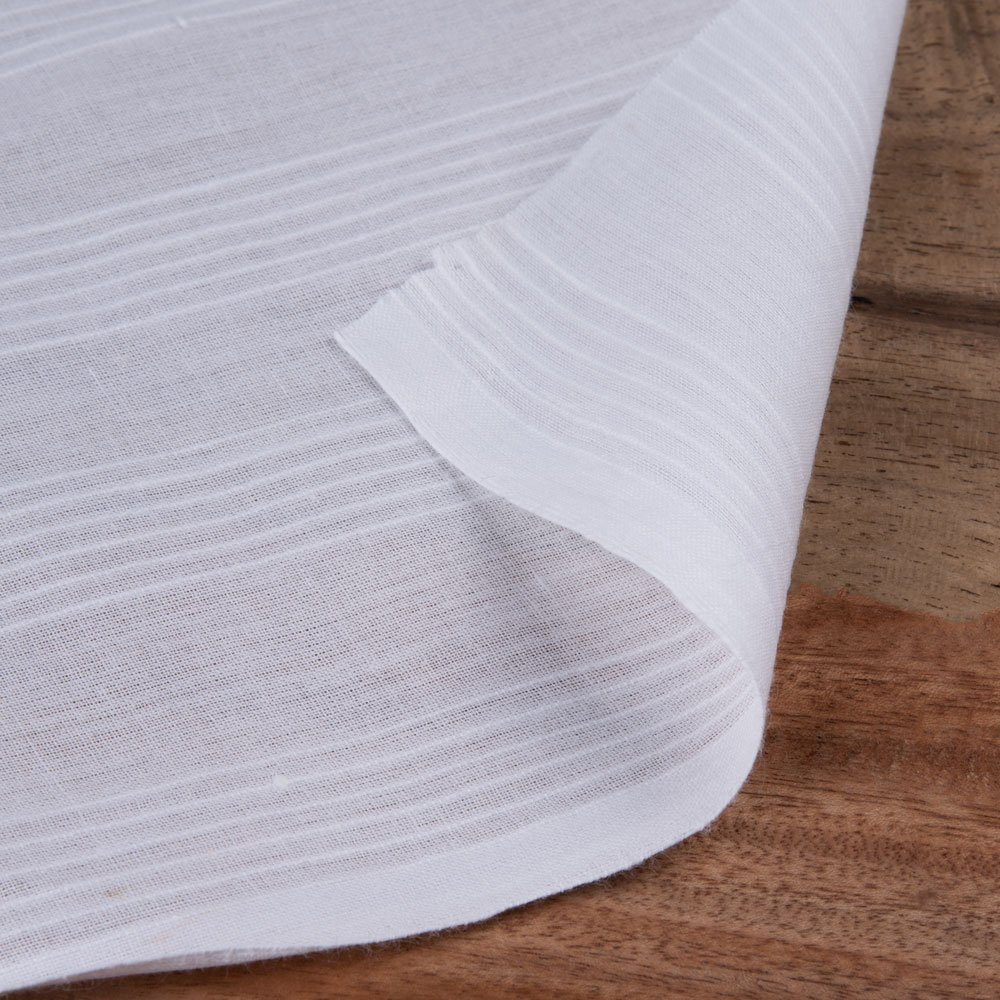
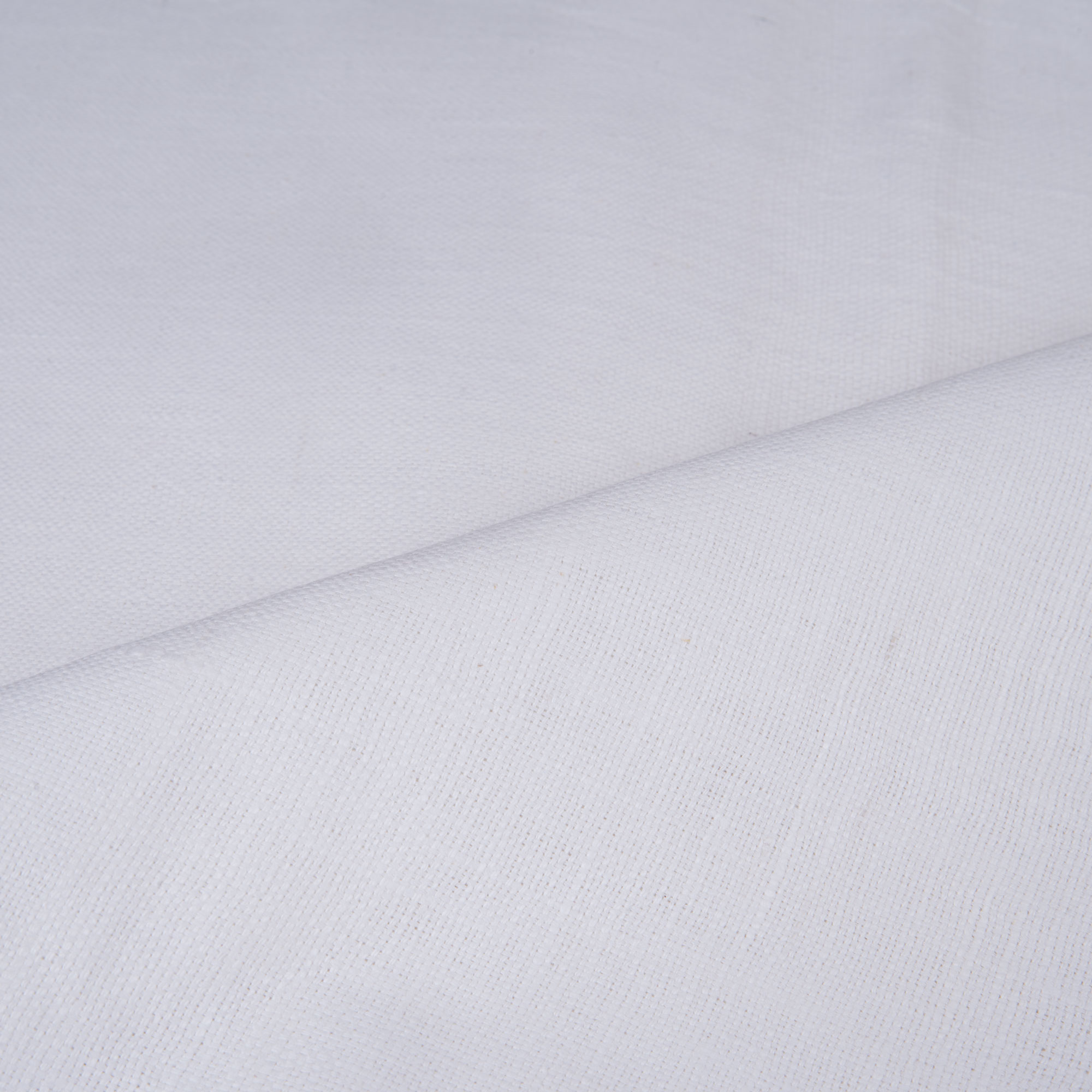
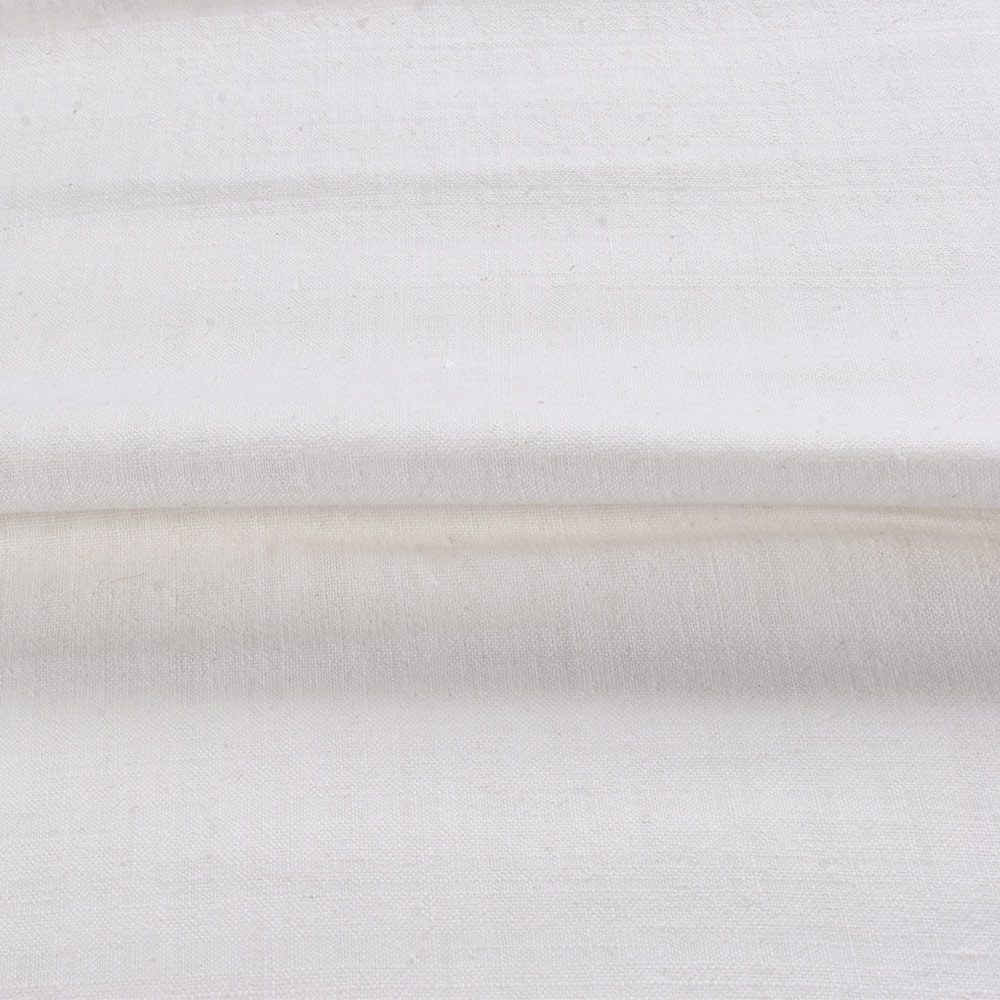
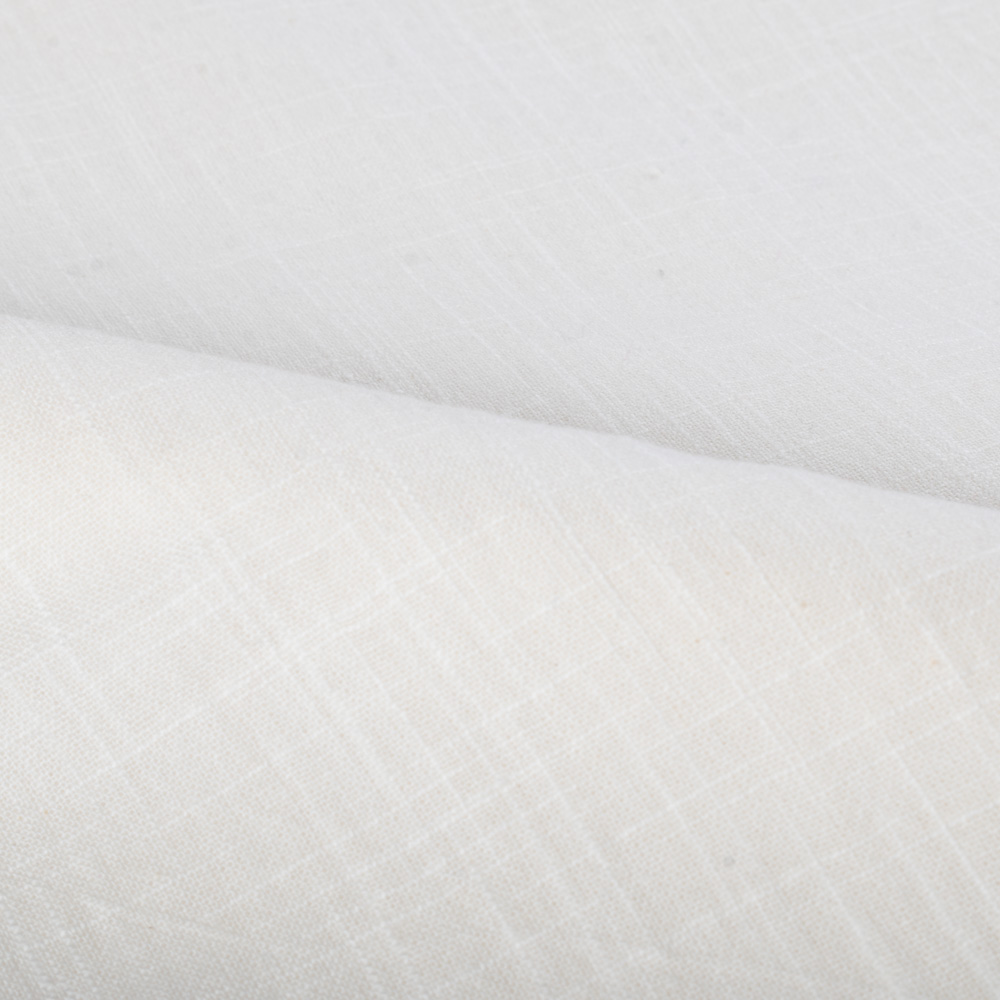
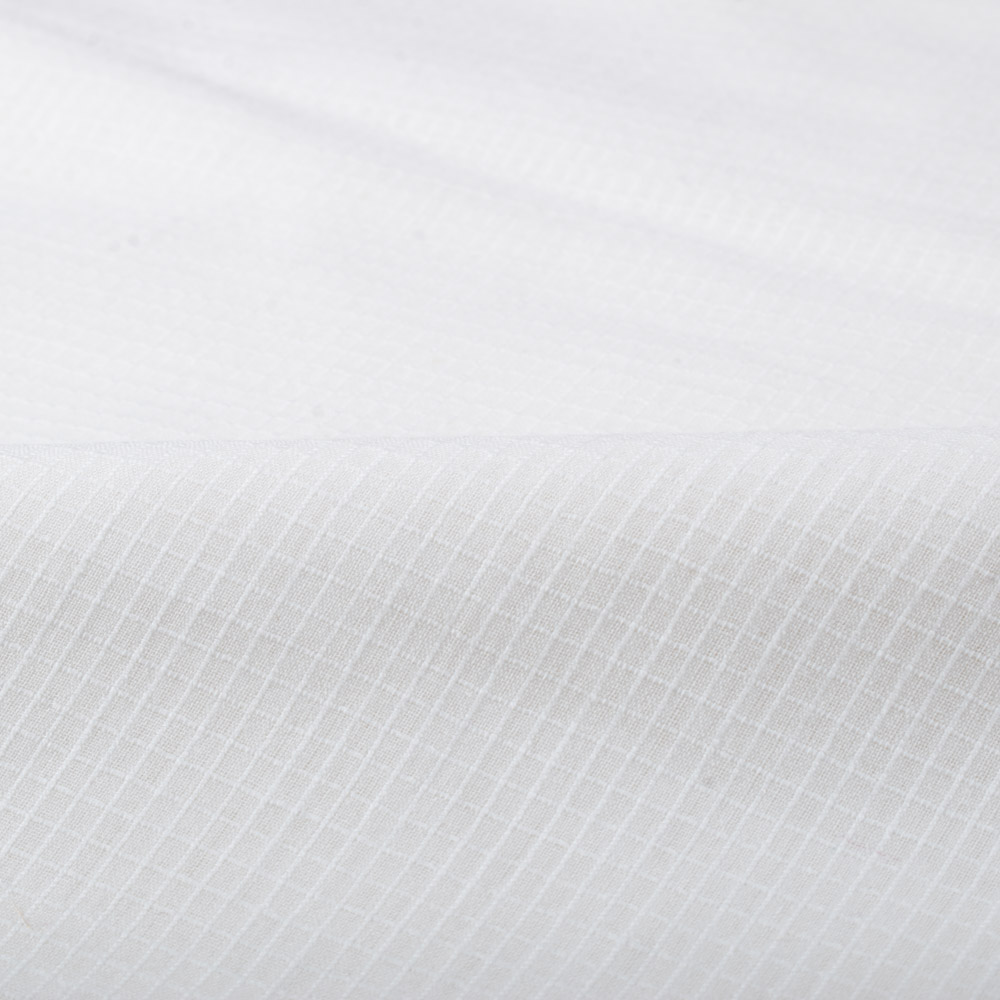
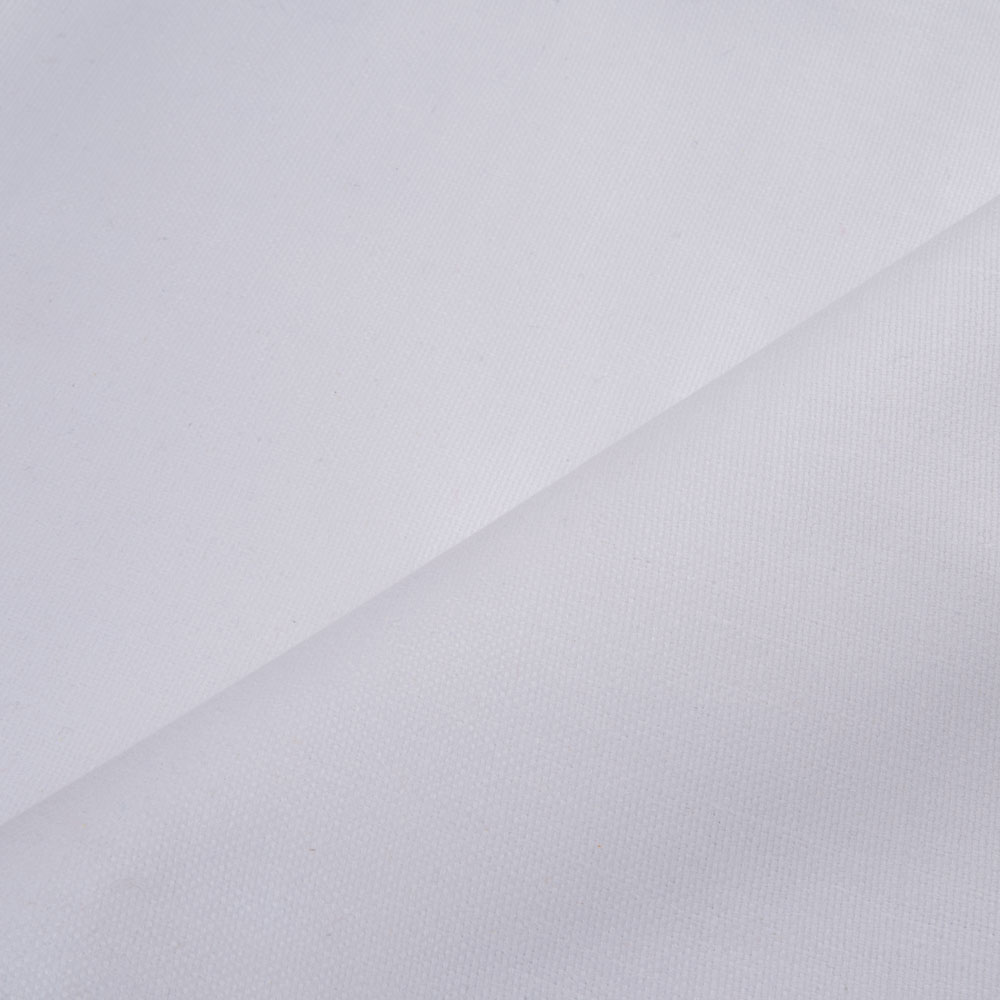
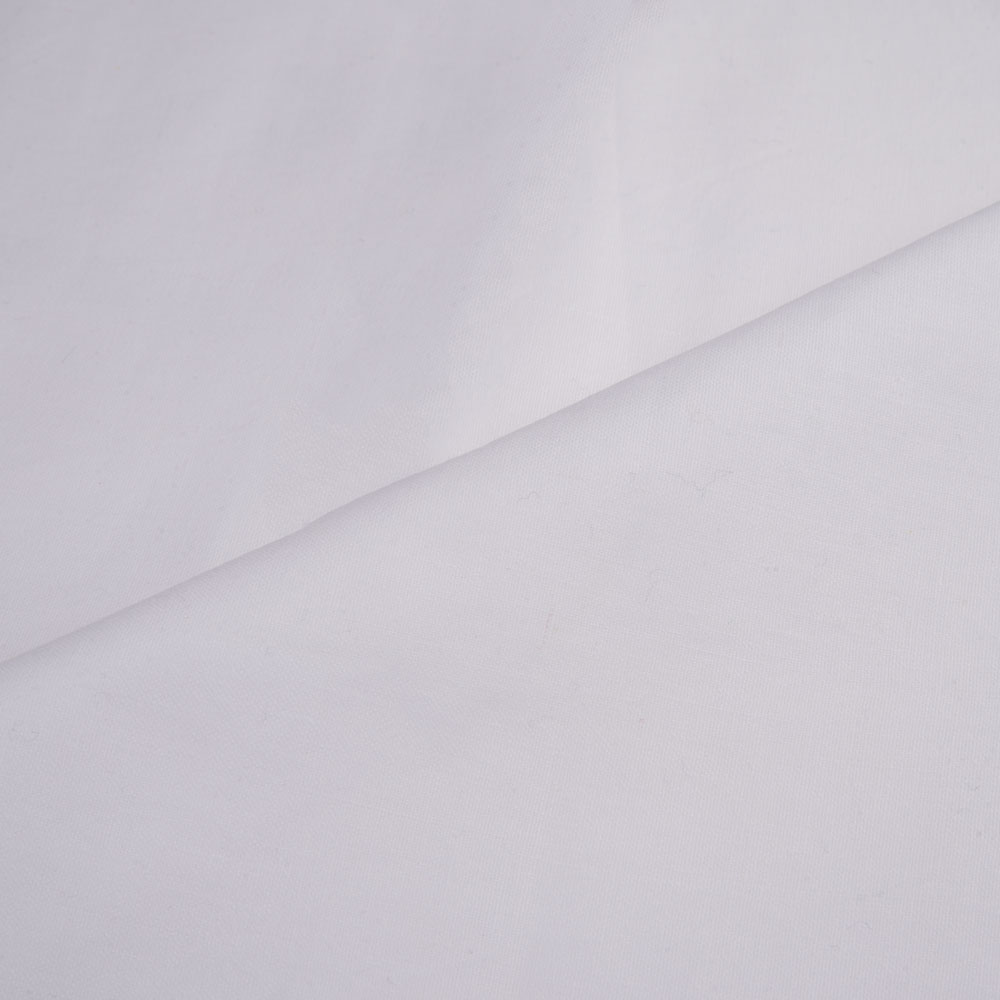
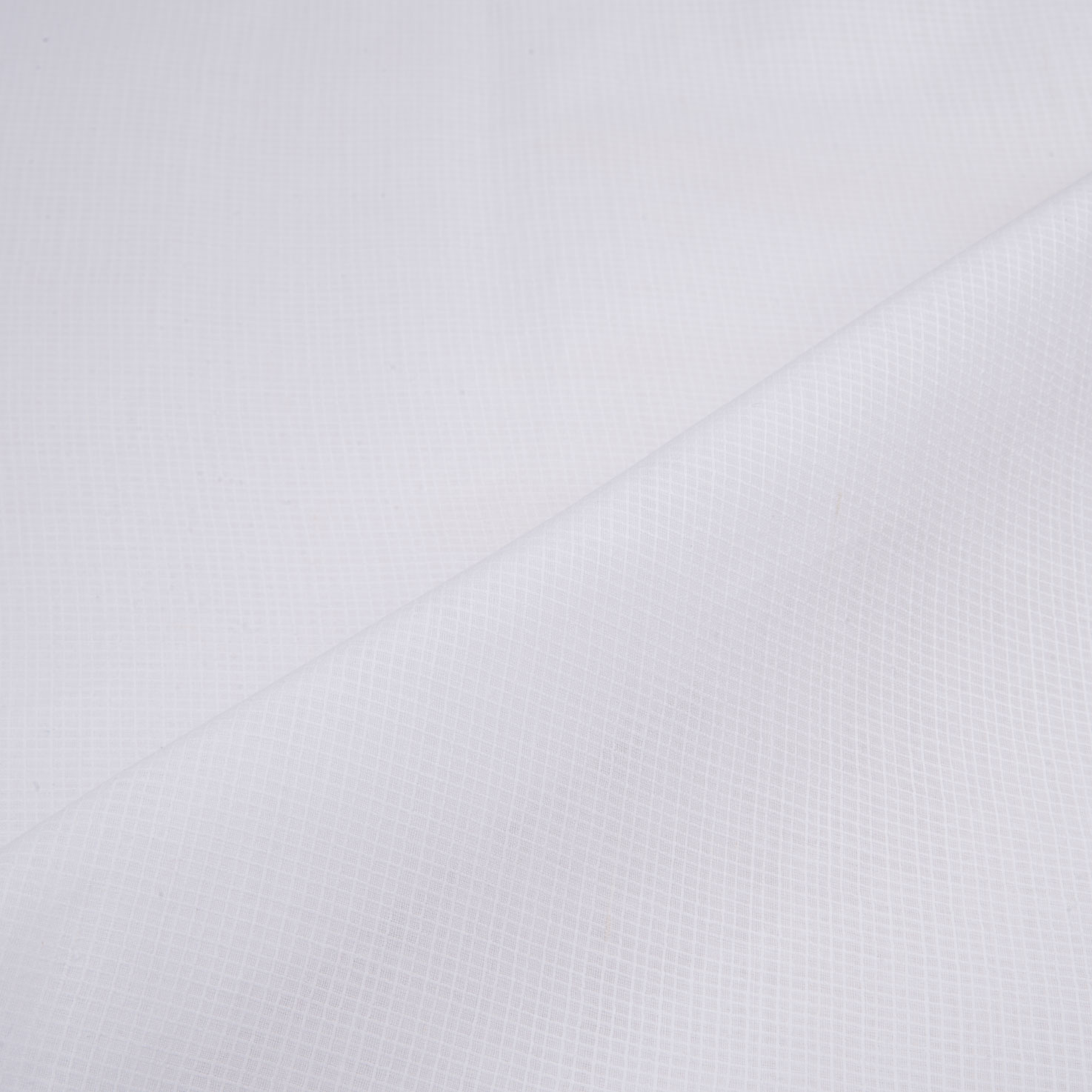
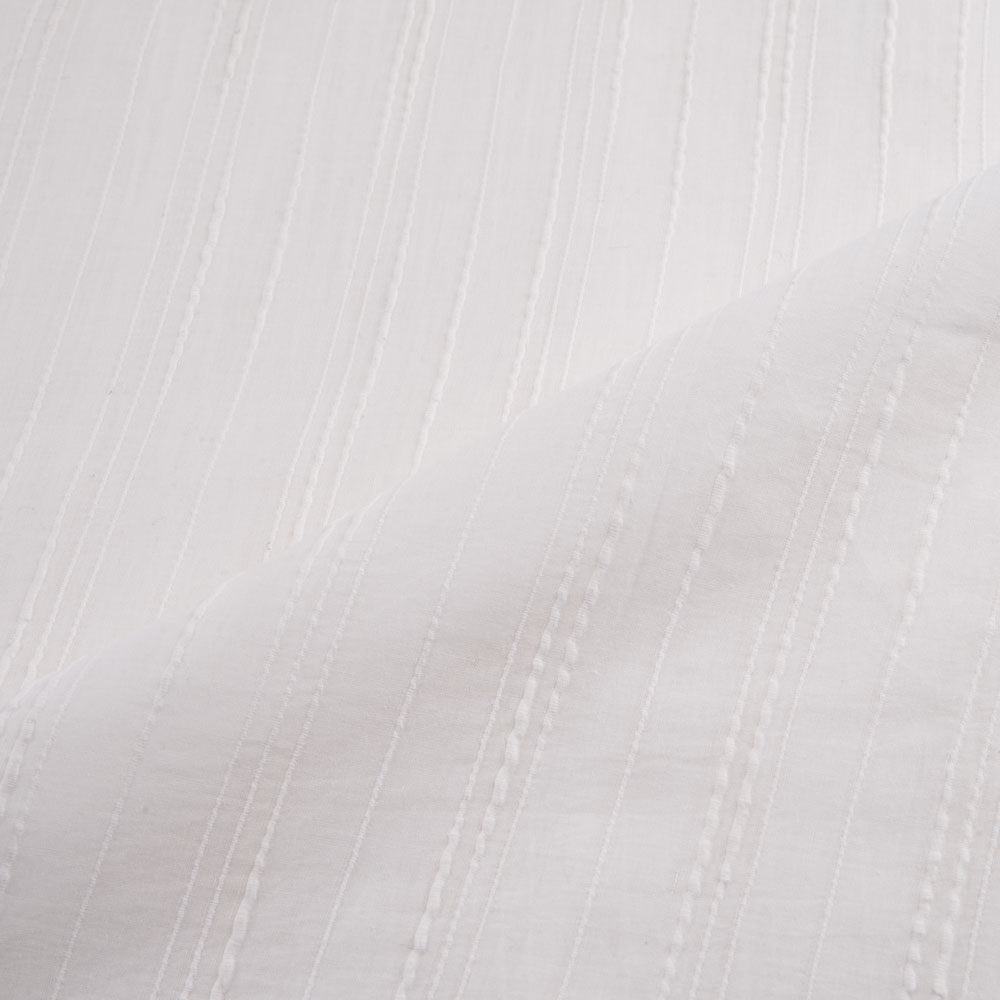
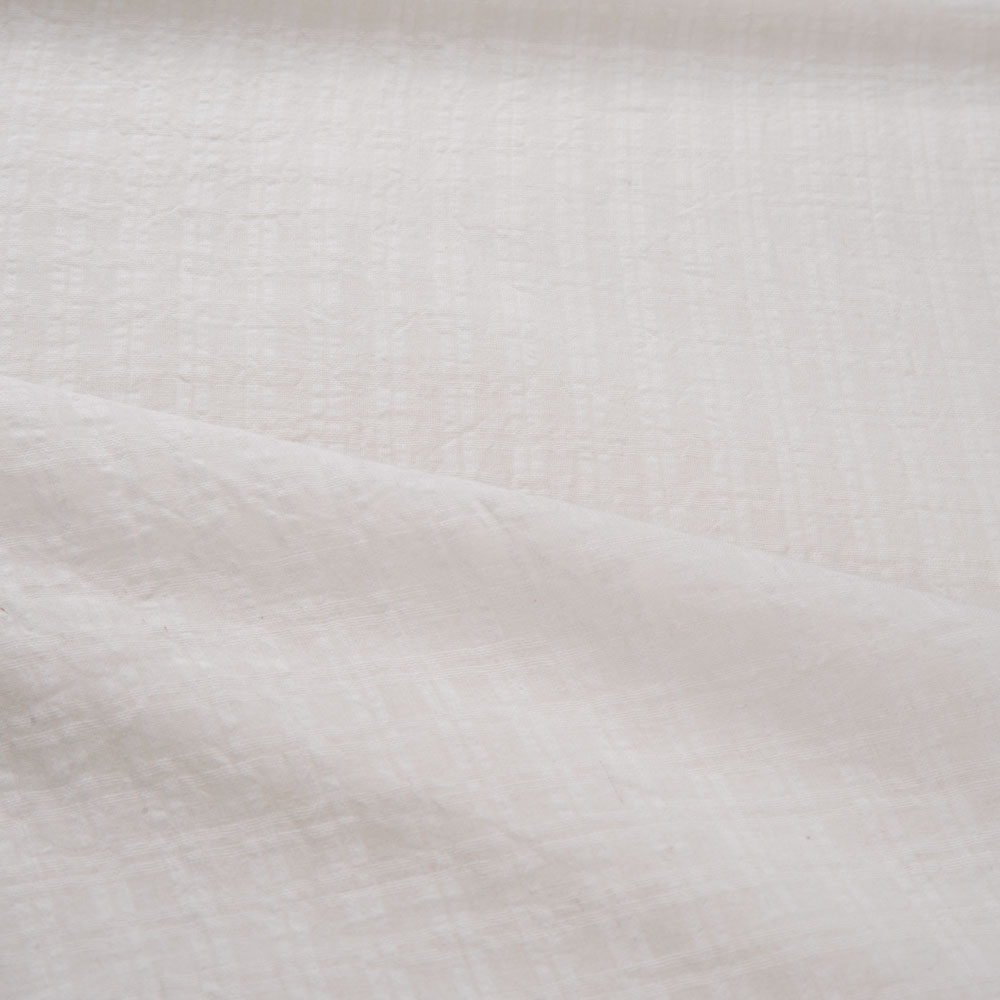
DYEABLE KHADI COTTON

Khadi Or Indian Khadi Is A Term That Basically To An Indian Fabric That Has Been Handspun & Handwoven Using Natural Fibres Like Cotton, Wool, Silk Or Linen. Being A Manual Process, No Two Khadi Fabrics Are The Same. Each Piece Is Unique In Its Beauty, Colour And Texture.
The Finer Lightweight Khadi Cotton Fabric Is Referred To As Muslin Or Mulmul While The Thicker Khadi Is Sometimes Called A Calico.
What is Khadi?
Khadi is a handspun, handwoven fabric made mainly from cotton, silk, or wool. Produced on traditional looms, it supports rural artisans, promotes sustainability, and is valued for its breathability, durability, and low environmental impact.
HISTORY
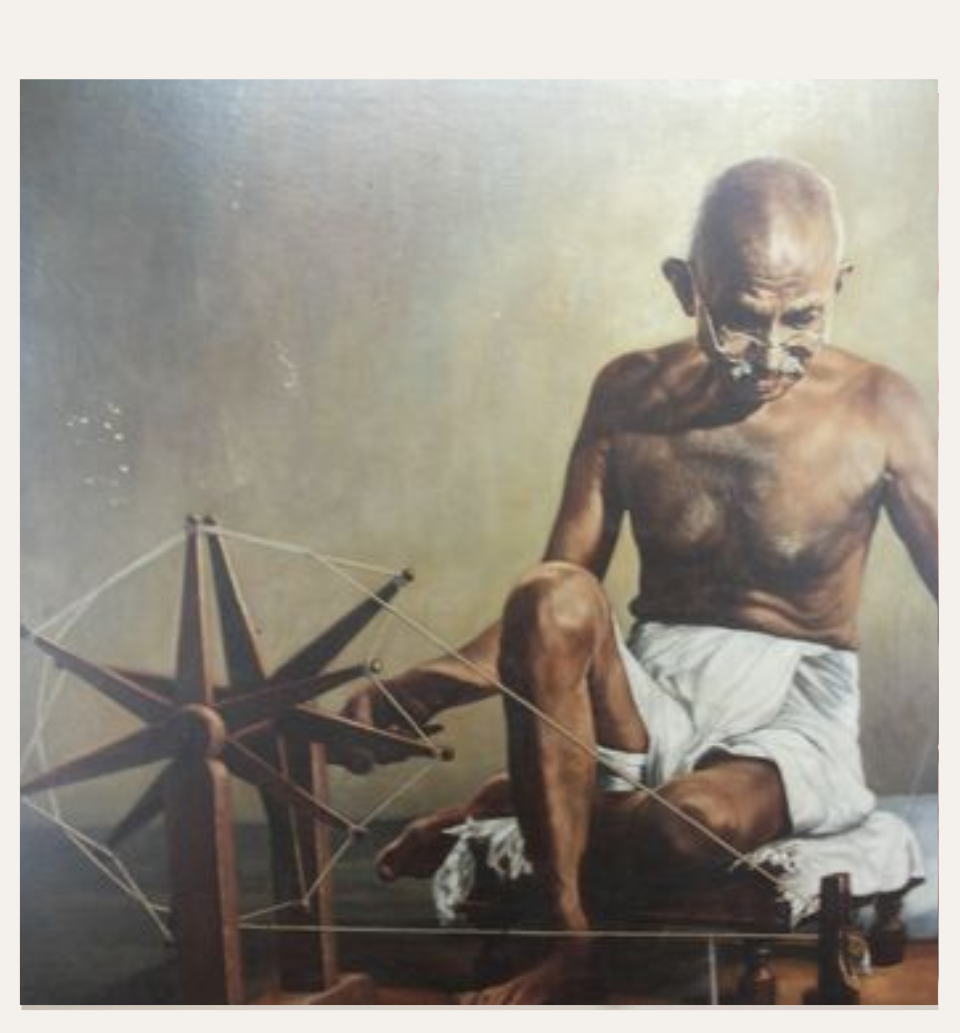
Khadi is an Indian woven fabric that has been known to date back to the ancient glorious Vedic times (5000 BC), with detailed accounts of cotton and natural fibers being handwoven with gold thread by a handloom. The word ‘Khadi’ is derived from ‘Khaddar’, a term for handspun fabric in India. The Indian Khadi as we know it was rediscovered by freedom fighter, Mahatma Gandhi, during the Khadi Movement.
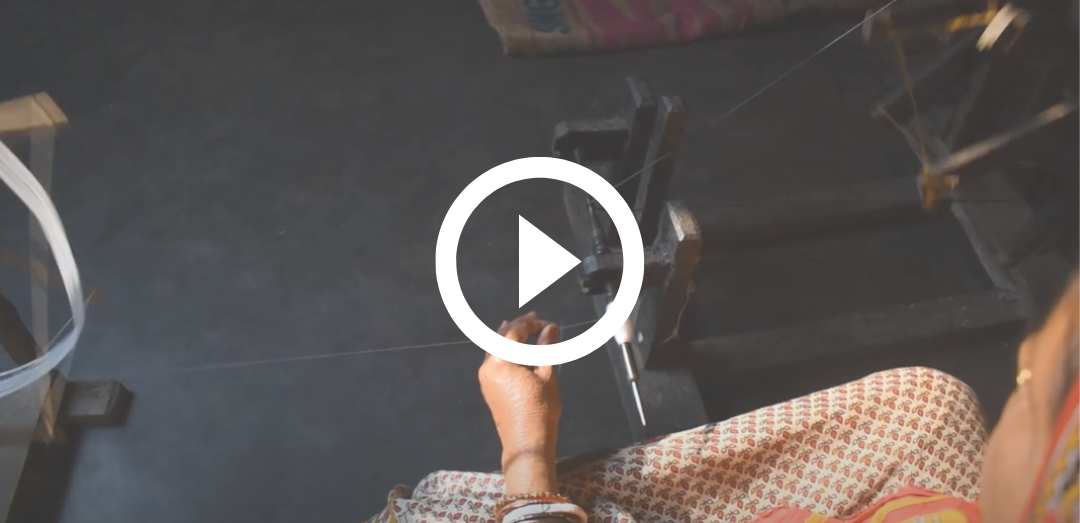
DYEABLE KHADI PROCESS
WHAT MAKES KHADI SPECIAL?
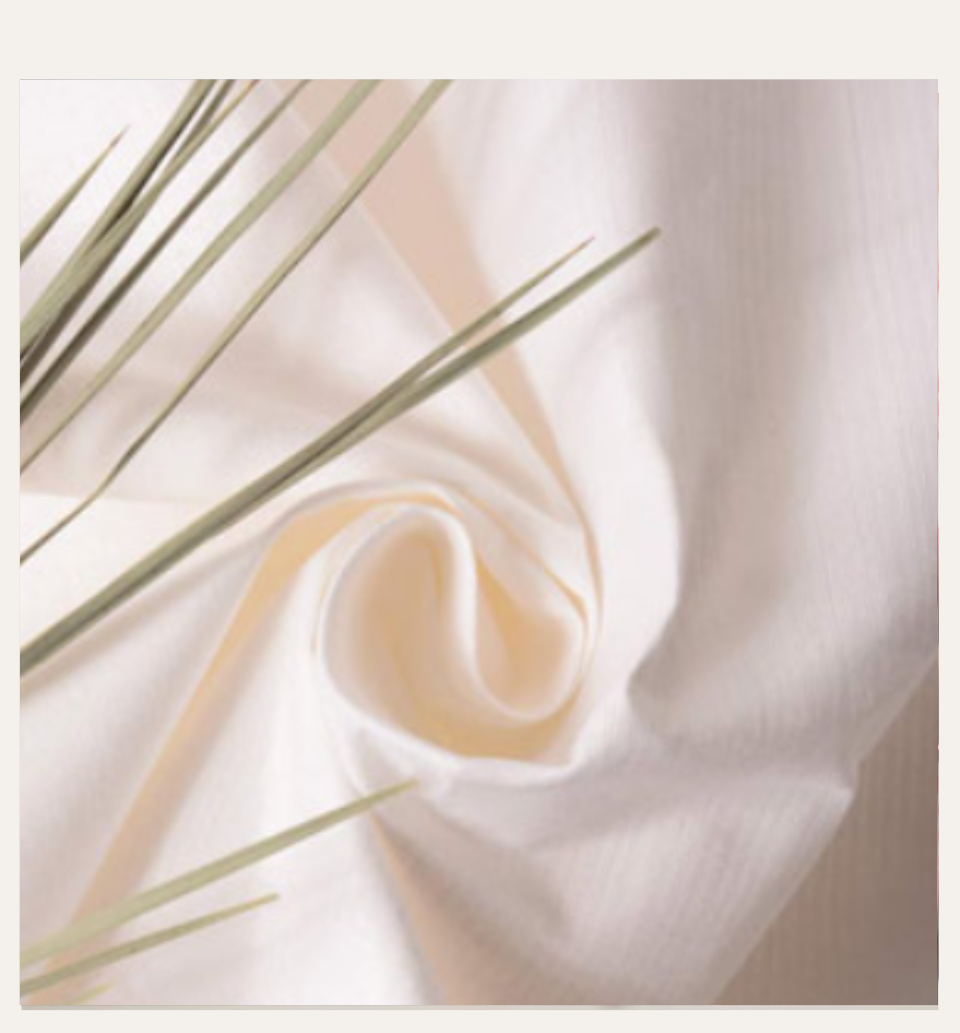
- Khadi fabric has a distinct character. It can be crisp like cotton khadi or supple like its silk counterpart.
- The changes, innovations, and adaptations of khadi in the last 10-15 years have breathed new life into the fabric.
- Khadi comes in hues that are extremely soothing to the eyes.
- It is quite an easy fabric to work with, has variety & is soft. Thus, khadi clothes mould themselves according to the body.
- Khadi has various beautiful weaves and is also extremely comfortable as a fabric.
- With appropriate fabric gsm, it can be a great option for both summer and winter.
PROCESS OF MAKING KHADI- STEP 1: GINNING
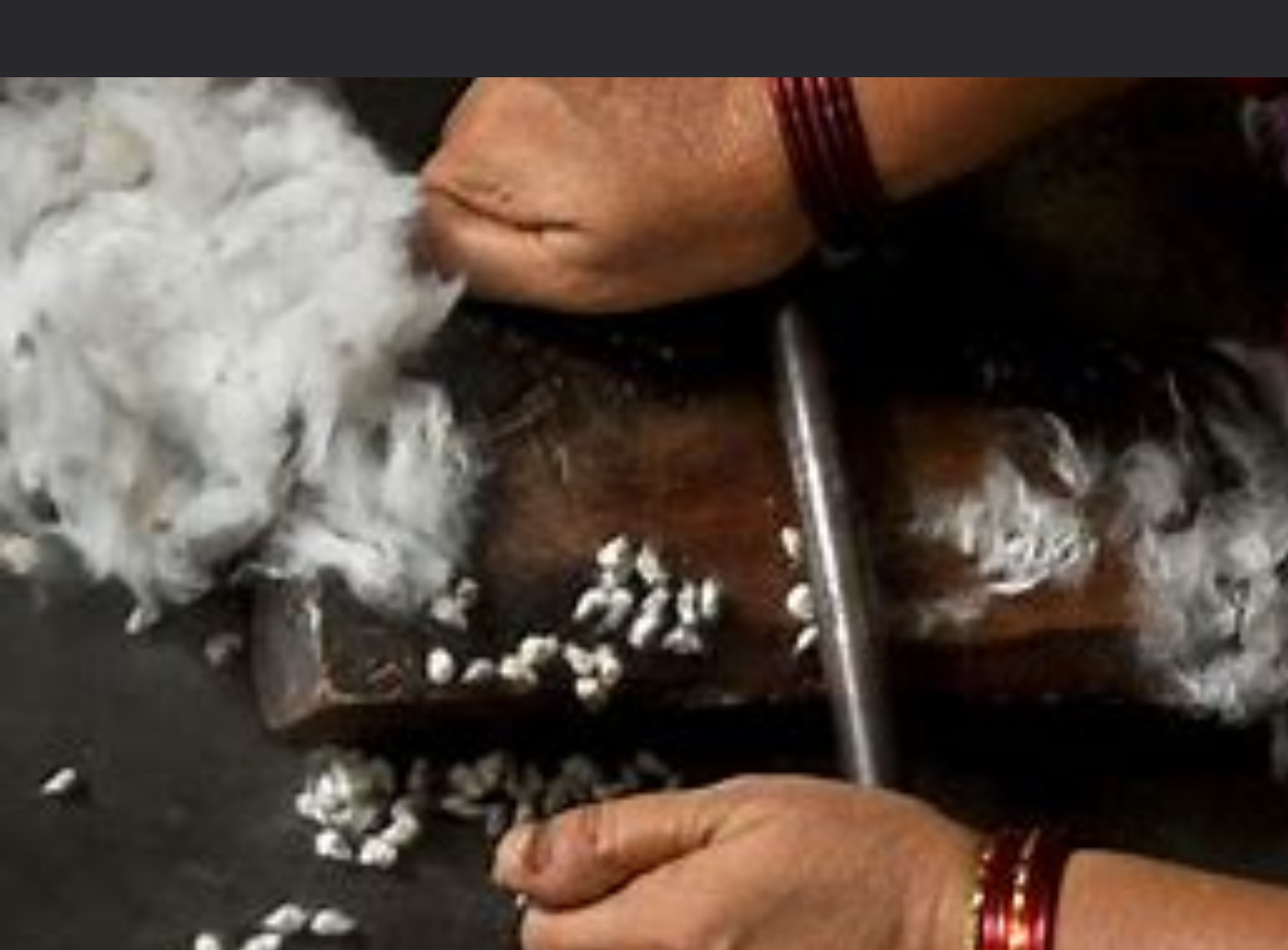
STEP 1: GINNING
Ginning, which involves the use of a sharp comb-like tool, is the process of separating fibers from cotton seeds.
STEP 2: SPINNING
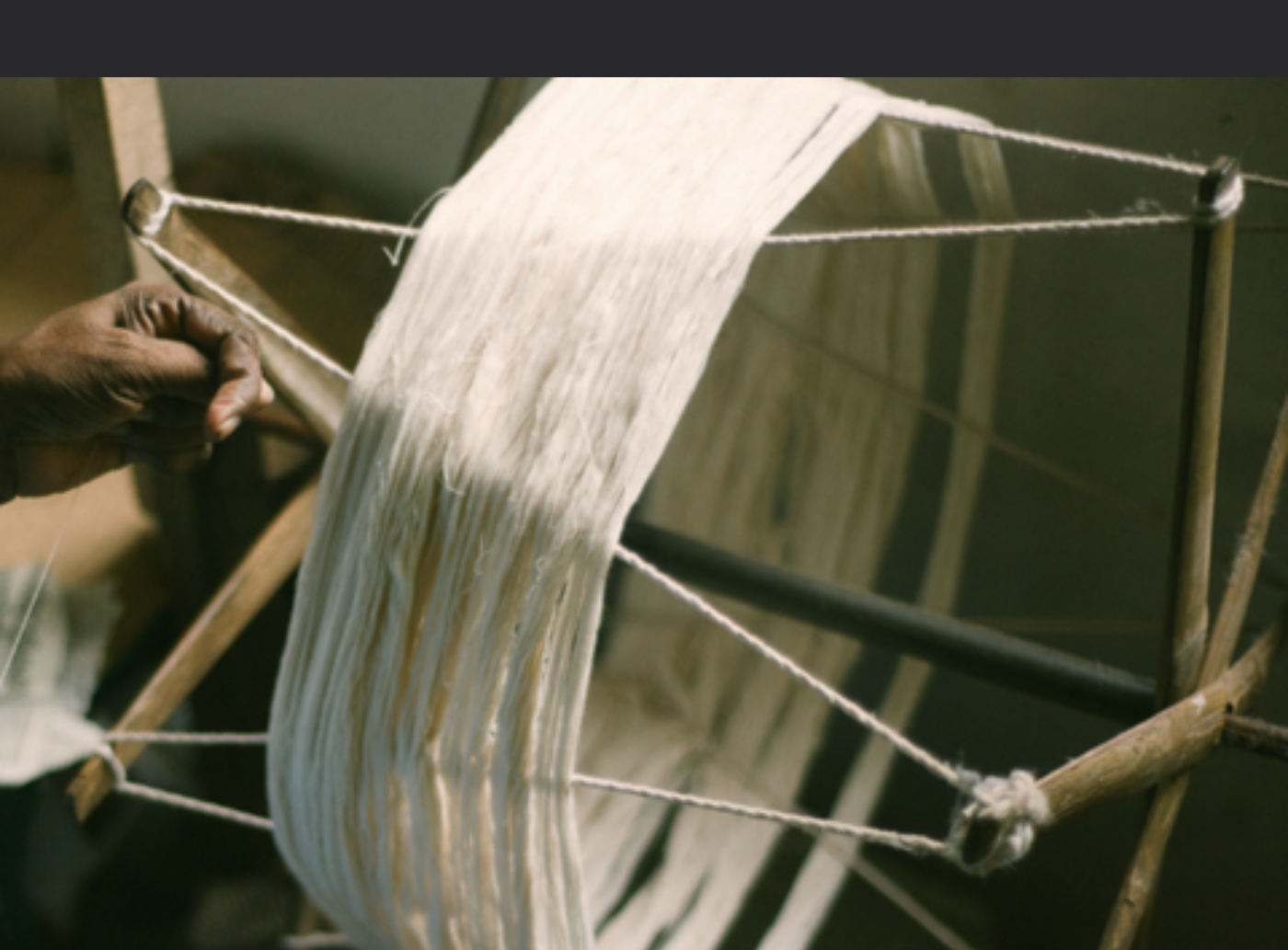
The slivers undergo the process of being spun into yarn on a spinning wheel, during which they are stretched out to become thinner.
STEP 3: WARPING
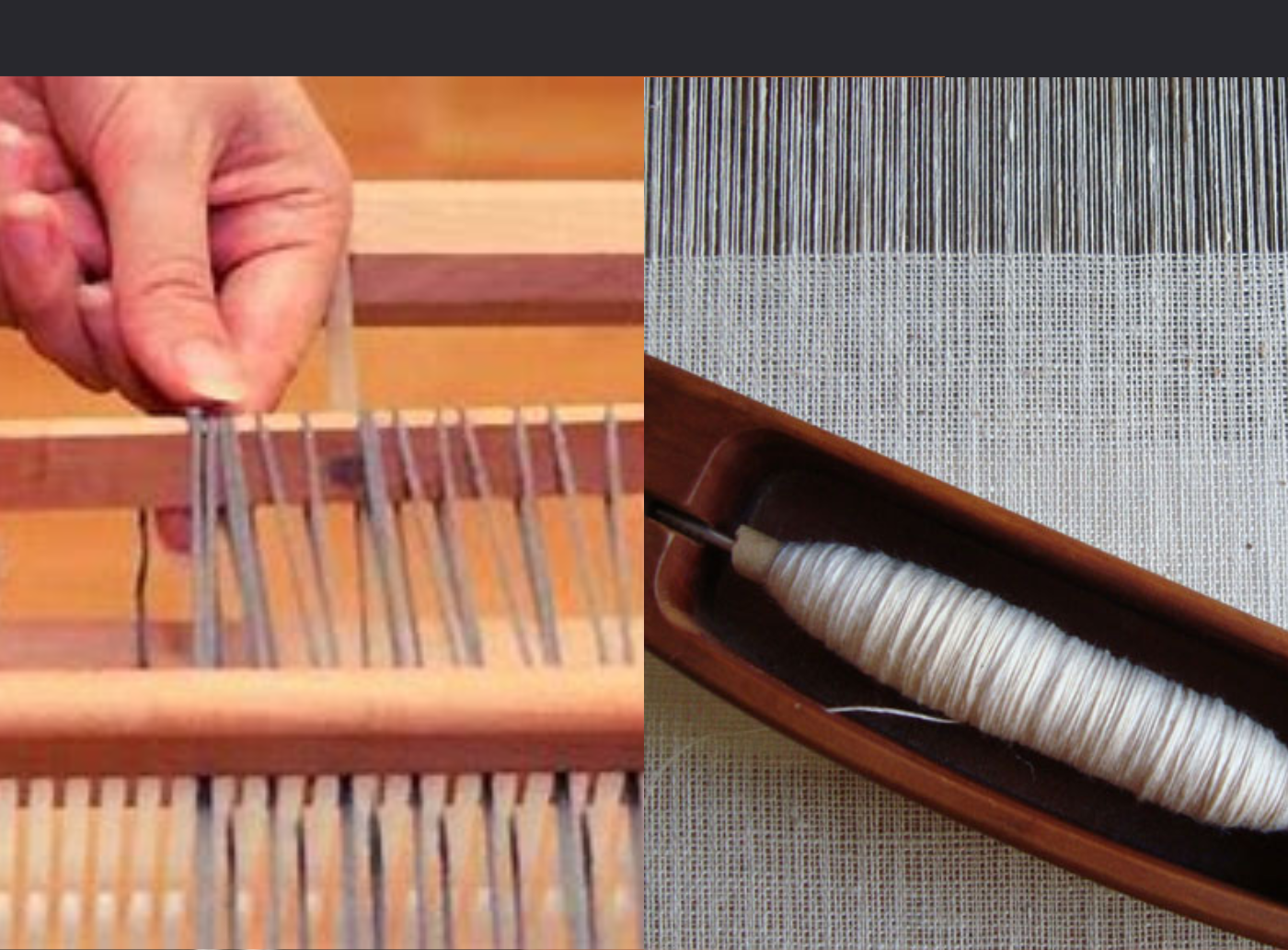
Warping refers to the essential procedure of getting cotton ready for weaving. This involves threading the yarns through a heddle and securing them to the loom's beam. Before the weaving process begins, the warp thread needs to be wound and carefully placed into a shuttle.
STEP 4: WEAVING
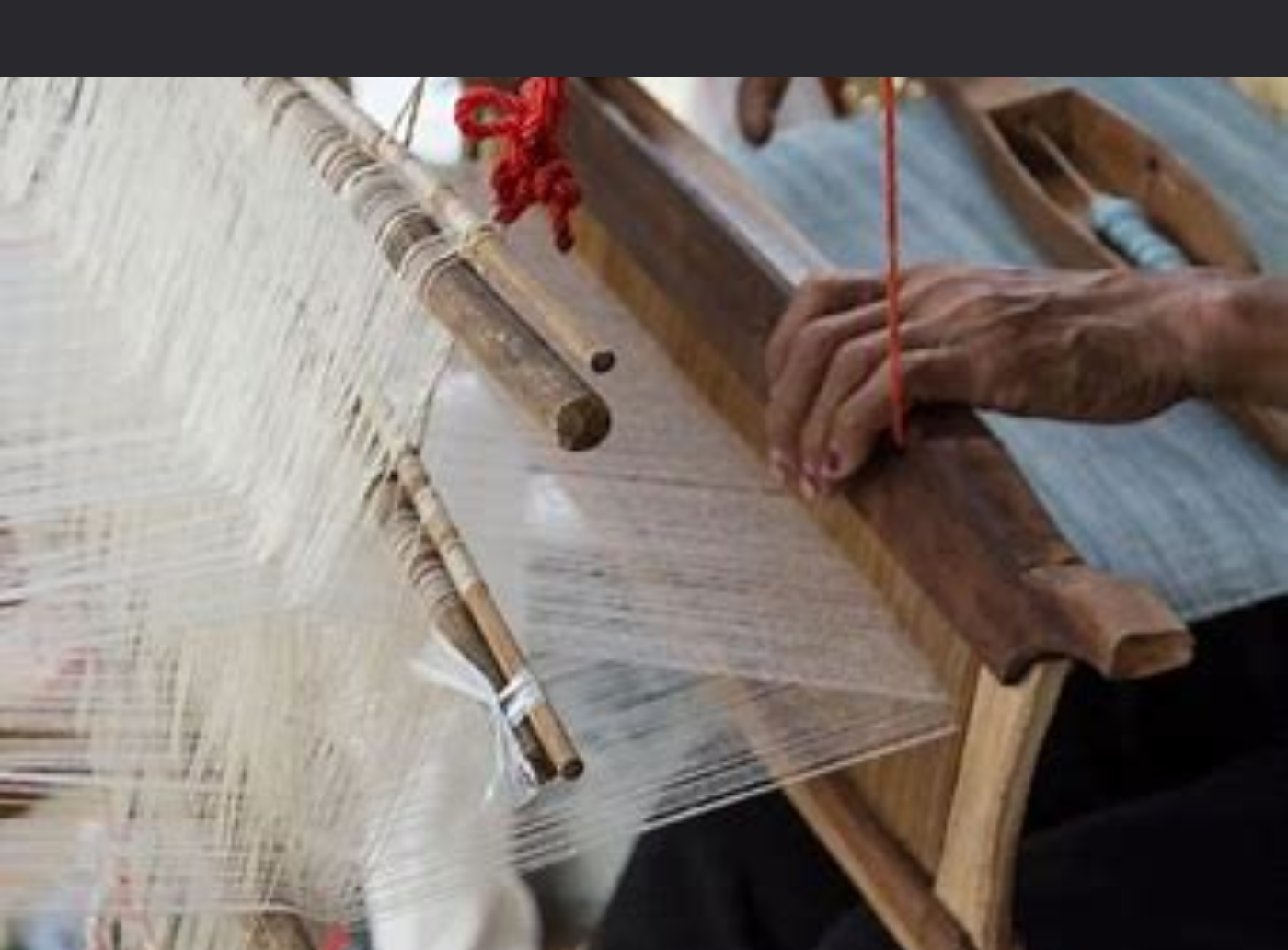
The loom has been arranged in anticipation of the weaving process. At this point, the warp yarns are affixed horizontally to the beam of the loom.
STEP 5: DYEING
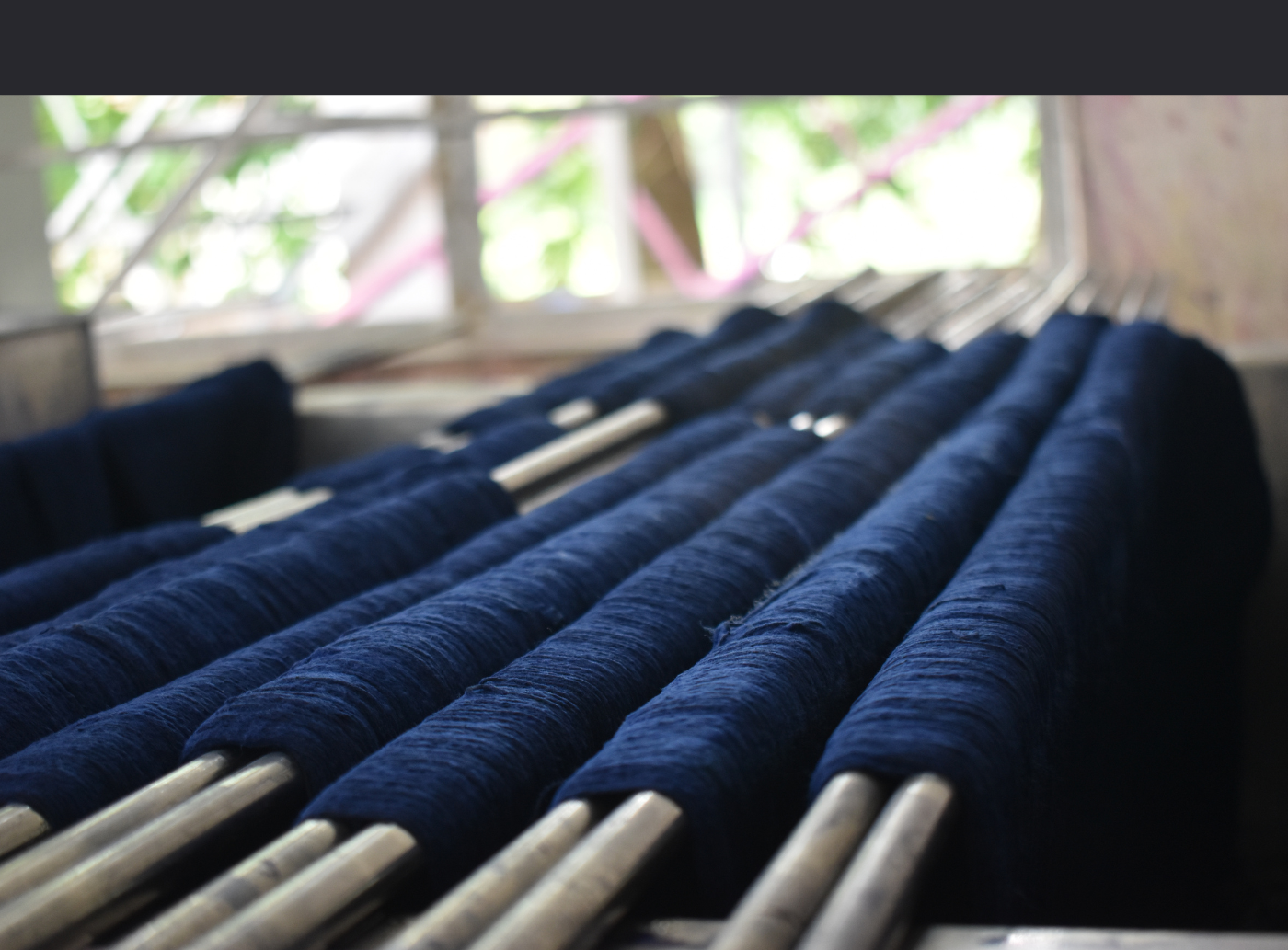
Dyeing Khadi is a crucial step in the transformation of this fabric into vibrant and colorful textiles. The process involves the addition of colors to the fabric, and in the case of Khadi, natural dyes are predominantly used.
Yarns may be dyed before the weaving process begins or after the fabric is completely woven.
CHARACTERISTICS OF DIFFERENT KHADI
THE AUTHENTIC KHADI
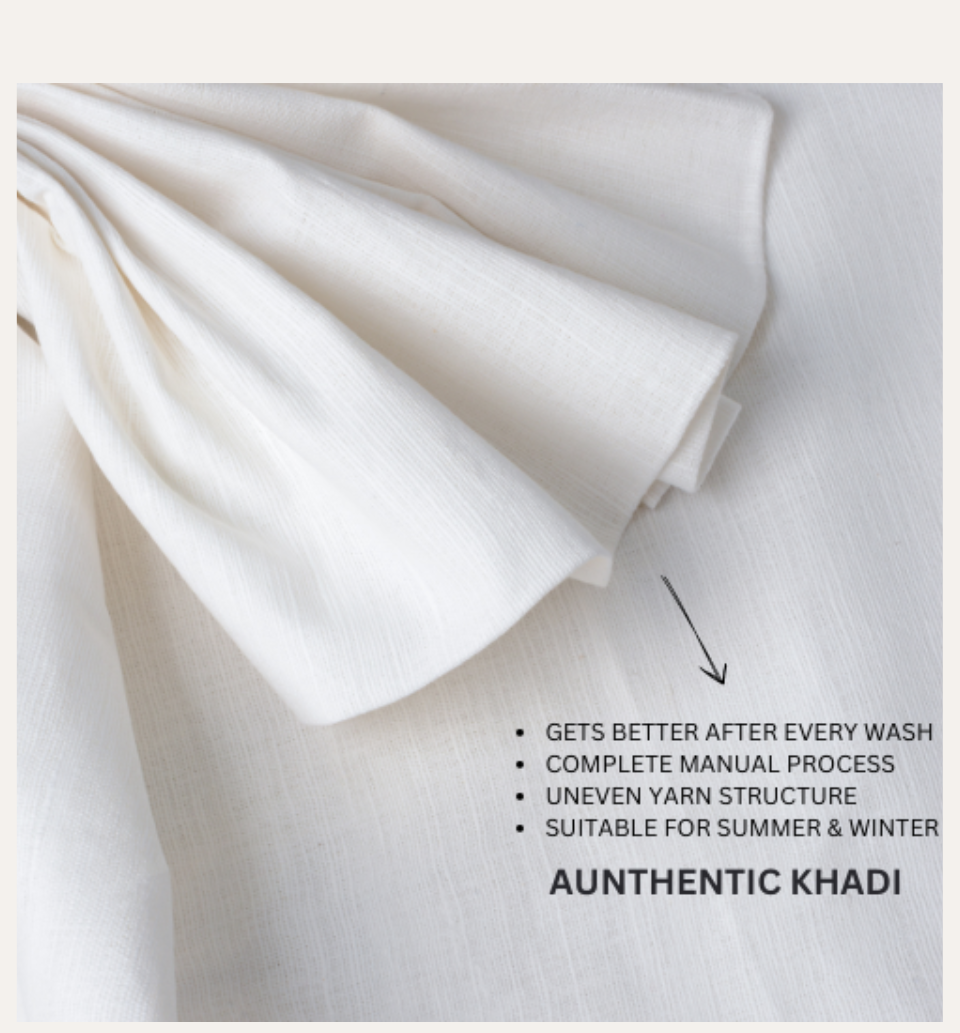
The most authentic form of Khadi is the one that is made out of a completely manual process. The characteristic feature of a Khadi handmade clothes is its imperfections and irregularities. Being such, renders the fabric a unique texture but also improves its breathability.
THE FINEST KHADI
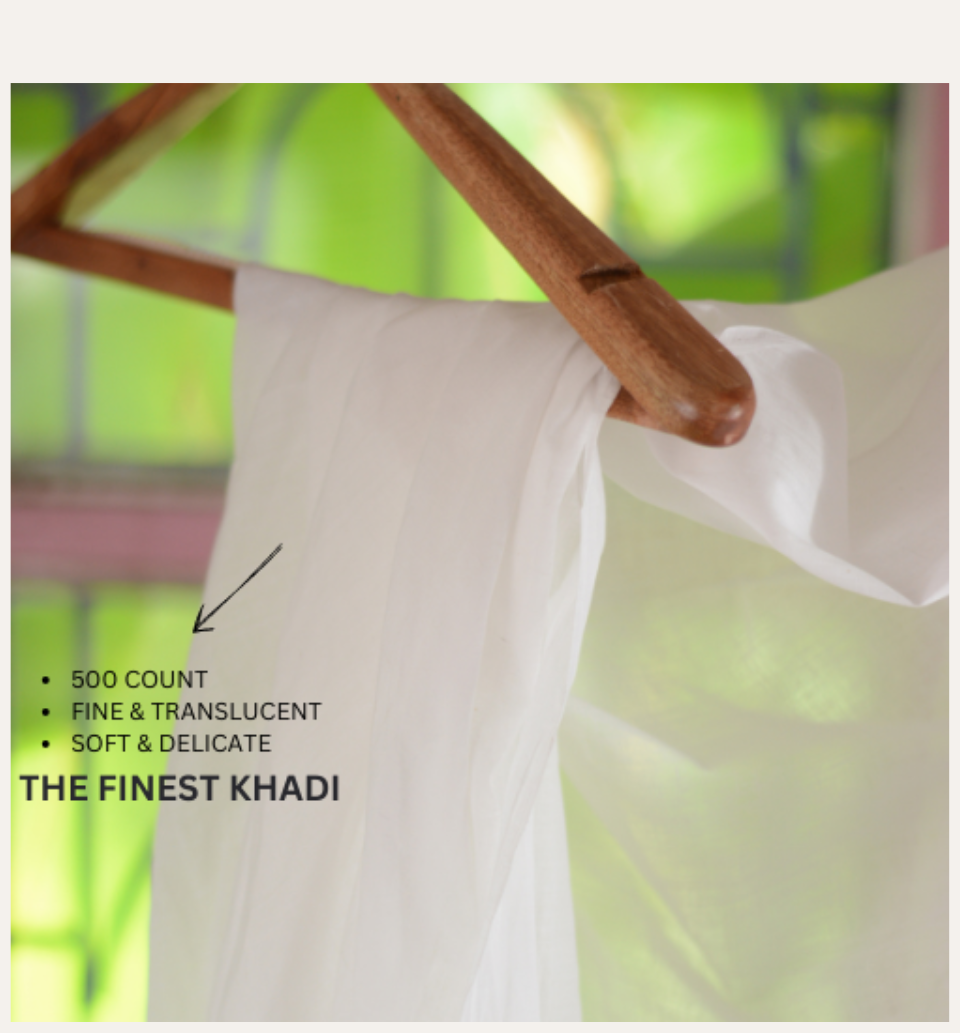
The 500 count Khadi is a variety that was once popular for its fine and superior quality. It is popularly referred to as muslin or mulmul fabric. Very soft and delicate, this fine muslin was sought after by the royals. We are seeing such fine arts on the verge of extinction, therefore at Anuprerna, we are in a continuous endeavour to revive such beautiful complex crafts working with certain experienced weavers.
THE THICKEST KHADI
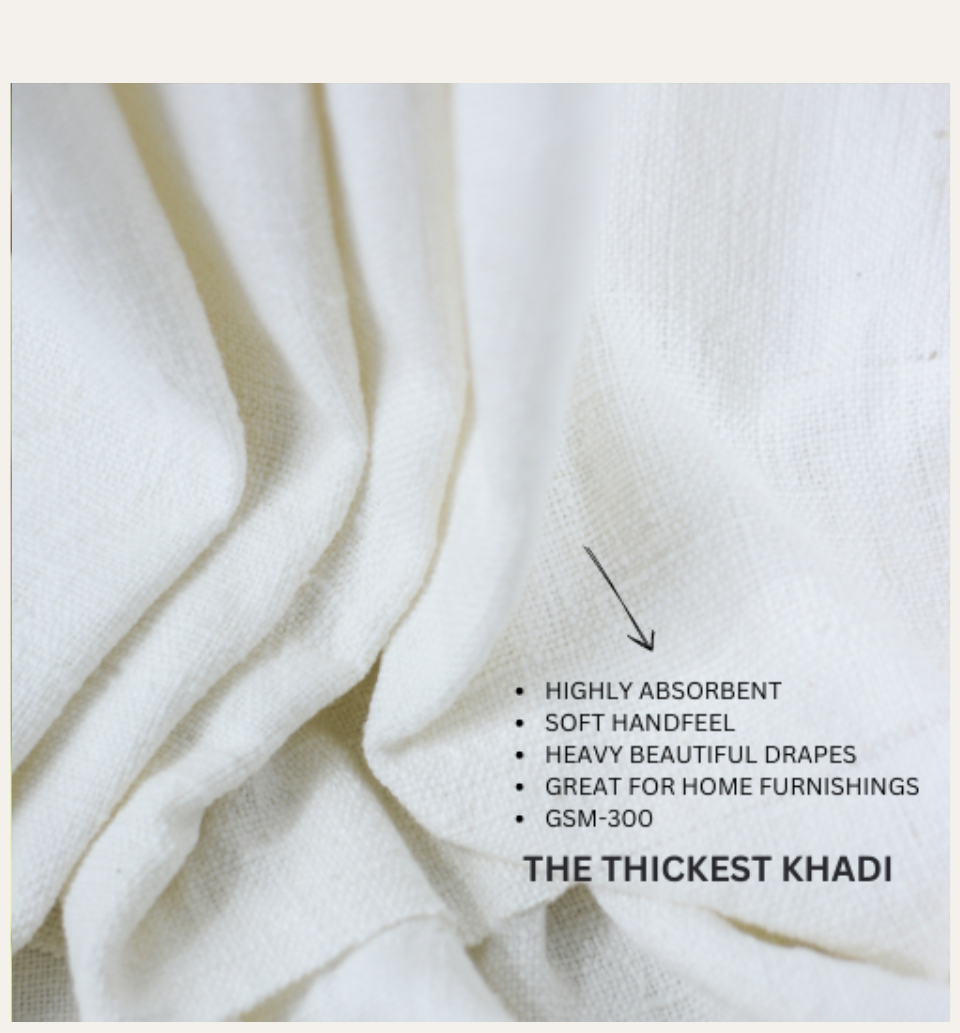
0 count khadi is the thickest khadi which is highly absorbent and soft. It is great for winter wear and homeware and has a beautiful elegant but heavy drape.
VARIETIES OF KHADI
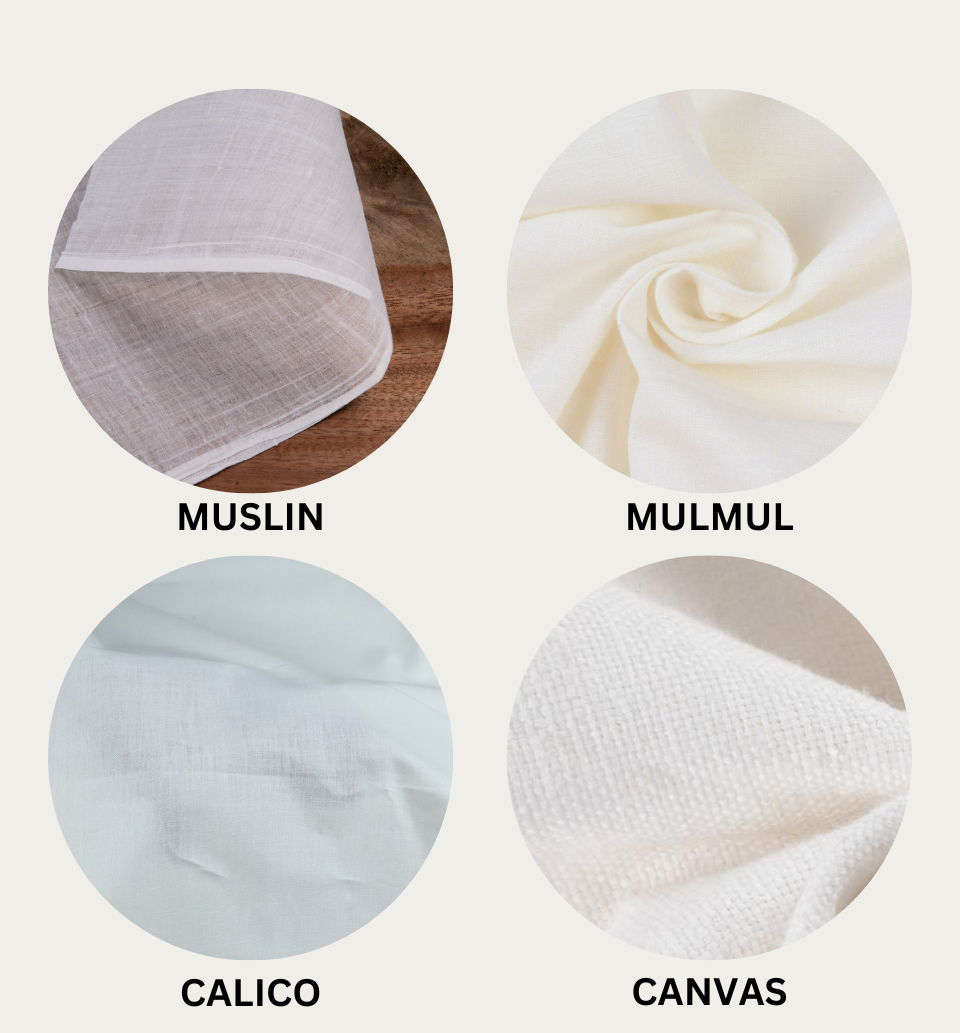
Khadi can be referred to by various names, such as Muslin fabric, Mulmul fabric, Calico fabric, or even Canvas, depending on its weight and the tightness of its weave.
- Muslin is a type of lightweight fabric that is commonly woven in a plain or plain gauze pattern and does not exceed 68 GSM usually.
- Mulmul is a type of lightweight cotton fabric that is slightly denser than muslin.
- Calico is a plain-woven fabric produced from natural, untreated cotton threads. It has a slightly rough and unfinished texture, with a coarser feel.
- Canvas is a fabric that features a tight and consistent plain weave structure, recognized for its exceptional strength, durability, and versatility.
MODERN APPLICATIONS OF KHADI
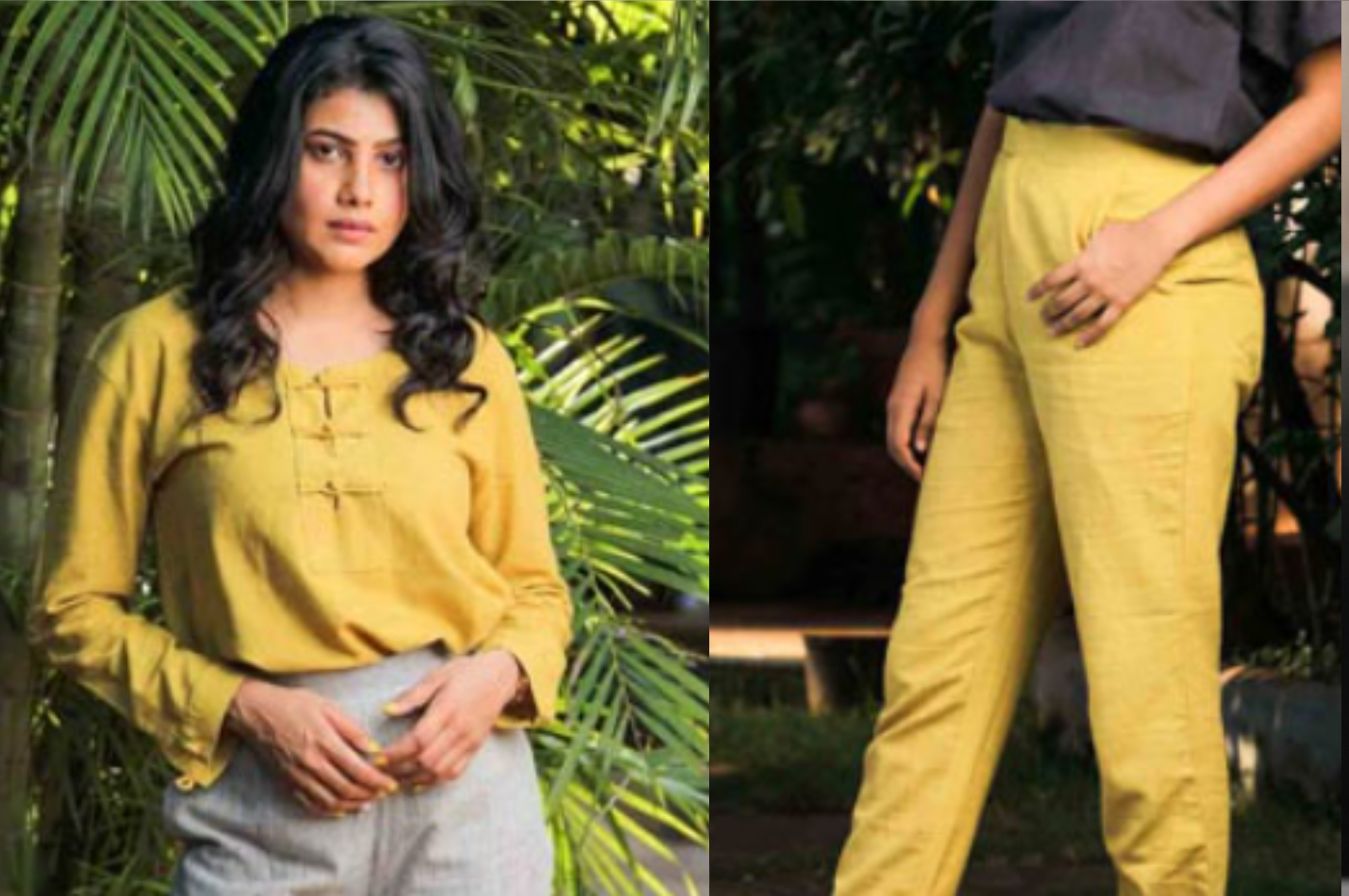
Indian Khadi is a fabric that connects us with the golden past. In the last two decades, Khadi fabrics has been used in dynamic ways. Originally used in making traditional ethnic forms of Khadi clothes only, it’s now used in designing modern cuts and styles by designers around the world as it is an easy fabric to work with.
frequently asked questions
What are the key characteristics of dyeable khadi cotton fabric?
Dyeable khadi cotton is characterized by its handspun yarns, irregular texture, and minimal processing. It has a slightly coarse and rustic feel, which adds to its charm. This fabric's unique characteristics make it suitable for various dyeing techniques.
What are the common applications of dyeable khadi cotton fabric?
Dyeable khadi cotton fabric is used for a wide range of applications, including clothing (dresses, shirts, skirts, and scarves), home textiles (tablecloths, cushion covers, curtains), and craft projects. Its versatility and dyeability make it a favored choice for creative endeavors.
Is there any specific care required for dyeable khadi cotton?
To care for dyeable khadi cotton, hand wash the fabric in cold water with a mild detergent. Do not wring or twist the fabric. Instead, gently squeeze out excess water and air dry in a shaded area, away from direct sunlight. Iron on a low to medium heat setting if needed, using a pressing cloth to protect the fabric's colors and texture.
Do you provide options for customizing dyeable khadi cotton?
You can personalize dyeable khadi cotton to your liking. If you're searching for the finest or thickest dyeable khadi cotton, it is recommended to collaborate with skilled artisans who specialize in crafting khadi cotton. They are capable of accommodating specific thickness or quality preferences to fulfill the requirements of your project.
More Stories
eco printing
organic khadi cotton
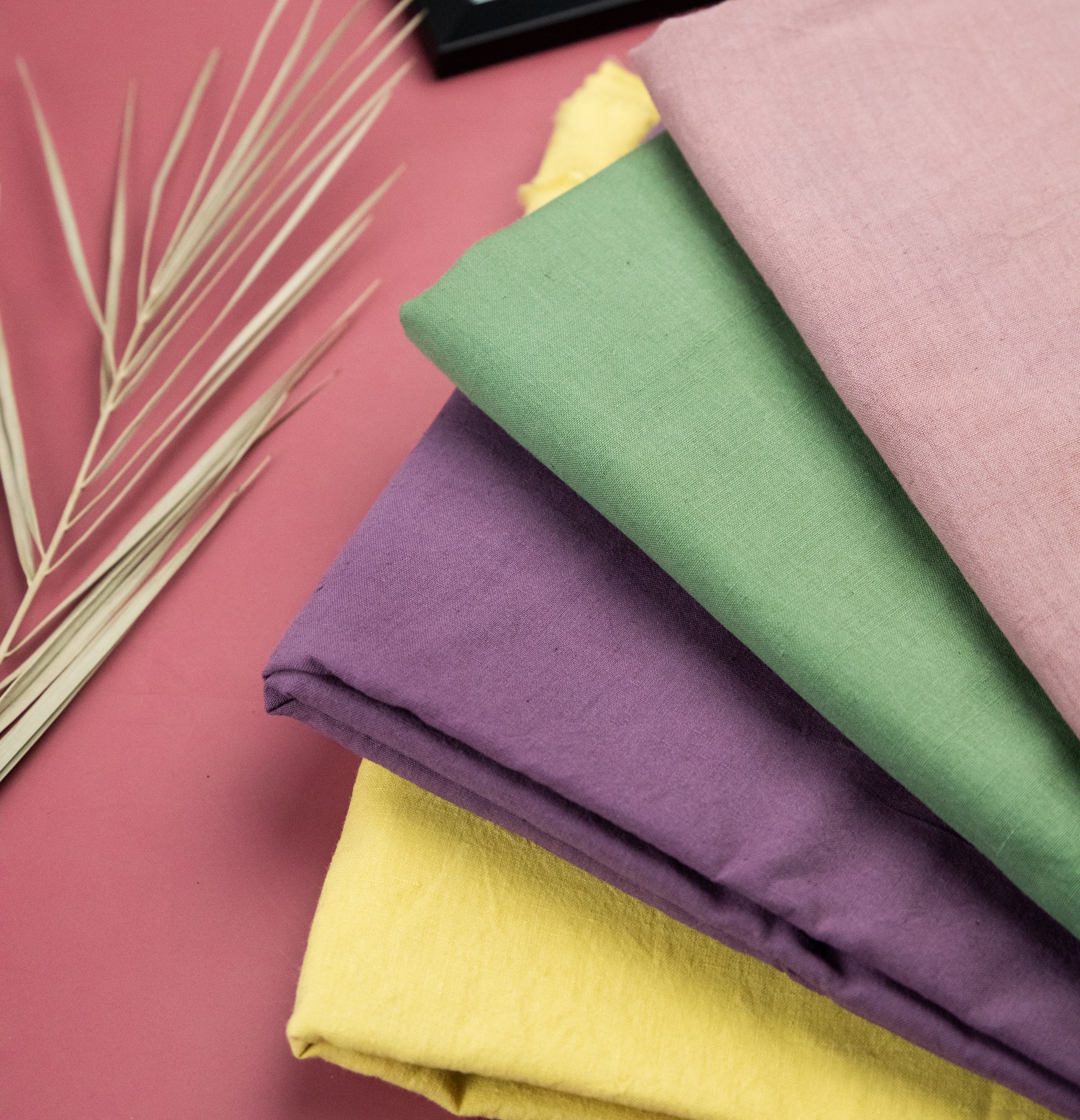
natural vegetable dye
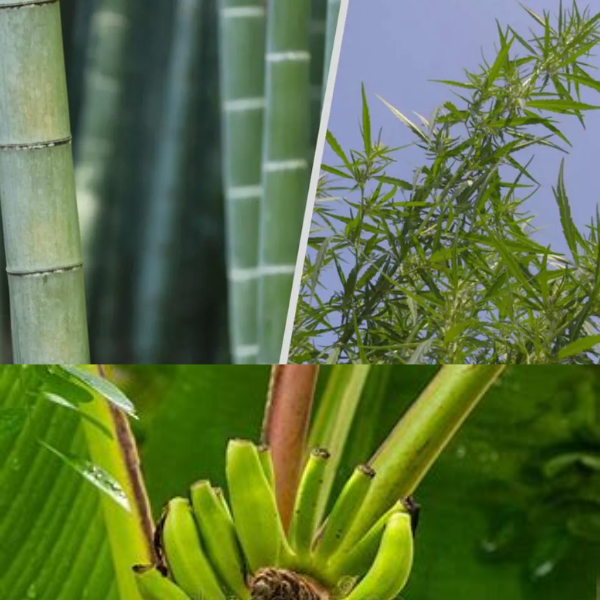
natural fibers: hemp- banana- bamboo- corn
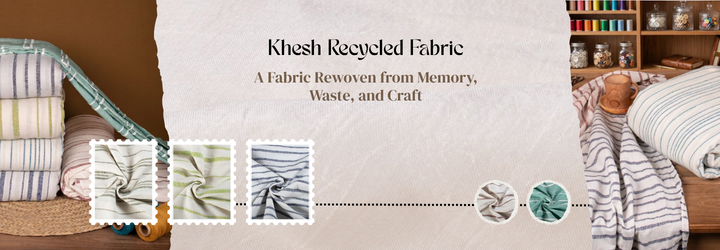
khesh recycled fabric
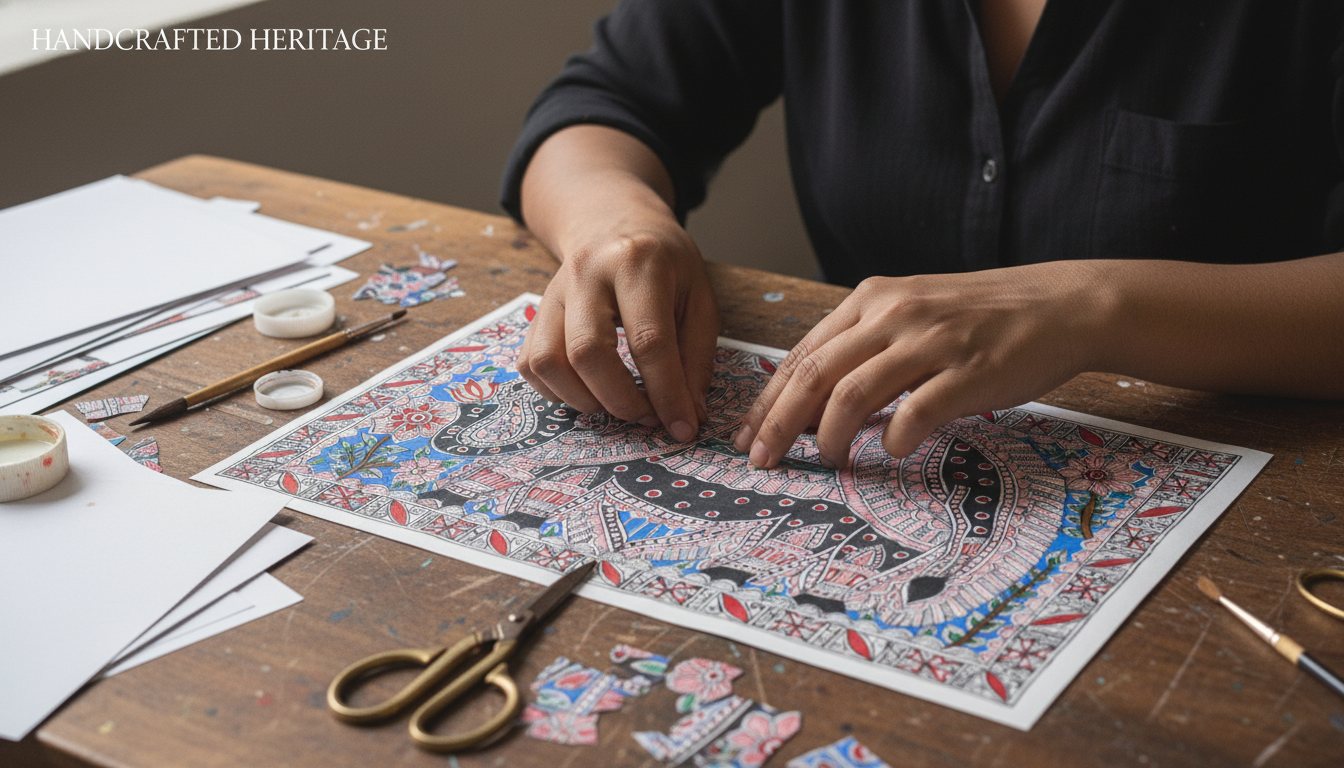
madhubani wall art