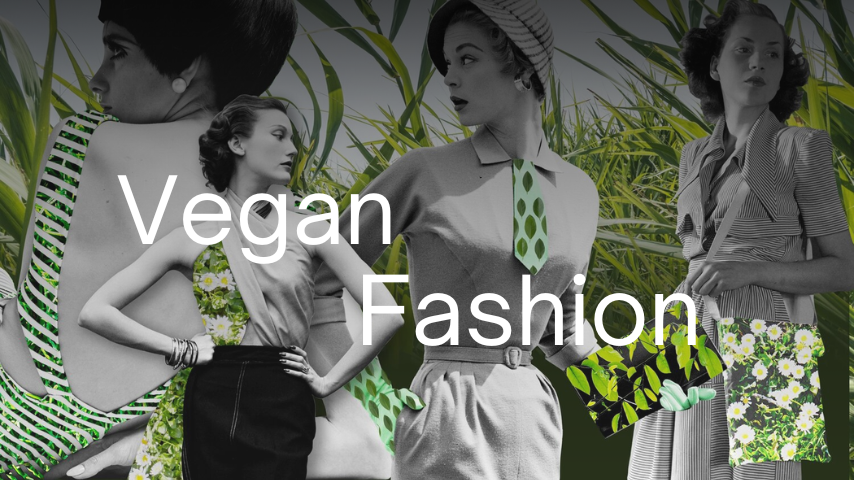
Vegan Fashion

Vegan fashion refers to clothing, accessories, and footwear that are made without the use of any animal-derived materials or by-products. This includes avoiding materials such as leather, fur, wool, silk, down, and any other fabrics or components sourced from animals.
Vegan fashion is not only about the materials used but also encompasses ethical and sustainable practices throughout the production process. This includes ensuring fair labor practices, minimizing environmental impact, and promoting transparency and accountability within the supply chain.
Vegan leathers that you might don’t know about -
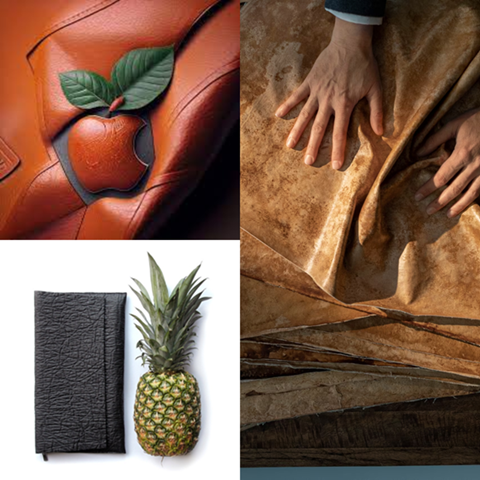
Piñatex is a natural and sustainable leather alternative made from the fibers of pineapple leaves. It's durable, water-resistant.
Mushroom leather is a biodegradable material made from the roots of mushroom mycelium. It can be grown into various shapes and textures, providing a versatile and eco-friendly alternative to traditional leather.
Apple leather is a vegan alternative to traditional leather made from apple skins and cores leftover from apple juice production. It's processed into a leather-like material that is durable, flexible, and biodegradable.
Fabrics which are Natural but not Vegan -
- 1. Wool:
Derived from sheep, goats (cashmere, mohair), rabbits (angora), and alpacas, wool is not vegan due to its animal-derived origin.
- 2. Silk:
Produced by silkworms, silk is not vegan-friendly because it involves the boiling of cocoons, killing the silkworms inside.
- 3. Cashmere, Mohair, Angora, Alpaca:
These natural fibers are not vegan-friendly as they come from animals: cashmere and mohair from goats, angora from rabbits, and alpaca from alpacas.
- 4. Leather:
Made from the skin of animals like cows, pigs, goats, or sheep, leather is not vegan-friendly due to its animal-deri

A fabric sourced from animals yet considered vegan.
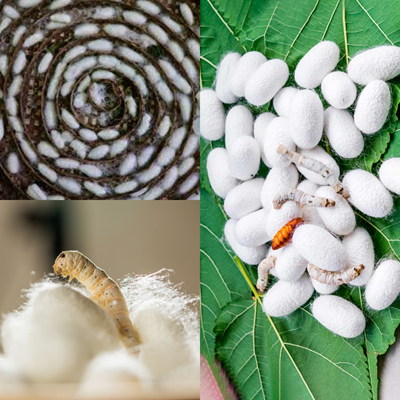
Ahimsa (Peace) silk, also known as "peace silk," which is sourced from the cocoons of silkworms after they have completed metamorphosis and exited the cocoon as moths. During this process, the cocoons rupture naturally, breaking the long silk strands into smaller ones. These strands are then woven back together to produce high-quality silk. Despite its name, peace silk still raises ethical concerns, and there is currently no regulatory framework or certification for its production.
Why we should choose vegan fashion
When we choose vegan fashion, we make a conscious choice to alleviate this suffering. We stand up against cruelty and exploitation, offering a voice to those who cannot speak for themselves. It's a decision fueled by compassion, empathy, and a deep-seated belief in the inherent value of all living beings.
Think about the cows, pigs, goats, and sheep enduring lives of confinement, fear, and pain in the leather and wool industries. Picture the minks, foxes, and rabbits trapped in tiny cages on fur farms, deprived of everything natural and meaningful to them. Imagine the silkworms, boiled alive in their cocoons.
By embracing vegan fashion, we weave a narrative of kindness, respect, and love into the fabric of our lives. We choose empathy over indifference, compassion over cruelty, and hope over despair. In doing so, we not only transform our wardrobes but also our hearts, creating a world where every choice reflects our commitment to a more compassionate and just society.
The Rise of vegan fashion.
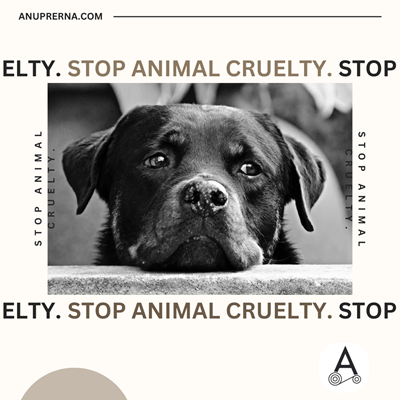
"The Rise of Vegan Fashion" has been unfolding over the past decade or so, with increasing momentum in recent years. While vegan fashion has been present in niche markets for quite some time, it gained broader recognition and popularity as awareness of ethical and environmental concerns within the fashion industry grew. This trend has been fueled by factors such as the rise of social media, the influence of celebrities and influencers advocating for cruelty-free lifestyles, and the availability of innovative vegan materials and designs. As a result, we've seen a noticeable shift towards more vegan-friendly options offered by mainstream fashion brands and an increasing number of consumers opting for cruelty-free alternatives
related questions
What is vegan fashion?
Vegan fashion is clothing, footwear, and accessories made without animal products, such as leather, wool, silk, or fur. It emphasizes cruelty-free, sustainable, and eco-friendly materials, promoting ethical treatment of animals and environmental responsibility.
What materials are used in vegan fashion?
Vegan fashion uses materials like organic cotton, hemp, bamboo, recycled polyester, faux leather (e.g., polyurethane or plant-based), and innovative fabrics like Piñatex (pineapple fiber), mushroom leather, and apple leather. These alternatives aim to be sustainable and cruelty-free.
Why choose vegan fashion?
Choosing vegan fashion supports animal welfare, reduces environmental impact, and promotes sustainability. It avoids animal cruelty and exploitation, minimizes carbon footprint and pollution from traditional textile industries, and encourages innovation in eco-friendly materials. Vegan fashion aligns with ethical and eco-conscious lifestyles, fostering a more compassionate and sustainable world.
Are vegan fashion products high quality?
Yes, vegan fashion products can be high quality. Advances in sustainable materials and innovative technologies have produced durable, stylish, and comfortable vegan alternatives. Many brands prioritize craftsmanship and design, ensuring their products meet high standards of performance and aesthetics.
Is vegan fashion more expensive?
Vegan fashion can be more expensive due to the cost of sustainable materials and ethical production practices. However, prices vary widely, and affordable options exist. Investment in vegan fashion often reflects higher quality, durability, and the ethical and environmental benefits it provides.
More Blogs
how celebrity environmental activists are shaping sustainable fashion trends
summer 2026 textile trends: the season of slow luxury
the color theory hack: instantly upgrade your style with the science of hues
how to improve dressing sense: 5 simple rules for better style
top 5 textures to watch in fashion trends 2025
beyond borders: how fashion designers reimagine indian handloom in global fashion