How Celebrity Environmental Activists are Shaping Sustainable Fashion Trends

A designer watches a major film premiere where the lead actor refuses to wear anything but fully traceable, zero-impact garments. The influence of celebrity environmental activists has shifted consumer expectations from basic recycling claims to demanding absolute supply chain transparency. This public pressure forces design houses to rethink their entire material strategy from the fiber stage onward.
Sourcing teams must now secure low-carbon footprint techniques and verifiable natural fibers to meet these stringent, high-visibility market demands before the next collection drops. The focus has moved away from synthetic blends toward authentic rural-artisan handloom textiles that offer a verifiable origin story.
The 'Red Carpet to Supply Chain' Pipeline: Decoding Celebrity Influence
Celebrity environmental activists shift consumer expectations by demanding public, data-driven accountability for every garment, forcing fashion brands to replace aesthetic sustainability with verifiable supply chain transparency. The early 2000s saw a wave of basic endorsements where famous figures simply wore green labels without questioning the underlying manufacturing processes. Today, high-profile figures demand rigorous proof of zero-waste credentials and ethical labor practices before associating with a brand. This shift educates the end consumer, making them highly critical of vague eco-friendly claims.
The Shift from Endorsements to Accountability
The modern sourcing environment requires brands to provide hard data on their carbon footprint reduction and water usage. When a prominent activist highlights the dangers of microplastics, consumer demand for 100% natural compositions spikes immediately. Design houses can no longer rely on partial synthetic blends to achieve desired drape or durability.
The Shift from Endorsements to Accountability (continued)
To meet these new standards, sourcing directors must evaluate their materials based on strict environmental criteria. We see this pressure translating into specific B2B requirements for biodegradable textile options and low-chemical processing.
- Microplastic elimination: Phasing out polyester and nylon blends to prevent shedding during consumer washing cycles.
- Water usage tracking: Prioritizing rain-fed crops over thirsty conventional cotton varieties.
- Chemical runoff prevention: Mandating closed-loop systems or entirely natural dyeing processes.
Reviving Ancient Low-Carbon Techniques
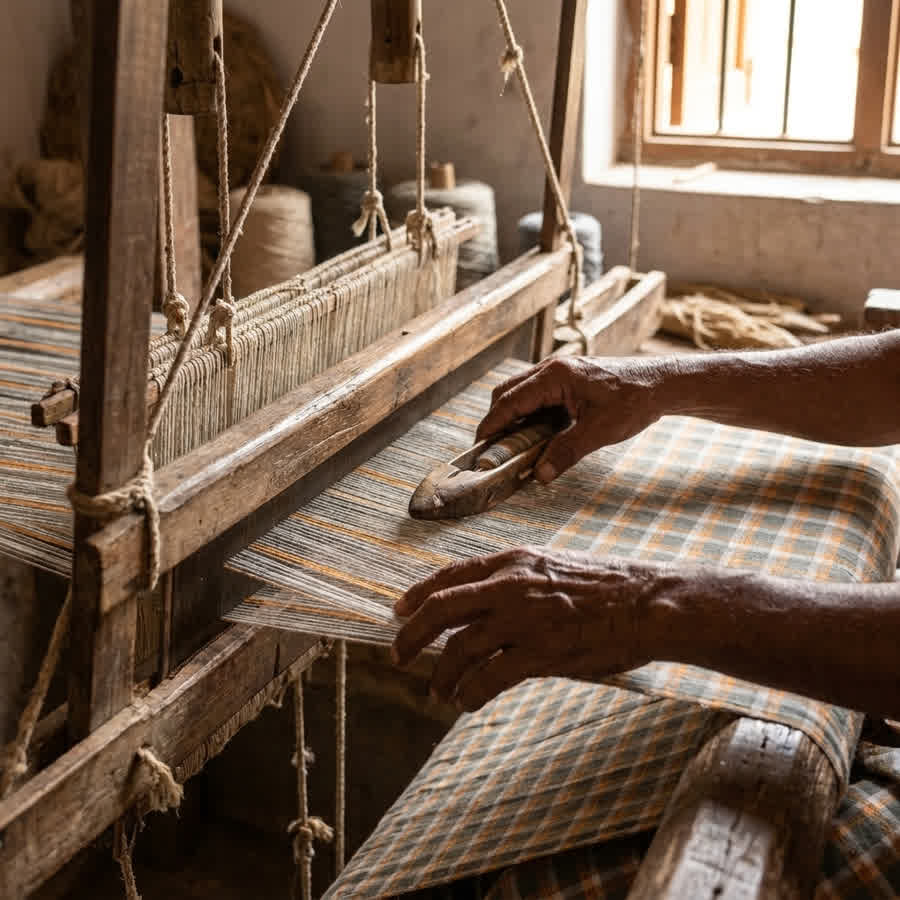
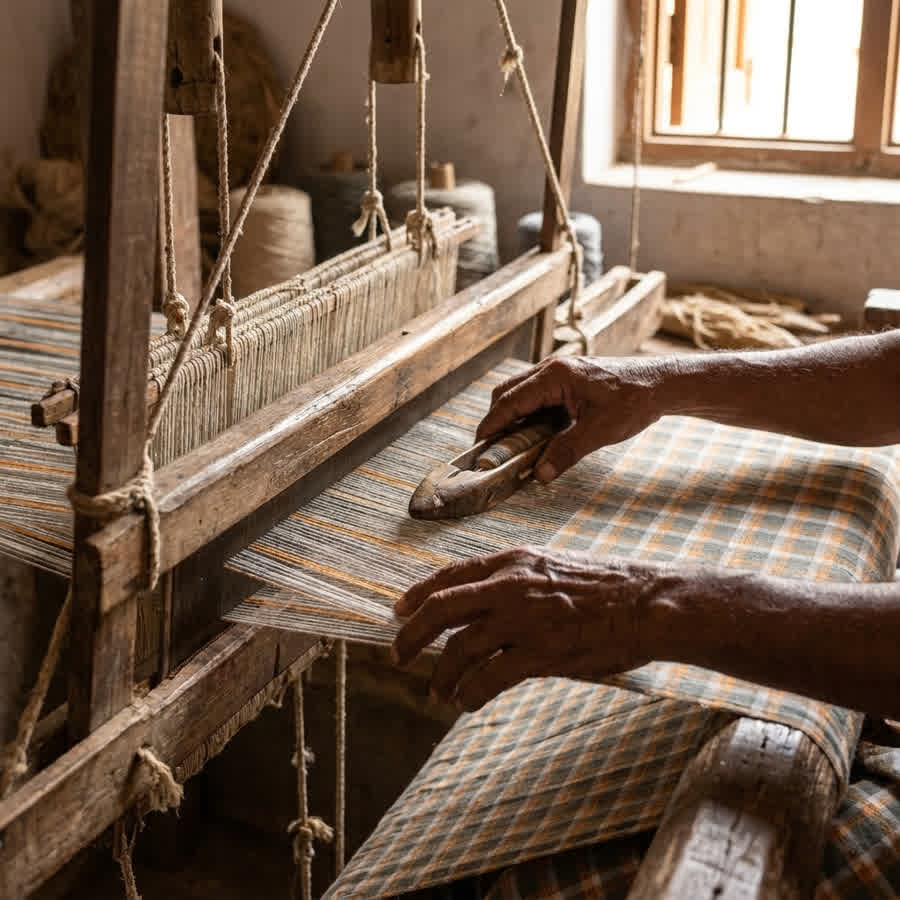
This demand for absolute transparency has revived global B2B interest in ancient, low-carbon footprint techniques like Indian handloom weaving. By stepping away from centralized, high-emission factories, brands can significantly lower their overall environmental impact. Handloom weaving operates entirely without electricity, relying on the physical skill of the artisan to interlace the warp and weft yarns.
We currently work with weaving clusters in Murshidabad and Malda, where the traditional pit looms produce fabrics with exceptional breathability. These methods align perfectly with the expectations set by celebrity environmental activists, offering a clear, verifiable narrative. The resulting textiles possess a unique tactile richness that machine-milled fabrics simply cannot replicate.
Material Science Meets Activism: The Rise of Zero-Carbon Textiles
Activist demands for zero-impact fashion translate directly into B2B requirements for unbleached natural fibers, specific GSM weights, and low-chemical dyes that offer high tensile strength without synthetic blends. Designers are moving away from heavily processed materials, seeking out raw fibers that retain their natural properties and structural integrity. This shift requires a deep understanding of material science specifications to ensure the final garment performs well under daily wear while meeting strict ecological standards.
Engineering Strength Without Synthetics
Achieving durability without relying on nylon or polyester reinforcement requires careful selection of the base fiber and spinning technique. We focus on sourcing unbleached Kala cotton, an indigenous rain-fed variety from Gujarat that offers exceptional resilience. For silk requirements, Ahimsa peace silk provides a cruelty-free alternative where the moth is allowed to hatch, maintaining the ethical standards demanded by the market.
Engineering Strength Without Synthetics (continued)
To meet the structural needs of different garments, sourcing teams must specify the correct fabric weight and weave structure. Hand-spun yarns often possess superior structural integrity due to the low-stress processing of the fibers.
- 80-150 GSM shirting: Ideal for breathable, lightweight summer collections requiring a soft, airy drape.
- 200+ GSM outerwear: Tightly woven structures providing necessary warmth and high tensile strength for jackets and coats.
- Sericin retention: Leaving natural proteins on the silk fiber to enhance the dry, crisp hand-feel and overall durability.
Dyeing and Finishing for Zero-Impact Claims
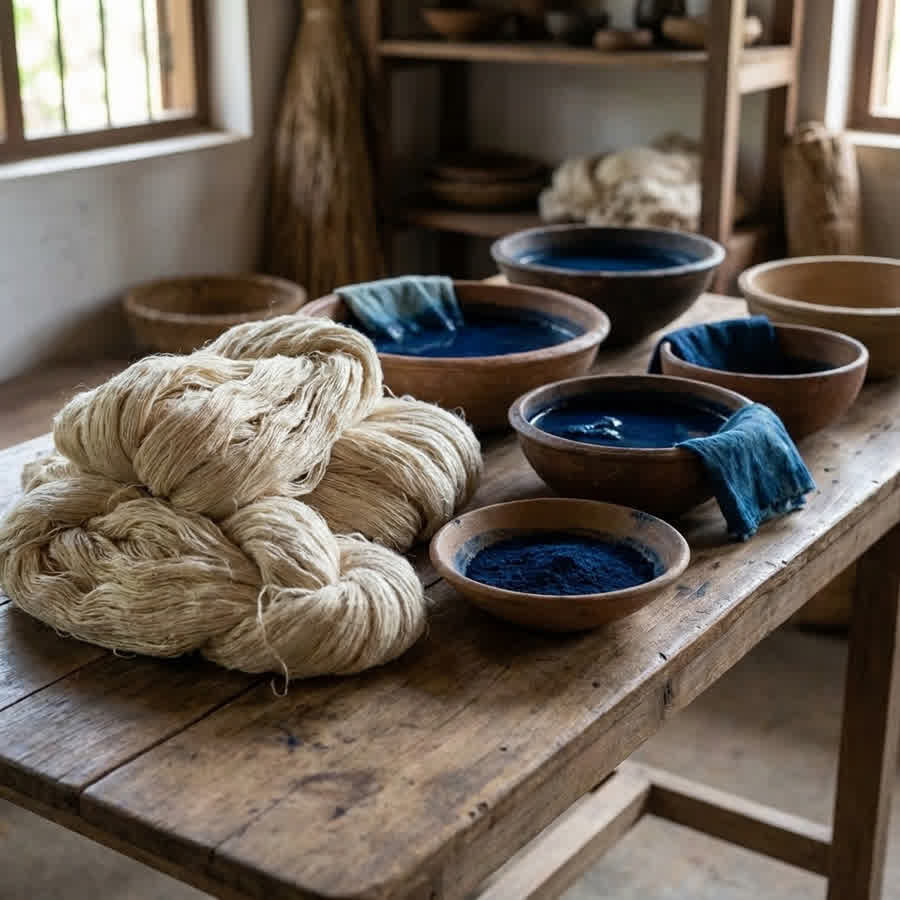
The finishing process is often the most chemically intensive stage of textile production, making it a primary target for eco-activist scrutiny. To maintain zero-impact manufacturing credentials, brands are turning to traditional plant-based extracts. We utilize natural dyes like indigo for deep blues and madder root for rich reds, entirely bypassing synthetic azo dyes.
These natural dyeing techniques require specific mordanting processes to ensure color fastness and consistent batch matching across large production runs. By applying these traditional methods, the fabric retains its organic integrity from the agricultural farm to the final retail finish. This rigorous approach to material science ensures that the textiles meet both the performance needs of the designer and the ethical standards of celebrity environmental activists.
Decentralized Artisan Networks: The Antidote to Fast Fashion
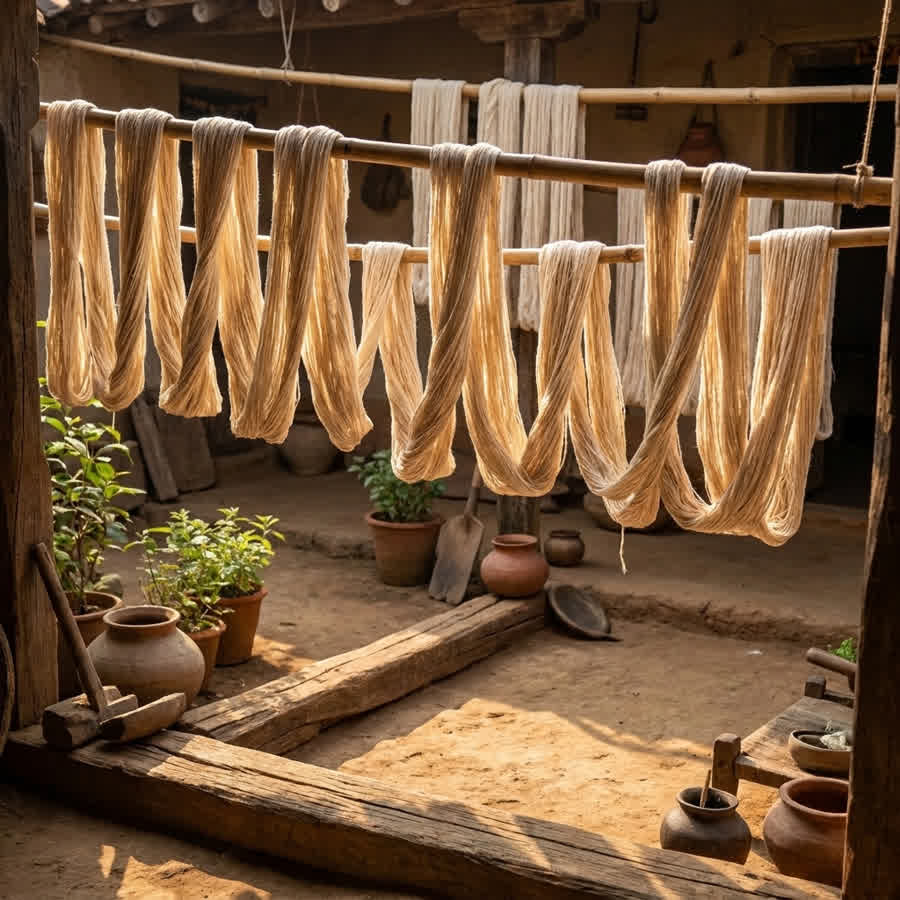
Decentralized artisan networks provide a scalable, ethical alternative to centralized manufacturing by distributing production across rural handloom clusters, thereby minimizing carbon emissions while maintaining strict quality control. The traditional factory model relies on massive energy consumption and concentrated industrial waste, which directly contradicts the goals of modern sustainability and circular design. By organizing production across independent rural Indian handloom weavers, we create a supply chain that is inherently low-impact and deeply connected to regional heritage.
Structuring a Decentralized Supply Chain
Operating a decentralized model requires meticulous coordination between various regional hubs to ensure consistent output. We currently work with specialized clusters across Bengal, such as the Matka silk weavers in Murshidabad and the cotton artisans in Burdwan. Each region brings generations of specific technical expertise to the loom, resulting in superior fabric quality and consistency.
Structuring a Decentralized Supply Chain (continued)
This structure prevents the ecological strain associated with mega-factories by keeping production within the carrying capacity of the local environment. It also provides crucial economic stability to the artisans, aligning with the fair-trade expectations championed by celebrity environmental activists.
- Regional specialization: Assigning specific fiber types to clusters with historical expertise in handling those materials.
- Low-emission logistics: Minimizing transport distances between the spinning, dyeing, and weaving stages within the same district.
- Direct artisan compensation: Ensuring fair wages bypass intermediaries, strengthening the ethical labor narrative.
Scaling Batch Production for B2B Demands
A common concern among sourcing directors is whether a decentralized network can handle the volume required for commercial fashion lines without compromising quality. By aggregating the output of hundreds of independent looms, a decentralized artisan supply chain can scale production without centralizing the environmental footprint. We manage this complex logistics network by standardizing the yarn specifications and weave structures across multiple villages.
This approach allows brands to order commercial quantities of handloom fabric while retaining the authentic hand-crafted texture that defines luxury sustainable fashion. The batch-produced nature of these textiles offers a unique selling proposition, as minor variations in the weave highlight the human element of production. This scalability proves that ethical sourcing can meet the rigorous demands of the global B2B market.
Avoiding the Greenwashing Trap: Traceability in B2B Sourcing
Brands avoid greenwashing by partnering with transparent artisan supply chains that provide the verifiable data needed to back up eco-claims and align with activist-led standards. As celebrity environmental activists educate the public on the harsh realities of industrial textile production, consumers actively look for proof behind every sustainability tag. A brand caught making unsubstantiated claims faces severe reputational damage in this highly scrutinized market, making accurate data collection a critical business priority.
Documenting the Farm-to-Fabric Journey
To secure consumer trust, design houses must trace their materials back to the agricultural source. We provide our B2B partners with comprehensive documentation covering every stage of the farm-to-fabric journey. This includes verifying the origin of the bast fiber or cotton boll, detailing the spinning process, and identifying the specific weaving cluster.
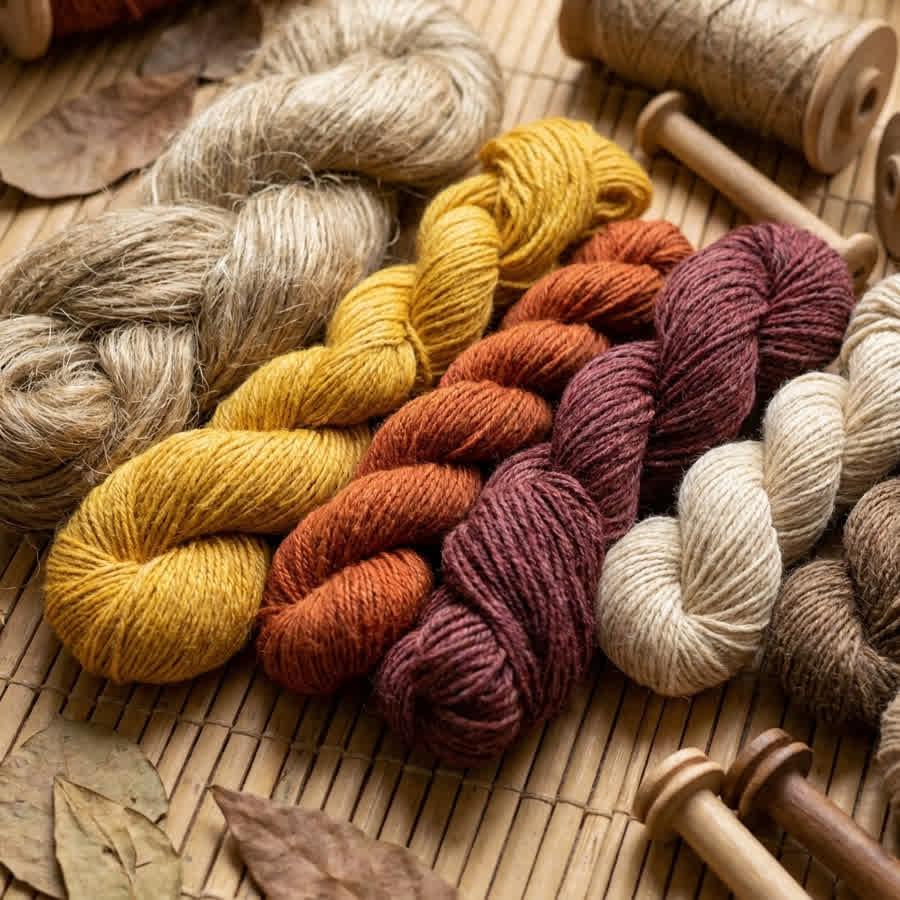
Documenting the Farm-to-Fabric Journey (continued)
This level of granular detail is essential for compliance with emerging international sustainability regulations. Sourcing teams use this data to build a bulletproof narrative that withstands the scrutiny of both industry watchdogs and educated consumers.
- Geographic origin tracking: Pinpointing the exact district where the raw fiber was cultivated or harvested.
- Process verification: Documenting the use of hand-spun yarns and manual loom techniques to prove low energy consumption.
- Dye source authentication: Certifying that all colorants are derived from natural, non-toxic botanical sources.
Securing Consumer Trust Through Data
Providing a beautiful garment is no longer sufficient; the product must function as a transparent data point. By integrating hyper-traceable sourcing models, brands can confidently market their collections as authentically sustainable. We ensure that every meter of fabric delivered carries the story of its creation, complete with the technical specs required by the designer.
This transparent approach directly answers the demands of celebrity environmental activists, proving that the fashion industry can operate responsibly and ethically. When a brand can point to the exact village in Malda where their Ahimsa silk was woven, they replace vague marketing promises with undeniable fact. This factual density is a strong defense against greenwashing accusations, securing long-term loyalty from highly educated, eco-conscious buyers.
frequently asked questions
How do celebrity environmental activists impact B2B textile sourcing requirements?
They improve consumer awareness regarding microplastics, water usage, and carbon footprints, forcing B2B buyers to shift from synthetic blends to verifiable natural fibers like Kala cotton and Ahimsa silk. This heightened public scrutiny means sourcing teams can no longer rely on superficial eco-labels. Instead, they must secure materials with documented **zero-waste credentials** to satisfy the rigorous demands of an educated market.
What technical specifications should we look for to align with zero-impact fashion trends?
Focus on 100% natural compositions, unbleached or natural-dyed fabrics, and low-energy production methods like handloom. Ideal specs include **80-150 GSM** for breathable wear, with high tensile strength achieved through traditional twisting techniques rather than synthetic reinforcement. Ensuring the absence of chemical finishes also guarantees the fabric meets strict **biodegradable textile options** criteria.
How does a decentralized artisan supply chain ensure scalability for growing eco-brands?
By organizing regional clusters of rural weavers, a decentralized model like Anuprerna's aggregates production capacity without centralizing emissions, allowing for scalable, batch-produced textiles that maintain strict quality and ethical standards. This structure utilizes the combined output of hundreds of independent looms across Bengal. It provides the necessary volume for commercial collections while preserving the **low-carbon footprint techniques** essential to the brand's narrative.
Can handloom textiles meet the durability standards demanded by modern sustainable brands?
Yes, hand-spun and handwoven textiles often possess superior structural integrity due to the low-stress processing of fibers. When sourced correctly, fabrics like handloom Khadi offer excellent **high tensile strength** and longevity. The manual interlacing of the **warp and weft yarns** creates a resilient fabric structure that performs exceptionally well in both daily wear and high-end garment construction.
What role do natural dyes play in meeting the standards set by eco-activists?
Natural dyes eliminate toxic chemical runoff from the production process, directly addressing activist concerns regarding industrial water pollution. By utilizing plant-based extracts like indigo and madder, brands can achieve vibrant colorways while maintaining strict **zero-impact manufacturing credentials**. This low-chemical approach ensures the final garment remains entirely biodegradable, supporting a fully circular material lifecycle.
More Blogs

summer 2026 textile trends: the season of slow luxury
the color theory hack: instantly upgrade your style with the science of hues
how to improve dressing sense: 5 simple rules for better style

top 5 textures to watch in fashion trends 2025
beyond borders: how fashion designers reimagine indian handloom in global fashion

fashion and style: 5 key elements of great styling