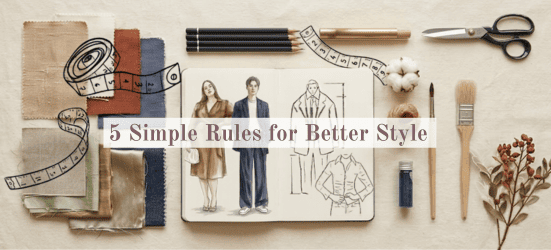
How to Improve Dressing Sense: 5 Simple Rules for Better Style

Improving your dressing sense starts with understanding what suits you, choosing the right fabrics, coordinating colours and wearing clothes that fit comfortably. You don't need an overflowing wardrobe or expensive designer labels to develop a good fashion style. A few thoughtful choices can help you create outfits that feel polished, comfortable and personal.
From selecting natural fabrics such as Khadi cotton and Matka silk to understanding colour theory and building a capsule wardrobe, these five simple rules can help you dress with greater confidence while making more considered fashion choices.
Ready to Transform? Follow The Style Blueprint
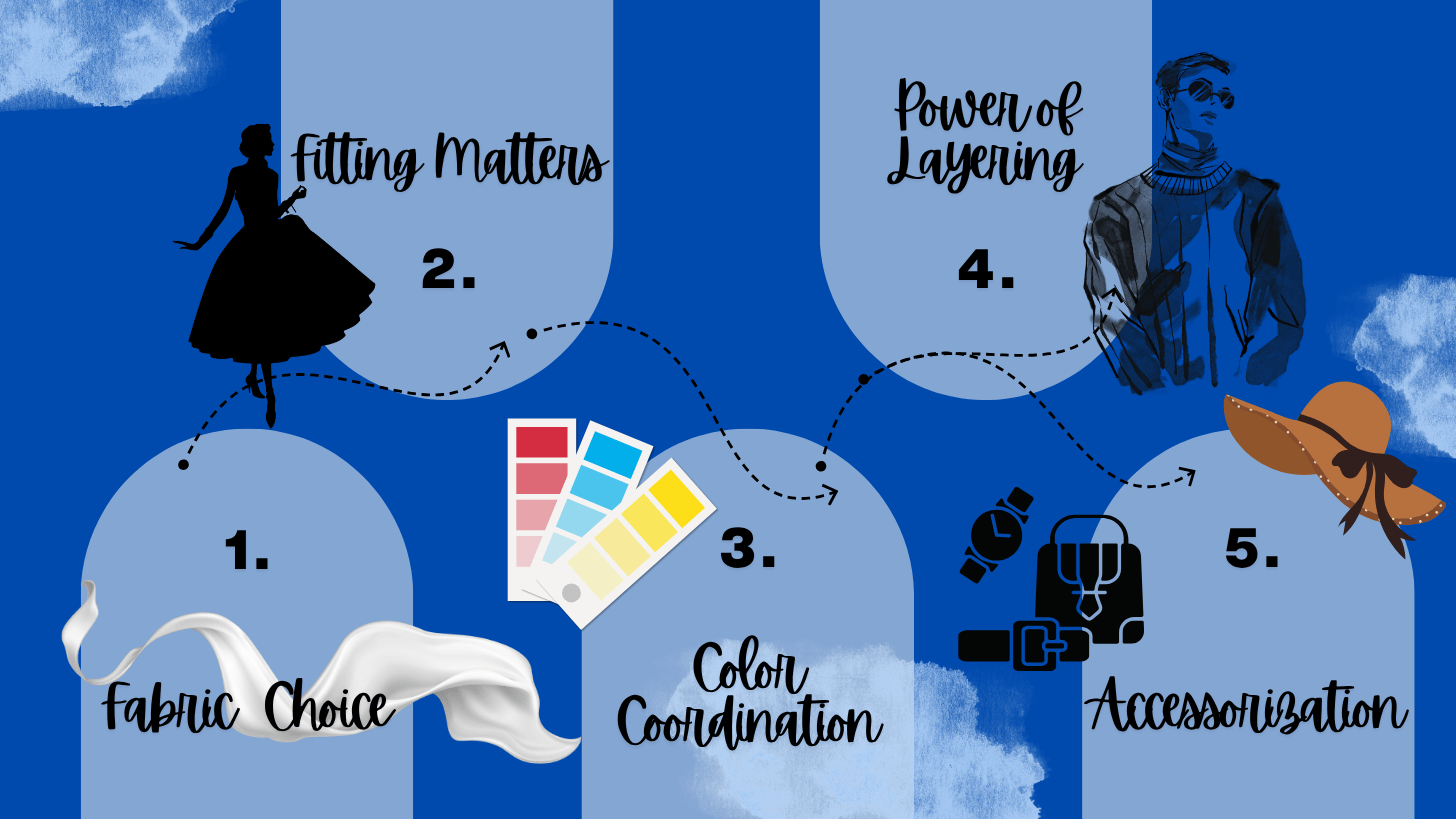
1. Choose Natural Fabrics and Understand Fabric Quality
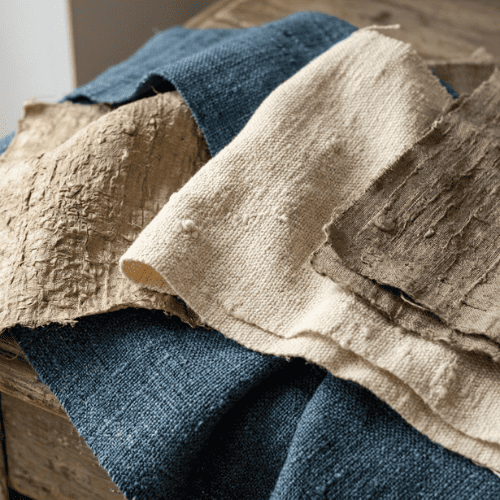
Fabric quality plays an important role in how an outfit looks, feels and lasts. The right material can improve the drape, comfort and overall appearance of a garment, even when the design is simple.
When choosing fabric, consider its texture, breathability, construction, drape and suitability for the intended garment.
Here are a few natural fabrics worth exploring:
- Khadi cotton: Handspun and handwoven cotton known for its distinctive texture, breathability and relaxed character. It works well for shirts, dresses, kurtas and everyday clothing.
- Matka silk: A textured silk fabric with a characteristic slub appearance, suitable for structured separates, jackets, dresses and occasion wear.
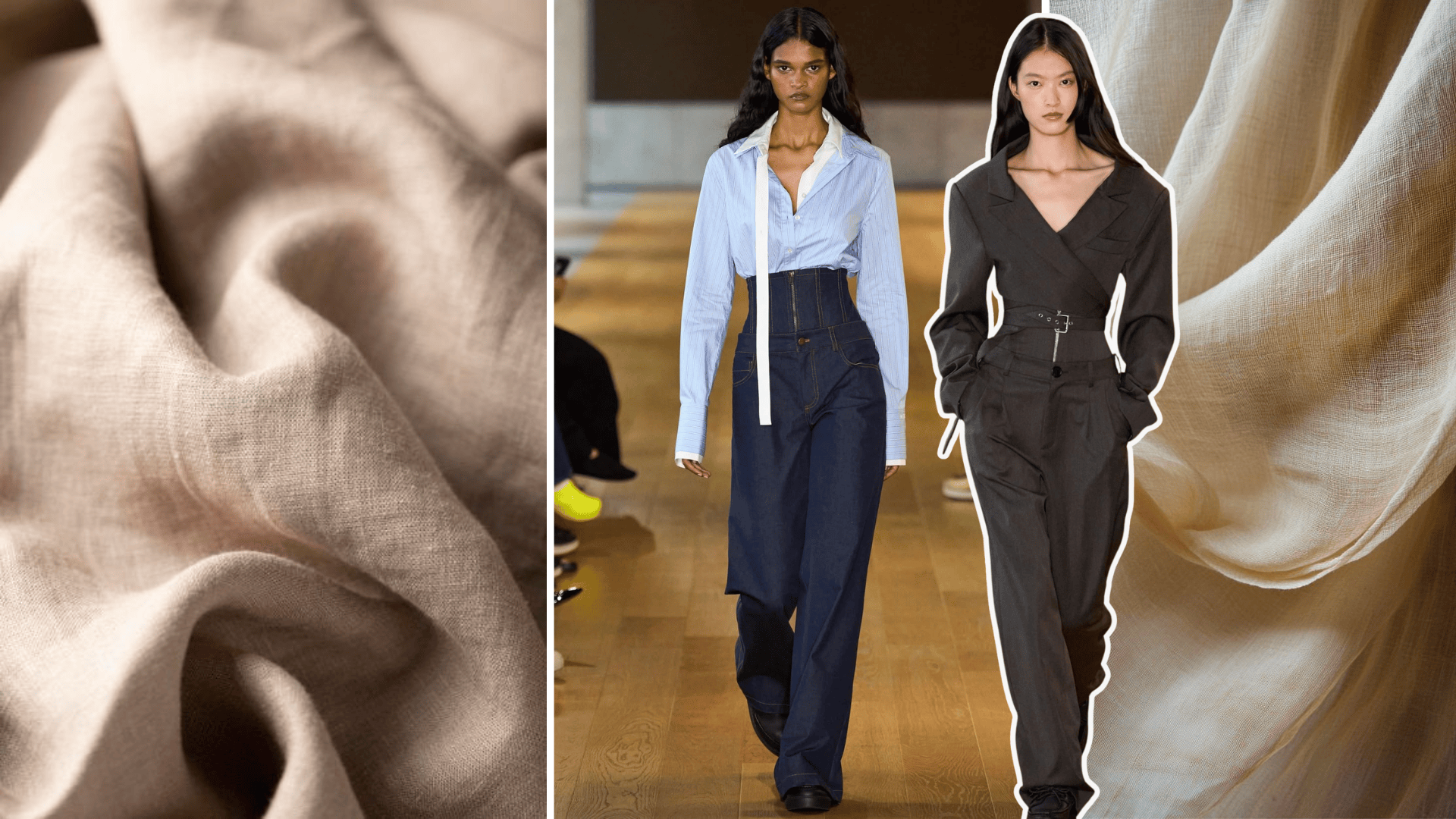
- Linen: Known for its breathable feel and natural texture, linen works well for relaxed shirts, trousers and warm-weather outfits.
- Handwoven cotton: Offers a variety of textures and finishes, making it suitable for both casual and more refined clothing.
Choosing a fabric of high quality means looking beyond its appearance. Examine the weave, stitching, colour consistency and how the material feels against your skin. Consider whether it suits your climate, the garment's construction and how frequently you plan to wear it.
Style tip: A simple outfit made from a well-chosen fabric can look more refined than an elaborate outfit made from a material that doesn't suit its purpose.
2. Find the Right Fit for Your Fashion Style
The way clothes fit your body can make a significant difference to your overall appearance. Well-fitting clothing creates a balanced silhouette, allows comfortable movement and helps even basic outfits look intentional.
To improve your fit:
- Check that shirt and jacket shoulder seams sit correctly.
- Choose trousers that fall comfortably without excessive bunching.
- Make sure waistbands fit without digging in or slipping.
- Check sleeve and trouser lengths to maintain balanced proportions.
- Consider minor alterations when an otherwise suitable garment doesn't fit perfectly.
Your fashion style should also reflect how you prefer to dress. If you enjoy a relaxed look, choose comfortable silhouettes that still feel considered. If you prefer tailored clothing, focus on clean lines and well-defined proportions.
How to Create a Fashion Style Casual Look
A casual fashion style doesn't have to look unplanned. Combine well-fitting shirts or T-shirts with comfortable trousers, simple footwear and fabrics that work for your daily routine.
For example, a handwoven cotton shirt paired with neutral trousers creates an easy everyday outfit. A lightweight jacket or an additional layer can make the same combination suitable for a more polished setting.
The key is to balance comfort, fit and fabric rather than following every new trend.
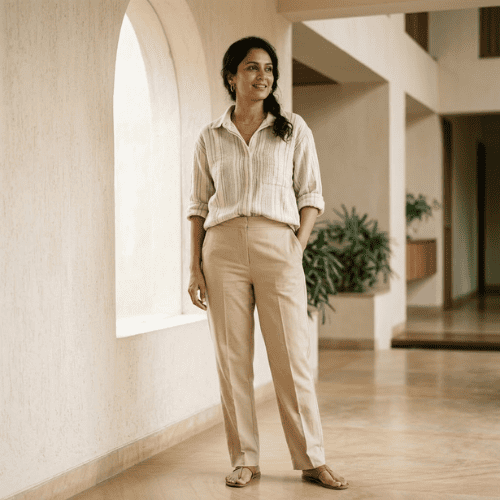
3. Learn Color Coordination and Basic Color Theory
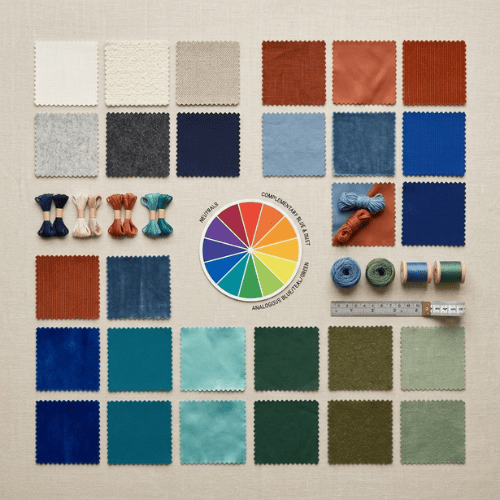
Colour coordination helps create outfits that look balanced and cohesive. You don't need advanced design knowledge to get started; understanding a few basic colour relationships can make choosing clothes much easier.
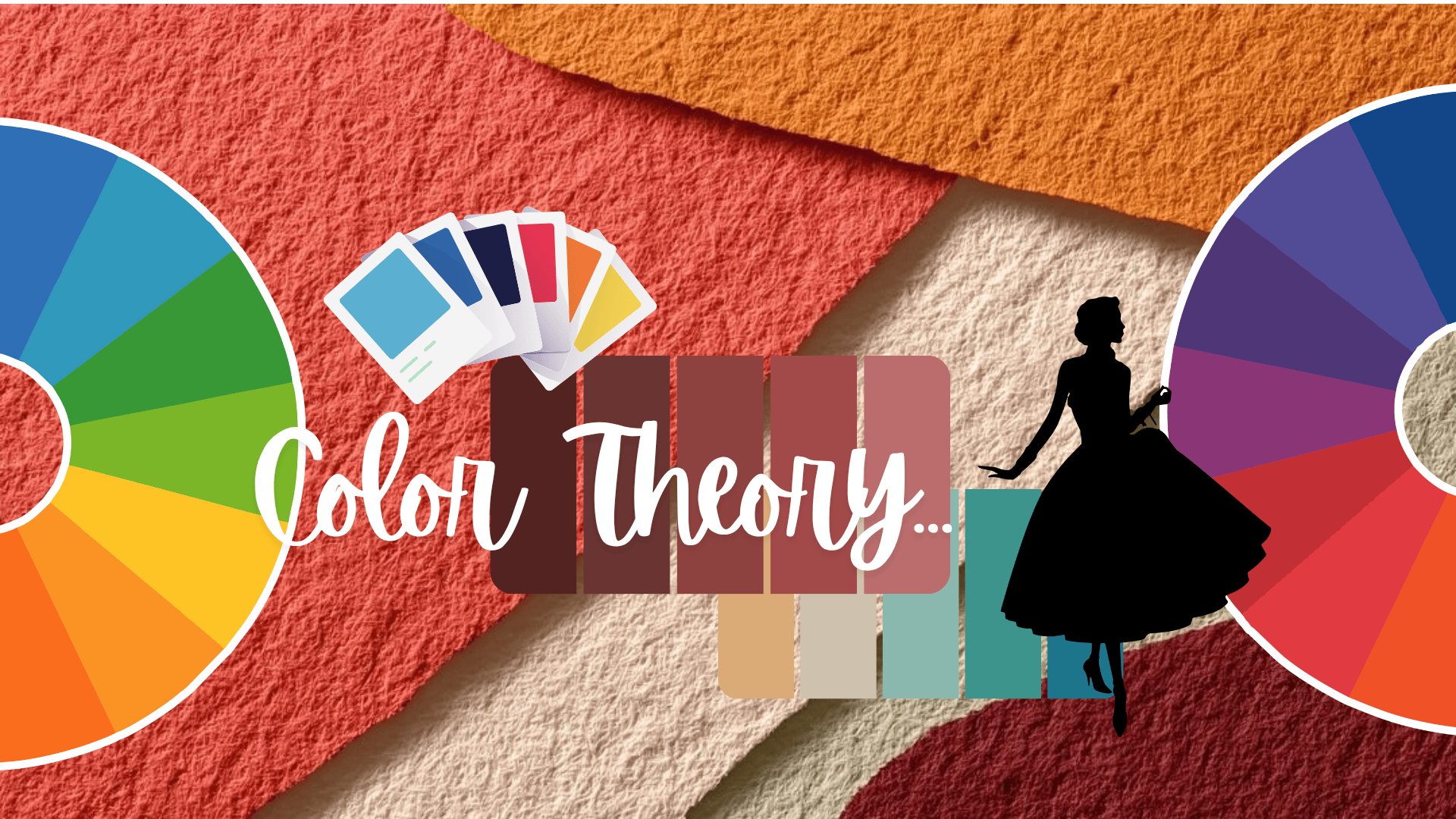
Color theory explains how colours relate to one another and how their combinations influence visual harmony. A color theory wheel is a useful reference for exploring these relationships.
Here are three simple approaches:
- Neutral colors: Black, white, grey, navy, beige and brown form a versatile foundation for everyday dressing.
- Complementary colors: These sit opposite one another on the colour wheel, such as blue and orange. Used thoughtfully, they create contrast and visual interest.
- Analogous colors: These sit next to one another on the colour wheel, such as blue, teal and green. They can create a more harmonious, coordinated appearance.
How to Use Colour in Everyday Outfits
Start with a neutral base and introduce one additional colour through a shirt, jacket, scarf or accessory. For a more coordinated look, combine shades within a similar colour family.
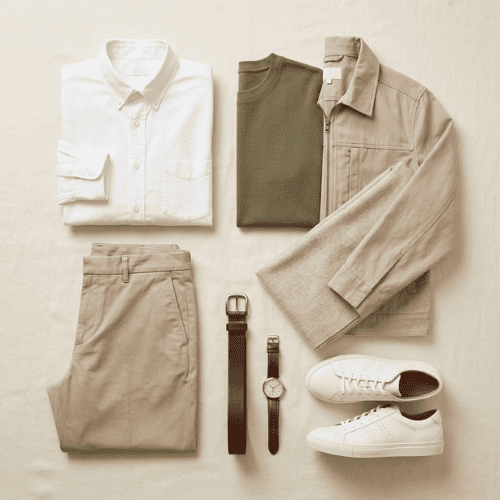
For example, beige trousers, a white shirt and a navy jacket create a versatile combination. If you prefer something more expressive, try a muted blue outfit with a complementary rust-coloured accessory.
Style tip: Choose colour combinations that work with your wardrobe and personal preferences. The goal is not to follow rigid rules but to make getting dressed easier.
4. Build a Capsule Wardrobe with Versatile Pieces
A capsule wardrobe is a thoughtfully selected collection of clothing pieces that work well together. It helps you create more outfits from fewer garments and reduces the need to buy something new for every occasion.
Start by identifying the clothes you wear most often and the colours you naturally gravitate towards. Then build around a few versatile essentials.
Your capsule wardrobe might include:
- A well-fitting white or neutral shirt.
- Comfortable trousers in black, navy or beige.
- A versatile dress or a coordinated top-and-bottom set.
- A lightweight jacket or layering piece.
- A pair of comfortable everyday shoes.
- A few carefully chosen fashion accessories.
Prioritise pieces that can be styled in several ways. A handwoven shirt, for instance, can be worn with tailored trousers for a polished look or with relaxed bottoms for a casual outfit.
Consider fabric quality, durability, comfort and how each item fits into your existing wardrobe before purchasing something new.
A capsule wardrobe is not about owning as little as possible. It is about making sure the clothes you own are useful, versatile and suited to your lifestyle.
5. Complete Your Outfit with Thoughtful Fashion Accessories
Fashion accessories can add character to a simple outfit without requiring a complete wardrobe change. The right details can introduce colour, texture or contrast while reflecting your personal style.
Consider these options:
- Watches: A classic watch can complement both casual and formal outfits.
- Belts: A well-chosen belt can bring structure and visual balance to an outfit.
- Bags: Choose a size and style that suit your daily needs and overall look.
- Scarves: A scarf can introduce colour, pattern or texture without overwhelming the rest of your clothing.
- Jewellery: Minimal necklaces, earrings or bracelets can add subtle detail.
Footwear: Clean, well-maintained shoes help make an outfit look finished.
When selecting accessories, consider the occasion, the colours you're wearing and the overall formality of your outfit. A few carefully chosen pieces often work better than adding too many competing details.
Style tip: Let one accessory stand out while keeping the rest of your look relatively simple.
How Handwoven Textiles Can Enhance Your Personal Style
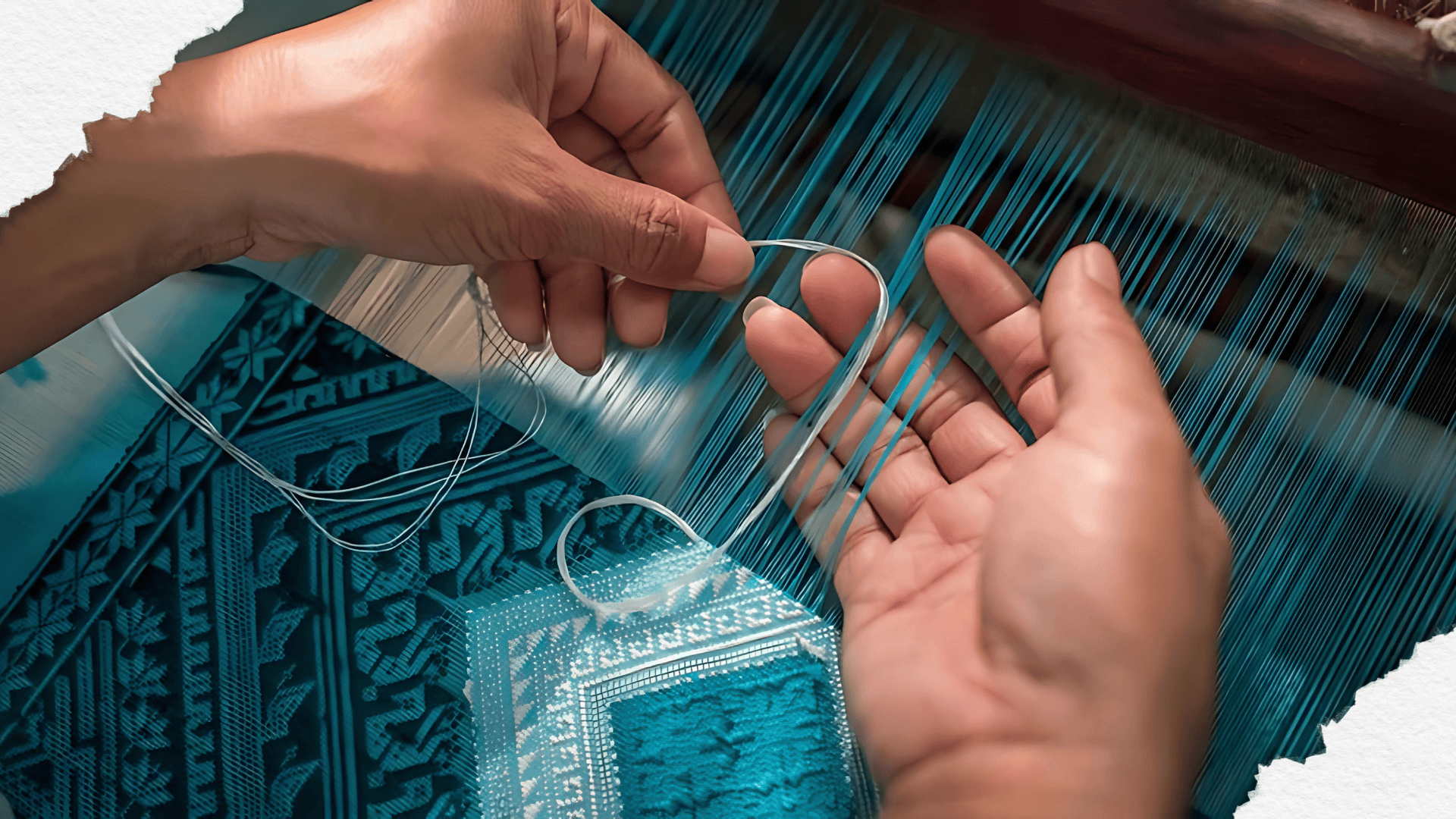
Developing a thoughtful fashion style also means paying attention to where materials come from and how they are made. Handwoven textiles offer distinctive textures and surface details that can make even simple garments feel individual.
At Anuprerna, handwoven textiles include options such as Khadi cotton, Matka silk, and other fabrics crafted by artisans across Bengal. These materials can bring character to everyday shirts, dresses, kurtas and occasion wear.
Natural fabrics and handwoven textiles can also be considered as part of a more intentional wardrobe. Choose materials based on their quality, care requirements, comfort and suitability for the garments you want to create.
Explore Anuprerna's handwoven fabric collection to discover textile options for your next wardrobe or design project.
related questions
How can I improve my dressing sense without buying new clothes?
Start by reorganising your existing wardrobe, experimenting with different combinations and checking how your clothes fit. Use colour coordination, thoughtful layering and accessories to create fresh looks from pieces you already own.
Why does fabric quality matter when choosing clothes?
Fabric quality affects comfort, drape, appearance and durability. Considering the weave, texture, construction and care requirements helps you select garments that suit your needs and remain useful over time.
What colours should form the base of a versatile wardrobe?
Neutral colours such as white, black, grey, navy, beige and brown are useful starting points because they pair easily with one another and with brighter accent colours.
How can natural fabrics improve everyday dressing?
Natural fabrics such as cotton, linen and silk offer different textures, drapes and comfort characteristics. Choosing a fabric that suits the climate, garment design and intended use can improve the overall wearing experience.
How do I choose fashion accessories for a simple outfit?
Choose accessories that complement your outfit's colours, proportions and formality. Start with one or two pieces, such as a watch, belt or scarf, and add more only when they contribute to the overall look.
More Blogs
how celebrity environmental activists are shaping sustainable fashion trends
summer 2026 textile trends: the season of slow luxury
the color theory hack: instantly upgrade your style with the science of hues
top 5 textures to watch in fashion trends 2025
beyond borders: how fashion designers reimagine indian handloom in global fashion
fashion and style: 5 key elements of great styling