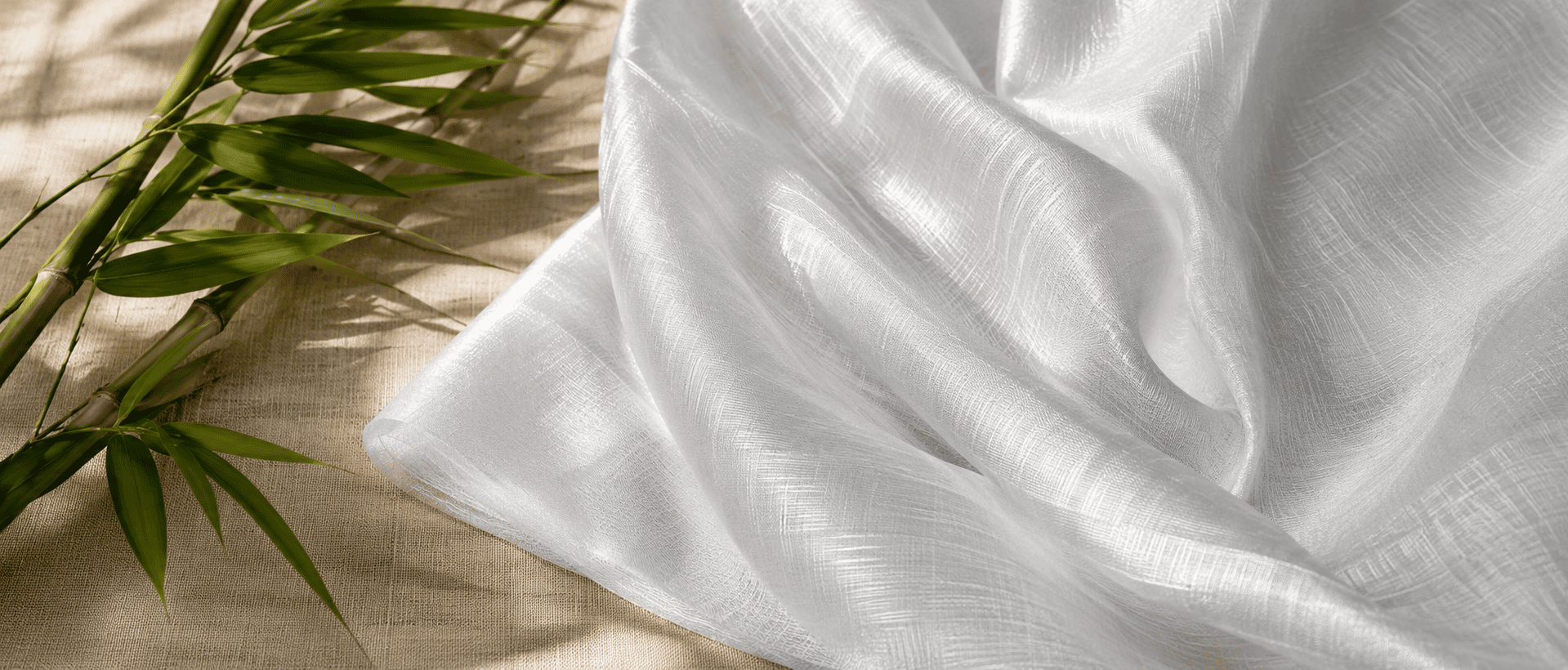
Can One Fabric Feel Luxurious and Sustainable? Meet the Silk-Bamboo Blend

Luxury and sustainability are often viewed as opposites. Traditional luxury fabrics are admired for their beauty but can sometimes raise concerns around resource use, while sustainable fabrics are appreciated for their environmental benefits but may not always offer the refined feel associated with premium textiles.
The Silk-Bamboo blend challenges this perception. By combining the timeless elegance of mulberry silk with the comfort and versatility of bamboo fibre, this fabric creates a balance that suits the needs of modern fashion. Whether for flowing garments, resort wear, scarves, or occasion wear, it offers an experience that feels as good as it looks.
What Is Mulberry Silk?
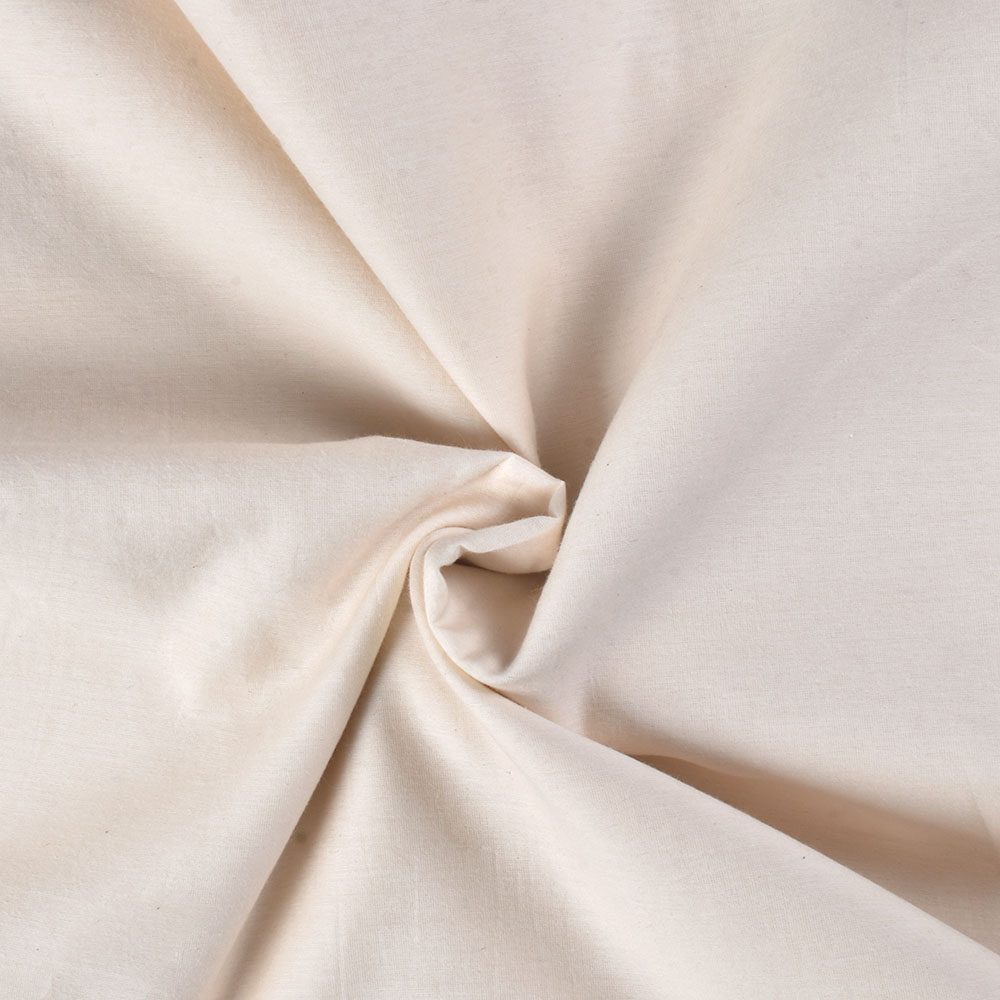
If you've ever wondered what mulberry silk is, it is considered one of the finest and most widely recognized natural silks in the world. Produced by silkworms that feed exclusively on mulberry leaves, the fibre is prized for its long, smooth filaments, natural sheen, and exceptional softness.
Unlike many other silk varieties, mulberry silk has a more uniform texture, allowing it to drape beautifully while remaining lightweight. This makes mulberry silk fabrics a preferred choice for designers creating garments that require elegance, fluidity, and comfort.
Beyond its luxurious appearance, mulberry silk is naturally breathable, helping regulate body temperature and making it suitable across different climates.
The Role of Bamboo Fibre
Bamboo fibre has become increasingly popular in sustainable fashion because of its comfort and performance. When processed into textile fibres through responsible manufacturing methods, bamboo contributes qualities that complement silk rather than compete with it.
Its key characteristics include:
- Soft and smooth texture
- Excellent breathability
- Moisture absorption
- Lightweight feel
- Comfortable against the skin
Rather than replacing silk, bamboo enhances everyday wearability, making the fabric easier to wear in warmer weather and across longer hours.
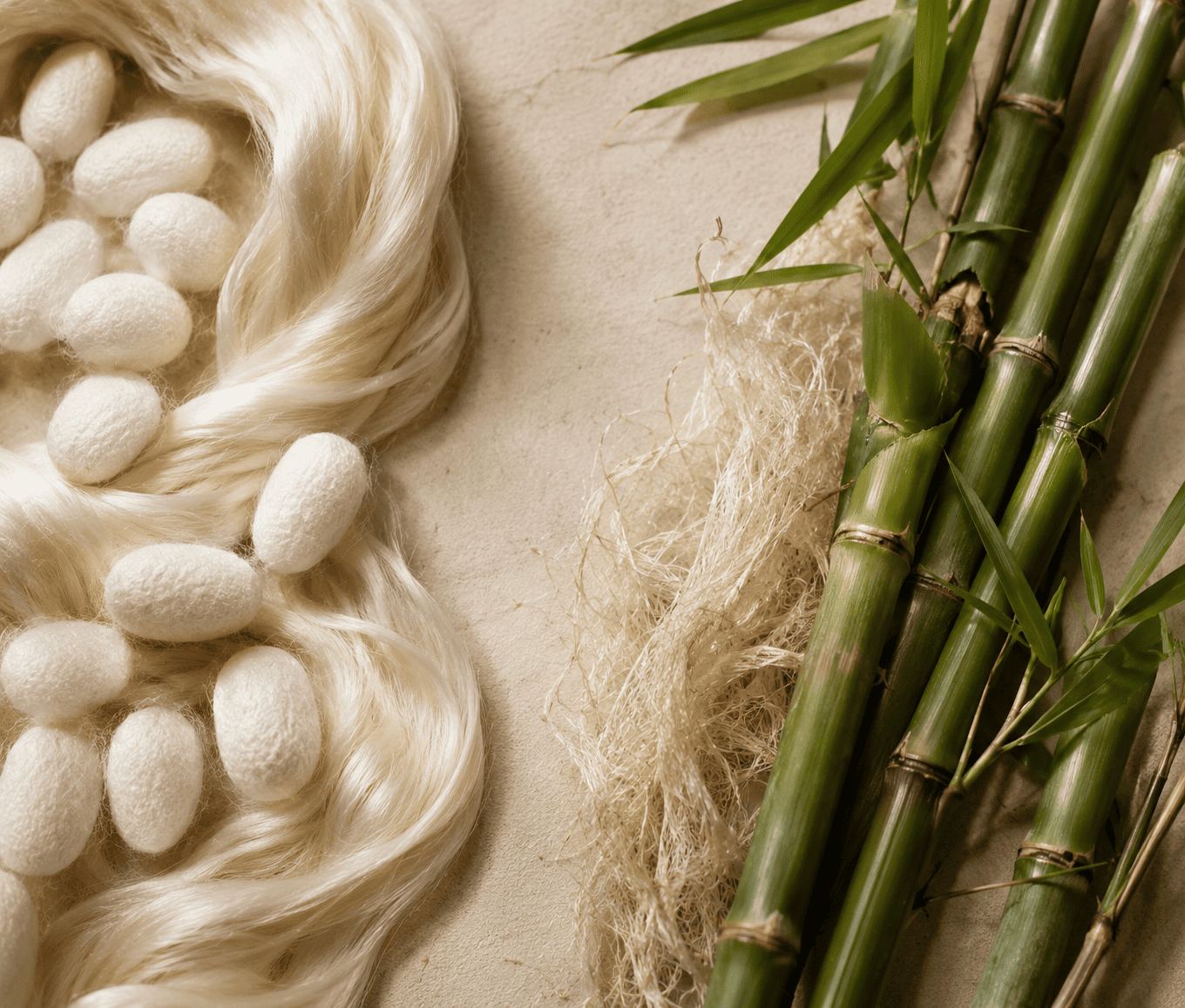
How Are Silk and Bamboo Combined?
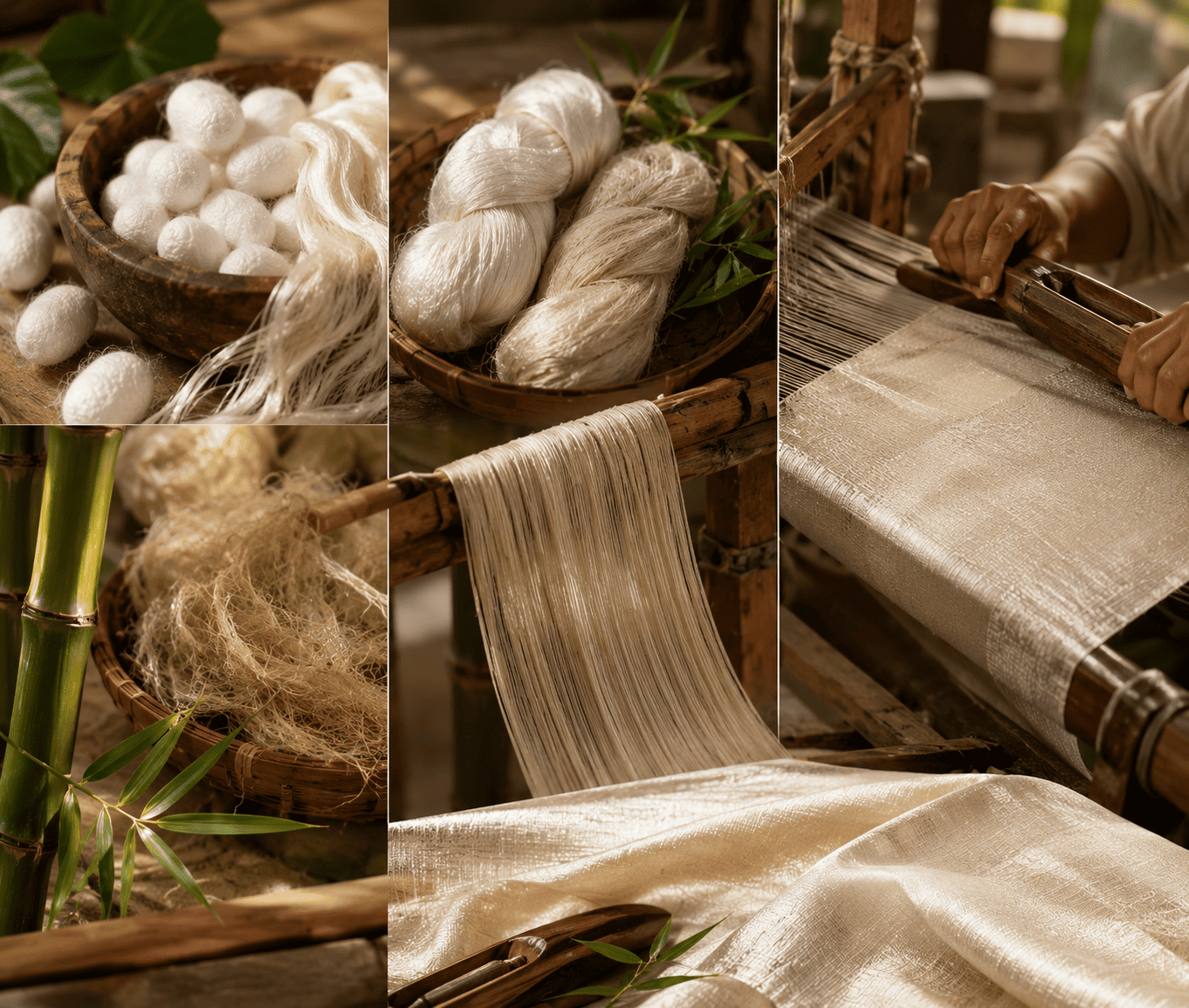
Creating a Silk-Bamboo blend begins with preparing both fibres separately.
Mulberry silk is carefully reeled from silk cocoons, preserving its naturally long and continuous fibres. Bamboo fibre, meanwhile, undergoes textile processing to create fine, spinnable fibres suitable for weaving.
The two are then blended into yarns before being woven into fabric. When this process is carried out by skilled artisans using traditional handlooms, the result is a textile that reflects both craftsmanship and material innovation.
Instead of overpowering one another, the fibres work together:
- Silk contributes natural sheen, graceful drape, and refined texture.
- Bamboo introduces softness, breathability, and everyday comfort.
The result is a fabric that feels luxurious while remaining practical for modern wardrobes.
Why Designers Are Choosing Silk-Bamboo Blends
Today's fashion designers are increasingly selecting fabrics based not only on appearance but also on how they perform throughout the life of a garment.
A Silk-Bamboo blend offers several advantages:
Elegant Drape
The natural flow of silk allows garments to move beautifully, making the fabric ideal for dresses, overlays, kaftans, and scarves.
Lightweight Comfort
Fabrics with lighter GSM, such as 80 GSM, create breathable garments that remain comfortable even in warmer seasons.
Naturally Breathable
Both fibres allow better air circulation than many synthetic materials, helping garments feel cooler during wear.
Softness Without Excess Weight
The blend provides a smooth hand feel without feeling heavy, making it suitable for layering and relaxed silhouettes.
Timeless Appeal
Rather than following seasonal trends, natural fibre fabrics continue to remain relevant because of their texture, versatility, and enduring elegance.
Is It a Sustainable Choice?
Sustainability is about more than choosing natural fibres—it's about selecting materials thoughtfully and using them responsibly.
Blending silk with bamboo helps create a fabric that combines renewable plant-based fibre with one of nature's most valued luxury materials. When woven by artisans instead of mass-produced through high-speed industrial methods, the fabric also supports traditional craftsmanship and slower, more mindful production practices.
Many designers today are exploring natural fibre alternatives beyond cotton and synthetics. Alongside bamboo, materials such as banana fiber fabric have also gained attention for their unique texture and renewable origins. Each fibre offers different characteristics, but all reflect a growing movement toward materials inspired by nature rather than petroleum-based alternatives.
Because of its fine, continuous filaments and the craftsmanship involved in its production, mulberry silk is considered one of the world's finest natural fibres. As a result, mulberry silk price can vary depending on factors such as fibre quality, weaving technique, fabric composition, and whether the textile is handwoven or machine-made. For many designers and conscious brands, its value lies not only in its appearance but also in its durability, comfort, and timeless appeal.
Where Can Silk-Bamboo Fabric Be Used?
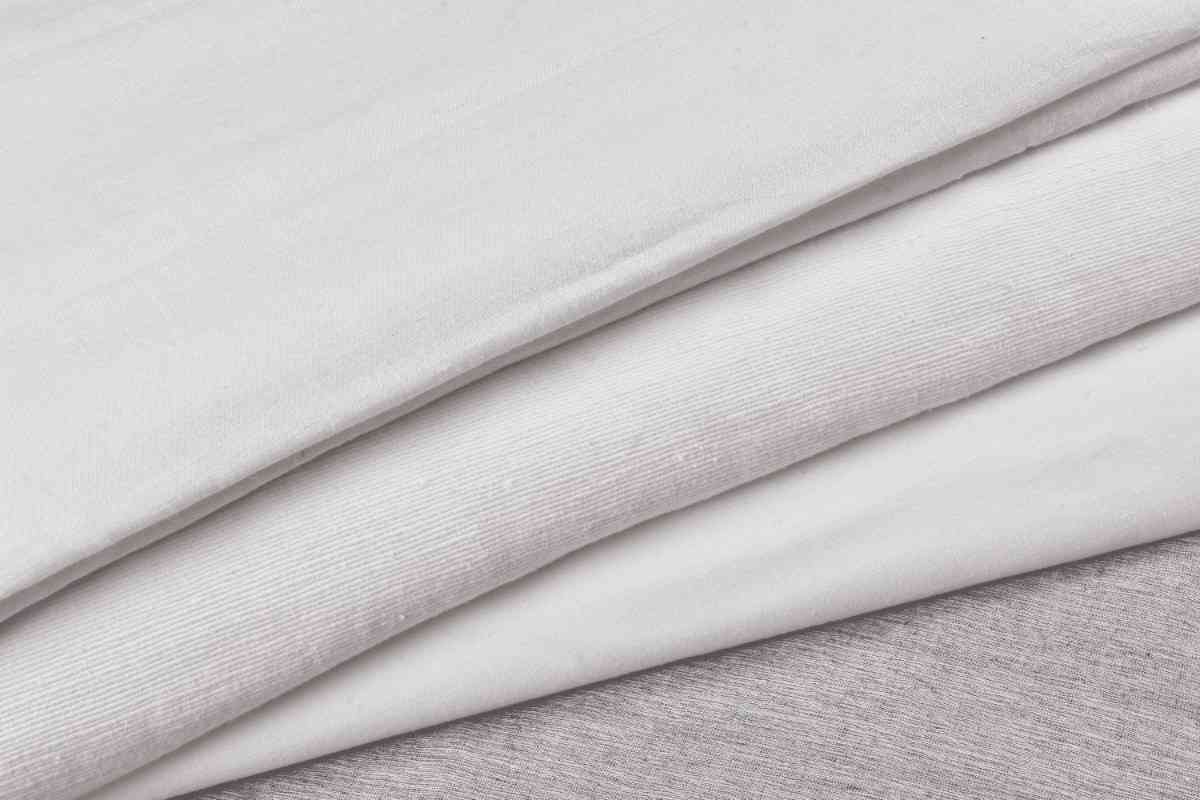
Because of its lightweight nature and graceful drape, Silk-Bamboo fabric is suitable for a wide range of applications, including:
- Dresses
- Kaftans
- Tunics
- Shirts
- Scarves and stoles
- Dupattas
- Resort wear
- Contemporary ethnic garments
- Luxury layering pieces
Its ability to transition between casual elegance and occasion wear makes it especially appealing for designers creating versatile collections.
Why Handwoven Fabrics Make a Difference
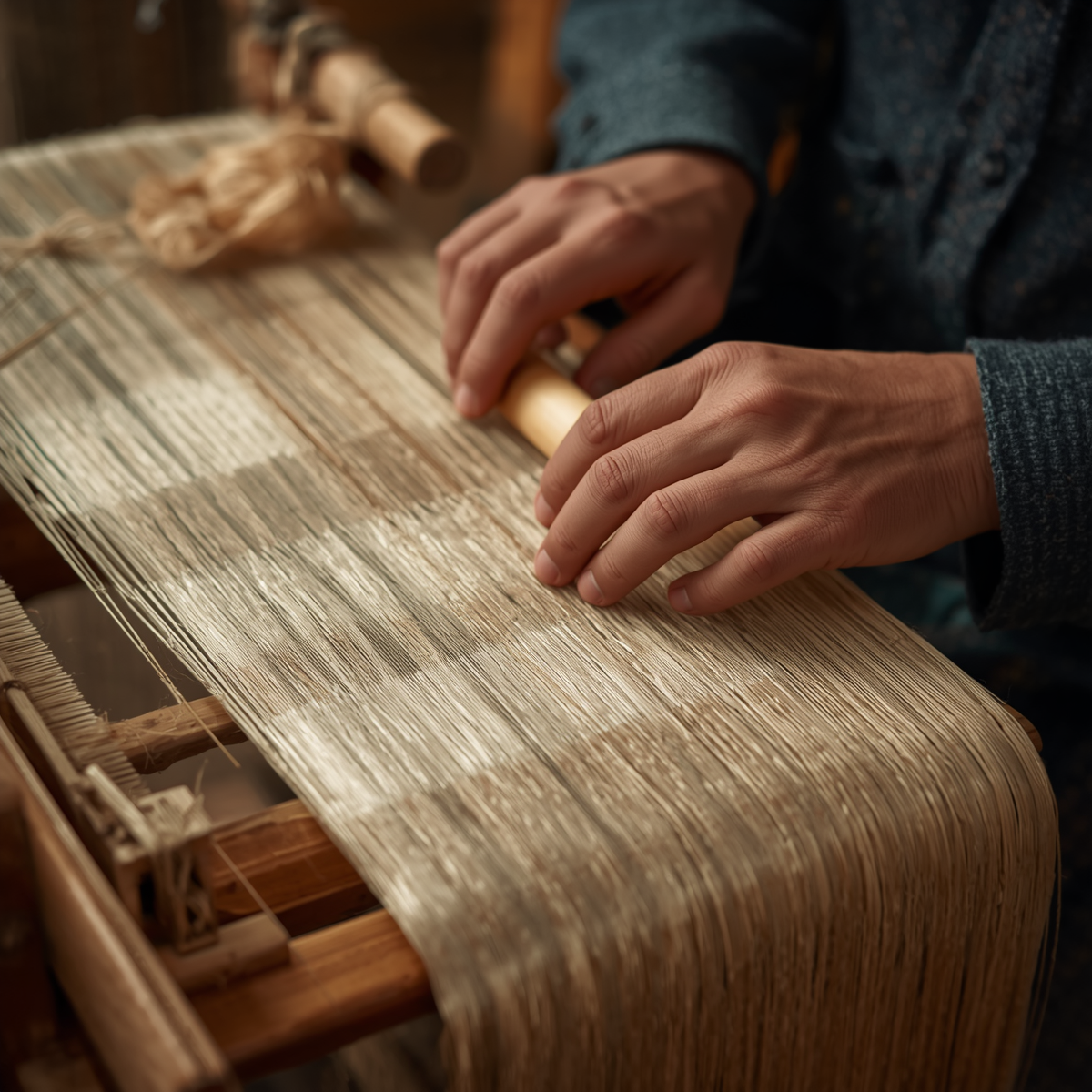
The weaving process shapes not only the appearance of a fabric but also its character.
Handwoven textiles often display subtle variations that reflect the artisan's skill, making every metre unique. These gentle irregularities are not flaws but signatures of craftsmanship—details that machines cannot replicate.
For brands that value authenticity, traceability, and thoughtful design, handwoven fabrics offer a story woven into every thread.
A Fabric That Reflects Modern Values
Today's consumers are looking beyond trends. They want garments that feel comfortable, are made responsibly, and remain timeless in both style and quality.
A Silk-Bamboo blend answers that need by combining the luxurious softness of mulberry silk, the breathable comfort of bamboo, and the artistry of handwoven craftsmanship. It demonstrates that elegance and sustainability no longer have to exist separately—they can be woven together into a single fabric.
faq questions
Is a Silk-Bamboo blend suitable for all seasons?
Yes. A Silk-Bamboo blend is naturally breathable and lightweight, making it comfortable in warmer weather while offering enough versatility for layering during cooler seasons. Its moisture-managing properties and soft drape make it suitable for year-round wear.
How does a Silk-Bamboo blend differ from pure mulberry silk fabrics?
While mulberry silk fabrics are prized for their luxurious sheen and smooth texture, blending silk with bamboo adds enhanced breathability, softness, and everyday comfort. The result is a fabric that retains the elegance of silk while offering improved wearability for modern garments.
Is a Silk-Bamboo blend a sustainable fabric choice?
A Silk-Bamboo blend can be a thoughtful choice for sustainable fashion when made with responsibly sourced fibres and traditional weaving methods. Combining natural fibres with artisan craftsmanship supports slower production practices and creates textiles designed for lasting use.
How does Silk-Bamboo compare with other natural fibres like banana fiber fabric?
Both Silk-Bamboo and banana fiber fabric are valued in sustainable textiles, but they offer different qualities. Silk-Bamboo is known for its smooth texture, elegant drape, and soft hand feel, while banana fibre typically has a more structured texture and a distinctive natural appearance. The ideal choice depends on the intended garment and design aesthetic.
More Blogs
raw silk vs tussar silk vs eri silk: key differences & characteristics
jamdani fabric wholesaler: a guide for designers & brands
malmal cloth in english: understanding the global appeal of mul cotton
wholesale cotton fabric: how to choose the right supplier
screen printing on fabric: techniques, process & applications in fashion

linen gym wear: can you really workout in natural fibers?