Everything You Need to Know About Viscose Rayon Fabric

Viscose Rayon has long held a coveted place in the textile world. Loved by designers for its silky drape, brilliant dyeability, and affordability, it bridges the gap between luxury and accessibility. But with growing demand for eco-conscious materials, viscose is also one of the most debated fabrics in fashion today.
In this blog, we dive deep into the origins, properties, pros, and controversies of viscose fabric — and how it fits into the evolving landscape of responsible textile sourcing.
What is Viscose Fabric?
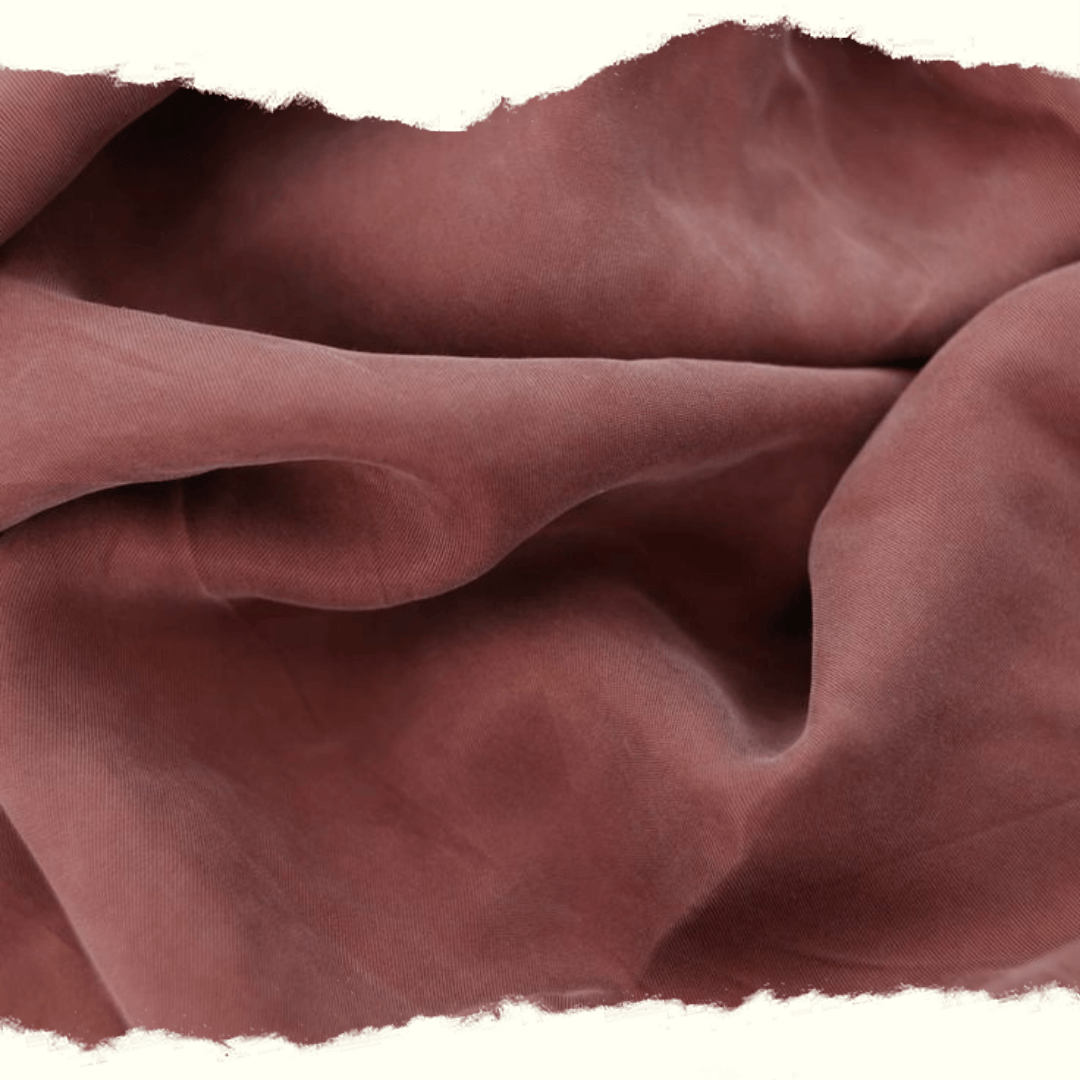
Viscose, also known as rayon, is a semi-synthetic fiber made from cellulose, usually extracted from wood pulp (often eucalyptus, bamboo, pine, or beech trees).
Though it starts as a natural material, the transformation process involves chemical treatments that dissolve the pulp into a viscous solution — hence the name "viscose" — before spinning it into fibers.
It was originally developed in the late 19th century as an affordable alternative to silk, offering a similar sheen and drape at a fraction of the cost.
Fabric Origin & Composition
Raw Material: Natural cellulose (usually from trees)
Processing: Chemically intensive, including sodium hydroxide and carbon disulfide
Output: Soft, breathable, and smooth fibers spun into fabric
Types: Standard viscose, modal (stronger), and lyocell (more sustainable)
Viscose material is often grouped with other "regenerated cellulose fibers" like Tencel and Modal, but standard viscose typically involves more environmental impact unless it is made using closed-loop production techniques.
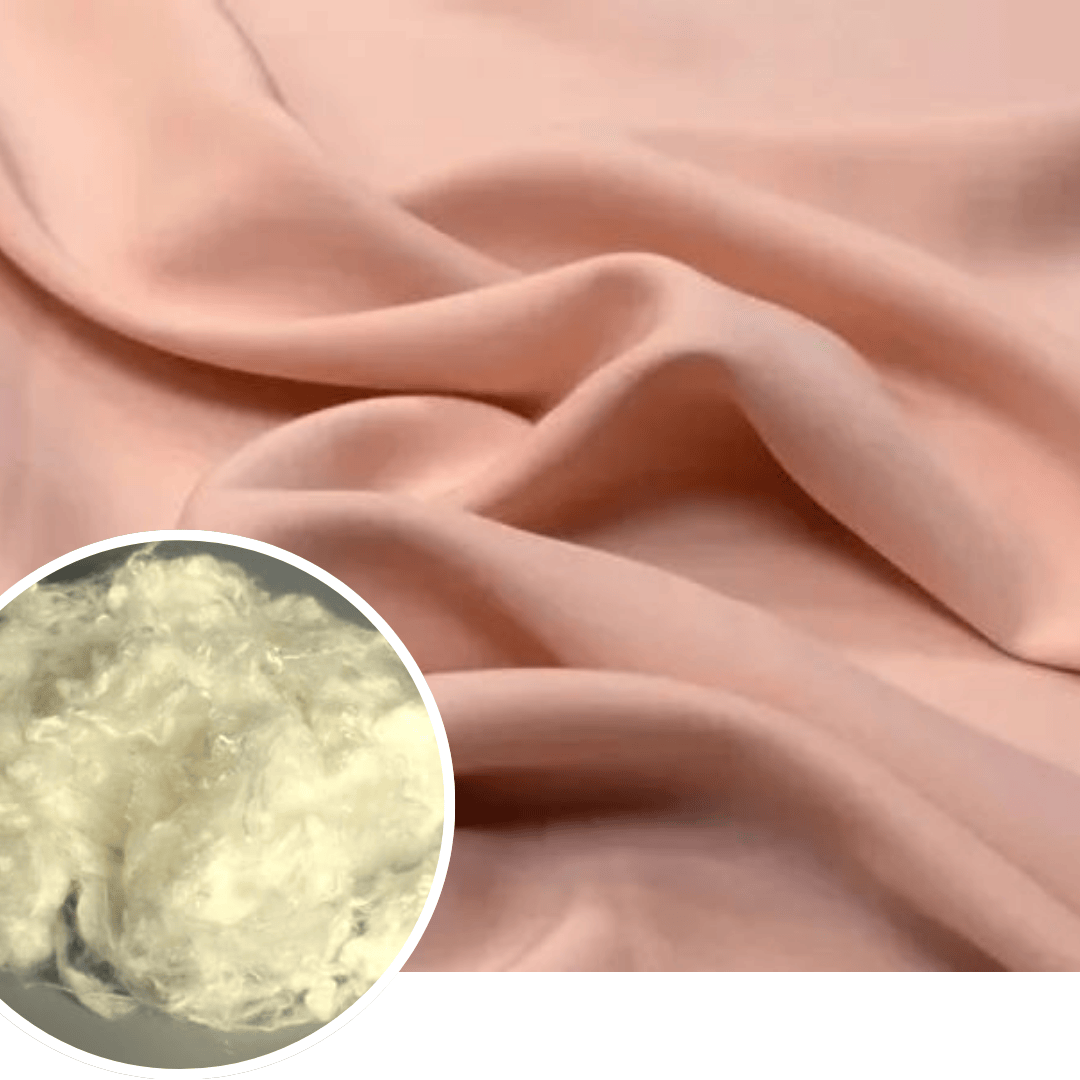
Benefits of Viscose Fabric
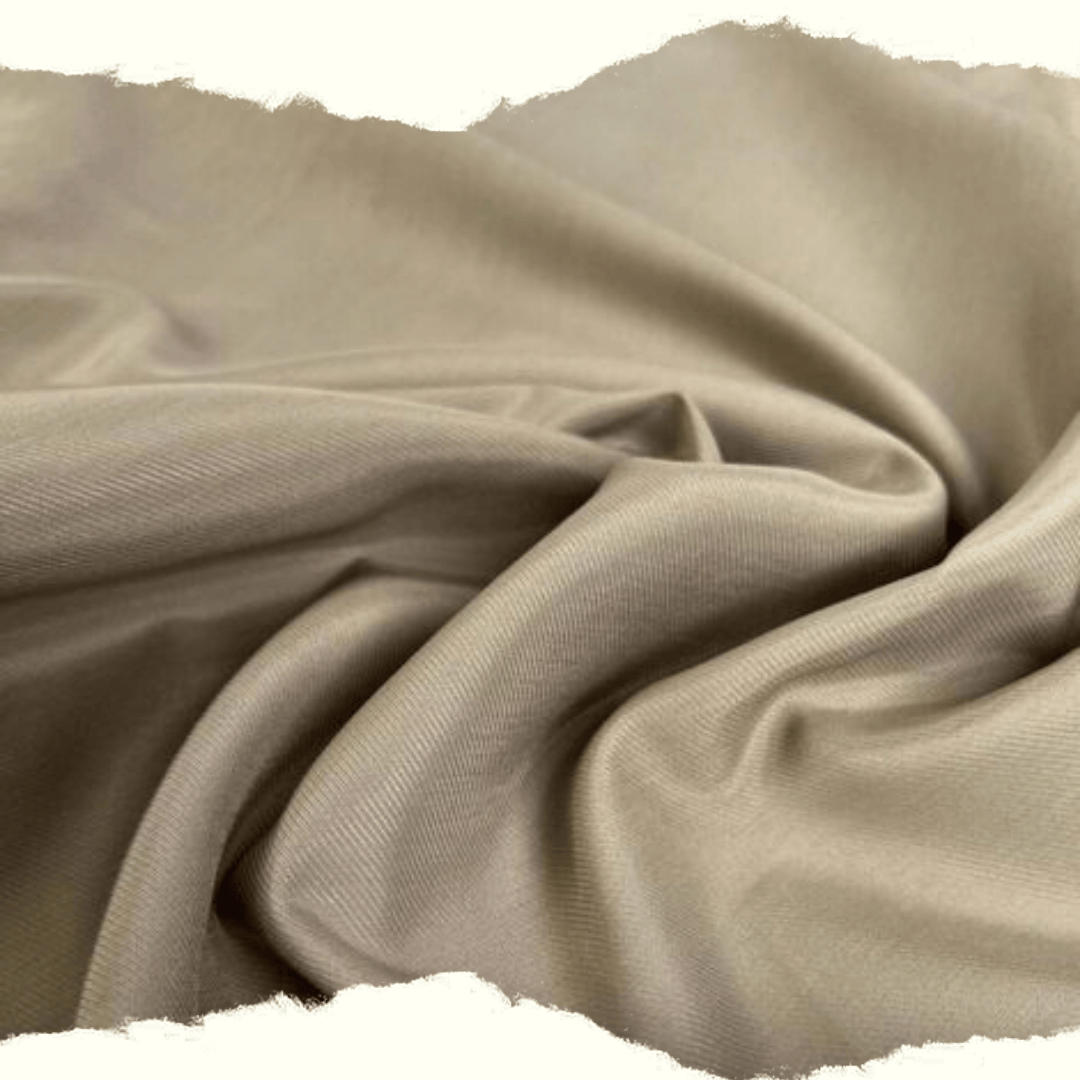
- Soft & Silky Feel – Feels similar to silk or cotton; ideal for draped garments
- Excellent Breathability – More breathable than polyester or nylon
- Highly Absorbent – Ideal for summer wear, activewear, and inner layers
- Dye-Friendly – Viscose holds color vibrantly and evenly
- Affordable – Cost-effective substitute for natural luxury fibers
Special Features of Viscose Fabric
Fluid Drape – Flows effortlessly, making it perfect for dresses, blouses, and scarves
Print-Ready Surface – Takes on block prints, screen prints, and dyes beautifully
Versatile Application – Can mimic silk, cotton, wool, or linen depending on weave
Lightweight Yet Luxurious – Suitable for everything from fast fashion to conscious couture
Vibrant Color Retention: Viscose readily absorbs dyes, resulting in rich, deep, and long-lasting colors.
Versatility in Blends: Viscose blends seamlessly with other fibers like cotton, polyester, and spandex, allowing designers to tailor the fabric's properties – enhancing stretch or durability or reducing cost.
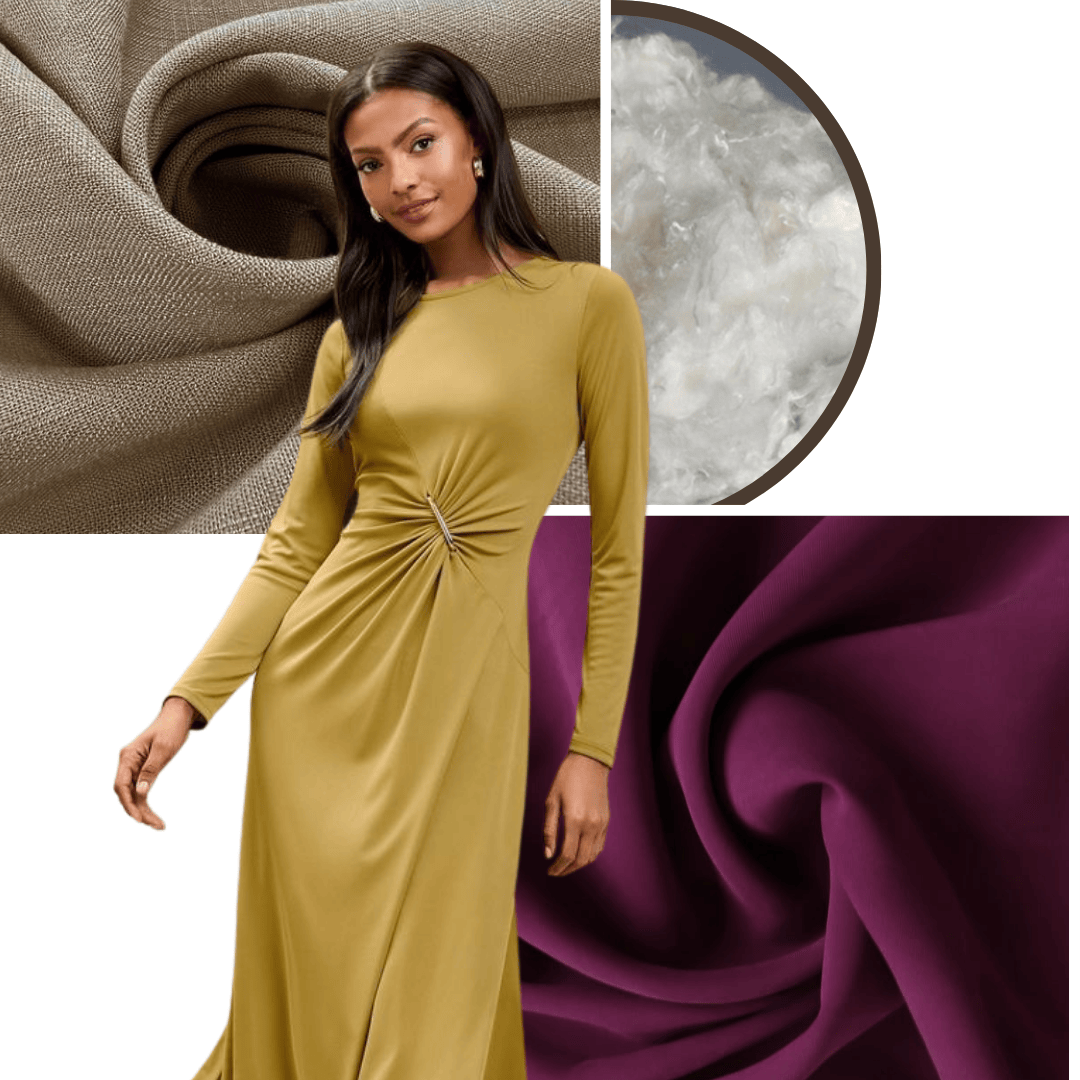
Sustainability Debate: Is Viscose Eco-Friendly?
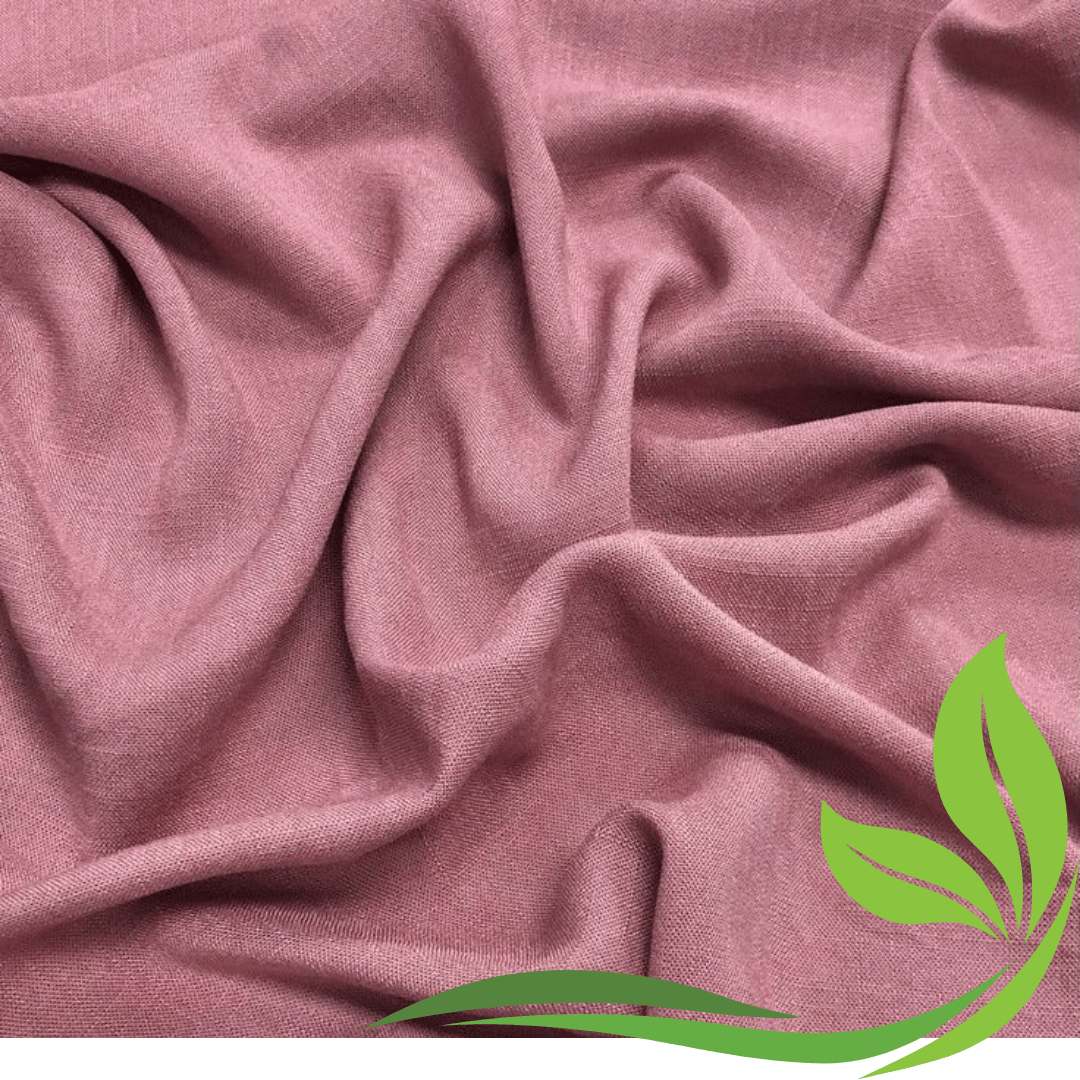
It depends on how it's made.
Traditional viscose production is:
- Chemically intensive
- Often linked to deforestation
- Can lead to water pollution and chemical runoff
.
However, there is a shift towards greener viscose, such as:
- Lyocell and Tencel, which use closed-loop systems (recycling 99% of chemicals)
- FSC-certified sourcing of raw materials
- OEKO-TEX or GOTS certification for safer processing
Care Guide: How to Maintain Viscose Rayon Fabric
While versatile, viscose requires mindful care to maintain its beauty and longevity:
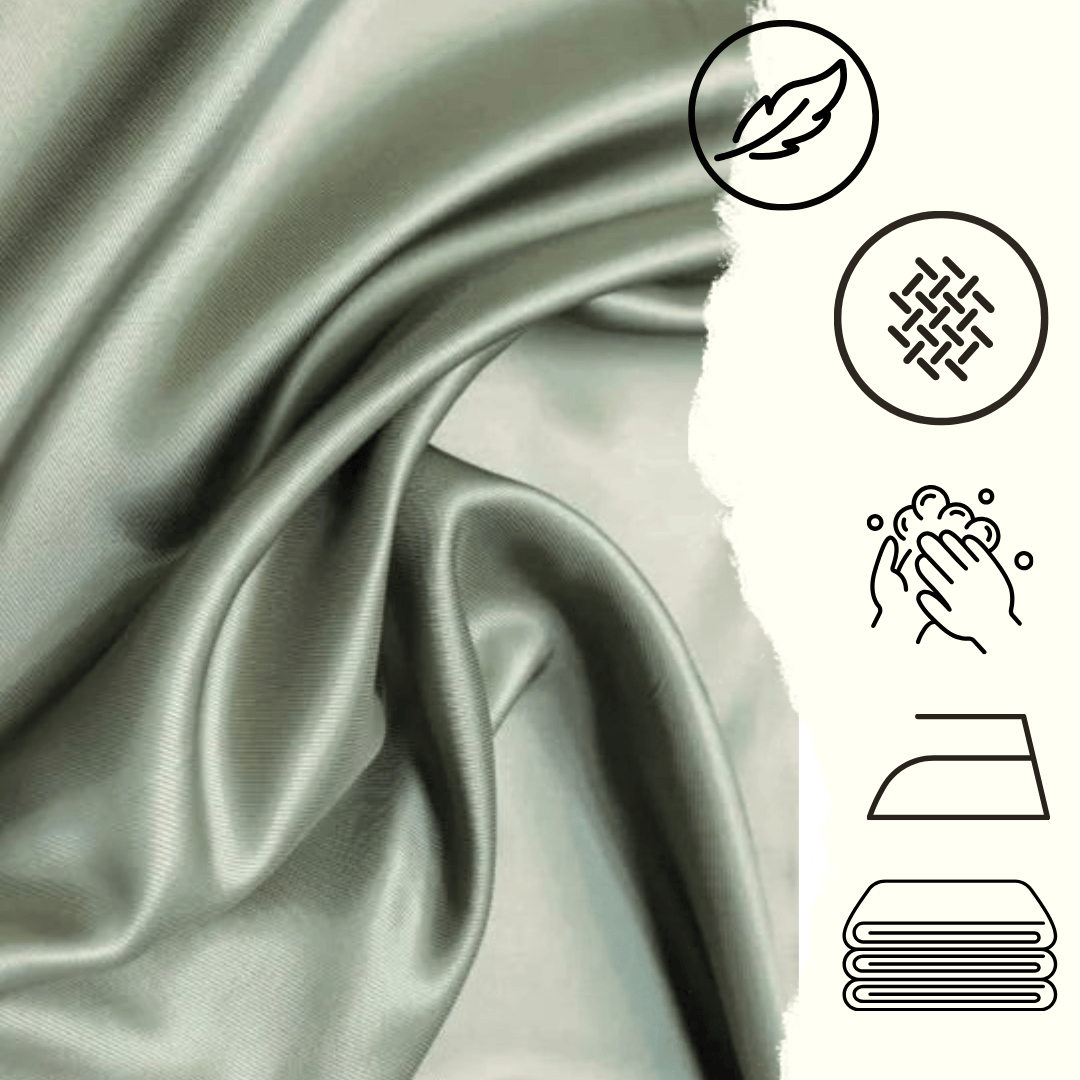
- Gentle Handling: Viscose, especially when wet, can be weaker. Gentle hand washing or a delicate machine cycle in cold water is often recommended.
- Avoiding Harsh Treatments: Wringing or twisting should be avoided to prevent stretching and damage.
- Proper Drying: Air drying or laying flat is preferable to machine drying, which can cause shrinkage.
- Low-Heat Ironing: Ironing on a low heat setting, often while the fabric is still slightly damp and inside out, helps to restore its shape and smoothness.
- Dry Cleaning: For more delicate viscose garments or those with intricate construction, professional dry cleaning is often the safest option.
Is Viscose Better for Spring-Summer or Autumn-Winter?
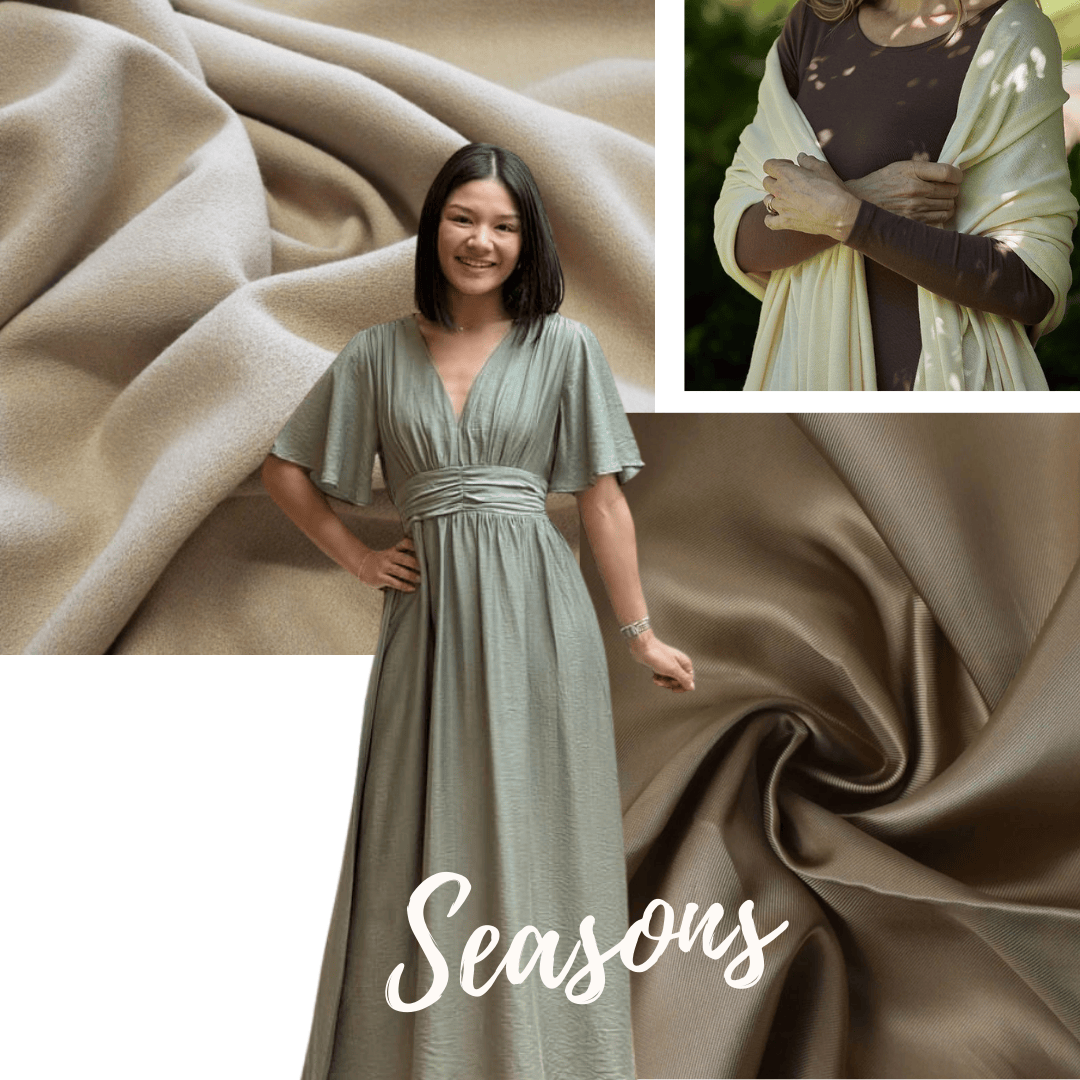
Viscose is ideally suited for Spring and Summer collections due to its lightweight, breathable, and moisture-absorbent nature.
- Breathable & Cool: Allows air circulation, keeping the body cool in warmer weather.
- Soft & Drapey: Perfect for flowy silhouettes like dresses, blouses, and resort wear.
- Moisture-Wicking: Absorbs perspiration without feeling sticky — ideal for humid climates.
Can also be used for Autumn Winter-
- Use in layering pieces: Viscose can work for linings, long-sleeved tops, and blended fabrics for fall.
- In blends: Mixed with wool, silk, or cotton, viscose adds softness and sheen to heavier winter garments.
Why look for alternatives to traditional viscose?
- Environmental Impact of Production: The conventional viscose process uses harsh chemicals like carbon disulfide, which can be harmful to workers and the environment if not managed properly. It's also water and energy-intensive.
- Deforestation Concerns: The wood pulp used for viscose can sometimes come from unsustainable logging practices, contributing to deforestation and habitat loss.
Our Collection
Want to explore sustainable alternatives to viscose?
At Anuprerna, we specialize in natural, handspun fabrics that deliver the same softness, breathability, and drape — with far lower environmental impact. Our Collection serves as a complementary textile when responsibly sourced and blended with handwoven cotton, khadi, or silk.
Is Rayon Fabric Good or Bad?
Determining whether rayon fabric is a positive choice depends on your specific production standards and environmental goals. It is not inherently good or bad, but rather a material with distinct trade-offs.
Why it is considered good:
- High performance: It offers excellent breathability and moisture absorption, making it comfortable for warm-weather apparel.
- Design versatility: It takes dyes exceptionally well and provides a premium drape that mimics more expensive natural fibers.
- Cost efficiency: It allows designers to create high-quality silhouettes at a more accessible price point.
Why it is considered challenging:
- Production impact: Traditional manufacturing methods are chemically intensive and require strict waste management to avoid environmental harm.
- Durability: It is generally weaker when wet compared to natural fibers like cotton or linen, requiring careful maintenance.
- Sourcing: The sustainability of the fabric depends entirely on the transparency of the supply chain and the use of closed-loop production systems.
frequently asked questions about viscose rayon
Is viscose a natural or synthetic fabric?
Viscose is a semi-synthetic fabric. It is made from natural cellulose (usually wood pulp), but it undergoes a chemical process to be transformed into fibers. It falls between natural and synthetic categories.
What is the difference between viscose, rayon, and lyocell?
Viscose and rayon are often used interchangeably. Lyocell (like Tencel) is a newer, more eco-friendly version of viscose, made using a closed-loop system that recycles water and chemicals. Modal is another variant, known for softness and strength.
Can viscose be blended with other fabrics?
Absolutely. Viscose blends beautifully with cotton, linen, silk, and wool to enhance softness, drape, and dye absorption, which is ideal for handwoven textiles and designer fabrics.
Can viscose be handwoven like khadi or linen?
While viscose is typically machine-spun and used in knits or wovens, it can be handwoven when blended with natural fibers like cotton or silk, offering the softness of viscose with the structure of handloom fabrics.
Is viscose fabric breathable and good for warm weather?
Yes. Viscose is highly breathable, lightweight, and moisture-absorbent, making it ideal for summer clothing, dresses, and innerwear.
Is rayon good for summer?
Rayon works well in summer because it breathes, absorbs moisture, and feels cool on the skin. The catch is that some low-quality rayon traps heat once you sweat, so not all versions perform the same. High-grade or blended rayon tends to stay cooler and more comfortable in hot, humid weather.
Is viscose fabric considered sustainable?
The sustainability of viscose depends on the production process. Standard viscose production can be environmentally harmful, but versions produced using closed-loop systems and FSC-certified wood pulp are significantly more sustainable.
Does viscose shrink when washed?
Yes, viscose is prone to shrinking if exposed to high heat or aggressive washing cycles. It is best to hand wash in cold water or use a delicate machine cycle and air dry to maintain the garment's shape.
More Blogs
jacquard fabric: what it is, how it’s made & how to choose the right fabric
what makes tussar silk different from other silks?
banana fiber fabric and bamboo fiber fabric: the future of plant-based textiles
buying hemp fabric: what fashion brands need to know
eco print fabric: why botanical textiles are becoming the future of sustainable luxury
traditional indian fabrics every designer should know