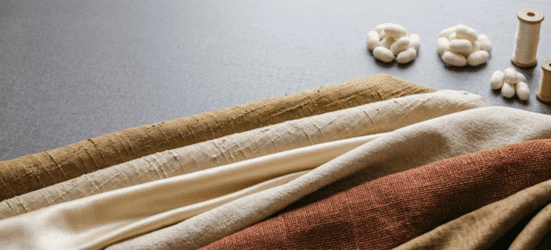
Choosing the Right Silk Manufacturers in India: A Buyer’s Guide

Choosing the right silk manufacturers in India is an important step for fashion brands, designers and textile businesses looking to develop distinctive, high-quality collections. India has a diverse silk textile heritage, with regional weaving traditions, different silk varieties and production methods that influence a fabric’s texture, appearance, drape and end use.
However, selecting a supplier involves more than comparing fabric prices. Buyers need to understand the origin of the silk, the manufacturing process, the consistency of the finished fabric, minimum order quantities and the supplier’s ability to meet production timelines.
For businesses developing premium apparel, occasionwear, scarves or contemporary textile collections, the right manufacturing partner can help translate a design concept into a commercially viable product while preserving the character of the material.
This guide explains what to look for when evaluating silk fabric manufacturers in India, how to compare different silk varieties and which questions to ask before placing a bulk order.
Understand the Different Types of Silk Available in India
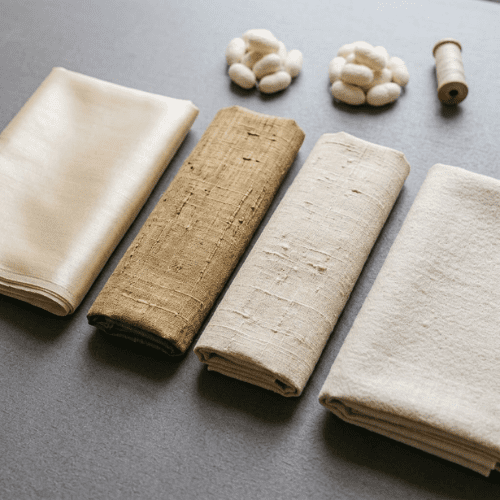
Before approaching silk suppliers in India, identify the kind of silk that suits your product, customer and design requirements. Different silk varieties offer distinct textures, finishes and draping characteristics.
Mulberry Silk
Mulberry silk is produced by silkworms primarily fed on mulberry leaves. It is known for its smooth surface, fine filament and characteristic lustre. Depending on the yarn and weave, it can be suitable for refined apparel, dresses, blouses, linings, scarves and luxury accessories.
When evaluating mulberry silk manufacturers in India, ask about the fibre composition, yarn quality, weave structure and finishing methods. These factors help determine whether a particular fabric is appropriate for your intended application.
Tussar Silk
Tussar silk, also known as tussah or kosa silk, is a variety of wild silk associated with India's traditional silk-producing regions. It often has a naturally textured surface, a warm golden tone in its undyed form and an organic-looking slub.
For designers interested in expressive textures and regional craftsmanship, Tussar silk can be a distinctive option for jackets, dresses, occasionwear, scarves and other statement pieces.
When sourcing from Tussar silk manufacturers in India, examine the texture, yarn characteristics, colour variation and consistency across the intended order quantity.
Matka Silk
Matka silk is valued for its slightly coarse, textured surface and understated appearance. Its character makes it relevant to contemporary fashion collections that favour natural-looking materials over highly polished finishes.
Depending on the construction and weight, Matka silk can work well for structured garments, jackets, separates and accessories.
Eri Silk
Eri silk is associated with a soft, often woolly hand feel and a matte appearance. It is used in different kinds of apparel and textile applications depending on the yarn and weave.
Buyers considering Eri silk should discuss the specific production method and animal-welfare practices with the supplier rather than assuming that every product described as peace silk follows identical standards.
Evaluate the Silk Manufacturing Process
Understanding the silk manufacturing process helps buyers assess whether a supplier can deliver the material their collection requires. Silk production involves several stages, and the precise method varies according to the silk variety and the intended fabric.
Fibre and yarn sourcing
Start by understanding where the silk fibre or yarn originates. Ask whether the supplier can explain the silk variety, yarn source and relevant processing methods.
If traceability matters to your brand, request the documentation or sourcing information available for the specific material rather than relying on general claims about the industry.
Yarn preparation and weaving
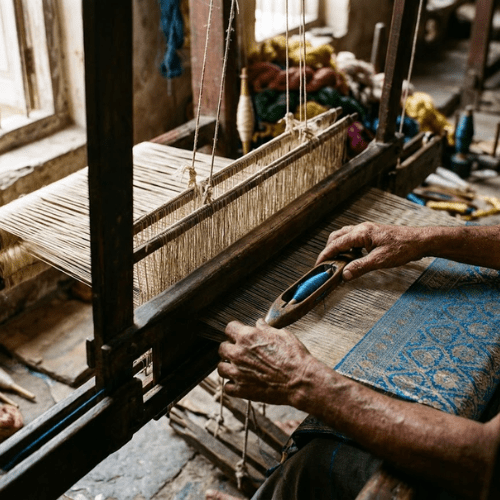
The yarn is prepared for the intended construction before being woven into fabric. Depending on the product, the process may involve handlooms, power looms or a combination of production methods.
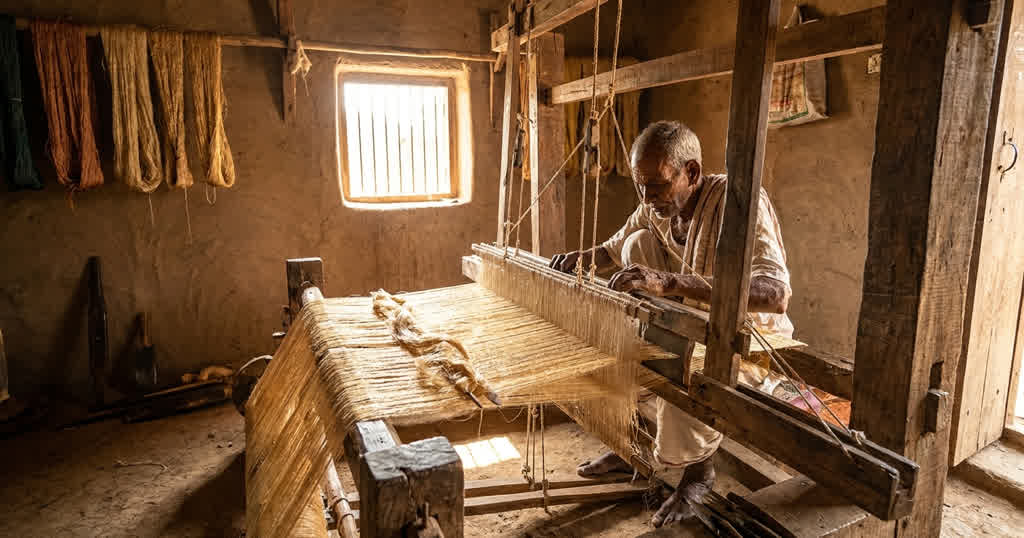
In handwoven textiles, the loom, yarn characteristics and weaver's technique influence the resulting texture and surface. These differences can be important when developing fabrics for collections that rely on distinctive material qualities.
Dyeing and finishing
Dyeing and finishing affect colour, handle, lustre and the fabric's performance in its intended application. Ask whether the fabric is supplied in a natural shade, dyed to a standard colour or developed to a custom specification.
For repeat orders, clarify how colour matching and acceptable variations will be assessed.
Inspection and quality control
Before dispatch, the fabric should be checked against agreed requirements. Depending on your product, these may include composition, width, colour consistency, weave defects, usable length and finishing.
A dependable supplier should be able to explain its inspection process and how any quality concerns are handled.
How to Evaluate Silk Fabric Manufacturers in India
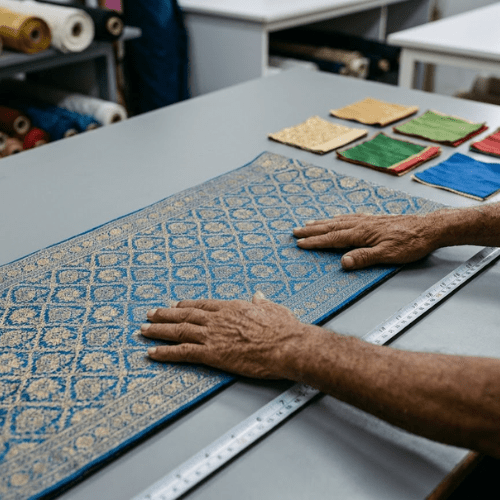
Not all silk fabric manufacturers in India operate in the same way. Some focus on large-scale production, while others specialise in regional textiles, handwoven fabrics or custom development. Your ideal partner depends on the scale and character of your collection.
Check fabric quality and consistency
Request swatches before committing to a substantial order. Examine the fabric under natural light and assess its texture, drape, surface, colour and suitability for your intended garment.
Where relevant, test shrinkage, colourfastness, seam behaviour and other performance characteristics before approving production.
Confirm manufacturing capabilities
Ask whether the supplier can provide the required silk variety, weave, colour and finish. If your designs require custom development, check whether the supplier can work from a reference sample, colour specification or design brief.
It is equally important to distinguish between a manufacturer producing fabric directly and a trading business sourcing material from other producers. Either may suit your needs, but you should understand the arrangement.
Review minimum order quantities and lead times
Minimum order quantities vary by material, colour, production method and the level of customisation required. Ask for separate details on in-stock fabric, made-to-order production and larger advance orders.
Confirm the sampling timeline, production lead time, dispatch schedule and process for repeat orders. This is particularly important when planning seasonal collections or coordinating multiple garment styles.
Assess communication and documentation
Clear communication helps prevent avoidable delays. Your supplier should be able to confirm specifications, quantities, pricing, payment terms, packaging and delivery expectations in writing.
For international orders, also establish who is responsible for export documentation, shipping arrangements, applicable duties and any required compliance documents.
Silk Export from India: Considerations for International Buyers
India's silk textile sector serves a range of domestic and international markets. For overseas buyers, selecting silk exporters in India involves assessing both the fabric and the supplier's ability to coordinate cross-border shipments.
Before placing an export order, discuss the following:
Product specifications: Ensure the approved sample and written specifications match the fabric being ordered.
Export documentation: Confirm which commercial invoices, packing lists, origin documents and other paperwork may be required for the destination market.
Shipping terms: Clarify the agreed Incoterm, freight responsibility, insurance arrangements where applicable, and who handles customs clearance.
Delivery planning: Account for sampling, production, packing, transit and possible customs delays.
Destination requirements: Check any applicable labelling, import, chemical safety, or product-specific requirements with the relevant authorities or a qualified trade professional.
For repeat business, it is useful to document the approved fabric standard and retain a reference sample. This creates a clearer basis for evaluating subsequent shipments.
A supplier with export experience can help coordinate these details, but buyers should independently confirm the requirements that apply to their market and transaction.
Choosing Between Raw Silk Manufacturers and Finished-Fabric Suppliers
The right sourcing model depends on how much control your business needs over material development and production.
When to consider raw silk manufacturers in India
Raw silk sourcing may be relevant when your business has the capability to manage yarn processing, weaving or fabric development through its own production network. Buyers should clarify whether a supplier offers raw silk fibre, silk yarn or unfinished fabric, as these are different stages of the supply chain.
If you are sourcing raw materials, account for the additional time, technical knowledge and coordination that may be required before the material is ready for garment production.
When to choose finished silk fabric suppliers in India
Finished-fabric suppliers can be a more practical option for brands that need fabric ready for sampling, cutting and garment development.
This approach may reduce the number of production stages your team must coordinate. It can also simplify fabric selection when a supplier offers multiple silk varieties, colours and weave structures.
Before deciding, compare the total sourcing cost, processing requirements, lead time and quality responsibilities associated with each route.
Pure Silk Manufacturers in India: What Buyers Should Verify
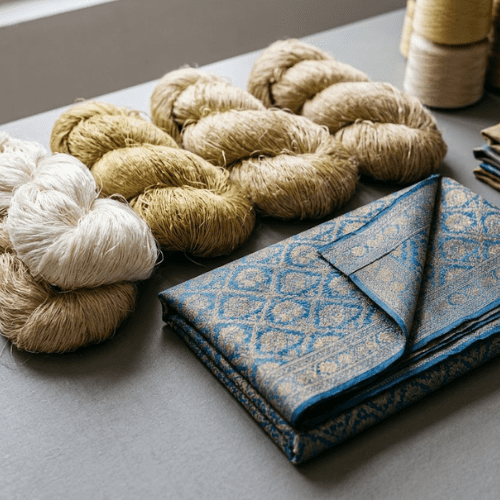
The term “pure silk” is commonly used in textile sourcing, but buyers should verify what it means for the specific product they intend to purchase.
Ask for the stated fibre composition and confirm whether the fabric is made from silk alone or contains other fibres. If a blend is involved, request the exact composition rather than relying on a product name or visual appearance.
It is also useful to distinguish between the fibre itself and the finished fabric. A fabric may be made from silk yarn but have a particular weave, dyeing treatment or finish that changes its appearance and performance.
For larger orders, obtain a written specification that includes:
Fibre composition and silk variety.
Weave construction and fabric width.
Colour and finishing requirements.
Order quantity and acceptable tolerances.
Quality inspection and defect-resolution terms.
These checks help you compare silk suppliers in India on measurable requirements rather than appearance or price alone.
Why Craftsmanship and Sourcing Transparency Matter
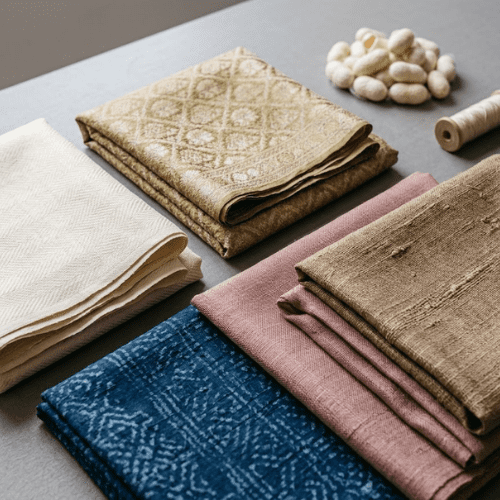
For brands developing distinctive textile collections, manufacturing capability is only one part of the decision. The way a fabric is produced can influence its character, the people involved in its making and the story a brand can communicate to its customers.
India's handwoven silk traditions include regional materials and weaving practices that differ from one community to another. Tussar, Matka, Mulberry and Eri silks each have their own material characteristics, while the choice of yarn, loom and finishing process further shapes the final textile.
When evaluating a handwoven silk supplier, ask which stages are completed by artisans, how production is coordinated and what information is available about the sourcing chain.
Sustainability claims should also be assessed carefully. Natural fibres are not automatically produced under identical environmental or social conditions. Consider the fibre source, dyeing and finishing practices, production methods, durability and available evidence before making claims about a fabric's impact.
At Anuprerna, textile development brings together natural-fibre fabrics, handwoven traditions and artisan-led production. Buyers can explore different silk varieties and learn more about the people and processes behind the textiles through the brand's fabric and story pages.
Questions to Ask Before Placing a Silk Fabric Order
Before finalising a supplier, use this checklist to assess whether the business can meet your requirements.
Which silk varieties and fabric constructions do you offer?
Can you provide a swatch or sample for evaluation?
What are the minimum order quantities for in-stock, made-to-order and customised fabrics?
Can you develop a specific colour, weave or finish?
What quality checks are carried out before dispatch?
How are colour and texture variations managed between batches?
What are the sampling and production lead times?
Can you provide fibre-composition details and relevant sourcing documentation?
What payment, shipping and delivery terms apply?
How are defects, shortages or specification discrepancies resolved?
The answers should give you a clearer picture of the supplier's capabilities, communication standards and suitability for long-term collaboration.
Finding the Right Silk Manufacturing Partner
Choosing the right silk manufacturers in India requires a balance of material knowledge, quality assessment, production planning and transparent communication. The most suitable partner is not necessarily the supplier offering the lowest price; it is the one whose fabrics, capabilities and processes align with your product requirements and business model.
Start by identifying the silk variety you need, requesting samples, confirming specifications and reviewing minimum order quantities and delivery timelines. If your collection prioritises handwoven textiles, explore the production methods and artisan practices behind the fabric before making a decision.
For designers, fashion brands and textile businesses looking to source distinctive Indian fabrics, a considered approach to supplier selection can support better product development and more dependable sourcing relationships.
frequently asked questions
How do I choose the right silk manufacturers in India?
Evaluate fabric quality, fibre composition, manufacturing capabilities, minimum order quantities, production timelines, documentation and communication. Request swatches and confirm specifications before placing a bulk order.
What is the difference between silk manufacturers and silk suppliers in India?
A manufacturer may produce or process yarn and fabric directly, while a supplier may source finished textiles from other producers. Some businesses perform both roles, so it is important to clarify where and how your fabric is made.
What should I check when buying pure silk fabric?
Confirm the fibre composition, weave, finishing, colour consistency and intended use. For commercial orders, request a written specification and evaluate a sample before approving production.
What should international buyers know about silk export from India?
International buyers should confirm product specifications, shipping terms, documentation, destination-market requirements, production timelines and responsibility for customs procedures before placing an order.
More Blogs
why organic fabric suppliers are growing in india
jacquard fabric in modern fashion
how silk manufacturers preserve traditional craftsmanship
indian fabric wholesale: a guide to sourcing handwoven textiles
how indian fabric exporters meet global quality standards
jacquard vs embroidery: what's the difference?