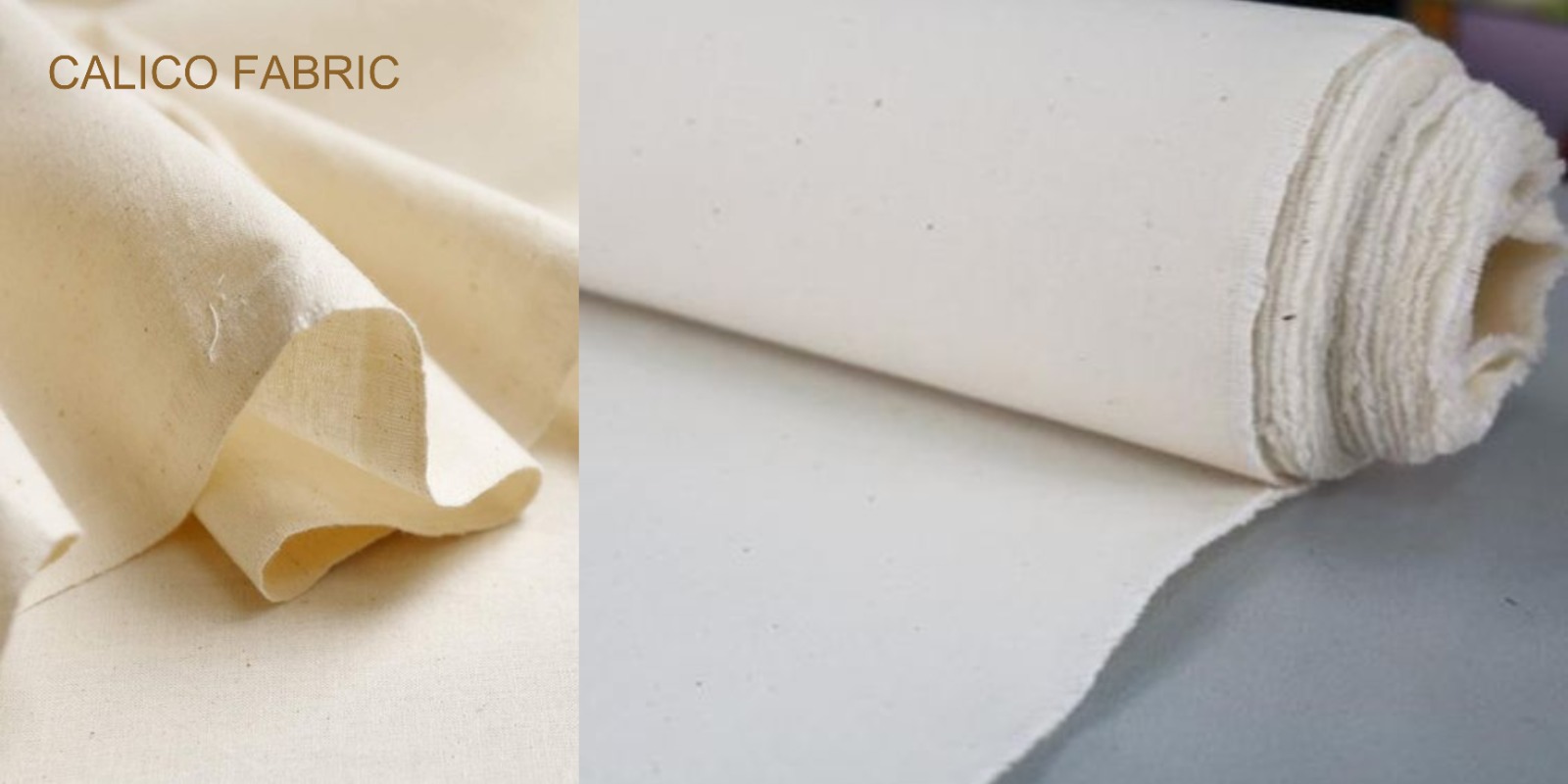
Calico Fabric: A Versatile Textile

Calico fabric is a plain-woven, unbleached cotton textile that has served as a foundational material for artisans and designers for centuries. Often recognized by its natural, off-white hue and slightly coarse texture, this handloom cotton remains a staple in both traditional craft and modern garment prototyping.

Historical Origins of Calico Fabric
The name calico is derived from Calicut, a coastal city in India that functioned as a major trading hub for cotton fabrics during the medieval period. European merchants introduced the textile to the West during the 17th century, where it gained immediate attention.
Its popularity grew due to its lightweight nature and its ability to accept dyes easily. This historical connection to Indian textile heritage continues to define the material today.
Key Characteristics of Calico Fabric
Calico fabric is typically constructed from 100% cotton fibers using a simple plain weave. It is known for its unbleached or lightly bleached appearance, which retains the natural characteristics of the raw fiber.
The fabric offers a balance of durability and breathability. Its structure provides stable draping properties, making it a reliable choice for various design applications.


Common Uses for Calico Fabric
Calico fabric serves diverse roles across the fashion and interior design industries. Its versatility allows it to function as both a structural base and a finished material.
Fashion Prototyping
Designers frequently use this fabric to create toiles or initial garment samples. It allows for testing fit and construction techniques before committing to more expensive materials.
Home Decor and Crafting
The natural, unbleached cotton aesthetic works well for curtains, bed linens, and cushion covers. Crafters also value the fabric for its resilience, making it suitable for tote bags, quilts, and soft toys.
Selecting the Right Calico Fabric
When sourcing calico fabric, consider the weight and intended application of the project. Lighter weights are suitable for apparel, while heavier, more structured options are better for home furnishings.
Always inspect the weave density to ensure it meets your quality standards. Choosing an ethically sourced, handwoven variety ensures the material supports traditional artisan communities.
Care Instructions for Calico Fabric
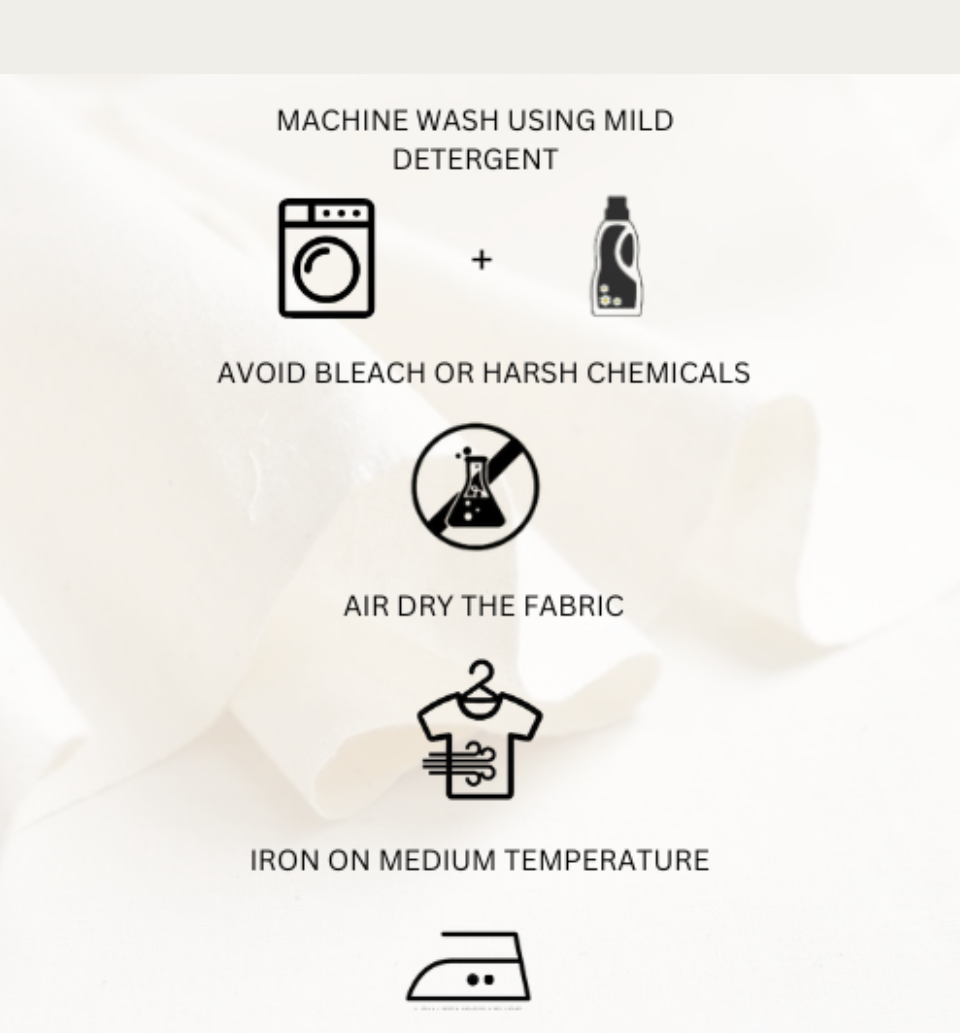
Proper maintenance helps preserve the integrity of calico fabric. Machine wash in cold water using a gentle detergent to prevent fiber stress.
Avoid harsh chemical bleaches that can weaken the cotton. Air drying is recommended to maintain the fabric structure, and iron on a medium setting if needed.
frequently asked questions about calico fabric
Is Calico fabric suitable for quilting or patchwork projects?
Yes, calico fabric is widely used for quilting and patchwork. Its tight weave and medium weight provide a stable foundation for complex designs.
Can Calico fabric be used for making reusable grocery bags or tote bags?
Certainly. Calico is a popular choice for reusable bags due to its sturdy nature and ability to be customized with prints or embroidery.
Is Calico fabric suitable for screen printing or heat transfer designs?
Yes, the tight weave provides a smooth surface for clear printing results. Use inks specifically designed for cotton to ensure a strong adhesion.
Where can I purchase Calico fabric?
You can find a wide selection of handloom calico fabric at Anuprerna, which specializes in ethically sourced, artisan-made textiles.
Does calico fabric shrink after washing?
As a natural cotton fiber, some shrinkage may occur during the first wash. It is standard practice to pre-wash the fabric before cutting it for a project.
What is the difference between calico and standard cotton?
Calico is a specific type of plain-woven, unbleached cotton. While standard cotton can be bleached, dyed, or finished in various ways, calico is typically sold in its raw, natural state.
More Blogs
raw silk vs mulberry silk durability: which is better for your collection?
understanding raw silk fabric properties: a guide for sustainable designers
the art of khesh: the original zero-waste textile of west bengal
from waste to weave: the mechanical textile recycling process to recycle cotton fabric
khesh recycled cotton fabric vs. virgin cotton: a technical comparison for fashion brands

the khesh technique: how to recycle cotton fabric into luxury sustainable textiles