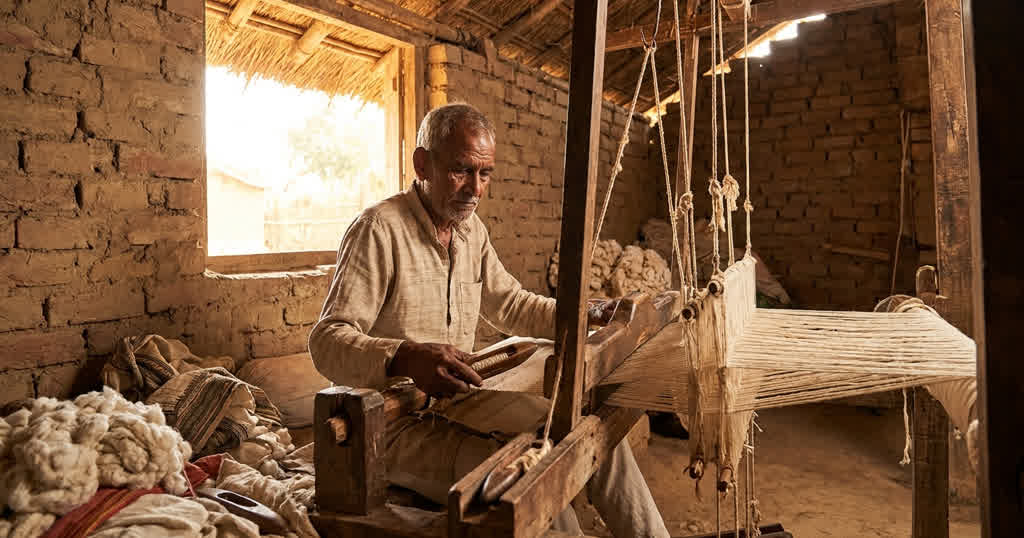
Apparel Manufacturer in India: From Handwoven Fabrics to Finished Garments

The journey of a single cotton shirt often spans thousands of miles, crossing from rural spinning wheels to urban cutting tables. Finding an apparel manufacturer in India capable of bridging this vast geographical and technical divide is a critical challenge for designers committed to ethical sourcing. Fragmented supply chains often force brands to compromise between authentic artisan craft and reliable, scalable garment production.
India holds a centuries-old legacy of decentralized textile production, rooted deeply in regional handloom clusters. Today, this heritage offers a distinct alternative to industrial mass production. By integrating the sourcing of handwoven fabric with finished garment assembly, specialized production houses provide end-to-end traceability. This turnkey approach eliminates the logistical friction of rural-to-urban supply chains, allowing designers to focus on silhouette and story rather than production bottlenecks.
Redefining the Apparel Manufacturer in India: The Decentralized Artisan Model
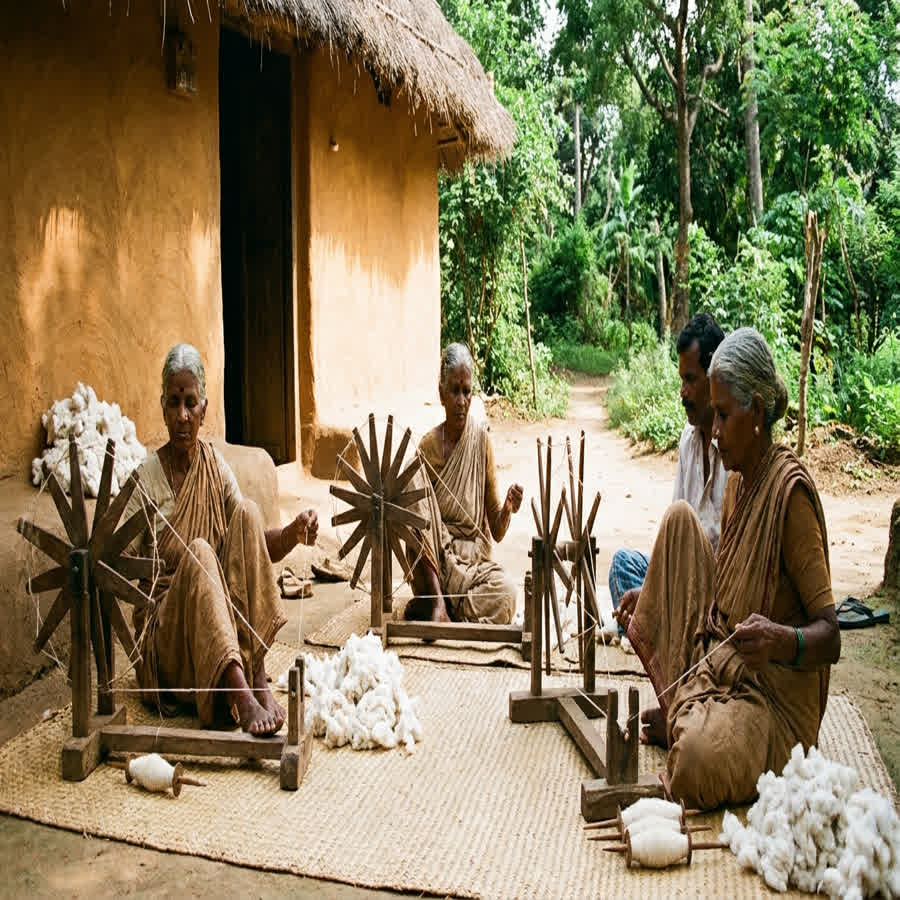
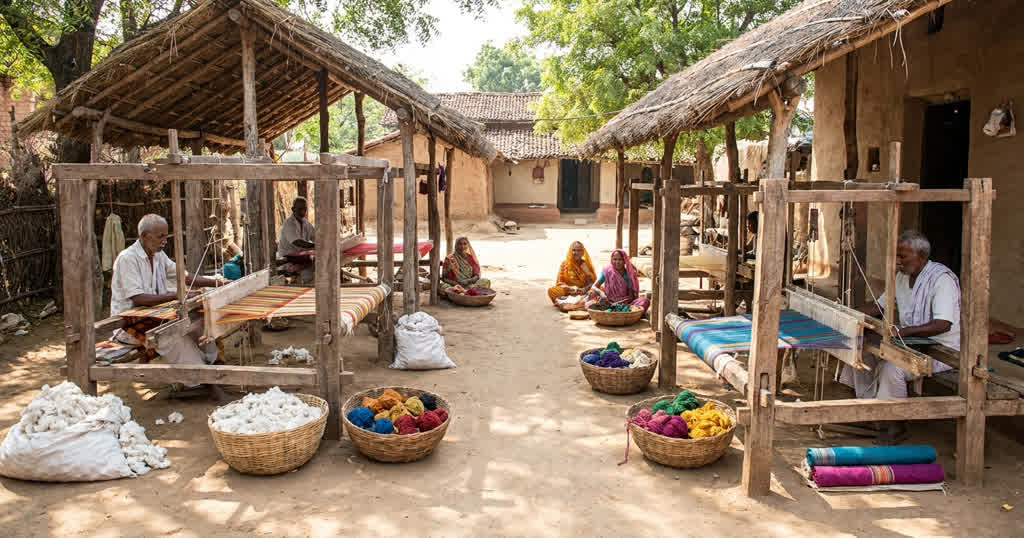
A decentralized apparel manufacturer in India operates by organizing independent rural weaving clusters into a cohesive, traceable supply chain rather than centralizing production in a single mega-factory. This model directly connects the heritage of regional artisans with the precise technical requirements of global fashion brands.
The Shift from Centralized Factories to Rural Clusters
Historically, India possesses a centuries-old legacy of decentralized textile production, rooted deeply in the Khadi movement and distinct regional handloom clusters. Industrialization pushed many brands toward centralized mass production, prioritizing extreme volume over material integrity. We currently work with artisan communities across regions like Murshidabad and Malda, proving that a decentralized apparel manufacturer can successfully compete on quality and reliability.
By keeping production close to the agricultural source, this model reduces unnecessary transportation emissions. It allows an apparel manufacturer in India to support rural economies while offering designers access to authentic, low-carbon textiles. The physical distance between the cotton fields and the spinning wheels is minimized, creating a highly localized micro-economy.
Ensuring Ethical Compliance in Decentralized Networks
Managing a distributed network requires rigorous oversight to guarantee ethical labor practices and consistent quality control. A specialized apparel manufacturer in India bridges the gap between rural artisan weaving and global, ready-to-wear garment production through strict auditing and transparent communication.
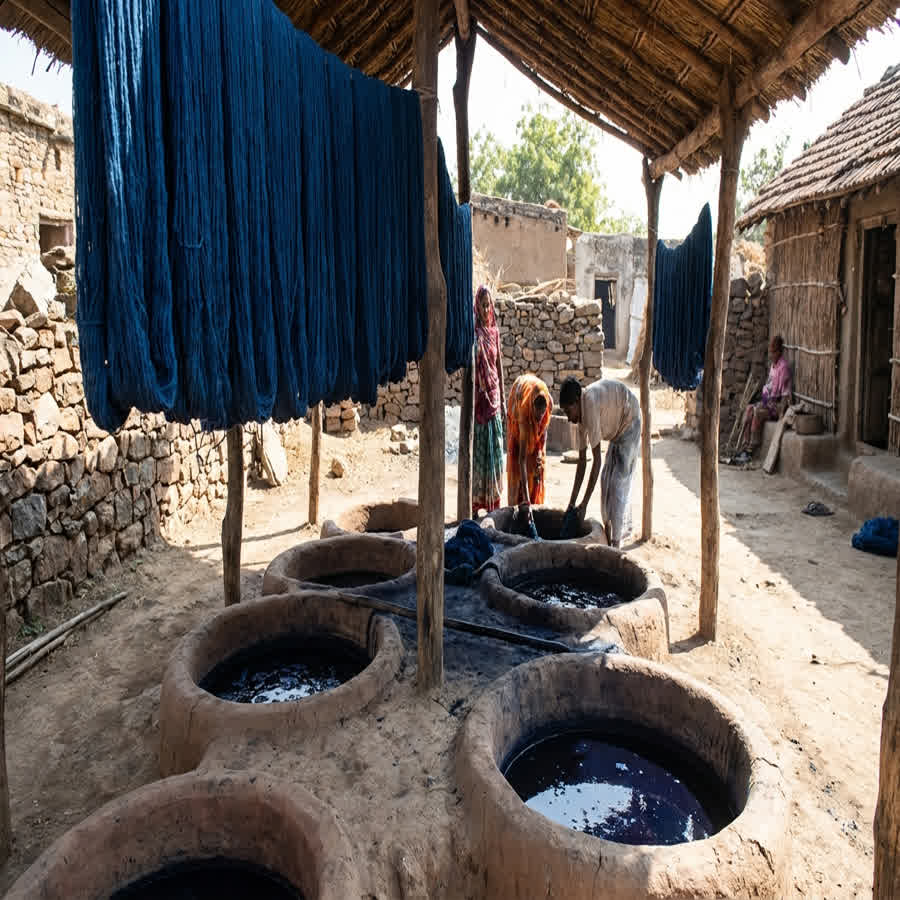
We implement standardized quality checks at every node, from the initial yarn dyeing phase to the final loom state. This structured approach provides several distinct advantages for B2B buyers manage fabrics wholesale:
- Direct artisan compensation ensures fair wages without intermediary markups.
- Preserved regional techniques maintain the unique structural characteristics of local weaves.
- End-to-end traceability gives brands verifiable data for their sustainability reporting.
- Consistent quality control protocols align rural craftsmanship with international retail standards.
This transparent framework allows designers to source ethically without sacrificing the technical precision required for modern retail. By integrating these rural clusters into a professional B2B workflow, we provide a reliable alternative to opaque industrial factories.
From Yarn to Garment: Integrating Handwoven Fabric into Modern Silhouettes
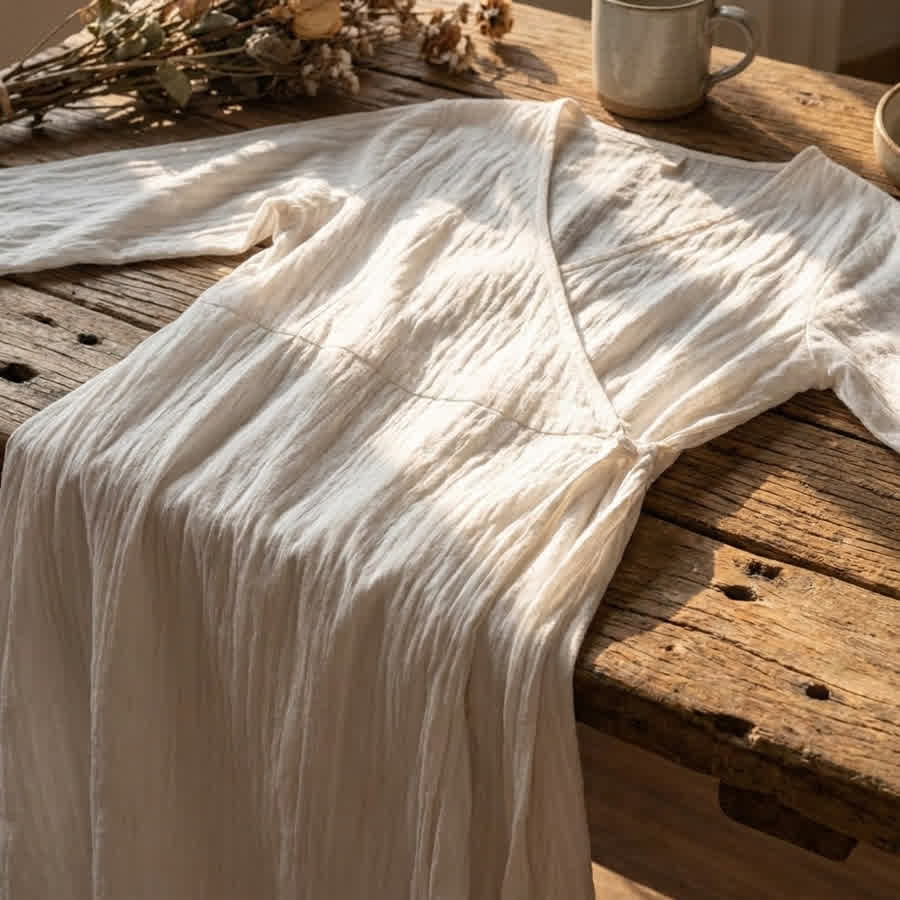
Integrating handwoven fabric into modern silhouettes requires a specialized Cut, Make, Trim (CMT) process that accounts for the unique structural properties and shrinkage tolerances of non-mechanized textiles. Technical precision during the pre-washing and pattern grading phases ensures that artisanal textiles perform to global ready-to-wear standards.
Managing Shrinkage Tolerances and Pattern Grading
Handwoven cotton fabrics typically exhibit different dimensional stability compared to tightly woven mill-made textiles. Because the non-mechanized weaving process introduces less tension into the warp and weft, shrinkage tolerances typically range from 3-5%.
To manage this, a technical apparel manufacturer in India must implement rigorous pre-washing protocols before the cutting phase begins. Pattern makers adjust the initial grading blocks to accommodate this specific shrinkage rate, ensuring the final garment matches the designer's exact specifications. This pre-treatment stabilizes the cotton fibers, preventing unexpected distortion after the consumer purchases the garment.
Preserving Tensile Strength During CMT Operations
The gentle nature of hand-spinning and hand-weaving preserves the natural tensile strength of the cotton fiber. Unlike industrial processing which can degrade the cellulose structure, artisanal methods maintain the integrity of the raw material.
During the CMT phase, specialized handling is required to protect these inherent qualities. We utilize specific needle sizes and tension settings on our sewing machines to prevent yarn breakage along the seams. Working with sustainable fabrics in this manner yields several technical benefits:
- High moisture-wicking properties keep the wearer cool, making the fabric functionally superior.
- Inherent textural variations, known as slubs, provide a distinct dry, crisp hand-feel that cannot be replicated by machines.
- Versatile fabric weights range from lightweight 60-80 GSM for breathable summer apparel to structured 150-200+ GSM weights for outerwear.
- Enhanced drape characteristics result from the natural flexibility of the uncompromised yarn structure.
By respecting the material science of handwoven fabric, the production process yields garments that are both durable and structurally unique. The resulting apparel offers a tactile richness that mass-produced garments simply cannot match.
Why Top Brands are Shifting to Sustainable Fabrics for CMT Manufacturing
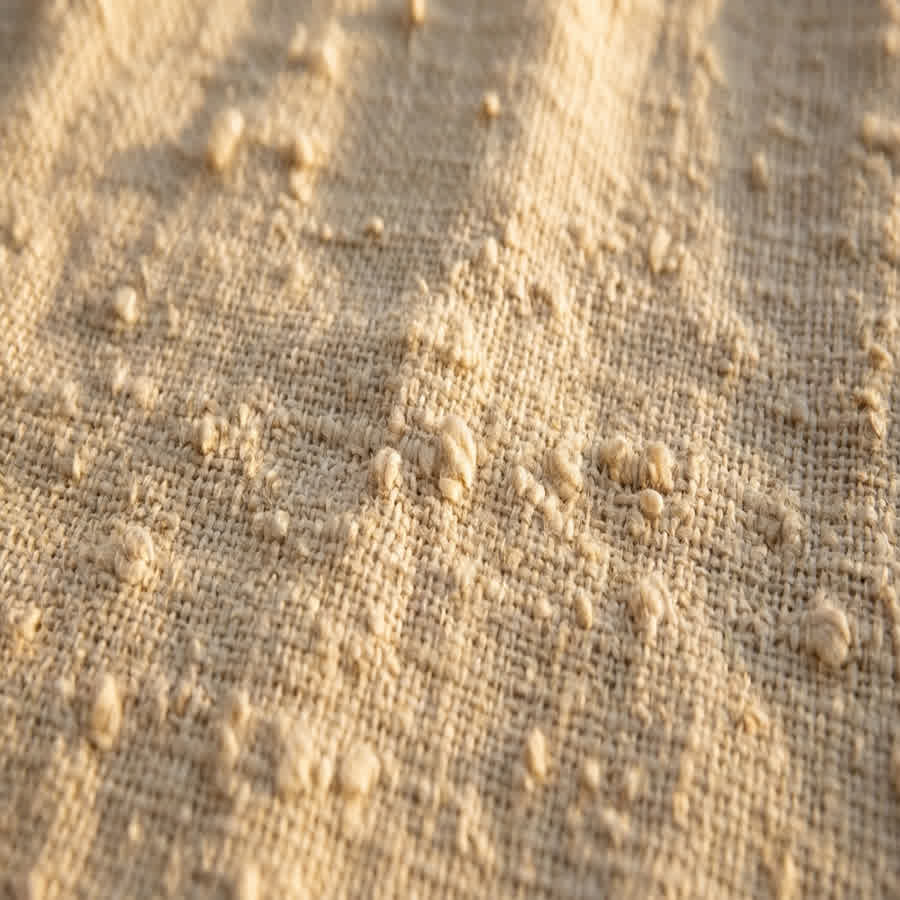
Top brands are shifting to sustainable fabrics for CMT manufacturing because these materials offer a significantly lower carbon footprint while delivering superior functional properties like high moisture-wicking and exceptional breathability. This transition allows designers to meet strict environmental regulations while improving the tactile quality of the final garment.
The Functional Superiority of Handwoven Cotton
B2B buyers and fashion brands face intense regulatory and consumer pressure to decarbonize their supply chains. Transitioning to sustainable fabrics is a highly effective strategy to meet these demands without compromising on garment performance.
The non-mechanized production of handwoven fabric results in a looser weave structure, which naturally enhances air circulation. This creates a highly breathable textile that outperforms many synthetic blends in warm climates. Additionally, the absence of harsh chemical treatments during the finishing phase ensures the cotton retains its natural protective waxes, increasing the longevity of the garment.
Decarbonizing the Supply Chain Through Zero-Electricity Looms
The environmental impact of textile production is heavily tied to energy consumption during the weaving phase. By utilizing zero-electricity handlooms, an apparel manufacturer in India can drastically reduce the overall carbon emissions of a production run.
This decentralized approach offers a turnkey solution that eliminates the logistical friction of managing fragmented rural-to-urban supply chains. Brands benefit from a streamlined process that prioritizes ecological responsibility. The integration of sustainable fabrics into mainstream manufacturing provides clear advantages:
- Zero-carbon weaving processes directly lower the Scope 3 emissions of the purchasing brand.
- Reduced water consumption during the dyeing and finishing stages protects local watersheds.
- Biodegradable end-of-life profiles ensure the garments do not contribute to microplastic pollution.
- Low-chemical processing preserves the natural integrity of the bast fibers and seed hairs.
Choosing an integrated apparel manufacturer allows brands to confidently market their zero-waste credentials to an increasingly eco-conscious consumer base. This shift is not merely an aesthetic choice, but a necessary adaptation to the future of global fashion sourcing.
Managing MOQs and Traceability with Clothing Manufacturers in India
Managing MOQs and traceability with clothing manufacturers in India is achieved through an integrated artisan model that maps every production node from yarn spinning to final stitching. This transparent approach allows boutique brands to produce smaller, low-risk batches without sacrificing supply chain visibility.
Overcoming High Minimum Order Quantities
One of the primary hurdles for independent designers is the restrictive volume requirements imposed by conventional factories. Traditional clothing manufacturers in India often demand thousands of pieces per style, which forces smaller brands into overproduction and high inventory risk.
Our decentralized model fundamentally changes this dynamic. By working directly with regional weaving clusters, an apparel manufacturer can offer highly flexible production runs. This allows brands to test new silhouettes using sustainable fabrics without committing to massive upfront capital expenditures. Lower MOQs empower designers to iterate quickly and respond to market feedback with minimal waste.
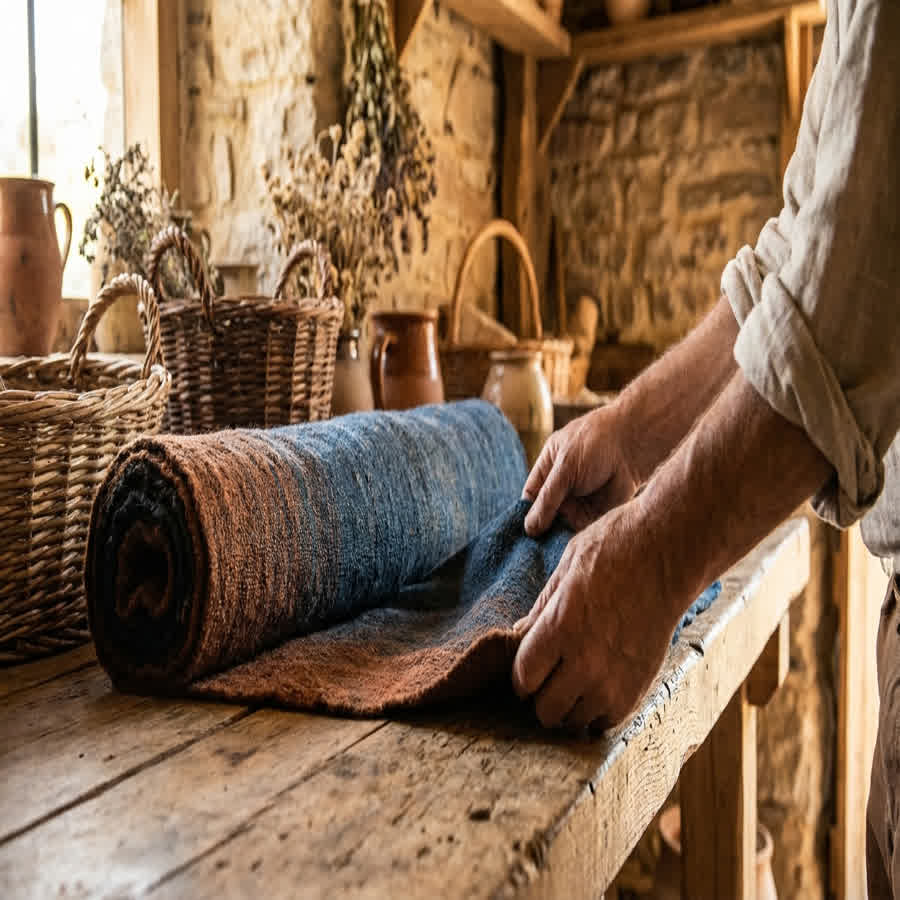
Achieving End-to-End Supply Chain Transparency
Modern consumers and regulatory bodies increasingly demand proof of ethical sourcing. Fragmented supply chains make it nearly impossible to verify the origins of the raw materials or the labor conditions at the weaving stage.
An integrated apparel manufacturer in India solves this by maintaining direct oversight of the entire yarn-to-garment lifecycle. We document the journey of the cotton from the agricultural cooperative to the final CMT unit. This rigorous tracking system provides essential data points for B2B buyers:
- Verified origin certificates for all raw fibers and natural dyes used in the collection.
- Documented wage transfers proving fair compensation for the rural artisans.
- Detailed batch tracking that links every finished garment back to its specific weaving cluster.
- Transparent material composition data required for international customs and environmental compliance.
This level of transparency transforms a simple sourcing transaction into a verifiable sustainability narrative, empowering brands to build deep trust with their customers. By partnering with a traceable apparel manufacturer, designers secure both their profit margins and their brand integrity.
frequently asked questions
What is the typical MOQ for garments made from handwoven sustainable fabrics?
Unlike conventional clothing manufacturers in India that require thousands of pieces per style, decentralized artisan models often support lower MOQs (e.g., 50-100 pieces). This flexibility allows B2B brands to test sustainable collections with lower inventory risk while supporting rural weavers.
How does the shrinkage rate of handwoven cotton affect the garment manufacturing process?
Handwoven fabrics typically have a higher shrinkage rate (3-5%) compared to tightly woven mill-made fabrics. A specialized apparel manufacturer accounts for this by implementing rigorous pre-washing protocols and adjusting pattern grading to ensure the finished garment maintains dimensional stability.
Can you ensure traceability from the cotton yarn to the finished garment?
Yes, a decentralized artisan supply chain maps every node of production to ensure complete traceability. From the rural weaver cooperatives producing the sustainable fabric to the final CMT units, B2B buyers receive complete transparency, which is crucial for modern sustainability reporting.
What makes handwoven fabric suitable for modern apparel manufacturing?
Handwoven cotton offers superior breathability, unique textural variations, and a significantly lower carbon footprint due to zero-electricity looms. When handled by an experienced apparel manufacturer in India, these sustainable fabrics can be tailored into high-quality, durable garments that meet global retail standards.
What types of garments are best suited for handwoven cotton fabrics?
Lightweight summer apparel and structured transitional pieces are best suited for handwoven cotton fabrics. The natural breathability of 60-80 GSM cotton makes it ideal for shirts and dresses, while heavier 150-200 GSM weights provide excellent drape for jackets and trousers.
More Blogs
why organic fabric suppliers are growing in india
jacquard fabric in modern fashion
how silk manufacturers preserve traditional craftsmanship
indian fabric wholesale: a guide to sourcing handwoven textiles
how indian fabric exporters meet global quality standards
jacquard vs embroidery: what's the difference?