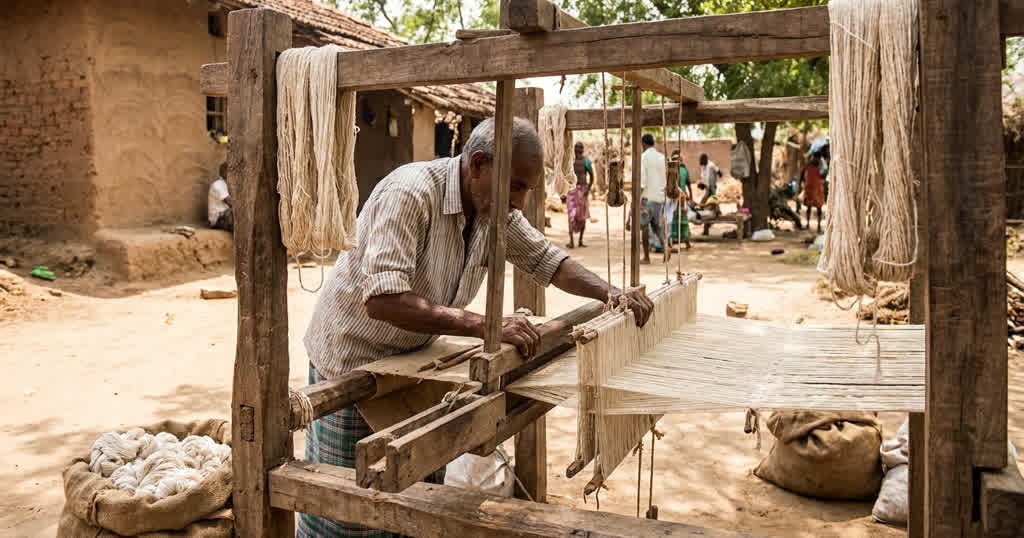
Indian Fabric Wholesaler: Understanding Quality, Weave, and Craftsmanship

Designers shifting away from synthetic blends often face a harsh reality when sourcing from indian fabric wholesaler. A sample yard might feel well suited, but the bulk production arrives with inconsistent tension, unpredictable dye uptake, and zero documentation of its origin. The decision to source from rural artisan clusters is not just an aesthetic preference; it is a technical choice that dictates garment longevity and the sustainability story a brand can legally claim.
India's textile heritage spans over 5,000 years, rooted in specialized regional weaving clusters like Bengal and Gujarat. Moving from opaque mass production to traceable, artisanal fabrics requires understanding the exact material science behind the loom. We will break down how low-tension weaving alters fabric performance, how decentralized supply chains maintain strict quality control, and what specific metrics matter when securing reliable wholesale volumes.
Decoding the Weave: How Low-Tension Handlooms Alter Fabric Performance
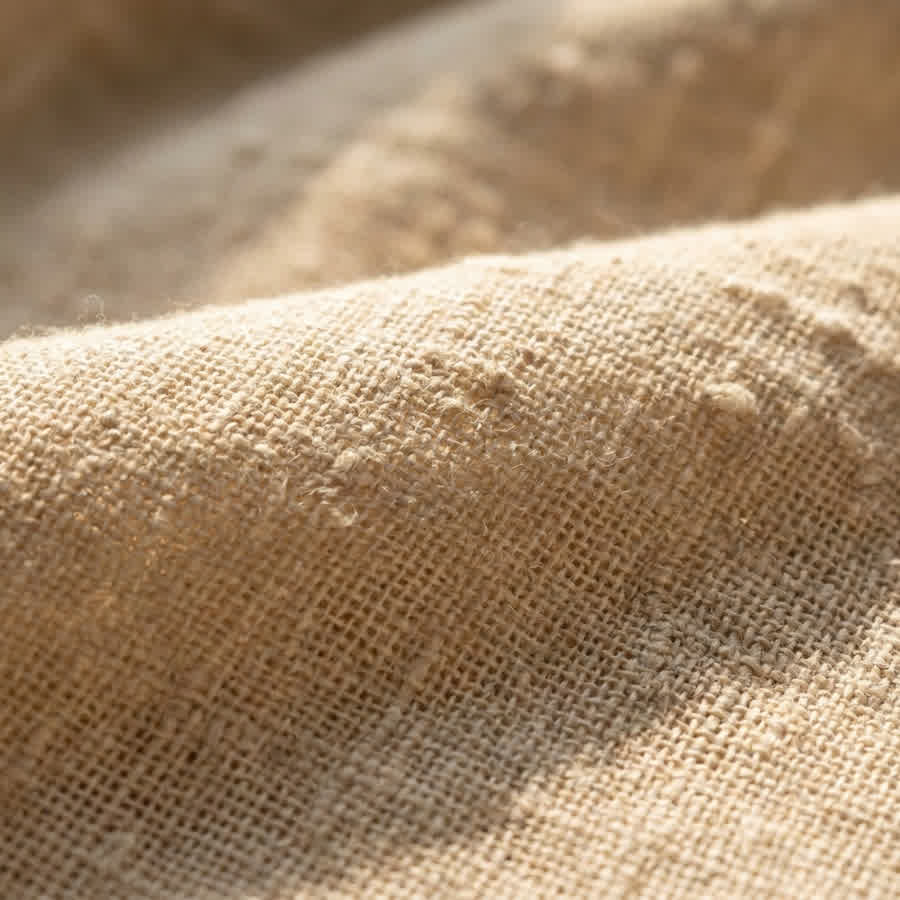
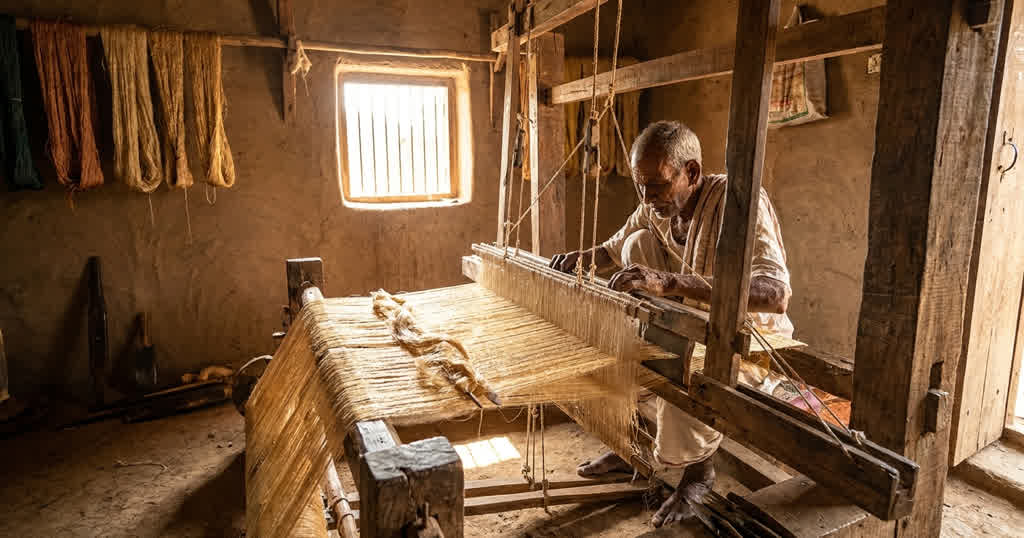
Low-tension handlooms produce textiles with higher breathability, distinct drape, and superior dye absorption compared to high-tension power-loom fabrics. The manual weaving process creates structural micro-variations that fundamentally change how the material behaves.
The Material Science of Hand-Weaving
Industrial power-looms operate under extreme tension to maximize speed, resulting in a flat, rigid surface. Handloom weaving applies gentle, variable tension to the warp and weft threads. This low-tension environment preserves the natural elasticity of the yarn.
The resulting fabric exhibits a soft, yielding hand-feel that industrial machines cannot replicate. These micro-variations in the weave structure allow air to circulate more freely, significantly increasing the garment's breathability.
GSM Ranges and Dye Absorption
The structural properties of hand-woven textiles also impact how they take on color. Because the yarns are not flattened by high-speed mechanical stress, they retain a more porous surface area. This allows natural and commercial dyes to penetrate deeper into the fiber core.
When working with indian fabric wholesale suppliers, buyers will encounter a wide spectrum of fabric weights suited for different applications.
- 30 to 50 GSM: Ultra-sheer Muslin, offering maximum breathability and a delicate, floating drape ideal for summer overlays.
- 80 to 120 GSM: Standard Jamdani and lightweight Khadi, providing excellent dye uptake for everyday shirting and dresses.
- 150 to 250+ GSM: Heavy Khadi and Kala Cotton, delivering high fabric resilience and structural integrity for jackets or trousers.
Understanding these specifications ensures that designers select the correct base material for their collections. The inherent variations are not defects; they are the exact technical performance markers that differentiate authentic handlooms from flat synthetic alternatives.
The Anatomy of Quality Control in Decentralized Artisan Networks
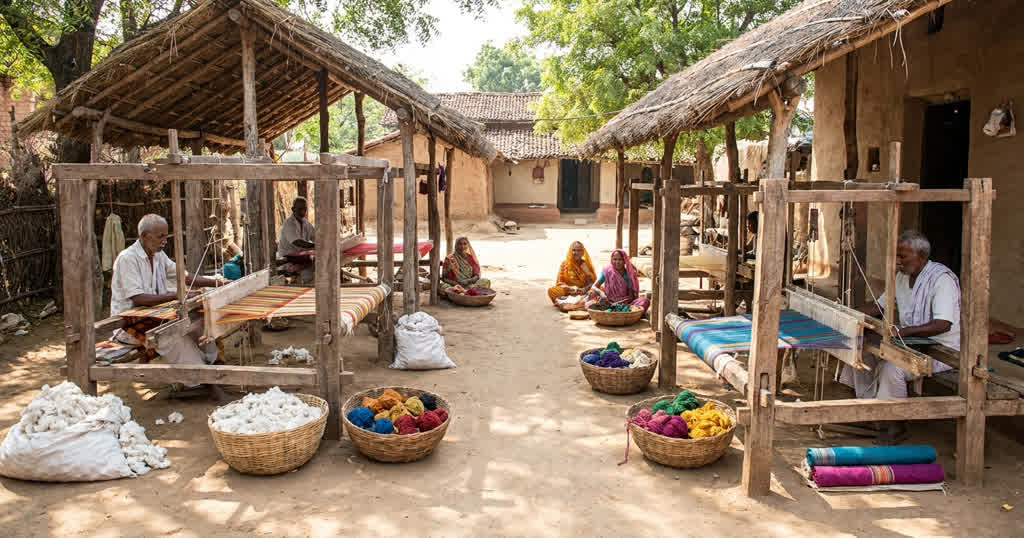
Quality control in decentralized networks relies on localized cluster managers, standardized yarn preparation, and rigorous stage-by-stage inspections before the fabric ever leaves the village. Managing fabrics wholesaler suppliers across rural regions requires a structured system rather than centralized factory oversight.
Standardizing the Pre-Loom Process
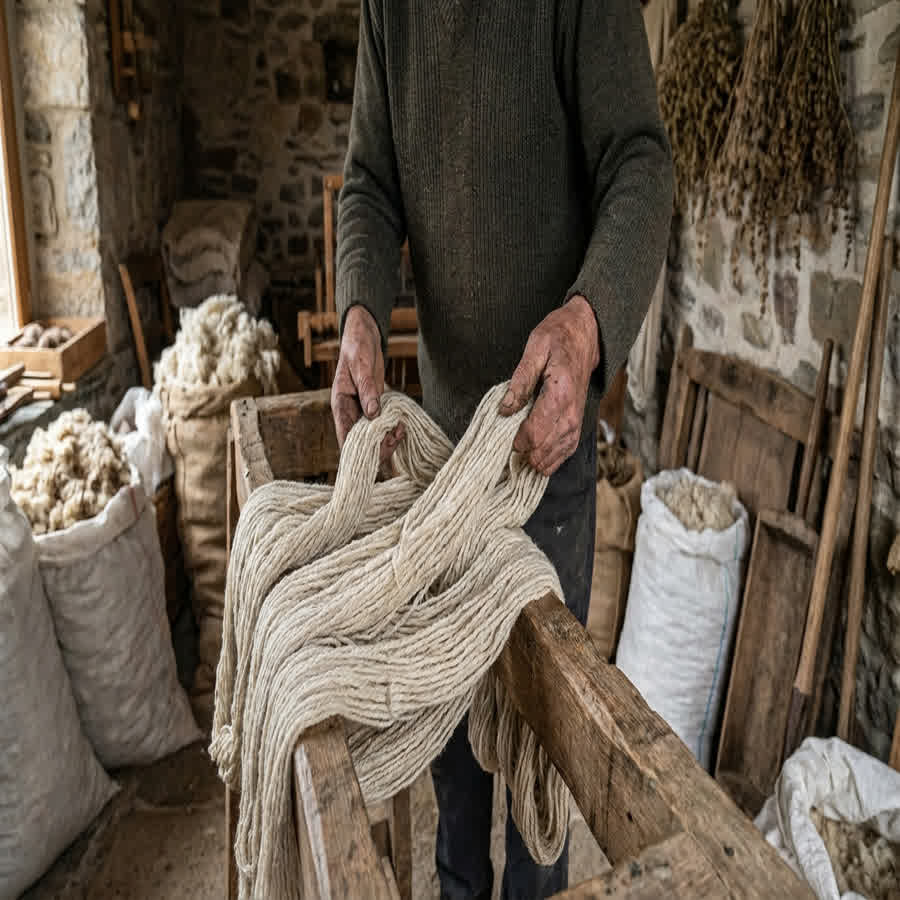
The foundation of consistent wholesale production begins long before the shuttle moves. We currently work with multiple regional clusters, and the key to uniformity is standardizing the raw materials. By centrally sourcing and distributing high-grade spun yarn, we eliminate the primary cause of fabric inconsistency.
Artisans receive yarn that has already passed strict tensile strength tests.
- Yarn Sourcing: Distributing uniform batches of cotton or silk to ensure consistent base fiber quality across different looms.
- Standardized Sizing: Applying natural starches uniformly to protect the warp threads from breaking during the weaving process.
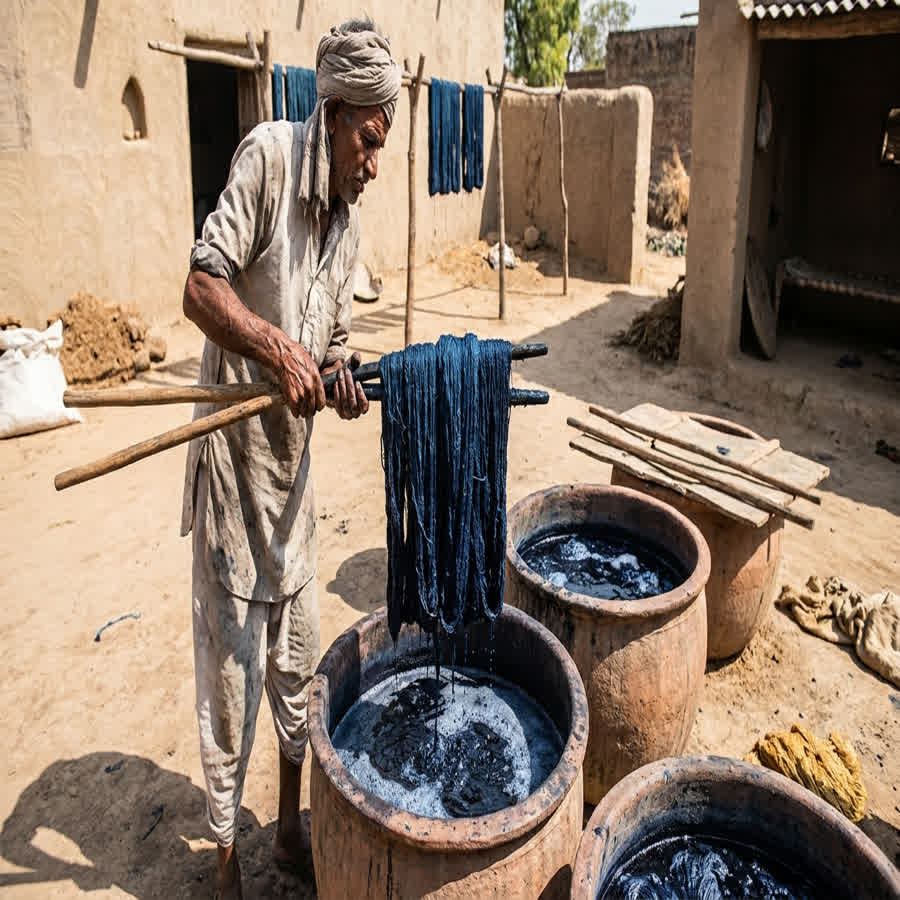
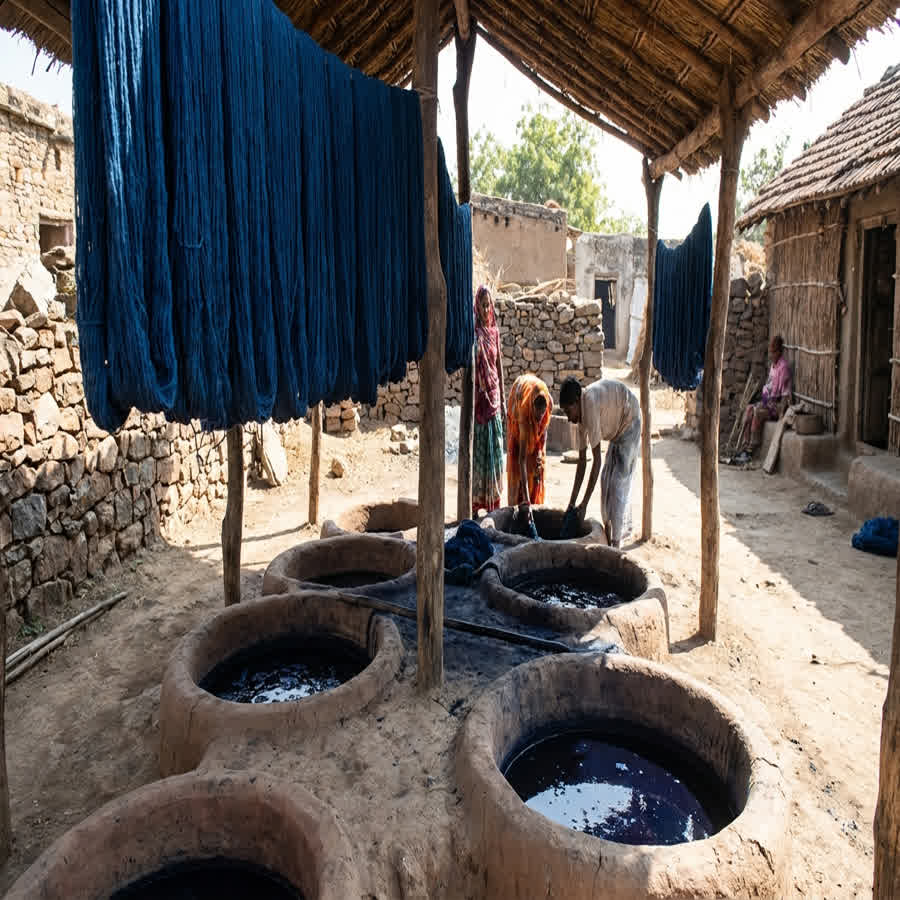
- Controlled Dyeing: Using commercial-grade AZO-free dyes in monitored vats to achieve reliable colorfastness ratings before weaving begins.
Localized Inspection and Grading
Once weaving commences, quality assurance shifts to the local level. Instead of waiting for the final roll to arrive at a central warehouse, trained cluster managers perform in-line inspections directly at the artisan's home. They check for consistent picks per inch (PPI) and monitor the selvedge tension.
If a weaver encounters an issue with the warp, it is corrected immediately. This decentralized oversight ensures that fabric wholesalers in india can deliver commercial-grade consistency without stripping away the artisanal nature of the textile. Every meter is graded for structural integrity, ensuring that boutique fashion designers receive reliable yardage for their low-MOQ production runs.
Evaluating Indian Textile Suppliers: Red Flags and Green Lights for B2B Buyers
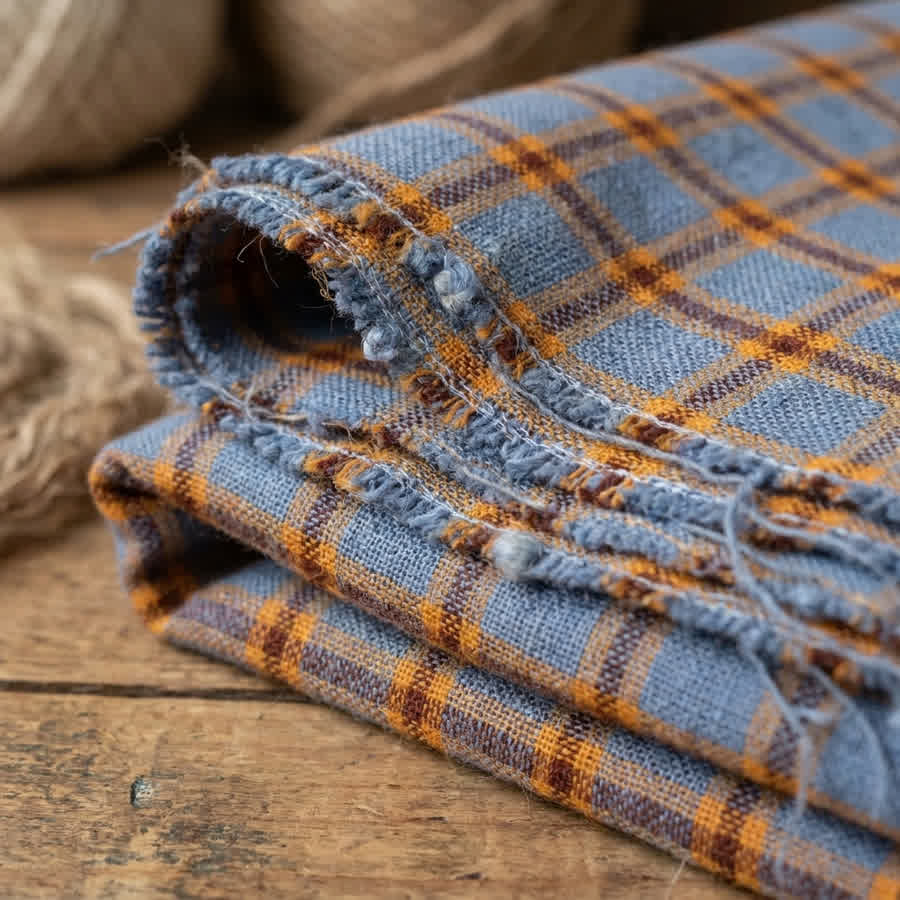
B2B buyers can verify reliable suppliers by demanding transparent traceability reports, checking for authentic selvedge details, and avoiding vendors who cannot explain their yarn sourcing. Securing authentic indian wholesale fabric requires strict vetting protocols to separate genuine artisan networks from opaque market middlemen.
Identifying Authentic Handloom Construction
The physical fabric often tells the truth about its origin. Power-loom imitations are frequently sold as handlooms to unsuspecting buyers. Authentic hand-woven textiles feature specific structural markers that machines cannot easily fake.
Sourcing directors must train their teams to look for these tactile and visual cues.
- Distinct Selvedges: Handlooms typically have slightly uneven, thicker edges where the shuttle turns, whereas power-looms produce a perfectly uniform, often fringed edge.
- Border Pinholes: Authentic pieces often display tiny pinholes along the borders, created by the temple mechanism used to hold the fabric taut on a wooden loom.
- Minor Slubs: Small, natural variations in yarn thickness indicate manual spinning and low-tension weaving, offering a textured, organic hand-feel.
Supply Chain Transparency and Ethics
Beyond the physical cloth, the documentation provided by indian fabric suppliers is a critical vetting tool. A green light is a supplier who can name the specific district or village where the weaving occurs, such as Murshidabad for silk or Kachchh for Kala Cotton. They should provide clear ethical supply chain documentation detailing fair wage practices.
Conversely, a major red flag is a vendor offering massive quantities of handloom fabric with unusually short lead times. Authentic craft takes time. Reliable clothes suppliers in india wholesale will openly discuss their production timelines, weather dependencies, and the direct socio-economic impact their orders have on the rural weaving communities.
From Khadi to Jamdani: Sourcing Regional Craftsmanship at Wholesale Scale
Regional weaves offer distinct material properties, ranging from the ultra-sheer drape of Bengal Jamdani to the heavy, durable resilience of Gujarat Kala Cotton. Sourcing these specific textiles allows brands to utilize localized craftsmanship tailored to precise garment applications.
The Lightweight Precision of Bengal Weaves
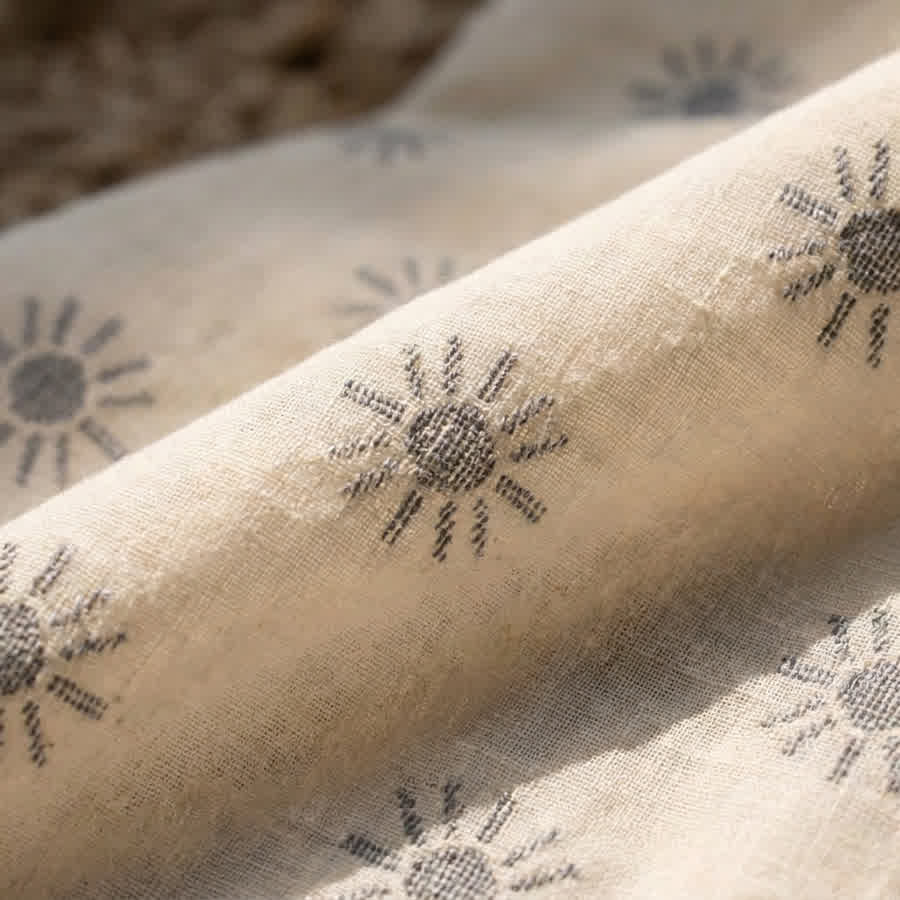
Bengal has historically driven global trade through its mastery of fine cottons and silks. The Jamdani technique involves an intricate supplementary weft weaving process, where motifs are inlaid directly into the fabric by hand without the use of a jacquard mechanism.
This creates a weightless, floating pattern that is highly sought after by premium designers.
- Muslin: Woven with fine, high-twist yarns, resulting in a 30 GSM fabric with distinctive breathability.
- Jamdani: Features localized motif insertions, offering a dry, crisp hand-feel well suited for high-end summer collections.
- Matka Silk: Spun from the waste of mulberry silk, retaining natural sericin properties that give it a distinct, linen-like texture.
The Structural Integrity of Western and Southern Cottons
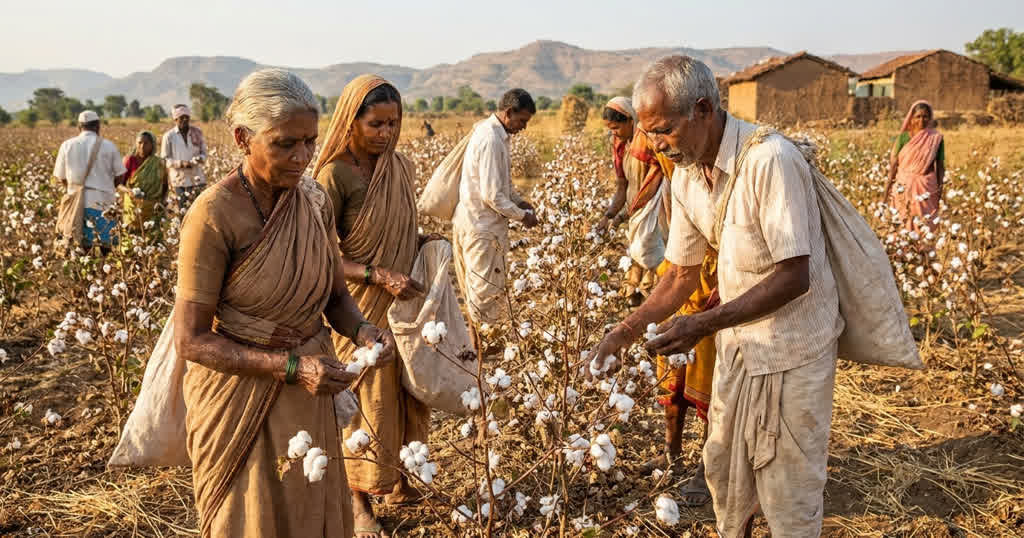
Moving away from the sheer fabrics of the East, other regions provide durable options for indian fabric wholesaler. Gujarat is renowned for Kala Cotton, an indigenous, rain-fed crop that requires no pesticides. The resulting fiber is short-staple but highly resilient.
When woven on a handloom, Kala Cotton produces a dense, highly textured fabric that excels in heavyweight applications. It absorbs natural dyes beautifully, yielding deep, earthy tones. By understanding these regional specialties, B2B buyers can strategically source the exact material specifications required for their specific silhouettes, ensuring both performance and a compelling origin story.
The Economics of Ethical Sourcing: True Costs of Indian Wholesale Fabric
The pricing of artisanal fabrics reflects fair artisan wages, low-impact processing, and decentralized logistics, which translates directly into long-term brand equity and verifiable sustainability claims. Buyers must look beyond the initial per-meter cost to understand the true value proposition of ethical sourcing.
Breaking Down the Price per Meter
When comparing hand-woven textiles to industrial alternatives, the price disparity is rooted in human labor and time. A power-loom can produce hundreds of meters a day, while a skilled artisan might weave only three to five meters of complex Jamdani.
The cost of indian fabric wholesale encompasses several critical, non-negotiable elements.
- Fair Artisan Wages: Direct compensation for the weaver's time, skill, and the maintenance of their traditional wooden looms.
- Low-Impact Processing: The use of natural dyes, manual yarn sizing, and sun-drying, which require more time but ensure zero-waste credentials.
- Decentralized Logistics: The cost of transporting raw materials to remote villages and retrieving finished rolls through a network of cluster managers.
Long-Term Brand Equity and Margins
While the upfront cost is higher, the return on investment for sustainable fashion brands is substantial. Modern consumers demand transparency. By partnering with ethical fabric wholesale suppliers, brands acquire more than just raw material; they acquire a verifiable narrative.
This traceability allows designers to command premium retail prices. The inherent durability and superior dye retention of handloom fabrics also mean the garments last longer, reducing return rates and building customer loyalty. Investing in authentic craftsmanship is a strategic financial decision that secures a brand's position in the growing market for responsible, traceable fashion.
frequently asked questions
How do Indian fabric wholesale suppliers ensure colorfastness in natural and AZO-free dyed handloom textiles?
Reliable suppliers utilize standardized mordanting processes and commercial-grade AZO-free dyes, testing for wash and rub fastness (typically aiming for a rating of 4 on the grayscale) to ensure commercial viability while maintaining eco-friendly standards. This controlled dyeing process happens before the yarn ever reaches the loom, ensuring the final fabric holds its color through repeated washing.
What is the typical MOQ (Minimum Order Quantity) when sourcing custom weaves from fabric wholesalers in India?
While industrial mills require thousands of meters, decentralized artisan networks like Anuprerna can often accommodate lower MOQs (e.g., 50-100 meters per style) due to the flexible nature of hand-warping and hand-weaving setups. This flexibility allows independent designers to test new collections without overcommitting to massive inventory volumes.
How can B2B buyers verify the authenticity of handloom fabrics versus power-loom imitations?
Authentic handlooms feature distinct selvedges, minor slubs, and pinholes at the borders from the weaving process. Buyers should also request traceability reports and look for decentralized supply chain transparency rather than relying solely on generic market vendors who cannot name the specific weaving cluster.
What are the lead times for custom artisanal fabric production in India?
Lead times vary based on yarn availability, dyeing, and weave complexity, but typically custom handloom production takes 45 to 90 days. Weather conditions like the monsoon can also impact natural dyeing and sizing processes, which experienced fabric suppliers in India will factor into their timelines to set accurate delivery expectations.
What are the typical GSM ranges for handloom fabrics sourced from India?
Handloom fabrics generally range from a lightweight 30 GSM for sheer Muslin to over 250 GSM for heavy Khadi or Kala Cotton. The specific GSM depends entirely on the yarn thickness and the picks per inch applied during the weaving process, allowing buyers to source materials for everything from delicate summer overlays to structured winter jackets.
More Blogs
why organic fabric suppliers are growing in india
jacquard fabric in modern fashion
how silk manufacturers preserve traditional craftsmanship
indian fabric wholesale: a guide to sourcing handwoven textiles
how indian fabric exporters meet global quality standards
jacquard vs embroidery: what's the difference?