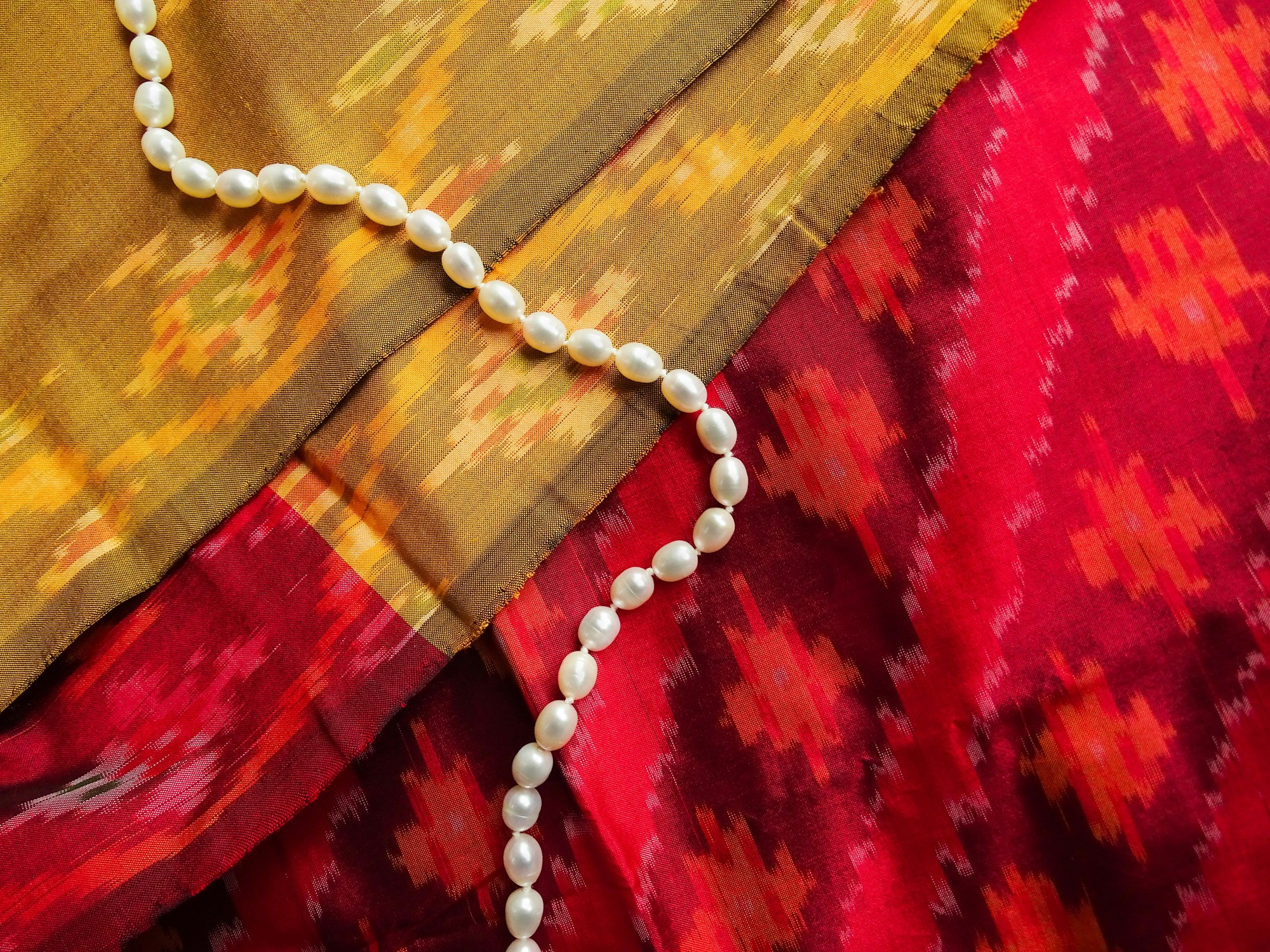
The Rich Tapestry of Indian Fabric

Indian fabrics offer a rich variety of textures, designs, and traditions, reflecting the diverse culture of the country. Among the many types of Indian fabrics are Khadi, a hand-spun cotton cloth known for its coarse texture; Banarasi silk, famed for its intricate zari work; and Pashmina, a luxurious woolen fabric. Indian fabrics come in a myriad of forms, from the lightweight and airy muslin to the richly embroidered Chikankari. Each type of cloth from India has a unique story, often tied to a specific region, such as Kanjivaram silk from Tamil Nadu or Bandhani from Gujarat. Indian fabrics are used in various types of Indian clothing, including sarees, salwar kameez, and lehengas, offering both traditional and contemporary fashion choices. This diversity ensures that Indian fabrics remain a beloved choice for clothing both within India and around the world.
Regional Varieties of Indian Fabrics
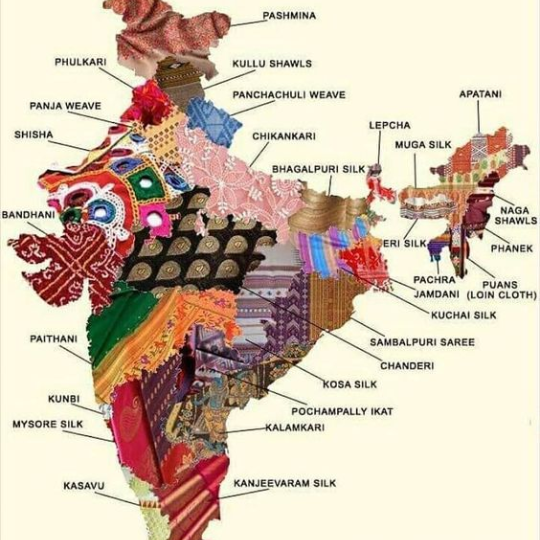
North India: Phulkari from Punjab, Chikankari from Lucknow.
South India: Kanjivaram silks from Tamil Nadu, Pochampally ikat from Telangana.
West India: Bandhani from Gujarat, Paithani from Maharashtra.
East India: Baluchari from West Bengal, Assam silk from Assam.
Traditional Techniques in Indian Fabric Making
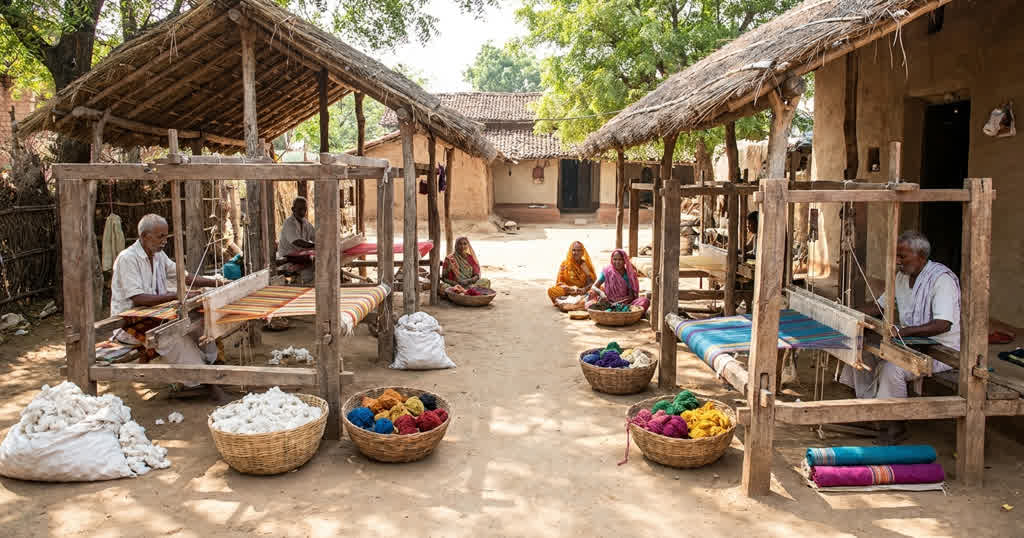
Weaving: Handloom weaving techniques and their regional variations.
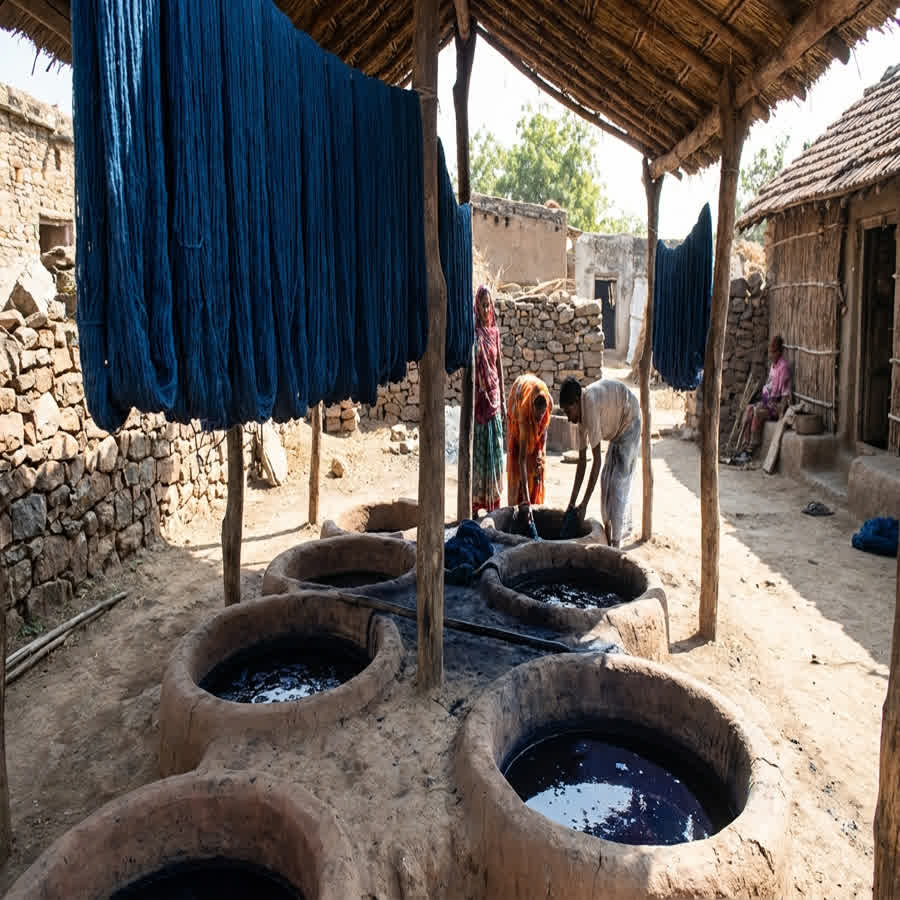
Dyeing: Methods like tie-dye, Batik, and natural dyeing processes.
Printing: Block printing, screen printing, and digital printing advancements.
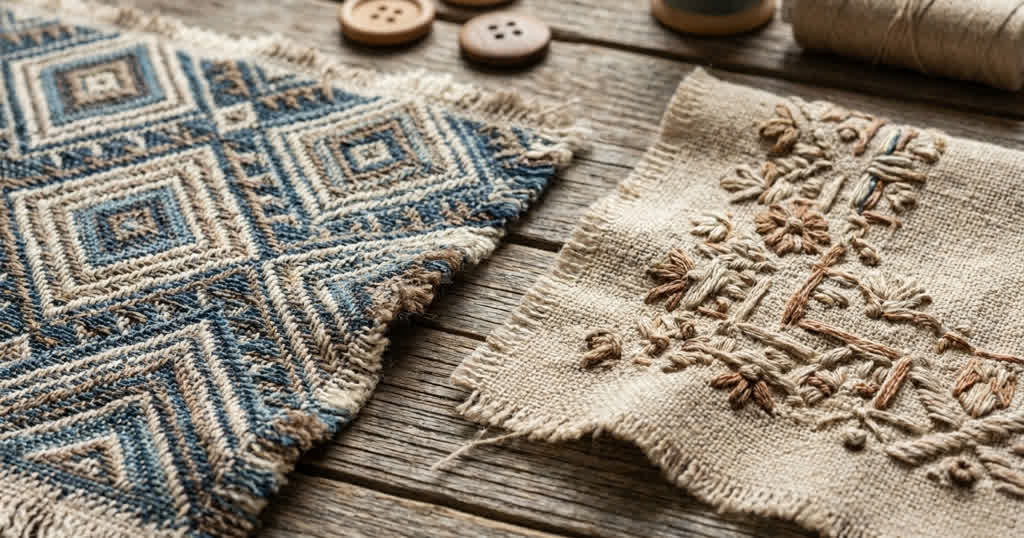
Embroidery: Zari work, mirror work, and regional embroidery styles.
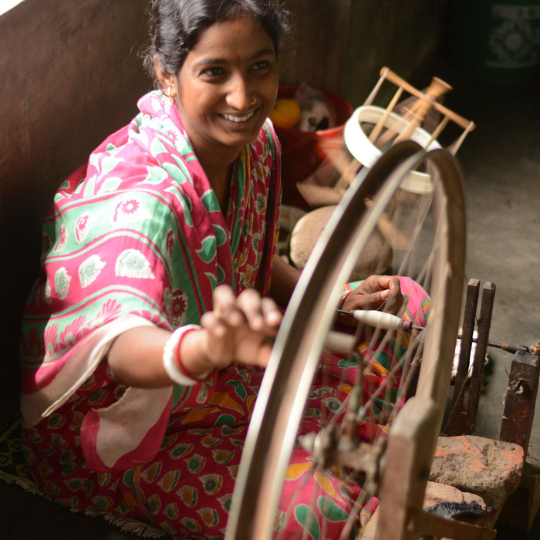
Challenges Facing the Indian Textile Industry
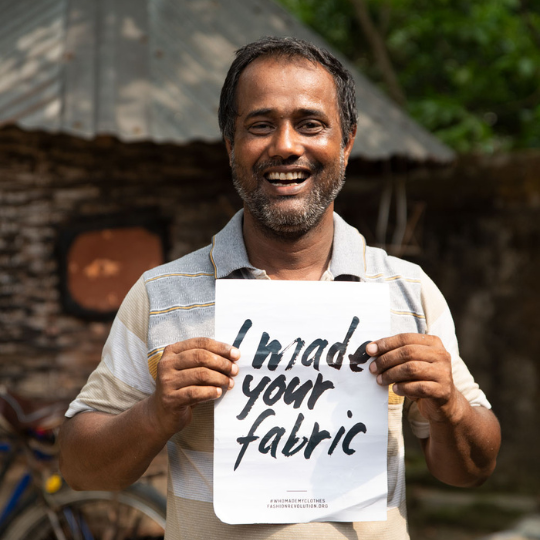
Global Competition: Impact of cheap imports and global market dynamics on local artisans.
Modernization vs. Tradition: Balancing technological advancements with traditional methods.
Sustainability Issues: Addressing environmental concerns in fabric production.
Influential Designers and Brands in Indian Textiles
- Modernizes traditional fabrics in glamorous bridal and haute couture designs using luxurious materials like velvet and silk.
- Known for sustainable fashion, her brand Grassroot supports rural artisans and uses handcrafted fabrics like handloom weaves and block prints.
- Promotes Indian handloom and handicrafts, sourcing directly from artisans to offer a wide range of products, from clothing to home furnishings.
- Renowned for opulent bridal fashion using Banarasi silk and velvet with intricate embroidery and vintage-inspired designs.
- Revives traditional crafts and fabrics with designs featuring intricate embroidery, block prints, and handwoven textiles.

Buying Guide for Indian Fabrics
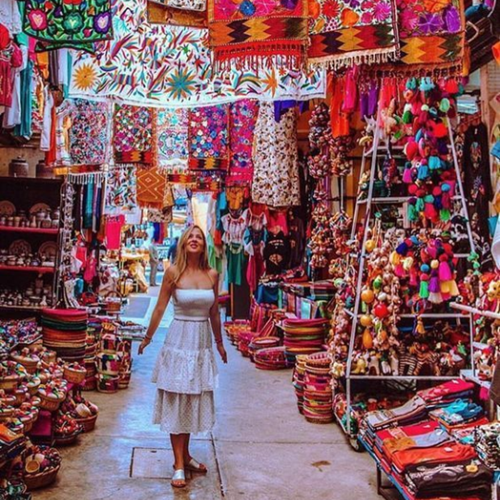
Understand Fabric Types: Learn about different fabrics and their uses to make informed choices.
Consider the Occasion: Choose the fabric based on the occasion, such as silk for weddings or cotton for daily wear.
Inspect Craftsmanship: Look for quality in embroidery, print, and finishing.
Ask for Care Instructions: Different fabrics require specific care; ensure you know how to maintain them.
Support Sustainable Choices: Opt for eco-friendly fabrics and brands that follow ethical practices.
releted question
What fabric is India famous for?
India is famous for its rich variety of fabrics, including silk (notably Banarasi and Kanchipuram), cotton (such as Khadi and Muslin), and luxurious Pashmina wool.
Which Indian textile is most expensive?
The most expensive Indian textile is typically Kanjeevaram silk. Renowned for its rich texture, vibrant colors, and intricate designs, Kanjeevaram silk sarees are handwoven with pure mulberry silk and often incorporate gold and silver threads. The elaborate craftsmanship and high-quality materials contribute to their premium price.
what are some famous Indian fabric patterns?
Paisley - Teardrop shapes, Bandhani - Tie-dye dots, Ikat - Blurred, geometric designs, Kalamkari - Hand-painted scenes, Patola - Precise double ikat, Ajrak - Block prints with natural dyes, Chikankari - Elegant floral embroidery. These patterns showcase India's rich textile heritage.
What is the significance of handloom weaving in India?
Handloom weaving in India holds immense cultural and economic significance. It preserves traditional craftsmanship, supports local artisans, and produces unique, high-quality textiles. This ancient practice sustains rural livelihoods, fosters community development, and contributes to the country's rich textile heritage. Handloom products are also valued for their sustainability and eco-friendliness.
More Blogs
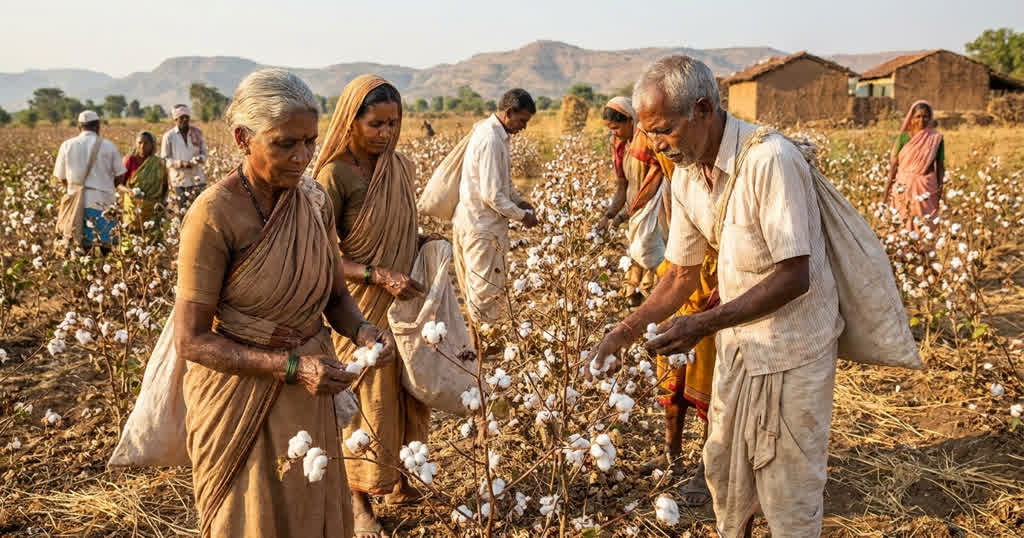
why organic fabric suppliers are growing in india
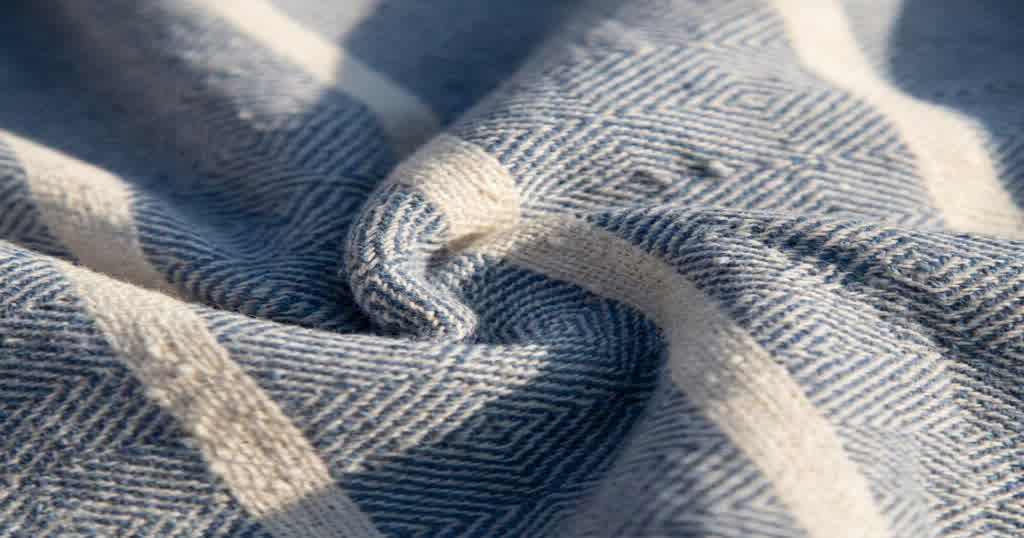
jacquard fabric in modern fashion
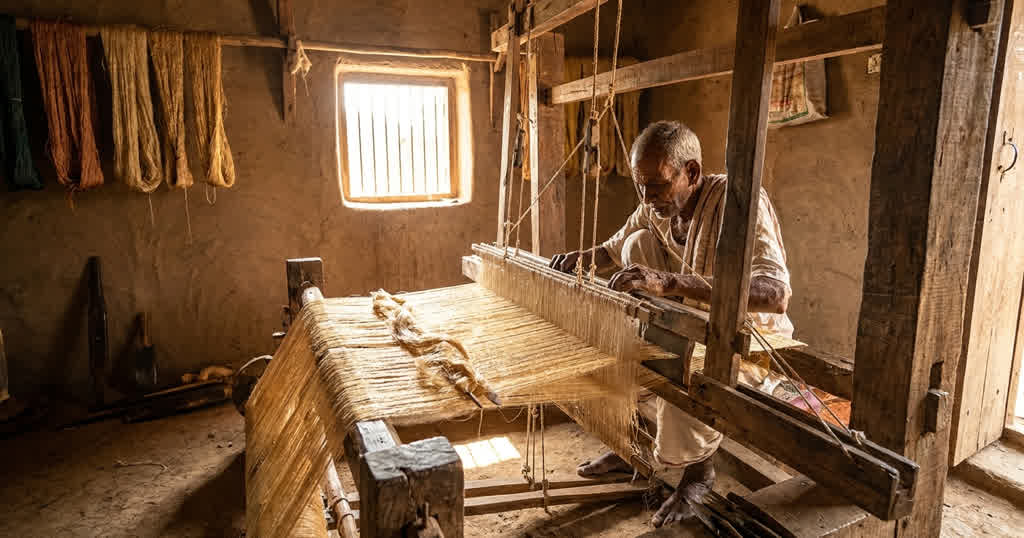
how silk manufacturers preserve traditional craftsmanship
indian fabric wholesale: a guide to sourcing handwoven textiles
how indian fabric exporters meet global quality standards
jacquard vs embroidery: what's the difference?