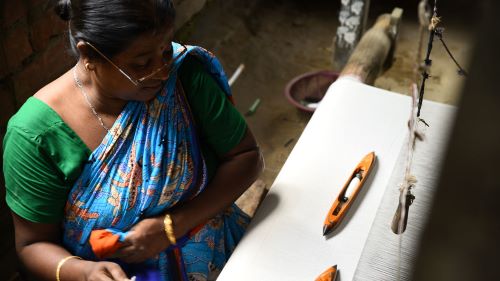
The State Of Women Weavers In Handloom Sector

Throughout history, women have been integral to handloom weaving practices, yet their contributions often remain unnoticed due to the domestic nature of their work. As weaving primarily occurs within artisans' homes, women weavers are frequently marginalized within the industry, exacerbated by modernization and socioeconomic factors. Anuprerna, a staunch advocate for gender equality in traditional crafts, stands against this trend, working tirelessly to amplify women weavers' voices and empower them within the weaving community by addressing systemic barriers and advocating for their recognition and rightful place in the sector.
Introduction
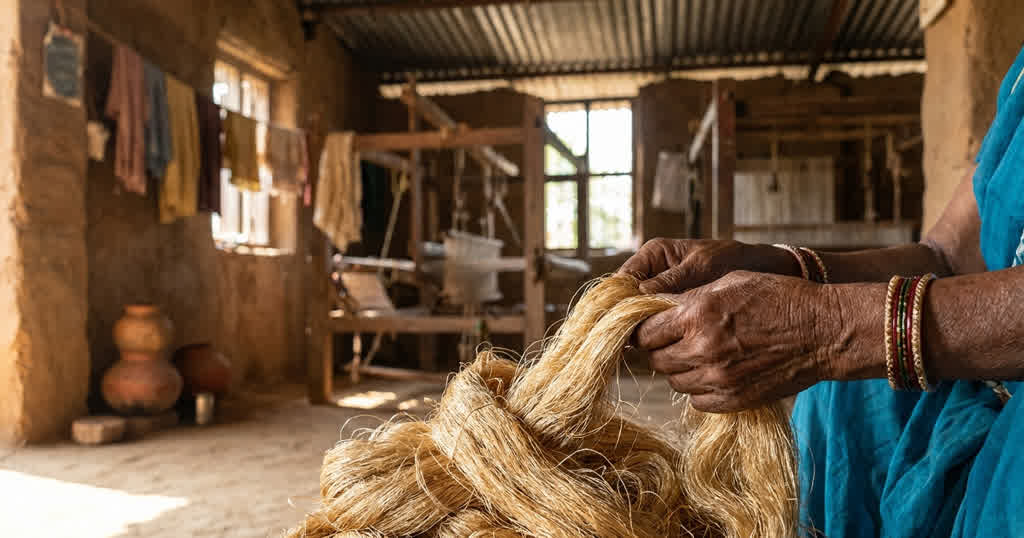
According to The Fourth All India Handloom Census, 2019–20, nearly 72% of handloom weavers in the country are female. Women weavers in India today number over 38 million. Most belong to traditional families of handloom weavers in India, and ever since they were young girls, have been handling most of the pre-weaving work such as preparation of the yarn and the looms, dying and/or tying and dying yarn and fabric, and embellishing garments by hand embroidering them. Even if women are not weaving, they will be part of the allied workforce since it involves the entire family. For handloom, three allied workers are required by the main weaver, and they invariably would be from the same family, involving womenfolk.
THE REALITY
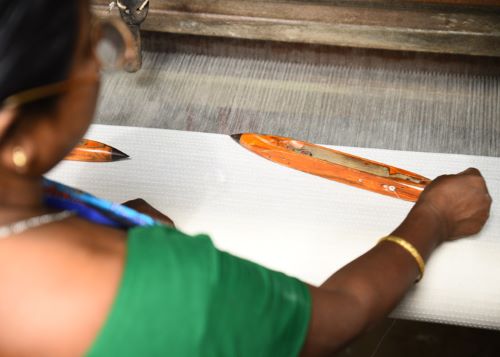
The modernization of the Indian handloom industry ironically pushes women even more firmly towards the margins. Their earlier participation in contributing to the handloom sector is dwindling at a fast pace due to factors like the mechanisation of looms, the rise of middlemen and opportunistic city-based designers.
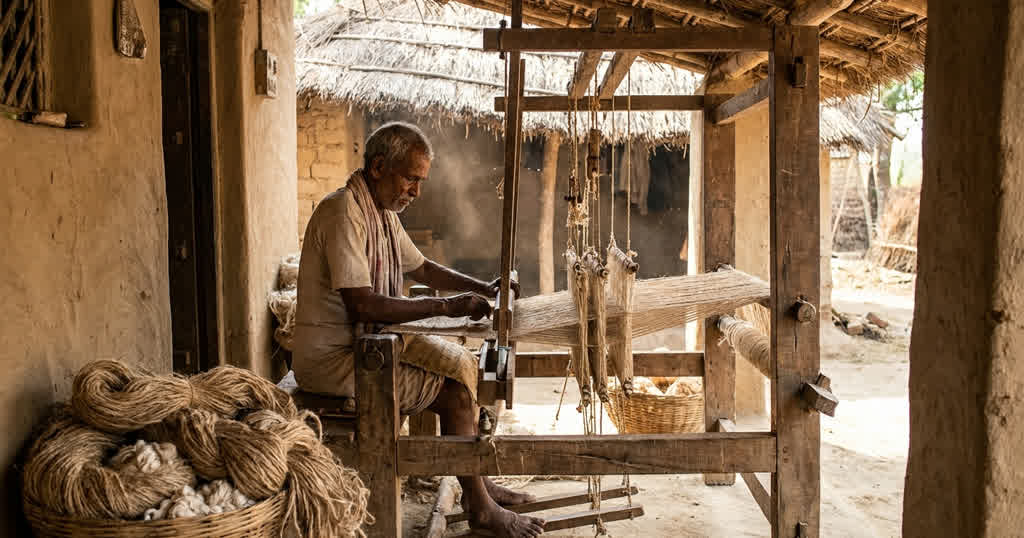
The unfortunate truth is that the women workforce in the handloom sector has been turned a blind eye to for ages. Comprising more than 70 % of the total handloom artisan strength as per government surveys, it is the female artisans that are contributing the most to uplift the handloom traditions that we are so proud of. Yet it has always been the male artisans in the industry who are credited for the good weaves that come out meanwhile it is assumed that the females merely do the more small tasks while following instructions given to them.
THE FACTORS RESPONSIBLE
1. Over 50% of the weavers’ families lived a life of extreme poverty. Most of the profits are pocketed by middlemen and the many greedy fashion garment retailers.
2. Health issues resulting from poverty add to their misery. Tuberculosis, anaemia, asthma, fading eyesight, various skin and bone-related problems are common.
3. Over 50% of the women are semi-literate or illiterate, making them heavily dependent on men be it, husband or sons. The school drop-out rate among girls in their families is also quite high.
The Continuous Factor Responsibility
4. They are neither given the chance nor the encouragement to do the weaving on their own and increase the earnings of the family.
5. In spite of most effort and time towards the completion of a handloom textile, the women have no say in the domain of sales, raw materials, design etc. The family males usually get formally enlisted as the owners and primary workers while women are enlisted primarily as housewives who assist men, hence are secondary workers.
6. With the patriarchal nature of the Indian society that puts women is in lower status, to begin with, womenfolk automatically face gender discrimination at workplace even when they function independently.
7. Skilled women weavers get dominated even by their less experienced sons only because of gender discrimination.
Anuprerna’s Efforts to Empower Artisans
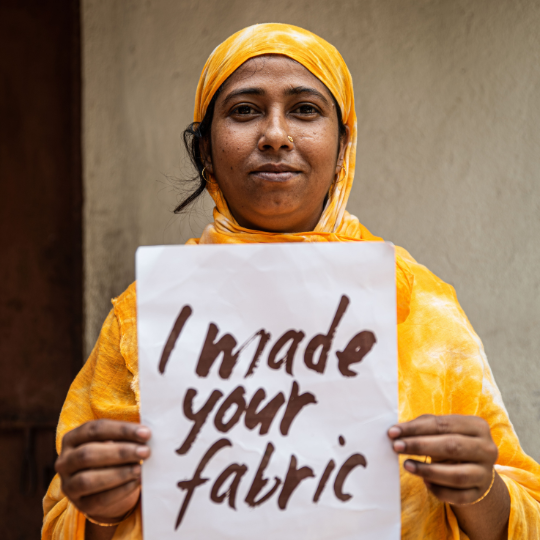
Direct Artisan Relationships:
Elimination of exploitative middlemen.
Ensuring direct benefits to artisans.
Fair Pricing and Autonomy:
Artisans set their own fabric prices.
Reflects true value of craftsmanship and effort.
Fair Wages and Professional Respect:
Wages comparable to other respected professions.
Recognition of artisans' skills and labor.
Enhances financial stability and social standing.
Features
Holistic Community Development:
Combination of fair wages, education, and healthcare.
Overall improvement in quality of life for artisans.
Building a Brighter Future:
Empowerment leads to financial independence and social dignity.
Strengthens communities and preserves cultural heritage.
Contributes to a more equitable future for artisans and their families.

Other Continuous Features
Positive and Sustainable Environment:
Creation of a supportive working environment.
Focus on long-term viability of traditional crafts.
Support for Families and Communities:
Financial stability enables better education for children.
Access to improved healthcare for families.
Benefits extend beyond individual artisans.
Preservation of Cultural Heritage:
Sustaining traditional handloom weaving techniques.
Ensuring cultural heritage remains vibrant.

related questions
What is the status of handloom weavers?
The status of handloom weavers varies, but many face challenges like low income, fluctuating demand, and limited access to resources. Efforts are being made to support them through initiatives such as skill development and financial assistance.
What is the role of women in weaving?
The role of women in weaving traditionally encompasses various tasks such as spinning yarn, operating looms, and creating textiles. They often contribute to household income and cultural preservation through their involvement in this craft.
What is the role of women in the handloom industry?
Women play a significant role in the handloom industry, traditionally involved in spinning yarn, operating looms, and creating textiles. They often contribute to household income and cultural preservation through their work in this sector.
What percentage of artists and weavers in the handloom industry are women?
The percentage of women working as artists and weavers in the handloom industry varies by region and context. In some areas, women may make up the majority of artisans and weavers, while in others, men may be more prevalent in these roles. Exact statistics on the gender distribution within the handloom industry can vary and may be influenced by factors such as cultural norms, economic opportunities, and social dynamics within specific communities.
More Blogs
khadi jeans for men: styling sustainable denim
eco-friendly trims: sourcing sustainable fashion accessories
how to choose the right fabric wholesaler for your brand
what to look for in a silk manufacturer before you source
how does sustainable sourcing affect clothing quality?
what is a sustainable designer? roles, responsibilities, and impact