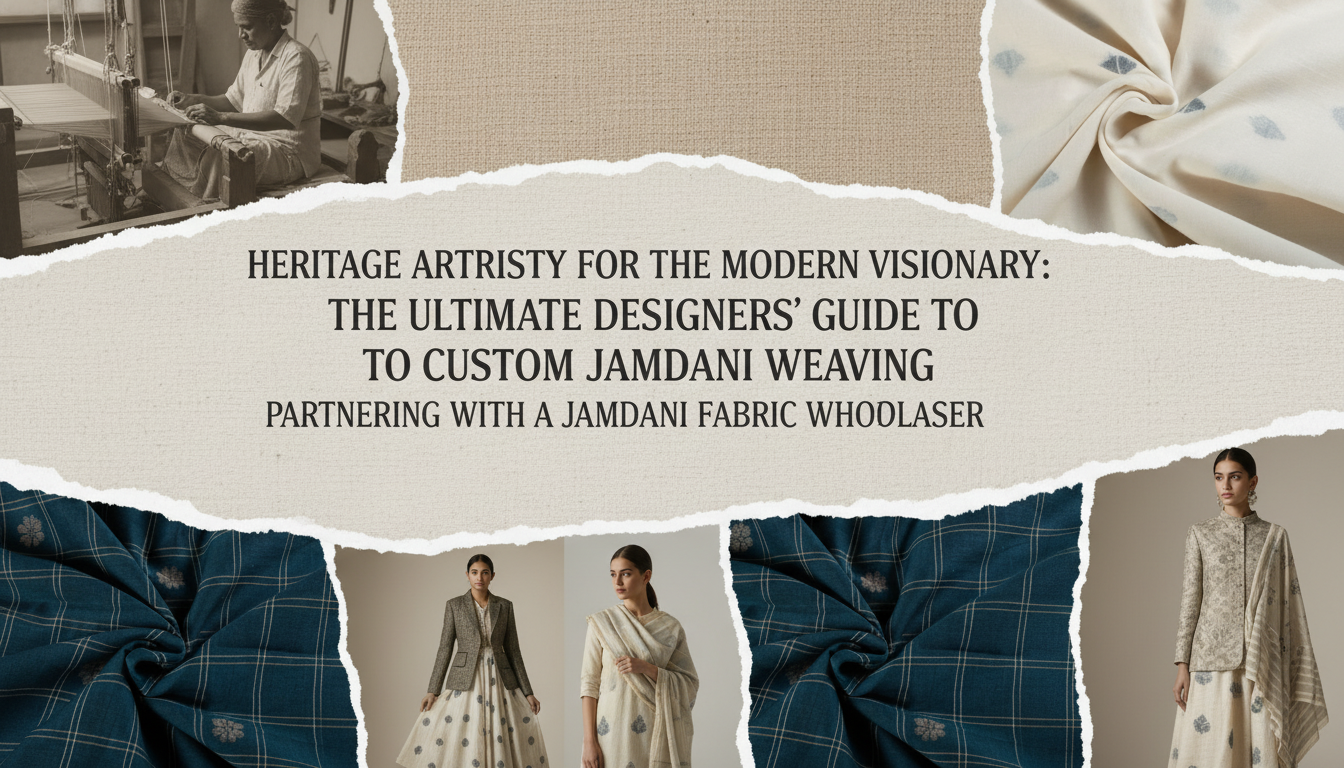
The Ultimate Designers’ Guide to Custom Jamdani Weaving: Partnering with a Jamdani Fabric Wholesaler

For the modern fashion designer, the quest for exclusivity often leads to the ancient looms of Bengal. Jamdani, frequently described as "woven air," represents the pinnacle of handloom artistry. However, for a B2B brand looking to scale, the transition from admiring a museum piece to initiating custom jamdani production can be daunting. How do you translate a digital mood board into a hand-woven masterpiece without losing the essence of the craft?
The challenge lies in the technical bridge between contemporary design and traditional weaving. Many designers struggle with understanding the limitations of the loom, the nuances of yarn count, and the logistics of ethical sourcing. This is where the role of a specialized jamdani fabric wholesaler becomes vital.
In this comprehensive guide, we will walk you through the intricate world of bespoke textile design within the Jamdani tradition. You will learn the step-by-step process of handloom motif customization, how to communicate effectively with artisan clusters, and how to navigate the complexities of textile export wholesale to bring your unique visions to the global market.
Understanding the Jamdani Technique: The Foundation of Customization
What Makes Jamdani the Ultimate Custom Fabric?
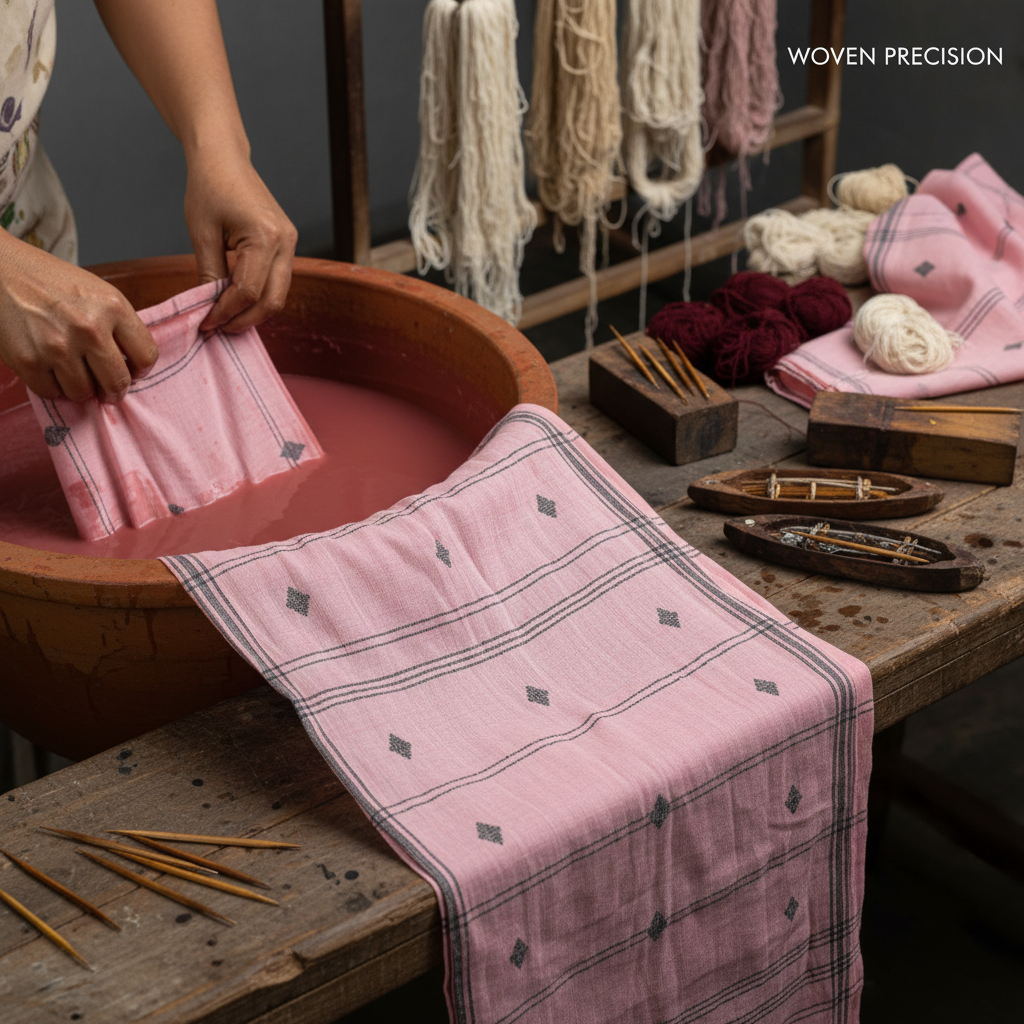
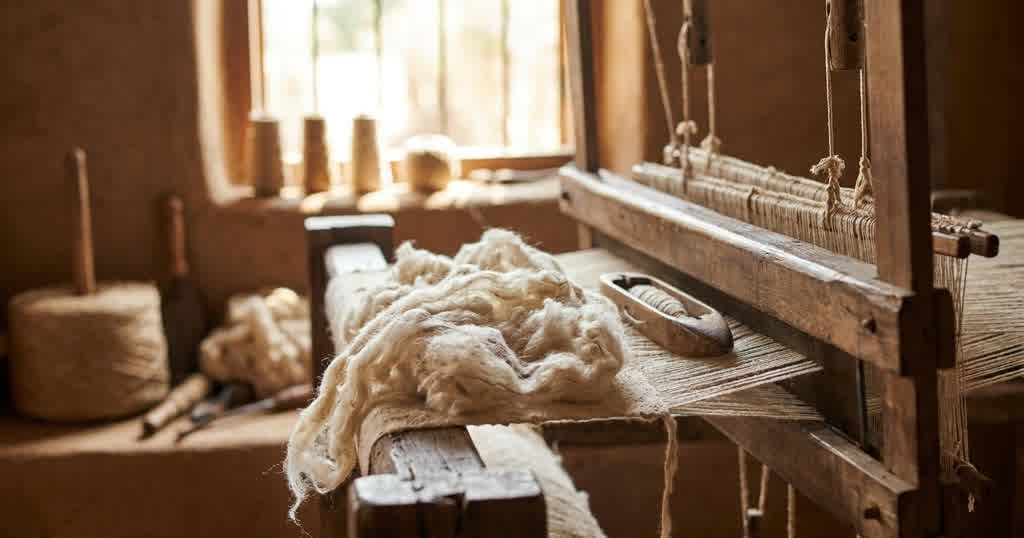
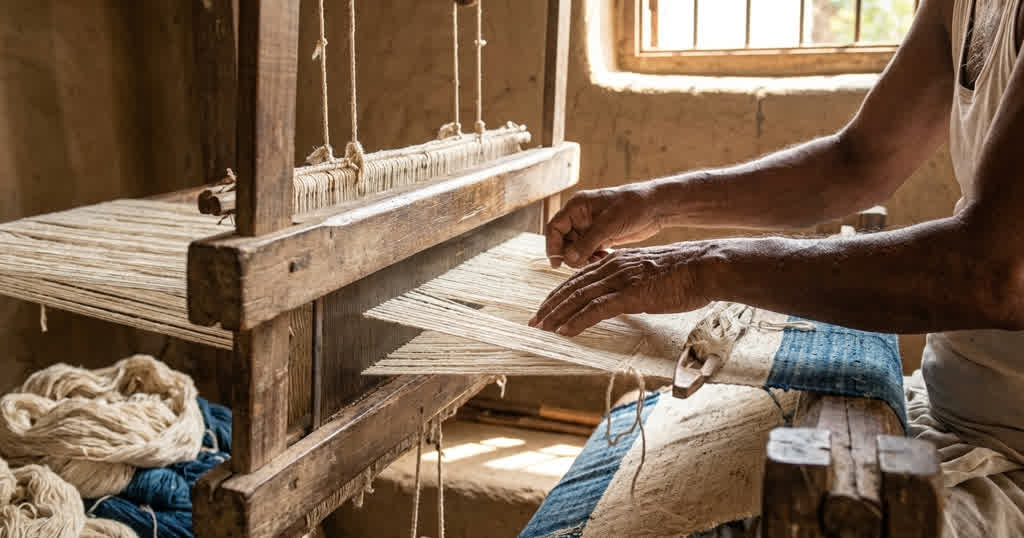
Before diving into customization, one must respect the "discontinuous weft" technique that defines Jamdani. Unlike traditional brocade where the decorative thread runs across the entire width of the fabric, Jamdani motifs are created by interlacing individual supplementary threads into the warp by hand, using fine bamboo sticks or needles.
This manual process means that Jamdani is essentially "tapestry-like." Because every motif is handled individually, the possibilities for bespoke textile design are virtually limitless. You are not restricted by the repetitive cycles of a mechanical loom. However, this freedom requires a deep understanding of how handloom fabrics outshine modern weaving machines in terms of texture and uniqueness.
When you work with a jamdani fabric wholesaler like Anuprerna, you are tapping into a lineage of weavers who have passed down these skills for generations. The "Karigars" (artisans) do not use a blueprint in the modern sense; they often work from memory or simple sketches. To customize this, we must create a shared language between the designer's studio and the weaver's village.
Step-by-Step Guide to Custom Jamdani Production and Motif Development
1. Conceptualization and Artwork Preparation
The process begins with your vision. Whether it’s a geometric pattern or a botanical illustration, your artwork needs to be translated into a format the weavers can interpret.
- Scale Matters: Remember that Jamdani is a slow process. Large, dense motifs will significantly increase the production time and cost.
- Color Palettes: In custom production, you can choose specific pantone shades for both the base (warp/weft) and the supplementary motifs.
2. The Art of Graphing (Naksha)
Once the design is finalized, it is converted into a "Naksha" or a point-paper design. This is essentially a grid where each square represents a thread intersection. For handloom motif customization, this step is crucial. It determines the "resolution" of your design. A finer yarn count allows for more intricate, detailed "Nakshas."
3. Material Selection
As a sustainable jamdani fabric wholesaler, Anuprerna emphasizes the use of natural fibers. You can choose from:
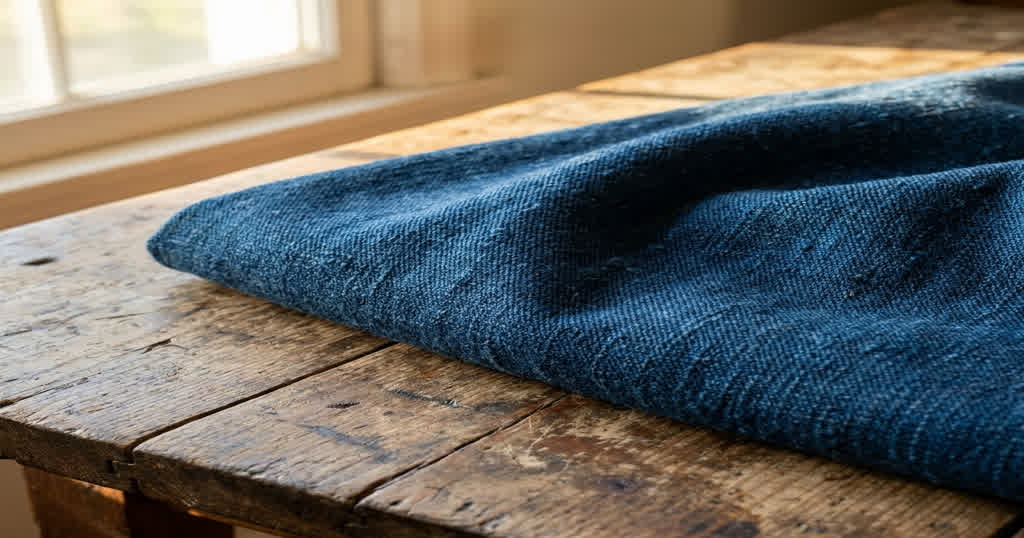
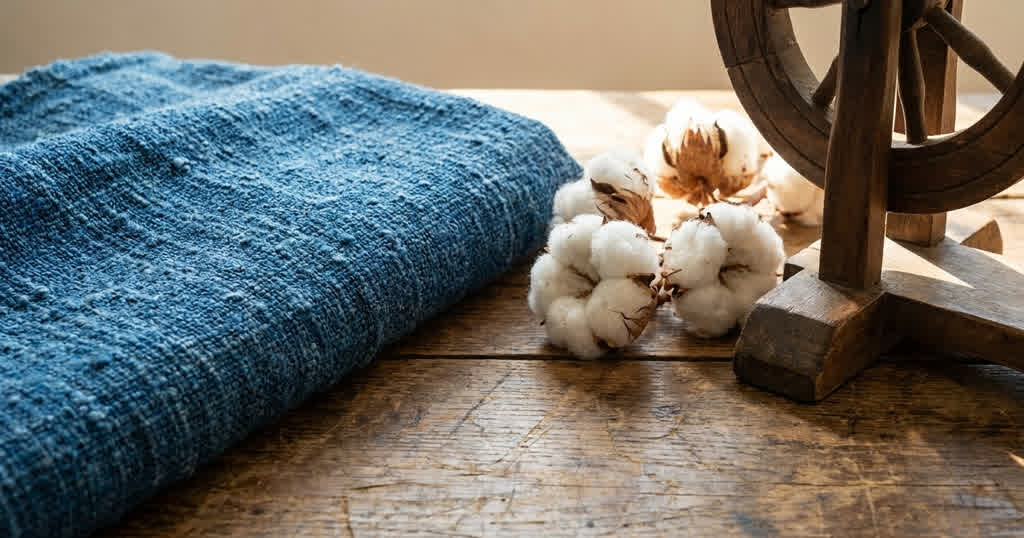
- Fine Khadi Cotton: For a matte, earthy feel.
- Mulberry or Matka Silk: For a luxurious sheen.
- Linen-Jamdani Blends: For contemporary silhouettes.
4. Prototyping and Sampling
Never skip the sampling phase. A 1-meter sample allows you to see how the colors interact—often, the "transparency" of Jamdani causes the motif color to shift slightly when woven into the base fabric. This is a key stage in smart sourcing and buying wholesale fabrics for your brand.
Expert Tip: When designing motifs, consider the "float" of the thread on the reverse side. Authentic Jamdani is almost identical on both sides, with no loose threads hanging, making it a "reversible" luxury.
Navigating Bespoke Textile Design with a Jamdani Fabric Wholesaler
Working with a wholesaler isn't just about bulk orders; it's about partnership. For a designer, a jamdani fabric wholesaler acts as the project manager, quality controller, and cultural translator.
Bridging the Communication Gap
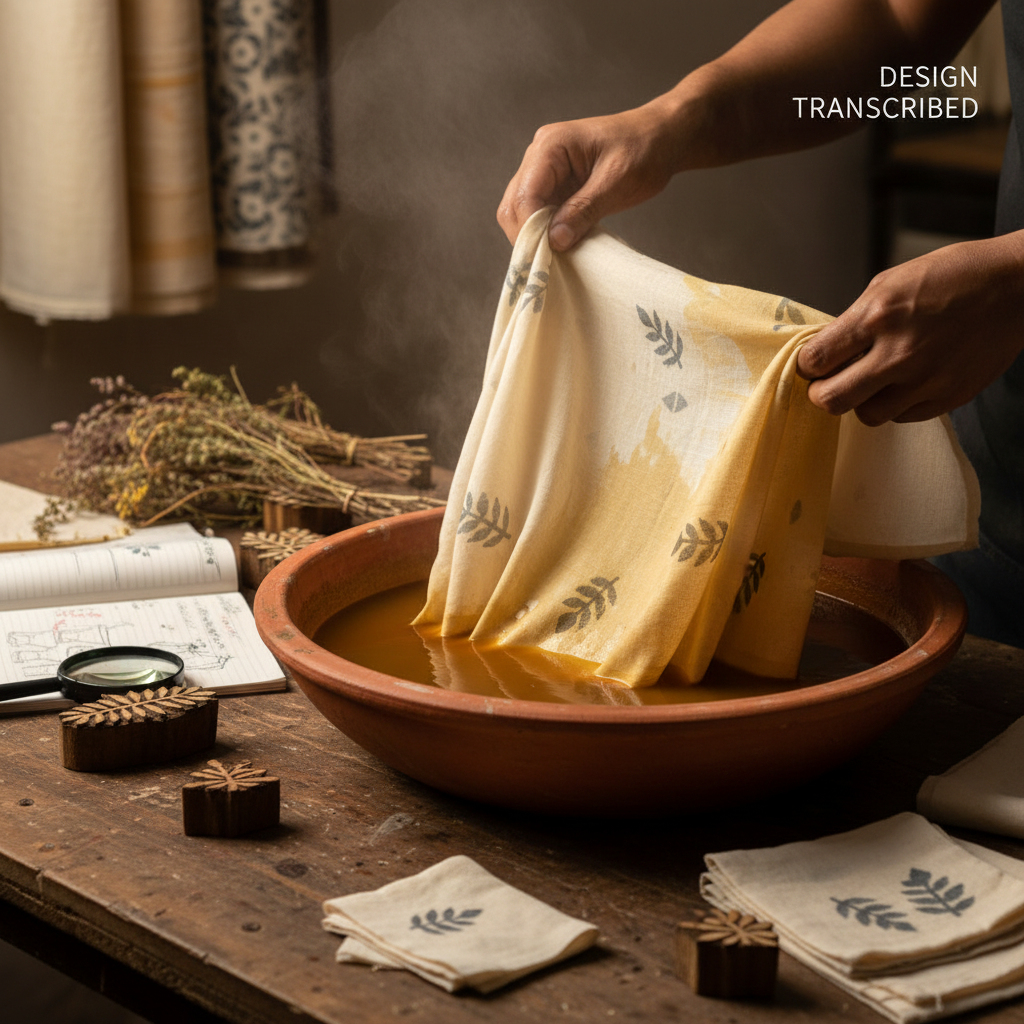
Artisans in East India may not speak the language of "tech packs," but they understand the language of the loom. Anuprerna facilitates this by translating your digital specifications into traditional weaving instructions. This ensures that the 10 most common textile designs and patterns can be evolved into something entirely new and proprietary to your brand.
Quality Assurance in Bulk
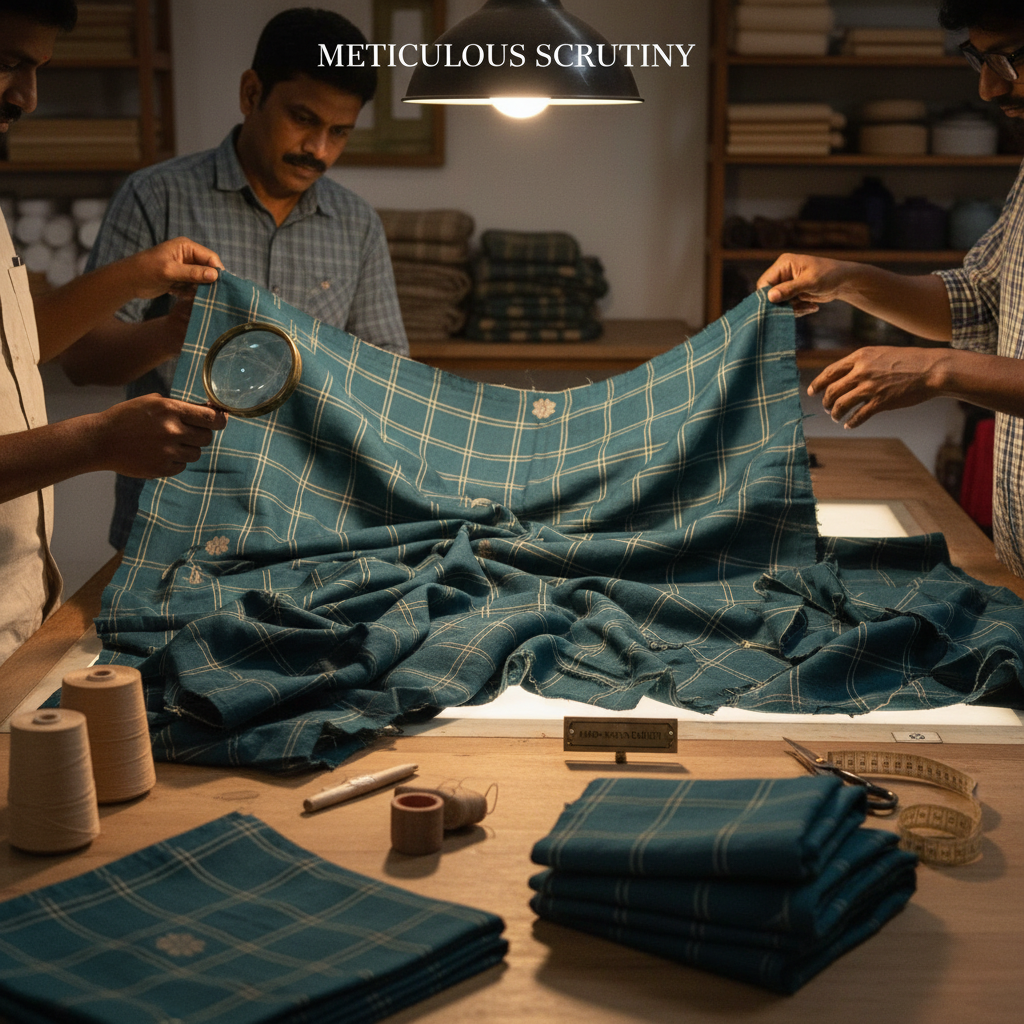
In custom jamdani production, consistency is the biggest challenge. Since every inch is hand-woven, slight variations are natural—and indeed, are the hallmark of authenticity. However, a professional wholesaler ensures that these variations stay within acceptable "commercial tolerances," checking for reed marks, color bleeding, and motif alignment before the fabric ever leaves the village.
Ethical and Sustainable Scaling
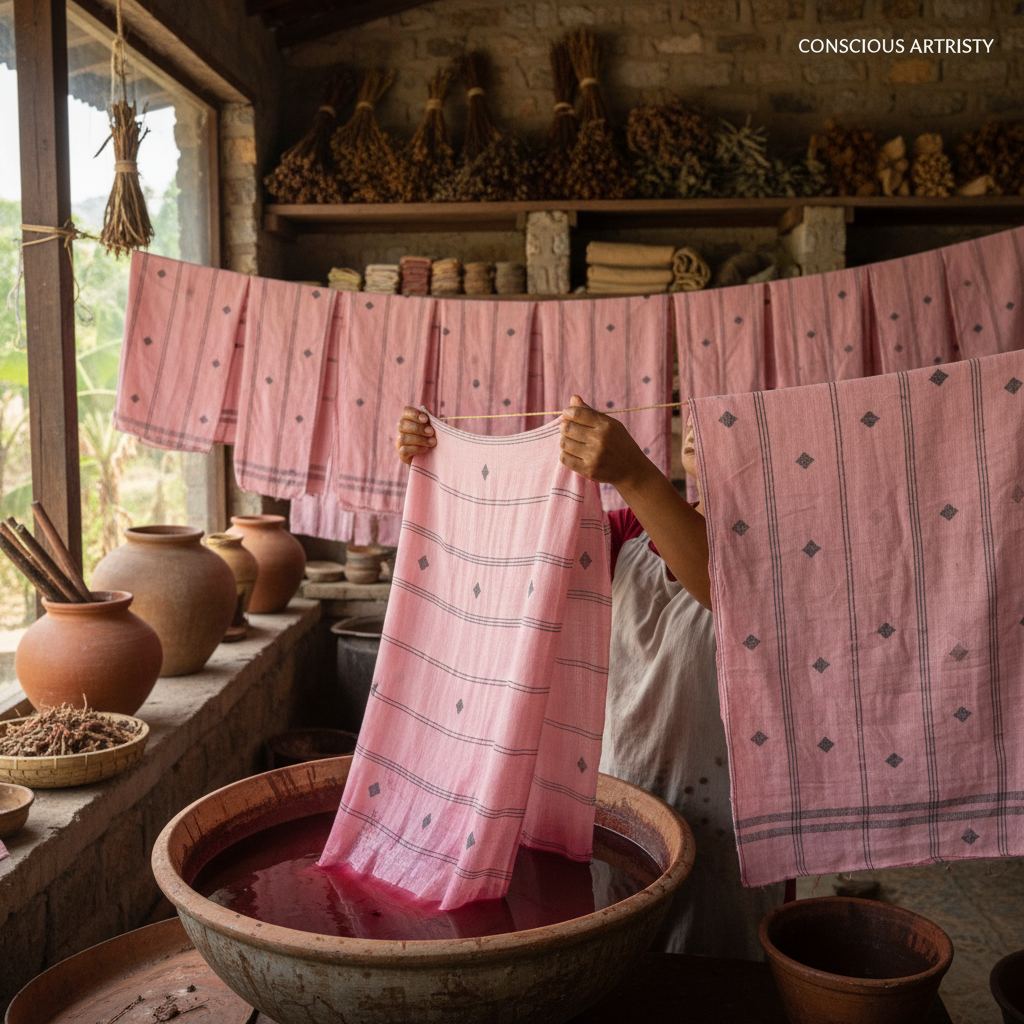
By partnering with a wholesaler that supports artisan communities, your brand contributes to the preservation of a UNESCO-recognized Intangible Cultural Heritage. This narrative is a powerful tool in modern marketing, where consumers demand transparency and ethical manufacturing.
Technical Specifications: What Designers Need to Know
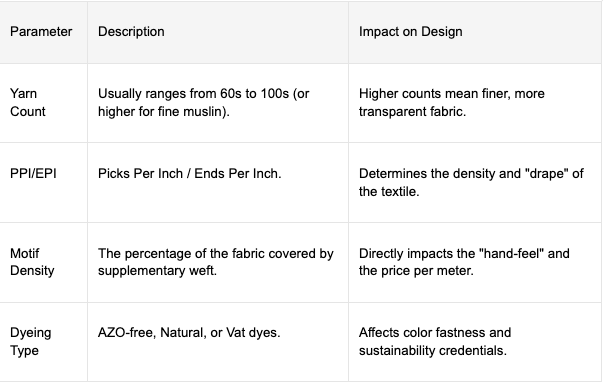
To ensure a smooth textile export wholesale experience, you should be familiar with these technical parameters:
Common Mistakes to Avoid in Custom Jamdani Production
- Over-complicating the Motif: While Jamdani allows for detail, extremely intricate designs with too many color changes in a single line can lead to "bulkiness" in the fabric.
- Ignoring Lead Times: Hand-weaving takes time. A complex Jamdani saree or fabric bolt can take anywhere from 2 weeks to 2 months to weave. Plan your collections at least 6 months in advance.
- Underestimating Shrinkage: Always account for 3-5% shrinkage, especially with hand-spun Khadi cotton bases.
- Neglecting the Reverse Side: Ensure your handloom motif customization accounts for how the threads are "locked" into the warp to avoid snagging.
Logistics and Textile Export Wholesale: Bringing Jamdani to the World
Once your custom fabric is off the loom, the final hurdle is global distribution. Navigating the logistics of fabric wholesale and Indian bulk textile export requires expertise in:
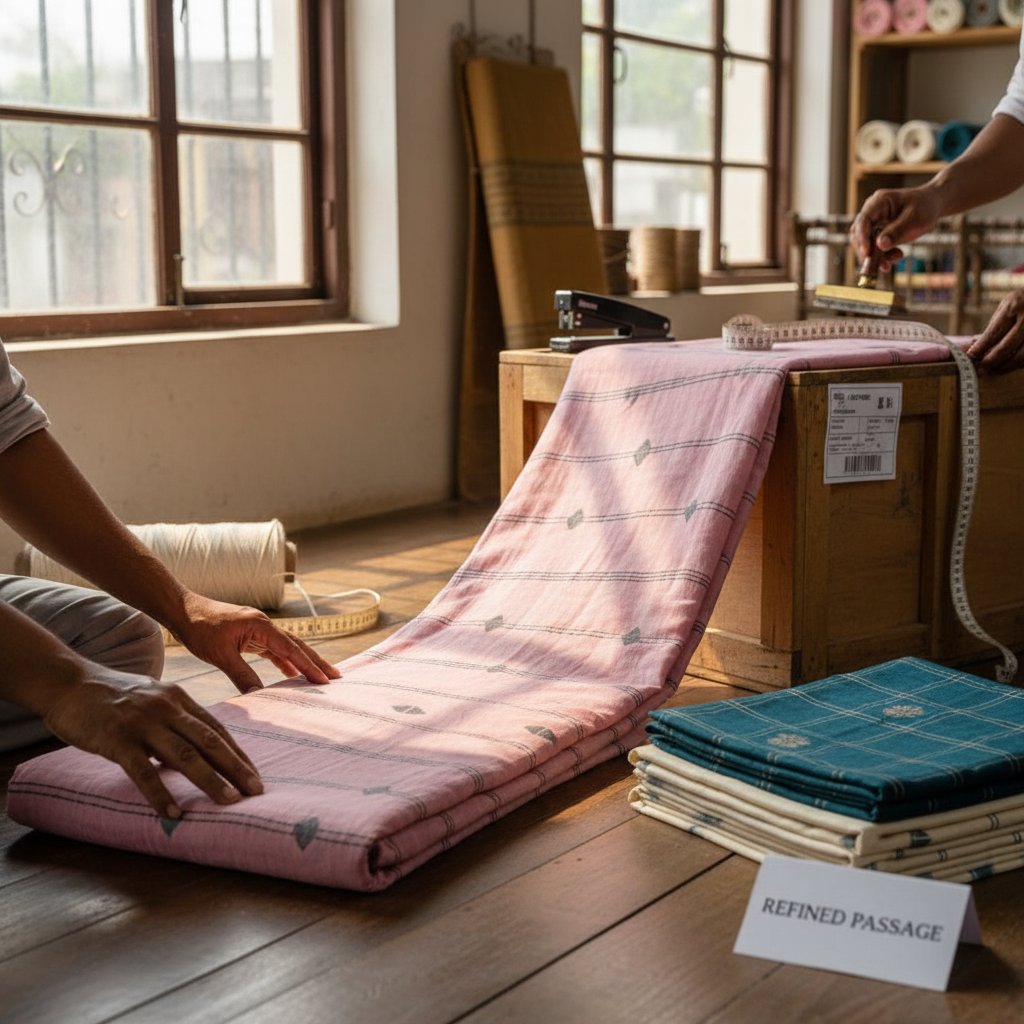
- Packaging: Jamdani is delicate. It must be rolled, not folded, to prevent "crease-cutting" of the fine threads.
- Documentation: Ensuring correct HSN codes (usually 5208 or 5007) and Certificates of Origin to benefit from trade agreements.
- Compliance: Meeting international standards for REACH or Oeko-Tex if required by your target market.
Conclusion
Custom Jamdani weaving is a collaborative dance between a designer's imagination and an artisan's skill. By choosing the right jamdani fabric wholesaler, you transform from a mere buyer into a patron of the arts. Whether you are creating a couture collection or a high-end home decor line, the addition of bespoke textile design through Jamdani adds a layer of soul and story that machine-made fabrics can never replicate.
At Anuprerna, we specialize in making this complex process seamless for global designers. From the first sketch of your handloom motif customization to the final delivery of your textile export wholesale order, we are committed to quality, transparency, and the empowerment of our artisan partners.
Ready to start your custom Jamdani journey? Contact Anuprerna today to discuss your design requirements.
most asked questions
What is the Minimum Order Quantity (MOQ) for custom jamdani production?
Typically, for custom jamdani production, the MOQ is higher than for stock items because of the time required to set up the loom (warping). At Anuprerna, we usually require a minimum of 50-100 meters per design, though this can vary based on the complexity of the motif and the yarn being used. Small-batch sampling is available for established partners.
How long does the handloom motif customization process take?
The timeline for handloom motif customization involves several stages: 1 week for graphing, 2-3 weeks for sample weaving, and then the production phase. Depending on the length of the order and the density of the motifs, total production can take anywhere from 8 to 16 weeks. We recommend starting the process well ahead of your fashion season.
Can I use metallic threads (Zari) in my custom Jamdani design?
Yes, absolutely. While traditional Jamdani uses cotton-on-cotton or silk-on-silk, modern bespoke textile design often incorporates tested zari or high-quality metallic threads for a contemporary look. As a jamdani fabric wholesaler, we ensure the zari used is of high quality so it doesn't tarnish or irritate the skin.
Is Jamdani fabric durable enough for contemporary garments?
While Jamdani looks delicate, it is surprisingly resilient. The "interlocking" nature of the supplementary weft means the motifs are securely integrated into the structure of the cloth. However, it does require care—usually dry cleaning or very gentle hand washing—to maintain the integrity of the hand-woven threads over time.
How does Anuprerna ensure ethical standards in its wholesale operations?
We work directly with artisan clusters in West Bengal, cutting out exploitative middlemen. As a sustainable jamdani fabric wholesaler, we ensure fair wages that exceed local averages, provide safe working conditions, and support the continuous training of the next generation of weavers. This transparency is part of our commitment to ethical textile export wholesale.
More Blogs
how celebrity endorsements are shaping the future of sustainable textiles
khadi denim vs. conventional denim: environmental impact and durability
the best sustainable fabrics for activewear production
how to calculate carbon emissions in your textile supply chain
why sustainable denim brands in india are choosing khadi

b2b sourcing guide: how to source high-quality recycle cotton fabric for sustainable collections