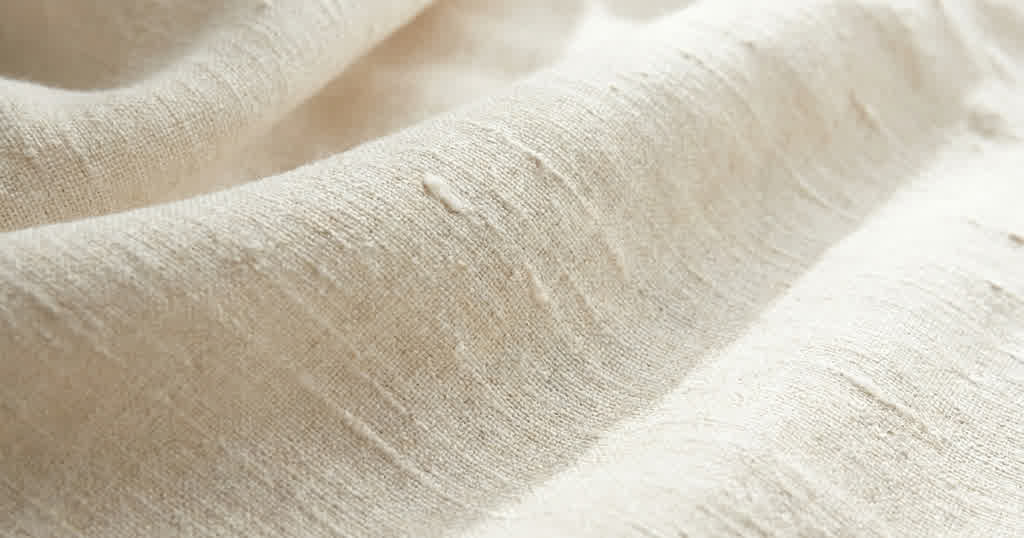
Bamboo Linen Fabric: Comfort Meets Sustainability

In the handloom weaving clusters of rural Bengal, artisans are combining ancient flax processing with modern regenerated cellulose to create bamboo linen fabric, a textile that solves a persistent challenge for designers. Brands designing summer collections often struggle to find a material that offers the fluid drape of synthetics without the associated ecological cost or structural weakness. This specific blend marries the high tensile strength of traditional linen with the soft, moisture-wicking properties of bamboo. The shift toward this sustainable fabric is driven by a need for better performance metrics in natural textiles.
Pure bamboo viscose can lose integrity when wet, while pure linen can feel too rigid for certain resort wear silhouettes. By weaving these yarns together on traditional Indian handlooms, we create a breathable fabric that supports rural artisan economies while delivering the exact GSM and durability required for premium apparel.
What is Bamboo Fabric? The Evolution of a Sustainable Textile
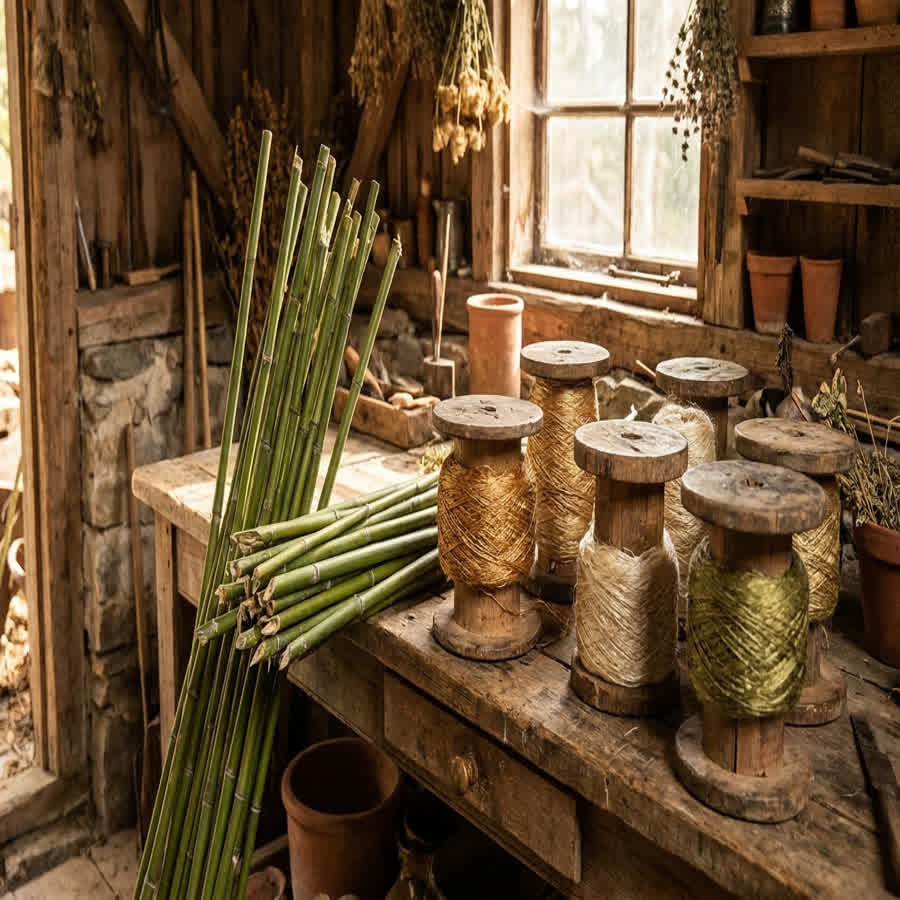
Bamboo fabric is a regenerated cellulose textile made by extracting cellulose from bamboo pulp and spinning it into a soft, highly absorbent yarn. While linen is one of the oldest woven textiles dating back to ancient Mesopotamia, bamboo's use as a bamboo fiber material is a modern material science innovation.
From Raw Pulp to Regenerated Cellulose
The journey of a bamboo textile begins with the rapid growth of the bamboo plant, which requires no pesticides and minimal water. The harvested stalks are broken down into a pulp to extract the raw cellulose. This pulp is then extruded through a spinneret to create a fine, continuous regenerated cellulose yarn.
This process transforms a rigid plant into a material with a silky, cool hand-feel. Designers often ask what is bamboo fabric in the context of its processing and chemical inputs. The most responsible bamboo fabric manufacturers utilize closed-loop systems, capturing and reusing the solvents required to dissolve the pulp. This ensures the resulting yarn maintains its eco friendly fabric status before it ever reaches the loom.
Assessing the Environmental Footprint
Understanding the baseline environmental footprint of this material is crucial for brands building a transparent supply chain. When processed responsibly, bamboo offers significant ecological advantages over conventional synthetics. We focus on sourcing yarns that align with strict zero-waste credentials and low-impact processing standards.
The environmental benefits of this sustainable fabric include several key metrics:
- Rapid renewability: Bamboo grows quickly without the need for agricultural expansion or soil degradation.
- Low water consumption: The plant relies heavily on natural rainfall, avoiding the heavy irrigation required by conventional crops.
- Carbon sequestration: Bamboo forests absorb significant amounts of carbon dioxide, offsetting the footprint of the bamboo fiber material.
- Biodegradability: As a natural cellulose fiber, the untreated fabric will naturally decompose at the end of its lifecycle.
The Material Science of Bamboo Linen Fabric: Why Blend?
Blending bamboo and linen creates a superior textile because the structural crispness of flax mitigates bamboo's tendency to lose strength when wet. This combination yields a bamboo blend fabric that balances luxurious softness with rugged commercial durability.
Balancing Moisture Regain and Tensile Strength
The technical architecture of bamboo linen fabric relies on the contrasting properties of its two constituent fibers. Bamboo fiber provides a high moisture regain of around 13 percent, alongside microscopic gaps in the yarn that allow for exceptional ventilation. However, 100 percent bamboo viscose can lose up to 30 to 50 percent of its tensile strength during washing.
Linen, derived from the bast fiber of the flax plant, acts as the structural anchor in this bamboo blend fabric. Flax contributes a high tensile strength of up to 6.5 grams per denier and actually becomes stronger when exposed to water. This synergy ensures the final textile maintains a dry, crisp hand-feel while surviving the rigorous laundering expected of premium garments.
The Handloom Advantage for Blended Yarns
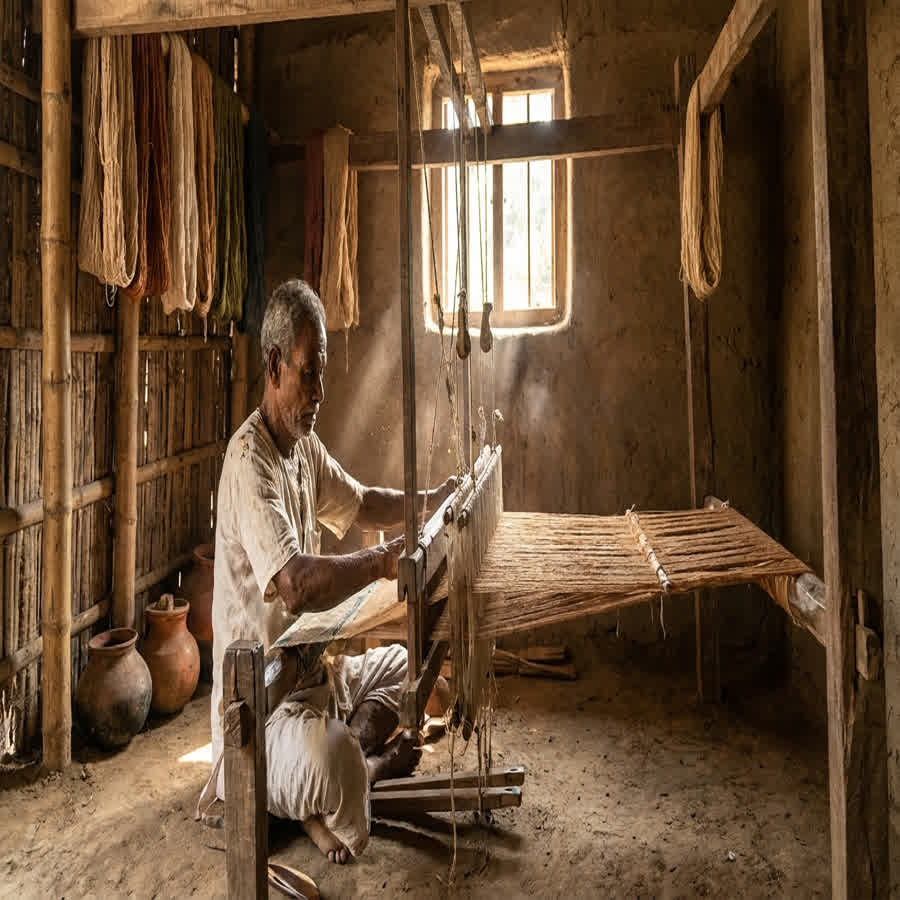
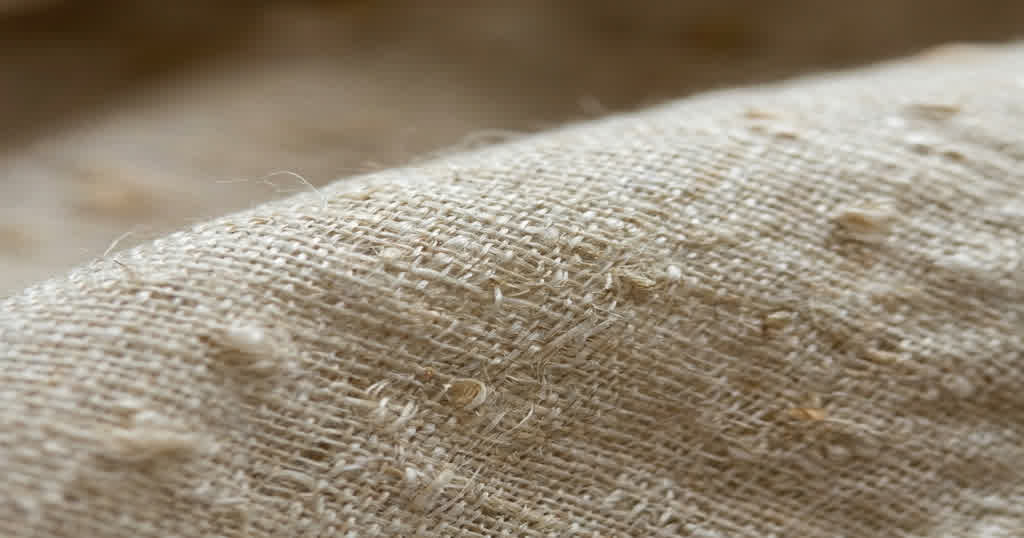
Weaving these distinct fibers together requires precision, and traditional Indian handlooms offer a distinct advantage over high-speed power looms. The slower, manual weaving process exerts less tension on the delicate bamboo textile yarns, preventing breakage while allowing the linen to settle naturally into the warp or weft.
This decentralized production method creates a sustainable fabric with unique tactile variations. The handloom process yields specific technical benefits for bamboo linen fabric:
- Customizable tension: Artisans adjust the beat of the loom to accommodate the different elasticity levels of bamboo and flax.
- Enhanced breathability: The natural variations in a handwoven structure create micro-pockets of air, improving the breathable fabric qualities.
- Low carbon footprint: Manual weaving requires zero electricity, drastically reducing the energy consumption of the final textile.
Comparing Eco-Friendly Fabrics: Bamboo Linen vs. Lightweight Cotton Fabric
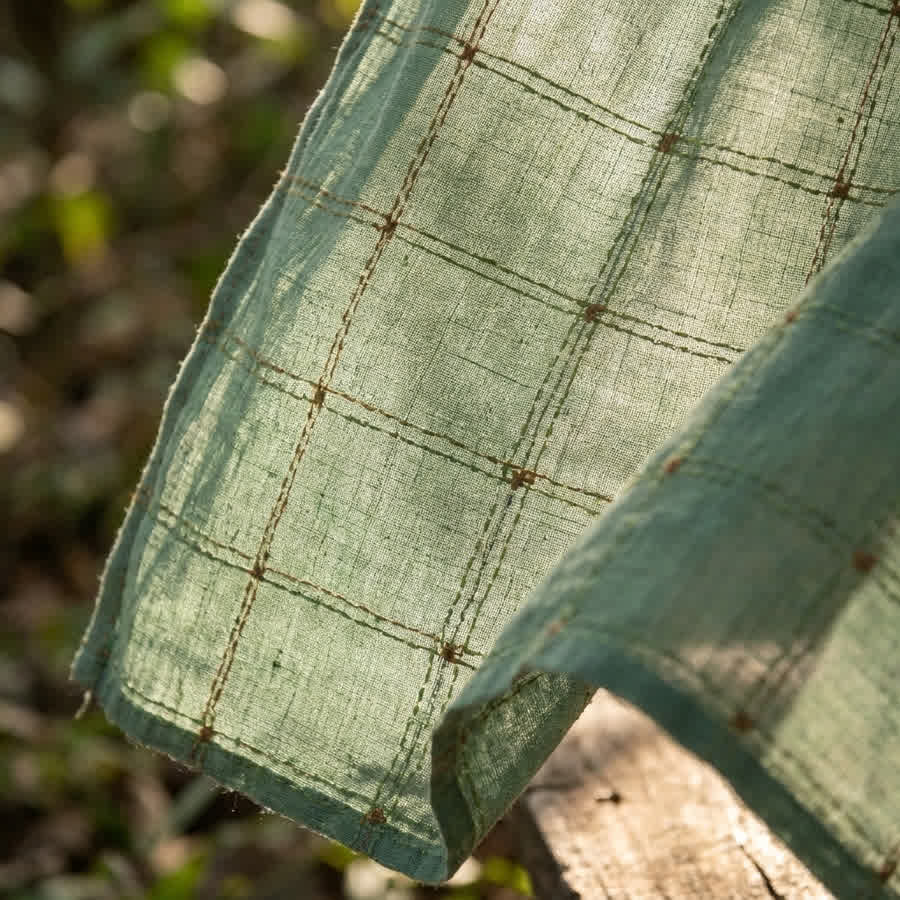
Bamboo linen outperforms traditional lightweight cotton by offering superior moisture-wicking capabilities and better natural thermal regulation. For designers creating resort wear, this eco friendly fabric provides a more elegant drape and a lower agricultural water footprint than conventional cotton.
GSM and Breathability Metrics
When sourcing materials for spring and summer collections, designers frequently compare bamboo blends against standard lightweight cotton fabric or a heavier jacquard fabric. Bamboo linen blends typically range from 110 to 180 GSM, classifying them as lightweight to medium-weight textiles. At this weight, cotton can sometimes feel flat or cling to the body in humid conditions.
The micro-gaps inherent in bamboo fiber allow the fabric to pull moisture away from the skin rapidly. Combined with the natural stiffness of linen, the fabric stands slightly away from the body, facilitating better airflow. This makes the bamboo blend fabric a highly efficient thermal regulator, keeping the wearer noticeably cooler than a similarly weighted cotton poplin.
Resort Wear and Climate Adaptability
The aesthetic and functional demands of resort wear require materials that travel well and perform in tropical climates. While a lightweight cotton fabric is a staple, it often lacks the fluid, heavy drape that separates a casual garment from a luxury piece. Bamboo linen bridges this gap perfectly.
Designers choose this sustainable fabric for warm-weather collections due to its specific performance traits:
- Superior moisture management: The high absorbency of the bamboo fiber material keeps the skin dry in high humidity.
- Wrinkle resistance: The bamboo content softens the aggressive creasing typically associated with pure linen garments.
- UV protection: Natural cellulose fibers offer a degree of protection against ultraviolet rays, ideal for outdoor natural fabric clothes.
- Antibacterial properties: Bamboo possesses natural odor-resistant qualities, reducing the need for frequent laundering during travel.
Manage Bamboo Fabric Wholesale: What to Look for in Manufacturers
Sourcing bamboo fabric wholesale requires identifying suppliers who prioritize transparent, closed-loop yarn processing and ethical labor practices. Partnering with a decentralized artisan supply chain ensures your bamboo fabric suppliers deliver both technical quality and a verifiable socio-economic impact.
Identifying Ethical Bamboo Fabric Suppliers
The B2B sourcing process for sustainable textiles demands rigorous vetting of the entire supply chain. When evaluating bamboo fabric manufacturers, sourcing managers must look beyond the final price per meter. It is critical to trace the origin of the raw pulp and verify the chemical management systems used during the extrusion process.
We advise brands to seek out bamboo fabric wholesale partners who can provide clear documentation on their yarn sourcing. The most reliable bamboo fabric suppliers use lyocell-type processing or strict closed-loop viscose methods. This ensures the eco friendly fabric you purchase does not contribute to waterway pollution in the manufacturing regions.
The Socio-Economic Impact of Decentralized Weaving
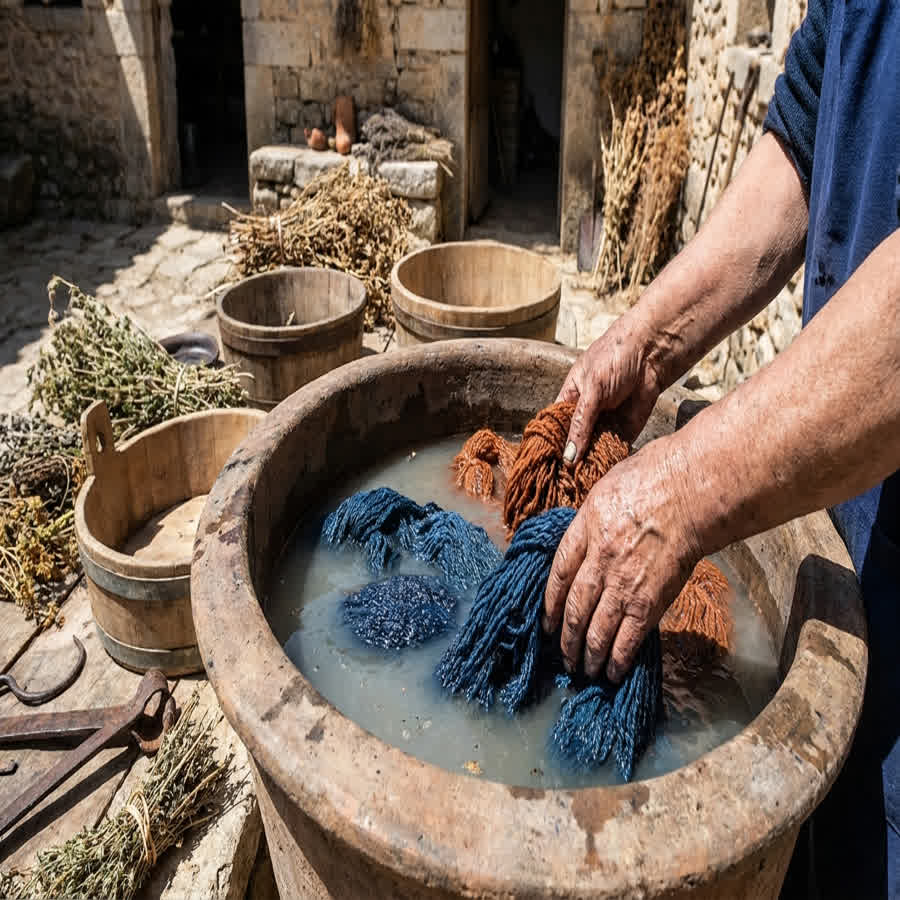
At Anuprerna, we approach textile production through a decentralized model, working directly with rural handloom weavers in Bengal clusters like Murshidabad and Malda. This method shifts the economic benefits away from massive industrial factories and directly into the hands of independent artisans. Sourcing bamboo linen fabric through this model provides brands with a powerful, human-centric narrative.
Choosing a decentralized supply chain for your bamboo fabric wholesale needs offers distinct advantages:
- Artisan empowerment: Direct partnerships provide fair wages and preserve traditional hand-weaving techniques in rural clusters.
- Traceable origins: A transparent chain of custody allows brands to show exactly where and by whom their sustainable fabric was made.
- Flexible MOQs: Working with independent weavers often allows for smaller, custom batch sizes compared to large-scale bamboo fabric manufacturers.
- Cultural preservation: Blending modern fibers like bamboo with ancient handloom practices keeps heritage skills relevant in the modern market.
Bamboo Fabric Benefits: Improve Natural Fabric Clothes
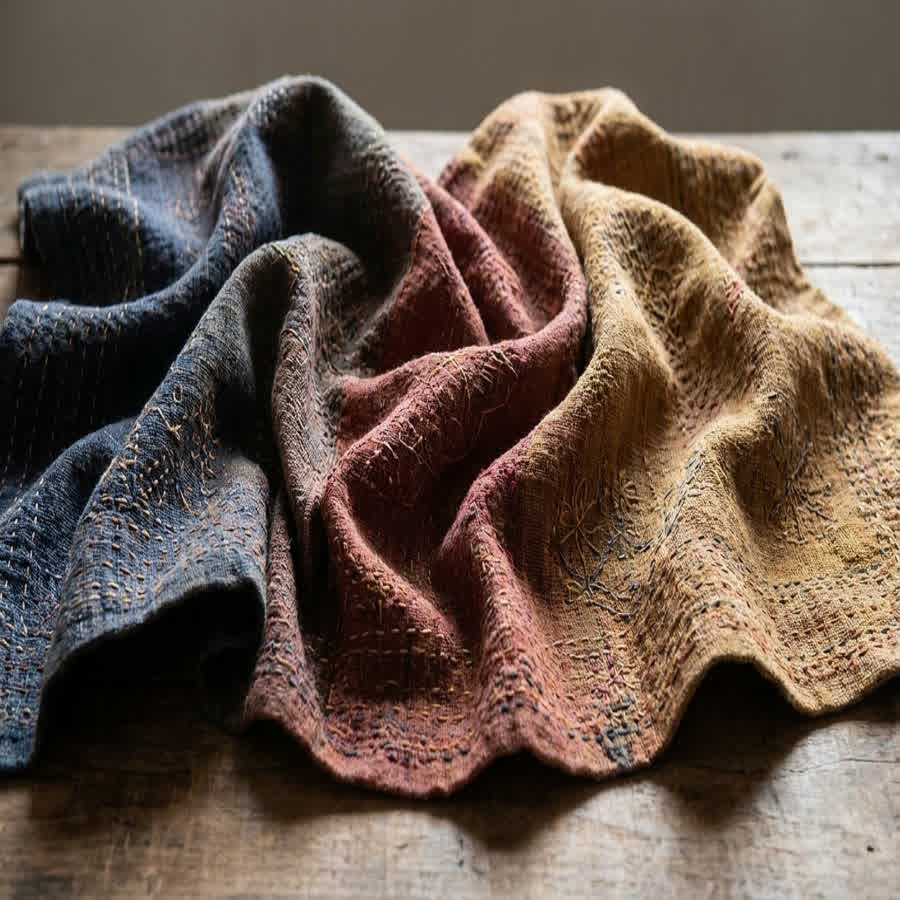
The primary benefits of bamboo fabric include its luxurious drape, exceptional thermal regulation, and smooth texture, which improve the quality of natural apparel. By utilizing this breathable fabric, designers can create premium, sustainable collections that meet the high expectations of eco-conscious consumers.
Drape, Texture, and End-Use Applications
The physical characteristics of this textile make it highly versatile for various fashion applications. The bamboo fabric benefits are most apparent in garments that require a soft, flowing silhouette combined with structural integrity. The linen provides enough body for tailored trousers and structured shirts, while the bamboo ensures the garment moves beautifully, offering a more fluid alternative to traditional denim fabric.
Designers frequently utilize this bamboo blend fabric for high-end natural fabric clothes such as wide-leg trousers, resort dresses, and lightweight summer suiting. The fabric accepts natural and low-impact dyes exceptionally well, resulting in deep, rich colors that resist fading. This excellent dye uptake ensures the final garments maintain their visual appeal season after season.
Designing for Longevity and Circularity
Creating sustainable fashion requires designing garments that last longer and can eventually return to the earth safely. The inherent durability of the linen component ensures that bamboo linen fabric withstands years of wear and washing. This longevity is a core component of responsible design, reducing the frequency of garment replacement.
Integrating this eco friendly fabric into your collections supports broader circularity goals:
- Extended garment lifespan: The high tensile strength of the flax fiber prevents the premature degradation often seen in pure bamboo garments.
- Safe biodegradation: Because both fibers are natural cellulose, the unblended bamboo textile will decompose without leaving microplastics behind.
- Reduced chemical reliance: The natural antibacterial properties of the bamboo fiber material mean garments require less aggressive chemical washing.
Explore Our Collection
Anuprerna works directly with handloom artisan clusters to weave bamboo linen fabric for designers and brands building considered collections. To source it for your next line, explore the range below.
frequently asked questions
What is the typical GSM of bamboo linen fabric suitable for apparel?
For apparel, bamboo linen typically ranges from 110 to 160 GSM. This makes it a highly breathable, lightweight fabric ideal for spring/summer collections, offering better drape than pure linen and more structural integrity than pure bamboo.
How does the tensile strength of a bamboo blend fabric compare to a 100% bamboo textile?
100% bamboo viscose can lose up to 30-50% of its tensile strength when wet. Blending it with linen (flax), which actually gains strength when wet, creates a highly durable bamboo blend fabric that withstands rigorous washing and commercial wear.
Are your bamboo fabric manufacturers utilizing sustainable processing?
As a decentralized artisan supply chain, Anuprerna sources bamboo yarns from certified eco-friendly fabric producers utilizing closed-loop or lyocell-type processing. These yarns are then handwoven by rural artisans, drastically minimizing the carbon footprint compared to conventional power-loom manufacturing.
Can bamboo linen be considered a direct replacement for lightweight cotton fabric?
Yes, and it often exceeds cotton's performance. Bamboo linen offers superior moisture-wicking, natural thermal regulation, and a lower agricultural water footprint, making it a premium upgrade for brands sourcing sustainable fabric for natural fabric clothes.
How does the dye uptake of bamboo linen fabric affect the manufacturing process?
Bamboo linen fabric exhibits excellent dye uptake, allowing manufacturers to achieve deep, vibrant colors using less dye and lower temperatures. This efficiency reduces water and energy consumption during the dyeing phase, making it a highly sustainable choice for B2B brands producing natural fabric clothes.
More Blogs
how to choose the right khadi fabric weight for different outfits
buy hemp fabric for clothing: from fiber to finished textile
innovative banana fiber products: sustainable alternatives for brands
choosing the right silk fabric supplier for luxury fashion
khadi online shopping: how to choose the right fabric
choosing the right silk manufacturers in india: a buyer’s guide