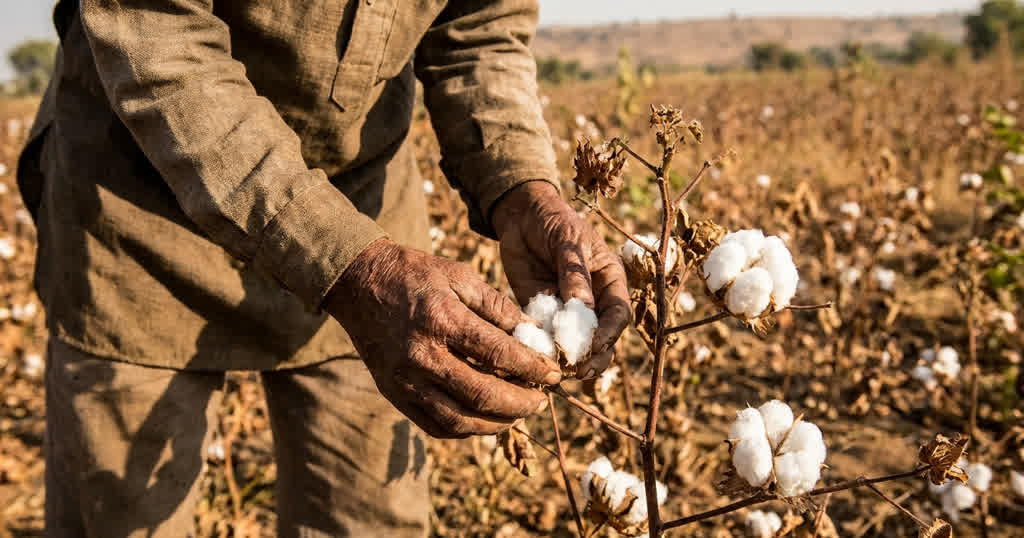
Organic Fabric Suppliers in India: A Guide for Fashion Brands & Designers

Finding reliable Organic fabric suppliers in India often means sifting through opaque supply chains and unverified green claims. Designers face intense regulatory pressure to eliminate greenwashing, making the search for authentic farm-to-fabric traceability a critical operational challenge. The shift away from chemical-heavy conventional cotton requires a deep understanding of agricultural origins and processing standards.
India is the birthplace of indigenous 'Desi' cotton varieties, cultivated for over 5,000 years before the chemical-heavy Green Revolution altered the soil. The modern organic movement reclaims this heritage by merging rain-fed organic farming with centuries-old decentralized handloom weaving. Partnering with verifiable suppliers provides the essential GOTS compliance and ethical narrative required for modern wholesale organic clothing collections.
The Ecosystem of Organic Fabric Manufacturers in India
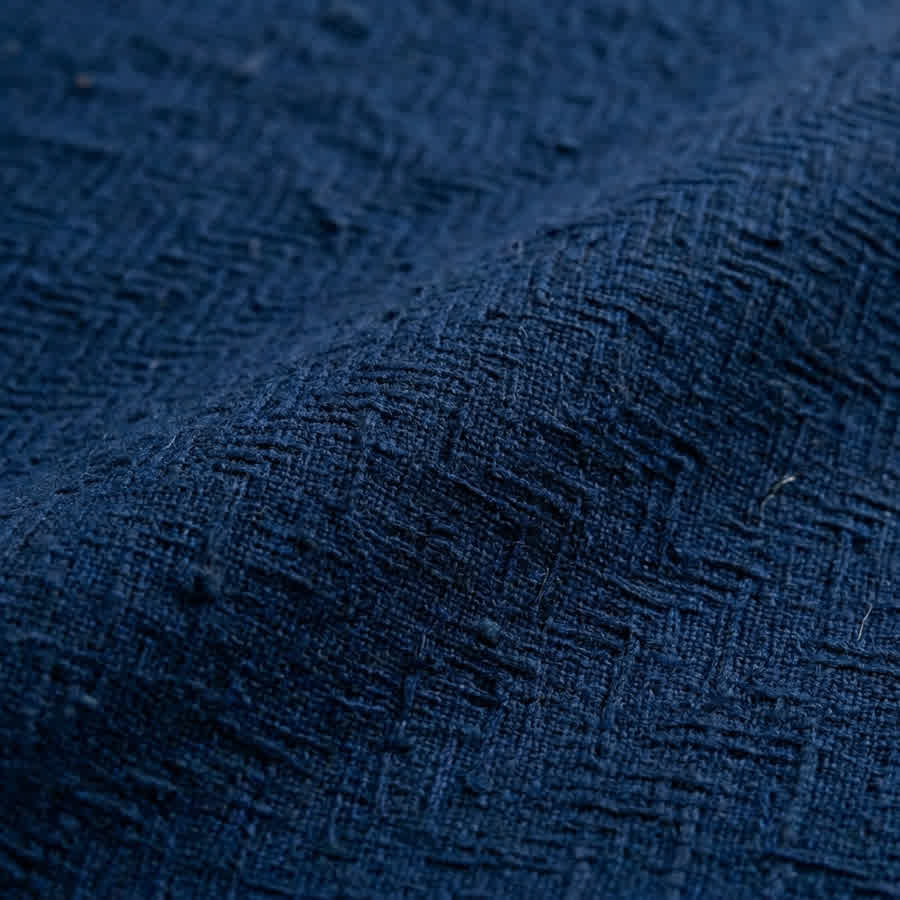
The ecosystem of organic fabric manufacturers in India is shifting from centralized, chemical-dependent industrial mills toward decentralized, sustainable hubs focused on regenerative agriculture. This transition reclaims India's historical dominance in indigenous cotton production while supplying transparent materials to global organic clothing companies.
Reclaiming Indigenous Cotton Heritage
India holds a 5,000-year legacy of cultivating 'Desi' cotton varieties, such as the highly resilient Kala cotton. These indigenous strains thrive on rain-fed organic farming, requiring zero synthetic pesticides or excessive irrigation. The modern ecosystem of organic textile manufacturers actively restores these traditional agricultural practices.
By moving away from the chemical-heavy Green Revolution, farmers regenerate soil health and produce a naturally soft, breathable fiber. The integration of these rural hubs into the global supply chain provides a vital resource for organic clothing companies seeking authentic sustainability. Designers gain access to unique, artisanal textures while ensuring their wholesale organic cotton fabric meets strict environmental criteria.
The Shift to Decentralized Hubs
Industrial mass-manufacturing often obscures the origin of raw materials. In contrast, the emerging network of organic fabrics wholesale suppliers relies on decentralized, off-the-grid rural artisan networks. This structure connects certified organic farming directly with heritage handloom weaving communities.
Sourcing from these specialized hubs offers distinct technical and ethical advantages for fashion brands:
- Farm-to-fabric traceability ensuring every meter of yarn is accounted for.
- Low-carbon production achieved through manual, zero-electricity weaving processes.
- Socio-economic impact that directly supports rural artisan livelihoods and fair wages.
- Regenerative textile economy that prioritizes long-term soil health over rapid yield.
These decentralized networks allow brands to build a compelling low-carbon ESG narrative that opaque industrial mills cannot match. This localized approach minimizes the carbon footprint associated with transporting raw materials across multiple processing facilities.
Decoding Certifications: What to Demand from Organic Textile Manufacturers
To guarantee authenticity, buyers must demand strict GOTS compliance and verifiable transaction certificates from their organic textile manufacturers. Relying on visual inspection or vague eco-friendly claims is insufficient when sourcing organic cotton material wholesale.
Understanding GOTS vs. OCS
The certification framework for organic textiles relies on two primary standards. The Organic Content Standard (OCS) verifies the presence and percentage of organic material in the final product. However, the Global Organic Textile Standard (GOTS) provides a much stricter, comprehensive evaluation.
GOTS certification mandates compliance across the entire supply chain:
- Ecological processing criteria prohibiting toxic heavy metals and formaldehyde.
- Wastewater treatment protocols mandatory for all wet-processing units.
- Strict social criteria ensuring safe, ethical labor conditions.
- Separation and identification of organic fibers from conventional ones during spinning.
For brands building a credible sustainability narrative, GOTS compliance is the non-negotiable benchmark.
Verifying Transaction Certificates
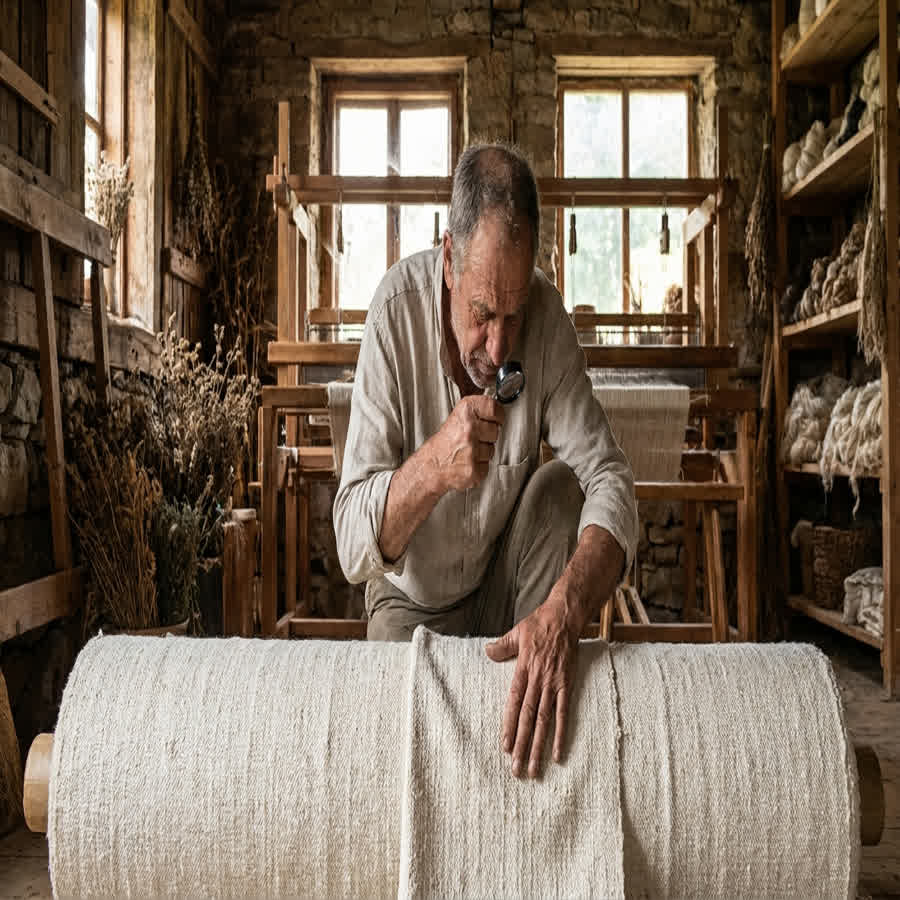
A common pitfall in organic fabric wholesale is assuming a supplier's general facility certification covers every specific order. Sourcing managers must request a Scope Certificate (SC) to verify the facility's overall capability. More importantly, every shipment of wholesale organic cotton fabric requires a specific Transaction Certificate (TC).
The TC acts as a chain-of-custody document, proving that the exact yardage purchased is certified organic. Without this document, fashion brands risk severe regulatory penalties for greenwashing. Verifiable organic fabric suppliers in India will provide these documents proactively, ensuring complete transparency from the spinning mill to the final woven yardage.
Material Science: The Superiority of Wholesale Organic Cotton Fabric
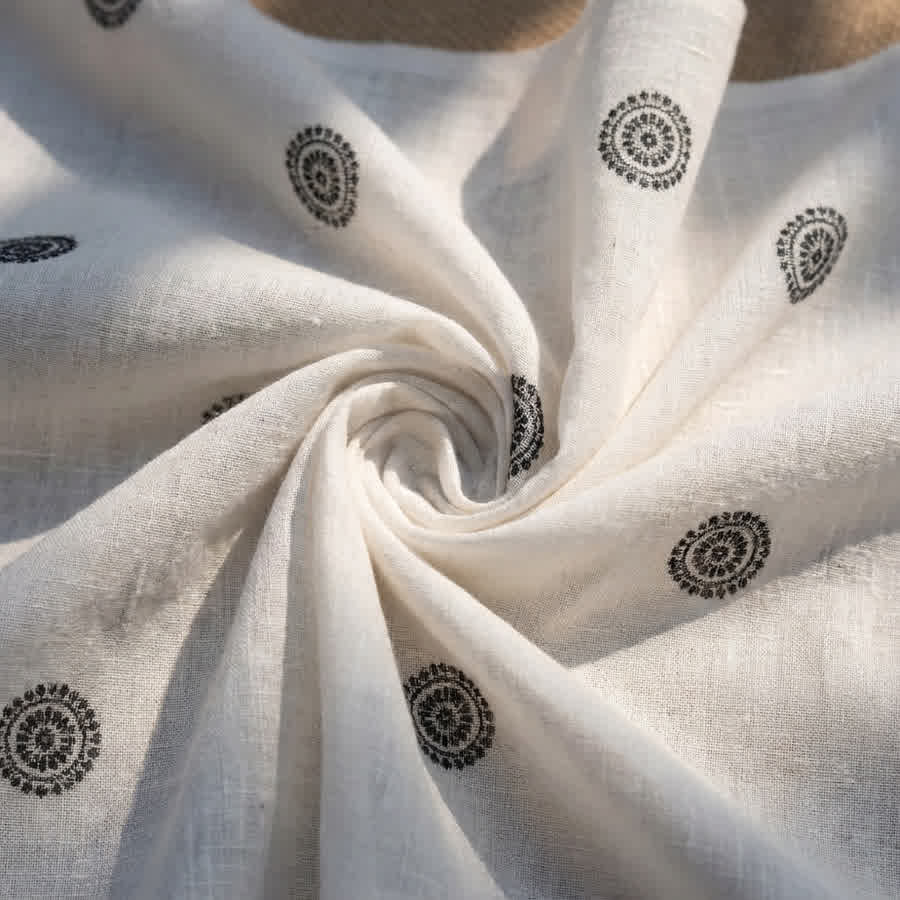
Wholesale organic cotton fabric offers superior tensile strength, longer fiber length, and exceptional softness because the raw material is never degraded by toxic defoliants or synthetic pesticides. This low-chemical cultivation preserves the structural integrity of the cotton boll, resulting in a highly durable, premium textile.
Fiber Integrity and GSM Versatility
Conventional cotton farming relies on harsh chemicals that strip the natural waxes and weaken the cellulose structure. Organic cultivation eliminates these toxins, yielding undamaged fibers that translate into a smooth, crisp hand-feel. This structural superiority allows organic fabric manufacturers in India to produce a wide range of fabric weights suitable for diverse B2B applications.
Typical B2B sourcing specifications include:
- Lightweight 60-80 GSM fabrics like voiles and cambrics, ideal for summer shirting.
- Medium 120-180 GSM constructions such as twills and canvas, suited for structured outerwear.
- High-density weaves that maintain breathability while offering excellent drape.
The absence of chemical residues ensures that even the densest organic cotton material wholesale retains its natural breathability.
Dye Affinity and Low-Impact Processing
The natural purity of organic cotton significantly improves its dye uptake. To maintain organic integrity, these fabrics require reactive low-impact dyes that meet the Oeko-Tex standard. These dyes bond directly with the fiber molecules, minimizing water usage and eliminating toxic runoff.
Using low-impact dyes ensures the final wholesale organic cotton fabric remains safe for the end consumer and the environment. The combination of strong, intact fibers and reactive dyeing results in vibrant, colorfast textiles that resist fading. This technical synergy is why premium designers prioritize certified organic materials for their collections.
Anuprerna’s Artisan Approach to Organic Fabric Wholesale
Anuprerna approaches organic fabric wholesale by merging certified organic yarn with centuries-old decentralized handloom techniques, creating a zero-carbon, highly traceable supply chain. This model bypasses opaque industrial mills to directly support rural Indian artisans while delivering premium, textured textiles.
Merging Certified Yarn with Heritage Handlooms
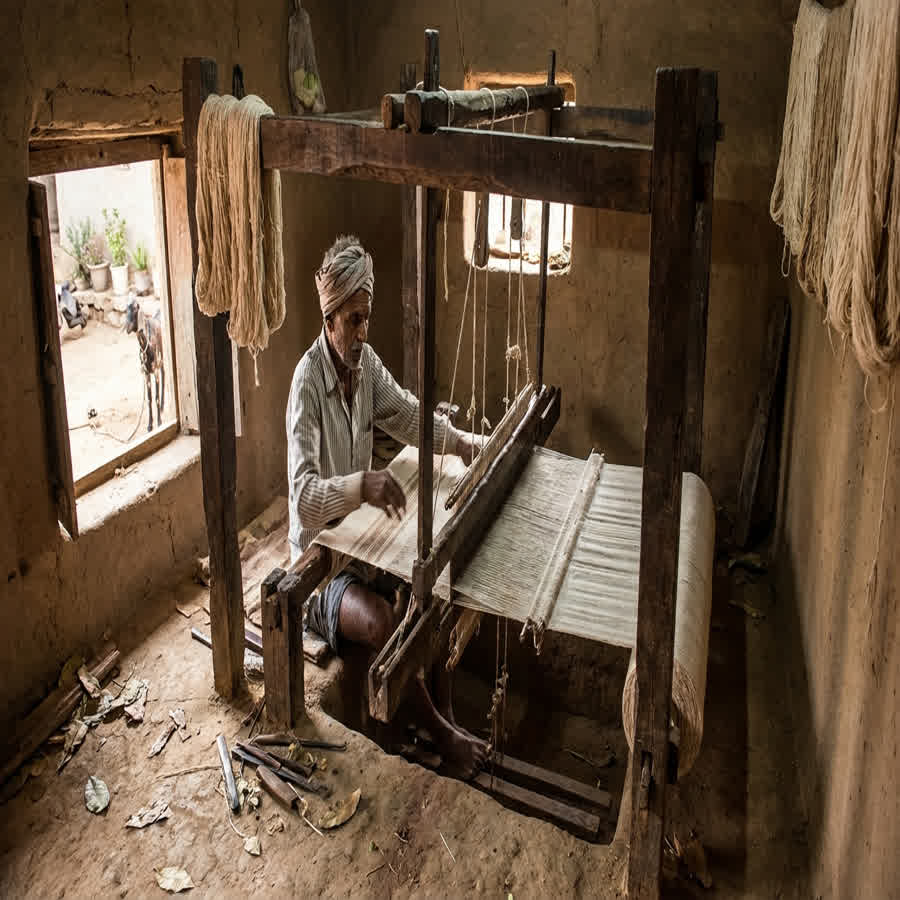
We source fully certified organic cotton yarn and distribute it to our network of rural weavers across Bengal. This process combines the ecological benefits of rain-fed organic farming with the intricate skill of heritage handloom weaving. The manual weaving process imparts a distinct, artisanal texture that industrial power looms cannot replicate.
Our decentralized model offers specific technical benefits for designers:
- Zero-electricity weaving that drastically lowers the carbon footprint of production.
- Unique selvedge finishes characteristic of traditional pit looms.
- High breathability due to the natural tension variations in hand-weaving.
By integrating these traditional methods, we provide organic textile manufacturers and brands with a fabric that carries a profound cultural and environmental narrative.
Solving B2B Sourcing Challenges
Large-scale industrial mills often impose massive minimum order quantities, locking out independent designers. Anuprerna addresses this by offering flexible organic cotton material wholesale options. We currently work with numerous artisan clusters, allowing us to accommodate smaller capsule collections without compromising on quality or GOTS compliance.
This transparent, off-the-grid approach ensures that every meter of wholesale organic cotton fabric supports fair wages and rural development. Fashion brands receive a technically superior product backed by a verifiable farm-to-fabric traceability story, empowering them to market their collections with absolute confidence.
Strategic Guide: Vetting Organic Fabric Suppliers in India
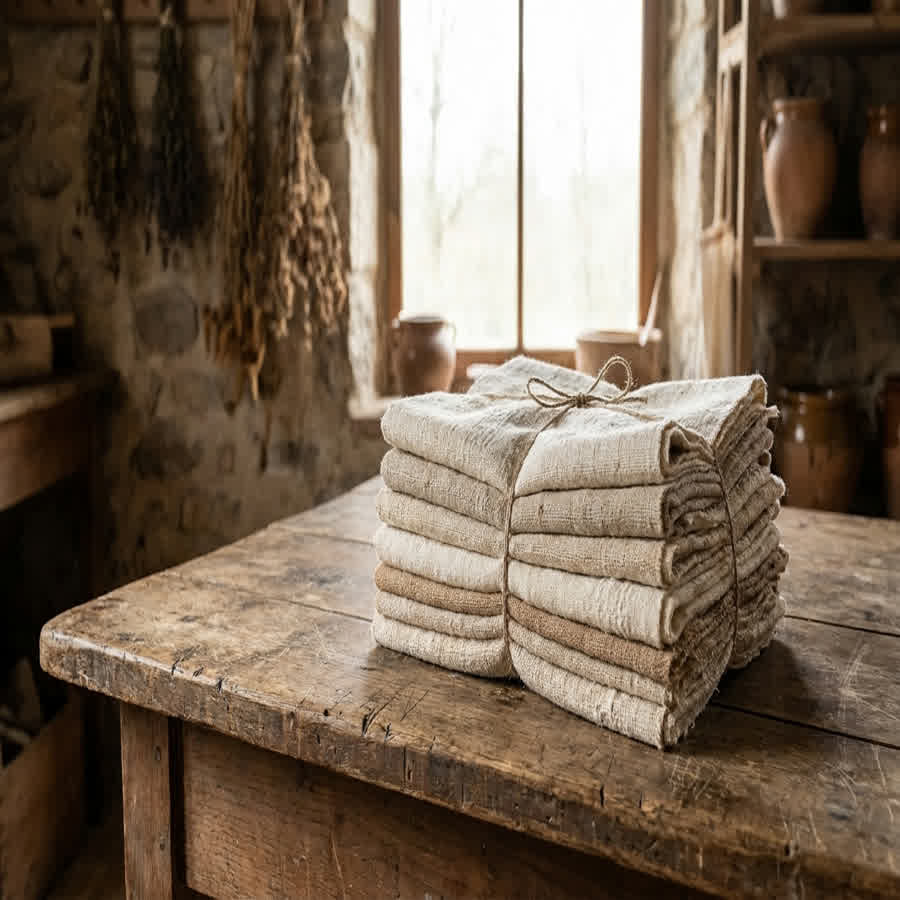
Vetting organic fabric suppliers in India requires a strict assessment of their certification transparency, minimum order quantities, lead times, and ethical labor practices. A rigorous evaluation protects fashion brands from supply chain disruptions and ensures the integrity of their organic clothing companies.
Assessing Traceability and Certifications
The first step in vetting any supplier is demanding proof of certification. Do not accept verbal assurances. Request the Scope Certificate (SC) to verify the facility and confirm their ability to issue a Transaction Certificate (TC) for your specific order.
Key verification steps include:
- Cross-referencing certification numbers on the official GOTS or Textile Exchange databases.
- Reviewing wastewater management policies for dyeing and finishing units.
- Confirming Oeko-Tex standard compliance for all dyes and chemical inputs.
Reliable organic fabric manufacturers in India will provide this documentation immediately, establishing a foundation of trust for organic fabric wholesale partnerships.
Evaluating MOQs and Ethical Labor
Production scalability and labor ethics are equally critical. Industrial mills often demand high MOQs, which may lead to deadstock for smaller brands. Discuss minimum order quantities early to ensure they align with your production capacity.
Investigate the supplier's commitment to fair labor. True sustainability encompasses both environmental and social responsibility. Ask about their adherence to the strict social criteria outlined by GOTS, which guarantees safe working conditions and fair wages. By thoroughly vetting these operational and ethical metrics, designers secure a reliable source for wholesale organic cotton fabric that aligns with their brand values.
frequently asked questions
Q: What is the standard MOQ for wholesale organic cotton fabric from Indian suppliers?
The standard MOQ ranges from 1,000 to 3,000 meters at industrial mills, down to 100-300 meters with decentralized artisan networks. Industrial mills typically require high volumes per style or color. However, decentralized artisan networks like Anuprerna offer flexible MOQs, which is ideal for independent designers and capsule collections.
Q: How do I verify if an organic fabric supplier in India is organic?
You verify a supplier by requesting a Scope Certificate (SC) for their facility and a Transaction Certificate (TC) for your specific order. These documents, issued by bodies like Control Union under GOTS or Textile Exchange, guarantee the organic status of the wholesale organic cotton fabric.
Q: Can organic cotton material wholesale be woven on traditional handlooms?
Yes, certified organic cotton yarn can be prepped and woven on traditional handlooms. This process combines the ecological benefits of organic farming with the zero-carbon footprint of manual weaving, resulting in highly breathable, uniquely textured fabrics.
Q: What is the difference between GOTS and OCS for organic textile manufacturers?
The difference is that OCS only verifies the presence of organic material, whereas GOTS ensures strict environmental and social compliance across the entire manufacturing supply chain. The Organic Content Standard (OCS) focuses solely on the raw fiber amount. The Global Organic Textile Standard (GOTS) goes further, regulating processing, chemical inputs, and labor conditions.
Q: What types of dyes are required for wholesale organic cotton fabric?
Reactive low-impact dyes that meet the Oeko-Tex standard are required to maintain the fabric's organic integrity. These dyes bond directly with the natural fibers without toxic heavy metals, preserving breathability and ensuring high colorfastness.
More Blogs
how fabric wholesalers help fashion brands scale faster
lightweight silk fabric: a guide to types, qualities & indian suppliers
silk fabric suppliers in india: a guide to lightweight & breathable silks
why yarn-dyed khadi cotton faric is the premium choice for contemporary styling
designer kurta for men: the role of fabric, texture and handloom craft
cotton shirts for men online: a guide to fabric types, weaves and quality