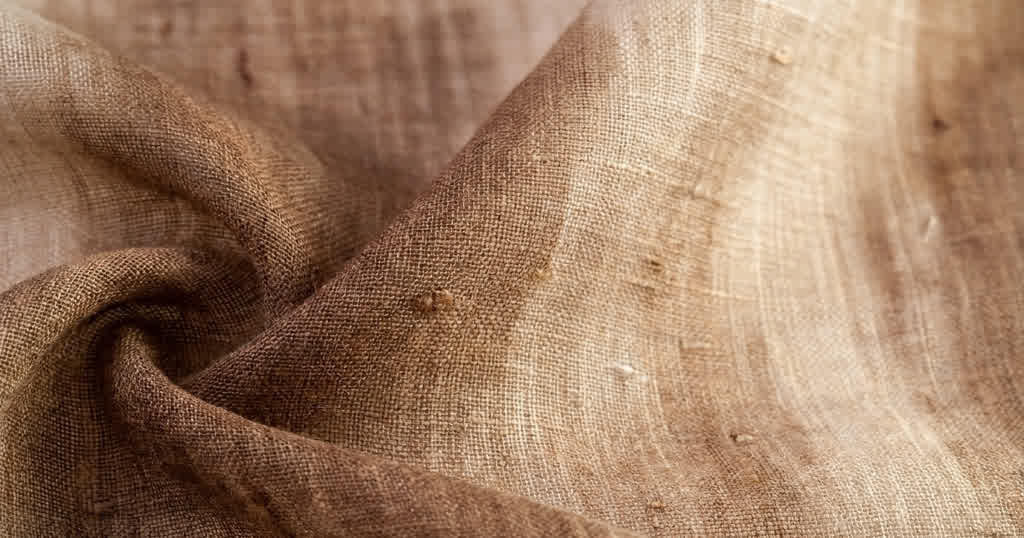
Lightweight Silk Fabric: A Guide to Types, Qualities & Indian Suppliers

Designers creating summer collections often struggle to find textiles that offer a graceful drape without trapping heat. Sourcing a reliable lightweight silk fabric solves this technical challenge, offering a natural solution that balances sheer aesthetics with necessary structural integrity. As eco-conscious brands move away from synthetic chiffons, the demand for a traceable pure silk fabric is rising rapidly. Understanding the exact specifications of these textiles ensures that independent designers can build climate-adaptive garments backed by a transparent supply chain.
Defining Lightweight Silk Fabric: GSM, Breathability, and Drape
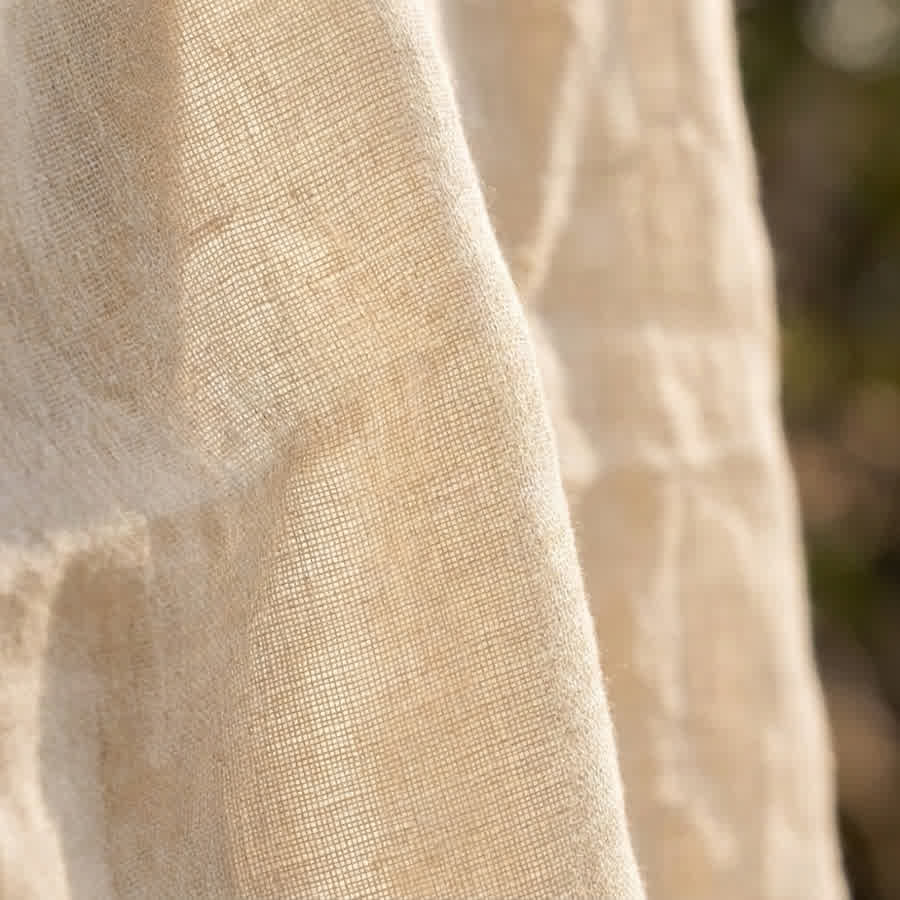
A true lightweight silk fabric is technically defined by a weight of 20 to 60 GSM, achieving its signature breathability and drape through a continuous filament structure. This specific weight range allows the material to remain sheer and airy while maintaining enough tensile strength for commercial garment construction. Designers rely on these precise metrics to predict how a garment will fall, fold, and perform in warm climates.
The Material Science of Low-GSM Silk
The structural integrity of a pure silk fabric comes directly from its biological composition. Silk is primarily composed of fibroin protein, which forms a continuous filament that is exceptionally strong despite its microscopic diameter. This allows weavers to create fabrics with a very low fabric weight that do not easily tear under stress.
When evaluating these textiles for a collection, sourcing leads should consider several technical properties:
- Tensile strength: The continuous filaments prevent the yarn from snapping during the weaving process.
- Sheer opacity: A lower GSM results in a translucent finish ideal for layering and volume.
- Dye uptake: The natural protein structure absorbs botanical dyes deeply, resulting in vibrant, lasting colours.
Engineering Breathability and Drape
The physical construction of the yarn and the loom setup dictate the final fluid drape of the material. To maximize air circulation, artisans often utilize loose plain weaves that leave microscopic gaps between the warp and weft threads. This construction transforms the textile into a highly breathable fabric that actively wicks moisture away from the body.
Additionally, the use of high-twist yarns can alter the texture and performance of the textile. A higher twist adds a dry, crisp hand-feel to the material, preventing it from clinging to the skin in humid conditions. By manipulating these weaving techniques, rural artisans can produce a natural silk fabric that meets exact designer specifications for both movement and thermoregulation.
Top Types of Handwoven Lightweight Silk from India
A fine Indian lightweight silks include Murshidabad silk, handwoven Organza, Kora silk, and fine Matka blends, each offering distinct textures ranging from crisp and sheer to soft and slubbed. These regional varieties provide designers with a diverse palette of natural textiles tailored for specific garment applications. By selecting the right regional weave, brands can match the exact structural needs of their silhouettes.
Heritage Silks of Bengal and Bihar
India holds a deep legacy in silk weaving that traces back to the Indus Valley Civilization. Historically, regions like Murshidabad in West Bengal and Bhagalpur in Bihar became globally renowned for producing ultra-fine textiles. These specific weaving clusters created materials favored by European traders for their exceptional moisture wicking properties and elegant finish.
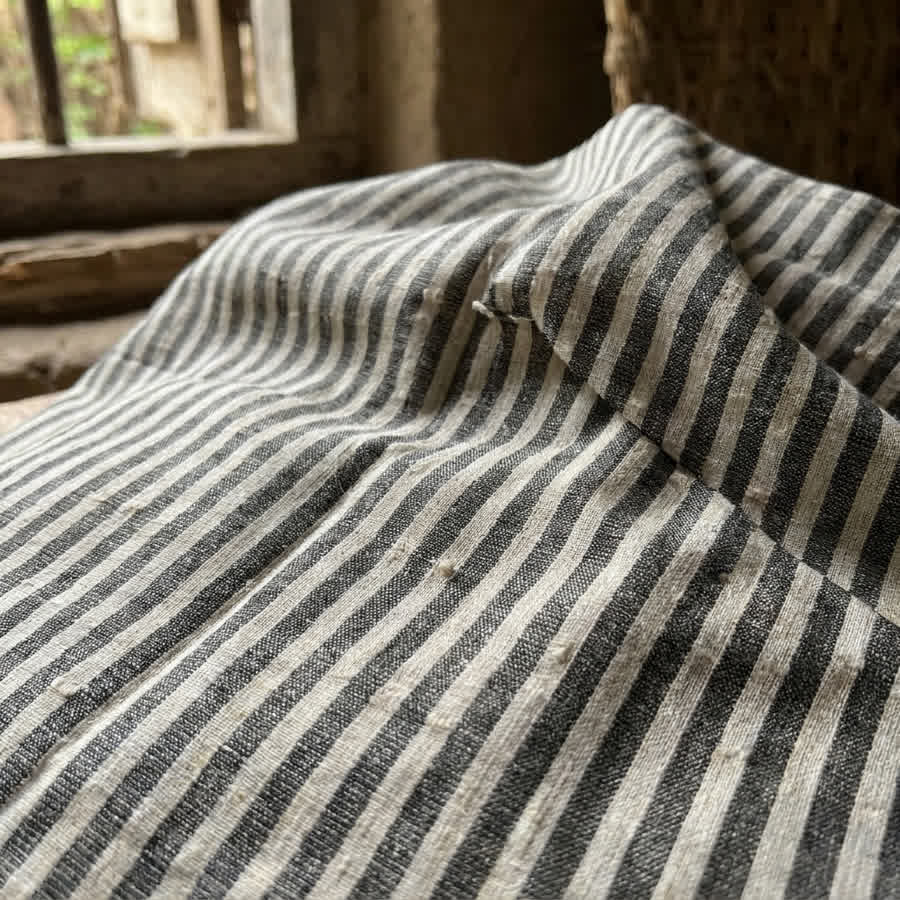
Today, these same regions continue to produce premium handwoven silk fabric using techniques passed down through generations. The artisans in Murshidabad specialize in a flat, smooth plain weave that yields a highly breathable fabric well suited for summer dresses and fine linings. Meanwhile, Bhagalpur is celebrated for its slightly textured yarns that add an organic, tactile depth to the finished cloth.
Distinct Varieties for Modern Collections
Different weaving techniques yield specific fabric profiles that serve distinct design purposes. Sourcing managers must understand these variations to select the correct natural silk fabric for their production lines.
The most prominent lightweight varieties include:
- Handwoven Organza: A crisp, sheer textile woven from low-density, high-twist yarns that holds structural volume beautifully.
- Kora silk: An unbleached, raw silk that retains a portion of its natural sericin, offering a slightly stiff but lightweight texture.
- Fine Matka blends: Spun from short silk fibers, this variety provides a slubbed, linen-like feel while remaining under 60 GSM.
- Murshidabad plain silk: A classic, smooth textile known for its fluid drape and exceptional softness against the skin.
Machine-Loomed vs. Handwoven Silk Fabric: The Artisan Difference
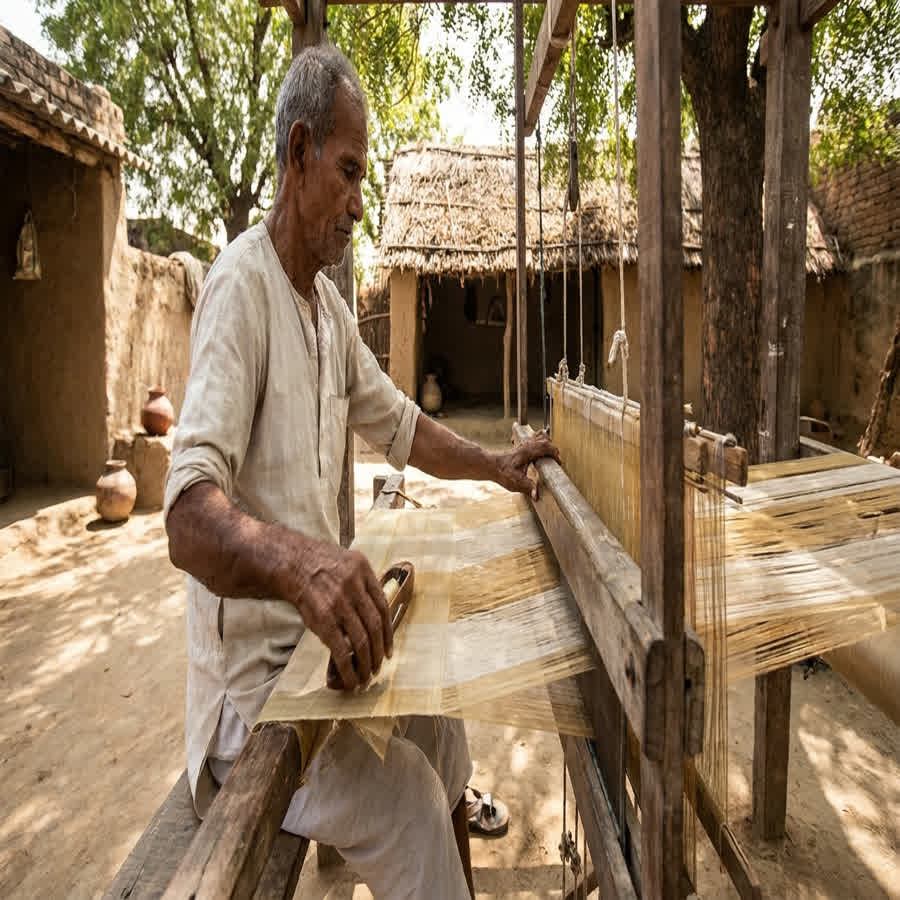
Handwoven silk fabric differs from machine-loomed alternatives by featuring micro-variations in weave tension, which significantly enhances air permeability and creates a unique, organic texture. While power looms produce a perfectly uniform and flat surface, the artisanal handloom process yields a textile with superior breathability and a distinct tactile character. This difference is crucial for brands prioritizing both physical comfort and authentic craftsmanship.
The Impact of Weave Tension
Machine-loomed textiles are manufactured under high, consistent tension, resulting in a tightly packed warp and weft. This creates a flat pure silk fabric that, while smooth, often restricts airflow. In contrast, a human weaver operating a wooden handloom naturally introduces slight variations in the beating of the weft.
These microscopic irregularities are not defects. They create tiny pockets of space within the weave, transforming the material into a highly breathable fabric. This artisanal texture allows body heat to escape more efficiently, making the handloomed version far superior for warm-weather garments. The resulting soft, organic hand-feel cannot be replicated by industrial machinery.
Ethical and Aesthetic Advantages
Choosing handloom textiles also directly impacts a brand's environmental and social footprint. Sourcing from decentralized rural artisans supports traditional livelihoods and reduces the carbon emissions associated with large-scale industrial factories.
The key advantages of selecting handwoven textiles include:
- Enhanced air permeability: The relaxed weave structure maximizes ventilation and comfort for the wearer.
- Unique aesthetic character: Subtle slubs and texture variations give each yard a bespoke, luxurious finish.
- Zero-waste credentials: Handloom weaving consumes minimal electricity and produces very little material waste.
- Social impact: Direct sourcing empowers weaving communities and preserves centuries-old craft techniques.
Why Pure Silk Fabric is a strong Breathable Material for Summer Collections
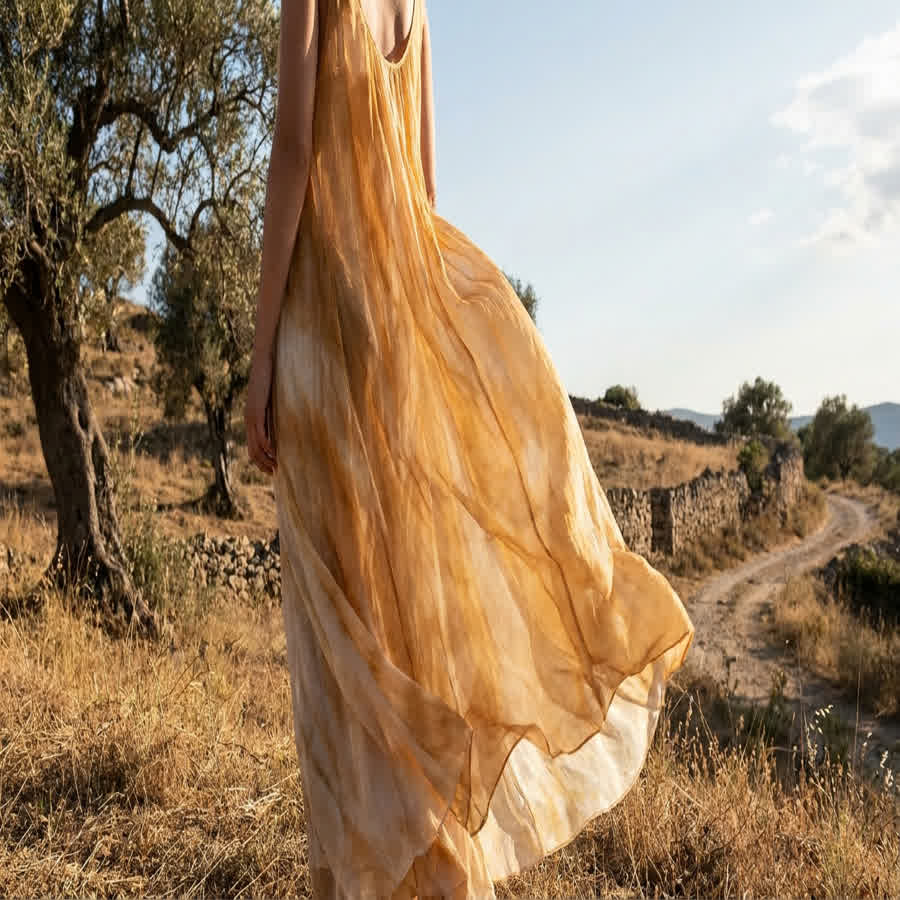
Pure silk fabric excels in summer collections because its active thermoregulation provides a cooling effect, wicking moisture away from the skin while allowing heat to dissipate. Unlike synthetic alternatives that trap sweat, this natural silk fabric adapts to body temperature, ensuring the wearer remains cool and dry in humid environments. For designers, this means offering garments that perform just as beautifully as they look.
Thermoregulation and Moisture Management
The secret to this performance lies in the biological makeup of the fiber. The fibroin protein contains microscopic spaces that absorb moisture vapor before it turns into liquid sweat. This capillary action pulls dampness away from the body and pushes it to the surface of the cloth, where it quickly evaporates.
Because a lightweight silk fabric has a low GSM, this evaporation process happens rapidly. The material acts as a natural climate control system. It provides a cool, soothing touch in the heat, yet retains enough insulating properties to protect against sudden evening chills, making it a highly versatile breathable fabric.
Replacing Synthetics in B2B Apparel
For decades, the fashion industry relied on polyester chiffons and synthetic georgettes to achieve a sheer look at a low cost. However, eco-conscious fashion brands are now rejecting these plastics due to their poor thermal performance and environmental damage.
Transitioning to natural fibers offers several distinct commercial benefits:
- Superior wearer comfort: Natural proteins do not cause the clammy, suffocating feeling associated with synthetic blends.
- Microplastic-free shedding: Natural fibers biodegrade safely, aligning with strict environmental, social, and governance requirements.
- Premium market positioning: Garments cut from authentic handloom textiles command higher retail margins.
- Distinctive fluid drape: The natural weight and flexibility of the yarn create a graceful, sweeping movement that plastics cannot mimic.
Partnering with the Right Indian Silk Fabric Supplier
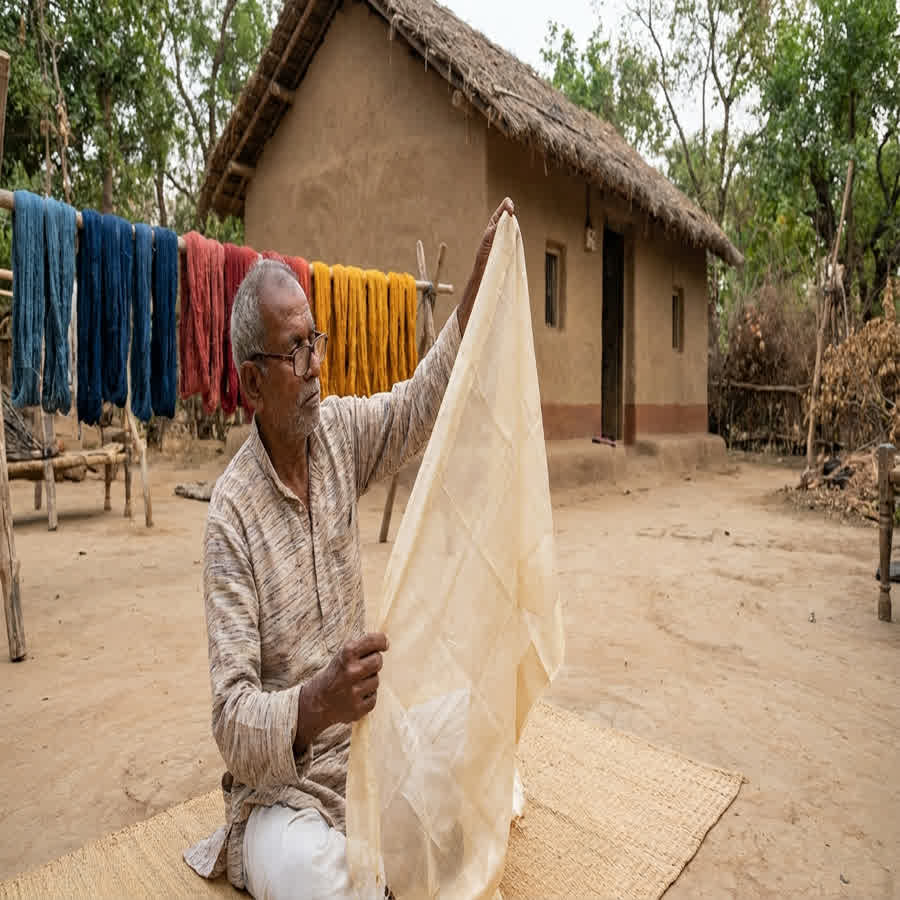
Selecting the right Indian silk fabric supplier requires evaluating their supply chain transparency, ethical labor practices, and ability to accommodate flexible minimum order quantities (MOQs). A reliable partner bridges the gap between rural weaving clusters and modern fashion brands, ensuring consistent quality while maintaining strict sustainability standards. This direct connection mitigates sourcing risks and guarantees the authenticity of the textile.
Evaluating Supply Chain Transparency
In the current textile market, boutique designers demand absolute clarity regarding where and how their materials are made. An ethical silk fabric supplier must provide verifiable data tracing the yarn from the initial cocoon to the finished yardage. This transparency protects brands from greenwashing claims and ensures that the pure silk fabric they purchase supports artisan livelihoods.
When auditing a potential partner, sourcing leads should verify specific operational details. They must confirm that the supplier engages directly with the weavers, bypassing exploitative middlemen. The supplier should demonstrate a clear commitment to fair wages and safe working conditions within the weaving clusters.
The Anuprerna Sourcing Model
Anuprerna operates as a decentralized artisan supply chain, working directly with rural Indian handloom weavers across Bengal. We provide a structured, reliable bridge between these heritage craftspeople and international B2B buyers.
Our approach to sourcing offers distinct advantages for independent designers:
- Accessible MOQs: We support boutique brands by offering low minimum order quantities, reducing deadstock and financial risk.
- Direct artisan impact: Every purchase directly funds the weaving communities, ensuring fair compensation and craft preservation.
- Consistent quality control: We monitor the production of our lightweight silk fabric to ensure it meets commercial grading standards.
- Custom development: Designers can collaborate with our artisans to develop bespoke weaves, adjusting the GSM and texture to their exact specifications.
Explore Our Collection
Anuprerna works directly with handloom artisan clusters to weave lightweight silk fabric for designers and brands building considered collections. To source it for your next line, explore the range below.
frequently asked questions
What is the typical GSM for lightweight silk fabrics?
Lightweight silks generally fall between 20 and 60 GSM. Sheer fabrics like Organza and Chiffon are on the lower end (20-30 GSM), while fine Habotai or lightweight handloom plain silks sit around 40-60 GSM, offering a balance of opacity and breathability.
How does handwoven silk differ from machine-made silk in terms of breathability?
Handwoven silk fabric features micro-variations in weave tension that significantly enhance air permeability compared to tightly uniform, machine-loomed silks. This artisanal texture not only gives the fabric a distinct, organic feel but also creates microscopic gaps that allow body heat to escape efficiently.
Are lightweight natural silk fabrics durable enough for commercial garment manufacturing?
Yes, pure silk fibers possess incredible tensile strength that makes them highly durable despite their low weight. When properly woven and finished, lightweight silks can withstand standard commercial sewing processes, though they require appropriate seam finishes, such as French seams, to prevent fraying.
What should I look for in an ethical silk fabric supplier in India?
B2B buyers should look for transparent supply chains, direct engagement with weaving clusters, fair wage practices, and the ability to trace the natural silk fabric back to its rural artisan origins. These principles are foundational to Anuprerna's decentralized sourcing model, ensuring both social impact and premium quality.
Can lightweight silk fabric be dyed using natural dyes?
Yes, the natural fibroin protein structure of pure silk absorbs natural dyes exceptionally well, resulting in deep, vibrant, and colorfast hues. Because the fibers are highly porous, they take up botanical and mineral dyes efficiently without the need for harsh chemical mordants, making them ideal for sustainable fashion collections.
More Blogs
organic fabric suppliers in india: a guide for fashion brands & designers
how fabric wholesalers help fashion brands scale faster
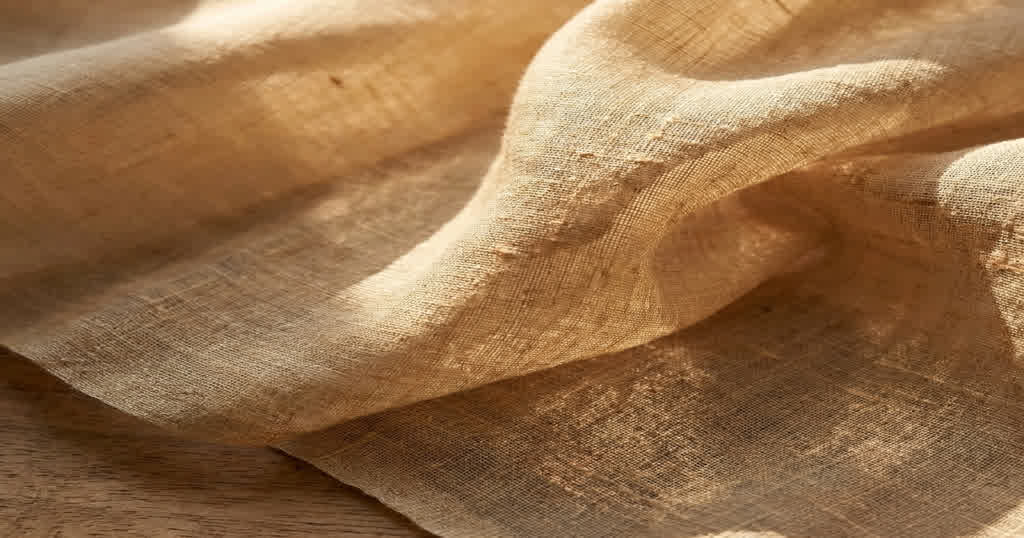
silk fabric suppliers in india: a guide to lightweight & breathable silks
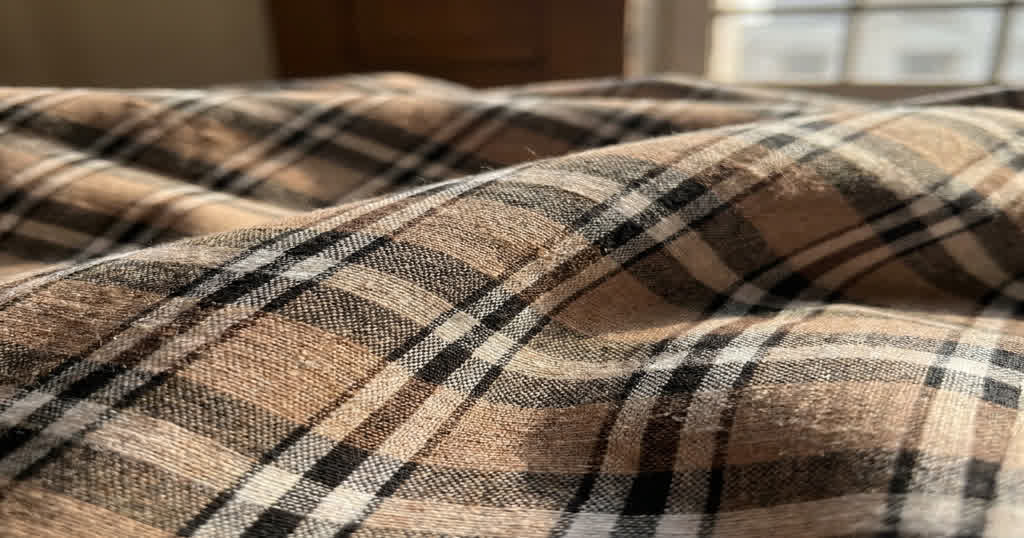
why yarn-dyed khadi cotton faric is the premium choice for contemporary styling
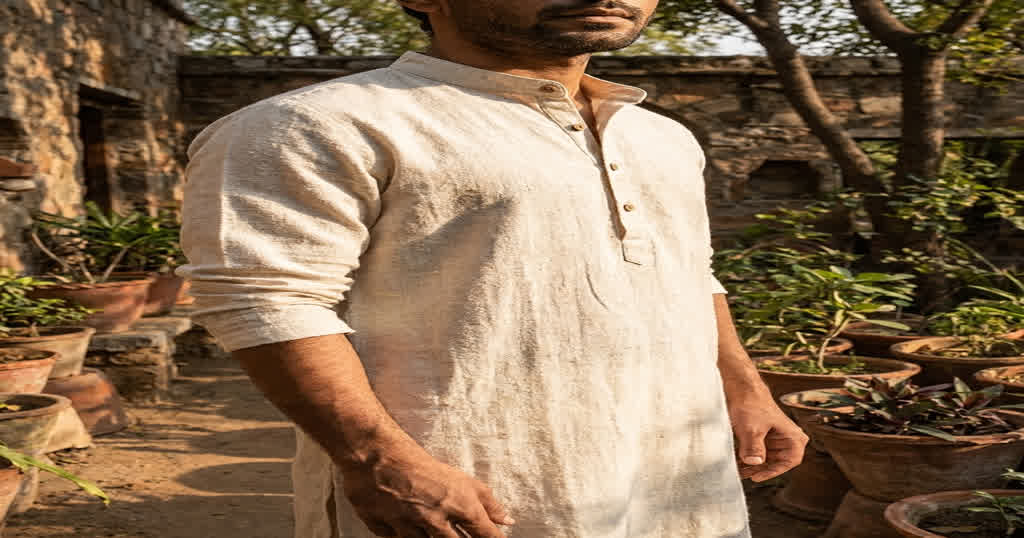
designer kurta for men: the role of fabric, texture and handloom craft
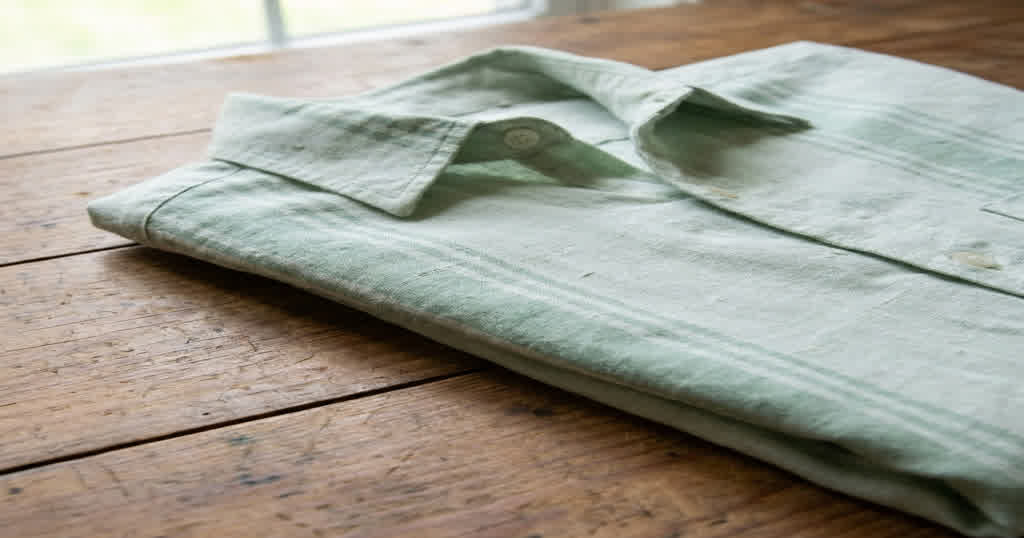
cotton shirts for men online: a guide to fabric types, weaves and quality